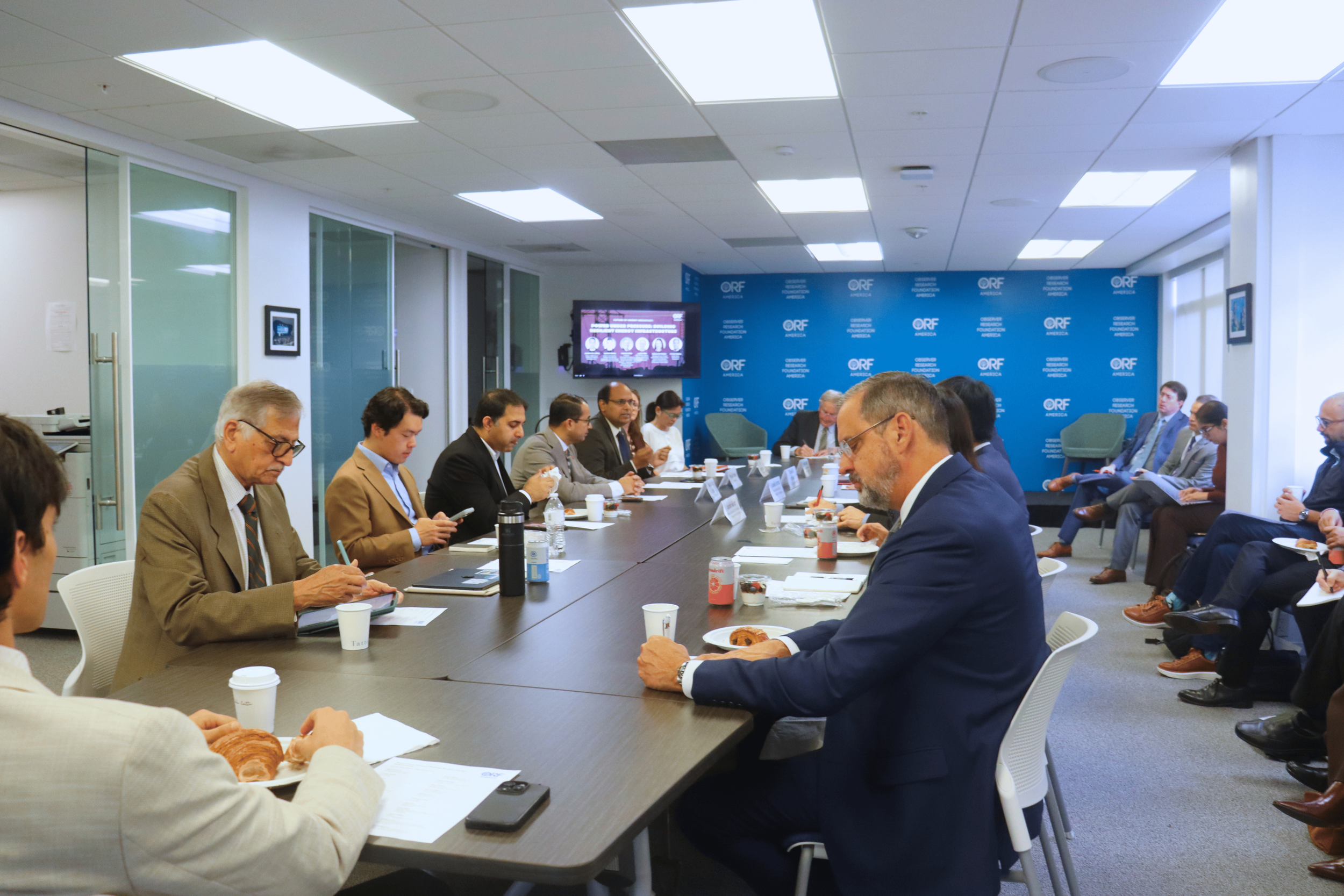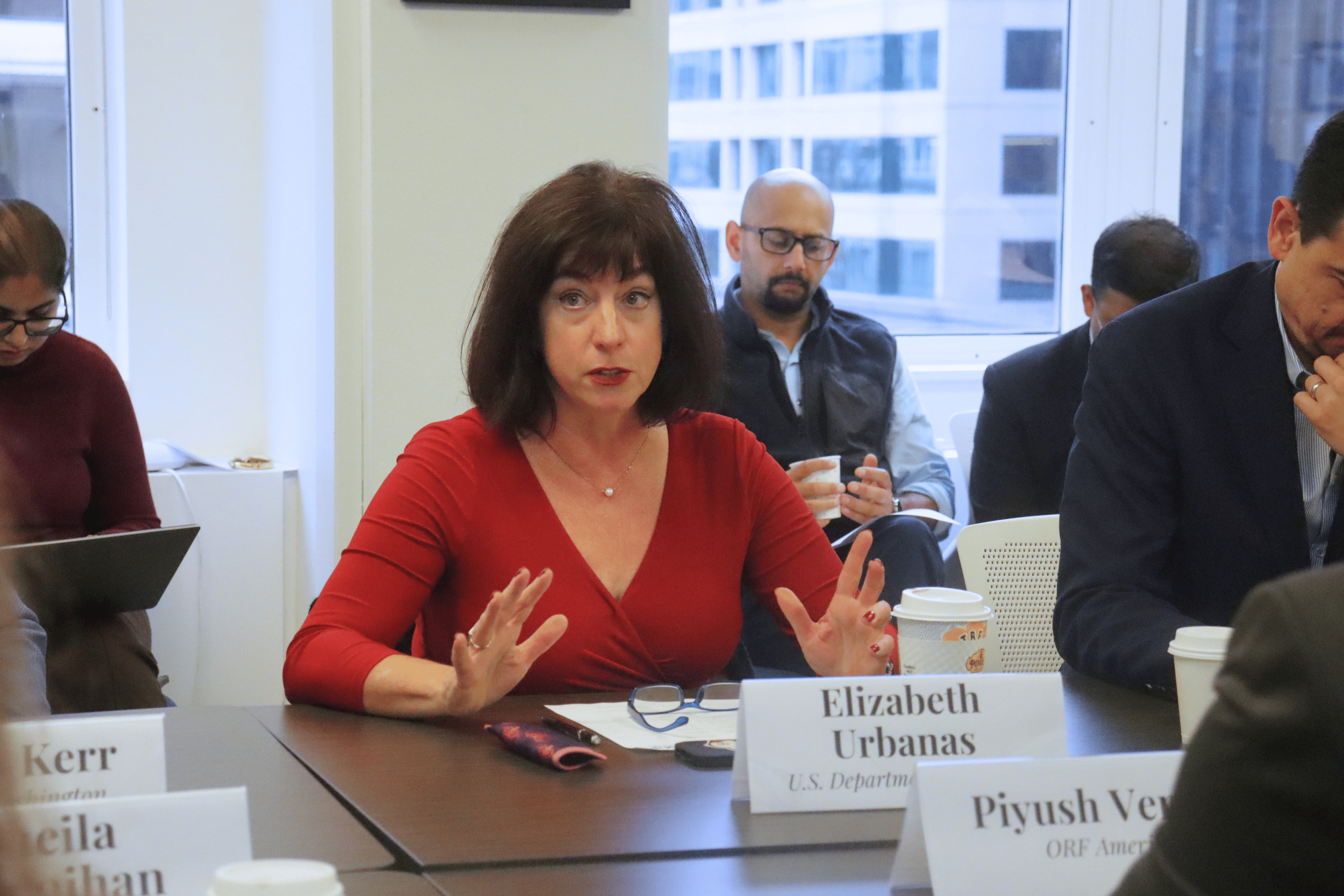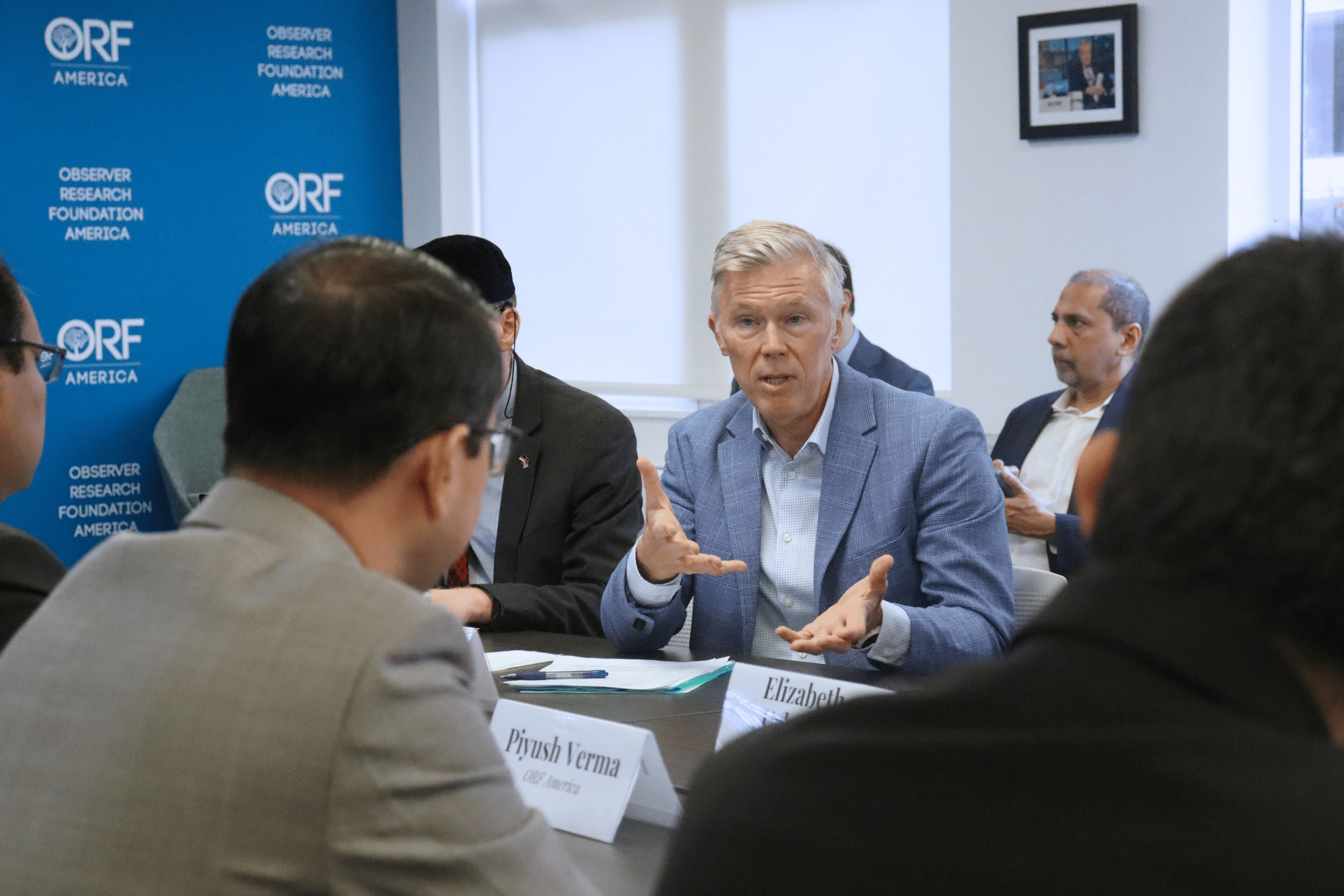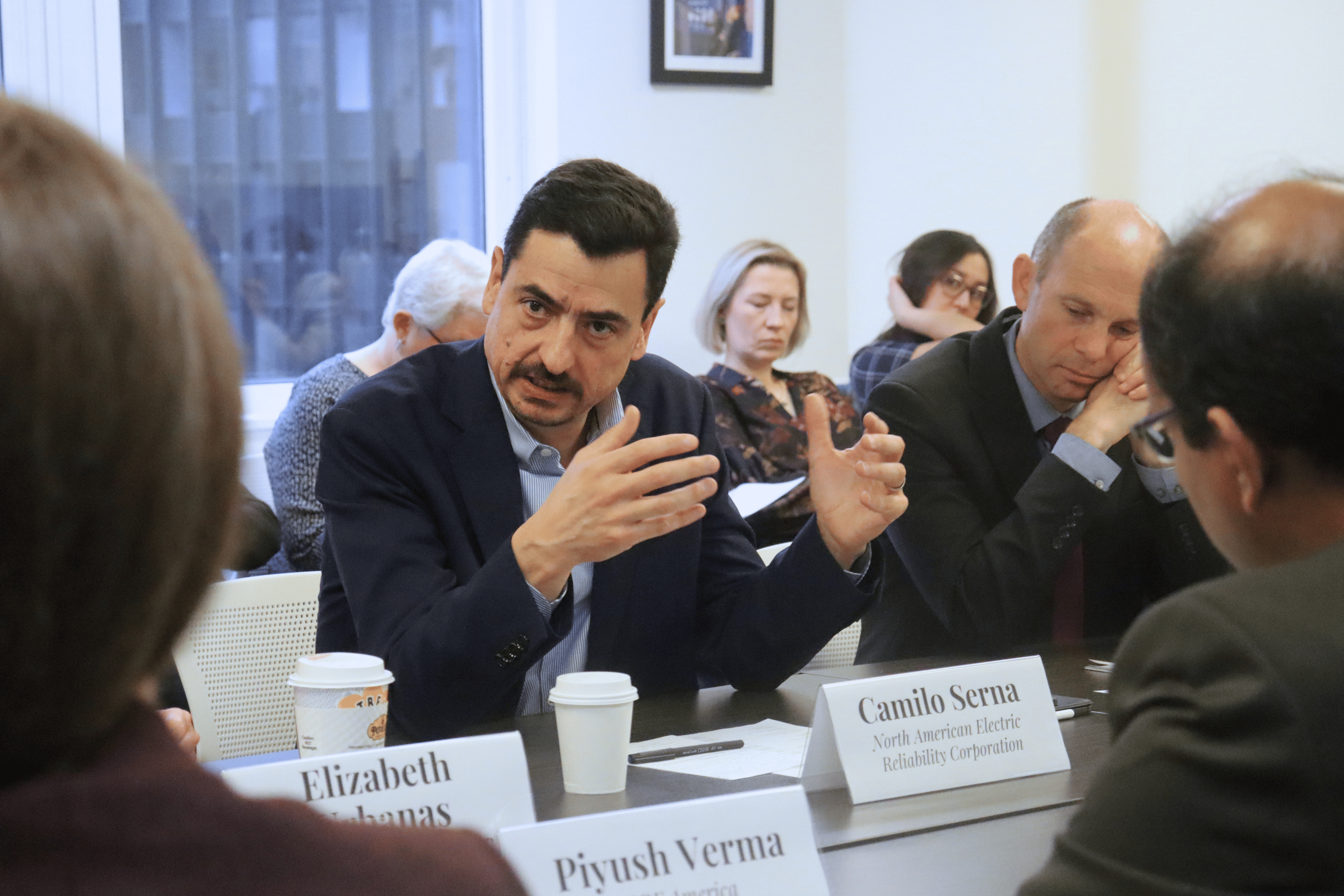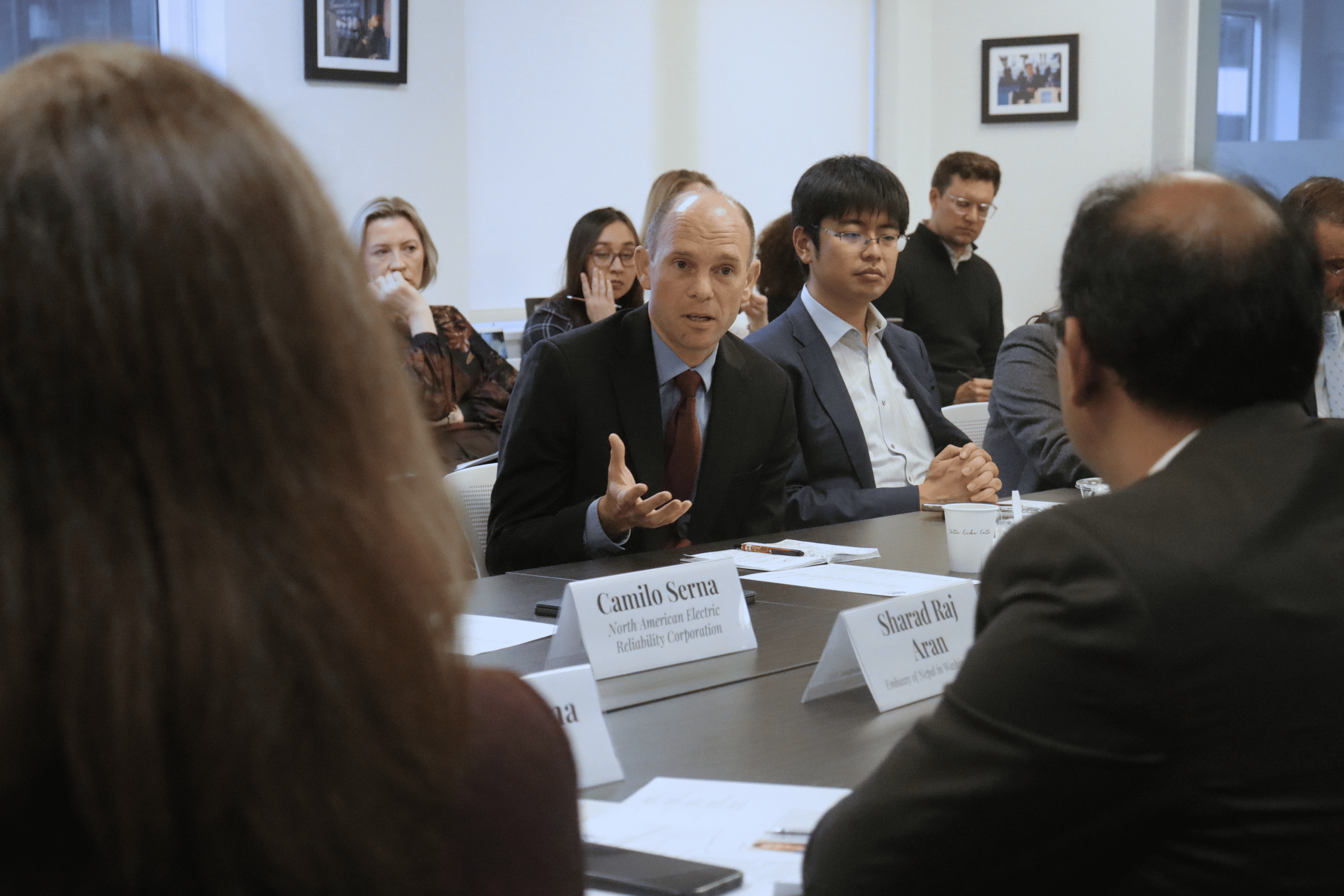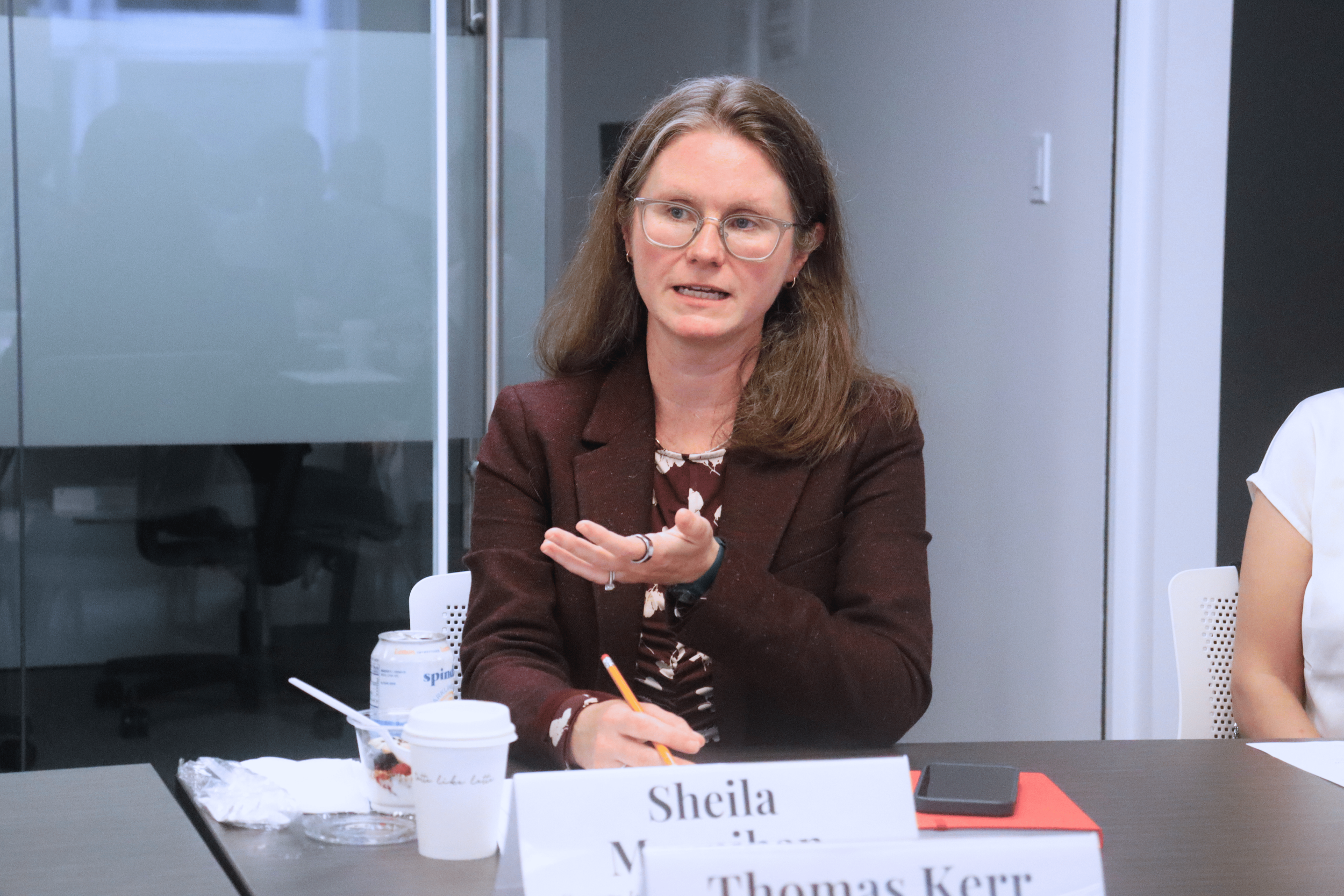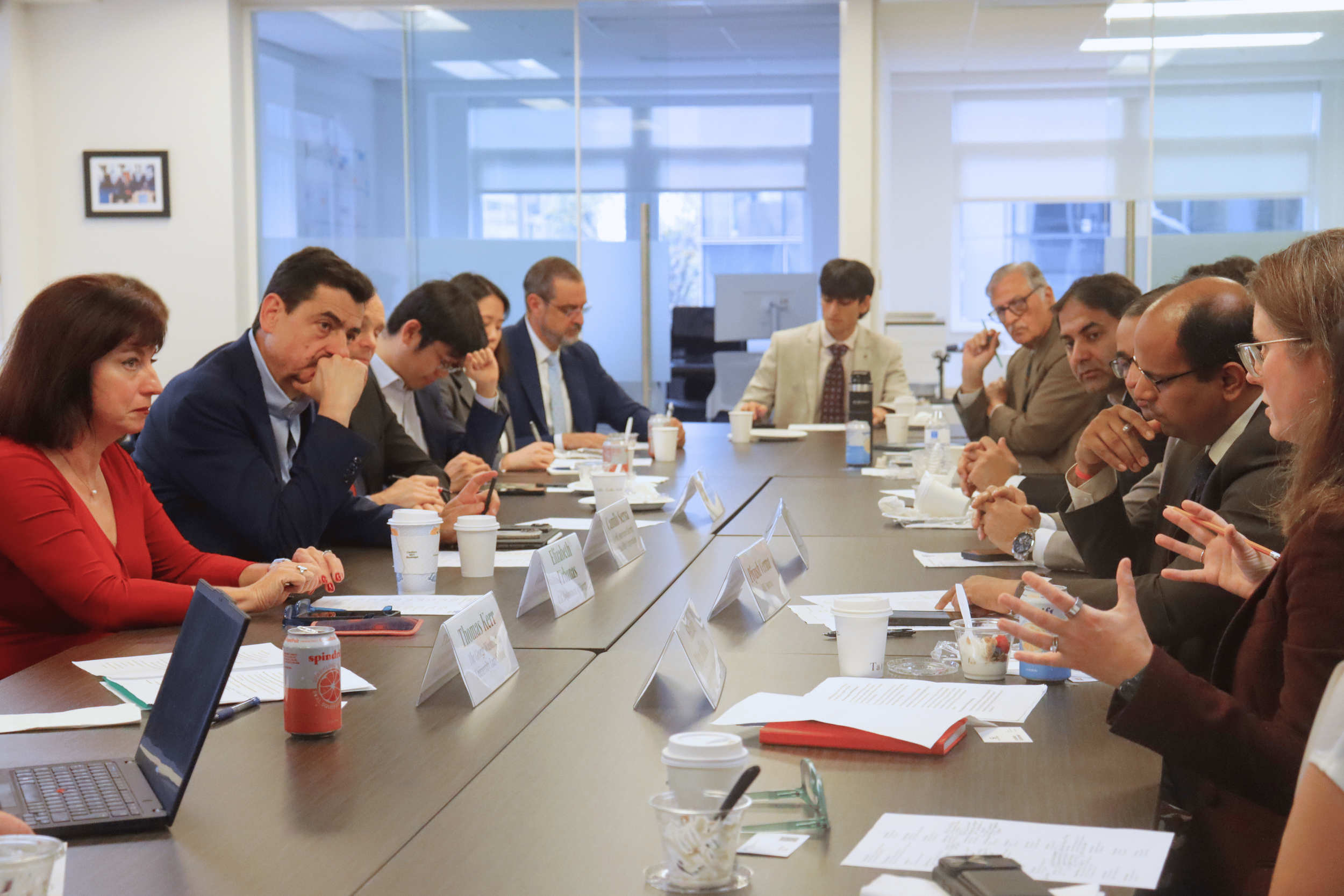
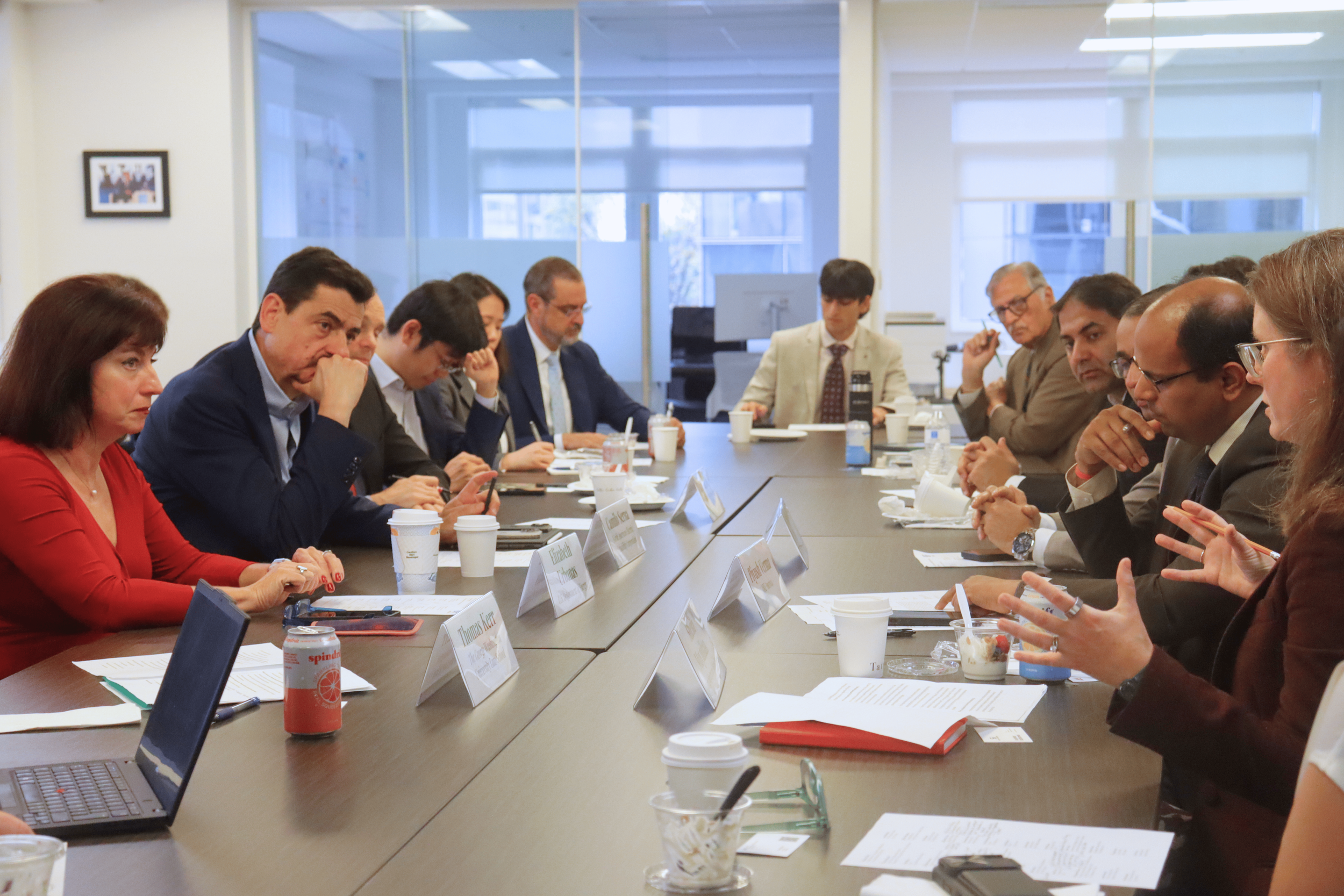
On November 5, ORF America convened the seventh edition of its Future of Energy Breakfast series, “Power Under Pressure: Building Resilient Energy Infrastructure,” bringing together senior leaders from government, utilities and grid institutions, industry, technology, finance, and policy for a closed-door dialogue. This edition focused on how energy systems can withstand disruption, continue providing critical services, and recover quickly when failures occur.
As transportation, buildings, industry, and digital infrastructure become increasingly electrified, power systems are facing a wider and more interconnected set of risks, including extreme weather, cyber and physical threats, supply disruptions, and equipment failures. Recent events make these challenges tangible: in 2026, floods in Nepal damaged around 10% of the country's installed generation capacity, while extreme heat in Europe reduced gas-fired power output by 2.5 GW in the UK and hydropower generation to roughly half of normal levels in Austria and Switzerland. At the same time, rapid load growth from data centers, manufacturing, and electrification is placing new strain on systems that must also become more resilient. Building resilience therefore requires different choices in how infrastructure is planned, designed, financed, and operated.
Key takeaways included:
Reliability and resilience address distinct dimensions of the energy system. Reliability focuses on keeping the lights on under normal operating conditions. Resilience is the ability of the energy system to prepare for, withstand, and recover from infrequent, large-scale disruptions that can cause widespread or prolonged outages. Participants noted that while reliability is a necessary condition for a healthy grid, it is not sufficient on its own to guarantee resilience.
Risk diagnosis must translate into implementation and investment. Countries around the world increasingly recognize climate risks and infrastructure vulnerabilities. The challenge lies in translating this diagnostic awareness into practical action. Participants mentioned that resilience planning needs concrete steps such as safer site selection, climate-resilient engineering, backup systems, and alternative transmission routes, integrated from project inception. Traditional planning metrics, such as the "1-Event-in-10-Years" loss of load event standard, fail to capture the risks of prolonged and large-scale disruptions. Infrastructure design should prioritise withstanding future climate risks rather than solely relying on historical assessments. Embedding energy resilience considerations in infrastructure planning early-on helps avoid costly measures after the risks materialize.
Infrastructure resilience investments should be recognised and valued for their long term financial impact. Resilience infrastructure upgrades are viewed as upfront additional costs but conventional assessments fail to capture the full value of its long term financial benefits and economic savings. For instance, these investments in reliable assets yield returns beyond avoided damages through deferring capital expenditures, preserving asset value, generating water and energy saving, and reducing maintenance costs. Reframing resilience from “climate costs” into an asset valuation metric can positively impact debt-service coverage, credit quality, and cash-flow predictability. Participants recommended that early engagement with insurance companies can offer options like lower insurance premiums for resilient assets and parametric insurance products that provide payouts when predefined climate-related events occur. Governments, investors and financial institutions must move towards identifying and quantifying these benefits and incorporating them into investment decisions.
The lack of political commitment and institutional coordination are a key constraint in achieving energy resilience objectives. Speakers noted that the impacts of disasters require coordinated response from multiple political divisions but the risk planning and prevention process is fragmented. The lack of coordination across institutional mandates and incentives to approve infrastructure resilience projects threatens their buildout. Although the technical capacity and financial viability for building infrastructure that can withstand future climate risks exists, procurement decisions favor lower cost options and institutional incentives like tax benefits over long-term resilience.
Multilateral engagement and regional cooperation offer avenues to address shared resilience challenges. The discussion emphasized that physical cross border interconnections can support the mitigation of emergencies and reserve sharing. Participants shared examples like the ASEAN power grid, a regionally integrated interconnected power system, ensures that electricity flows sustain even amid climate disruptions. Countries can also explore information interconnection pathways, involving data sharing and coordinated system operations. However, achieving regional interconnection requires viable market conditions and political will to support cross border coordination. Rising distrust amid geopolitical fragmentation challenges exploring these pathways.
Energy resilience is linked to economic development, climate justice, and community well-being. Participants spotlighted the recent catastrophic floods in Nepal that damaged 12 power generation sites, disrupting approximately 431 MWs of capacity, and generated a reconstruction bill estimated at $4-5 billion. The damages, nearly a tenth of Nepal’s GDP, illustrate how a single disaster can wipe out years of economic and development gains. Nepal faces disproportionate impacts of climate change, including frequent flooding, despite contributing to only about 0.05% of the global emissions, raising concerns about climate justice. In Nepal, much of the infrastructure, settlements, and agriculture are concentrated along vulnerable river basins, as a result glacial melt and outburst floods upstream can overwhelm entire regions downstream. The consequences of the power station damages extend beyond the infrastructure itself, threatening the communities that depend on electricity for their livelihoods.
Speakers:
Special Remarks: Elizabeth Urbanas, Deputy Assistant Secretary for Asia and the Americas, Office of International Affairs, U.S. Department of Energy
Sharad Raj Aran, Chargé d’Affaires a.i., Embassy of Nepal in Washington, D.C.
Camilo Serna, Senior Vice President, Strategy and External Engagement, North American Electric Reliability Corporation
Thomas Kerr, Professor, The George Washington University Law School; Former Lead Climate Specialist, Adaptation and Resilience Finance, International Finance Corporation
Jamie Kern, Former Policy Officer, Energy, Delegation of the European Union to the United States
Sheila Moynihan, Managing Director, Energy Infrastructure Alliance Forum; Former Chief Operating Officer, U.S. Department of Energy Loan Programs Office
Moderator: Piyush Verma, Senior Fellow, ORF America
Participants:
Caroline Arkalji, Junior Fellow, ORF America
Parth Sarthi Bajaj, Research Associate, National Center for Energy Analytics
Jeffrey Bean, Fellow, ORF America
Ahmed Bekov, Energy Counsellor, German Embassy, Washington D.C.
Travis Brubaker, Senior Policy Advisor, E3G
Robert Cekuta, Senior Adjunct Professor, American University
Brig. Gen. Purna P. Dhakal, Defense and Military Attaché, Embassy of Nepal in Washington, D.C.
Charessa Fryc, Government Affairs, R Street
Risav Ganguly, Research Analyst, CGCN Group
Mohinder Gulati, Consultant, World Bank
Suhani Jaggi, Intern Energy & Climate, ORF America
Elizabeth Jacobs, Policy Advisor, Sole Proprietor
Joy Jiang, Analyst, Breakthrough Institute
Sangeun Lee, Monitoring Evaluation and Learning Intern, Institute for Transportation and Development Policy (ITDP)
Kevin Zongzhe Li, Fellow, Asia Society Policy Institute's Center for China Analysis
Sini Matikainen, Director, Economic and Fiscal Policy, CETEx, London School of Economics
Anna Mikulska, SVP, Head of Analytics, CGCN Group
Nada Mohamed, Global Issues and Innovation Trainee, Delegation of the European Union to the United States
Medha Prasanna, Program Coordinator and Junior Fellow, ORF America
Avishkar Sabharwal, CEO, Satya Carbon
Sara Schonhardt, Reporter, Politico
Sarang Shidore, Director, Quincy Institute
Inesh Tickoo, Founder & CEO, Opef
Naoki Tsuji, Representative, Washington DC Office, Japan Bank for International Cooperation
Michelle Urben, Managing and General Partner, The Synergos Fund
Anmol Vanamali, Chief Investment Officer, Maryland Clean Energy Center
Rick Westerdale, VP & Energy Practice Lead, Connector Inc.
Brandon West, CEO, Provident Strategy Group