
Foreign Policy & Security
ORF America conducts programs and research on strategic and security cooperation involving the United States, India, and their partners. Regional programming focuses on the Indo-Pacific, Europe, and the Middle East, as well as defense and national security issues, and cooperation on global democracy.
Experts:


By Dhruva Jaishankar and Ammar Nainar
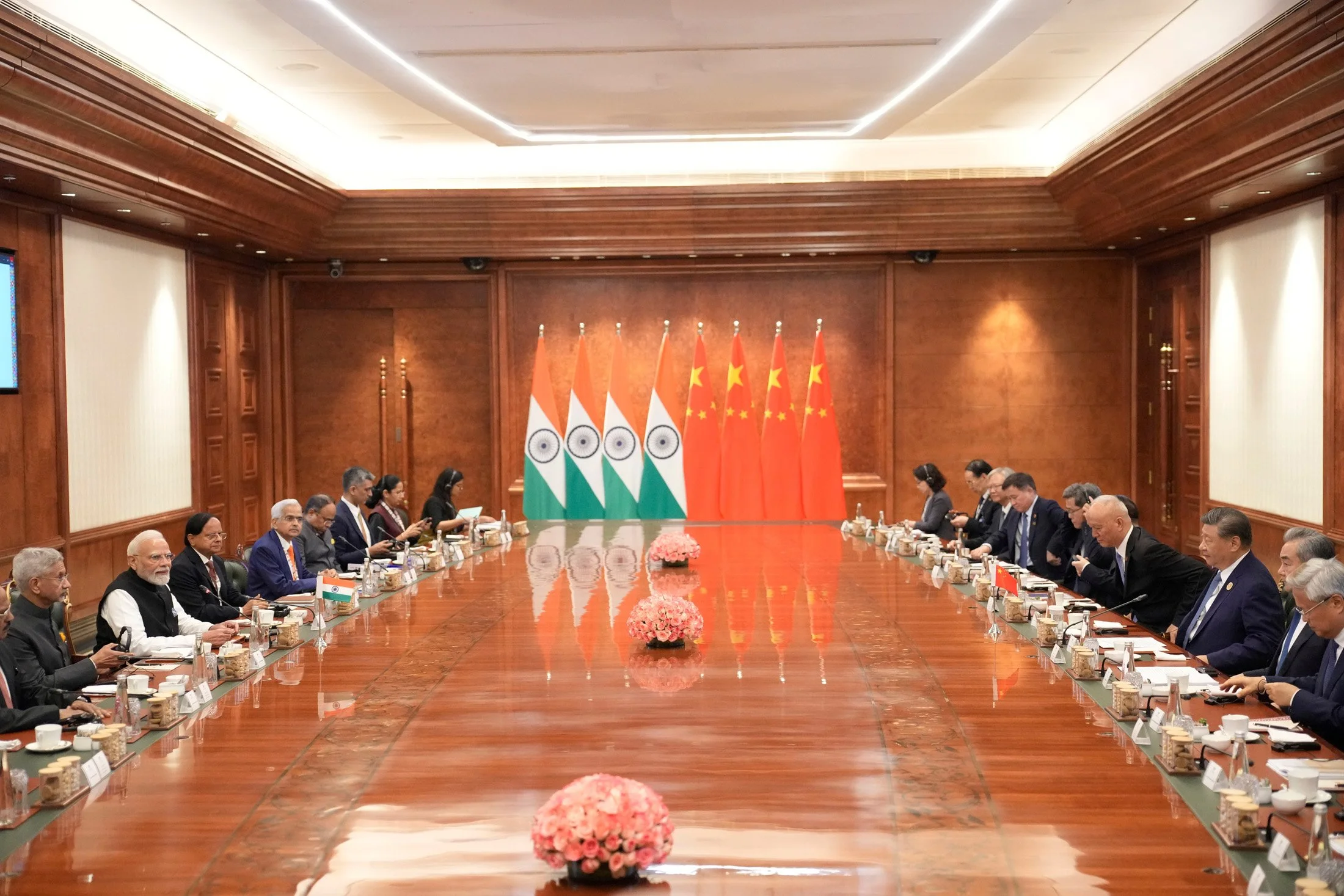
Despite a political thaw with China, India will double-down on efforts to indigenize its own industrial capabilities in certain sectors, while seeking new markets for exports, new defense and technology partners, and new and diverse sources for raw materials, investment, and intermediary goods.
By Andre Nicola
The outcome of Brazil’s 2026 presidential election will have massive implications for its domestic policies and will also shape how Brazil engages with partners in Washington, Beijing, and the rest of the world.

By Ammar Nainar
In the long run, India will continue to deepen defense cooperation with a select group of West Asian and Mediterranean countries in partial response to developments such as the Mecca Agreement.
By Dylan Morgan
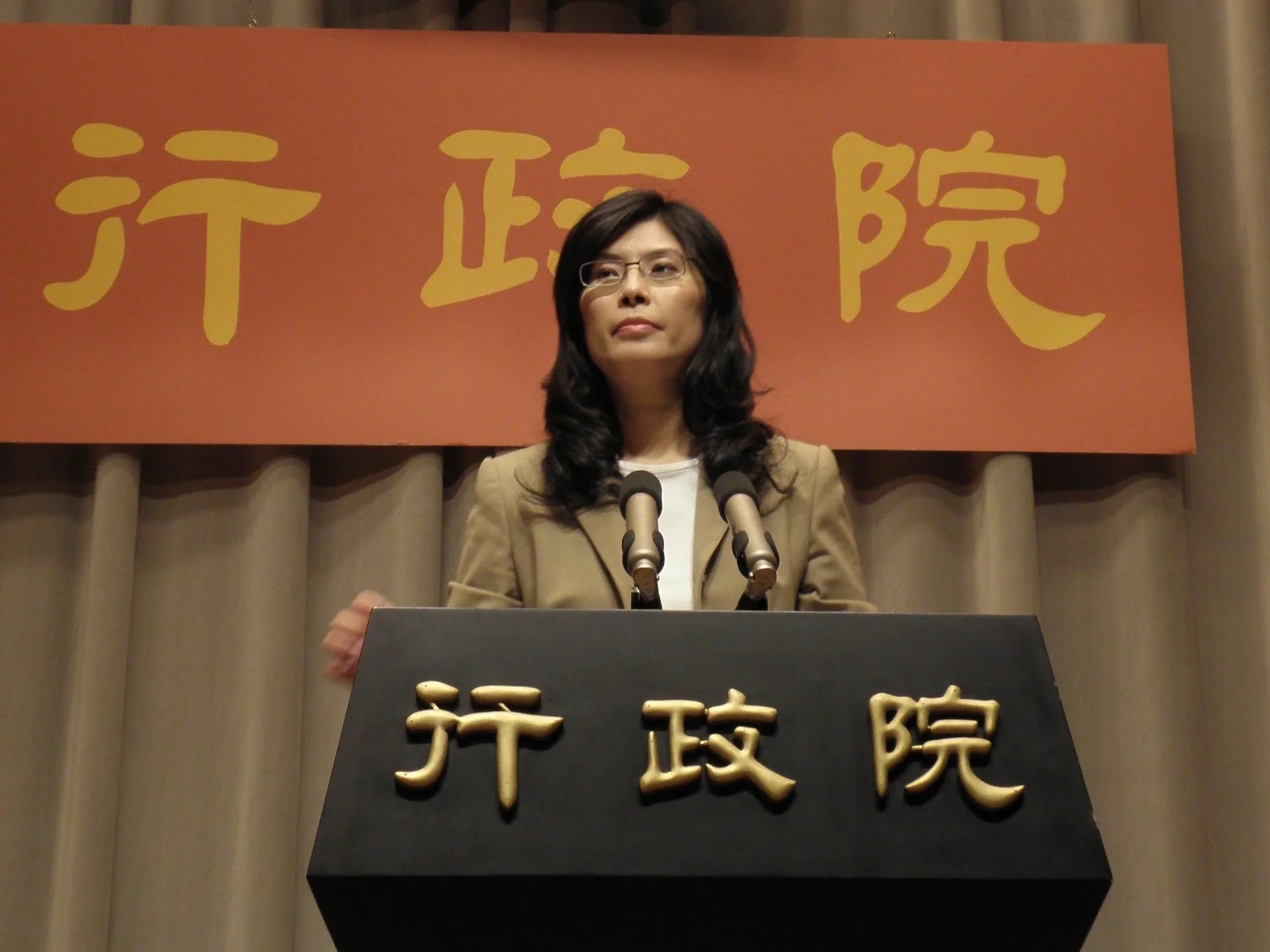
While the CCP may view Cheng as an opportunity to revive engagement, Taiwan’s political realities continue to place limits on how far she can move towards accommodating Beijing. Her current efforts to moderate her platform and temper pushback may be able to help her make inroads with a broader audience.

By Andre Nicola
Across South America, governments are increasingly framing environmental regulation as a constraint on growth, investment, and national competitiveness. South America's political direction over the next several years will be an early test of whether economic development can be reconciled with environmental stewardship throughout the region.
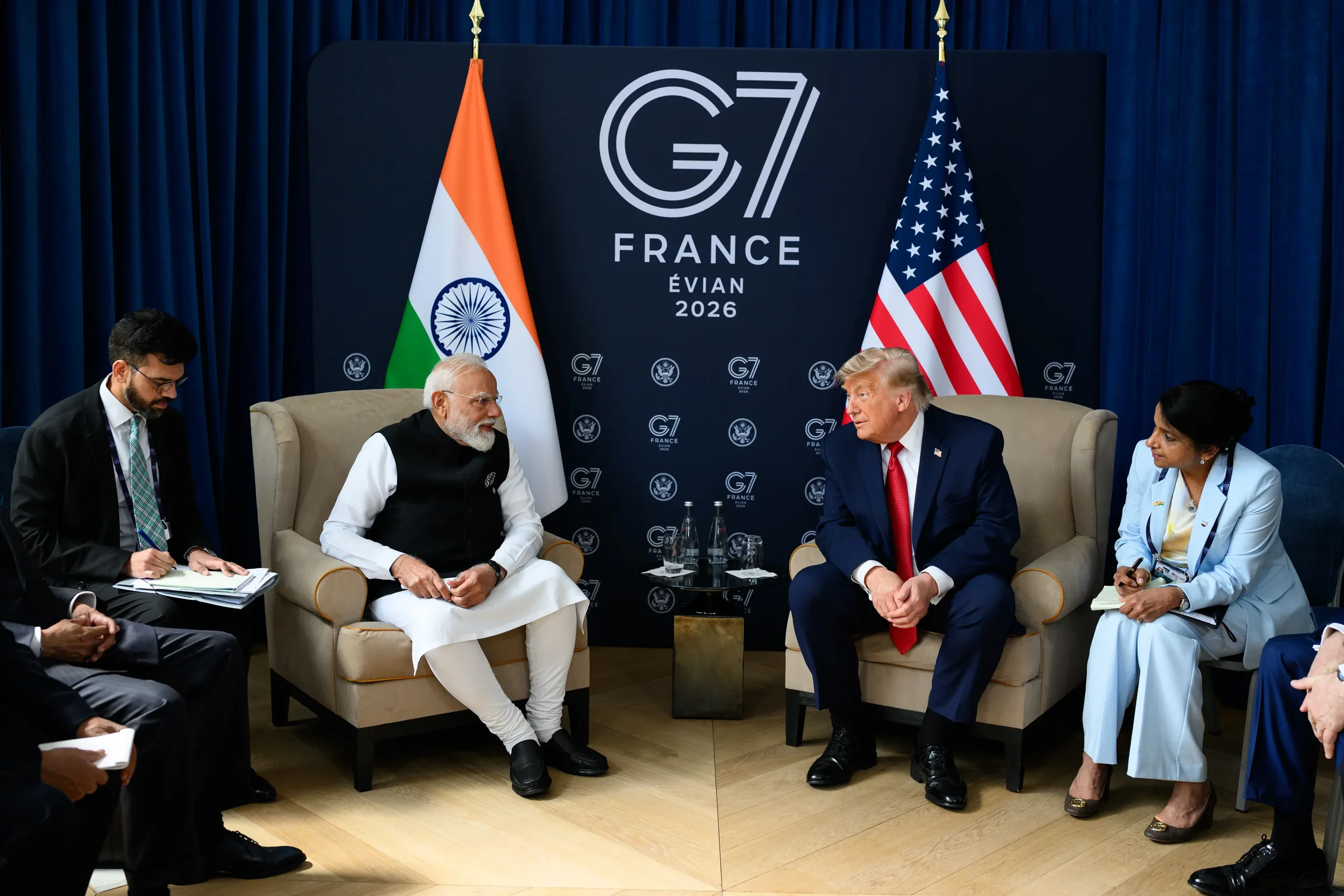
By Dhruva Jaishankar
What’s the latest on U.S.-India relations? Dhruva Jaishankar answers.

By Dhruva Jaishankar and Jeffrey D. Bean
Earlier this month, India was among the first countries to receive expanded access to Anthropic's Claude Mythos large language model, but the White House decision to block all foreign access to Anthropic’s new Mythos and Fable models via export control elevates concerns regarding reliability of U.S. partnership and AI dependency.

By Jhanvi Tripathi and Samriddhi Vij
Countries in the Global South are the fastest growing consumer markets with their growing and increasingly aspirational populations. Fulfilling this potential requires addressing deep connectivity gaps that have implications for the speed and cost of doing business.
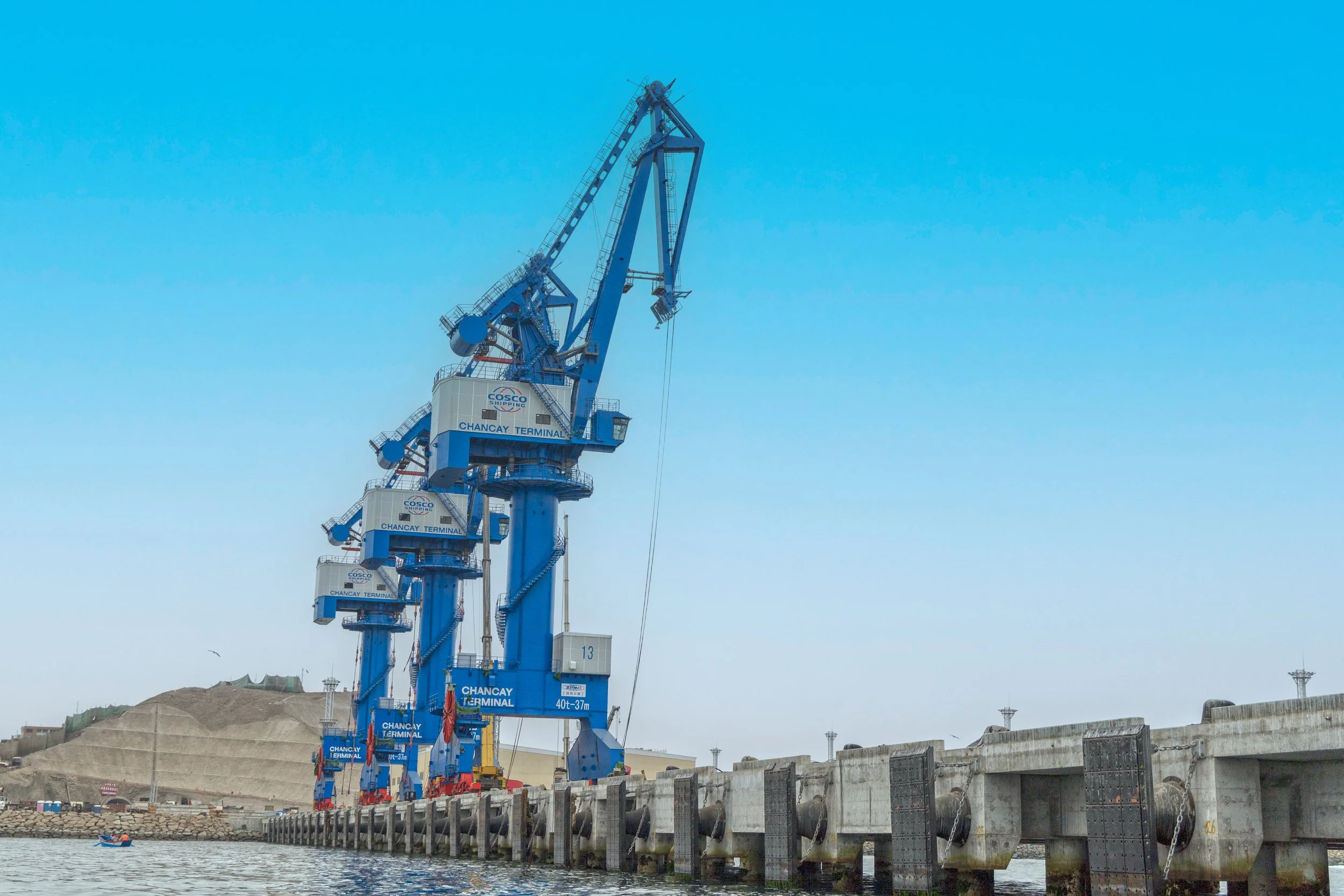
By Soumya Bhowmick and Arya Roy Bardhan
For countries across Asia, Africa, and Latin America, the challenge is no longer simply how to engage Washington or Beijing diplomatically, but how to preserve developmental autonomy in an environment where great-power competition is restructuring markets, supply chains, and industrial choices.
By Aleksei Zakharov
China is carefully balancing its position on the war in Ukraine, offering Russia targeted support while avoiding direct military involvement in the form of supplying lethal weapons or deploying troops. Similarly, Moscow would like to avoid getting entangled in China’s conflicting relations with India, Japan, Vietnam, or the United States. This cautious approach on both sides imposes a clear ceiling on their engagement and leaves limited prospects for an alliance-like partnership in the future.

By Rudra Chaudhuri
There is a need for an architecture, such as a Trusted AI Corridor, which can help mitigate the risk that regulators in both the United States and India take steps that could roll back years of investment in a deepening technology partnership.
By Vasabjit Banerjee
China’s economic and military presence in Latin America is expanding, prompting the United States to pursue countermeasures. Other extra-regional actors, ranging from the European Union to countries such as India, are simultaneously deepening their engagement with the region. The United States could strategically leverage these relationships to reinforce its own position.
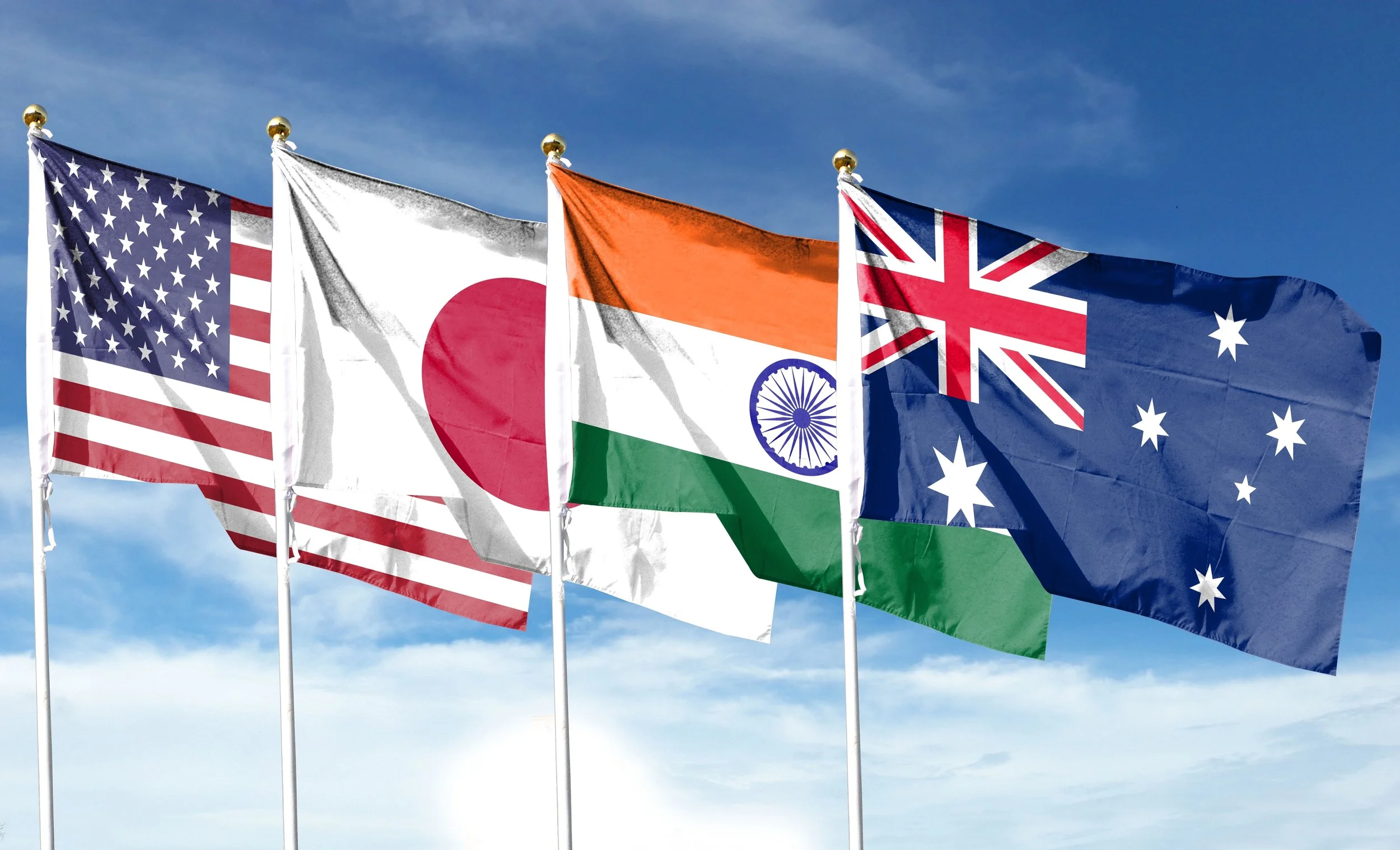
By Dhruva Jaishankar
The latest Quad joint statement highlights how economic security is receiving priority at this juncture, critical and emerging technologies are being somewhat marginalized by unilateral and bilateral efforts, and efforts of maritime security continue to progress in a more workmanlike manner.
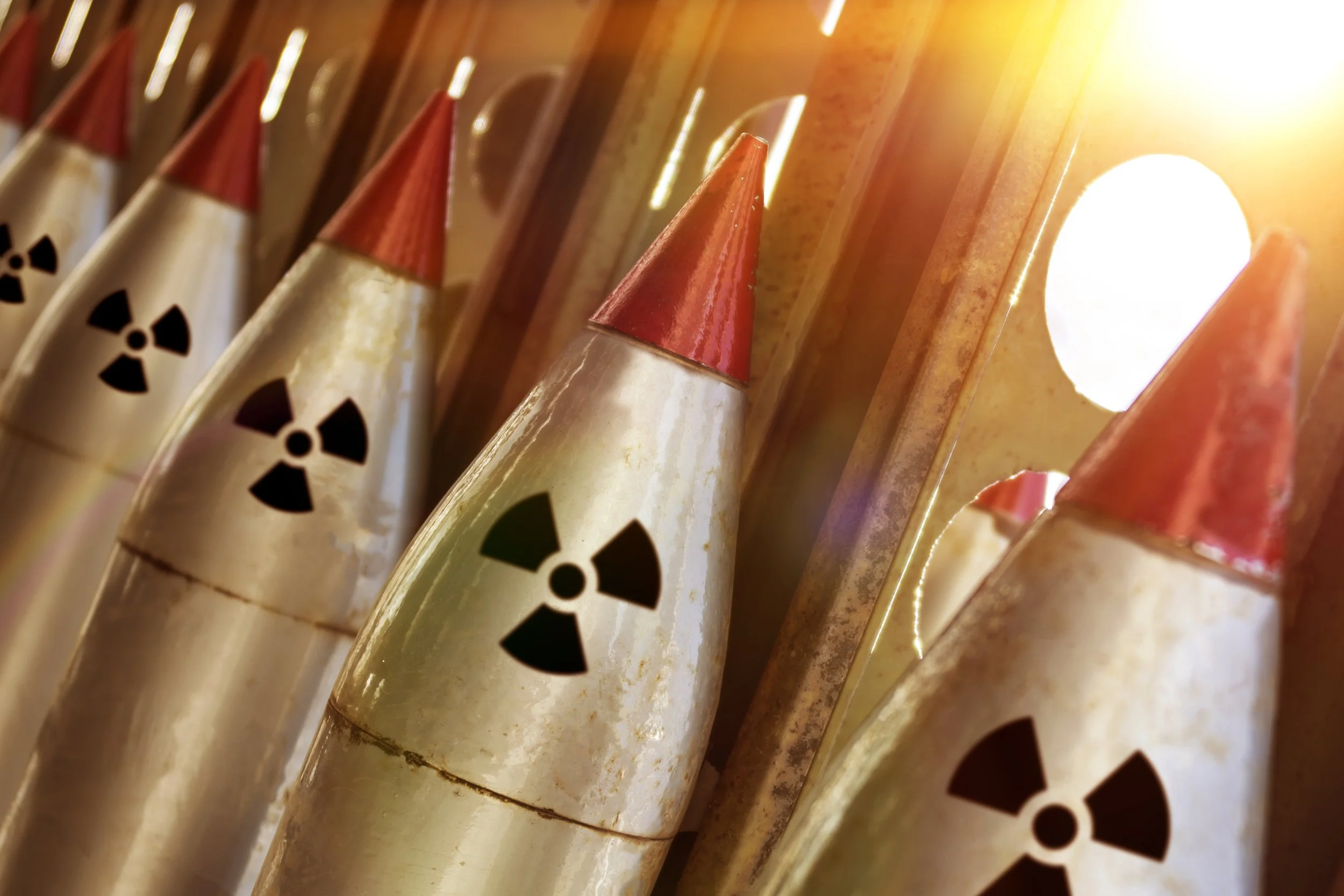
By Kartik Bommakanti
The emerging nuclear competition is increasingly being shaped by a key structural driver: the expansion of Chinese military power.
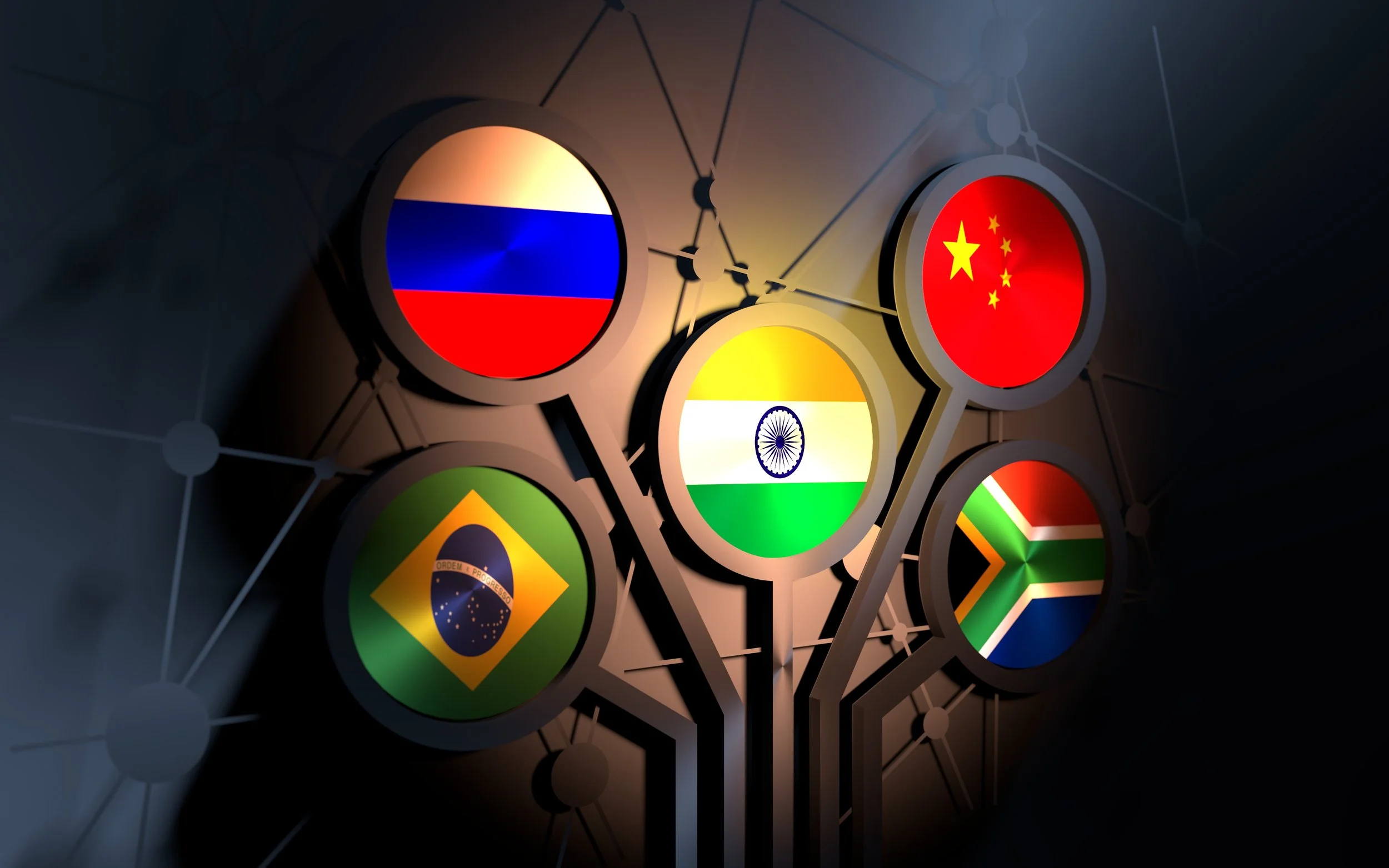
By Clemens Chay
The reality is that “America First” under the Trump administration has functioned as a structural force rather than empty rhetoric — one that has prompted state actors to exercise agency by prioritizing their own national interests.
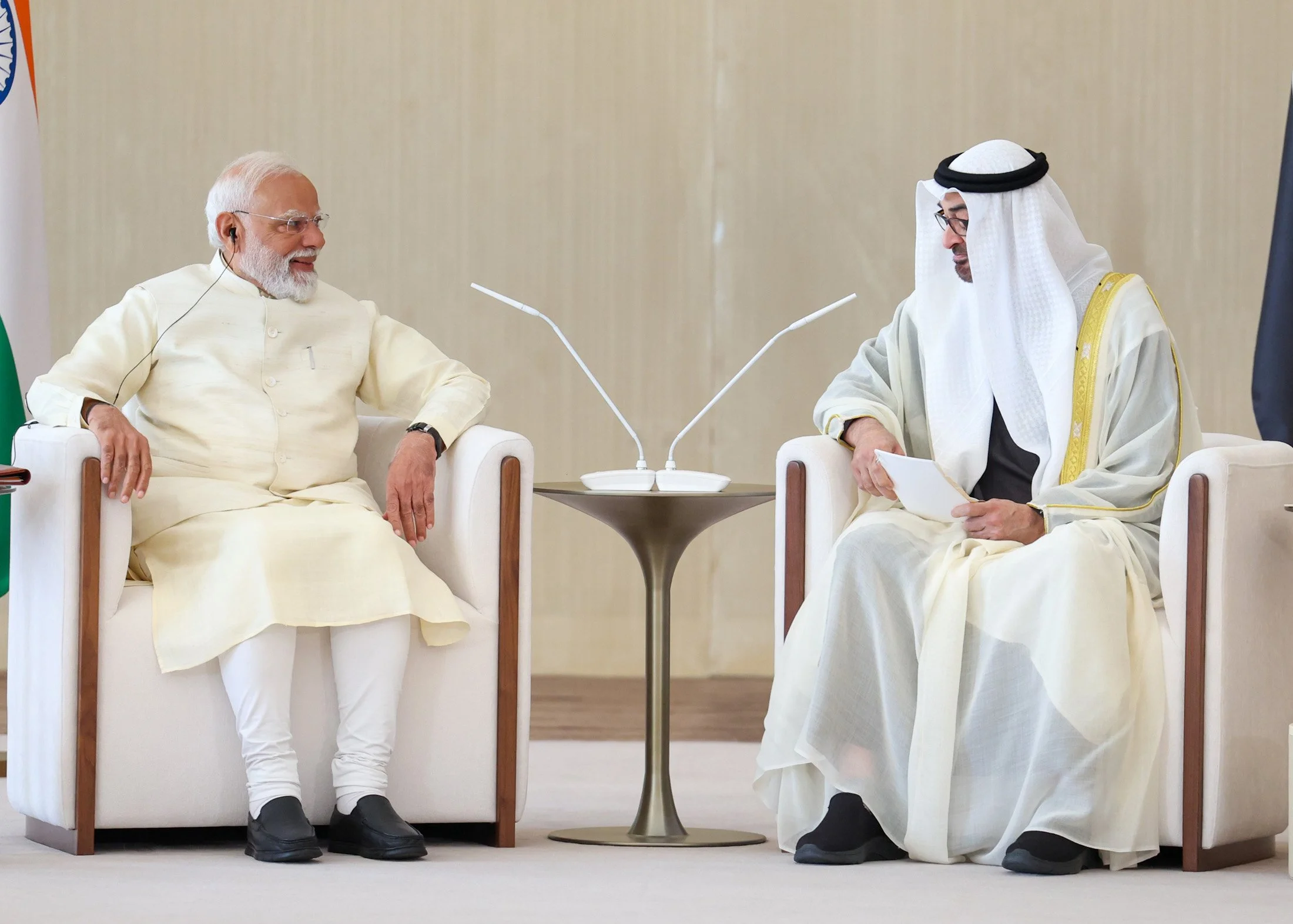
By Kabir Taneja
As the global appetite for risk increases drastically, strong bilateral relations such as India and the UAE will need even stronger guardrails to future-proof themselves.
By Rachel Rizzo
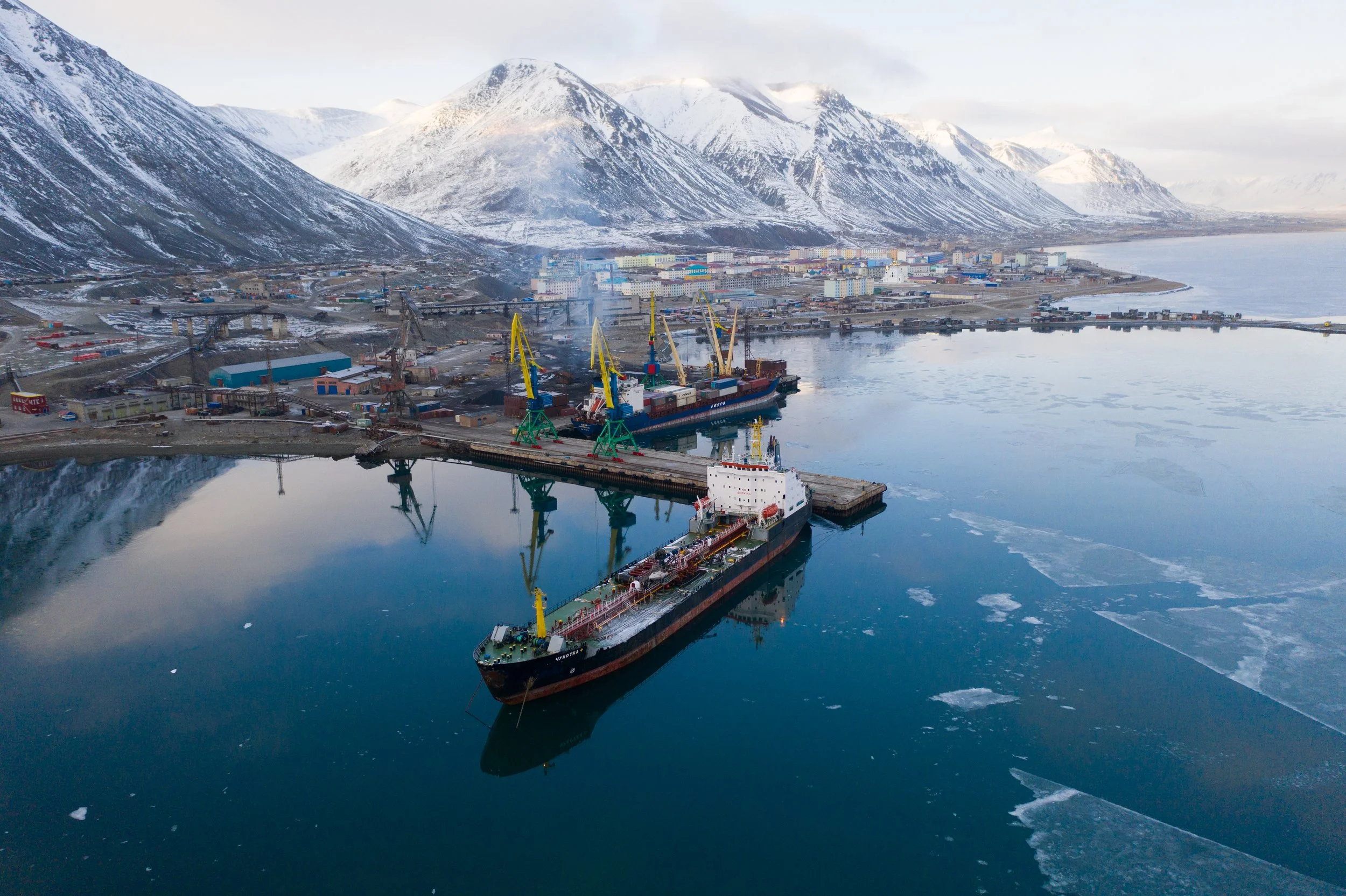
As the Arctic region, ocean floor, and space emerge as the new theaters of great-power competition, how major powers navigate this moment, and whether multilateral institutions created in a different era can adapt to the new one, will be the defining questions in the years ahead.
By Andre Nicola
Unlike previous elections where the primary concern was social media manipulation, 2026 will test how Brazil, and other large democracies, respond to this new generative AI challenge. The question is no longer whether AI will shape elections. It is whether governments will build the right safeguards before, rather than after, elections can be manipulated.
By Sapna Suresh
It is not just on trade and market access that Washington and Brussels are competing for favor in India. Their competition extends to defense and security and to migration and mobility.
By Dhruva Jaishankar
Despite Europe’s push for more military self-sufficiency amid tensions with the United States, questions remain as to whether Europe’s political leadership, domestic politics, and social conditions can facilitate the development of true security and strategic autonomy.
By Ammar Nainar
The Iran War has already had a severe impact on the United States’ arms and ammunition inventory. The new demands for arms and munitions come just as India has begun to improve its domestic weapons manufacturing and promote defense exports. In the coming years, this offers opportunities for India and the United States to cooperate in defense manufacturing at scale.

By Andre Nicola
Colombia’s upcoming election is not just a domestic political contest; it will shape whether Colombia remains a closely aligned U.S. partner or evolves into a more autonomous and less predictable actor in the region.

By Mahdi Ghuloom and Cauvery Ganapathy
What is noteworthy is that the UAE and Bahrain, two countries which have consistently advocated for a diplomatic resolution to the dispute, have now been forced to pivot towards seeking a more proactive approach aimed at securing the Strait under a UN-supported coalition.
By Arnold Musungu, Leigh Mante, and Reem Sagahyroon
The ensuing crisis in the Middle East is intensifying food and water insecurity, climate systems, and agricultural production. The Climate and Energy program from ORF Middle East provides concise analysis of these impacts and reflections on potential pathways forward.
By Ammar Nainar
Disruptions in the Strait of Hormuz resulting from the conflict between the United States and Israel, on the one hand, and Iran on the other, threaten to create another global energy crisis. India has many reasons to proactively take such action: the closure of the Strait of Hormuz risks exacerbating the country’s energy shortages and food insecurity.
By Samriddhi Vij, Kabir Taneja, and Akram Zaoui
Ten days into the U.S.-Israel strikes on Iran, the conflict has entered a more entrenched phase. With air and maritime connectivity significantly disrupted and President Trump maintaining uncompromising rhetoric, Gulf leaderships find themselves navigating a precarious balance between containment and active self-defense. ORF Middle East experts offer their concise analysis on the latest developments.
By Dhruva Jaishankar
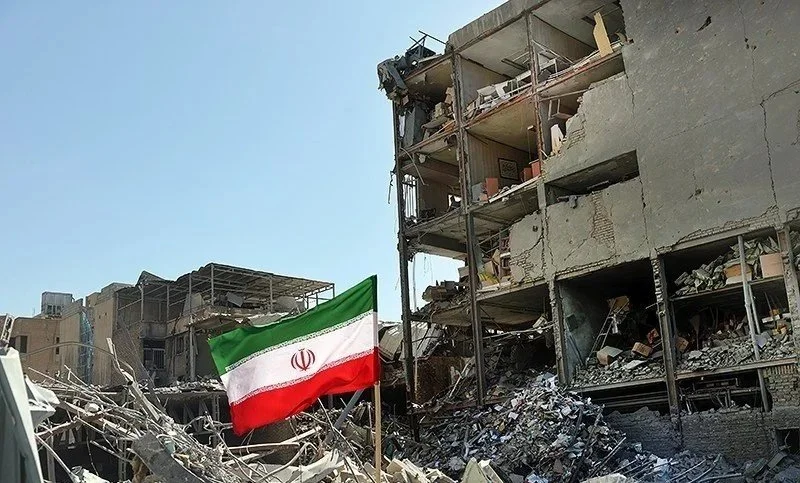
With ongoing strikes in the Middle East, the strategic intentions of Israel, the United States, Iran, and the Gulf Arab states are worth examining, for they will shape the intensity and scope of the war — as well as the long-term repercussions regardless of the outcome.
By Dhruva Jaishankar with Pratnashree Basu, Kartik Bommakanti, Lindsey Ford, and Kabir Taneja
The re-election of Donald Trump in the United States (US) has introduced a wave of turbulence to the international system, reversing certain pre-existing trends while accelerating others. Meanwhile, the war in Ukraine continues to contribute to Europe’s rearmament. Israel’s strikes in Iran, Syria, Qatar, and Yemen reflect broader upheaval spreading across the Middle East and beyond. China’s competition with the US persists, extending across multiple domains and regions. Amid this backdrop, at least five major geopolitical megatrends are likely to unfold.
By Ammar Nainar
For the first time in a defense framework agreement, India and the United States specified “operational coordination” as an objective for enhancing collaboration in Professional Military Education (PME) and training. While earlier exchanges largely involved India borrowing best practices from the United States, recent cooperation between the two countries has emphasized greater joint activities and operations.
By Benjamin Tkach and Vasabjit Banerjee
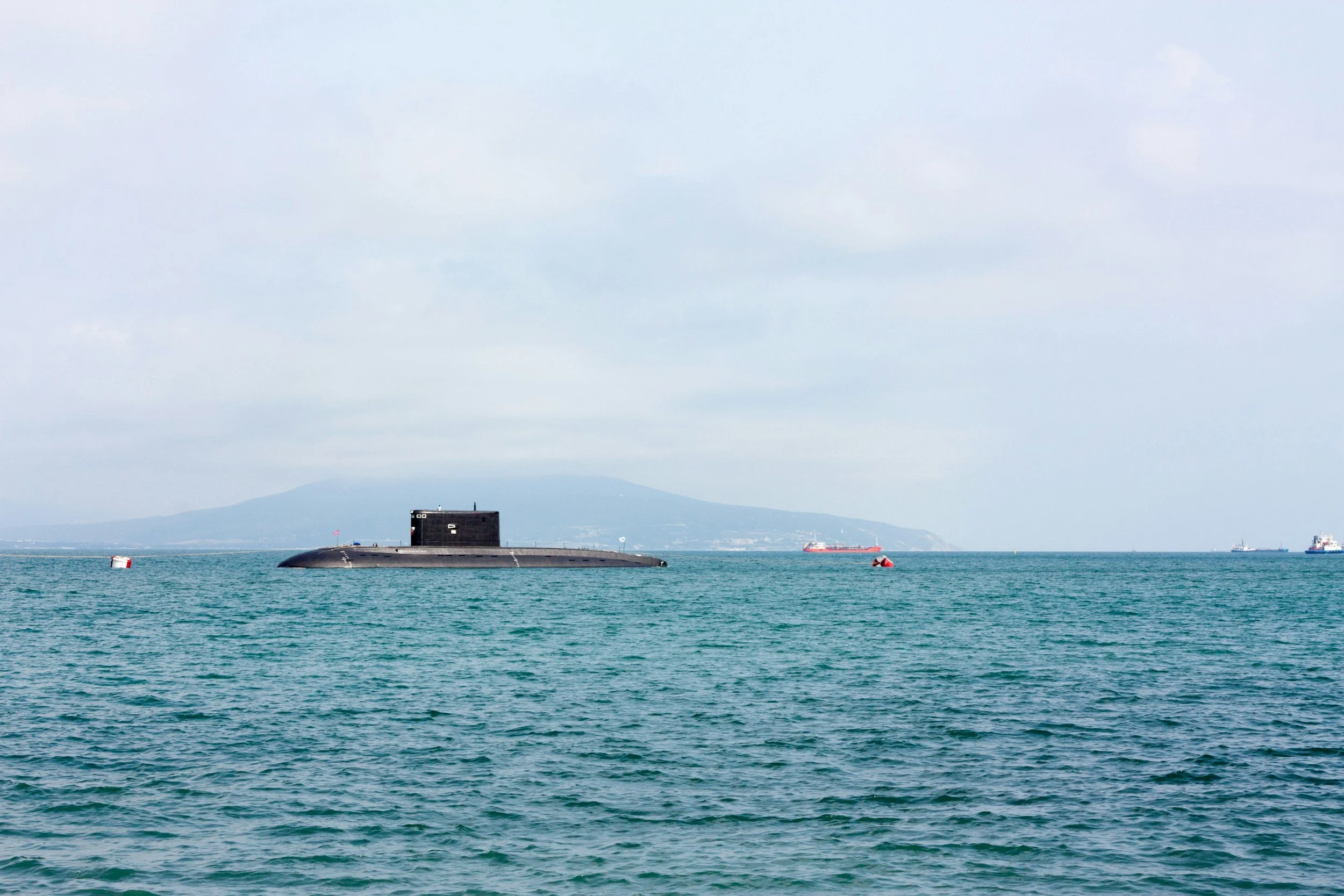
Submarine production difficulties affect the global marketplace and place a premium on domestic production. India’s pursuit of untested technologies elevates its risk, while Taiwan’s domestically produced system relies on foreign components. Both, therefore, have a lot to benefit from engineering and design cooperation in submarine production.
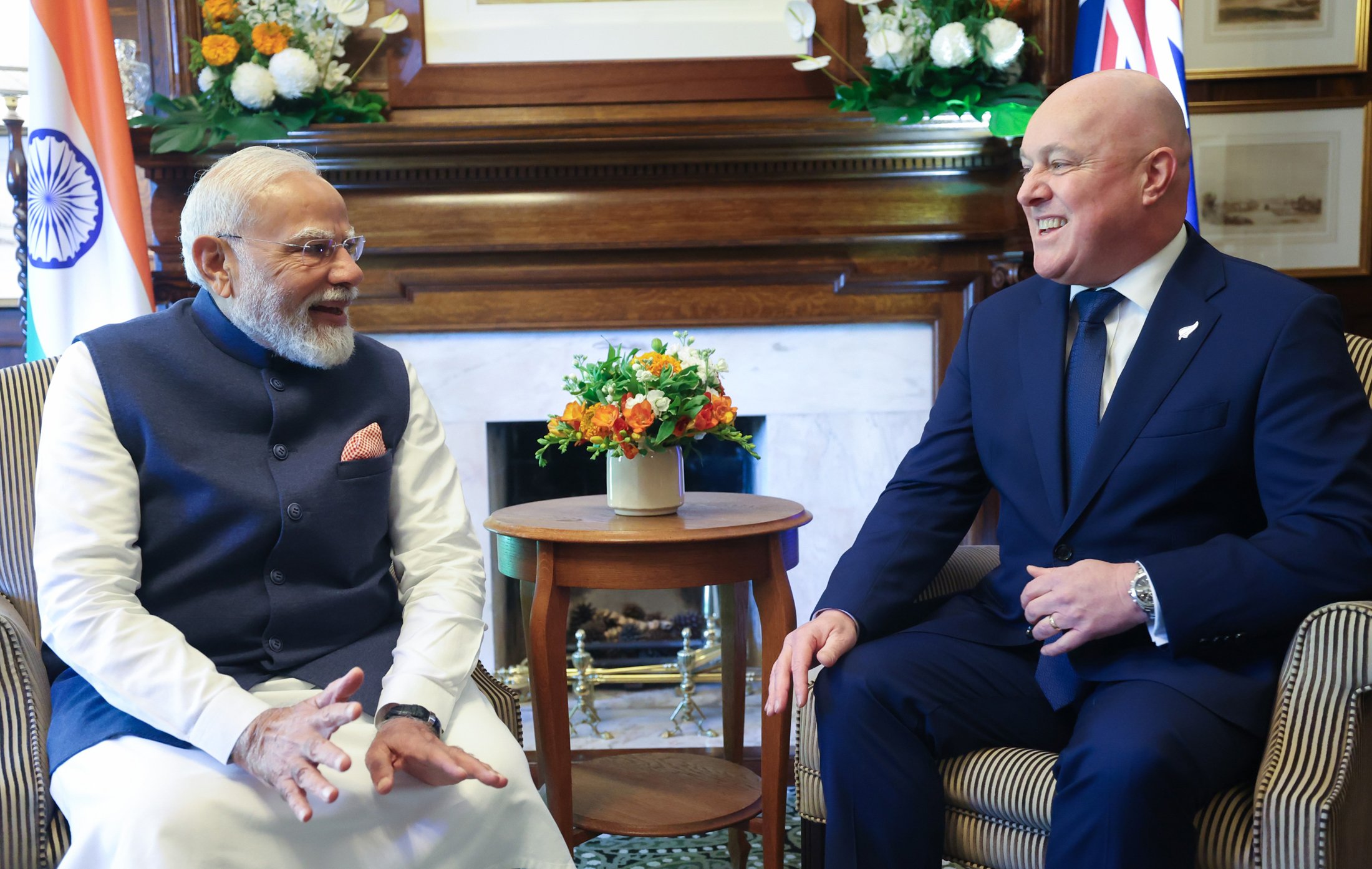
By Dhruva Jaishankar
The India-New Zealand partnership has benefited in recent years from top-down political attention, a strong people-to-people foundation, and external impulses compelling both New Delhi and Wellington to diversify their partnerships. The next few years represent an opportunity to build upon the foundations of an FTA and Strategic Partnership and construct a relationship that is more than two-dimensional.
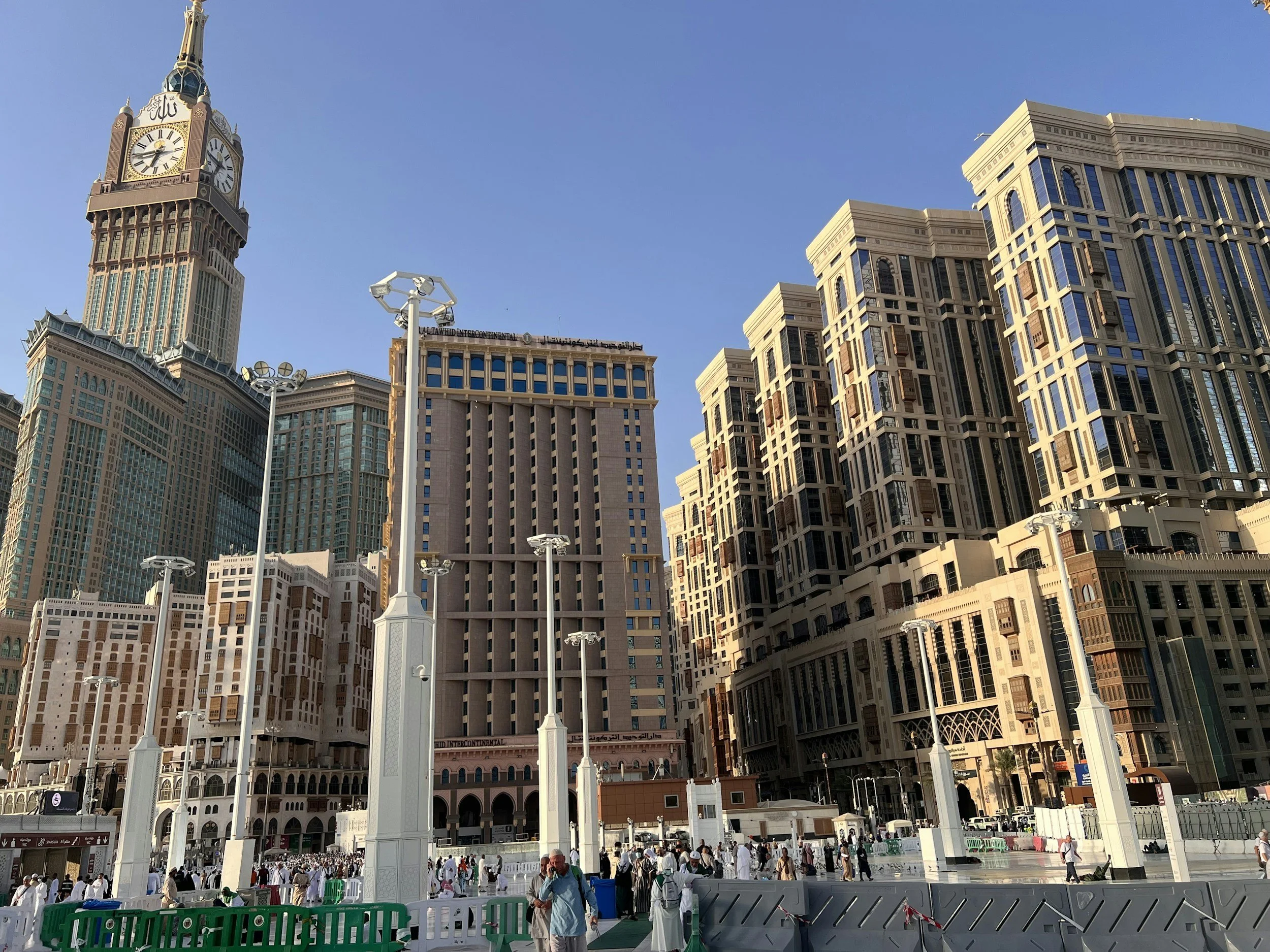
By Vasabjit Banerjee
The Mecca Joint Defense Agreement faces all the classic challenges of an alliance with none of the unifying elements.
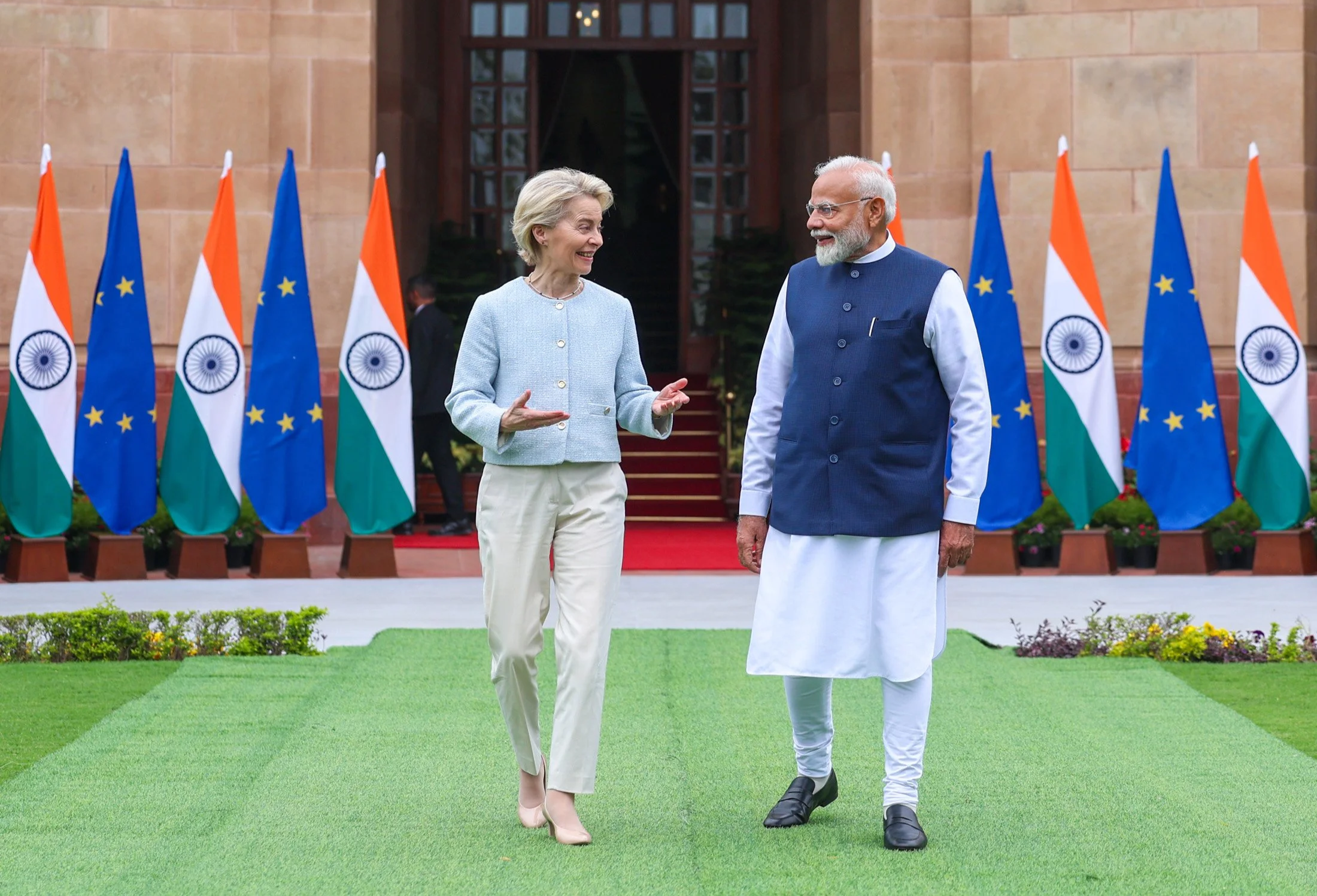
By Dhruva Jaishankar
As official EU-India relations have surged ahead over the past year, the non-governmental sector will quickly need to catch up.
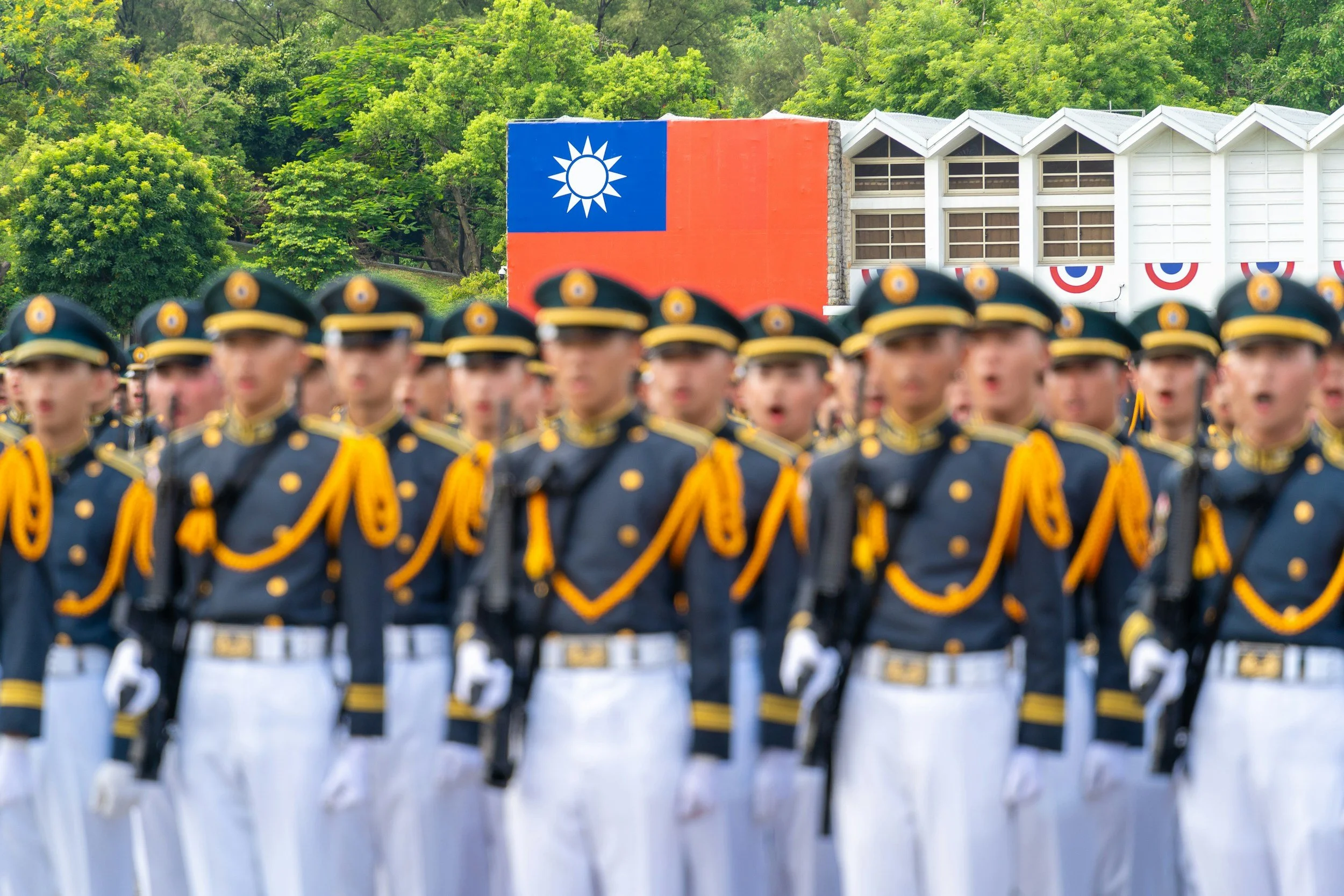
By Benjamin Tkach and Vasabjit Banerjee
We evaluate cooperative steps that both India and Taiwan have taken in the defense arena, demonstrating how mutual antagonist China, economic ties, and budding security coordination are creating an entente.
By Dhruva Jaishankar
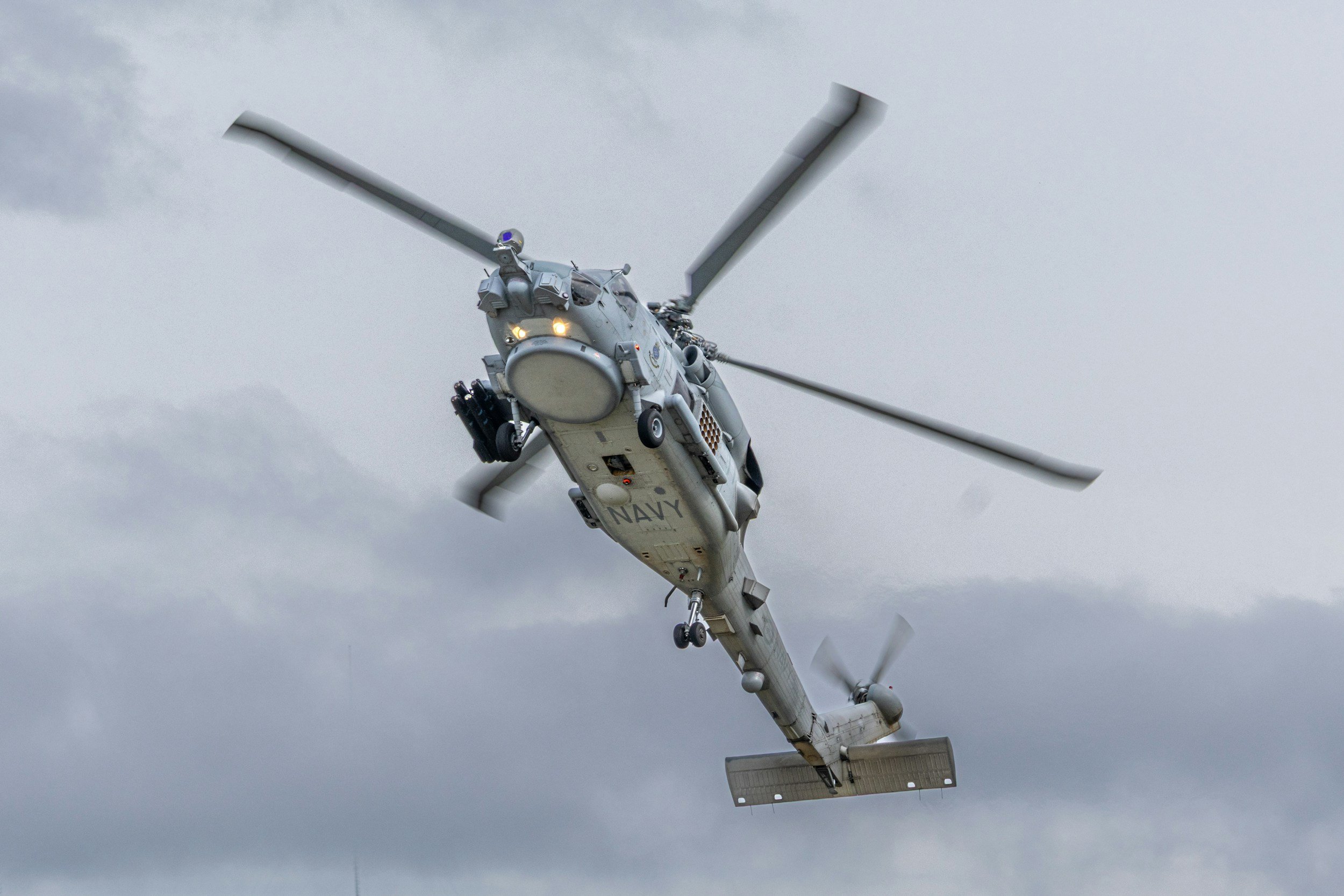
The new joint defense declaration between India and Australia articulated a more ambitious objective of defense industrial cooperation, including to “develop arrangements for advanced defense science and technology collaboration.” This may appear challenging, but India has made remarkable developments in its defense industrial capabilities over the past five years. These offer little-appreciated opportunities for many of its partners, including Australia.
By Dhruva Jaishankar
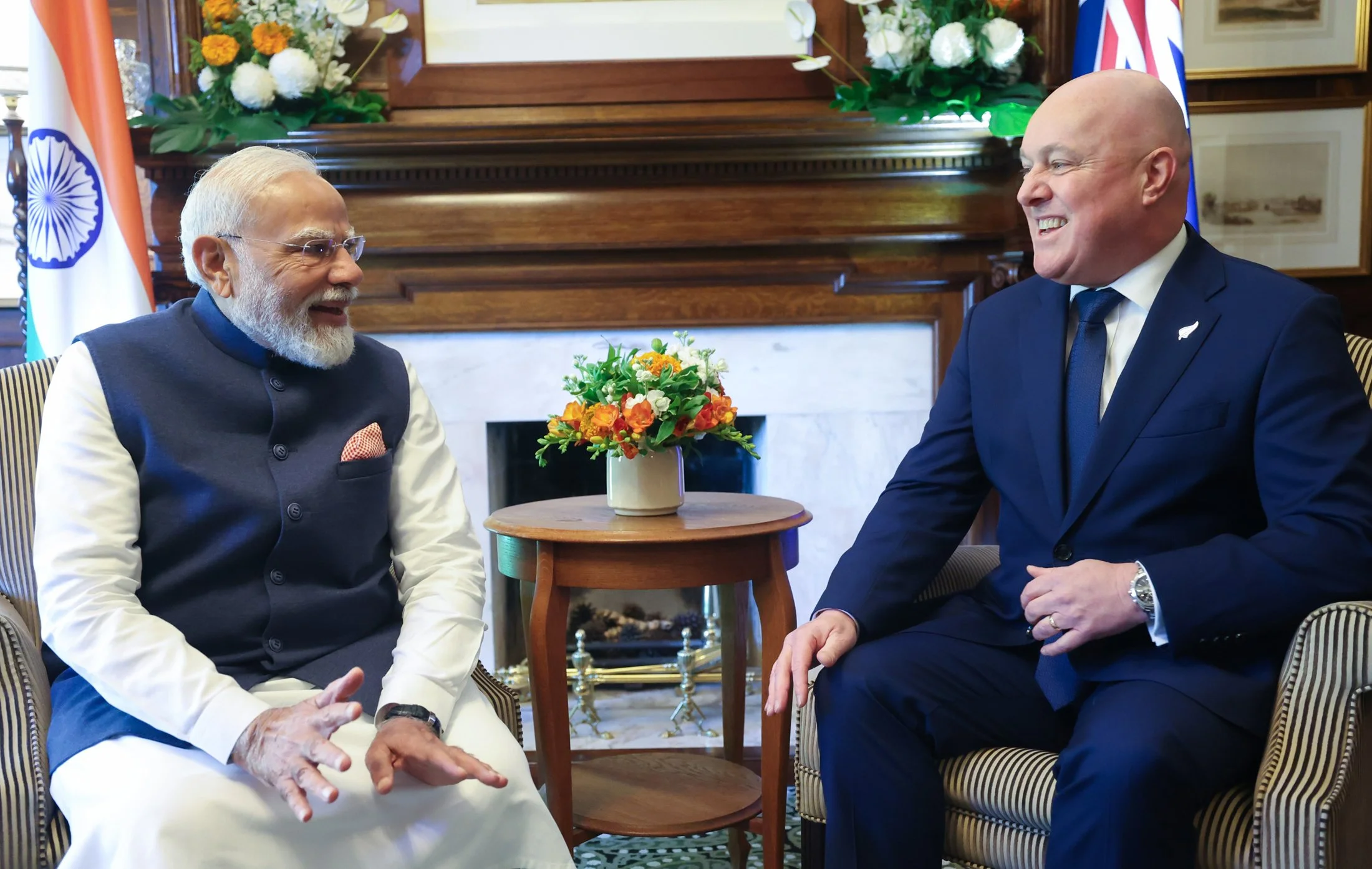
A world in which freedom of navigation or energy supplies can be imperiled by the actions of others will require more international partnerships. A consolidation of relations between the governments of India and New Zealand makes eminent sense in this context. While an FTA is a welcome development, it remains just one step toward what can be a much more broad-based and mutually-beneficial partnership.

By Vasabjit Banerjee
China evidently recognises the Calcutta Port System as an economic force multiplier for India’s economic power in the region. The Indian government has recently advanced several solutions, from modernisation to expansion of the port system. Yet, more needs to be done by the Indian government and private investors to strengthen the port system to ward off Chinese influence.
By Dhruva Jaishankar
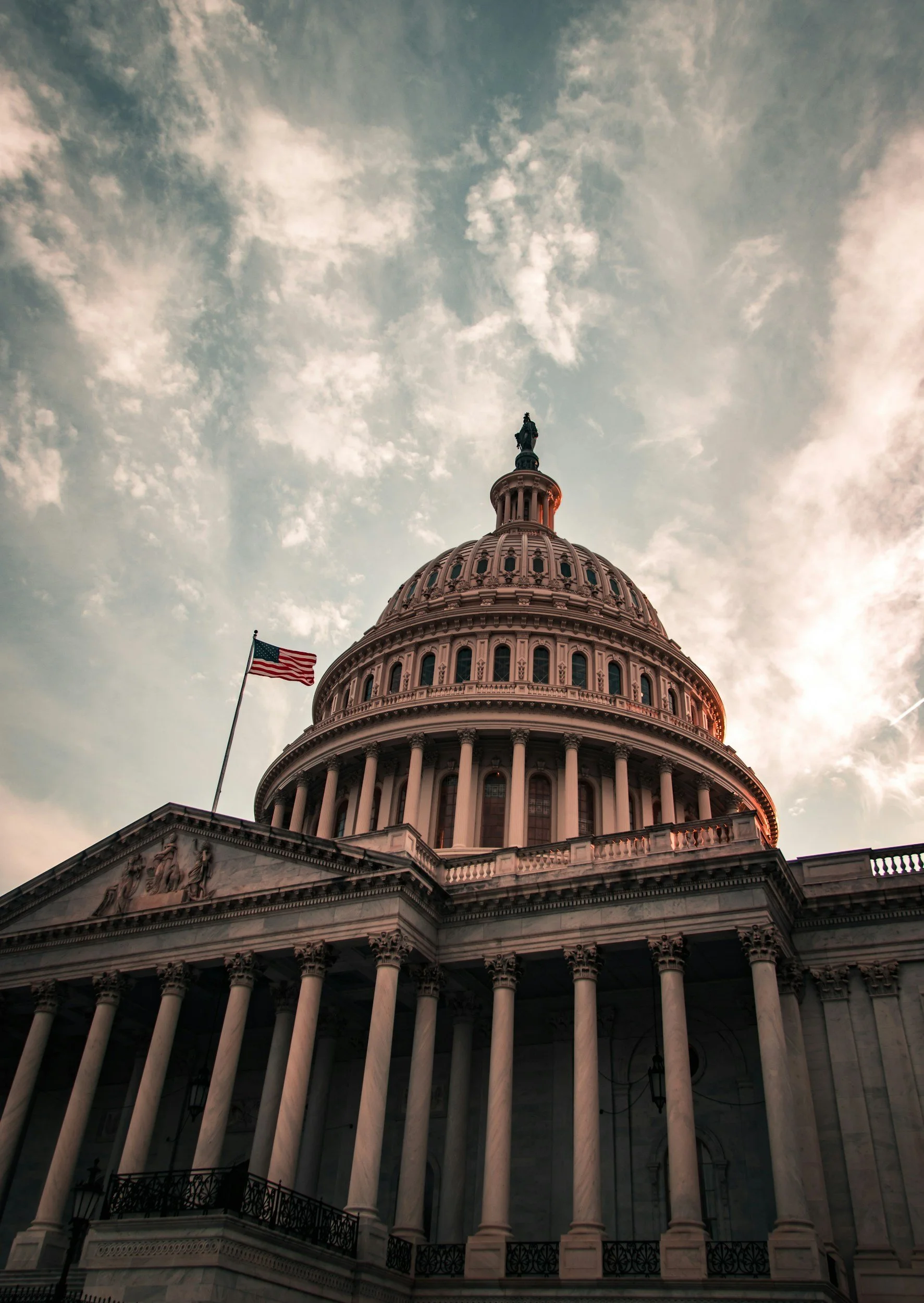
For countries around the world — whether allies, partners, or competitors of the United States — there are important and immediate questions of how much and to what degree they will accommodate, or hedge against, the United States’ new approach to the world.
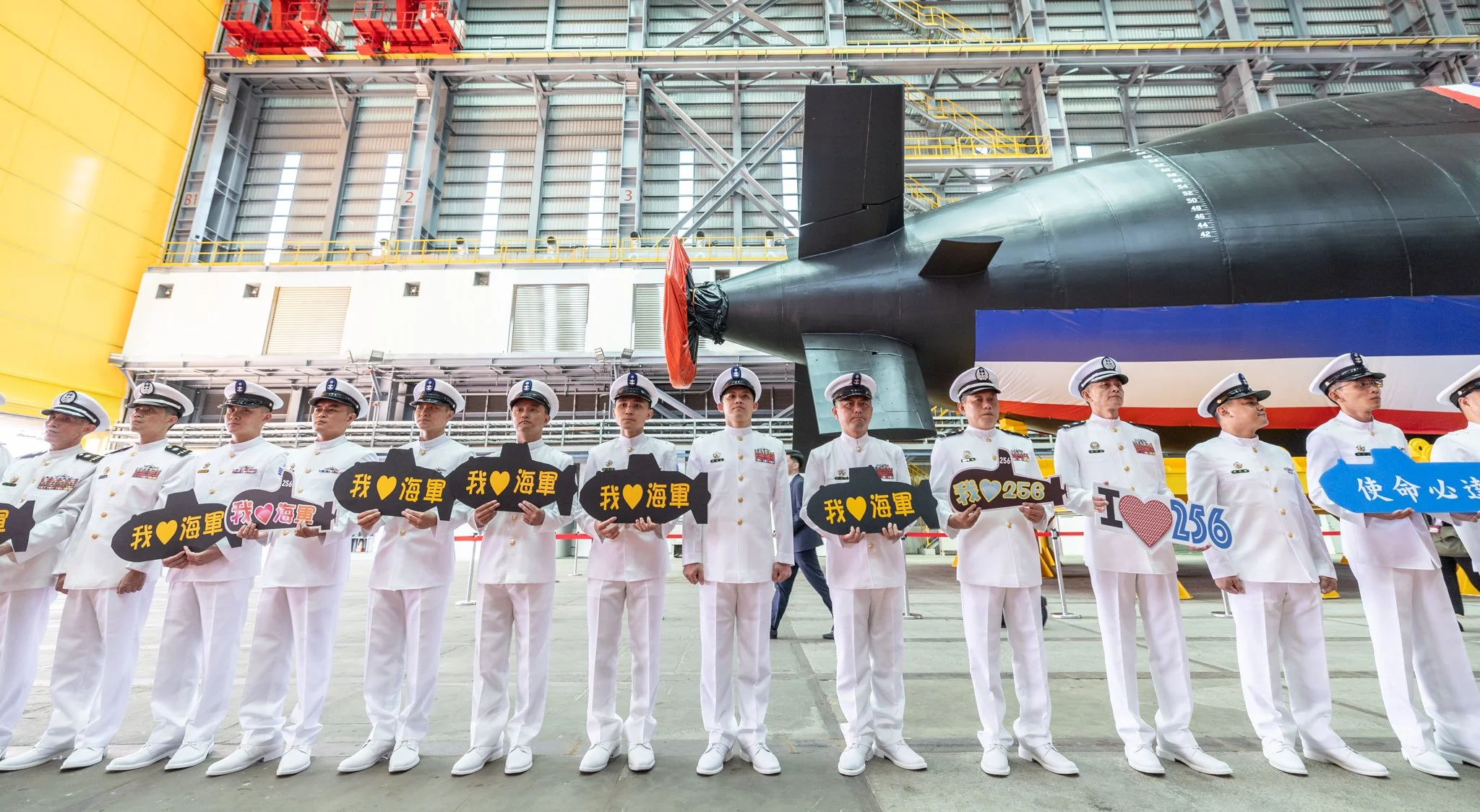
By Benjamin Tkach and Vasabjit Banerjee
While India-Taiwan collaboration on submarine technology would represent a step change from pre-existing economic cooperation, improving domestic production capacity necessitates pursuing mutual gains wherever possible.
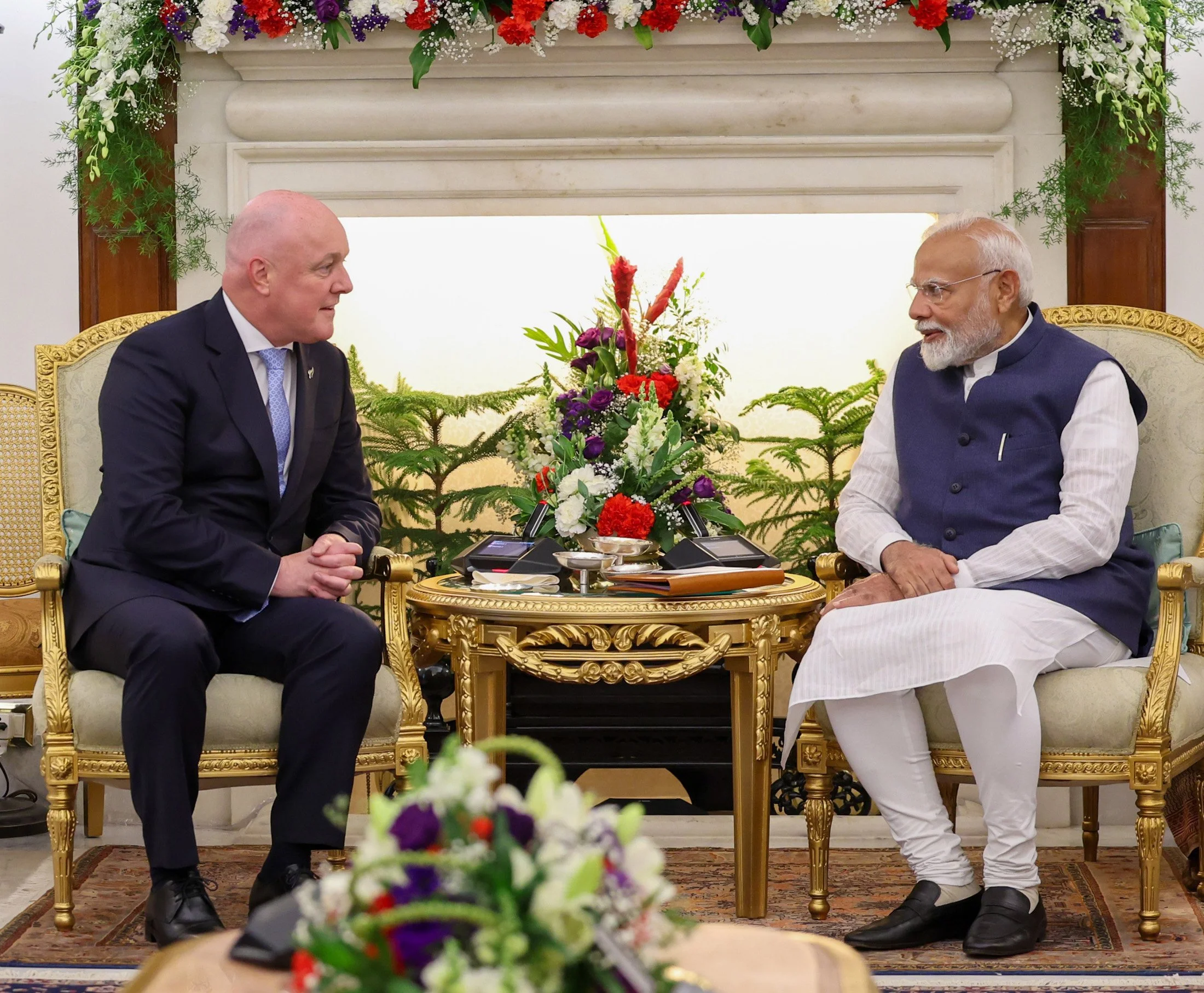
By Dhruva Jaishankar
For both India and New Zealand, their trade agreement represents, more than anything else, a risk mitigation strategy. Concerned about over-dependence on China and the United States as both producers and consumers — and the failure of multilateral trade negotiations at the World Trade Organization — New Delhi and Wellington have opted to bet on each other and bring a modicum of certainty to an uncertain world.
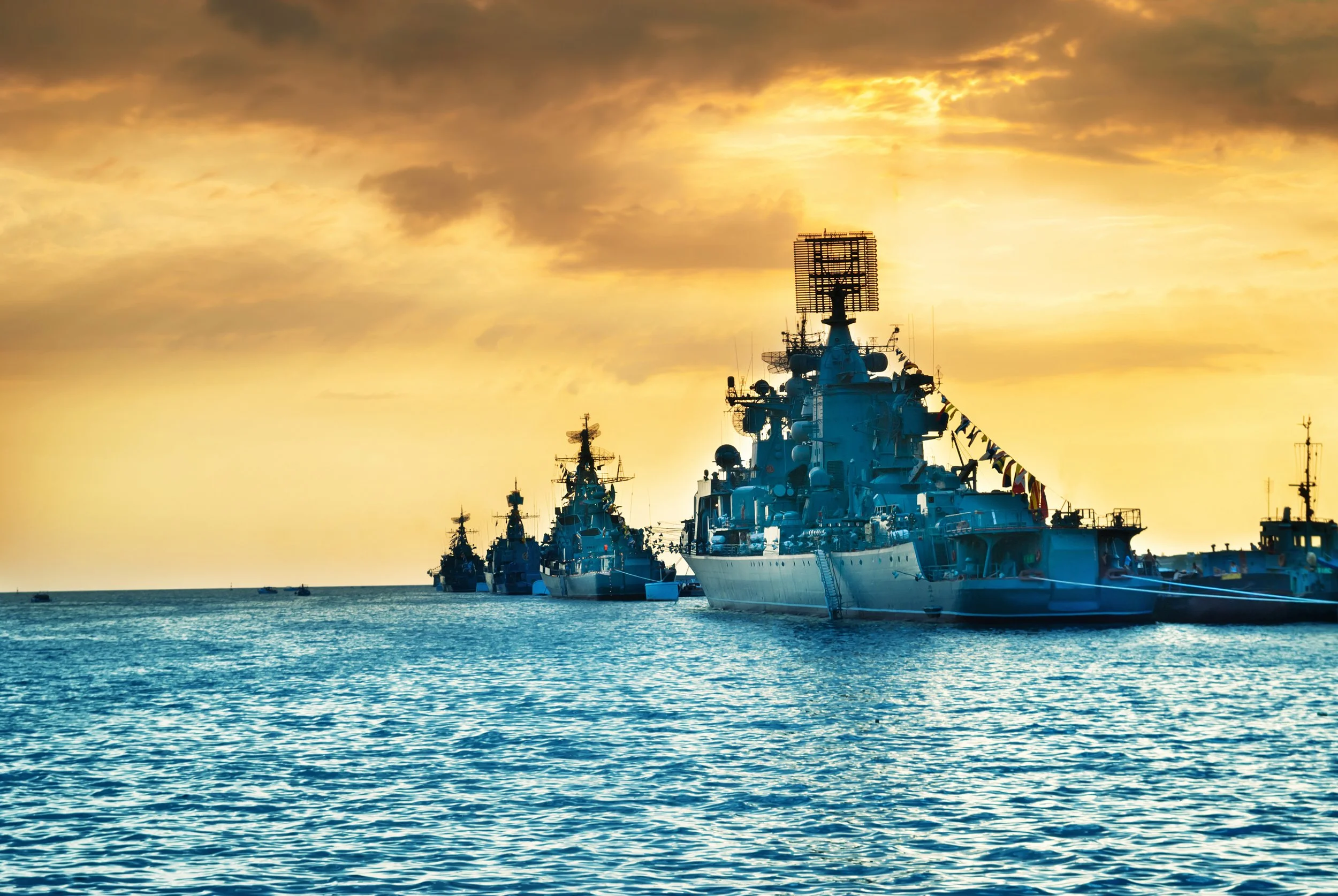
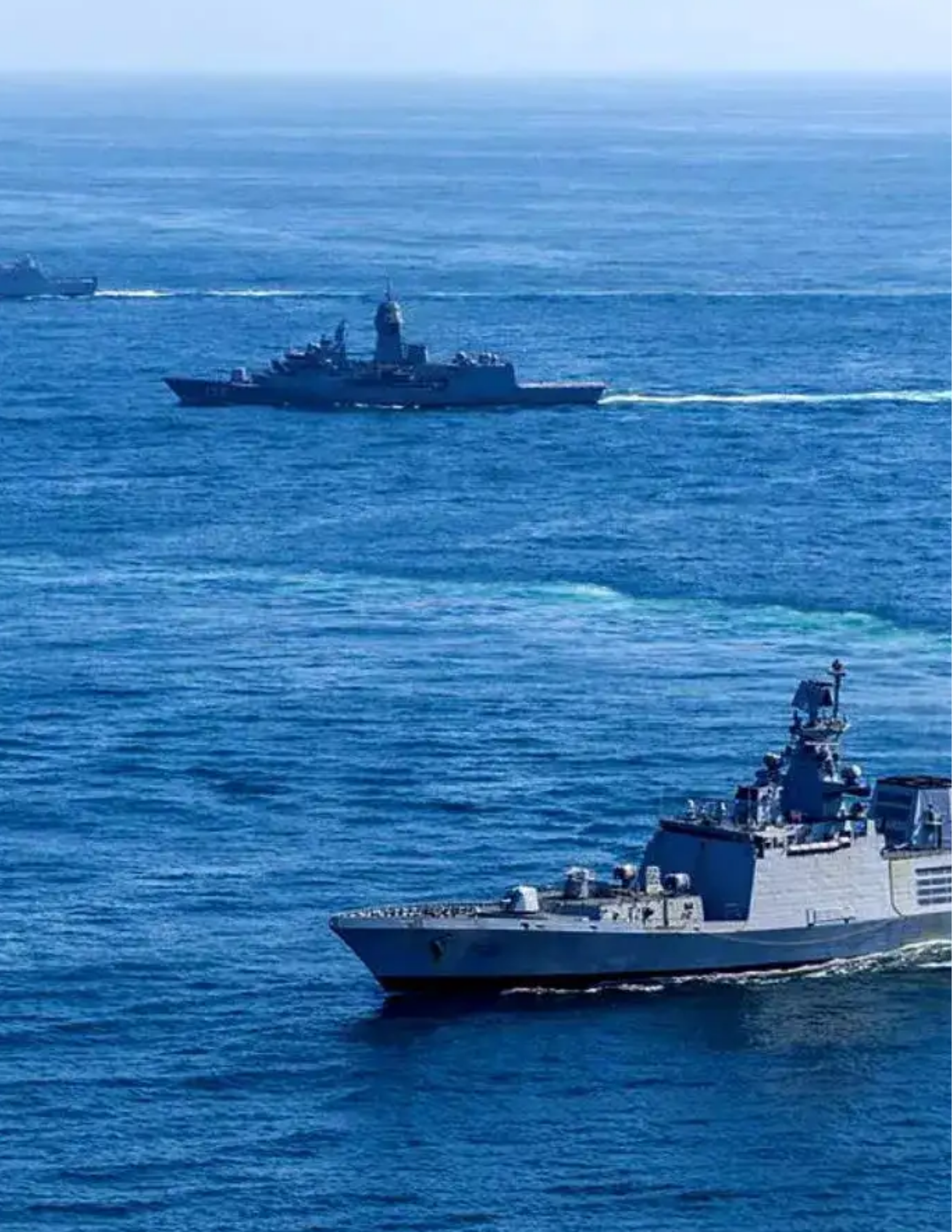

By Dhruva Jaishankar and Ammar Nainar
Once a quiet backstage function of the armed forces, defence diplomacy has emerged as one of India's sharpest tools of statecraft. From joint exercises and training missions to disaster relief and maritime surveillance, India's military now operates far beyond the battlefield: building trust, shaping partnerships, and projecting the country's strategic interests on a rapidly shifting global stage.
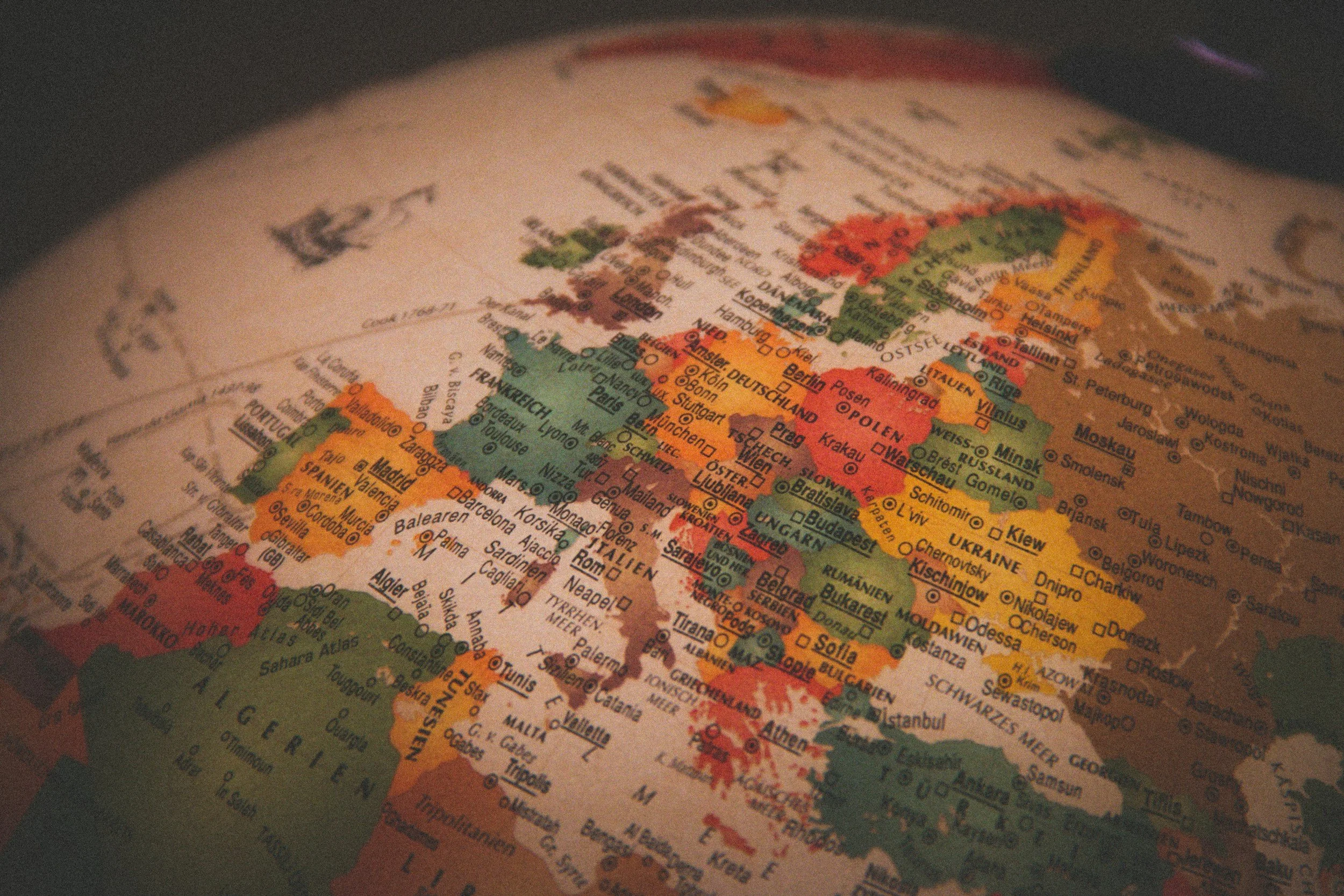
By Julianne Smith and Lindsey Ford
American allies are rapidly transforming their relationships whether Washington likes it or not; these networks can either serve or undermine U.S. interests depending on how Washington engages with them. If the United States fails to reset ties with Asian and European partners, it risks being left on the sidelines of a rapidly changing world order.

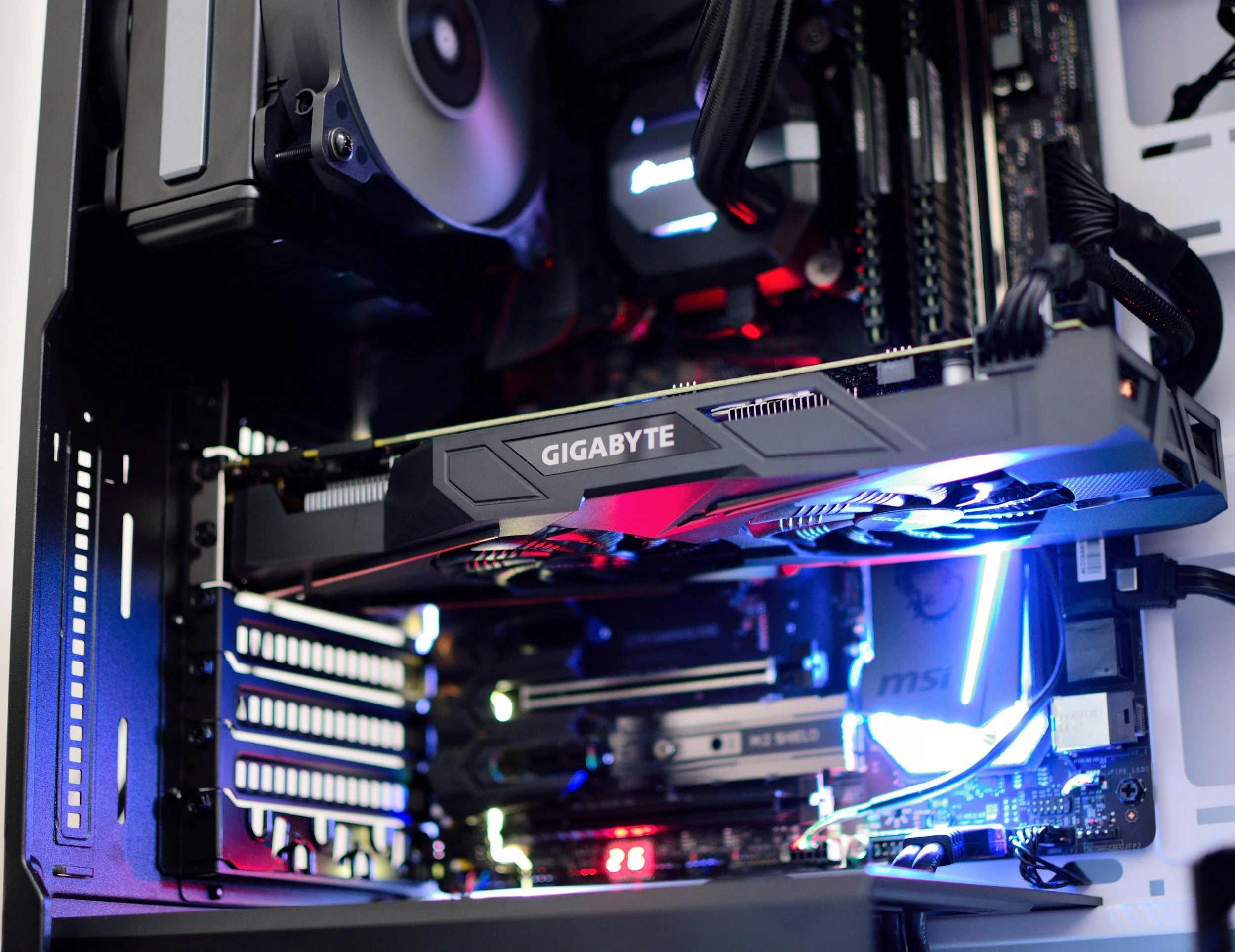
By Divyansh Kaushik and Lindsey Ford
The recent bilateral crisis has caused significant damage, but it has not destroyed the fundamental calculation that brought TRUST into being: the United States and India need each other to maintain democratic technological leadership against authoritarian competition.

By Dhruva Jaishankar
A strong transatlantic bond that for almost eight decades had evolved into a highly integrated defense and economic system among the world’s leading industrial economies – institutionalized under the North Atlantic Treaty Organization (NATO) and G7 – now faces new stresses.
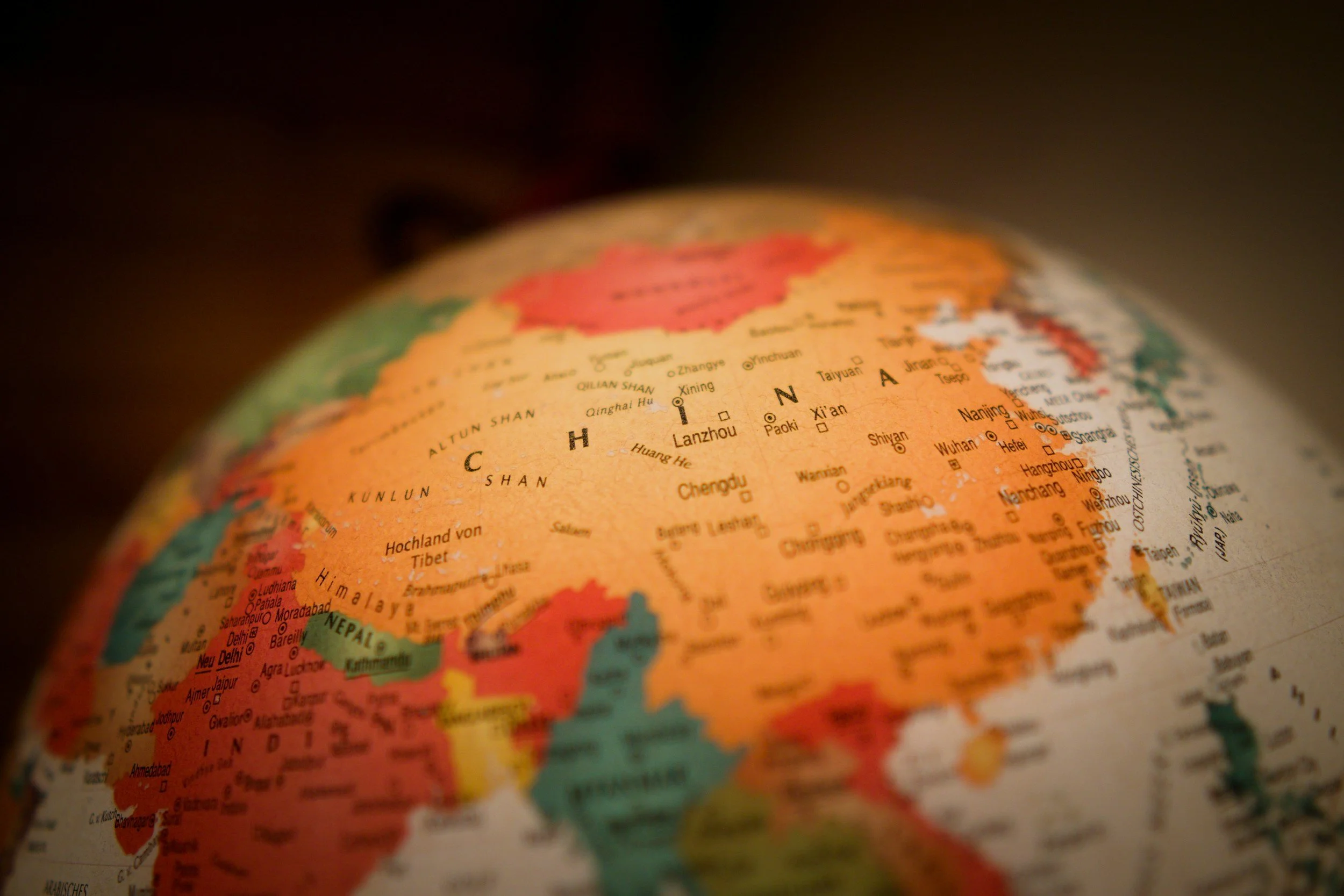
By Hsiao-Chen Lin
By pointing out that even Beijing engages with Taipei in similar domains, New Delhi exposed the overreach in China’s narrative. The line was sharply drawn; recognition does not equate to subordination.
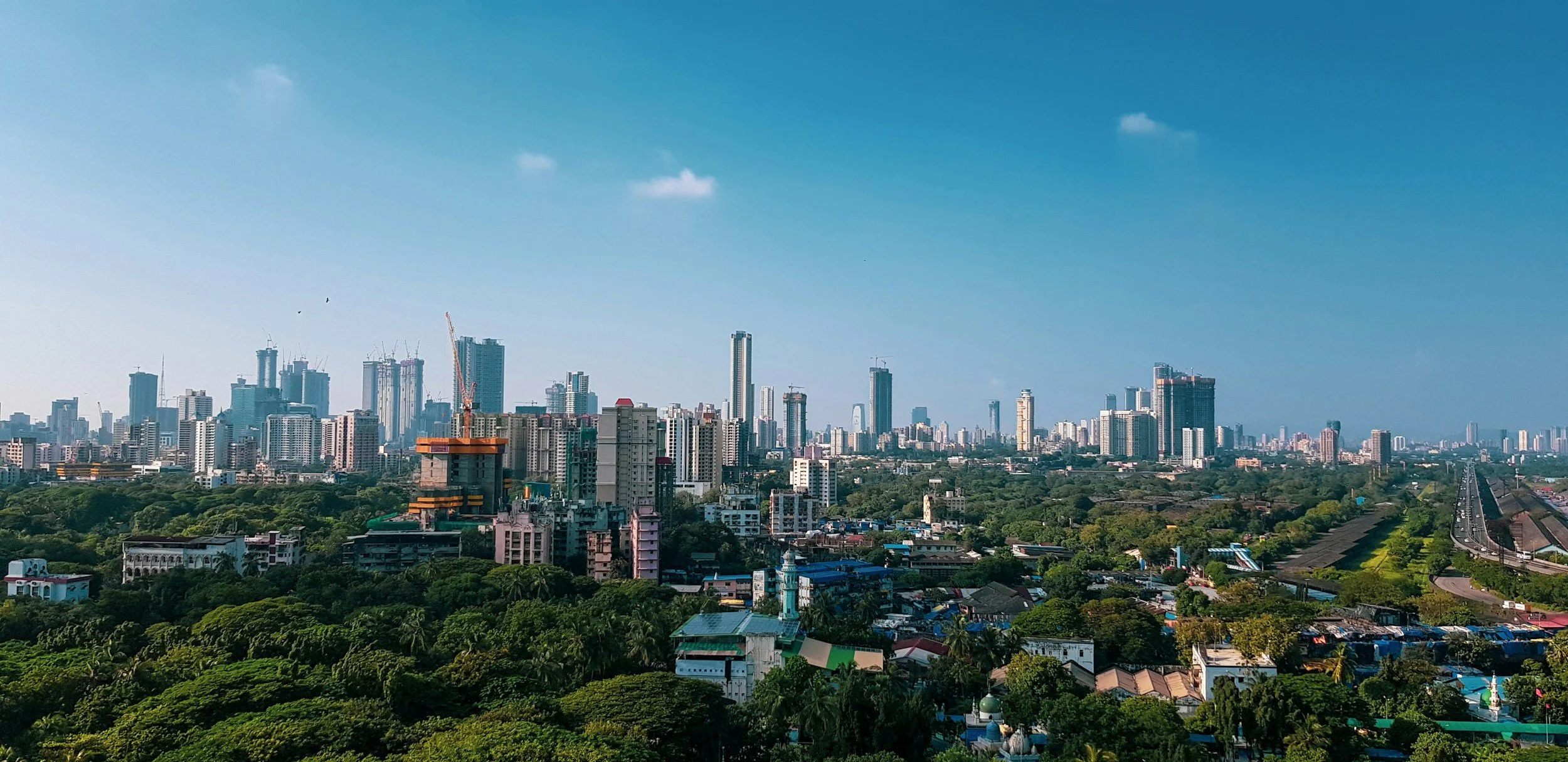
By Dhruva Jaishankar
In its diplomacy, India has reprioritized its near neighborhood, extending financial, developmental, and trading benefits to other South Asian countries and revitalizing more productive regional institutions.

By Hsiao-Chen Lin
The evolving scenario between India and Pakistan also serves as a timely analytical lens through which Taiwan can assess its own strategic vulnerabilities and prepare more robustly for future contingencies in the Indo-Pacific theatre.
By Dhruva Jaishankar
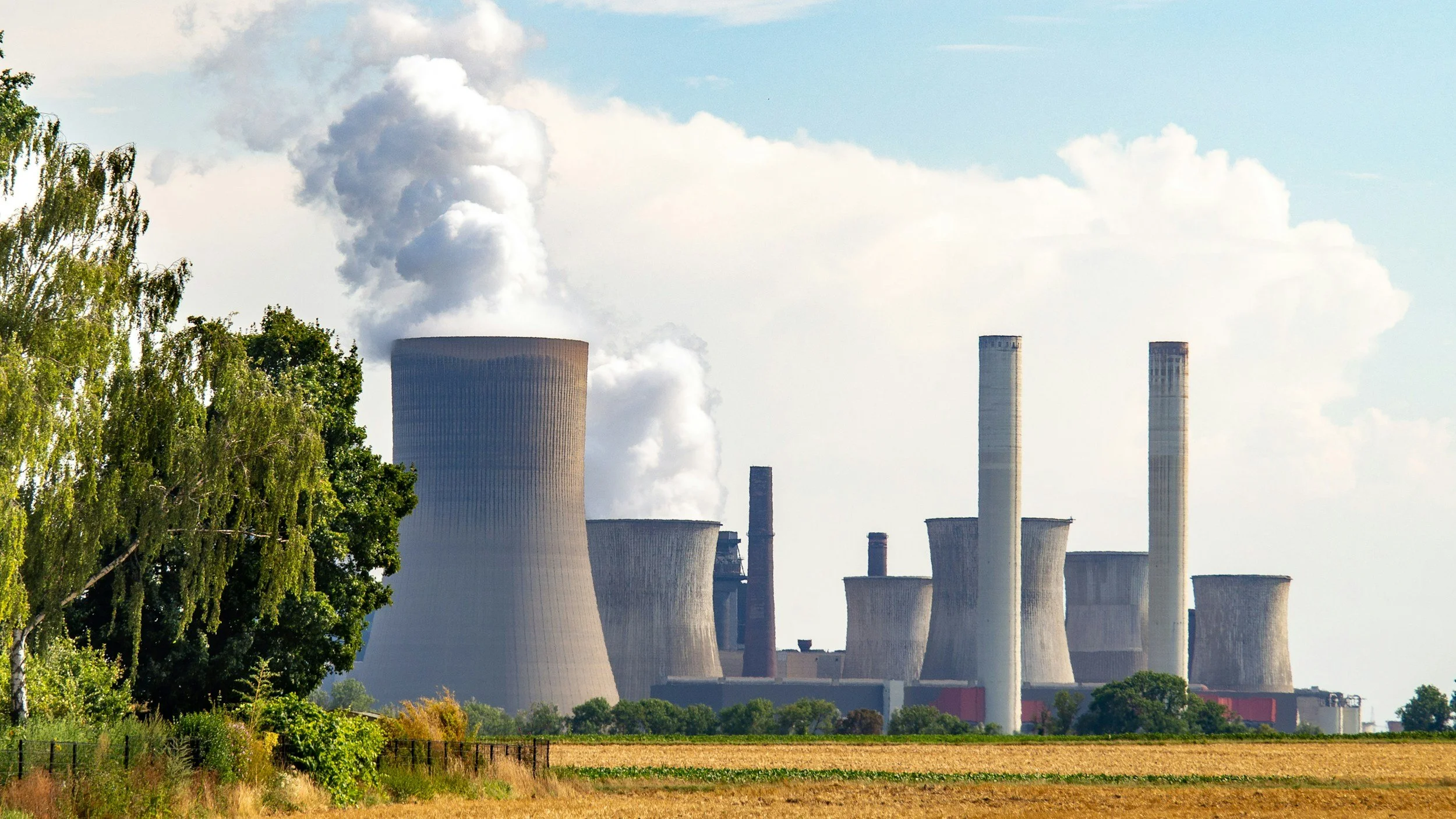
For India, navigating U.S. export controls remains a challenge 20 years since the civilian nuclear agreement was signed.

By Dhruva Jaishankar
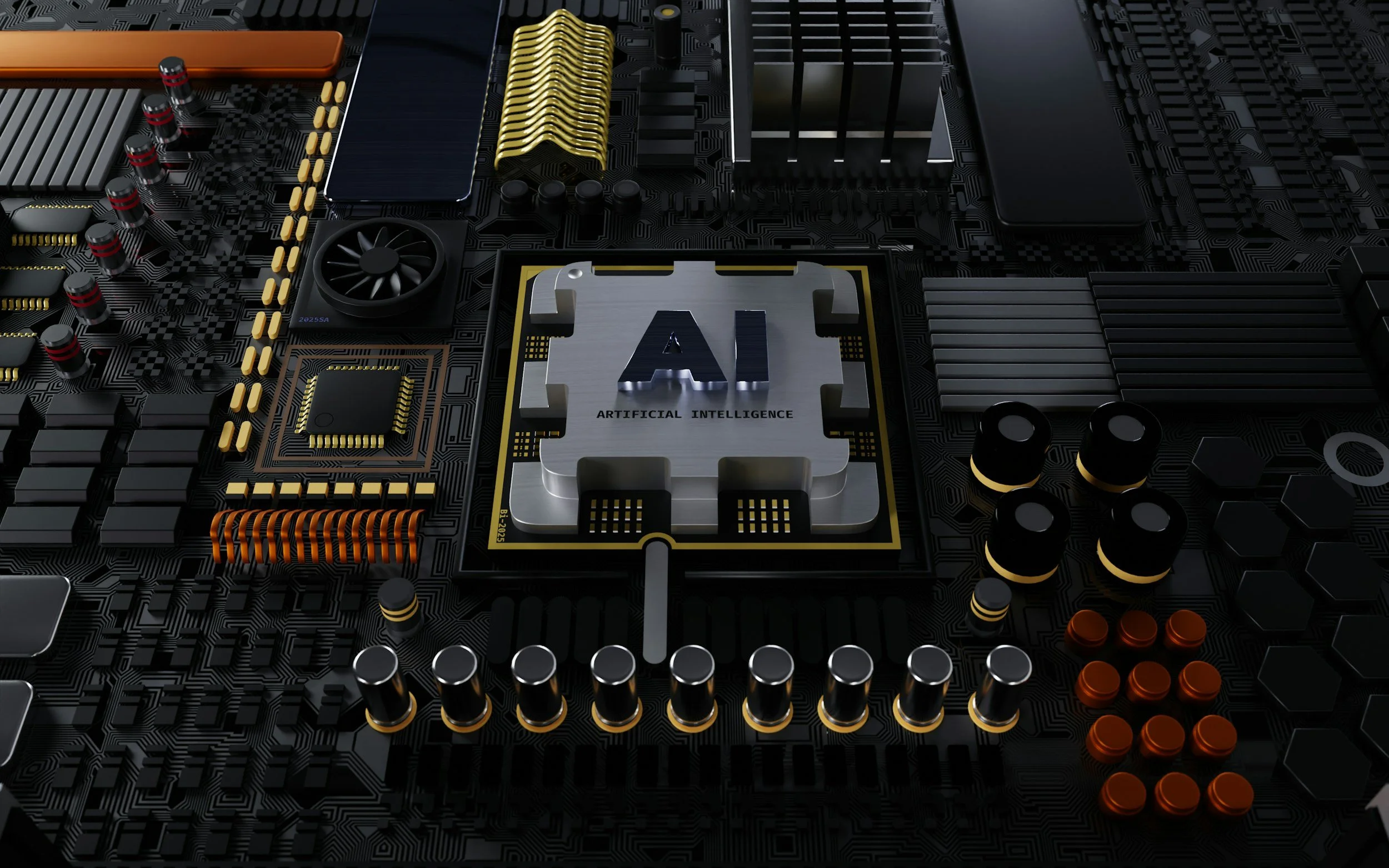
Learnings from Delhi’s past should help in shaping the future as India bets big on new critical technologies.

By Dhruva Jaishankar
The EU and India both have apprehensions about China’s economic and manufacturing supremacy threatening employment and businesses at home.

By Dhruva Jaishankar
Trump and Modi announced a wide-ranging agenda to take the bilateral relationship forward. It included efforts that built upon the progress made during the Biden administration, particularly in terms of technology, defense, and regional cooperation.

By Dhruva Jaishankar
Understandably, Germany will be preoccupied in the short term with Europe’s eastern and southern flanks, the transatlantic relationship, and the Middle East, but Berlin has important economic and security interests in the Indo-Pacific.

By Vivek Mishra
Indian leadership must remain cautious as "America First" will loom heavy on Trump's foreign policy. As transfer of technology is of high priority for India in defense collaborations, elements of this sector will likely be at odds with Trump’s agenda.

By Vivek Mishra
As India and CARICOM prepare for the next summit, this partnership promises to be a cornerstone of India’s expanded global engagement in the years to come.