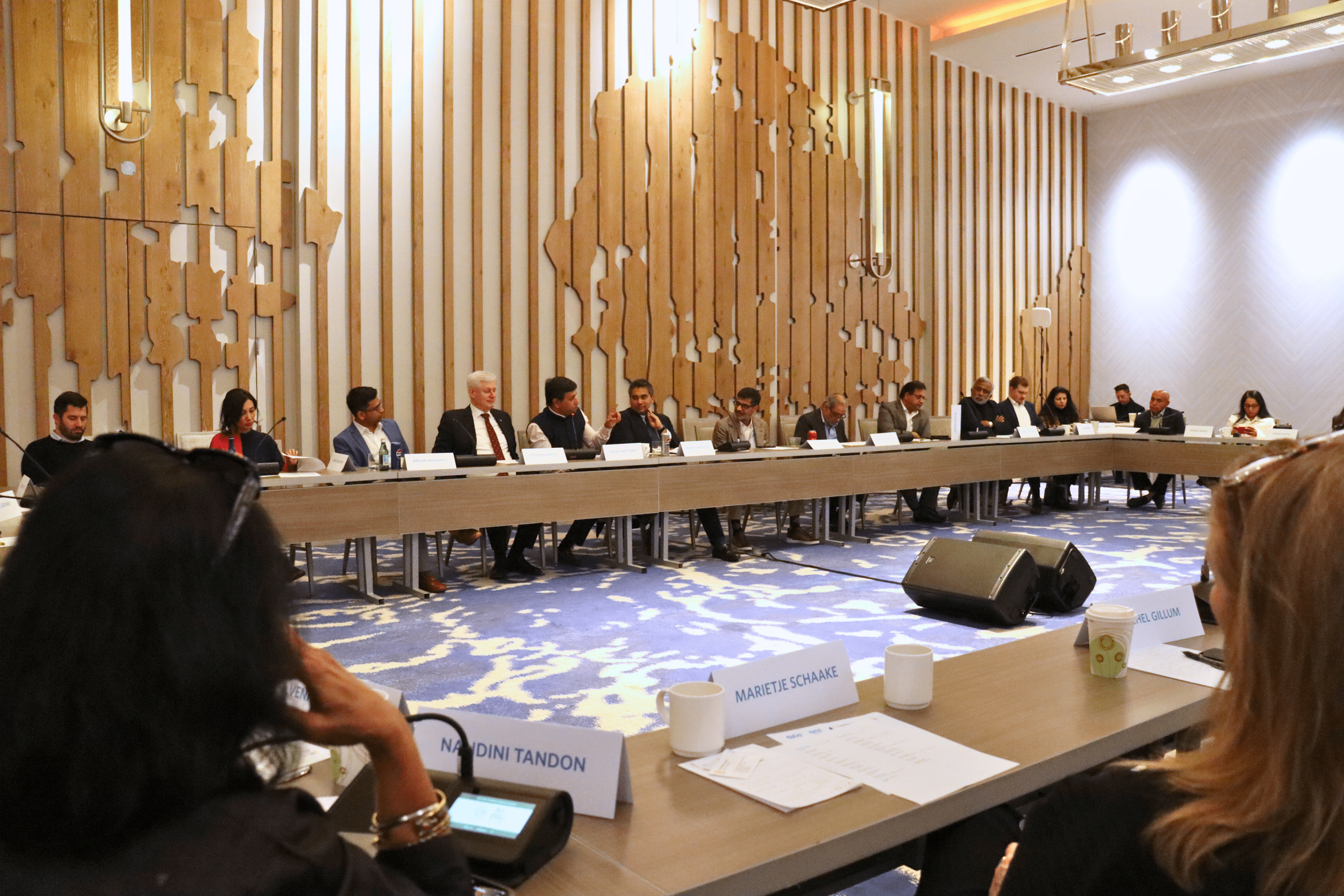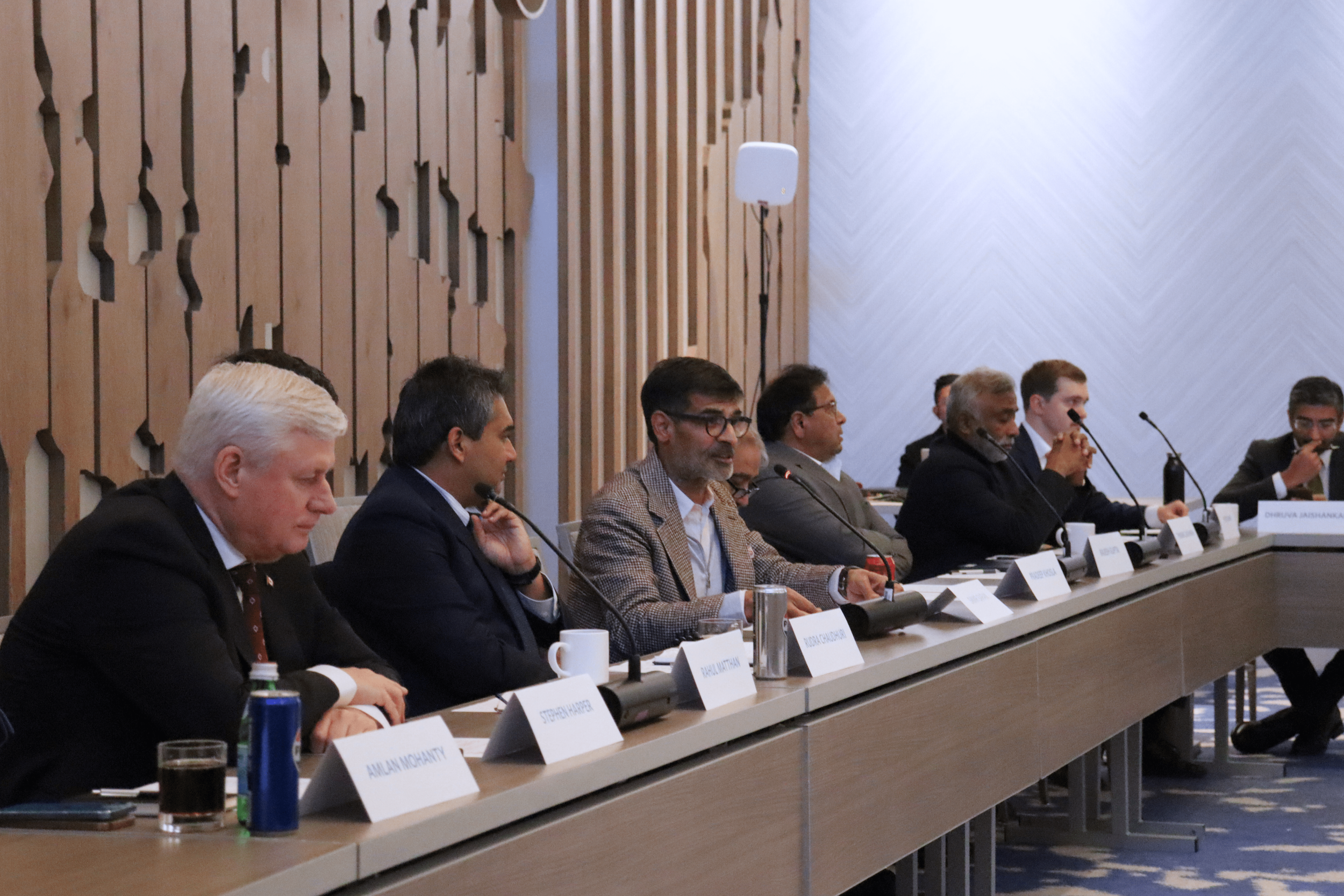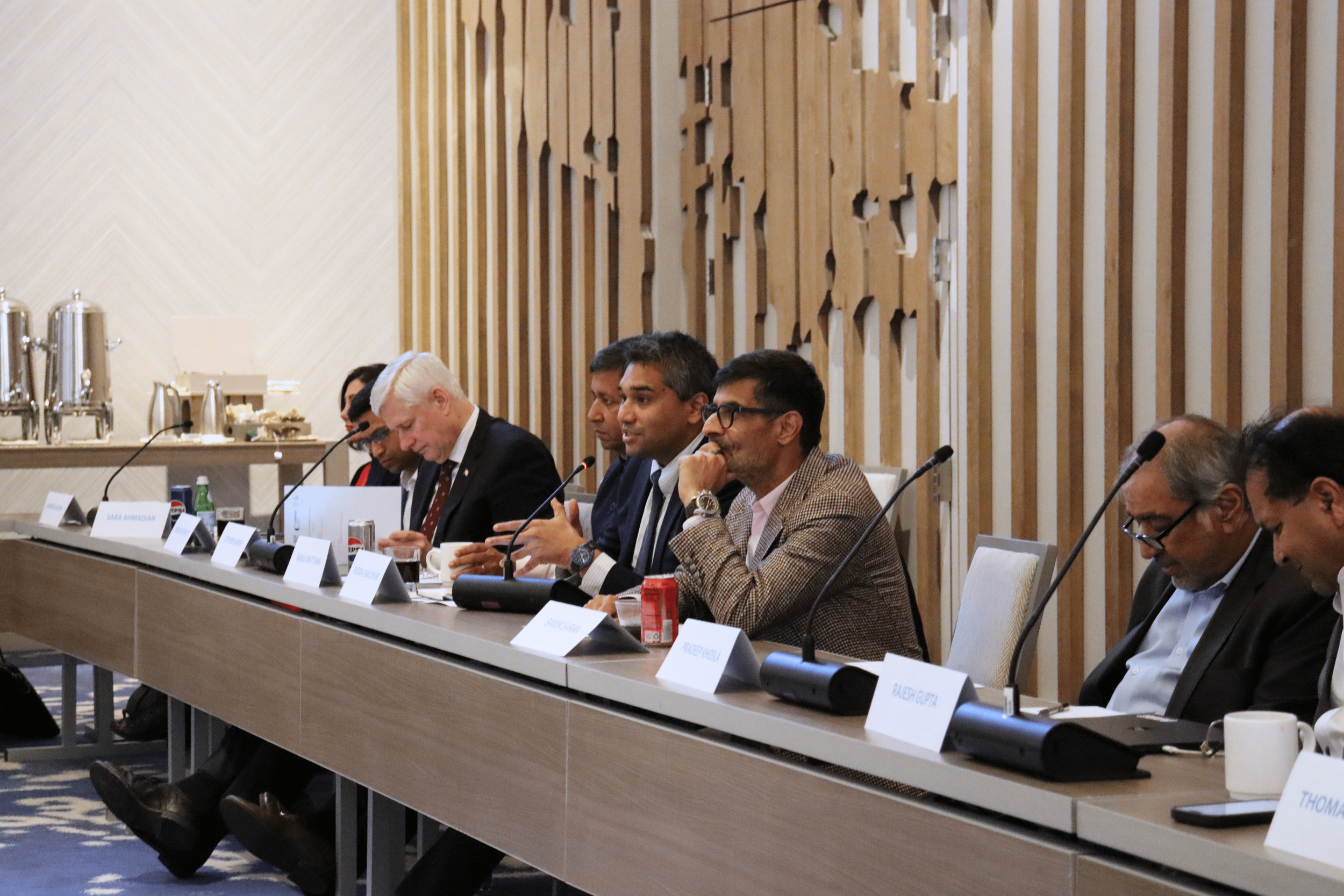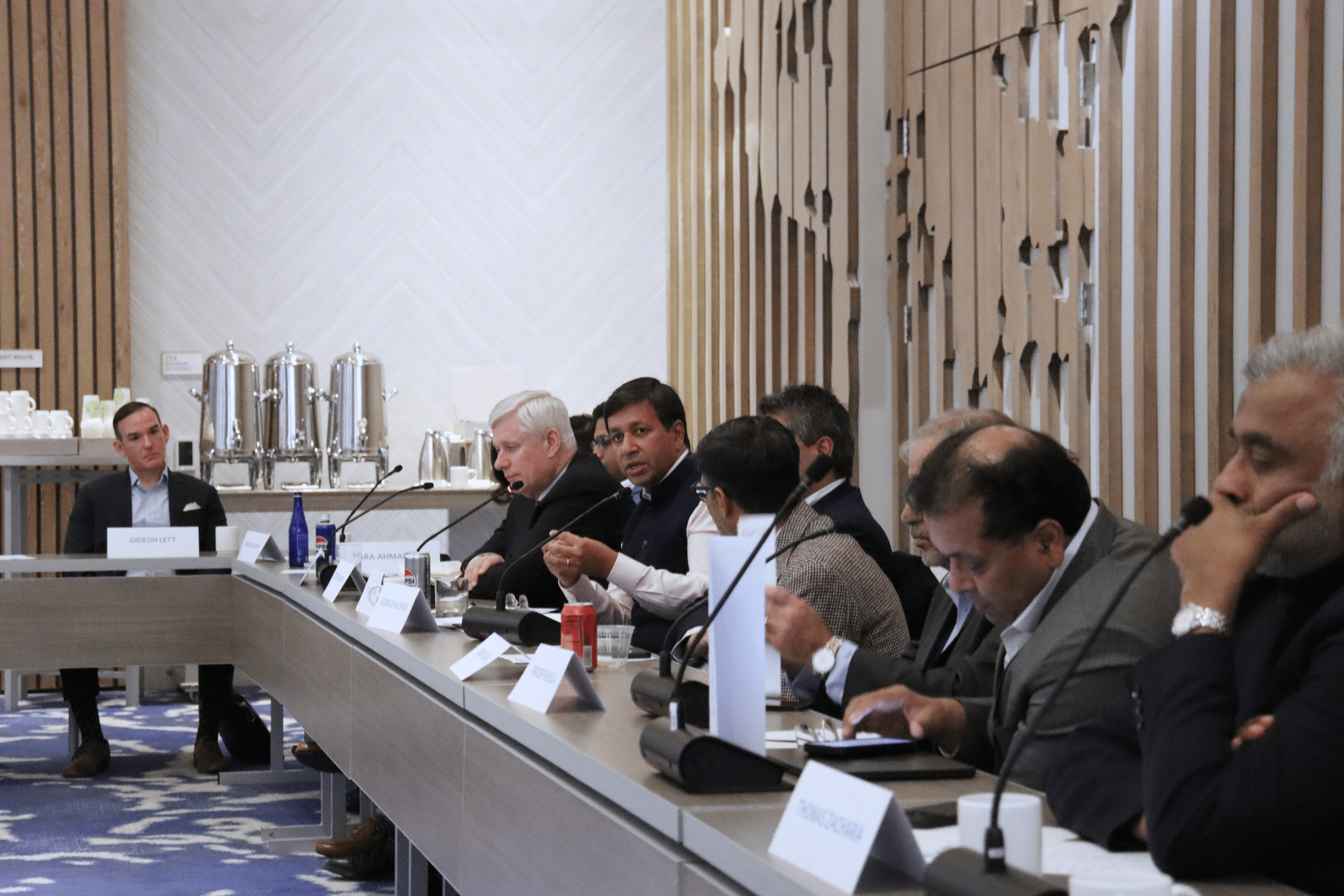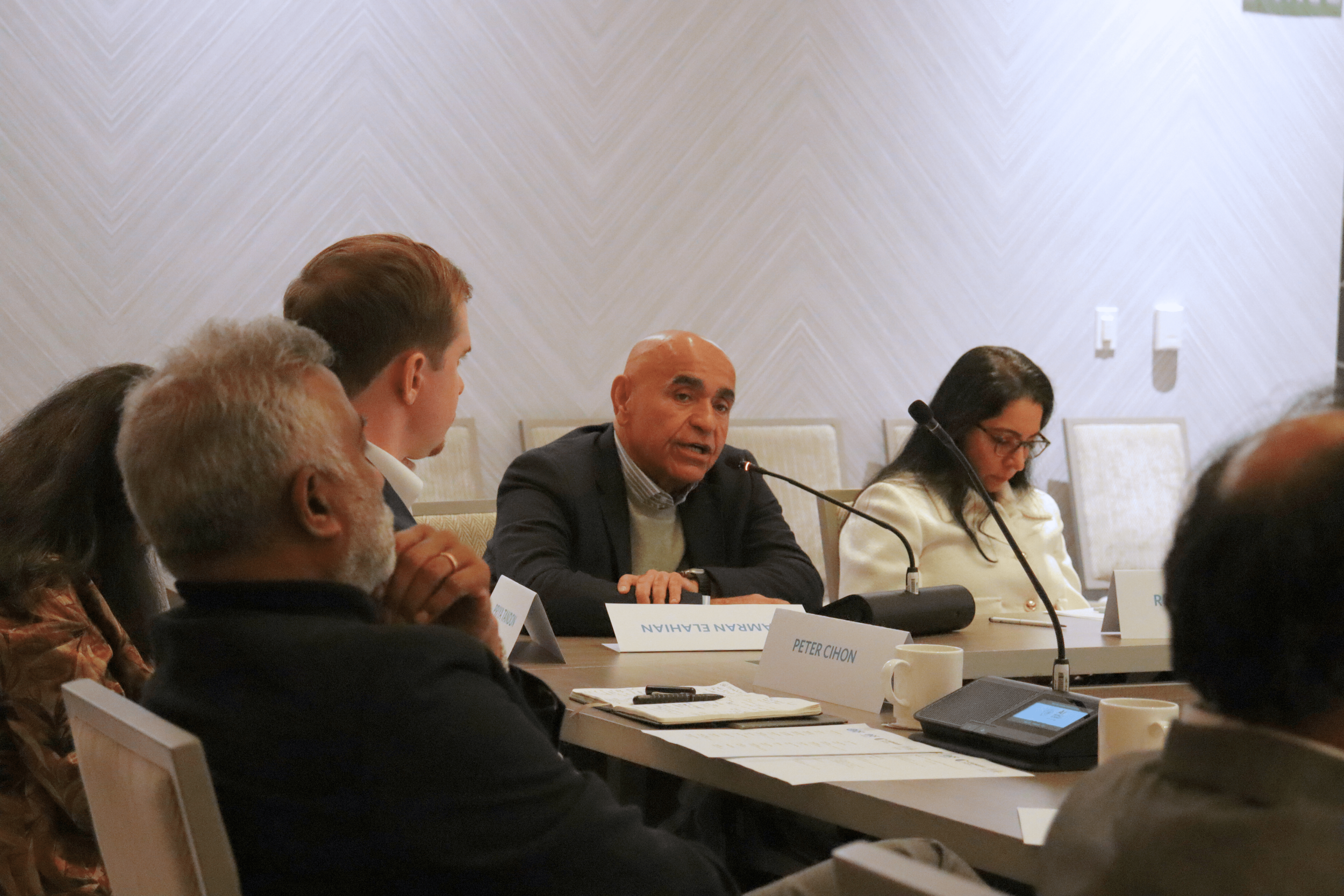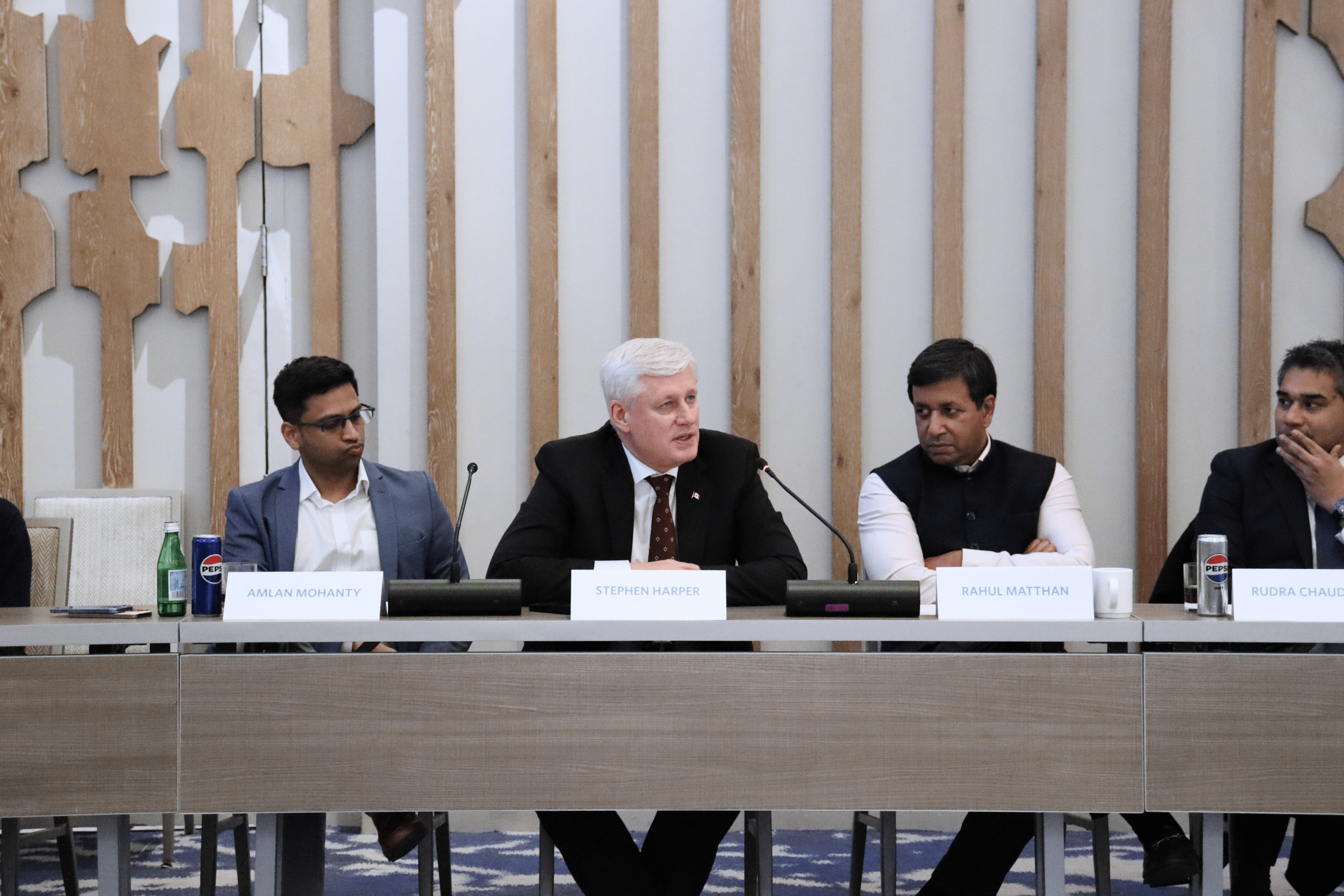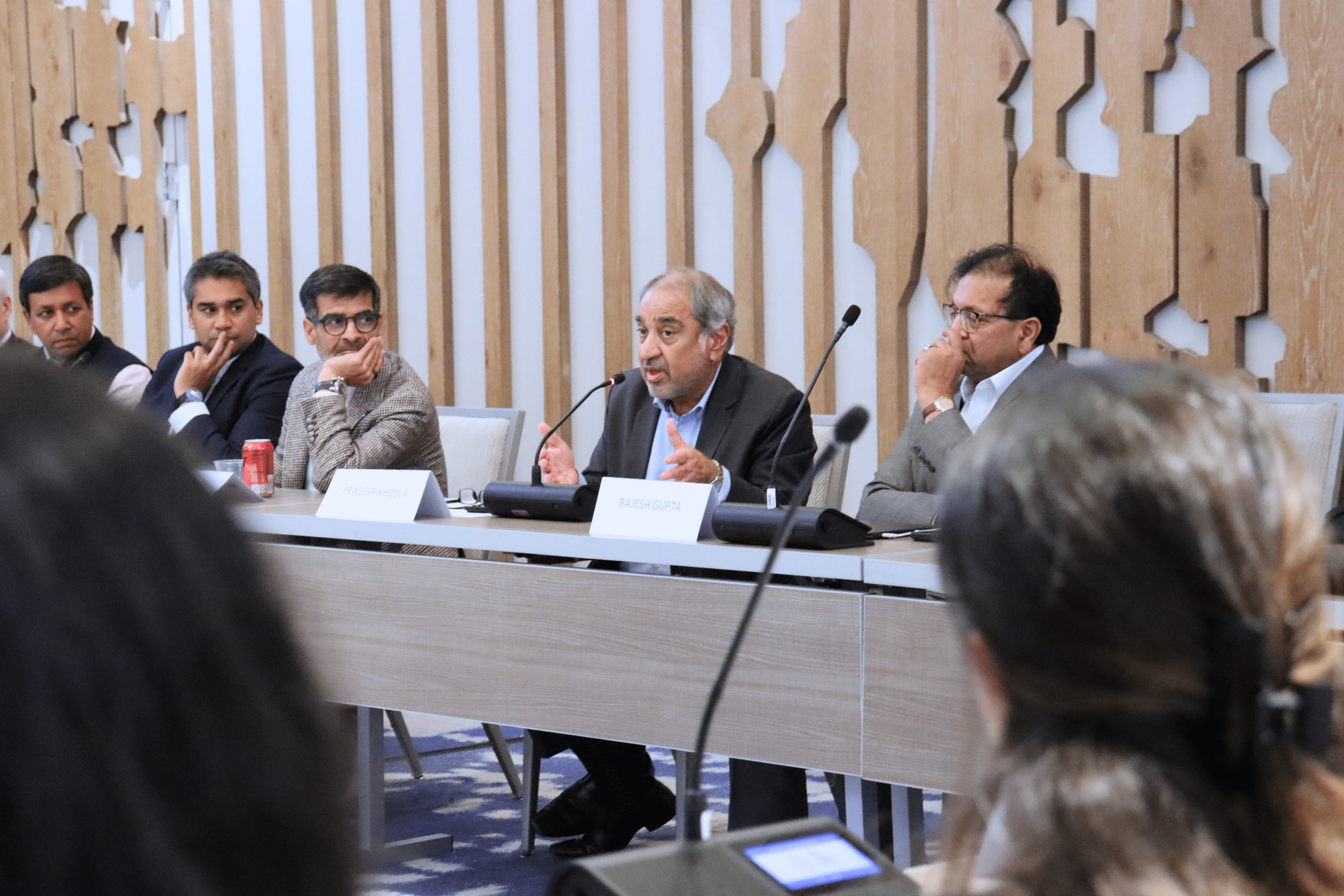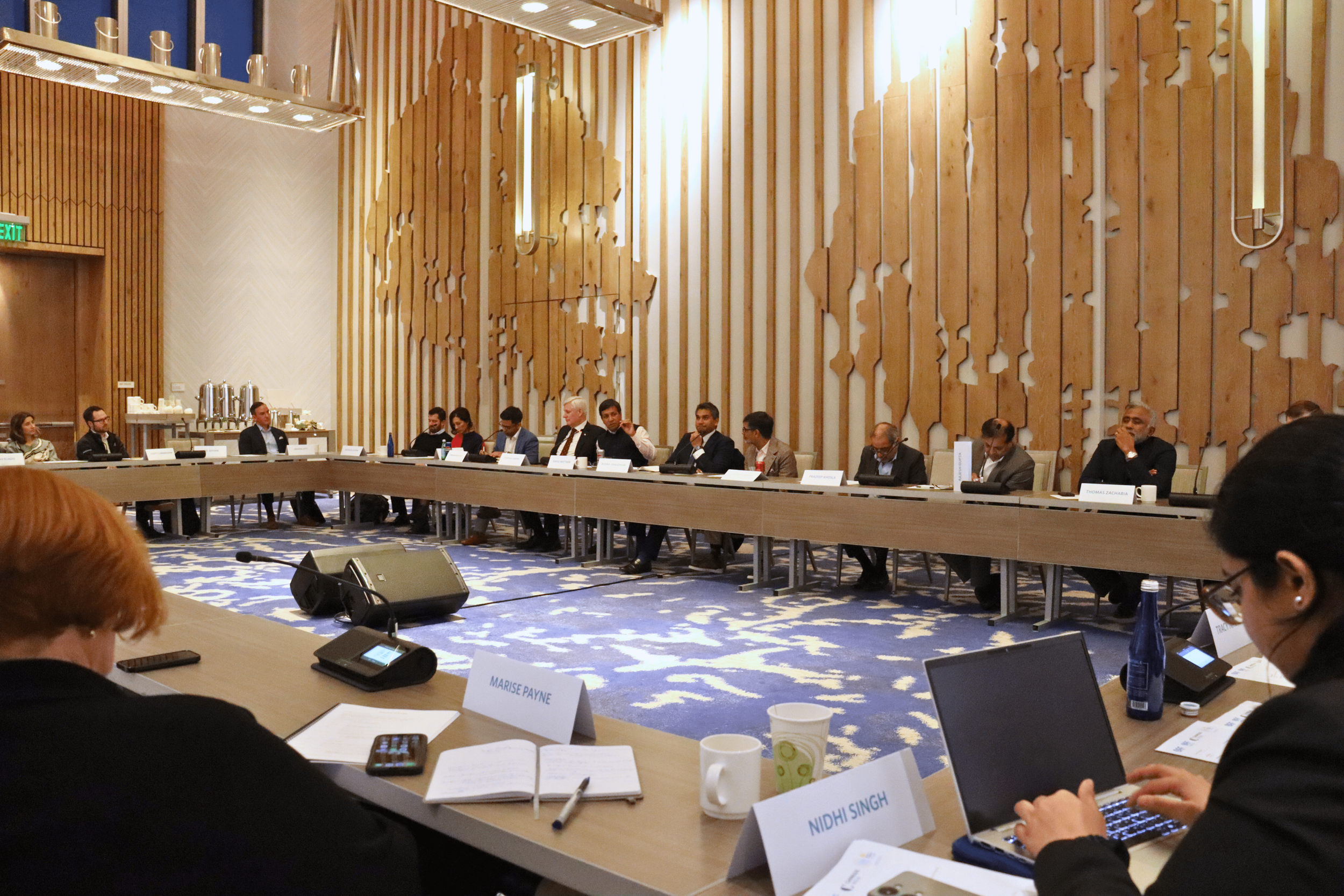
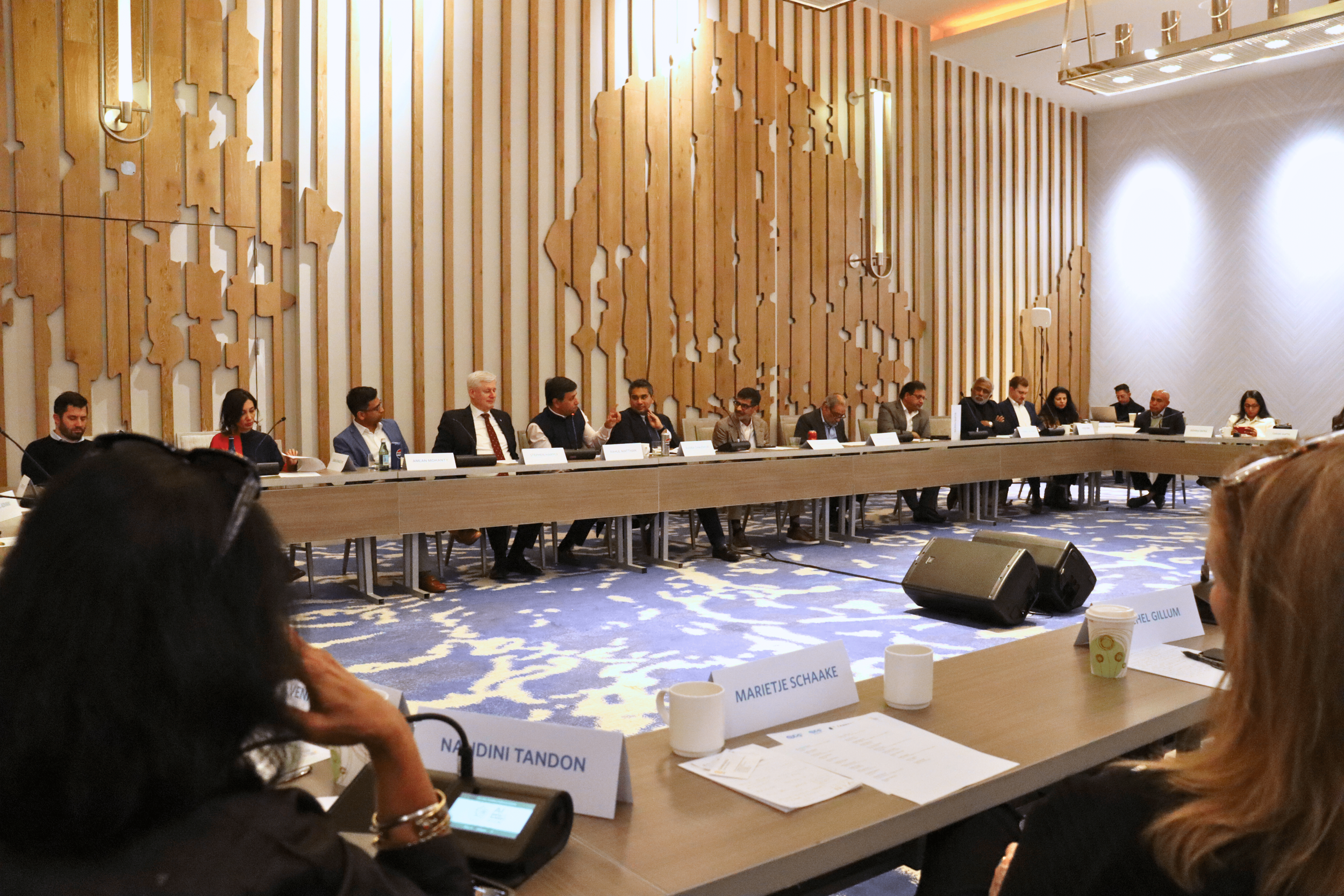
On December 16, Carnegie India, the Observer Research Foundation (ORF), and ORF America convened a closed-door roundtable with international policymakers, technology leaders, and experts to shape India's approach to the February 2026 AI Impact Summit.
The discussion centered on eight priority themes for the Summit: use cases, scale, Global South inclusion, collaboration, open-source sustainability, model assurance, AI sovereignty, and data governance. Participants emphasized that India should position the Summit with clear focus rather than attempting to address all AI issues comprehensively. Suggested focal areas included capacity building, access to computing infrastructure, use case deployment in healthcare and education, and democratizing AI safety tools.
Critical tensions emerged around several issues. While open-source models are valued, participants expressed concern about a widening performance gap with proprietary models that could leave Global South countries technologically disadvantaged. Data governance sparked debate between those advocating for monetization frameworks and others warning that overly restrictive approaches create 'local islands' cutting countries off AI benefits. The question of model assurance, guaranteeing continued access to APIs and models despite geopolitical shifts, surfaced as a practical sovereignty concern.
Infrastructure emerged as a central theme, with calls to prioritize data centers over semiconductor manufacturing in the near term, and to explore edge AI as a democratization pathway for resource-constrained deployments. Participants stressed the need for increased talent development through university investments, while entrepreneurs emphasized reducing bureaucratic barriers and increasing foreign capital access. The consensus pointed toward building on India's existing Digital Public Infrastructure (DPI) stack, focusing on agentic systems, and demonstrating leadership through specific, implementable use cases, particularly in critical infrastructure protection, child safety, healthcare, and education, rather than pursuing abstract governance frameworks or premature regulation.
Key Takeaways
Narrow the focus to demonstrate leadership: The Summit must choose specific priorities rather than trying to cover everything. This can be done by building on India’s DPI strengths, with a focus on agentic systems and the selection of high-impact sectors such as healthcare, education, and critical infrastructure protection. Prioritizing concrete use cases can also demonstrate “AI for good” and help generate public buy-in.
Invest in talent infrastructure, not just hardware: Prioritize data centers over semiconductors in the near term, while also recognizing that infrastructure extends beyond hardware. Invest heavily in universities and focus on reducing bureaucratic barriers and foreign investment constraints that force startups offshore. Focus on edge AI as a democratization strategy for resource-constrained environments rather than competing directly on frontier models.
Address the open source dilemma and model assurance: The growing performance gap between open source and proprietary models risks leaving the Global South to build on potentially weaker models. Countries need concrete model assurances — guarantees that APIs and models remain accessible despite geopolitical shifts. Localizing model weights and expanding edge computing can provide practical pathways to sovereignty.
Speakers:
Rudra Chaudhuri, Director, Carnegie India
Rahul Matthan, Partner, Trilegal
Amlan Mohanty, Fellow, Carnegie India
Samir Saran, President, ORF