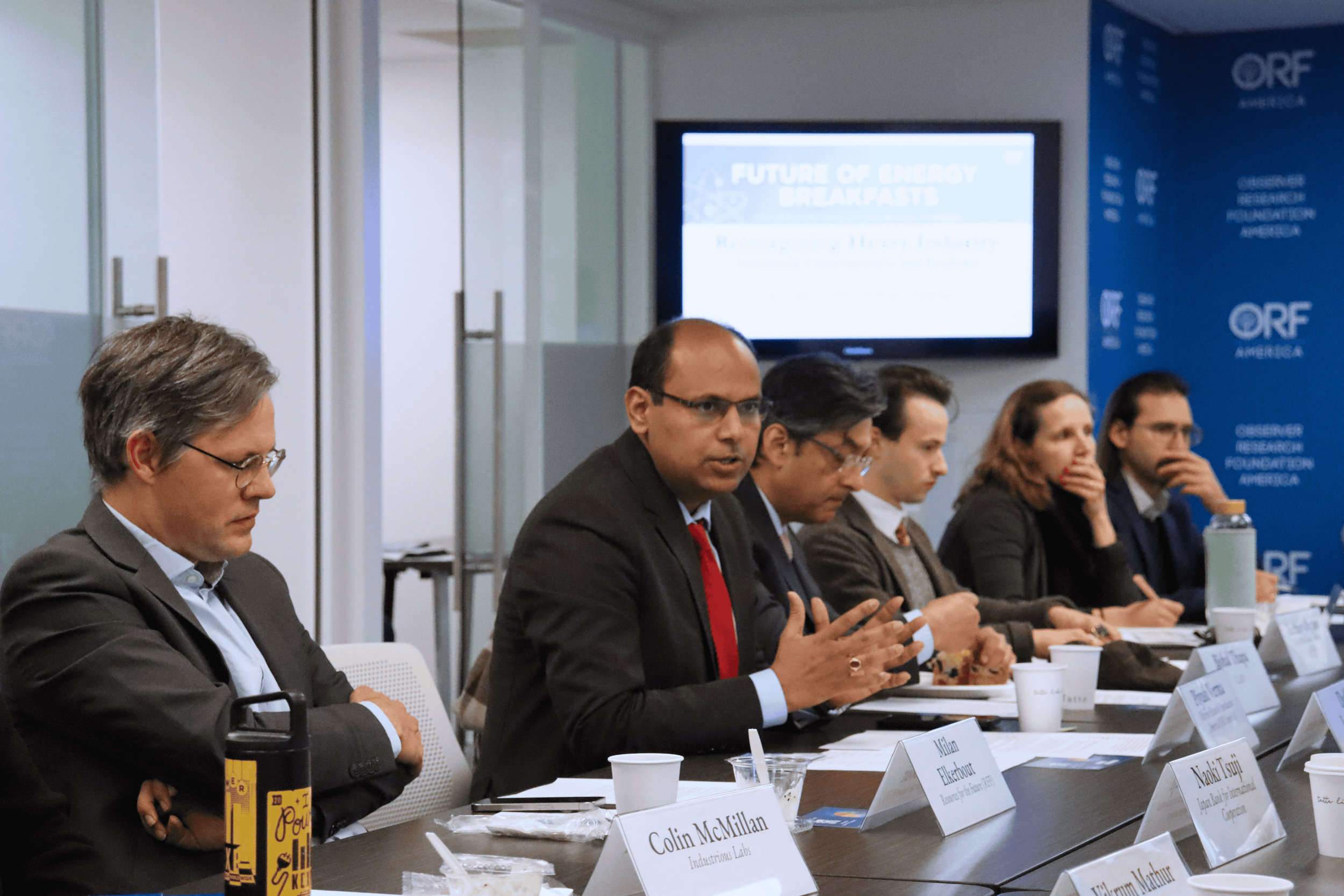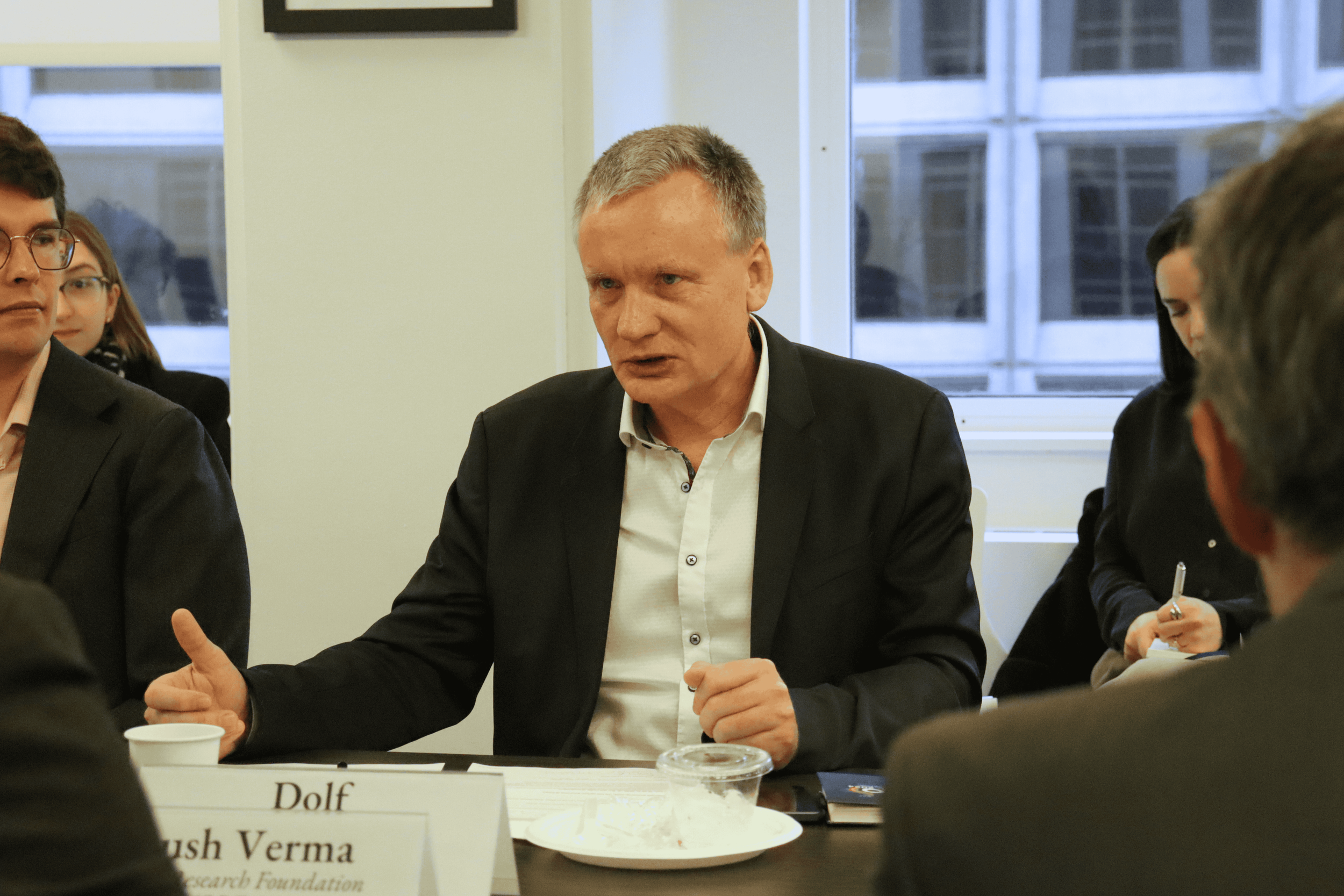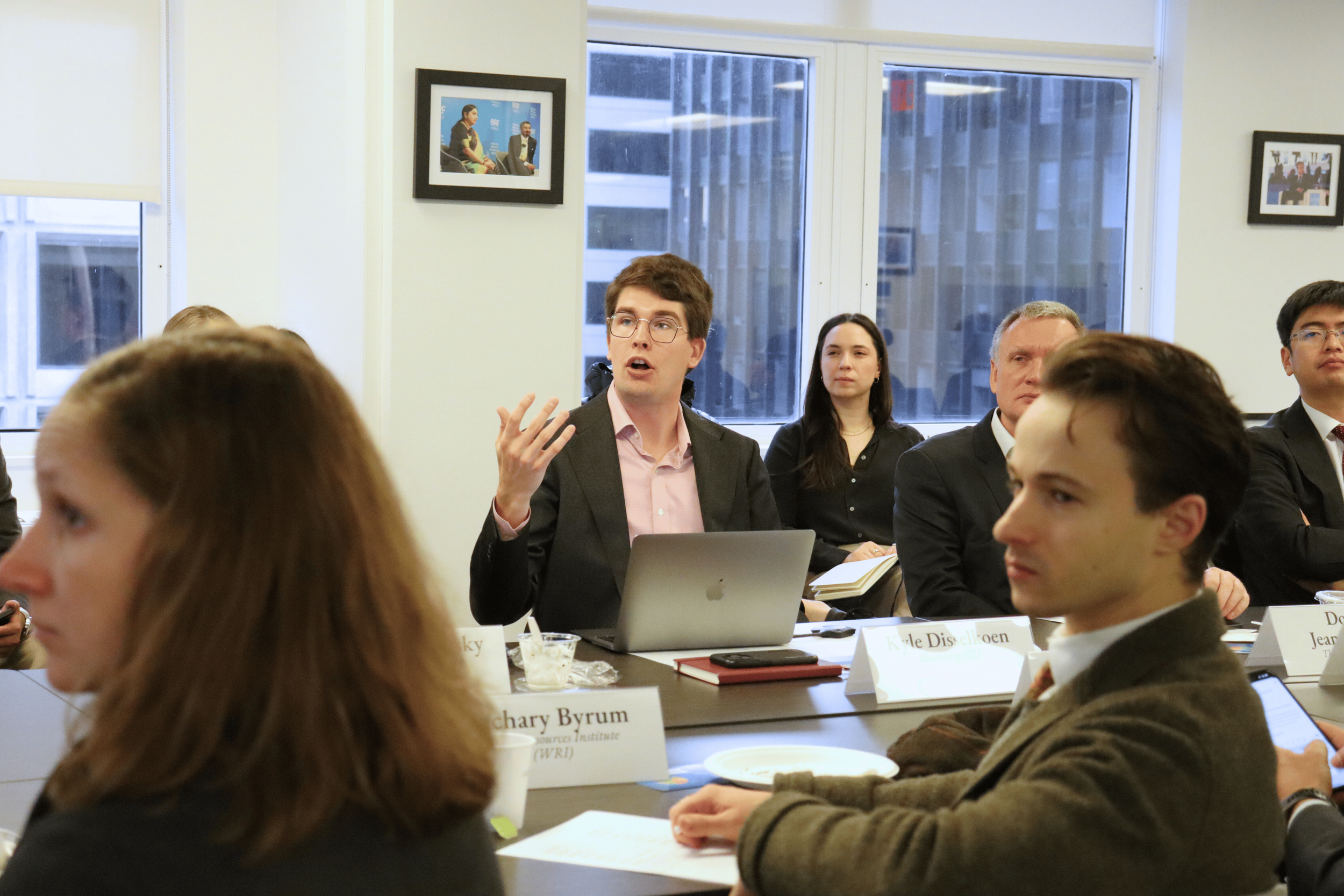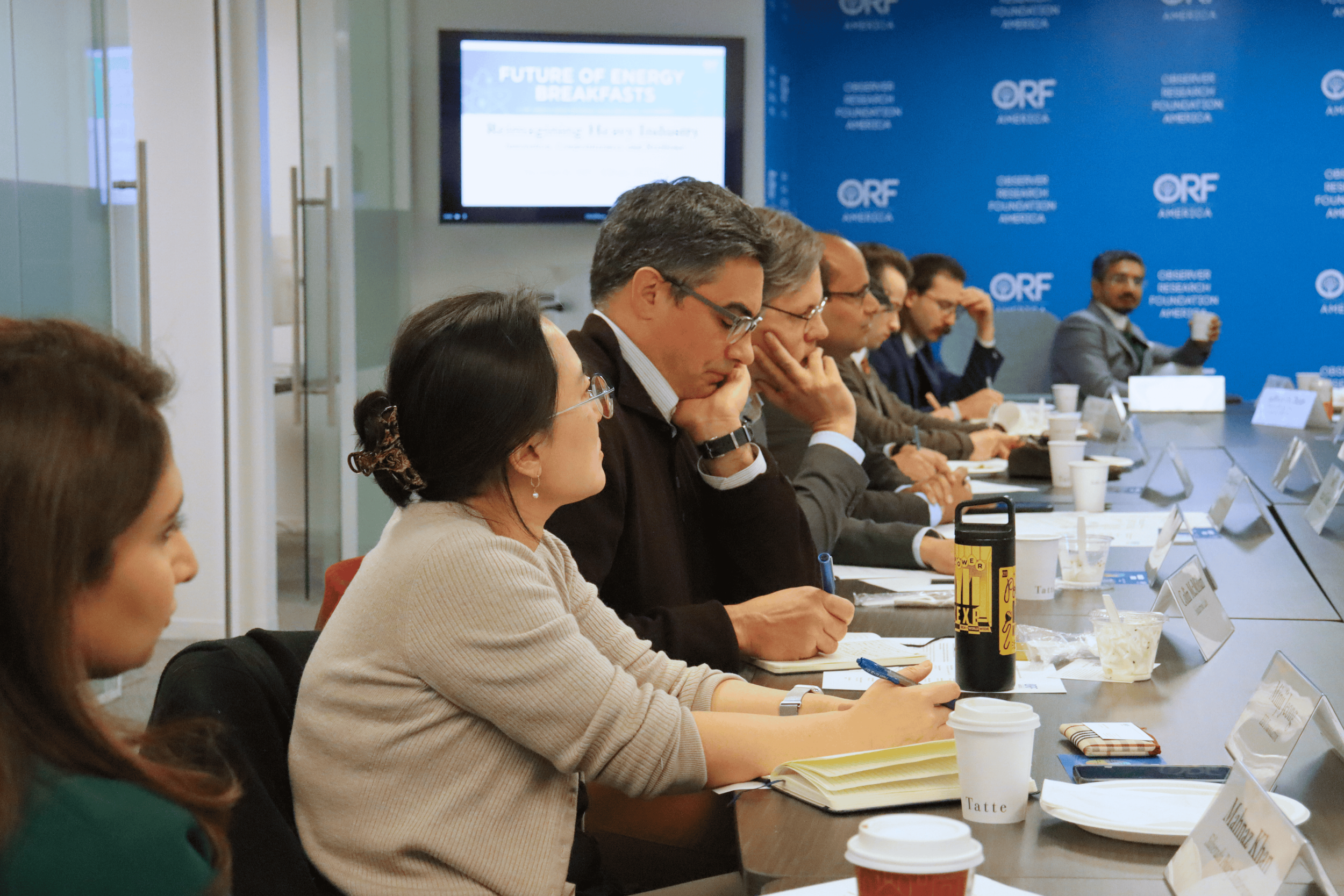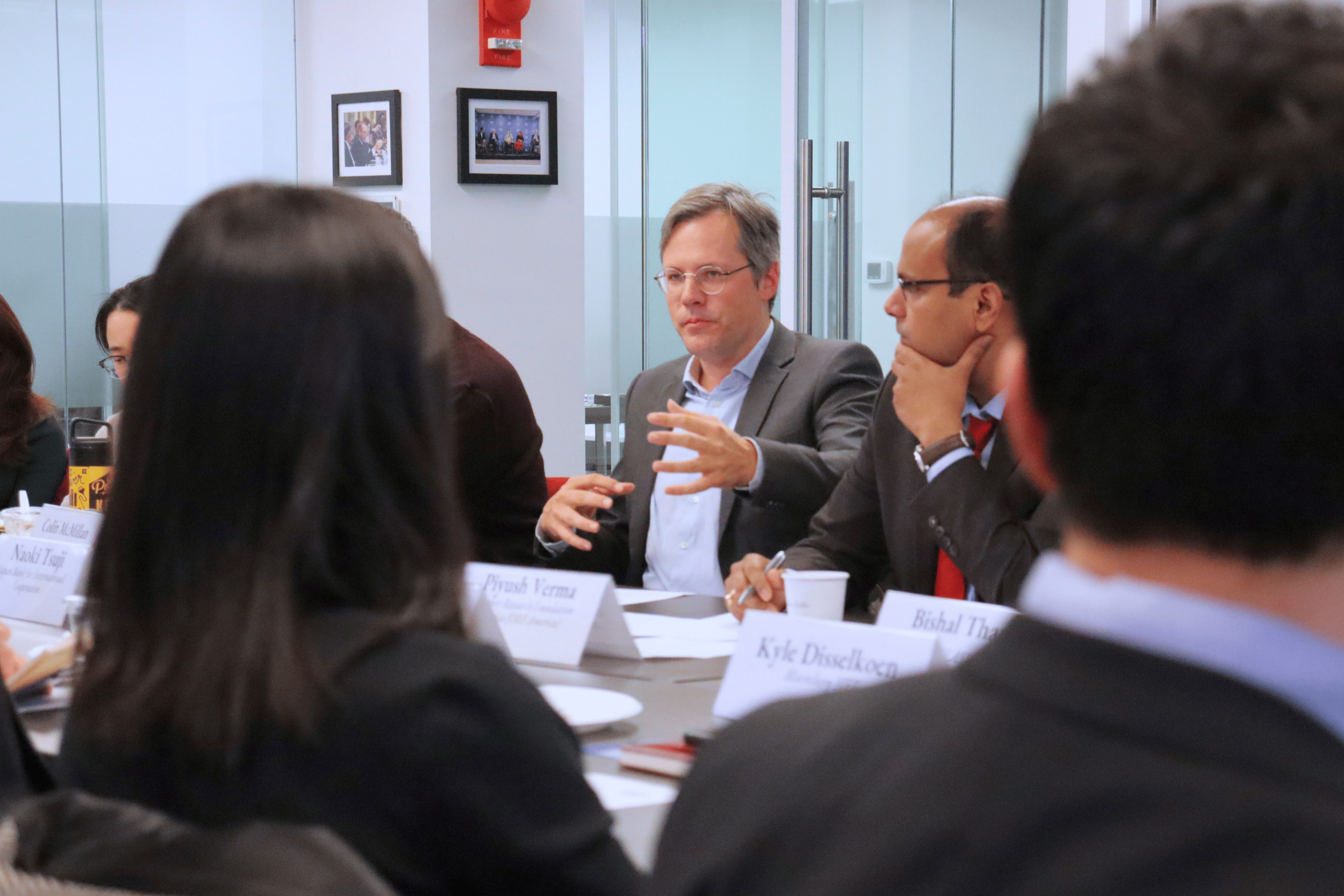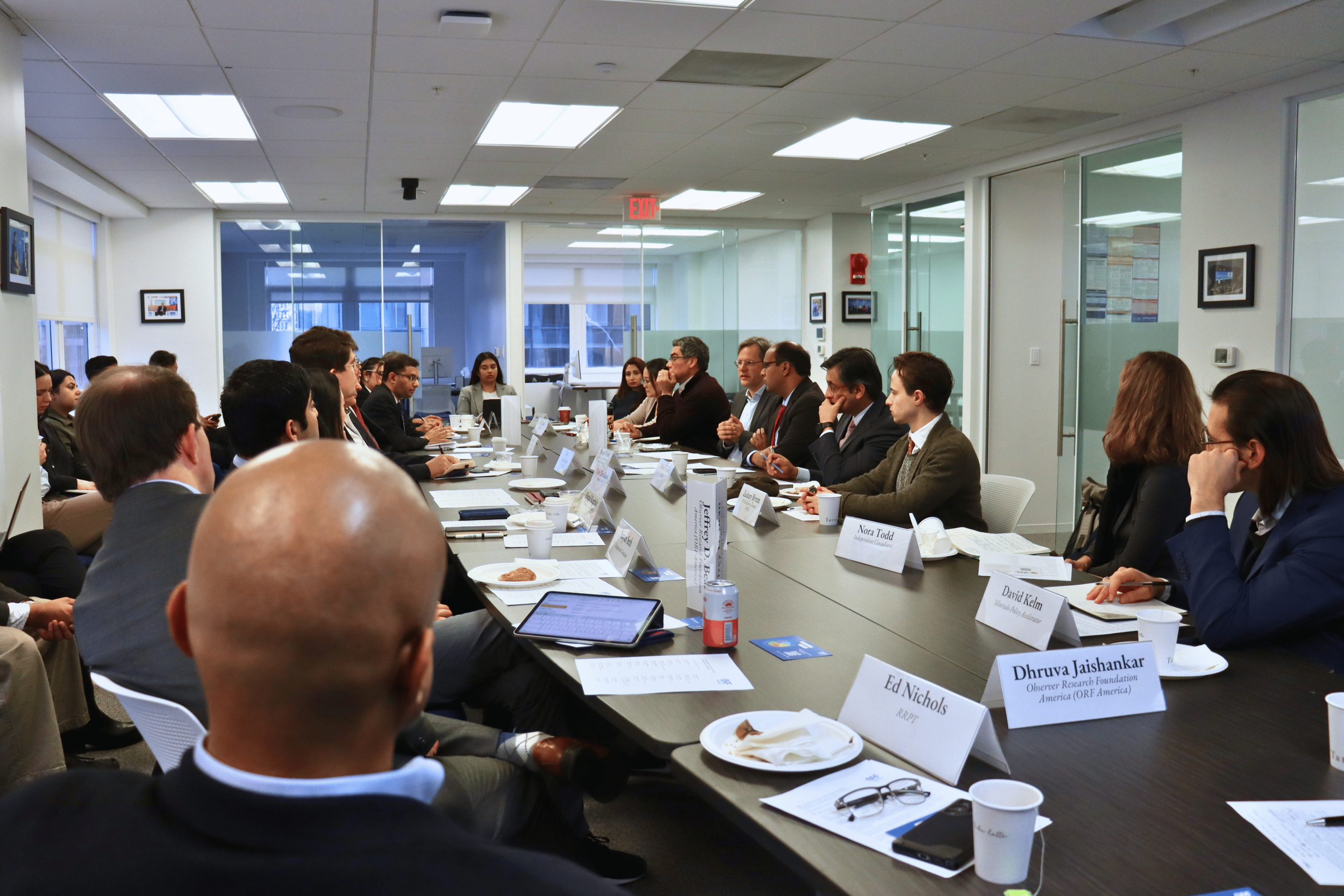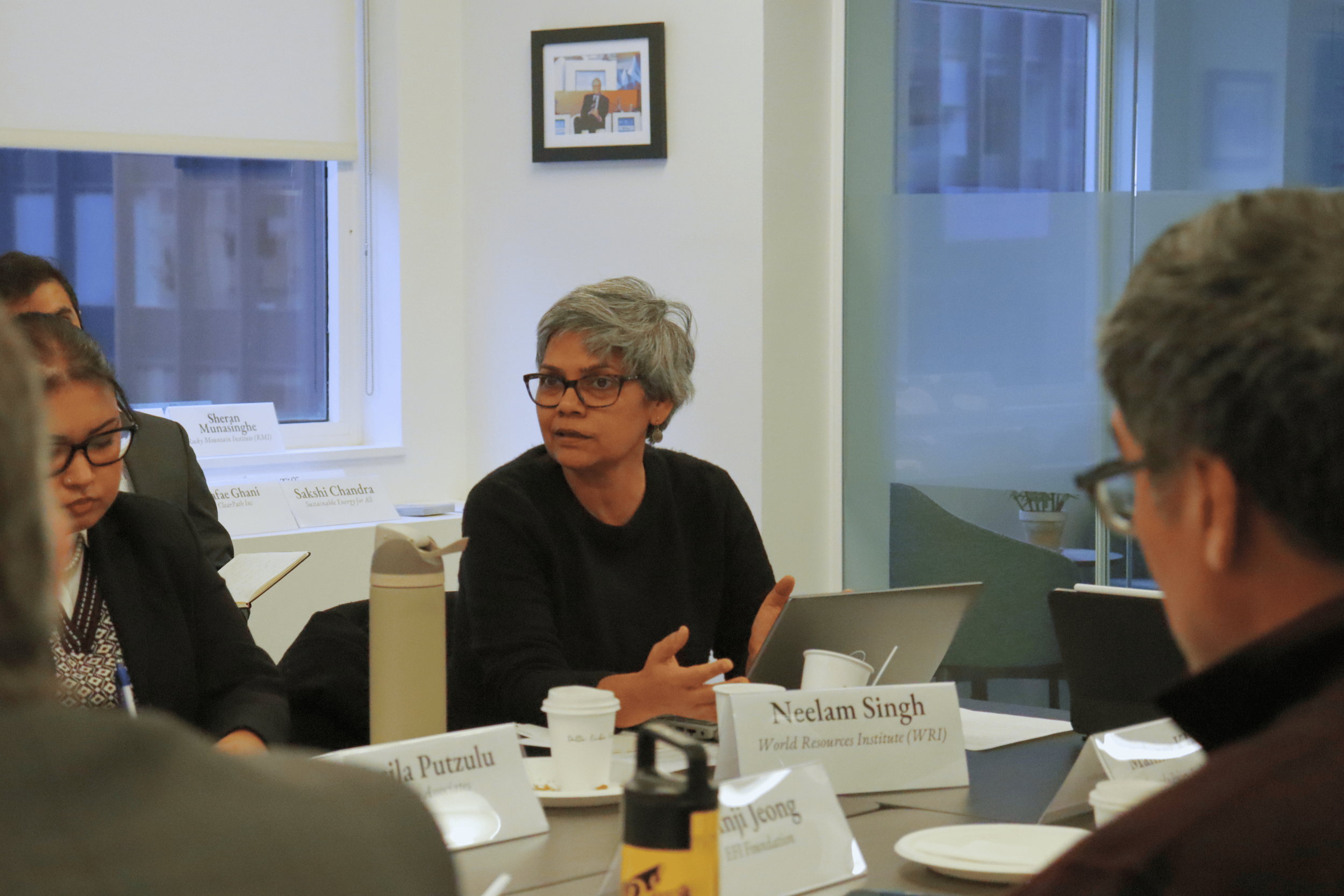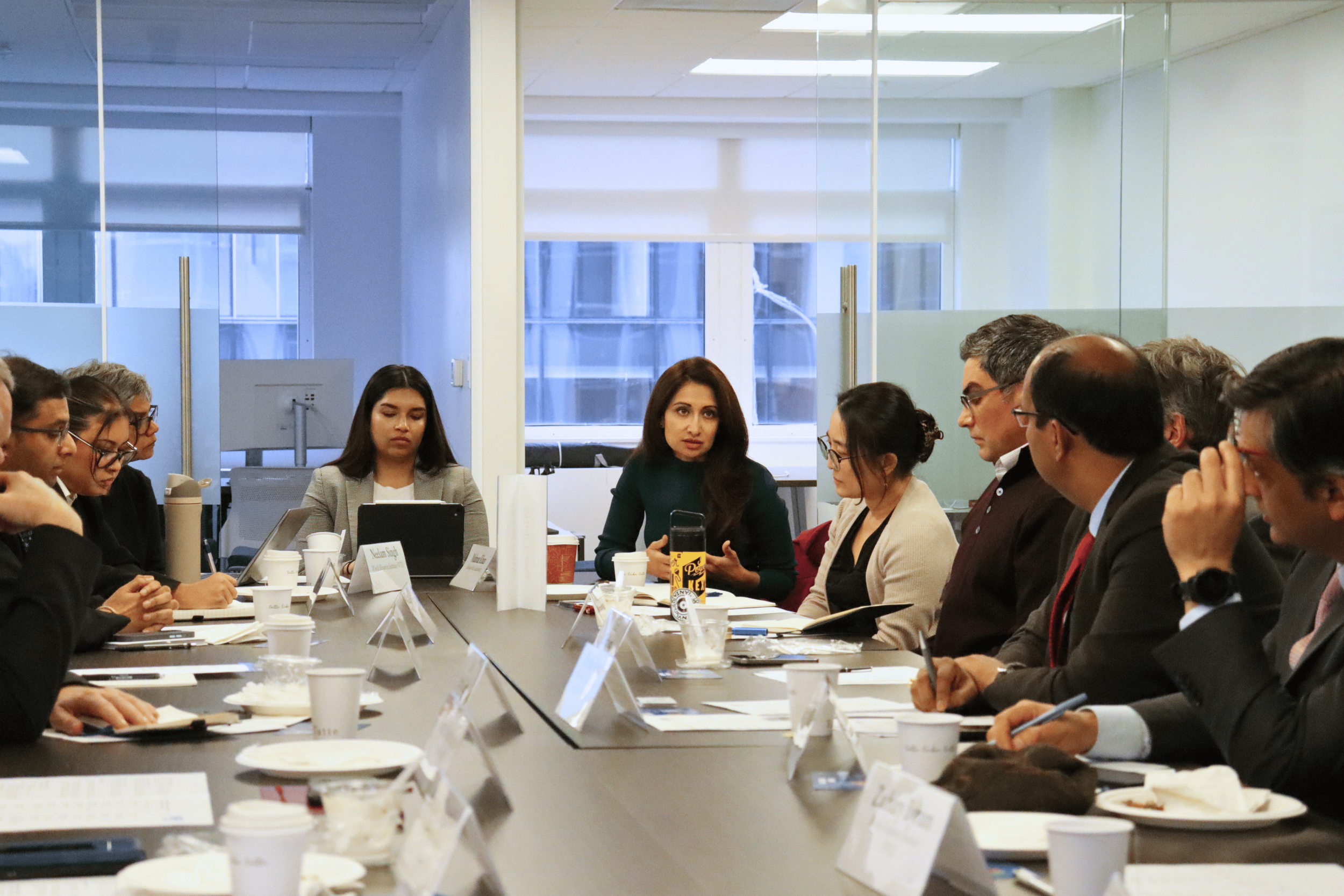
The Future of Energy Breakfasts series brings together senior leaders from government, industry, and technology for candid, closed-door discussions on the forces reshaping the global energy landscape. This edition examined the future of heavy industry, spotlighting innovation, competitiveness, and resilience — and how emerging technologies and new partnerships can transform the world’s most essential sectors.
The discussion examined the key drivers of global heavy-industry competitiveness, including policy, technology, markets, and emerging risks.
Key takeaways included:
On the policy front, participants noted that the biggest impediment to long-term industrial transformation is policy instability, especially given that heavy-industry investments operate on longer horizons. While instruments such as Carbon Border Adjustment Mechanism (CBAM), carbon contracts for difference (CCfDs), and a range of other carbon pricing schemes worldwide offer important signals, they remain insufficient on their own to catalyze investment at the scale required. Participants also underscored the challenges of establishing reliable product standards and carbon-accounting mechanisms. Concerns around double counting, methodological inconsistency, and poor international alignment continue to create uncertainty for investors and industry alike.
Market dynamics featured prominently in the discussion, underscoring competitiveness as a central concern for heavy industry. Participants noted that success ultimately depends on either achieving cost-competitive production or securing markets willing to absorb higher prices for low-carbon materials. Demand-side differentiation is already emerging: in some sectors, such as textiles, consumers are increasingly willing to pay a premium for cleaner products. On the supply side, participants highlighted new regional investment opportunities, particularly in areas with strong renewable energy resources and favorable production costs. These regions are well-positioned to become green-commodity hubs for steel, ammonia, and other industrial products. Competitive industrial decarbonization is no longer theoretical. Several developing economies now have operational projects in sectors like steel and ammonia, backed by secured offtake agreements that demonstrate real commercial traction. In other markets, participants pointed to the rising importance of voluntary credit mechanisms, where low-carbon producers generate and sell credits to corporate buyers. Early examples include green fertilizer and certain food and beverage supply chains, where companies are eager to demonstrate progress toward sustainability commitments.
Technological progress in industrial decarbonization has been steady but uneven, often advancing through cycles of experimentation across biomass use, CCUS, and green hydrogen. Participants emphasized that no single technology will deliver the transition; instead, a portfolio of solutions tailored to regional resource endowments is essential. Sectorally, green procurement offtake agreements are accelerating, particularly in Europe for green steel, low-carbon ammonia, and emerging bioplastics. These agreements are helping de-risk early projects and signal growing market confidence. Participants also highlighted that energy efficiency remains one of the most undervalued opportunities. New efficiency and low-carbon production technologies, including early electrochemical cement processes that can dramatically reduce emissions, offer major cost-effective mitigation potential but are still far from widespread adoption. In the aluminium sector, participants noted that production is increasingly integrating wind and solar power, supported by battery storage. However, the sector remains grid-inflexible, highlighting the need for improved grid integration technologies and demand-response mechanisms. Across heavy industry, high-efficiency motors and motor-driven systems — which account for a substantial share of industrial electricity use — represent a major, immediate area for improvement. Digitalization is another critical enabler that can reduce energy losses, stabilize operations, and unlock system-wide efficiency gains across steel, cement, aluminium and other production.
In discussing risks to green industrialization, participants highlighted the strong link between geopolitical uncertainty and rising financing costs. Investors remain cautious about committing capital to long-horizon industrial projects, particularly those involving emerging decarbonization technologies. Concerns about carbon leakage also persist. Participants noted that mechanisms such as CBAM help at the margin but do not fully address the competitiveness challenges faced by producers in many markets. Another emerging pressure point is the competition for clean energy and infrastructure capacity. The rapid expansion of energy-intensive sectors, especially data centers, is straining grids in several regions and in some cases displacing planned green industrial projects. This dynamic underscores the need for integrated planning across sectors that increasingly rely on the same limited energy and infrastructure resources.
Overall, the discussion emphasized that transforming heavy industry will require coordinated global policy, innovative and patient financing, robust risk-mitigation tools, and market mechanisms that support long-term investment and competitiveness. Participants also stressed that demand creation is essential. Without reliable markets for low-carbon materials, even well-designed technologies and financing structures will struggle to scale. Public procurement, corporate offtake commitments, and harmonized standards were highlighted as key levers to build early demand and give industry the confidence to invest in new production pathways.
Speakers
Welcome Remarks: Dhruva Jaishankar, Executive Director, ORF America
Dolf Gielen, Senior Energy Economist and Hydrogen Lead, The World Bank
Kyle Disselkoen, Senior Associate, Industrial Decarbonization, Bloomberg NEF
Moderator: Piyush Verma, Senior Fellow, ORF America
Participants
Caroline Arkalji, ORF America
Jeffrey D. Bean, ORF America
Zachary Byrum, World Resources Institute (WRI)
Sakshi Chandra, Sustainable Energy for All
Milan Elkerbout, Resources for the Future (RFF)
David Kelm, Silverado Policy Accelerator
Minji Jeong, EFI Foundation
Mahnaz Khan, Silverado Policy Accelerator
Vikrum Mathur, Tata Group
Colin McMillan, Industrious Labs
Alan Mitchell, Clean Air Task Force
Sheran Munasinghe, Rocky Mountain Institute (RMI)
Ed Nichols, RRPT
Suyog Padgaonkar, Climate Imperative
Satvik Pendyala, American Enterprise Institute
Medha Prasanna, ORF America
Priscila Putzulu, McLarty Associates
Abigail Regitsky, Blue Horizons Foundation
Nayan Seth, Independent Consultant
Eliza Sheff, Clean Air Task Force
Neelam Singh, World Resources Institute (WRI)
Bishal Thapa, CLASP
Nora Todd, Independent Consultant
Naoki Tsuji, Japan Bank for International Cooperation