

By Udaibir Das
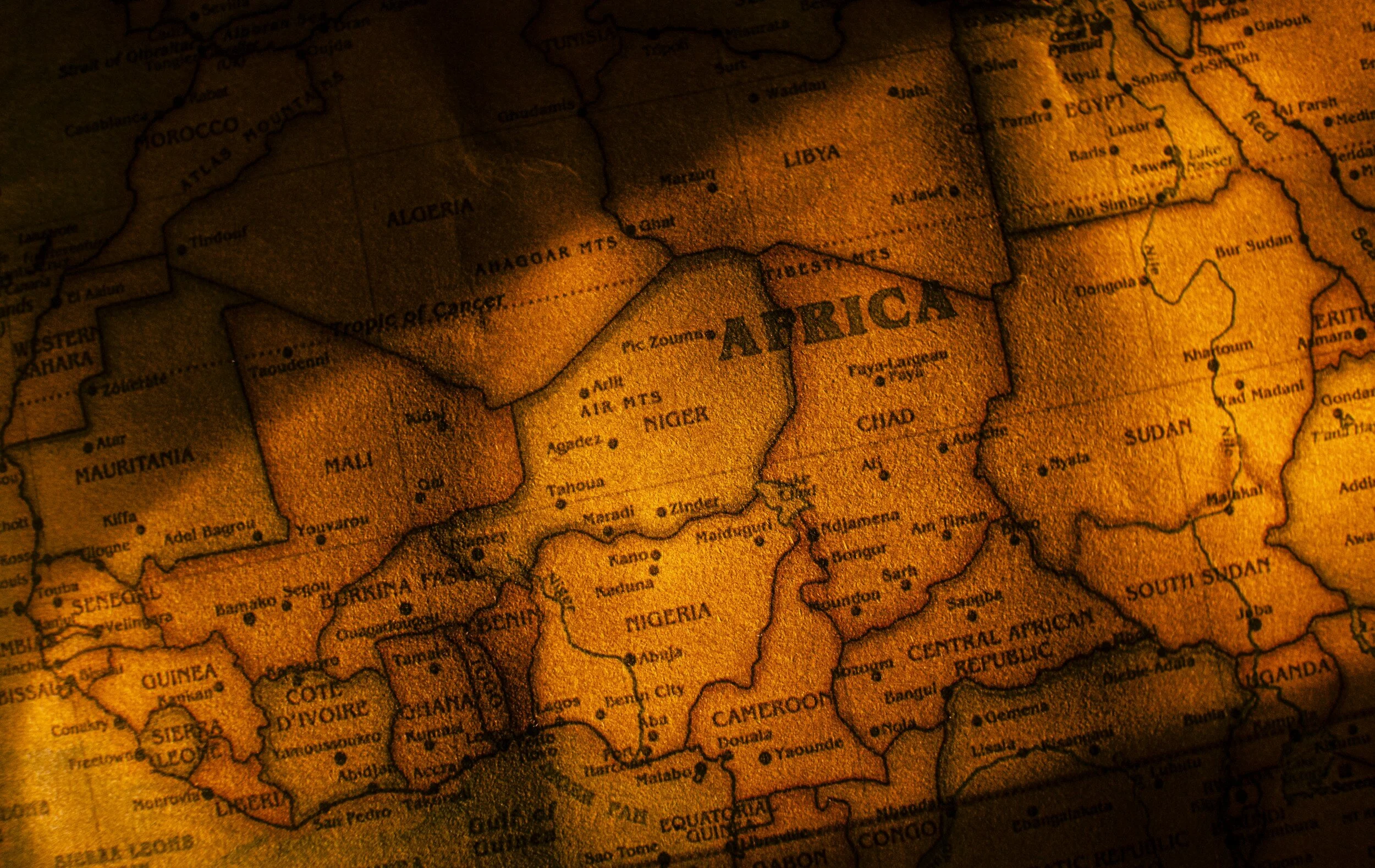
As a unified bloc, Africa can negotiate better terms in international trade agreements, investment deals and financial arrangements.

By Piyush Verma
The grid is more than a machine for moving electrons. It is a shared system of costs, responsibilities and reliability. As AI campuses bring their own power, the question is not whether they are on or off the grid, but what they owe it when they still depend on it.
Background Paper No. 40
By Udaibir Das and Pietro Zecca
Edited Volume
By Soumya Awasthi, Ishita Deshmukh, Sameer Patil, Kavya Wadhwa, Purushraj Patnaik, Pranoy Jainendran, Sameer Patil, Rahul Rawat, Debjyoti Chakravorty, Basu Chandola, and Tanusha Tyagi
Editor: Dhruva Jaishankar
By Udaibir Das
Policy-makers cannot prevent every shock, but they can influence how prepared the economy is to deal with them, by reducing exposures, protecting essential functions and preserving policy room. Asia built its first generation of financial defenses after a crisis. It should build the second before the next.
By Udaibir Das
As a unified bloc, Africa can negotiate better terms in international trade agreements, investment deals and financial arrangements.
By Dhruva Jaishankar
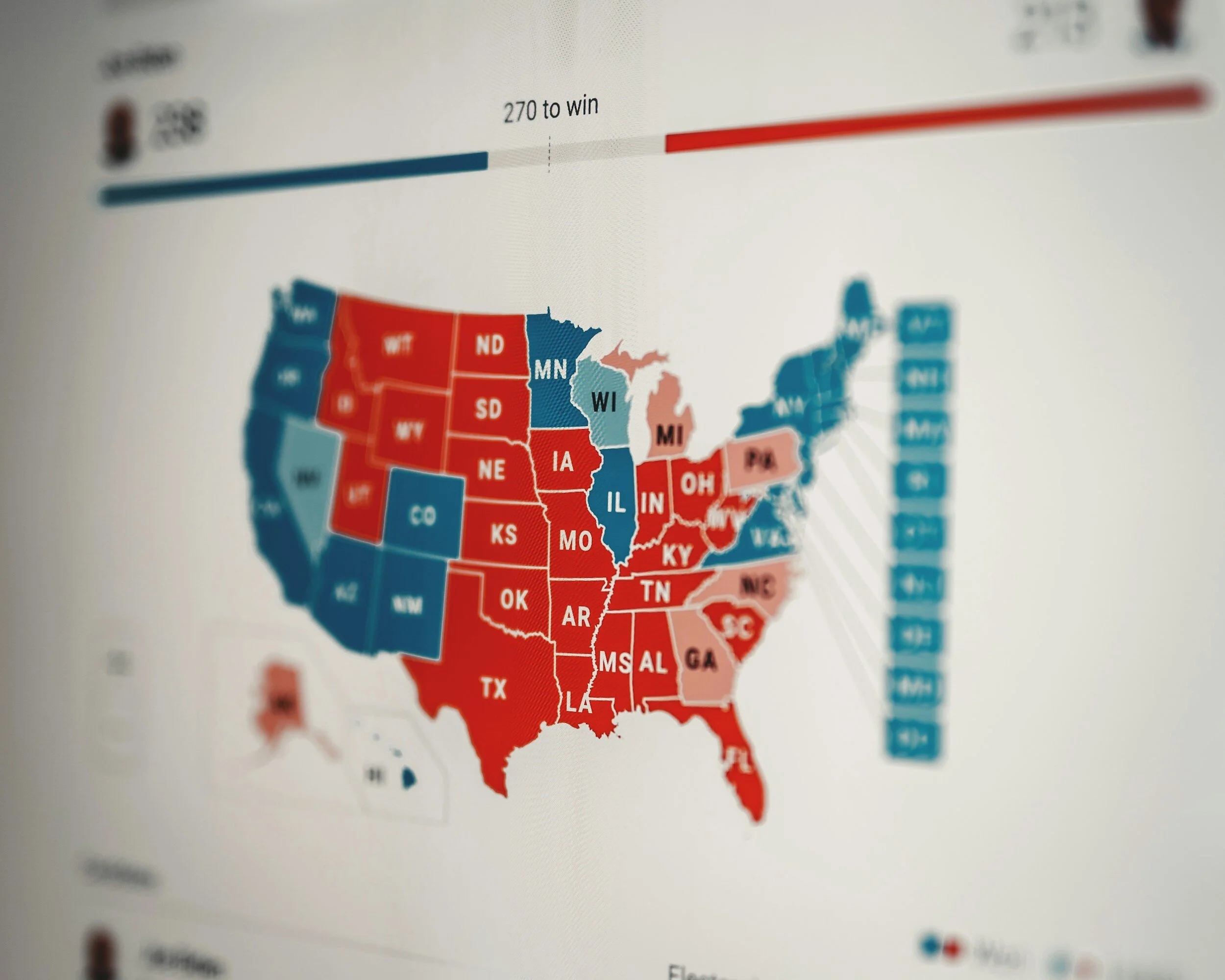
There are important differences between Biden and Trump on alliances, climate policy, immigration, tariffs, and democracy.
By Sadiq Amini
By spearheading the restoration of democracy in Afghanistan, Taiwan could eventually forge a strong alliance with a democratic Afghanistan.
Observer Research Foundation America, 1100 17th St. NW, Suite 501, Washington DC 20036 USA