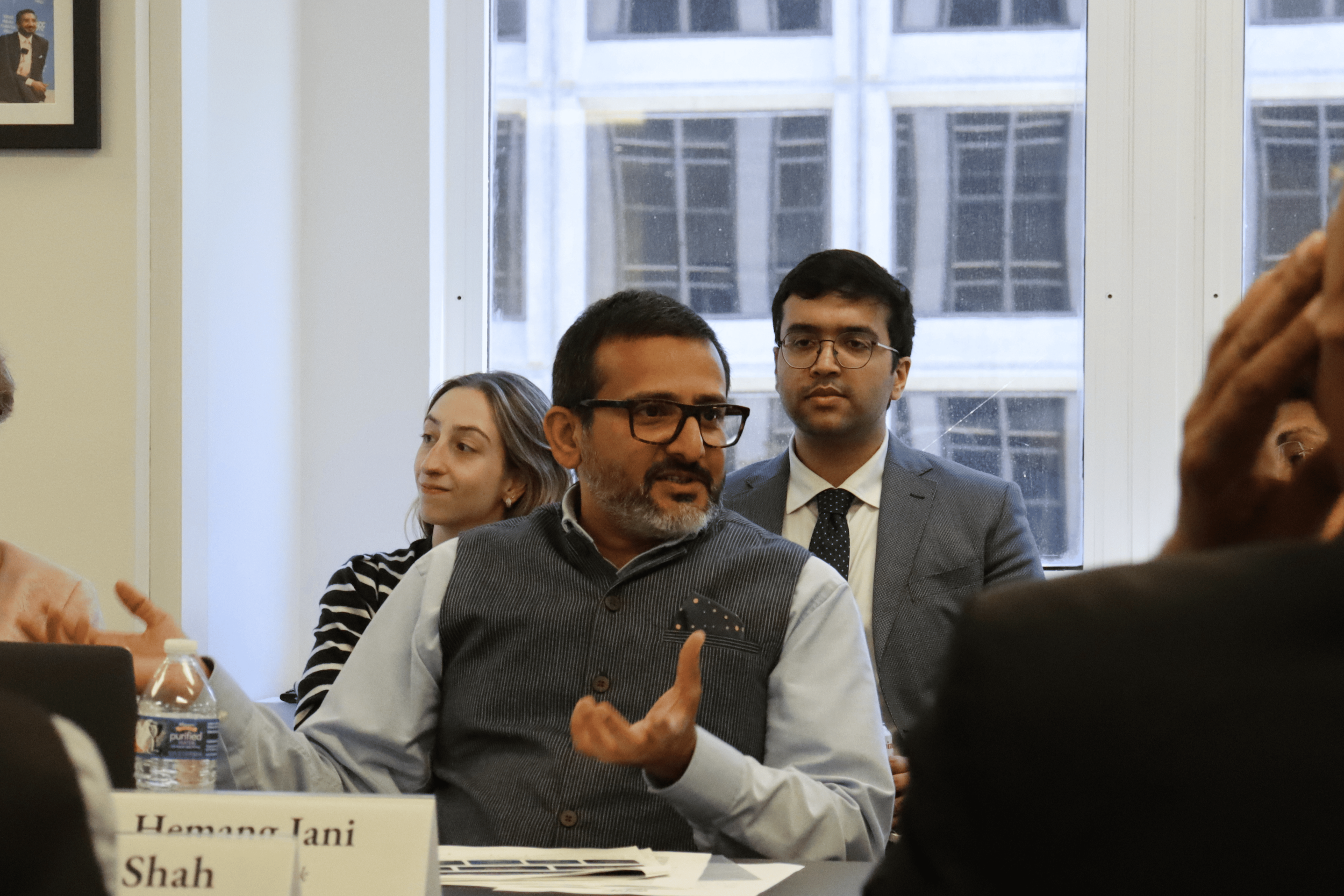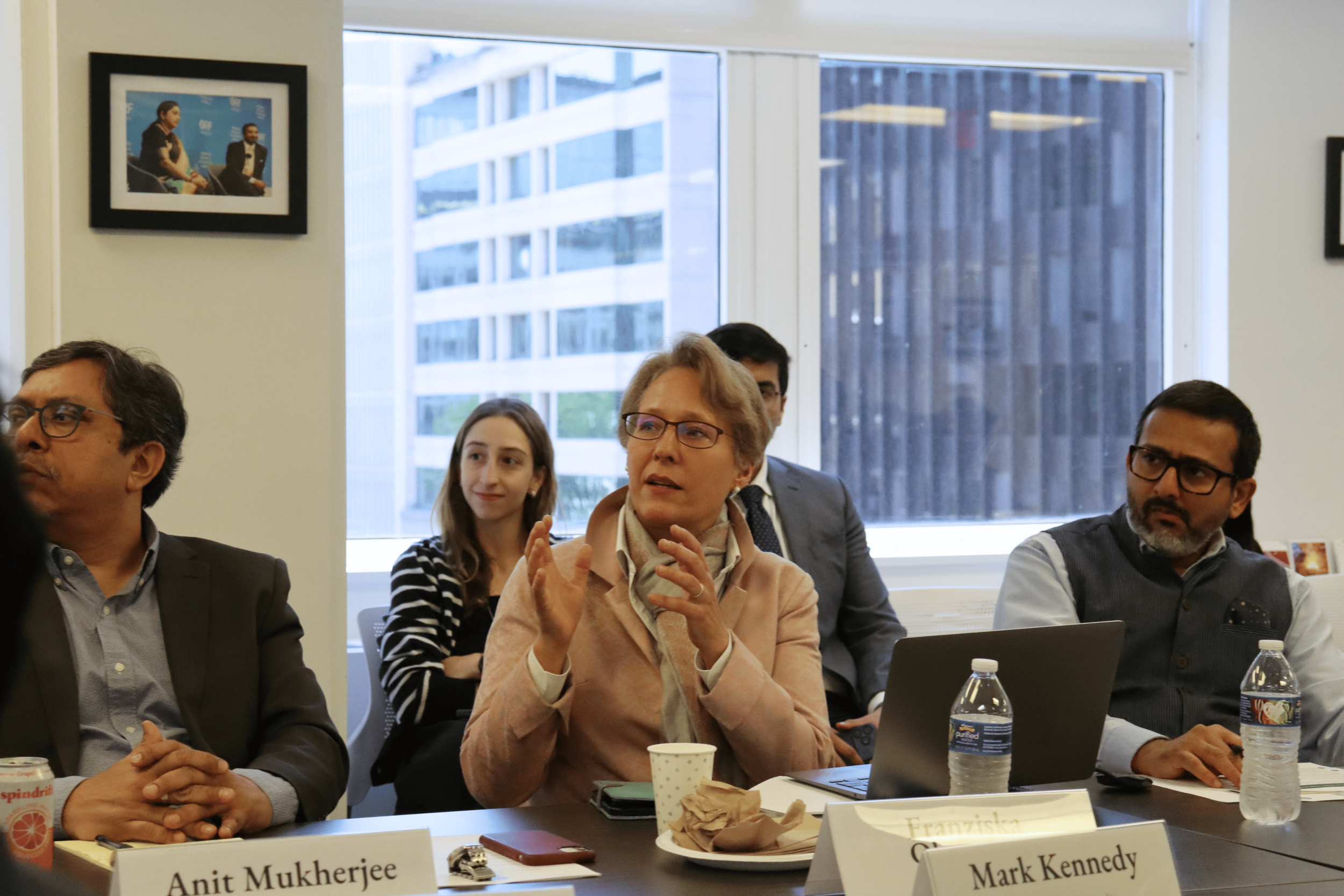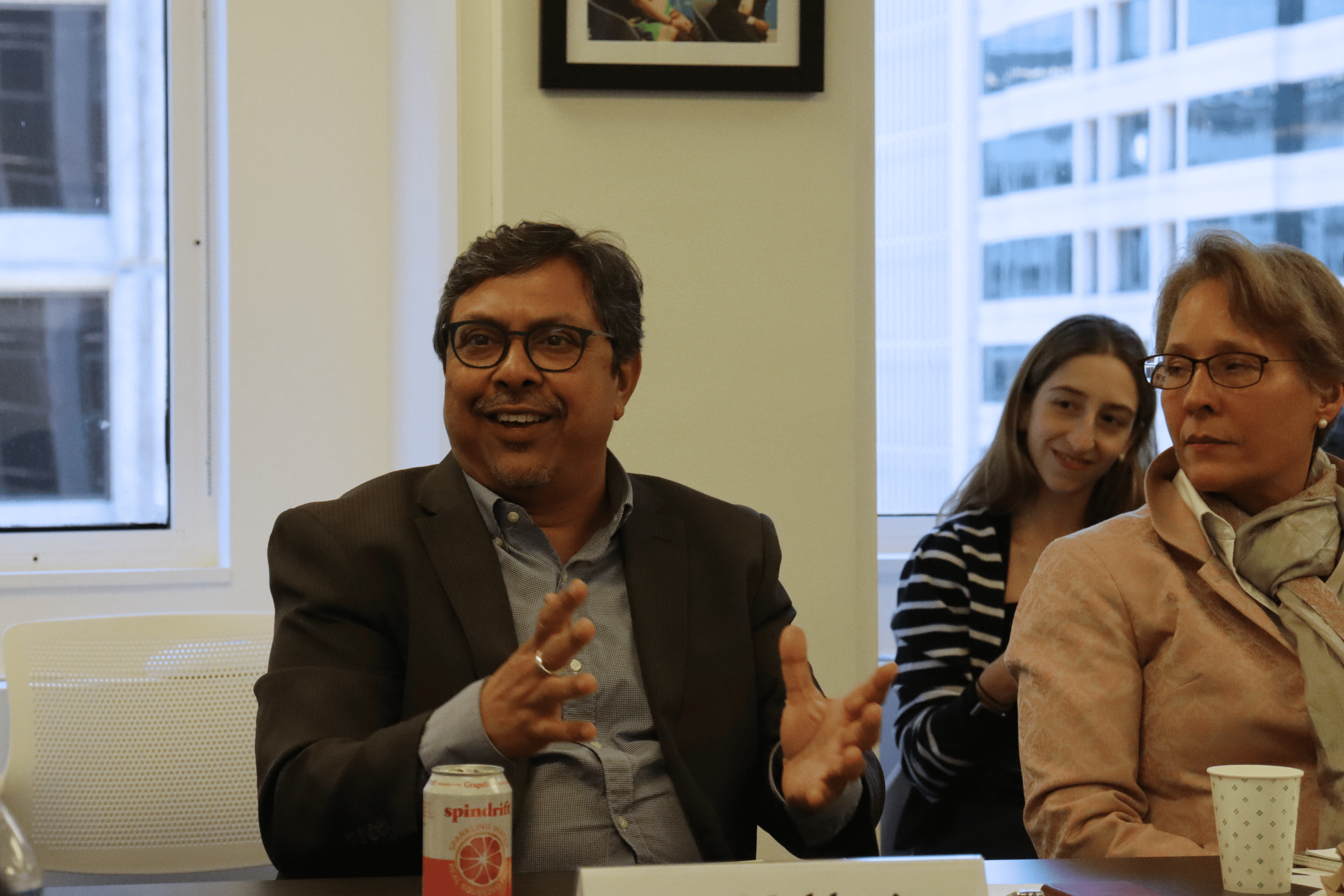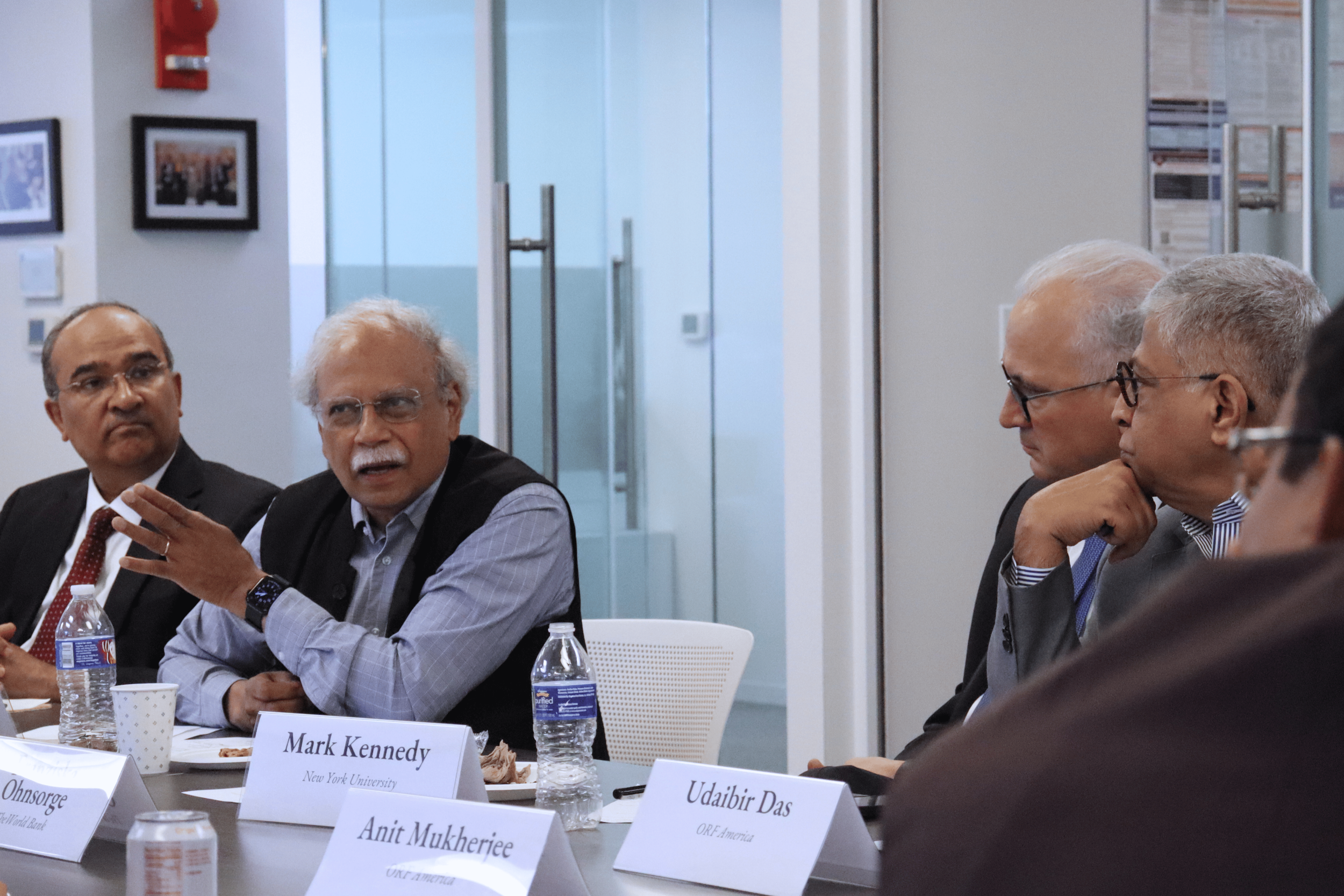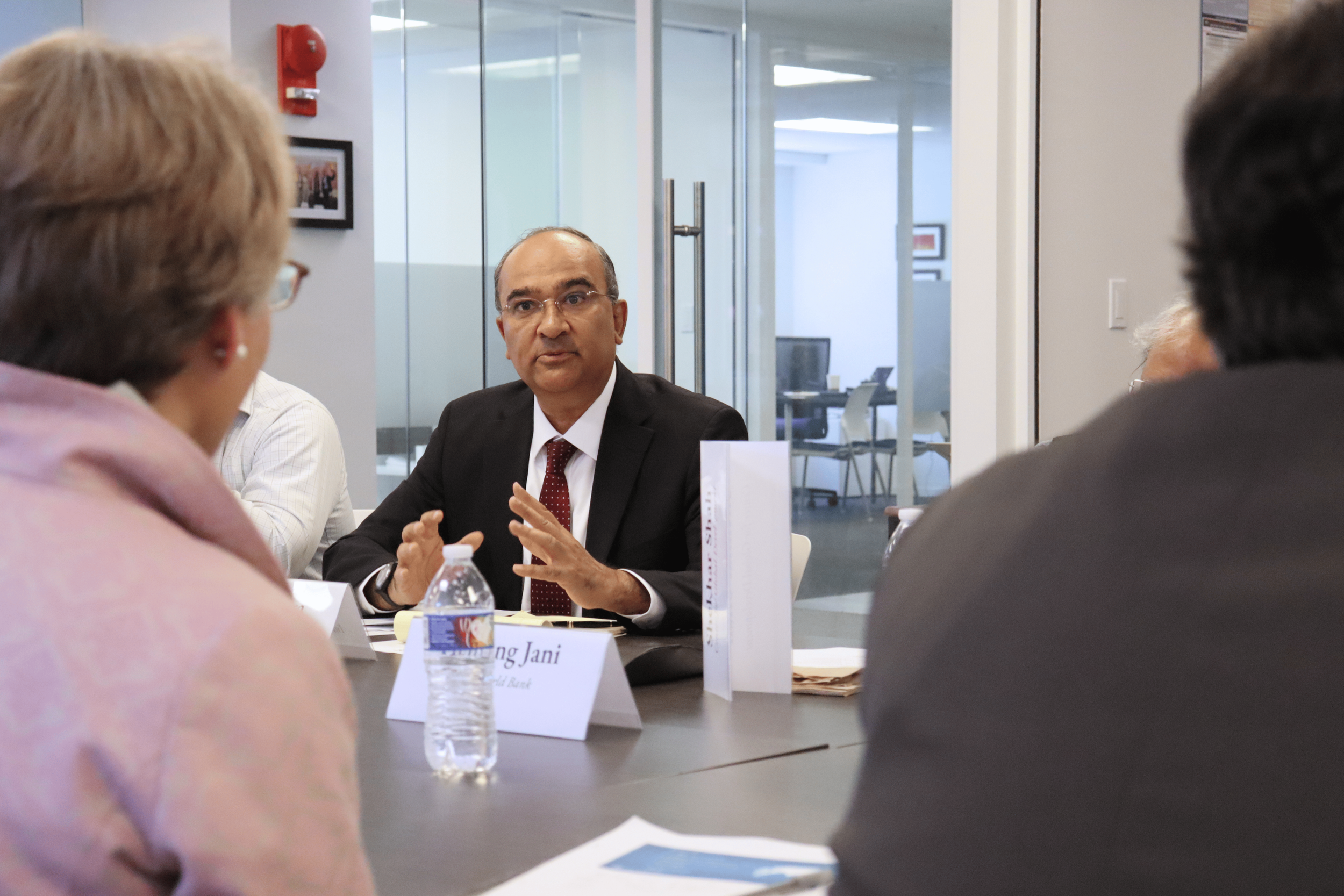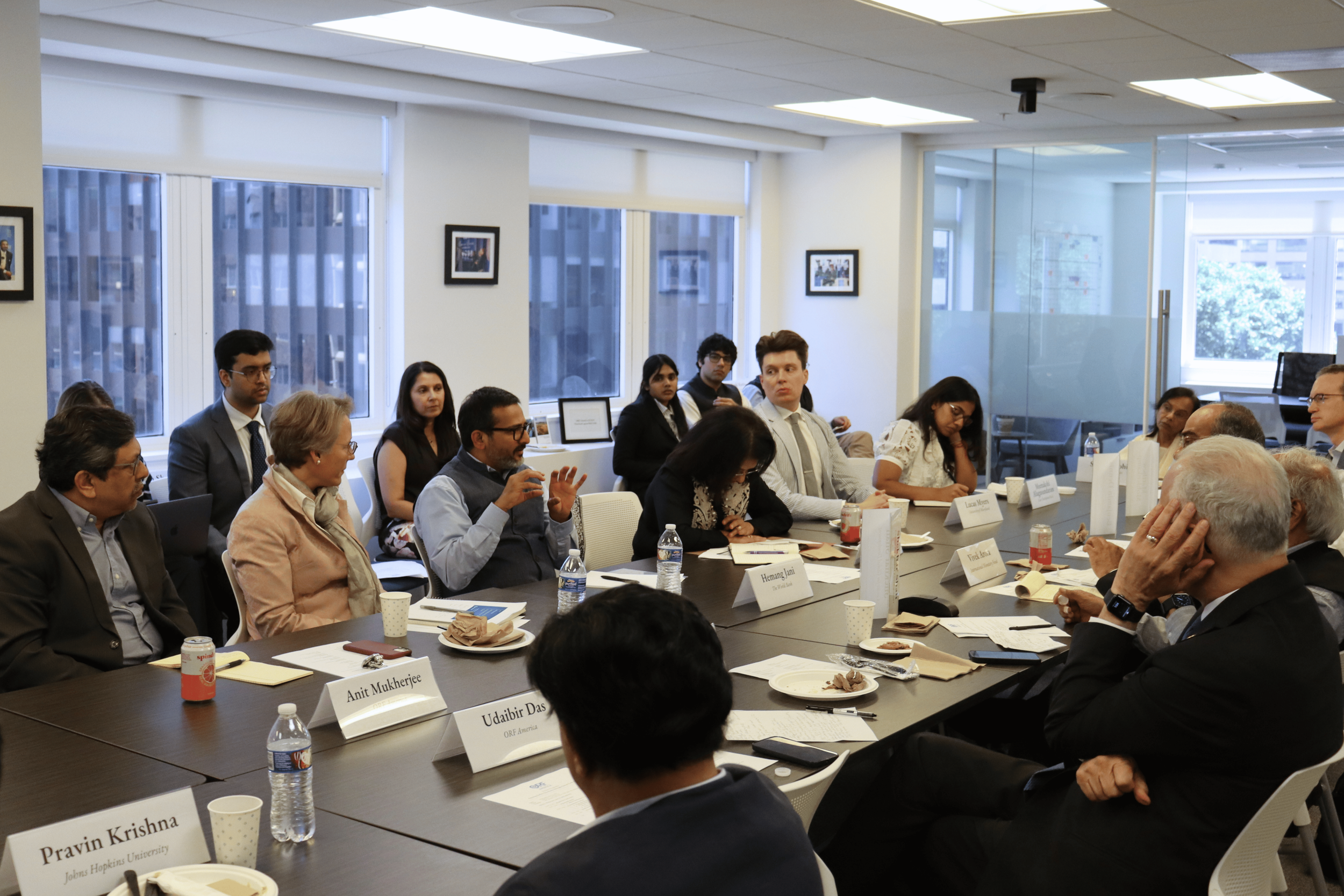
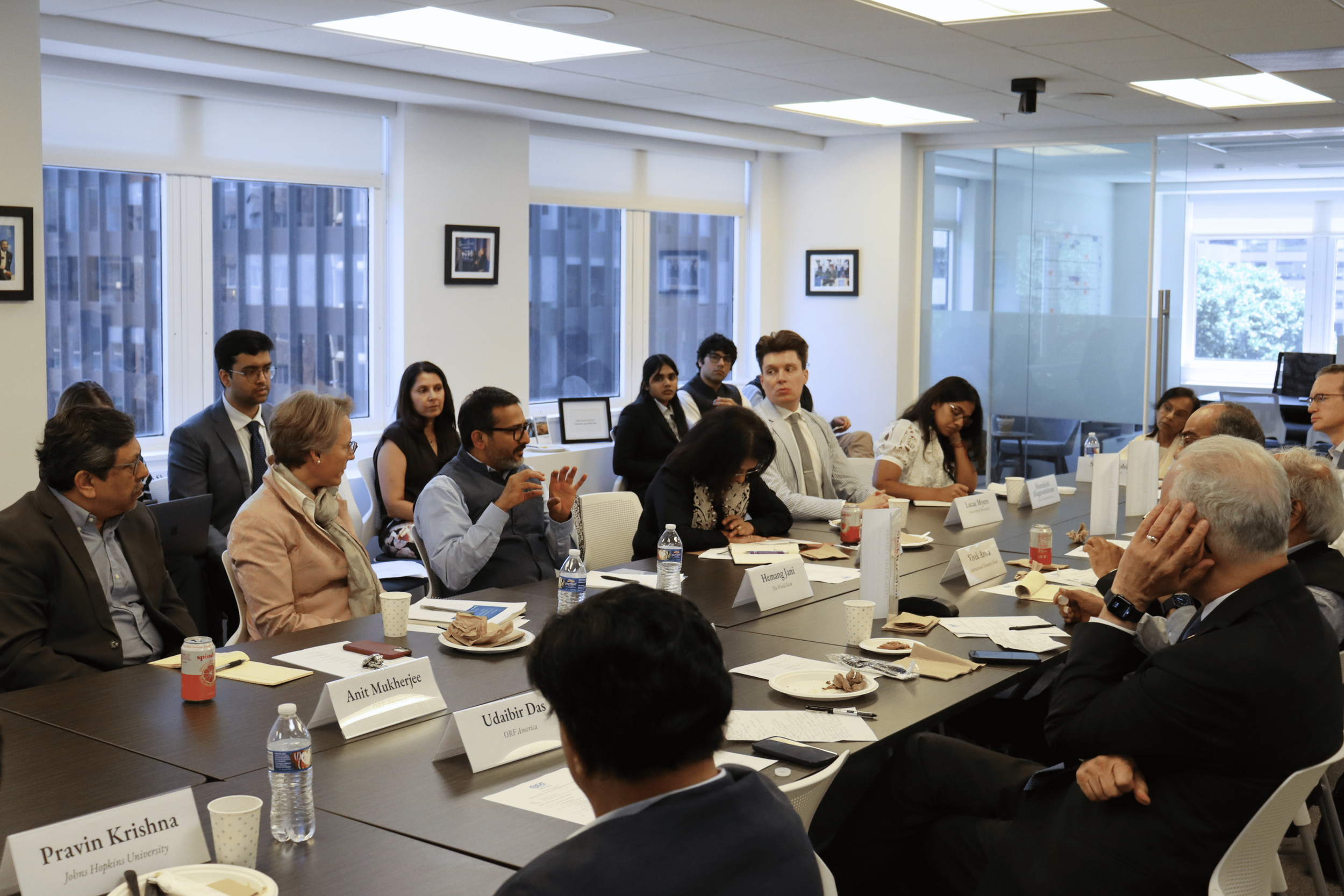
On June 24, ORF America hosted a private roundtable on India's economic management amid global turbulence. The event brought together senior economists, policymakers, and financial experts to assess India's macroeconomic resilience, it’s response to the ongoing Middle East crisis, and the long-term challenges and opportunities facing the country as it works towards becoming a high-income, developed economy by 2047, the centenary of its independence.
The roundtable took place against a backdrop of a complex and contradictory economic picture: strong GDP growth of 7.8% in the first quarter of 2026 alongside a depreciating rupee, rising food inflation, and declining net foreign direct investment (FDI). The discussion spanned India's near-term crisis management, its ambitious long-term development framework, and the reforms needed to sustain growth momentum.
Some key takeaways included:
India demonstrated a textbook response to the Middle East crisis, but structural vulnerabilities remain. India entered the crisis from a position of strength, with large forex reserves, a fiscal deficit managed at 4.4%, and robust GDP growth, and responded with a phased approach: consumer protection measures in March, supply-side management in April, and longer-term planning in May. However, the crisis exposed persistent structural vulnerabilities, including insufficient strategic petroleum reserves, high dependence on fertilizer imports, and structural energy dependence on fossil fuels that will require sustained policy attention. Those issues are identified in the Viksit Bharat 2047 framework, centered around the five “Panch Pran” key pillars, as priority areas for India's long-term development.
Trade integration and renewable energy offer major growth opportunities, but competitiveness, remains a constraint. New Free Trade Agreements, particularly with the EU and the UK, are expected to add approximately 1% to GDP, and when combined with labor market reforms, the impact could rise to almost 3%. India's renewable energy sector is also emerging as a significant source of quality employment, with the country already matching the United States in renewable energy jobs. Realizing these opportunities for India’s development will require the government to focus decisively on trade to ensure that market access translates into genuine competitiveness.
AI, jobs, and skills represent the most pressing long-term challenge to India's growth model. Participants flagged artificial intelligence as a potentially disruptive force for India's services-led economy, with data showing a double-digit decline in job postings for AI-substitutable jobs — a trend that is especially pronounced among multinational corporations operating in India. Some internationally-connected Indian firms are already pivoting toward AI-complementary skills and moving up the value chain, but broader workforce upskilling has lagged badly. Addressing this will require urgent investment in education and skills development, alongside a strategic rethinking of whether India's growth model can continue to rely primarily on services or must more decisively embrace manufacturing and FDI.
Speakers
Welcome Remarks: Dhruva Jaishankar, Executive Director, ORF America
Hemang Jani, Senior Advisor to Executive Director for Bangladesh, Bhutan, India, and Sri Lanka, The World Bank
Franziska Ohnsorge, Chief Economist for Asia, The World Bank
Moderator: Anit Mukherjee, Senior Fellow, ORF America