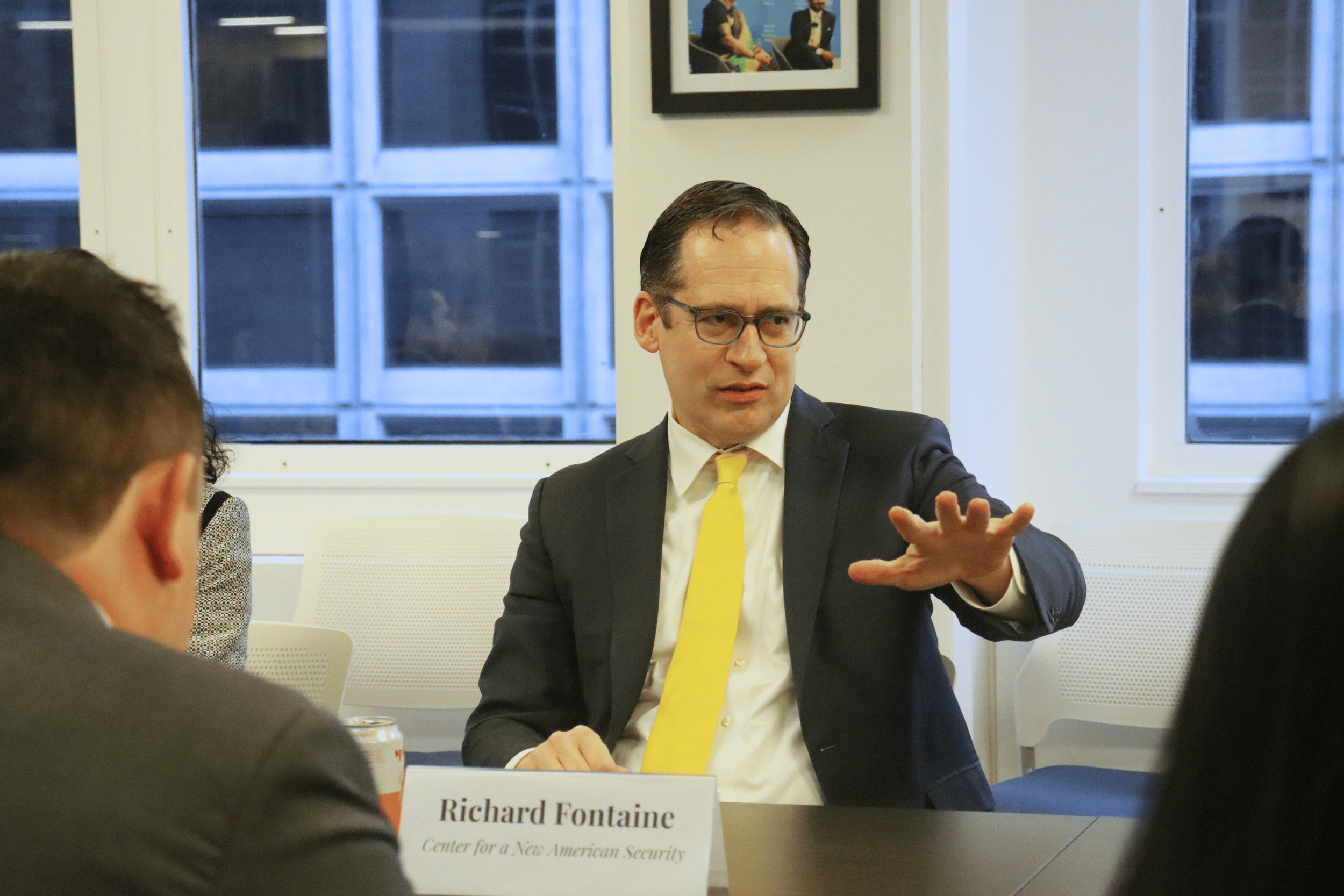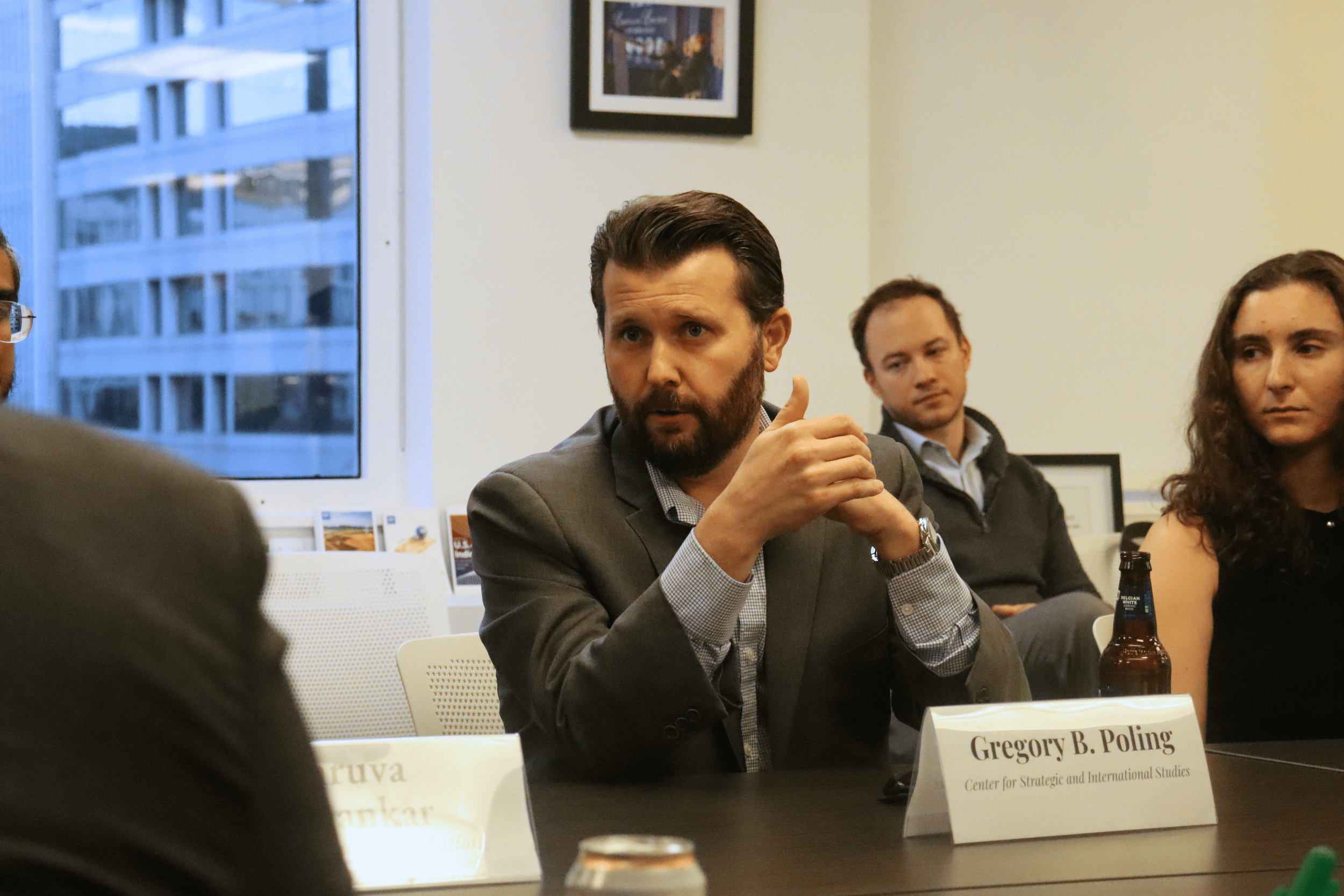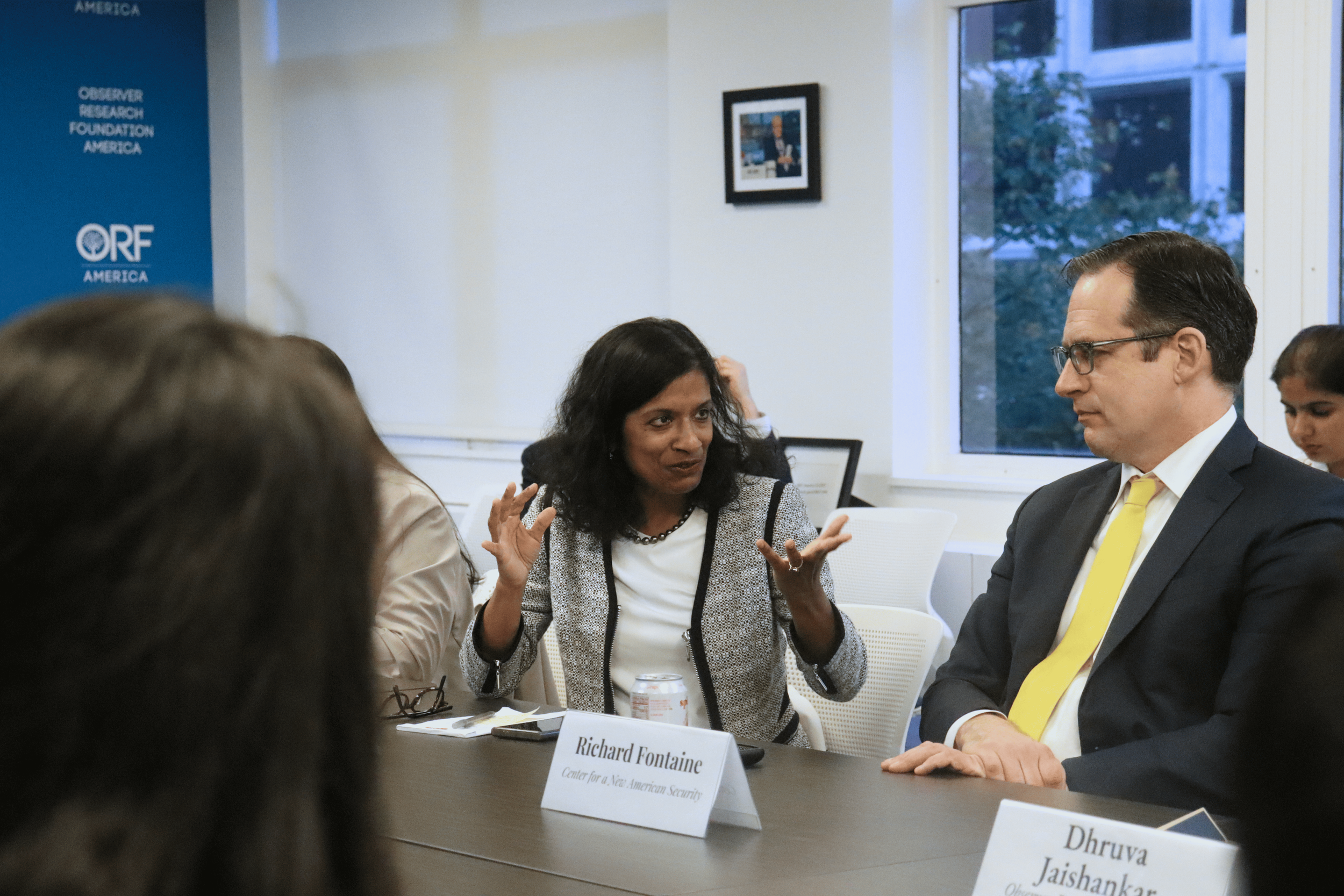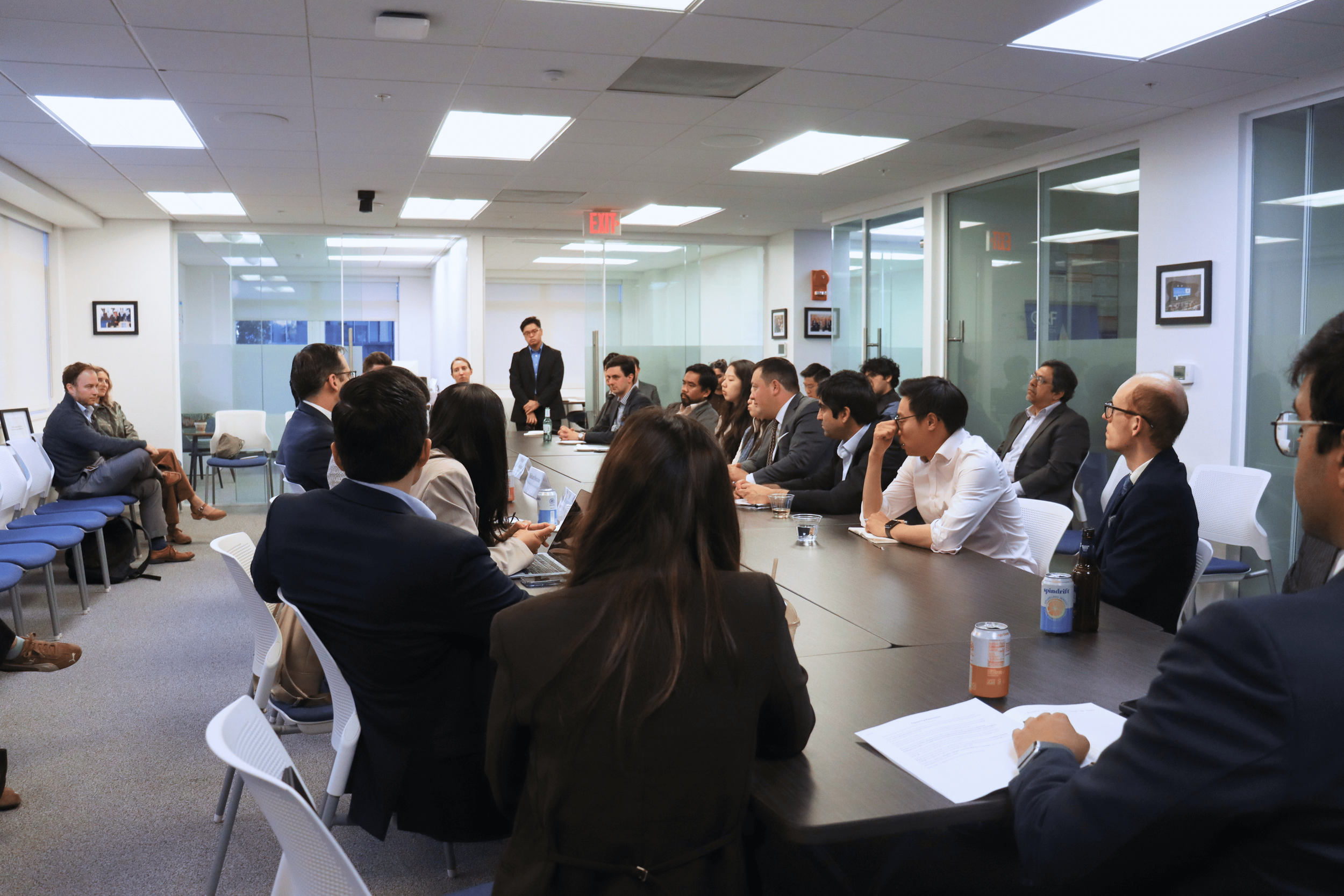
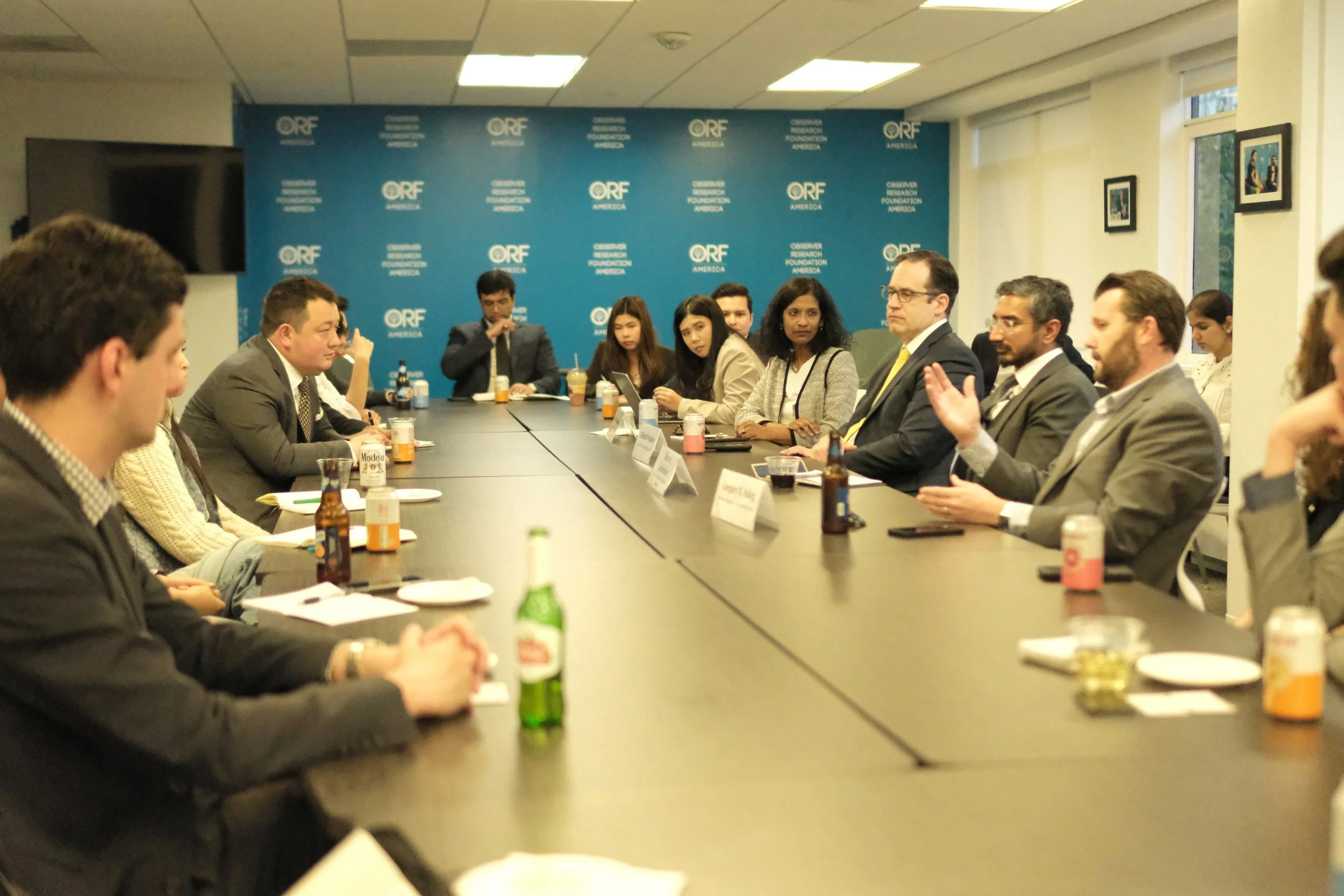
On October 20, ORF America, in partnership with the DC Asia Policy Network, hosted a roundtable on how key U.S.-Indo-Pacific partnerships are evolving, how governments across the Indo-Pacific region are responding, and what these shifts could mean for the future of U.S. engagement in the Indo-Pacific.
Participants noted that U.S. relationships across the region are being reshaped by changing alliance expectations, regional defense priorities, economic security considerations, technology policy, and intensifying strategic competition. Partners across Asia are responding in different ways, balancing their ties with Washington against their own domestic priorities and regional interests.
The discussion also highlighted that shifts in U.S. approaches to defense spending, foreign assistance, trade policy, and territorial issues have contributed to uncertainty among some regional partners, prompting renewed discussion of their strategic priorities and long-term relationships with Washington. Meanwhile, China's expanding regional influence, including its military activities in the South China Sea and broader defense and infrastructure engagements, continues to shape regional security calculations. Against this backdrop, some countries are pursuing selective, interest-driven engagement with Washington while maintaining flexibility in their broader foreign policy relationships.
A recurring theme was the growing importance of diversifying partnerships as a means of preserving strategic autonomy. Discussion on Southeast Asia focused on how countries balance their strategic and economic relationships with the United States and China while expanding their trade and diplomatic partnerships elsewhere. The European Union's expanding trade engagement with Southeast Asia and India was highlighted as an example of efforts to diversify economic partnerships, broaden market access, and strengthen economic security.
The conversation also included technology policy, particularly governments' efforts to develop domestic capabilities, attract data center investment, and participate in global technology supply chains while managing external dependencies.
Overall, the roundtable underscored that regional diversification does not signal a retreat from the United States. Rather, it reflects a broader effort among countries across the Indo-Pacific to preserve strategic autonomy, expand their economic and diplomatic options, and navigate an increasingly complex geopolitical environment.
Speakers
Richard Fontaine, CEO, Center for a New American Security
Nilanthi Samaranayake, Adjunct Fellow, East-West Center in Washington
Gregory B. Poling, Director and Senior Fellow, Southeast Asia Program and Asia Maritime Transparency Initiative, Center for Strategic and International Studies
Moderator: Dhruva Jaishankar, Executive Director, ORF America