

Energy & Climate Comments
Short commentary by ORF America Energy & Climate experts on current issues. Comments from previous years can be found here.
By Piyush Verma
As decarbonization extends beyond electricity into transport, manufacturing, steel, and chemicals, the share of world trade untouched by clean energy accounting is likely to shrink. So the useful question is not where clean trade begins and ends.

By Medha Prasanna
As countries race to connect renewable generation, expand transmission, and meet surging demand from data centers, electricity grids are being built at unprecedented speeds. Building quantum-safe cryptography while equipment is being designed and procured is far easier than retrofitting it later.

By Pietro Zecca
As countries work to reduce their exposure to China-centered supply chains, India is building strategically motivated partnerships across Europe, notably with Italy. It may arguably become India's most interesting clean energy partner in the region.

By Shailesh Mishra and Uma Vatsa
What quantum computing could change, if it works, is the ceiling on what the decades after that can build, because the limits on ammonia, energy storage, and electricity transmission are set by chemistry we cannot currently calculate. Those limits are already known. Describing them precisely enough to hand to a machine is work that can start now.
By Raul Alfaro-Pelico
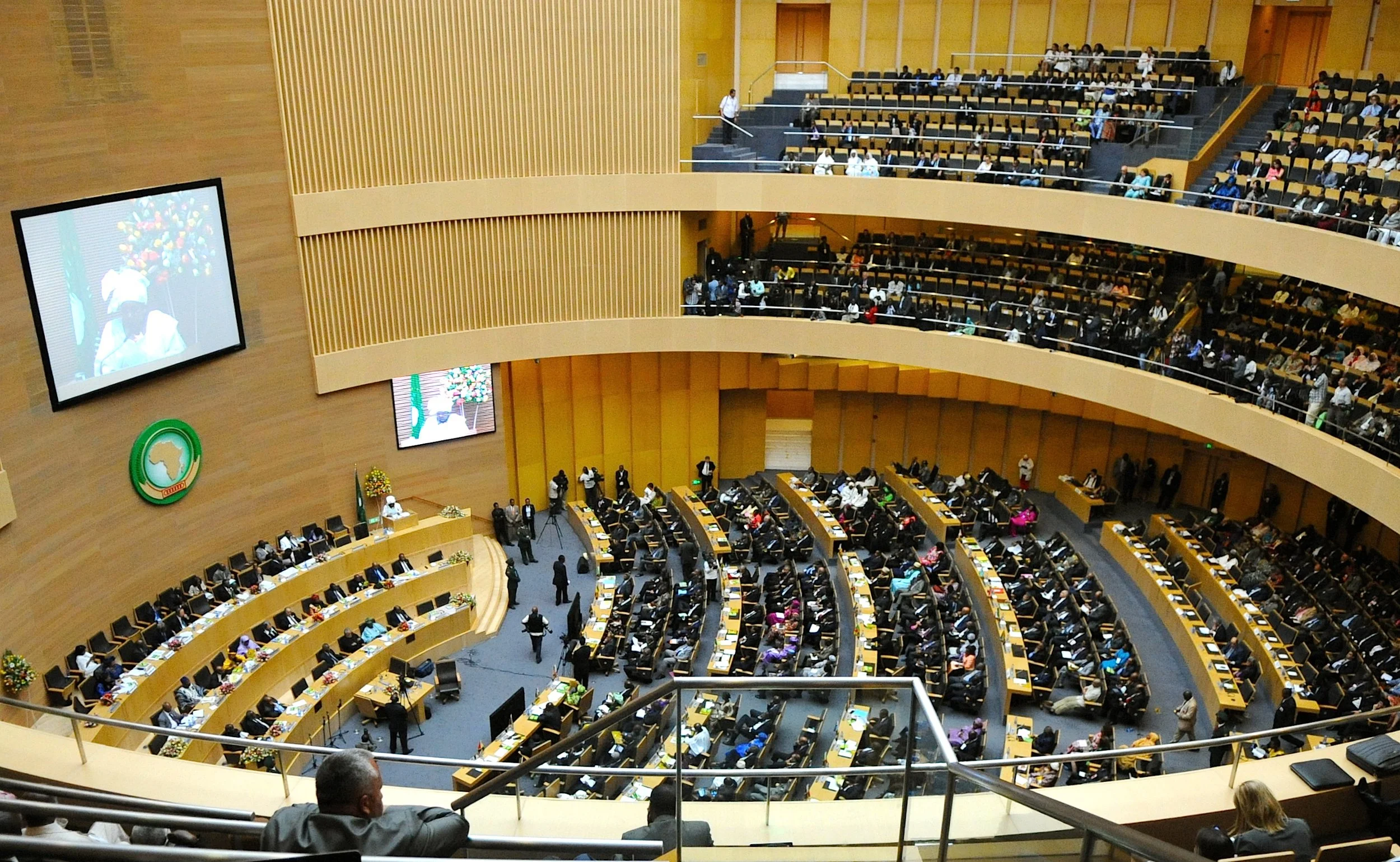
When the African Union took its permanent member seat at the G20 in 2023, it was read across the continent as a long-overdue correction. Three years on, the question is narrower and harder. What does the seat actually buy?

By Caroline Arkalji and Piyush Verma
Green iron could become an important energy security and industrial competitiveness issue. Reducing dependence on imported coal, building domestic clean industrial capacity, and preparing for future export markets could all strengthen India’s long-term position.

By Sauradeep Bag
The central question is no longer whether sovereign digital money will emerge but what institutional form it will take, who will govern it, and whose economic interests it will serve.

By Prateek Tripathi
Though the field of quantum computing is not mature enough to provide remarkable practical applications at the moment, recent developments serve to exemplify the asymmetric nature of quantum technology development and how multiple incremental advancements can potentially lead to overall progress.

By Amoha Basrur and Pranoy Jainendran
With applications already spanning the automotive, aerospace, and data-centre sectors, spintronics has become a strategic priority for countries with the manufacturing capacity to compete for it, driving targeted R&D funding, national roadmaps, and industry partnerships aimed at securing technological leadership and supply chain resilience.

By Siddharth Yadav
Global corporate AI investment reached US$581.7 billion in 2025, more than double the previous year’s total, with most of it flowing to the economies that already dominate research and hardware. Economies with nascent domestic digital infrastructure, investment vehicles, research ecosystems, and governance frameworks risk being marginalized by the AI-driven future.
By Gopalika Arora
The retrenchment of finance is not merely a result of a temporary slowdown in climate finance commitments by the developed countries. It may also signal a deeper restructuring of the climate finance architecture driven by changing institutional priorities within the multilateral system that was expected to anchor the transition.

By Parul Bakshi and Lydia Powell
Over the past decade, three structural shifts have been reordering global energy trade, encompassing not only traditional oil and gas flows but also the rapidly growing cross-border trade in electricity and clean energy goods.
By Piyush Verma
For the Global South, the stakes are particularly high: the energy transition could unlock industrialization, resilience, and strategic bargaining power, but it could also reproduce older patterns of dependency through new technologies, standards, minerals, and financial asymmetries.

By Andreas Kuehn and Cauvery Ganapathy
While the integration of AI offers benefits for the optimization of energy systems through grid management, renewable energy integration, predictive maintenance, and accurate forecasting of alternative forms of energy, its energy-intensive nature could also negatively impact the countries and ecosystems seeking to adopt it.
By Medha Prasanna
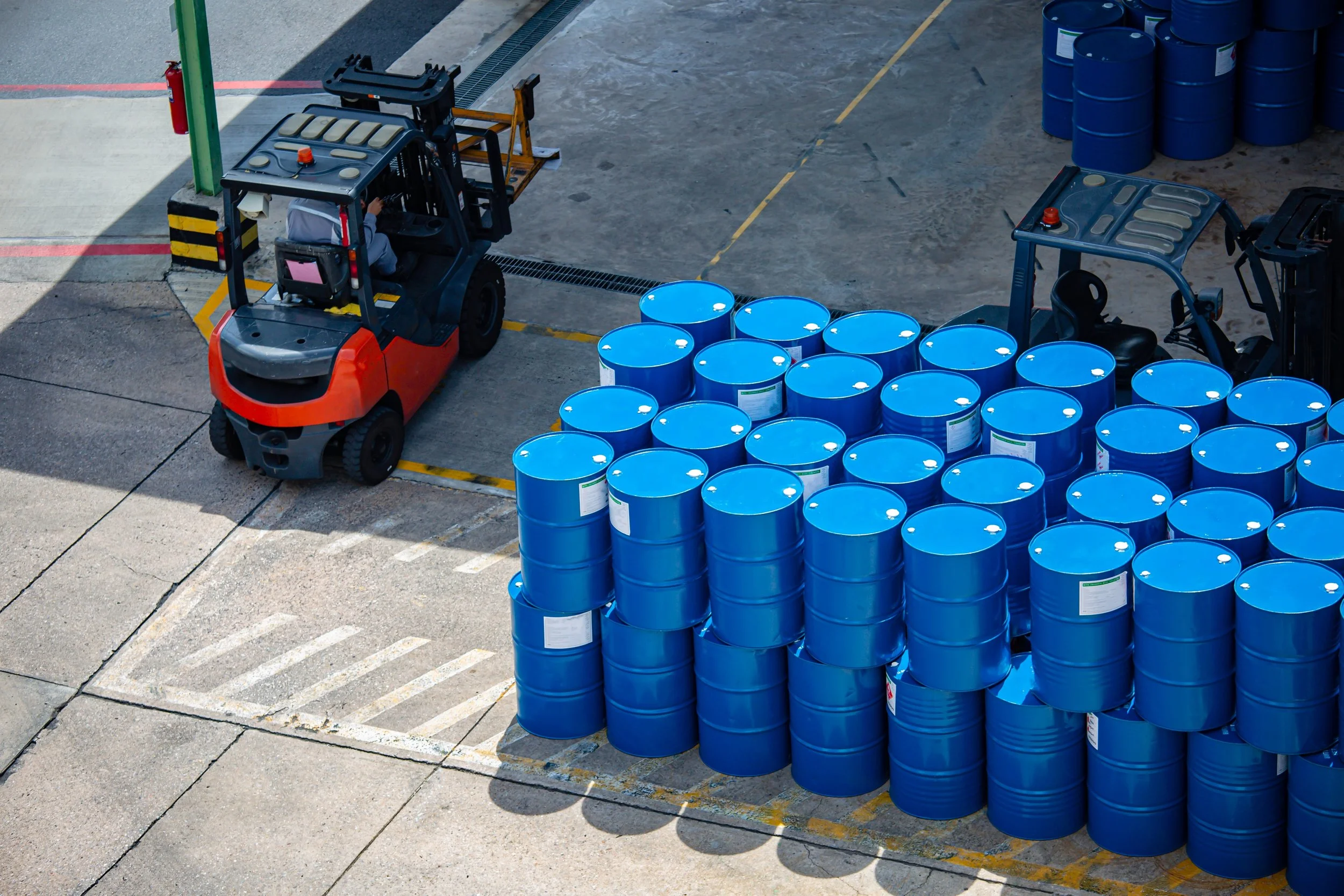
The oil age will not end because the world runs out of oil, but because oil reserves stop being worth pumping. The UAE has moved fast, not as just a knee-jerk reaction to the conflict in the region, but as a strategic divergence.
By Pietro Zecca
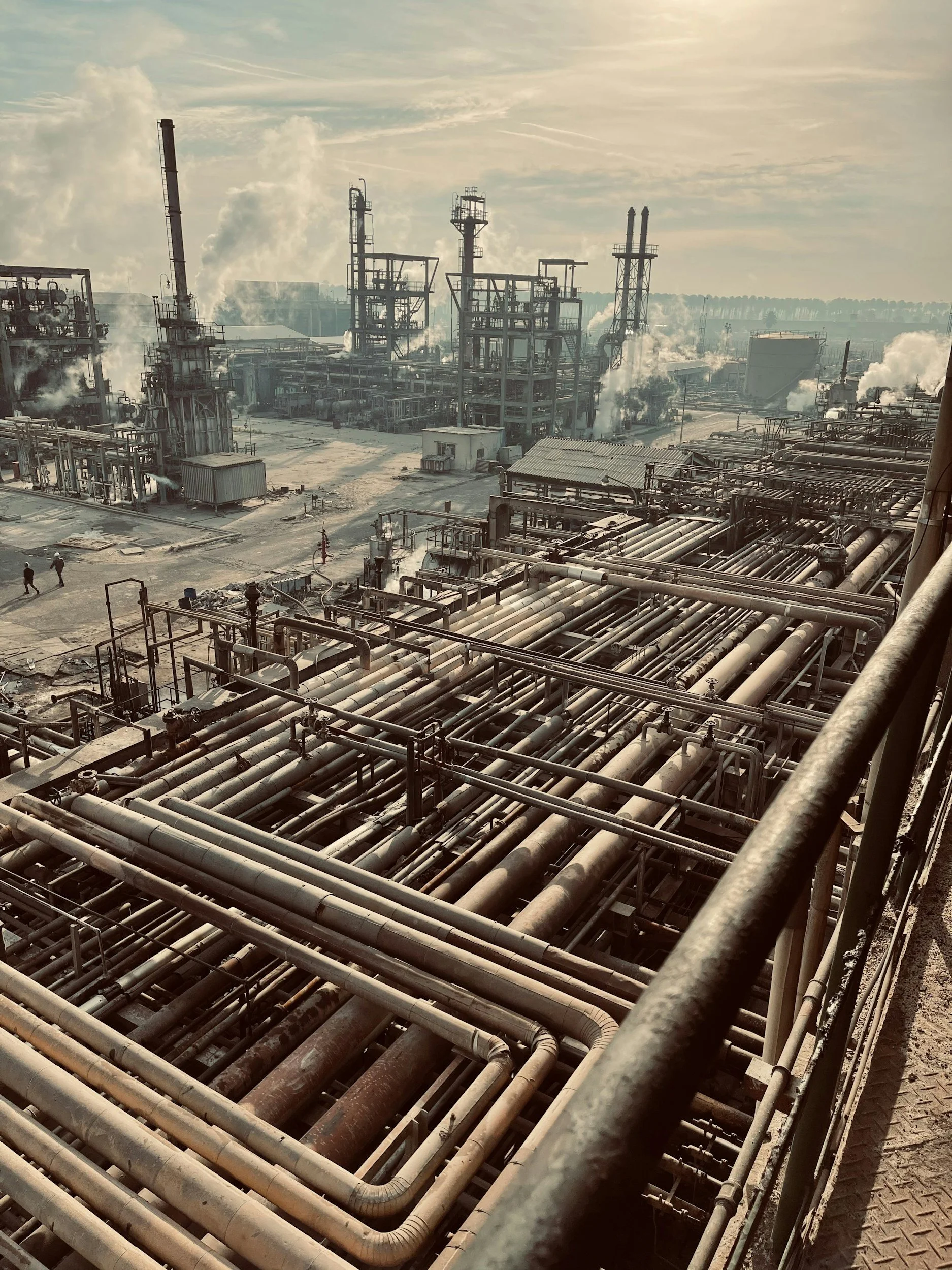
Pursued only through scattered pilot projects, industrial decarbonization stays fragmented and slow. Organized as clusters, it becomes more practical and politically durable, connecting climate finance to visible assets and bridging decarbonization with development.
By Uma Vatsa and Shailesh Mishra
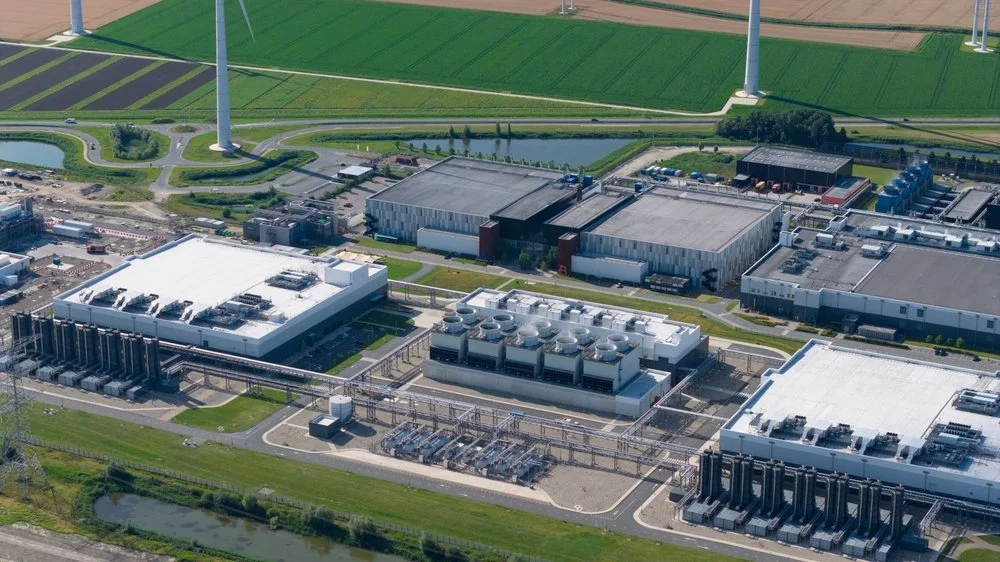
The AI industry is making large, long-lived bets on future demand, even as the technology itself is becoming more efficient. If AI systems become cheaper to run, more efficient to train, or less dependent on massively centralized compute, some of today’s infrastructure may prove oversized, poorly located, or economically fragile.

By Sarah Salah
As the IAA continues to undergo amendments, its ultimate success will hinge on careful calibration. The EU will need to preserve channels for strategic foreign investment, especially in capital-intensive sectors where domestic capacity alone may fall short. If the Act is overly complex or restrictive, it risks deterring the very investment it seeks to shape.
By Vishal Manve
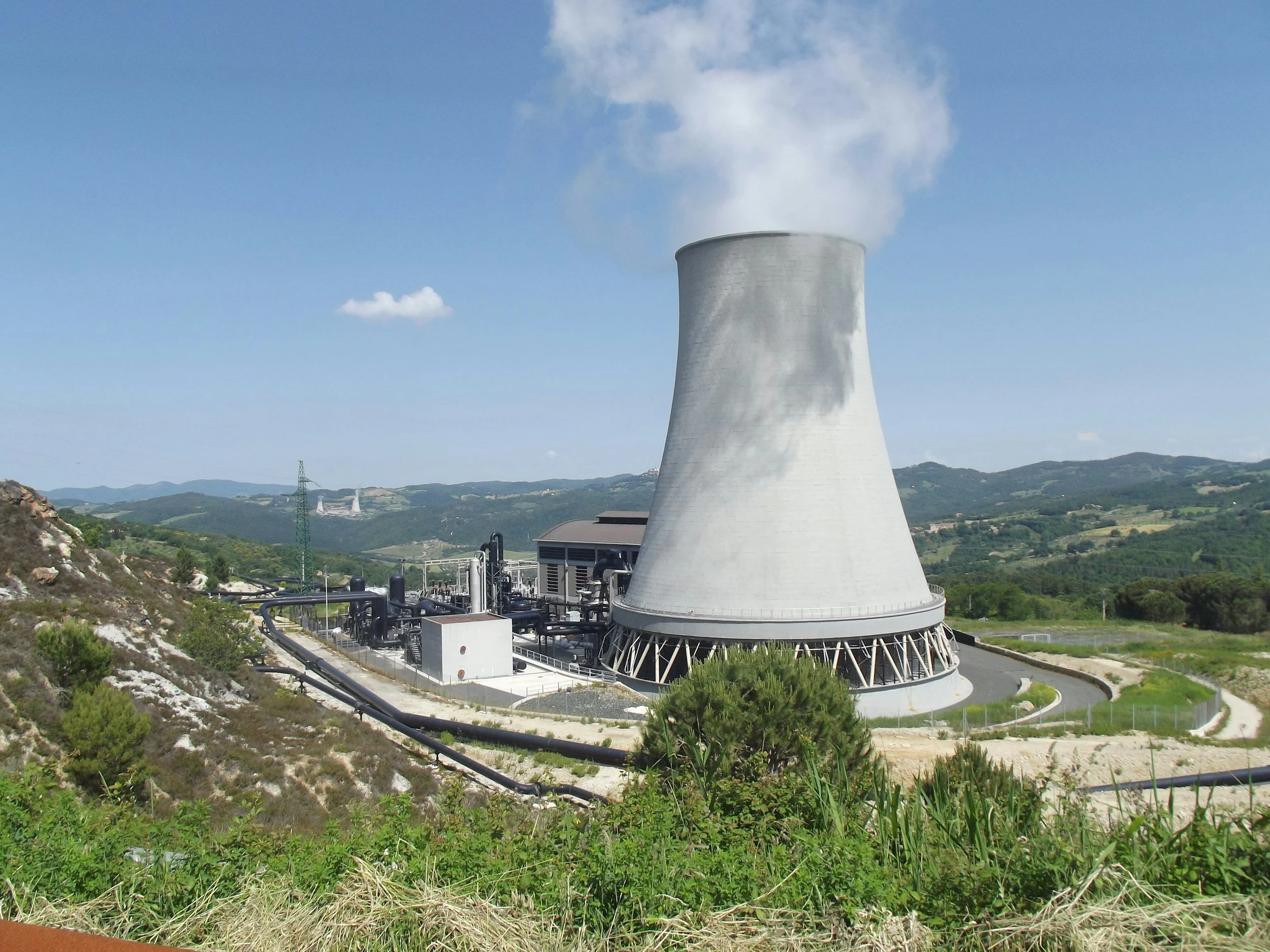
India’s nuclear future is increasingly unfolding along two parallel tracks, one rooted in indigenous strategic capability and the other in internationally integrated commercial innovation. For Washington, understanding and engaging both will be central to the next phase of U.S.–India civil nuclear cooperation.
By Piyush Verma
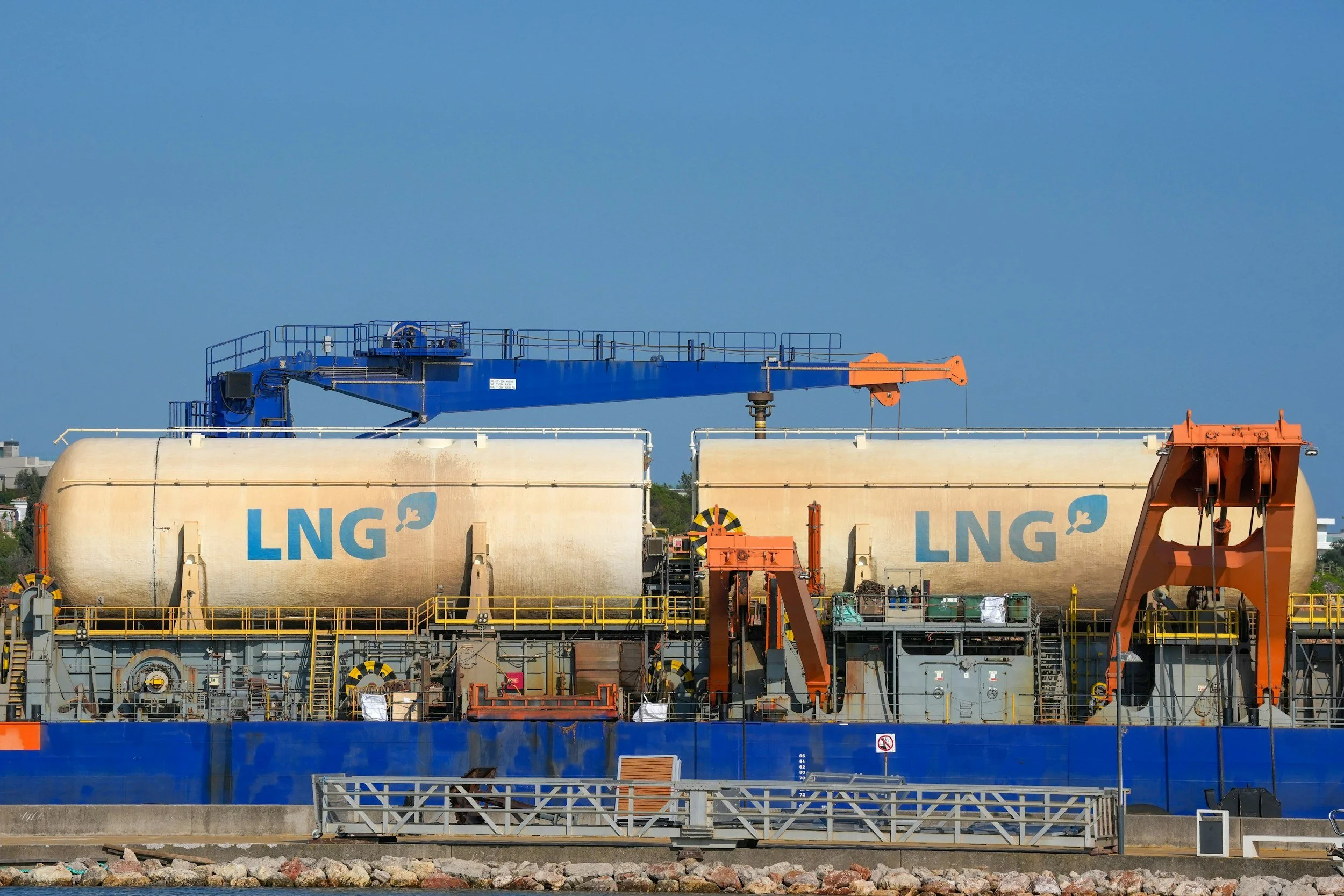
The conflict in West Asia was not South Asia's war. But South Asia — and particularly the smaller South Asian states such as Nepal, Bangladesh, and Bhutan — are paying the price in fuel queues, kitchen economies, and fiscal wounds that will take years to heal.
By Dhruva Jaishankar and Piyush Verma
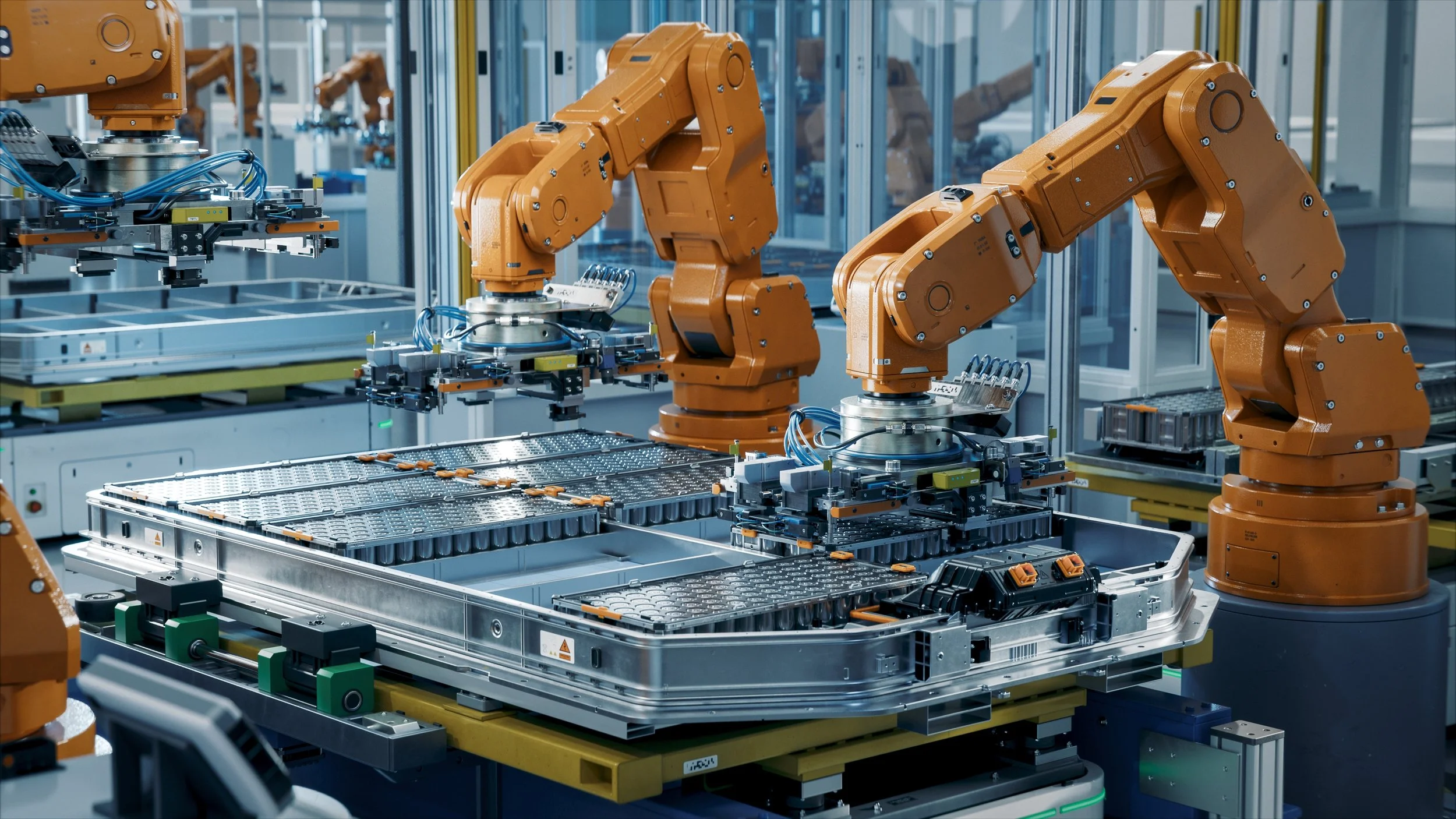
A CTIP could deliver relatively quick wins by supporting joint manufacturing, standards cooperation, and market access to meet Europe’s diversification needs, while deepening India’s role as a global clean energy manufacturing hub.

By Parul Bakshi and Samriddhi Vij
While the current crisis in the Middle East may not be permanent, Asia’s dependency on Middle Eastern crude is, necessitating a deeper examination of the structure and extent of this vulnerability.

By Cauvery Ganapathy
Disruptions triggered by the Iranian blockade of the Strait of Hormuz have interrupted global efforts at industrial reshoring, data center-led digitization, electrification, and the reinforcement of defense production lines, while also posing risks to global food security.

By Mannat Jaspal
The only real winners will be those that draw lessons from the crisis and move quickly to build robust energy security frameworks — one that integrate securitization, resilience, and transition planning to safeguard the present and insulate the future.

By Cauvery Ganapathy
In Venezuela’s case, as was the case with Iraq, it is the systematic domestic mismanagement of its resources coupled with inequities of political agency that diminished the value of its natural wealth. American engagement in Venezuela’s oil sector may soon demonstrate, like it did in the United States’ Iraqi sojourn, how deep-rooted these structural fractures are.
By Caroline Arkalji and Telmen Altanshagai
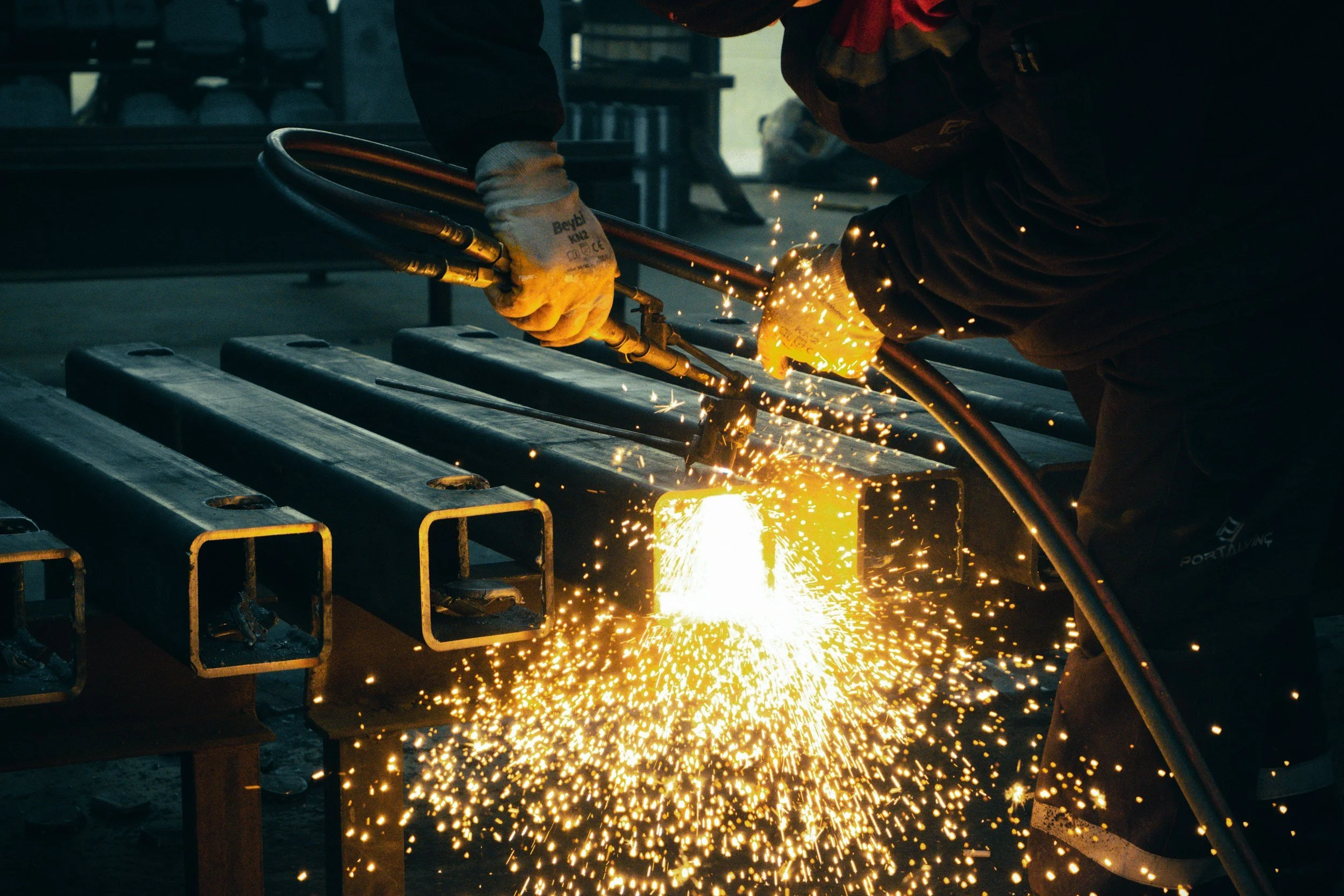
In the coming decades, green steel will shape whether heavy industry can remain both competitive and environmentally-aligned. The remaining question is whether policy frameworks, financing mechanisms, and workforce strategies can move at the same pace.
By Vishal Manve
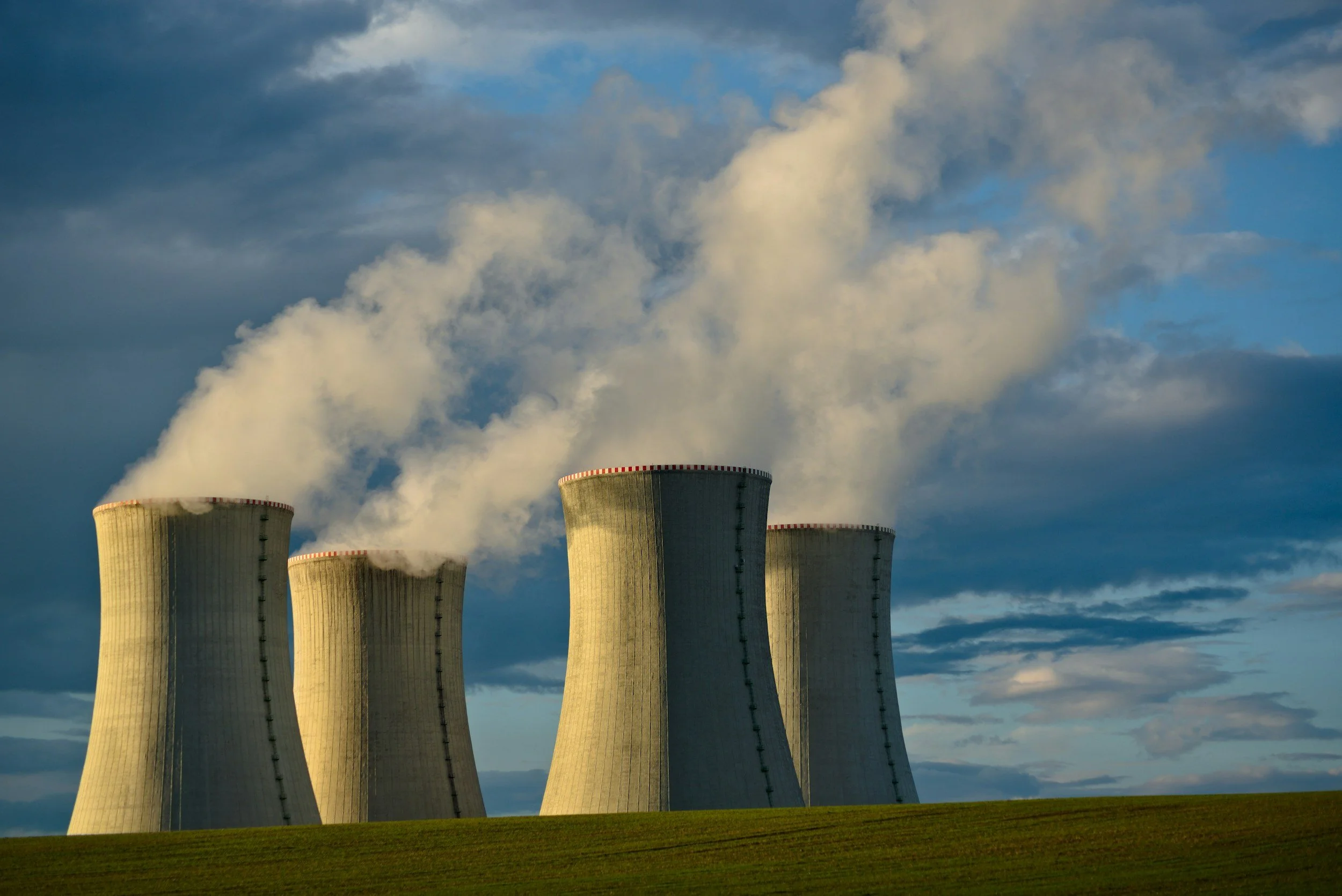
India has largely resolved the political signaling problem around nuclear energy. The harder phase now begins: building the human capital, regulatory resilience, and industrial depth necessary to sustain multi-decade deployment.
By Sarah Salah
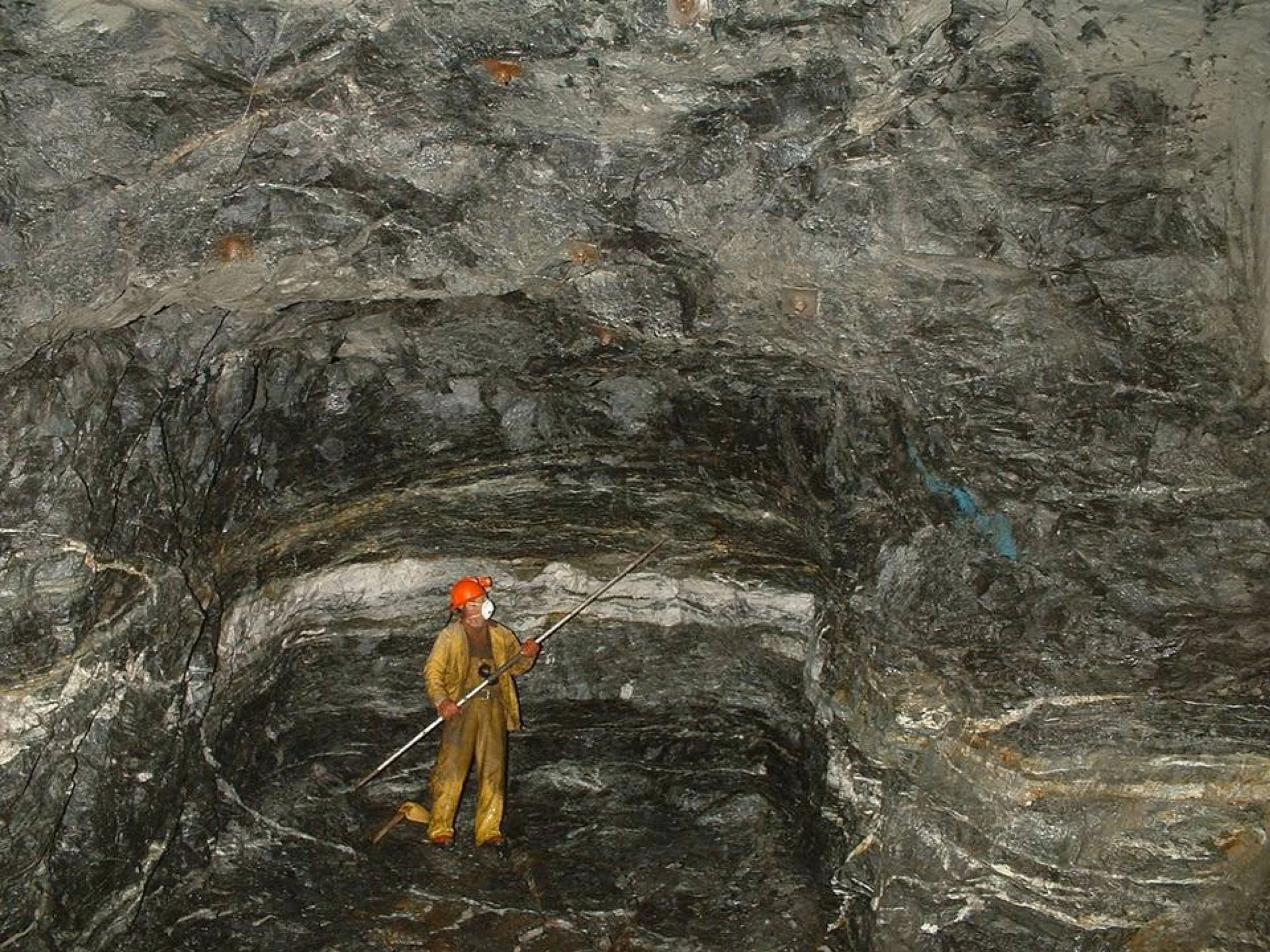
There is no question that Greenland holds substantial mineral wealth. Most mining exploration sites in Greenland are located along the coast, making port infrastructure essential for transporting heavy equipment and extracted materials. Yet declining sea levels threaten the long-term viability of deep-water ports built today, potentially rendering them too shallow within decades.

By Mannat Jaspal, Parul Bakshi, Cauvery Ganapathy, Lydia Powell, and Piyush Verma
As we enter 2026, climate and energy policies are being shaped not only by decarbonization imperatives. Geopolitical upheaval, technological competition, economic transformation, supply chain resilience, and national security concerns are exerting influence over the future of energy and climate policies worldwide.

By Piyush Verma
India’s latest Union Budget marks a subtle but important shift in how the country is framing its energy priorities. Rather than centering the narrative solely on clean energy targets or renewable capacity additions and relevant policy support, the Budget signals a broader and more mature emphasis on energy security.