
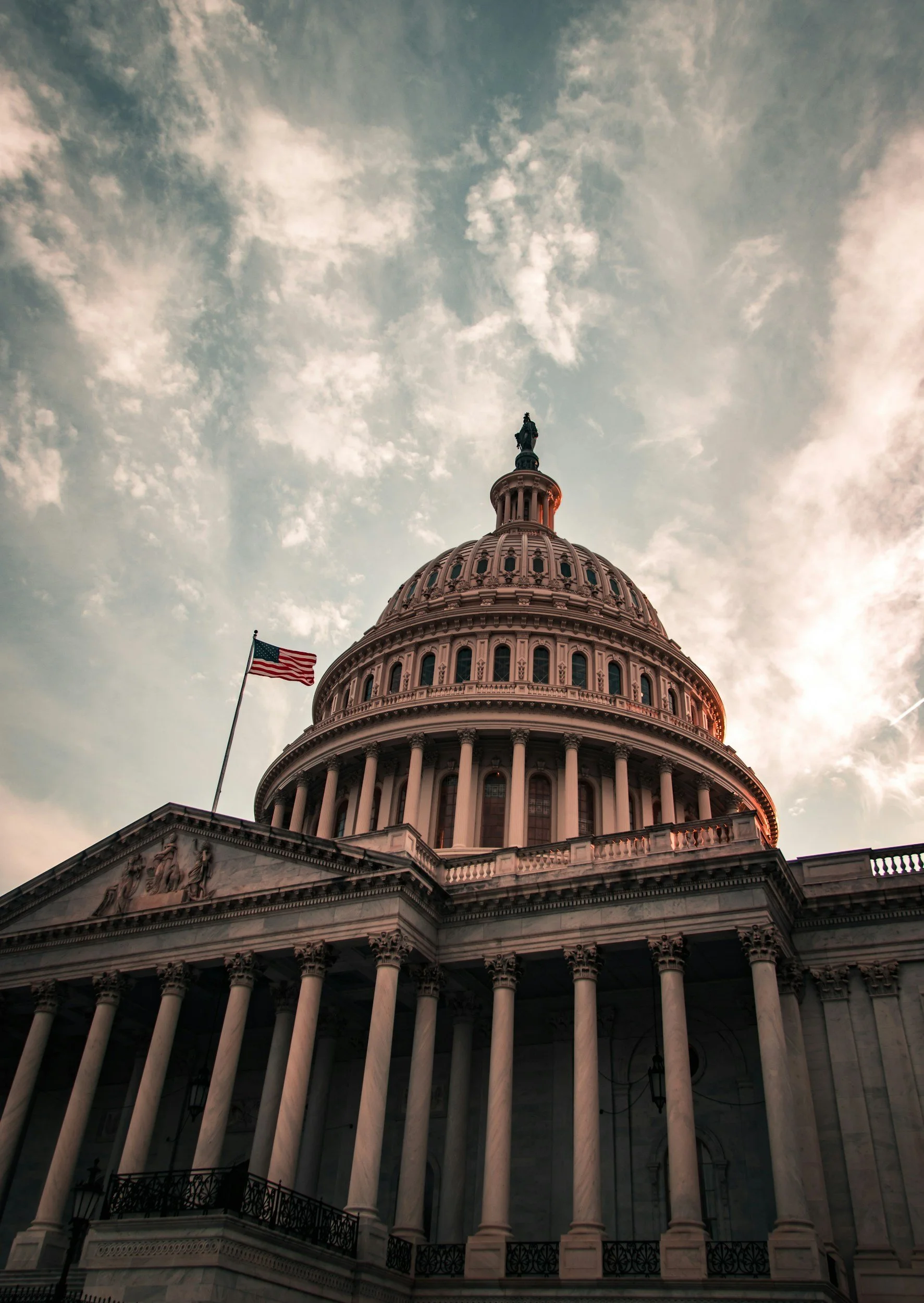
The following excerpt is from the paper, “The Structural and Political Factors of the U.S. Reset with the World,” which originally appeared in ORF’s Raisina Files 2026 - Identities, Contests, and Concerts on March 5, 2026.
The past decade has witnessed a seemingly bewildering array of developments that have undermined long-time assumptions about the United States’ (US) engagement with the world. The US’s traditional approach to international affairs was established during and shortly after the Second World War. In the early years of the Cold War (1945-1991), Washington assumed a global security role (with priority theatres in Europe and Northeast Asia), advanced economic and trade liberalisation among its network of allies, and invested in global governance institutions to facilitate international cooperation. These steps were not altruistic; they advanced what were deemed critical American security, economic, and ideological interests that enjoyed wide political support.
While contested during the Cold War by an alternative international order championed by the Soviet Union, this US-led international system was able to expand in the post-Cold War period after 1991. The ‘unipolar era’ that followed witnessed American military interventions in the Balkans, Afghanistan, and Iraq in the 1990s and 2000s; the expansion of US-led economic systems as part of globalisation; and the institutional incorporation of certain rivals such as Russia in the G8 and China in the World Trade Organization.
However, since the global financial crisis of 2008-09, the US-led international system has been increasingly eroded and contested, both at home and by competitors, primarily China and Russia. The Barack Obama administration (2009-17) began to reflect the gradual US retrenchment from its traditional leadership role, placing greater emphasis on allied burden-sharing, a scepticism of free trade agreements and foreign military interventions, and a notion of “leading from behind.”
The first administration of Donald Trump (2017-21) accelerated and intensified these trends. Under both Trump and Democrat Joe Biden (2021-25), the United States resurrected industrial policy to subsidise the domestic manufacturing of semiconductors and renewable energy, employed protectionist trade measures such as more stringent export controls on certain dual-use technologies, and drew down its military presence in Syria and Afghanistan. Since January 2025, the second Trump administration has further reinforced these developments, and has also advanced aggressive territorial claims of varying seriousness to Greenland, Canada, and the Panama Canal; liberally levied tariffs as instruments of foreign policy; withdrawn from a host of international organisations; and readily employed force against Iran, Yemen, and Venezuela.
For countries around the world—whether allies, partners, or competitors of the US—there are important and immediate questions of how much and to what degree they will accommodate, or hedge against, the United States’ new approach to the world. This, however, requires disaggregating changes in US policy. First, there are the structural changes that represent fundamental and broad-based shifts in American policy that are likely to have a generational impact on international affairs. Second, some aspects of policy might vacillate under Republican and Democratic administrations, leading to swings in US policies and a lack of internal consistency. Third, certain factors are unique to the presidency and personality of Donald Trump and might differ under another president, even one broadly aligned with the MAGA (‘Make America Great Again’) worldview. Each level of analysis (or ‘image’) says something different about the persistence of the US’s renegotiation with the world at large. This carries potentially significant implications for international allies, partners, and competitors alike.
Dhruva Jaishankar is Executive Director at ORF America.