However, I appear today in my capacity as a private Indian citizen. My testimony reflects my personal views as an international relations analyst, and not those of my employer or the Government of India.
I would like to highlight three points in today’s hearing:
The strengthening U.S.-India strategic partnership since 1998 has been premised on converging interests. These related to: (i) mutually-beneficial economic opportunities in both countries and (ii) strategic coordination, particularly in the Indo-Pacific amid China’s rise and growing assertiveness and, more recently, in stabilizing the Middle East.
The progress made in consolidating the U.S.-India partnership is currently at a political standstill, primarily due to differences over (i) trade and tariffs and (ii) renewed U.S. engagement with Pakistan’s military leadership. Additional differences involving Russia, regional strategies, and both countries’ domestic policies exist, but are manageable.
The present situation risks jeopardizing mutually-beneficial cooperation on (i) the ambitious bilateral agenda outlined by President Trump and Prime Minister Modi in February 2025 on trade, technology, energy, and defense cooperation and (ii) strategic cooperation between the two countries in the Quad, in the Middle East, and on global affairs: from the Western Hemisphere and Africa to AI and critical minerals.
I. A Converging Strategic Partnership (1998-2025)
In May 1998, India conducted a series of nuclear weapon tests. In the United States, the Bill Clinton administration (1993-2001) responded swiftly and severely with sanctions against India, which led to an interruption in defense sales, a denial of bilateral and multilateral credit and loans, a suspension of non-food and -humanitarian aid, and the denial of visas to Indian scientists. Some U.S. allies (notably France and Italy) and several members of Congress opposed such measures. They expressed skepticism of the Clinton administration's ambitious non-proliferation objectives and instead sought access to India's market, particularly for agricultural and defense exports. By November 1999, President Clinton lifted most of the sanctions and visited India in March the following year.
The George W. Bush administration (2001-2009) sought to increase the high technology partnership with India, culminating in a civil nuclear agreement announced in 2005 and concluded in 2008. The U.S. Congress once again played an important role in amending U.S. law to create a singular exception to India (the Hyde Act), with overwhelming bipartisan and bicameral support. The Bush administration also concluded a ten-year defense framework agreement with India in 2005 and extended considerable political capital in getting India a waiver from the Nuclear Suppliers Group (NSG) to enable global civilian nuclear and dual-use commerce with India. The Barack Obama administration (2009-2017) further built on these efforts by creating a special Major Defense Partnership category for India. Additionally, in 2010, India's Defence Research and Development Organisation (DRDO) and Indian Space Research Organisation (ISRO) labs were removed from U.S. entity lists, having earlier required special licenses for export and technological transfer.
In the first Donald Trump administration (2017-2021), the U.S. Department of Commerce elevated India to the top category for export license exceptions, called Strategic Trade Authorization-1 (or STA-1). In 2017, the Trump administration also resurrected the Quad, a strategic coordination grouping of the United States, India, Australia, and Japan. During the Joe Biden administration (2021-2025), the two countries concluded agreements to: cooperate on jet engine production, post Indian liaisons in several U.S. military commands, facilitate military ship repairs, and include India in U.S.-led coordination groupings on space, critical minerals, and artificial intelligence. The Quad was also elevated into a leader-level coordination mechanism for issues ranging from maritime security and energy security to critical and emerging technologies and investment facilitation.
Throughout this period, U.S.-India strategic relations saw the conclusion of several agreements that facilitated interoperability, including military cross-servicing, secure communications exchanges, geospatial data sharing, and priority for the delivery of defense articles. India now participates in Combined Maritime Forces (CMF) operations with the United States in the Indian Ocean and engages in various intelligence sharing mechanisms. U.S. sales of defense equipment to India have also grown. The Indian armed services now operate a variety of U.S.-produced and -designed military platforms, including C-130J and C-17 transport aircraft, P-8i maritime reconnaissance aircraft; AH-64E Apache, CH-47F Chinook, and MH-60R helicopters; M777 howitzers; MQ-9 drones; Harpoon anti-ship missiles; and an Austin-class amphibious landing dock. Several important U.S. military platforms are now co-produced in India. However, attempts at facilitating defense co-development between the two countries — whether the Defense Trade and Technology Initiative (DTTI) or INDUS-X — have often struggled, in part due to the two countries' very different requirements, procurement processes, and defense innovation ecosystems.
India has reciprocated U.S. engagement over the past quarter century. Three successive prime ministers over the past 27 years have invested in a closer partnership with the United States. Following the nuclear tests, the Atal Bihari Vajpayee government (1998-2004) worked quickly to normalize relations with the United States and cooperate on counter-terrorism after the 9/11 terrorist attacks. Vajpayee famously called the two countries "natural allies" in a 1998 speech. The Manmohan Singh government (2004-2014) concluded the civil nuclear agreement with Washington and put its survival on the line in a vote in the Indian parliament over the question of a partnership with the United States in 2008. The Narendra Modi government (2014-present) has taken the strategic relationship to an even higher plane, including by resurrecting and elevating the Quad. His government has also advanced the strategic and bilateral relationship along several vectors and has hosted three consecutive U.S. presidents on major visits to India. In a 2016 address to Congress, Prime Minister Modi reminded his audience that "in this exciting journey [of U.S.-India relations], the U.S. Congress has acted as its compass."
There are two main reasons that five U.S. presidents and three Indian prime ministers — from different political parties and of very different temperaments and worldviews — have all worked to improve the India-U.S. strategic partnership over the past 27 years.
Mutually-Beneficial Bilateral Relations
A major impetus for better bilateral relations has been opportunities for exports, investment, job creation, innovation, and technological collaborations in both countries. The United States remains the world's largest economy, market, source of investment, and innovation ecosystem; India has been the fastest-growing major economy over the past decade and is expected to surpass Germany to become the world's third-largest economy by 2030. Despite very different development profiles, both the United States and India confront similar global economic challenges in being services- and consumer-driven economies with insufficient manufacturing capabilities, risky supply chain dependencies, and enormous trade deficits with China.
Bilateral trade between United States and India has witnessed a steadily upward trajectory. Goods trade has grown from $11.8 billion in 1998 to $128.9 billion in 2024, with India enjoying a $45.8 billion goods trade surplus last year. A study based on 2015 data found over 260,000 U.S. jobs were dependent on exports to India, a figure that has undoubtedly increased. India's largest exports to the United States in the last full fiscal year for which Indian data is available are electric and electronic items, gems and jewelry, pharmaceutical products, textiles and clothing, machinery, petroleum products, chemicals, iron and steel products, and automotive parts. U.S. exports to India are in many of these same sectors, suggesting integrated supply chains, but also include medical and precision measurement devices ($2 billion), aerospace components ($1.6 billion), and agricultural products such as fruits and nuts ($1.1 billion). Services trade — almost evenly balanced between the two countries — accounted for another $83.4 billion in 2024.
Addressing the goods trade deficit in India's favor has been a priority for successive U.S. leaders, including President Trump. India has offered to try to address the trade imbalance through increased defense, energy, and civil aviation imports and through a more comprehensive Bilateral Trade Agreement (BTA), for which negotiations began earlier this year. While it may be somewhat premature, there is little evidence that the tariffs imposed on India by the Trump administration this year have helped to balance trade between the two countries: U.S. goods exports in the first eight months of 2025 have grown only 3.8% compared to the same period last year, while Indian exports to the United States have grown 26.4%.
On their own, trade figures arguably understate the importance of the bilateral economic relationship for the United States and India. Two-way investment remains important, including for employment in both countries. Over 2000 U.S. companies operate in India and employ 1.79 million people: in fact, U.S.-based companies have more employees in India than in any other country (by comparison, they employ 1.6 million in Mexico, 1.3 million in the UK, 1.2 million in China, and 1.1 million in Canada). By one decade-old estimate, Indian employees account for $76 billion in sales for U.S. firms. The stock of U.S. foreign direct investment in India ($58 billion in 2024) is considerable, being slightly more than in Japan or South Korea, but is far less than in Europe ($3.9 trillion) or China ($123 billion). Meanwhile, Indian companies have also invested heavily in the United States. According to one 2023 study, over 160 Indian companies had invested about $40 billion in the United States, and employ around 400,000 people, primarily in healthcare, information technology, manufacturing, and services. A recent public opinion survey showed that India was considered by U.S. leaders and the public as the fourth most important job creator and investor from Asia (after China, Japan, and South Korea).
These economic exchanges are buttressed by people-to-people links. There are currently about 5.2 million Indian citizens or people of Indian origin in the United States, representing the largest Indian diaspora anywhere in the world. Of these, at least 2 million are Indian citizens. In 2023, Indian-Americans' median annual household income was $151,200 (compared to $83,730 nationally). 77% of Indian Americans over 25 have a college degree or equivalent and 45% have an advanced degree, compared to about 35% and 15% respectively among the U.S. population writ large. Indian citizens are also the largest number of foreign students in the United States, numbering 363,000 in 2024-2025, accounting for almost 31% of all international students. Foreign students contribute about $55 billion to the U.S. economy and support an estimated 355,000 jobs. Tourist and business travelers are also important. Indians constituted the fourth largest number of visitors to the United States last year (after Canada, Mexico, and the UK), numbering almost 2.2 million in 2024. One underperforming indicator involves outbound U.S. students to India: there were only 1,578 students from U.S. institutions studying abroad in India in 2023-2024, less than in Austria or Costa Rica.
People-to-people relations between the United States and India are critical for technology, health, and innovation in both countries, often in intangible ways such as joint research collaborations between U.S. and Indian researchers. Indian-Americans have established 72 American start-ups worth over $1 billion each. These are collectively valued at over $195 billion and employ 55,000 people. According to a 2020 study, 11% of top AI researchers at U.S. institutions received their undergraduate degree from Indian institutions. One in 17 practicing doctors in the United States is of Indian origin. The flow of capital, talent, and knowledge is also two-way: in 2020, 1.3 million U.S. citizens held 'Overseas Citizen of India' status, enabling them to live, work, travel to, and invest in India. The United States is also the top source of visitors to India. Remittances from the United States to India swelled to $32.9 billion in 2024, surpassing many traditional sources for India of overseas remittances.
Taken together, a conservative estimate of the direct and indirect economic benefits for the United States of relations with India is over $200 billion annually from exports, services, and sales, as well as Indian investment, entrepreneurship, education, and tourism. This economic activity contributes, conservatively, to over 830,000 American jobs, including in every U.S. state and territory. For India, the economic benefits are no less important, with over $127 billion in annual goods and services exports to the United States, $58 billion in inbound FDI, 1.7 million direct jobs created, and 1.8 million annual visitors from the United States. There is potential for these figures to grow — and possibly double in some cases in the coming years. But in sum, the considerable benefits for both countries generated by such economic exchanges have motivated leaders in the United States and India to forge better relations with each other.
Strategic Convergence: The Indo-Pacific and the Middle East
The second rationale for closer ties is strategic relations, primarily shared concerns about China's rise and growing assertiveness in the Indo-Pacific and beyond. Since 2008, and particularly since 2013, China has pursued a revisionist agenda in the East China Sea (involving Japan), the Taiwan Strait (involving Taiwan), the South China Sea (involving the Philippines, Vietnam, and other Southeast Asian states), and the Himalayas (involving India and Bhutan). Its military spending and capabilities now rival those of the United States. In recent years, China has expanded and modernized its nuclear arsenal, increased its medium-range missile inventory, undertaken one of the largest naval build-ups in history, enhanced its amphibious landing capabilities, and unveiled new unmanned and cyber systems. These capabilities have translated into assertive intentions, indicated by major cyber-attacks on U.S. and Australian government entities over the past decade and dangerous naval and air engagements against the Philippines and Japan this year. China's ambition to displace the United States in the First Island Chain is central to its declared intention of completing the "great rejuvenation of the Chinese nation."
China's military capabilities have direct implications for India, with which it has a major boundary dispute involving territory larger than Pennsylvania. In 2013 and 2014, China attempted incursions in disputed territory with India, while in 2017 China's People's Liberation Army (PLA) attempted illegal road building in territory disputed with Bhutan, necessitating the involvement of the Indian Army. In 2020, a major mobilization by the PLA resulted in a standoff with Indian forces at several points in Ladakh. Clashes that summer in the Galwan River Valley resulted in 20 Indian military fatalities, the first deaths along the border since the 1970s, as well as an unknown number of casualties on the Chinese side. While the two countries have since negotiated disengagement agreements at most friction points, there remains a high degree of militarization along the disputed border and a higher state of operational readiness by their militaries than in the pre-2020 period.
It is not only on land that India confronts China's military. In the Indian Ocean region, China has established its first foreign military base in Djibouti. If has also developed a network of potentially dual-use ports across the Indo-Pacific and beyond that might be used to secure critical chokepoints and service the PLA Navy. The Indian Navy has, since 2017, increased the tempo of its patrols across the Indian Ocean region, including regular counter-piracy and humanitarian and disaster relief operations. In the Pacific, the Indian Navy has engaged this year in a joint coast guard sail with Quad partners off Guam, a simulation exercise in Honolulu in May, and humanitarian relief operations following a Myanmar earthquake. The Indian Navy has also conducted military exercises this year with South Korea and Australia and visited Papua New Guinea and Fiji. Indian naval cooperation with several Southeast Asian countries increased this year, particularly with the Philippines, to whom India has provided anti-ship cruise missiles. Through the Quad's Indo-Pacific Maritime Domain Awareness (IP-MDA) initiative, the United States and India - along with Japan and Australia - have committed to provide commercial satellite and maritime data to countries around the Indo-Pacific to better manage and secure their territorial waters and exclusive economic zones. Cooperation between India and the United States in the Indo-Pacific has gone beyond maritime domain awareness and coordinated patrols to improving maritime capabilities through platforms and technological collaborations, information sharing mechanisms, and more sophisticated military exercises. Still, there is scope for greater collaboration, particularly in the undersea domain.
The shared concerns that the United States and India have over China are not limited to the military sphere. Both have enormous trade deficits with China ($296 billion in the case of the United States, $99 billion in the case of India). The Covid-19 pandemic and China's rare earth export restrictions have reinforced concerns about supply chain concentration in China, and Beijing's willingness to use its tremendous production capacity (and, in certain cases, overcapacity) as leverage with competitors. China's dominance of technological supply chains — from the critical minerals required for the manufacturing of semiconductors, electric vehicle batteries, and advanced defense equipment to intermediate goods, assembly, and AI models — is also a challenge to both the United States and India, which have their own technological, economic, and national security imperatives.
Another area of strategic convergence between the United States and India, particularly after 2017, has involved stabilizing the Middle East, which India refers to as West Asia. Over time, India developed strong strategic, technological, economic, and people-to-people relations with Israel and the United Arab Emirates (UAE). The Abraham Accords, brokered by the first Trump administration to facilitate the diplomatic recognition of Israel by the UAE and other Arab states, presented an opportunity for India to simultaneously engage with these partners. This resulted in an economic dialogue involving India, Israel, the UAE, and United States called I2U2. More ambitiously, India, the United States, Saudi Arabia, the UAE, and several European countries signed an Memorandum of Understanding in 2023 for an India-Middle East-Europe Economic Corridor (IMEC), with the objective of linking India to the Middle East through a multimodal transportation and technology corridor and on, via Israel and the Mediterranean, to endpoints in southern Europe. While complicated by the October 7, 2023 terrorist attacks by Hamas and the ongoing Gaza War, the prospect of U.S.-India collaboration to link major markets and stabilize the Middle East remains a common strategic ambition.
U.S.-India strategic cooperation is not limited to these regions. The latest U.S. National Security Strategy, for example, mentions working with India "to cement and improve our joint positions in the Western Hemisphere and, with regard to critical minerals, in Africa. India has particular interests, for example, in Guyana, which is home to a large Indian-origin community and is an important source of energy but is facing territorial claims from Venezuela. The Indian and U.S. governments have also explored the possibility of joint investments in critical minerals in Latin America and Africa, including through the Mineral Security Partnership (MSP). In conclusion, the prospect of strategic cooperation and coordination between the United States and India in the Indo-Pacific, Middle East, and other regions remains an important driver of cooperation between the two countries.
II. Current Challenges in U.S.-India Relations
Despite steadily improving relations over 27 years, relations between India and the United States witnessed a downturn after May 2025 following India's strikes on Pakistan in response to an April terrorist attack in Pahalgam in Jammu and Kashmir. Between early July and mid-September 2025, there were no public engagements by political leaders between the United States and India, although working-level contacts continued. The differences primarily related to three issues: continuing differences over trade and tariffs; high-profile U.S. engagement with Pakistan; and India's import of Russian crude oil. Although political relations have revived since September 16 — when President Trump had a phone call with Prime Minister Modi — these differences have not been resolved. The consequences include continued high tariffs being imposed on India by the United States — affecting exporters, workers, and investors in both countries — and the repeated postponement of a Quad Summit, which had been expected to be held in India.
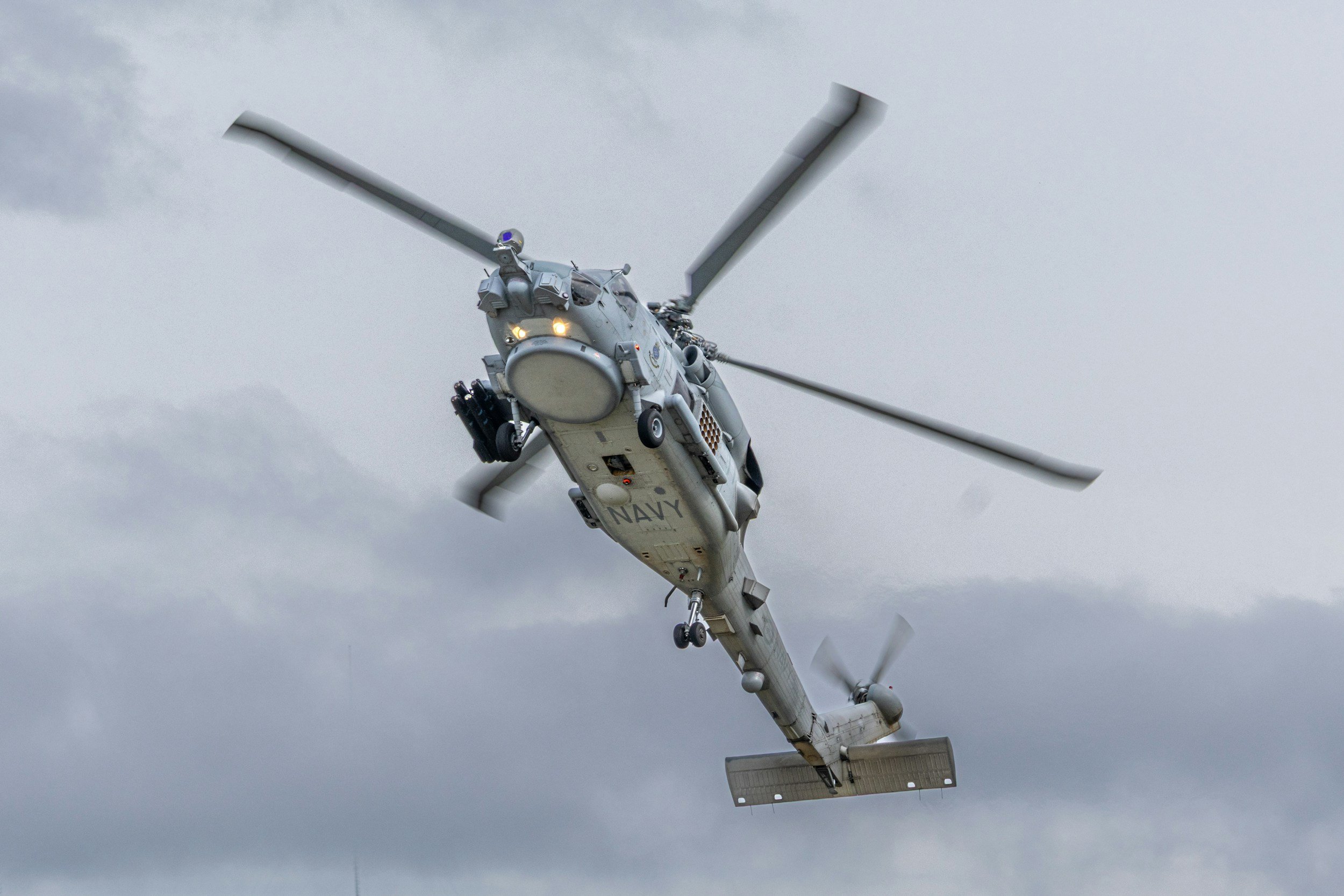
Yet despite these difficulties, some bilateral cooperation has persisted in 2025, including on defense and security. In November, U.S. Secretary of War Pete Hegseth signed a new 10 Year Defense Framework Agreement with his Indian counterpart, Defence Minister Rajnath Singh. In August, a 2+2 Intercessional Dialogue took place between senior officials from the foreign and defense ministries of the two countries. This month, India and the United States reportedly finalized a $946 million agreement for MH-60R Seahawk helicopters, and the United States recently approved the sale of Javelin anti-tank missiles and Excalibur guided munitions to India. Bilateral military exercises have continued apace, with the tri-service Tiger Triumph exercises in April in Visakhapatnam (involving the U.S. Space Force), the Yudh Abhyas army exercises in September in Alaska, naval exercises in October in Diego Garcia, and a four-day air force exercise in India in November. In another first, a U.S. firm received a contract for air-to-air refueling of the Indian Air Force. Counter-terrorism cooperation has also proceeded. In April, the United States extradited Tahawwur Rana to India for his role in the 2008 Mumbai terrorist attacks and, just a few days ago, the Quad counter-terrorism working group met in New Delhi.
U.S.-India cooperation has also continued in important domains such as space, AI, and energy. In July, Shubhanshu Shukla became the second Indian to travel to space, as part of a joint mission supported by NASA. Later that same month, India and the United States jointly launched their co-developed NISAR Satellite, one of the world's most sophisticated earth observation satellites. On technology, Google recently committed to its first AI Data Hub in India, a $15 billion investment that brings resilience and global export potential to its AI services. And in another landmark deal, India agreed to purchase 10 percent of its 2026 demand for liquefied petroleum gas (LPG), worth an estimated $1.3 billion, from U.S. suppliers. These developments have all gone forward despite high-level political tensions.
Trade and Tariff Tensions
Nonetheless, differences persist on trade and tariffs. On balance, India has higher tariffs on imports than most other large economies. It also has the third largest goods trade deficit, after the United States and United Kingdom. In recent years, in a bid to increase export markets while mitigating against dumping and deindustrialization, India has finalized or initiated negotiations with several complementary economies — primarily in the developed world. To this end, India has concluded preferential trade agreements with Australia, the European Free Trade Association (EFTA, involving Switzerland, Norway, Iceland, and Liechtenstein), and the United Kingdom, and negotiations are underway for similar comprehensive trade agreements with the European Union, Canada, Israel, and New Zealand.
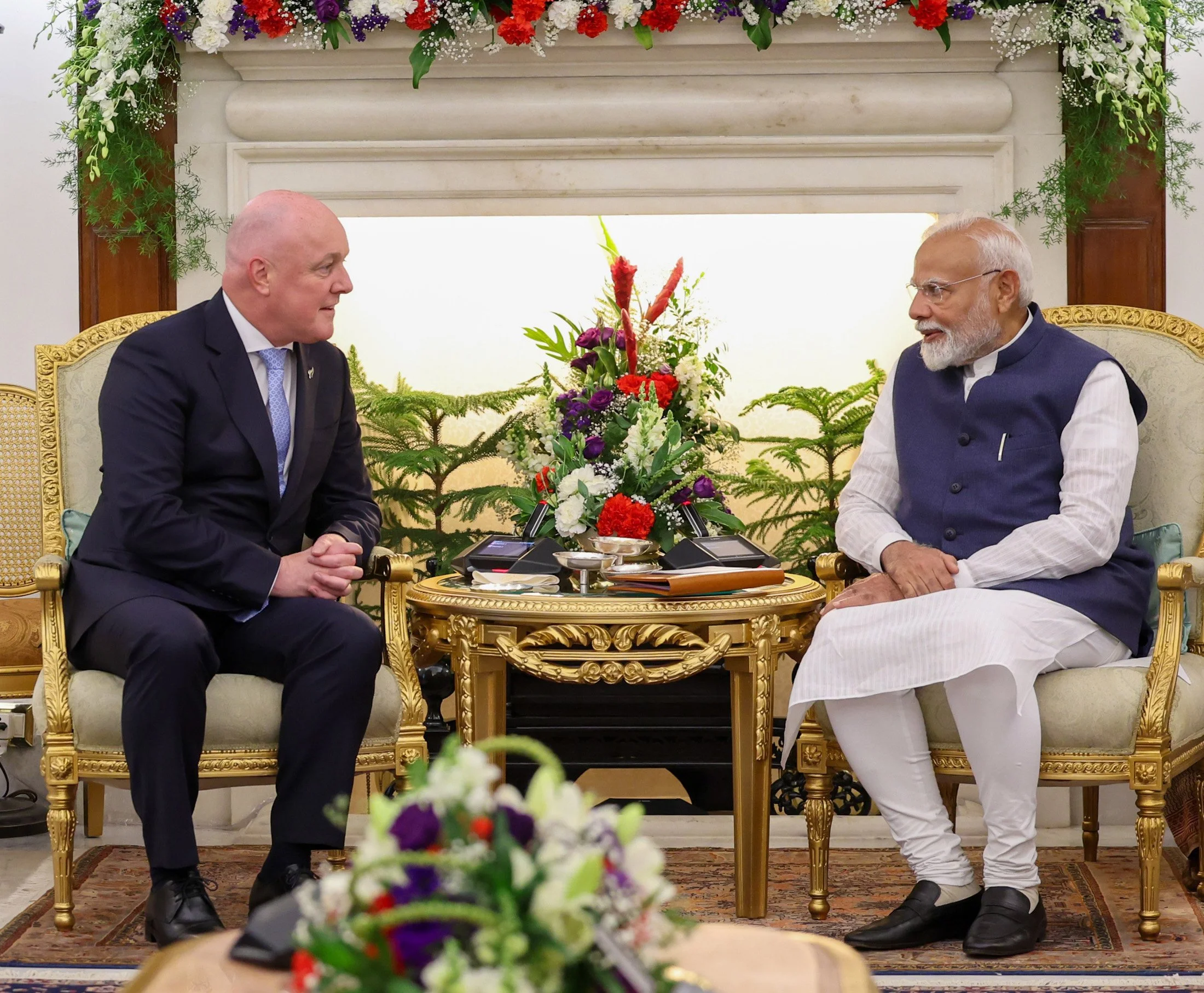
India initiated negotiations with the United States toward a comprehensive Bilateral Trade Agreement (BTA) in early 2025. This was reinforced by the two sides when President Trump hosted Prime Minister Modi in the White House in February 2025, with an objective set for concluding a BTA by the fall of 2025. Their statement also said that "The United States welcomed India's recent measures to lower tariffs on U.S. products of interest in the areas of bourbon, motorcycles, ICT products and metals, as well as measures to enhance market access for U.S. agricultural products, like alfalfa hay and duck meat, and medical devices. India also expressed appreciation for U.S. measures taken to enhance exports of Indian mangoes and pomegranates to the United States. Although no trade agreement has been concluded to date, the broad framework is expected to be similar to India’s other recent trade agreements. For comparison, under the IndiaUK Comprehensive Economic and Trade Agreement (CETA) concluded in July this year, India would immediately allow tariff-free imports on 64% of tariff lines with 85% becoming tariff-free after staging over ten years. Overall, tariffs would be limited or reduced on 90% of tariff lines covering 92% of existing British exports to India. Other advantages of that agreement for the United Kingdom include access to Indian public procurement tenders (worth $50 billion annually), faster customs processing, digital trade provisions, and copyright protections.
The Terms of Reference for a trade agreement between India and the United States were signed during Vice President J.D. Vance's visit to India in April 2025. However, in the midst of these negotiations, the Trump Administration unveiled its Liberation Day tariffs in Executive Order 14257, which initially assigned a 26% "reciprocal tariff' to India. At the time, this figure was on the middle-to-lower end of the tariff rates that the United States threatened to impose on other countries. In early July, the U.S. and Indian governments came close to announcing an agreement in anticipation of a White House-imposed deadline, but the Trump administration opted not to announce any agreement with India. With no trade agreement by the deadline, India was imposed a tariff of 25%, which took effect on August 7. As many countries had negotiated lower rates by then, the tariffs now applied on India were now among the highest on any country, with only China, Brazil, Switzerland, Canada, and Mexico among the few major economies confronting higher rates for some of this period.
A further complication for U.S.-India trade resulted from the impasse over Ukraine ceasefire negotiations. On August 6, President Trump, under Executive Order 14066, imposed a further 25% tariff on Indian imports for India's import of Russian oil. Russian imports constituted less than 3% of Indian oil purchases before the war in Ukraine. As European and other suppliers began to reduce their imports from Russia, and sourcing more from the Middle East, Russian crude became more attractive to Indian importers and refiners. For periods of time, India's purchases under a widely-accepted price cap resulted in over 30 percent of its oil imports coming from Russia, swelling its trade deficit with that country to almost $60 billion. Some of these purchases were coordinated with other oil consumers, including in the United States and Europe, as part of efforts to stabilize global oil prices. The latest peak in Indian oil imports from Russia was in June 2025, when India imported about 2 million barrels per day. But recent projections suggest that by January 2026, India's imports from Russia will drop to 600,000 barrels per day, its lowest since April 2022, in part as a consequence of widening U.S. sanctions against Russian entities. Meanwhile, India's oil purchases from the United States have rebounded in 2025 to 316,000 barrels per day, the highest since 2021 and second highest year on record. The case for an additional 25% tariff on Indian imports has now been superseded both by U.S. secondary sanctions on Russia's premier oil exporters and India's reduction in Russian oil imports, a fact noted by President Trump himself.
A solution to the trade and tariff differences between the United States and India is at hand. A Bilateral Trade Agreement has been mostly negotiated, reportedly with only a handful of outstanding issues. The terms reportedly being offered by India are more comprehensive and binding than anything offered to a previous U.S. administration, with unprecedented market access opportunities. While an agreement may yet come to fruition, the longer that 50% tariffs are imposed, the more it would appear to be an act of political hostility in India by the United States. This prevents further opportunities at broadening and deepening the economic partnership between the two countries for mutual benefit, to the detriment of U.S. and Indian firms, manufacturers, investors, and consumers.
U.S. Reengagement with Pakistan
One major development took place between the announcement of an ambitious U.S.-India partnership in February 2025 and the imposition of high tariffs by the United States on India between July and September of the same year. This was Operation Sindoor, which involved Indian air strikes against terrorist facilities in Pakistan in response to an April 26 terrorist attack in India. Pakistan has a long history, dating to 1947, of employing non-state actors and terrorist proxies against India. In 1947, tribal militias were employed to seize territory in Jammu and Kashmir, resulting in the first India-Pakistan war. In the 1960s, Pakistan's Army launched Operation Gibraltar, an attempt to infiltrate Jammu and Kashmir and provoke an insurgency, which resulted in the second India-Pakistan war. State-sponsored violence was used in East Pakistan in 1971, contributing to widespread violence against civilians. This resulted in Indian intervention, a third war between India and Pakistan, and the independence of Bangladesh. From the 1970s onward, Pakistan's state-backed proxies were also employed against Afghanistan.
During the 1980s, Pakistan's state support of terrorism became better funded and organized, and benefited from safe sanctuaries and the country's nuclear deterrent. After 1989, a renewed wave of terrorism was deployed against India in Jammu and Kashmir. In 1993, an organized criminal enterprise called D-Company detonated explosions in Bombay (now Mumbai) before its leadership sought refuge in Pakistan. In 1999, Pakistan attempted an infiltration along the Line of Control with India, resulting in the limited Kargil War. In 2001, Pakistan-based Jaish-e-Mohammed (JeM) launched a terrorist attack against India's Parliament. In 2008, the Pakistan-based Lashkar-e-Taiba (LeT) launched multiple attacks in Mumbai, which also killed a large number of foreigners. In the mid-2000s, U.S. intelligence reportedly estimated that Pakistan's Inter Services Intelligence (ISI) — its military intelligence agency — ran 128 training camps and facilities in Pakistan with about 100,000 armed personnel under their management. Several UN-proscribed terrorist groups benefited from financing, arms, equipment, infiltration, and a safe space to organize, recruit, train, and fundraise. Terrorists benefiting from this infrastructure were directly responsible for the deaths of thousands of Indian and Afghan civilians and security personnel, as well as hundreds of Americans.
Recent Pakistan-based terrorist incidents have primarily focused on Indian military and law enforcement targets. In 2016, an attack on an army post in Uri killed 19 soldiers and resulted in retaliatory ground strikes by India across the Line of Control. In 2019, 40 Indian paramilitary personnel were killed by a suicide bomber in Pulwama, resulting in air strikes by India on a terrorist facility in Balakot. This year's terrorist attack in Pahalgam in Jammu and Kashmir by an offshoot of LeT marked a more sinister turn: it resulted in the deaths of 26 civilians, mostly tourists, who were deliberately targeted. As a consequence of these three attacks over the past decade, India has gradually suspended trade and water privileges and downgraded diplomatic and military ties with Pakistan. After May 7 of this year, India struck a number of terrorist facilities in Pakistan through air strikes from Indian air space as part of Operation Sindoor. Until May 10, India and Pakistan exchanged air-to-air missiles and drones, attempted strikes on each other's air defense systems, and engaged in increased artillery fire. India assesses that its air strikes on several Pakistani airfields contributed to a call from Pakistan's Director General of Military Operations (DGMO) to his Indian counterpart requesting a cessation of hostilities on May 10.
Pakistan has long sought third-party mediation with India, while India has insisted that all issues between India and Pakistan can and should be negotiated bilaterally. Indeed, India's experience is that third-party mediation has often contributed to Pakistan's adventurism, such as British mediation in the Rann of Kutch dispute in 1965, which incentivized Pakistan’s decision to go to war a few months later. For these reasons, both the Shimla Agreement of 1972 (which created a Line of Control in Jammu and Kashmir) and the Lahore Declaration of 1999 (which established confidence building measures following both countries nuclear tests) reinforced the bilateral nature of any negotiations between the two countries. For many years after the 9/11 terrorist attacks, the U.S. government pursued a policy of ‘de-hyphenation’ between India and Pakistan: engaging with both, minimizing involvement in their disputes, and dealing with each country on its own terms.
But the United States soon confronted its own difficulties with Pakistan. Despite knowledge that the Pakistan Army and ISI were involved in supporting a robust terrorist infrastructure in the country, the United States attempted to cooperate with Pakistan's government and security forces as part of the 'Global War on Terror.' This resulted in $7.6 billion in civilian aid and $13.1 billion in military assistance to Pakistan between 2001 and 2010. U.S. military aid to Pakistan peaked in fiscal year 2010 at $2.5 billion but remained high in the years following. Civilian economic assistance received an increase between 2010 and 2014 with the Enhanced Partnership with Pakistan Act of 2009 (also known as the Kerry-Lugar-Berman Act), through which the U.S. Congress authorized $1.5 billion in annual economic assistance to Pakistan.
Billions of dollars of U.S. assistance to Pakistan did little to stabilize relations between Washington and Islamabad. In 2011, al Qaeda leader Osama bin Laden was traced by the Central Intelligence Agency and killed by U.S. Navy SEALs in Abbottabad. A military-style assault on the U.S. Embassy in Kabul later that year was tied directly to Pakistan by U.S. officials. Also in 2011, U.S. and Pakistani forces opened fire on each other on the Afghanistan-Pakistan border in Salala, resulting in several deaths. In 2016, Taliban leader Mullah Mansoor was killed by a drone strike in Pakistan. Since the U.S. troop withdrawal from Afghanistan in 2021, U.S. assistance to and engagement with Pakistan has drastically fallen. The value of U.S. arms exports to Pakistan from 2019-2025 was less than 1% of that provided from 2001-2018. Meanwhile, the China-Pakistan relationship consolidated: Pakistan accounted for 63% of China's arms exports between 2020 and 2024. The United States began to express public concern about Pakistan's long-range missile capabilities.
This year, partly as a result of the India-Pakistan conflict of May 2025, the Chief of Army Staff Asim Munir has consolidated power in Pakistan, promoting himself to Field Marshal and ensuring a constitutional amendment granting him extensive authority over Pakistan's armed forces and immunity. The United States has also reengaged Pakistan's military leadership, including by welcoming Munir to the White House. The United States and Pakistan continue to cooperate on counter-terrorism and military matters through U.S. Central Command, including on contingencies related to Iran and possible Gaza stabilization efforts. U.S. entities have also invested in critical mineral procurement in Pakistan. At the same time, Pakistan remains an important testing ground for China's weaponry, particularly fighter jets, air-to-air missiles, and anti-air systems. Pakistan's military has also adopted some PLA doctrines and practices, and it recently unveiled a new Army Rocket Force Command modeled on China's. Ultimately, for India, Pakistan's continued support for terrorism and its contributions to conflict and instability in the broader region — still constitute a major political and security challenge.
Russia and Other Differences
The two major factors preventing closer U.S.-India cooperation at this point relate to high tariffs and renewed U.S. engagement with Pakistan. But several other differences do exist. While important, these have been successfully navigated in the past and need not present a major obstacle to U.S.-India strategic ties.
Most obviously, the United States and India have very different approaches to engagement with Russia. For India, Russia's importance is three-fold. Firstly, it has been a major source of strategic technologies, particularly those involving defense, nuclear, and space. That relationship has its origins in the 1960s but intensified after the Indo-Soviet Treaty of Peace and Friendship in 1971 and again in the 1990s, when Russia was an inexpensive and ready source for advanced defense equipment. However, Russia's share of India's defense imports fell from 76% in 2009-2013 to 36% in 2020-2024. A combination of supply chain constraints, payment difficulties, and India's indigenization efforts following the annexation of Crimea, the war in Ukraine, and associated sanctions contributed to this trend. During the same period, India turned to France, the United States, Israel, South Korea, and Spain, among others, for the purchase or co-production of major defense platforms. Second, Russia has only recently become a major supplier for commodities for India, proving cost-competitive as commodity prices increased globally. This extended not just to oil, but also fertilizers (which account for $1.8 billion in annual Indian imports from Russia) and critical and precious minerals ($534 million). Oil and other commodities now constitute the bulk of Indian trade with Russia and India's trade deficit has now increased to $58.6 billion in Russia's favor. Over the past few years, India has made attempts at broadening the economic relationship and balancing the trade deficit. Thirdly, India also retains concerns about Russia's economic and strategic overdependence on China. Giving Russia strategic options, whenever possible, could complicate the consolidation of a partnership that could have very real and detrimental consequences for India.
The United States and India are also not always aligned on regional strategies in the Indian Subcontinent and Indian Ocean region. India maintains relatively normal relations with Iran. India's oil imports from Iran stopped by 2020, but cooperation with Tehran has extended to some shared counterterrorism concerns and access to Central Asia, including through an Indian-developed container port in Chabahar. India and the United States also have different priorities in Bangladesh, with Washington prioritizing free elections and India retaining concerns about extremism and minority rights. In Myanmar and Afghanistan, India and the United States have different levels of engagement with those countries' de facto but embattled leaderships. Both India and the United States have also expressed concerns about each other's domestic policies. For India, many issues such as U.S. immigration policy — are considered sovereign matters and are more of concern to Indian businesses seeking skilled labor. But questions of hate crimes against Indians have periodically surfaced in discussions between the two governments. For example, the February 2017 shooting of two Indian men in Kansas led to concerns about the safety of Indian citizens and was condemned by President Trump in his address to Congress a few weeks later. This year, there has been a visible increase in hate speech directed against Indians in the United States, including online.
It is natural that differences over Russia, regional issues, or domestic policies will continue between India and the United States, as they have for many years. But they can broadly be managed. In fact, addressing differences in perception and approach to a variety of issues underscore the need for dialogue between the governments and peoples of the two countries.
III. Opportunities for Future Cooperation
Bilateral Ties: Trade, Technology, Defense, and Energy
The outline of what is possible in the India-U.S. partnership was ambitiously spelled out by President Trump and Prime Minister Modi in their joint statement in February 2025. Much of that agenda may still be possible should bilateral relations get back on track. The four critical areas identified in bilateral relations were trade, energy, technology, and defense, which, in turn, could have implications for people-to-people relations. Official government-to-government mechanisms to advance cooperation in many of these areas already exist, including trade negotiations between India's Ministry of Commerce and Industry and the Office of the U.S. Trade Representative; a 2+2 Dialogue involving the Ministries of External Affairs and Defence along with the U.S. Departments of State and War; and a U.S.-India TRUST ("Transforming the Relationship Utilizing Strategic Technology") initiative that replaces the National Security Adviser-led initiative for Critical and Emerging Technologies (iCET).
On trade, in February, the two countries' leaders committed to a goal of $500 billion in bilateral trade by 2030, a more than doubling from the $212.3 in goods and services trade in 2024. This would be greatly facilitated by the conclusion of a Bilateral Trade Agreement (BTA), which had been expected by the fall of this year. As balancing trade deficits will remain a major priority for this and likely future U.S. administrations, India has offered to explore greater purchases in areas such as energy (including oil, natural gas, and coal) and civil aviation, in addition to defense, technology, and some agricultural products.
On energy, the U.S. government's emphasis has shifted considerably over the past year. Under the Biden administration, the U.S. Development Finance Corporation (DFC) invested heavily in solar and clean energy manufacturing in India, including a $500 million loan for a solar panel manufacturing facility in Tamil Nadu. The Trump administration has instead highlighted U.S. hydrocarbon exports and civil nuclear cooperation. U.S. oil exports to India only began in 2017 and peaked in 2021 at 153 million barrels. After a fall caused by global oil market volatility, U.S. oil exports to India have rebounded in 2024 and 2025. The United States is now the fifth largest oil supplier to India, after Russia, Saudi Arabia, Iraq, and the UAE. The recently-concluded LPG deal also reinforces the United States' position as the second-largest provider of gas to India after Qatar. The United States was also the source of 8% of India's coal imports in 2023 and was the fastest-growing source of coal for India that year. Civil nuclear cooperation is another promising area. Future cooperation is subject to amendments to India's liability regulations, which if completed, would incentivize greater foreign investment in India's civilian nuclear sector, including in Small Modular Reactors (SMRs). The manufacturing of certain components in India would also make U.S. firms cost competitive in exporting SMRs and other civilian nuclear technologies globally.
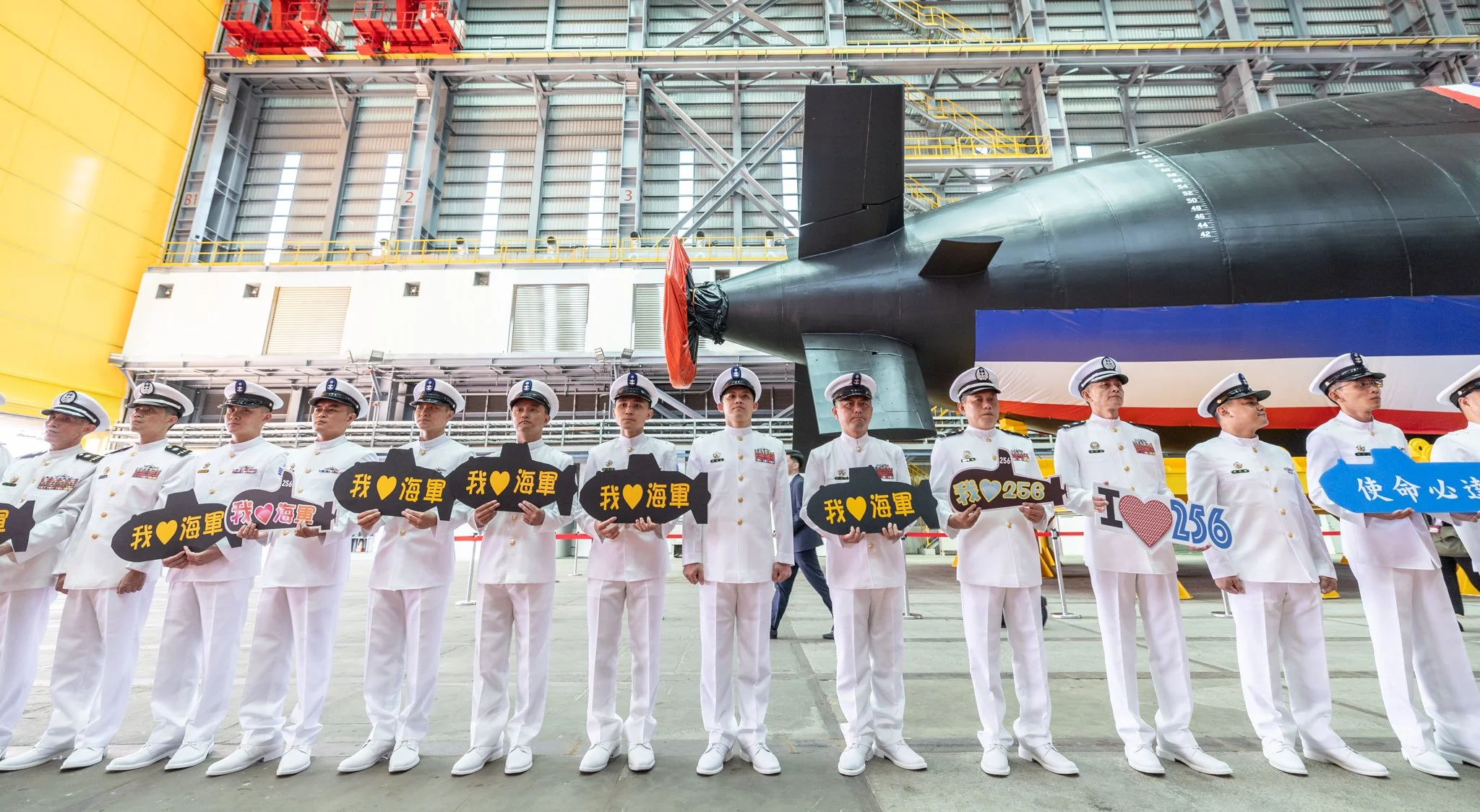
On defense, co-production between the United States and India is still possible, even as both countries prioritize domestic manufacturing and supply chains and reform their defense procurement systems in light of accelerating technological change. India still seeks investment and key defense technologies, while the United States seeks lower costs for precision manufacturing, metallurgy, avionics, and maintenance, repair, and overhaul (MRO). Promising areas for potential defense co-production and co-development include unmanned aerial systems, active towed array systems, and autonomous underwater vehicles. The two sides have agreed in principle to begin negotiations on a Reciprocal Defense Procurement (RDP) agreement.
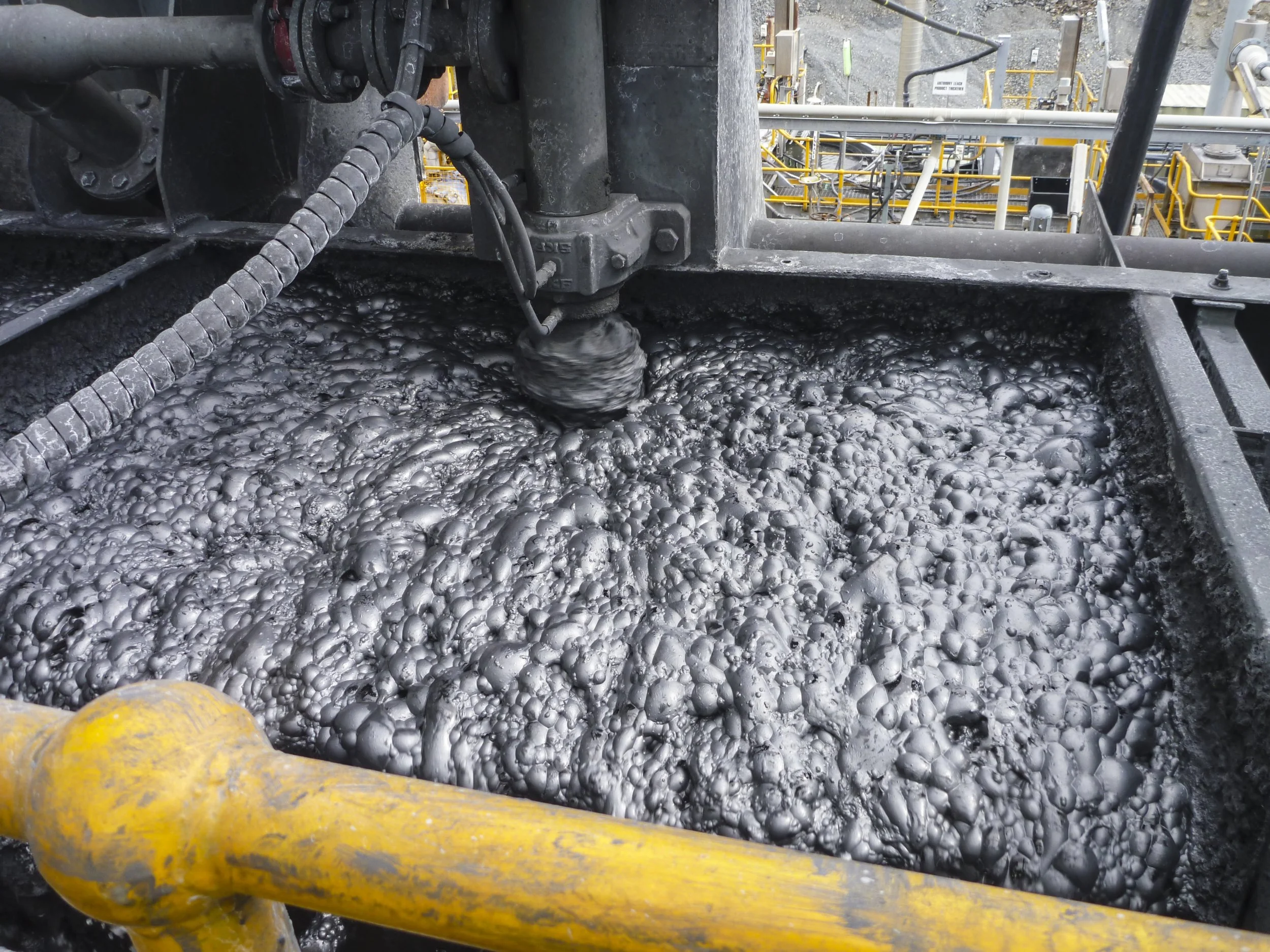
On technology, the two leaders in February agreed to a rebranded U.S.-India TRUST ("Transforming the Relationship Utilizing Strategic Technology") initiative, for collaborations in artificial intelligence, semiconductors, quantum, biotechnology, and space, among other areas. This includes broadly continuing and building on existing technological cooperation, which has included investment in the Indian Semiconductor Mission by private U.S. companies, collaborations involving the National Science Foundation, and joint projects of the two countries' space agencies. The AI Impact Summit, which will be hosted by India in February, represents an opportunity to deepen collaboration between the United States and India in artificial intelligence. High level political participation by a senior U.S. representative, as well as the involvement of leading U.S. AI companies, would align with India's attempts at prioritizing innovation over regulation, deploying applications that make an impact, making U.S.-based AI companies more globally competitive, and leveraging India's large talent pool. The two countries have also pledged cooperation on critical minerals, through the preexisting Mineral Security Partnership and a Strategic Mineral Recovery Initiative, "a new U.S.-India program to recover and process critical minerals (including lithium, cobalt, and rare earths) from heavy industries like aluminum, coal mining and oil and gas.
Strategic Cooperation in the Quad and Beyond
Under the Biden administration, the Quad was elevated to a leader's summit and given structure with a series of working groups, initially focused on the Covid-19 pandemic, clean and green energy, and critical technologies. In time, the number of issues and working groups swelled number of other areas, including on issues such as cybersecurity, counter-terrorism, infrastructure, space, and investment. A signature legacy of these efforts was in maritime security, particularly the Indo-Pacific Maritime Domain Awareness (IP-MDA) initiative. The second Trump administration has opted for a pared-down and more focused Quad, to concentrate on maritime, economic, and technology security, as well as humanitarian assistance and disaster relief (HADR). While the Quad was the first meeting of newly-confirmed U.S. Secretary of State Marco Rubio in January and witnessed another foreign ministers' meeting in July, a leadership level summit to be hosted by India has been repeatedly postponed. Enabling the conditions to advance Quad cooperation on areas of shared interest would contribute significantly to attempts to preserve a balance of power in the Indo-Pacific.
Strategic coordination between India and the United States has also dampened in the Middle East. The continuing war in Gaza, a multi-pronged U.S. policy toward the region, and a Saudi-Pakistan defense agreement contribute to a complex landscape. Taken together, these factor inhibit the full potential of U.S.-India coordination with Israel, the UAE, and other regional partners, including through I2U2 and IMEC. Resurrecting such initiatives could contribute significantly to the long-term stabilization of the Middle East, including through economic integration, infrastructure investment, and counter-terrorism cooperation: all stated priorities of the Trump administration.
Despite volatility and uncertainty at the political level in the U.S.-India relationship in 2025, bilateral cooperation on defense, technology, and energy has continued. But the inability to conclude a bilateral trade agreement, or even to reduce tariffs — along with continued U.S. engagement with Pakistan's military leadership — risks preventing the full realization of a U.S.-India strategic partnership, with potentially detrimental conse consequences for bilateral economic ties and global strategic cooperation.
Thank you.