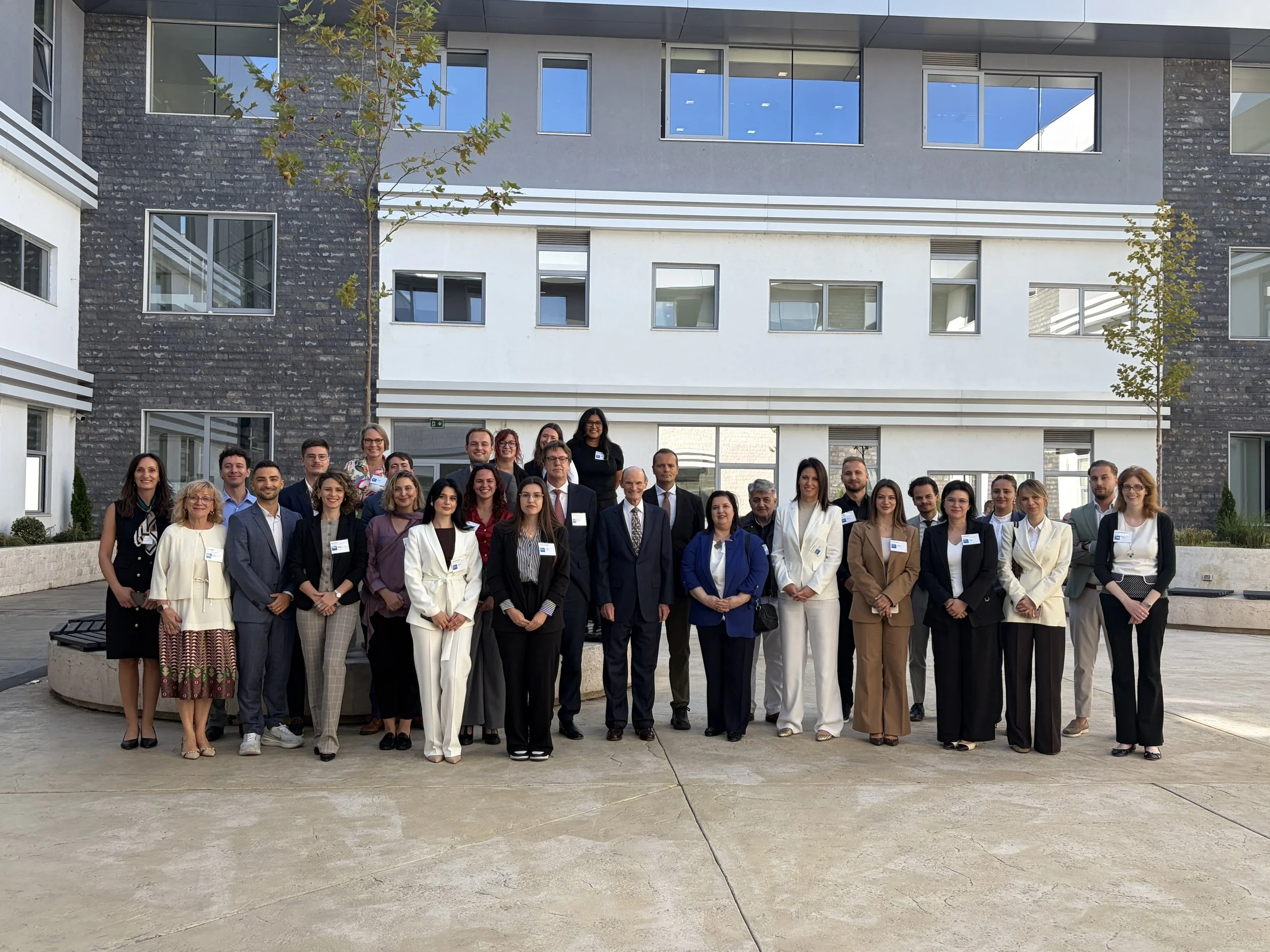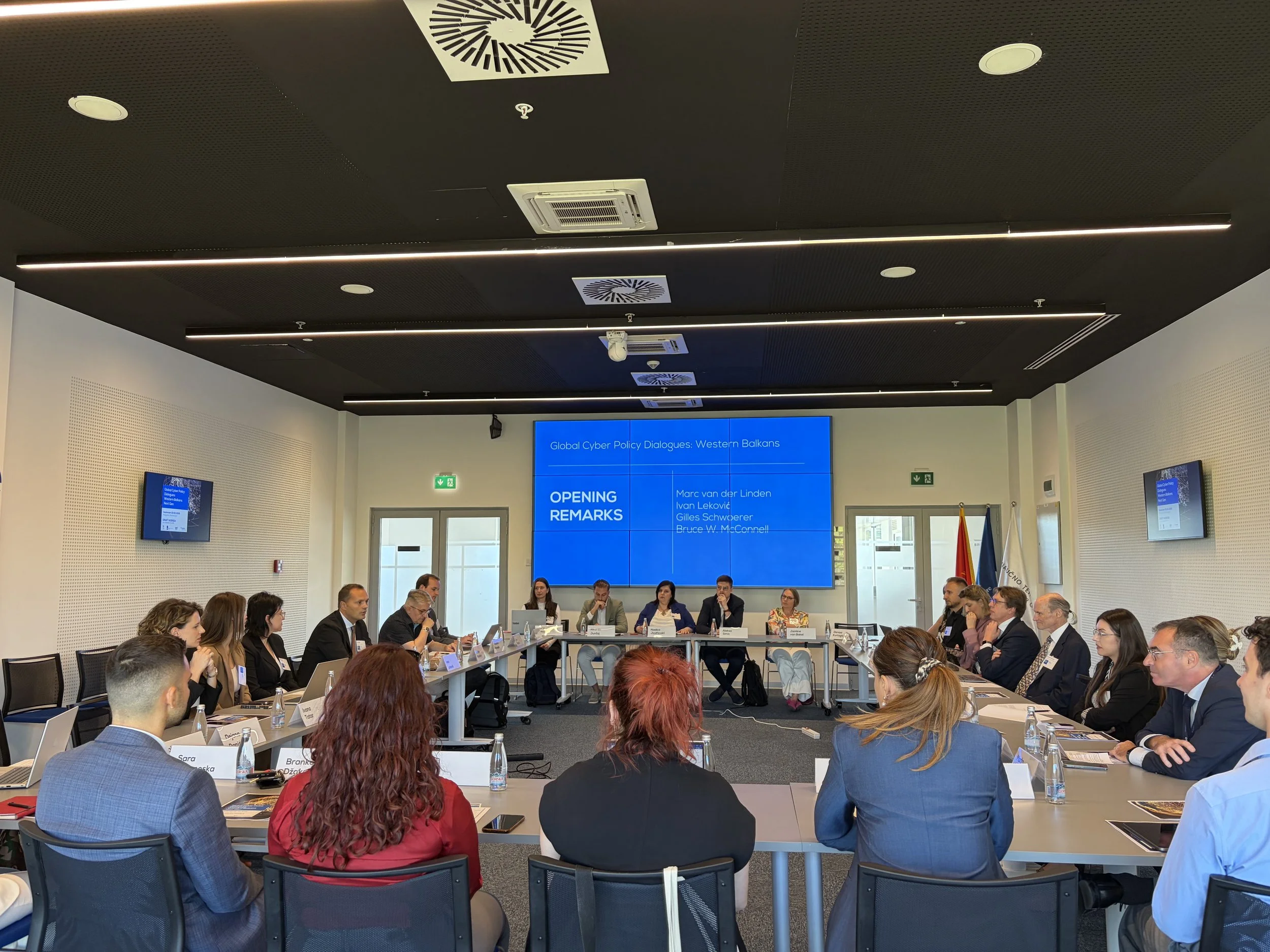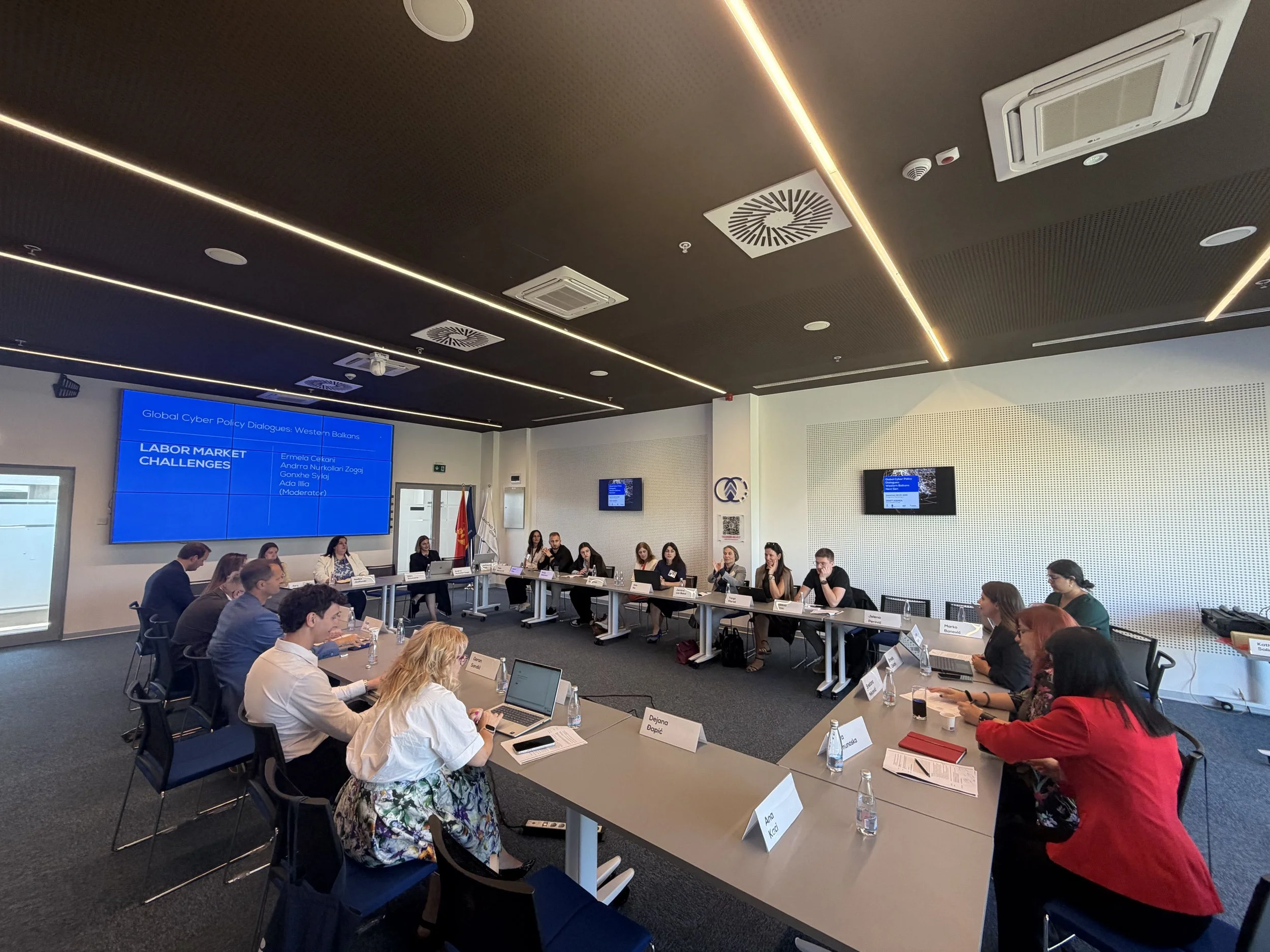
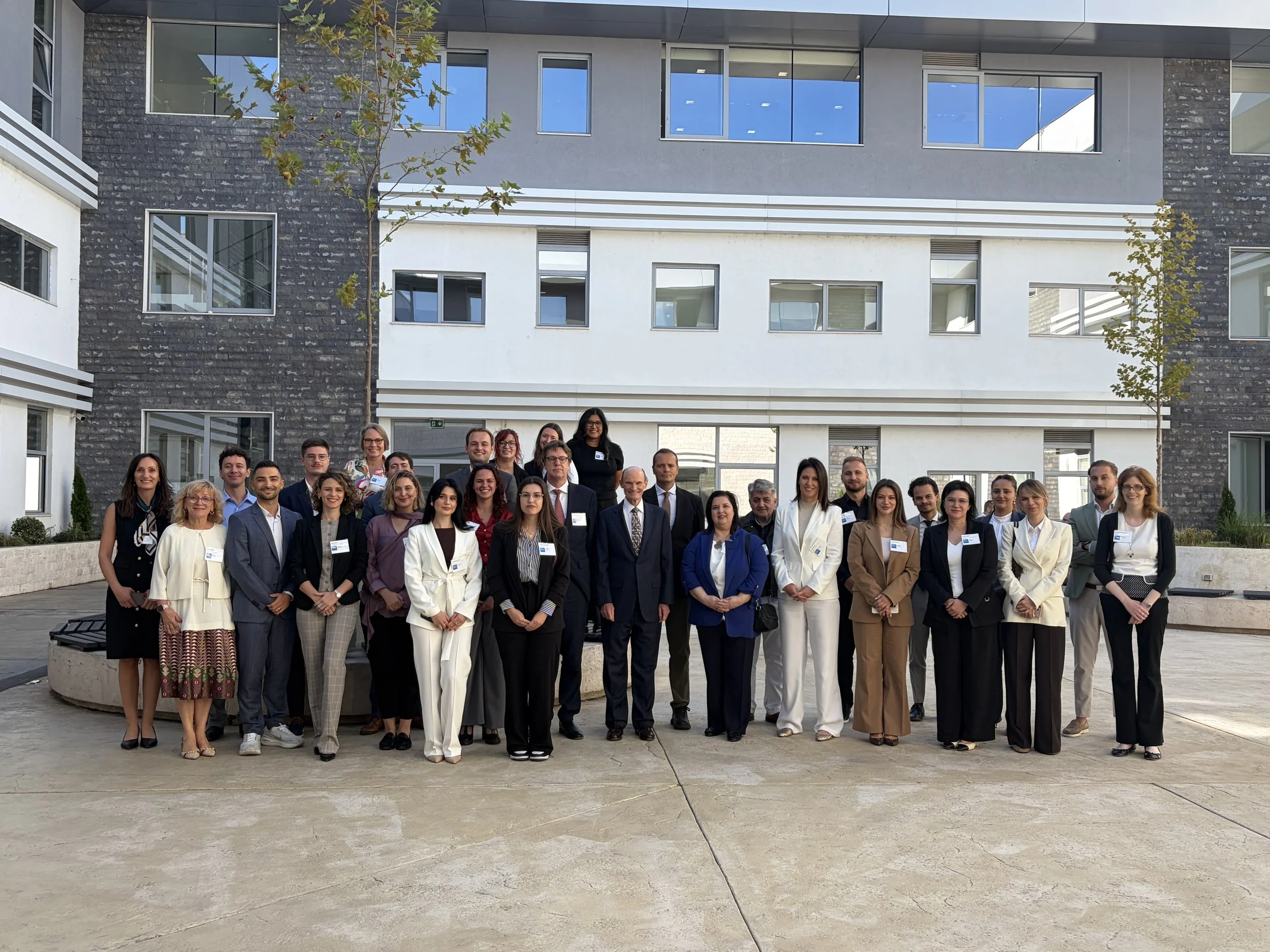
The Ministry of Foreign Affairs of Montenegro and the Ministry of Foreign Affairs of the Netherlands, in partnership with the Observer Research Foundation America and the Western Balkans Cyber Capacity Centre (WB3C), convened an in-person Global Cyber Policy Dialogue: Western Balkans Next Gen on September 22-23, 2026, in Podgorica, Montenegro. This two-day multistakeholder meeting brought together the next generation of cybersecurity practitioners and experienced professionals. The central goal of the meeting was to continue to foster genuine and open dialogue among stakeholders from different sectors and backgrounds, including government, civil society, academia, and the private sector on key cyber challenges in the region. Discussions covered artificial intelligence (AI) and cybersecurity, AI governance, incident response and confidence building measures, disinformation, the future of societal resilience, the UN processes, norms and cybercrime, talent gaps and labor market challenges from global, regional, and national perspectives from across the Western Balkans.
A full summary of the discussions can be found here.
Welcoming remarks were provided by Marc van der Linden, Deputy Head of Mission of the Kingdom of the Netherlands, Ivan Leković, Ambassador for Cyber Security, Ministry of Foreign Affairs of Montenegro, Gilles Schwoerer, Programme Director, Western Balkans Cyber Capacity Centre (WB3C), and Bruce W. McConnell, Distinguished Fellow, ORF America.
The dialogue built on previous editions, including an in-person meeting in Podgorica, Montenegro in April 2026, in-person meetings in Tirana, Albania in October 2025 and November 2024, in-person meetings in Skopje, North Macedonia in June 2022 and September 2023, as well as virtual meetings in April 2025 and April 2021.
This event was part of a larger Global Cyber Policy Dialogue Series organized by ORF America and the Ministry of Foreign Affairs of the Netherlands, which seeks to convene regional dialogues to address key cyber challenges, strengthen multistakeholder networks, and increase coordination of regional capacity building initiatives.