



By Andreas Kuehn & Sven Herpig
The EU must define what it understands as active cyber defence and how it relates to other cyber policy issues.

By Udaibir Das
Absa and OMFIF have given Africa a decade of disciplined comparison. The next task is to make the consequences of reform equally visible. A country should be able to name an investment that happened because its market improved. Success is not more capital entering markets. It is more productive investment, financed without greater fragility. That is financial sovereignty on the ground.
By Piyush Verma
Energy for Billions: India’s Turnaround and the World’s Future explores the energy choices that can help realize the ambition of Viksit Bharat — a developed India — and the lessons other economies might draw from India’s achievements and unfinished work.
By Piyush Verma
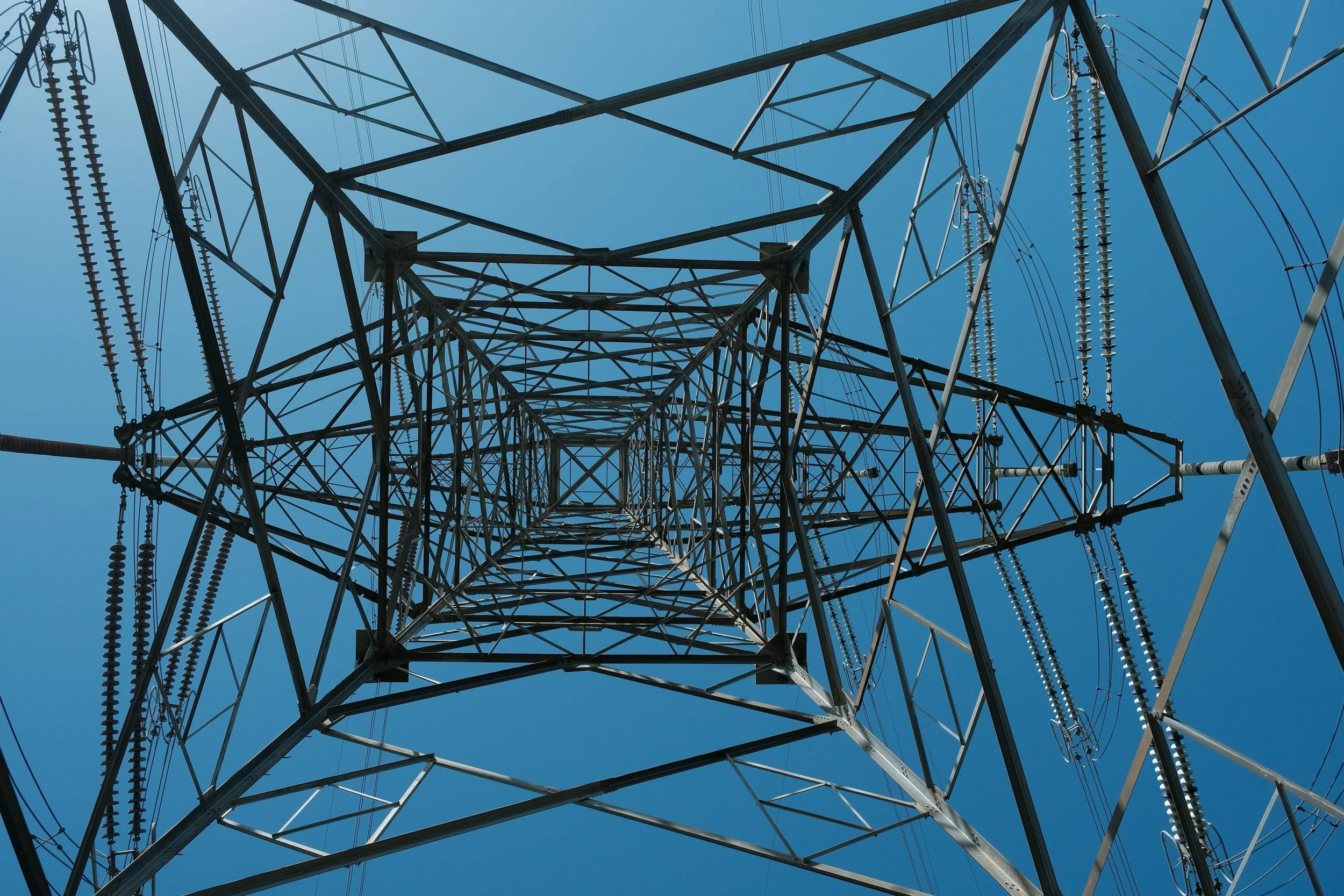
The grid is more than a machine for moving electrons. It is a shared system of costs, responsibilities and reliability. As AI campuses bring their own power, the question is not whether they are on or off the grid, but what they owe it when they still depend on it.
Background Paper No. 40
By Udaibir Das and Pietro Zecca
By Andreas Kuehn & Sven Herpig
The EU must define what it understands as active cyber defence and how it relates to other cyber policy issues.
Observer Research Foundation America, 1100 17th St. NW, Suite 501, Washington DC 20036 USA