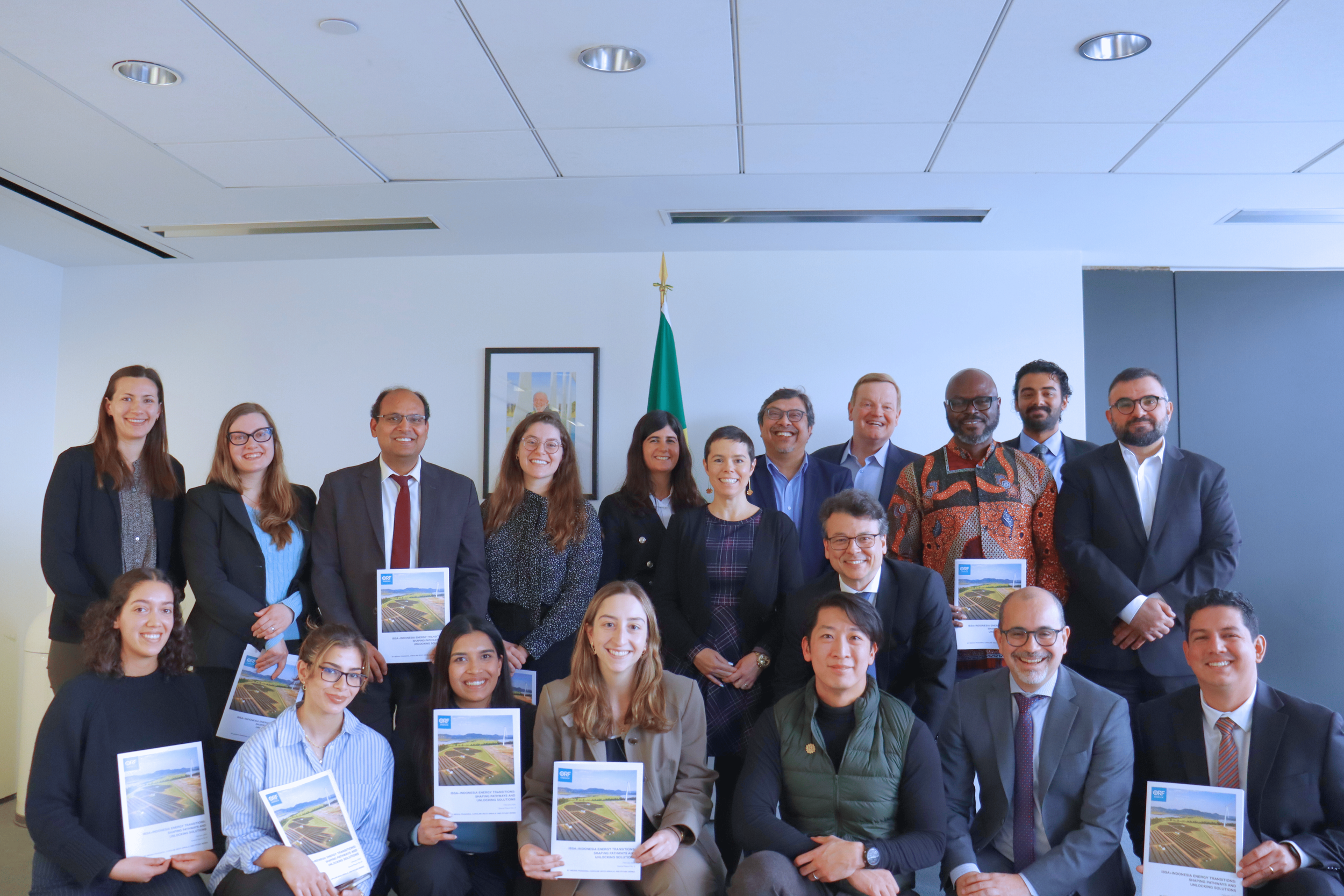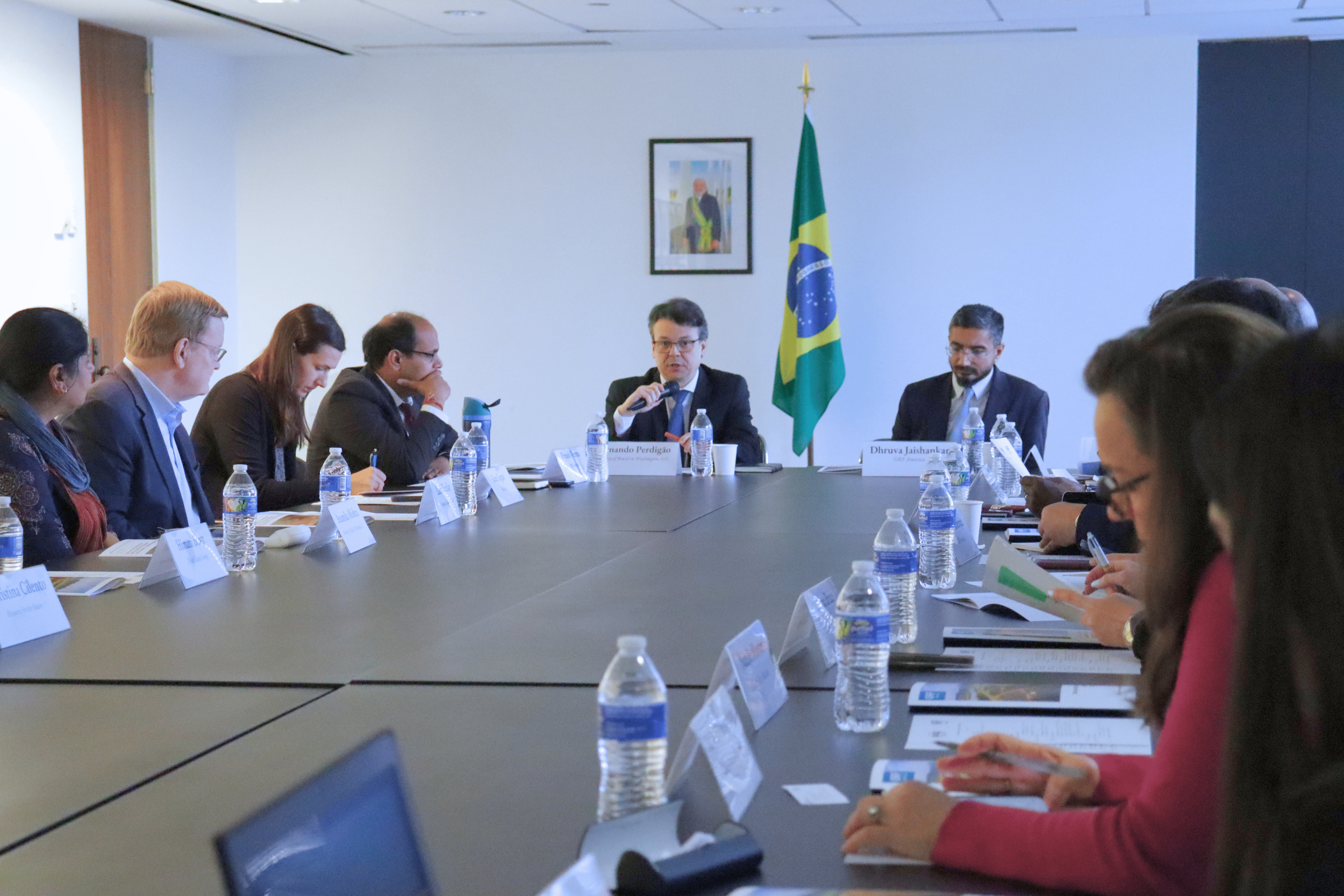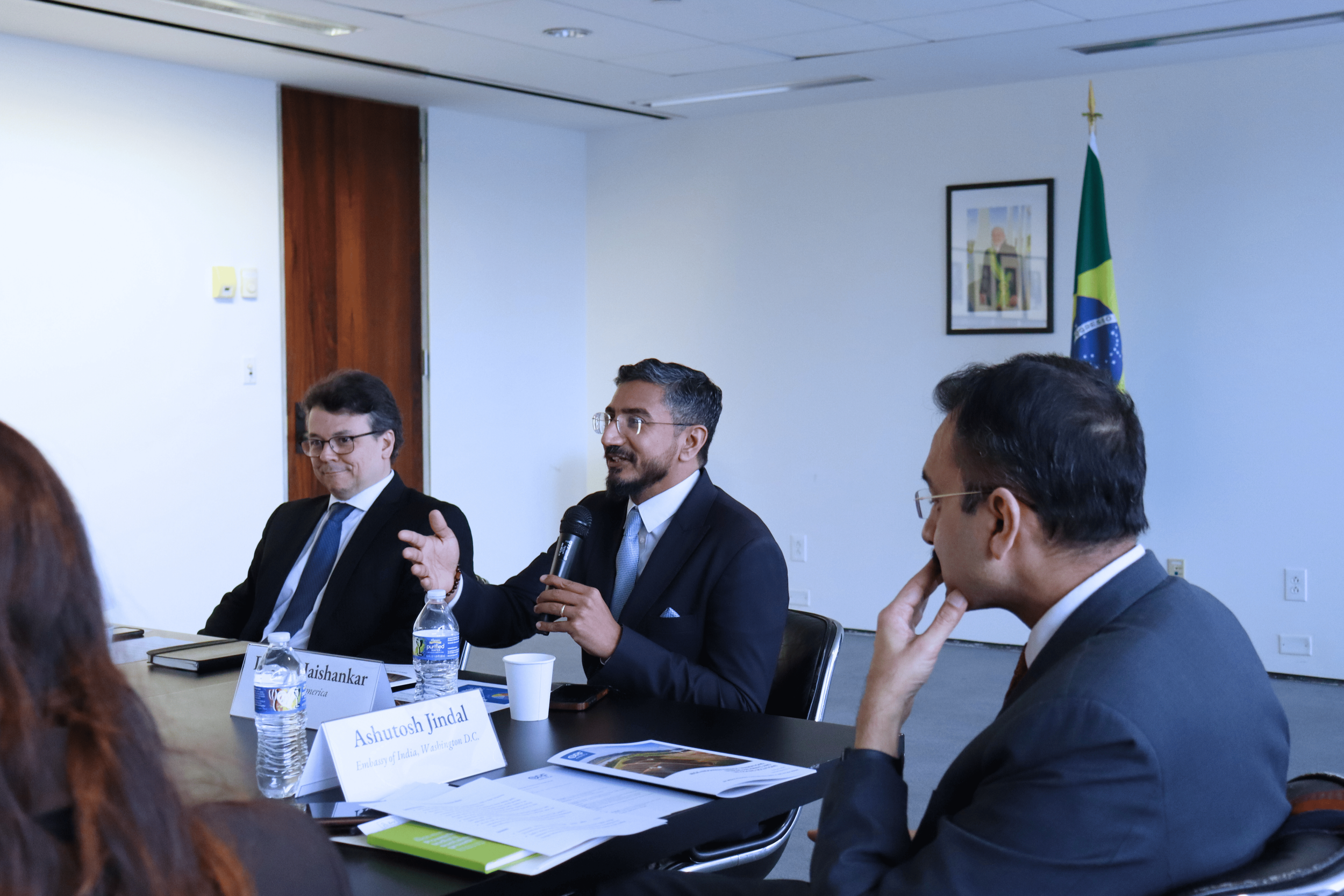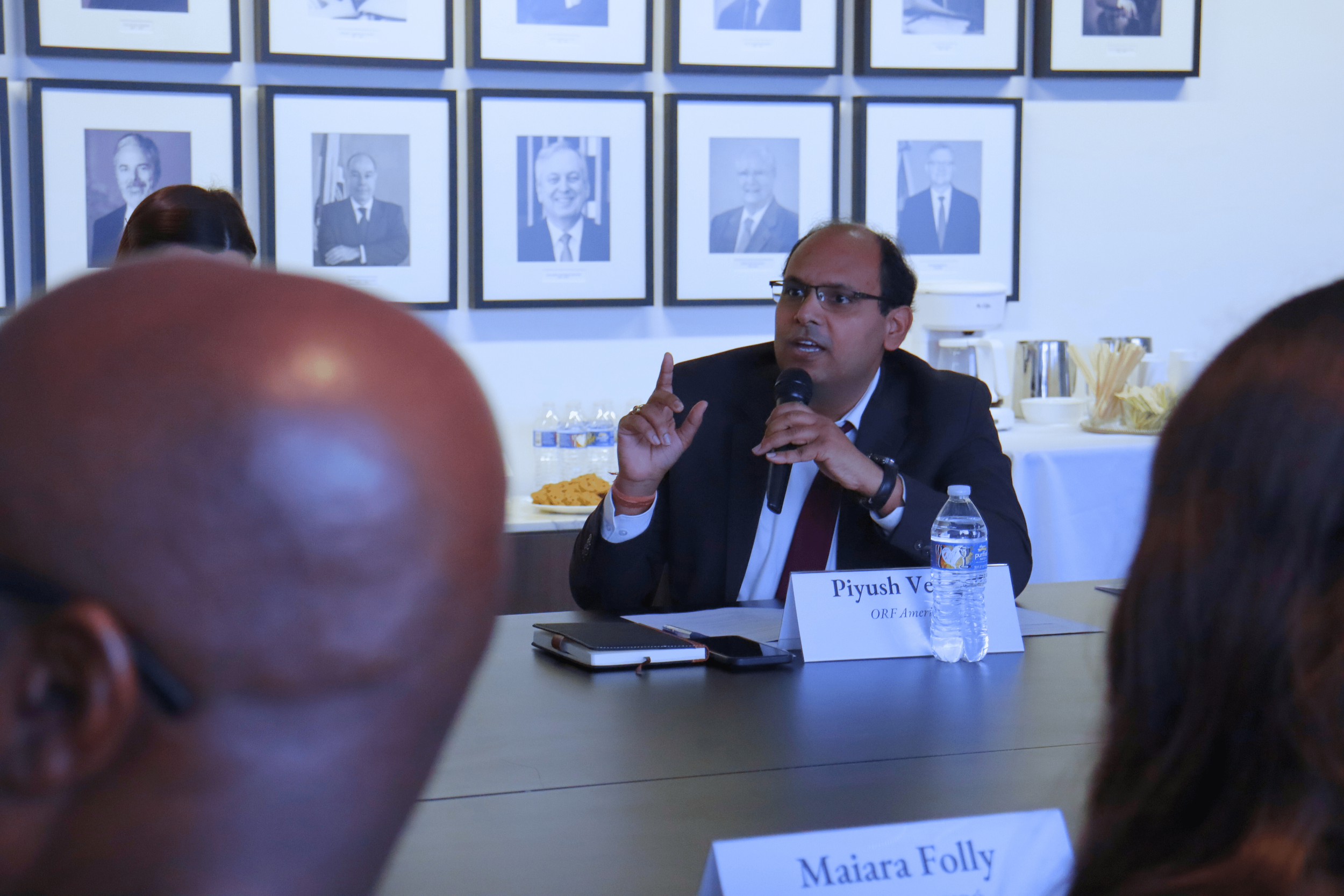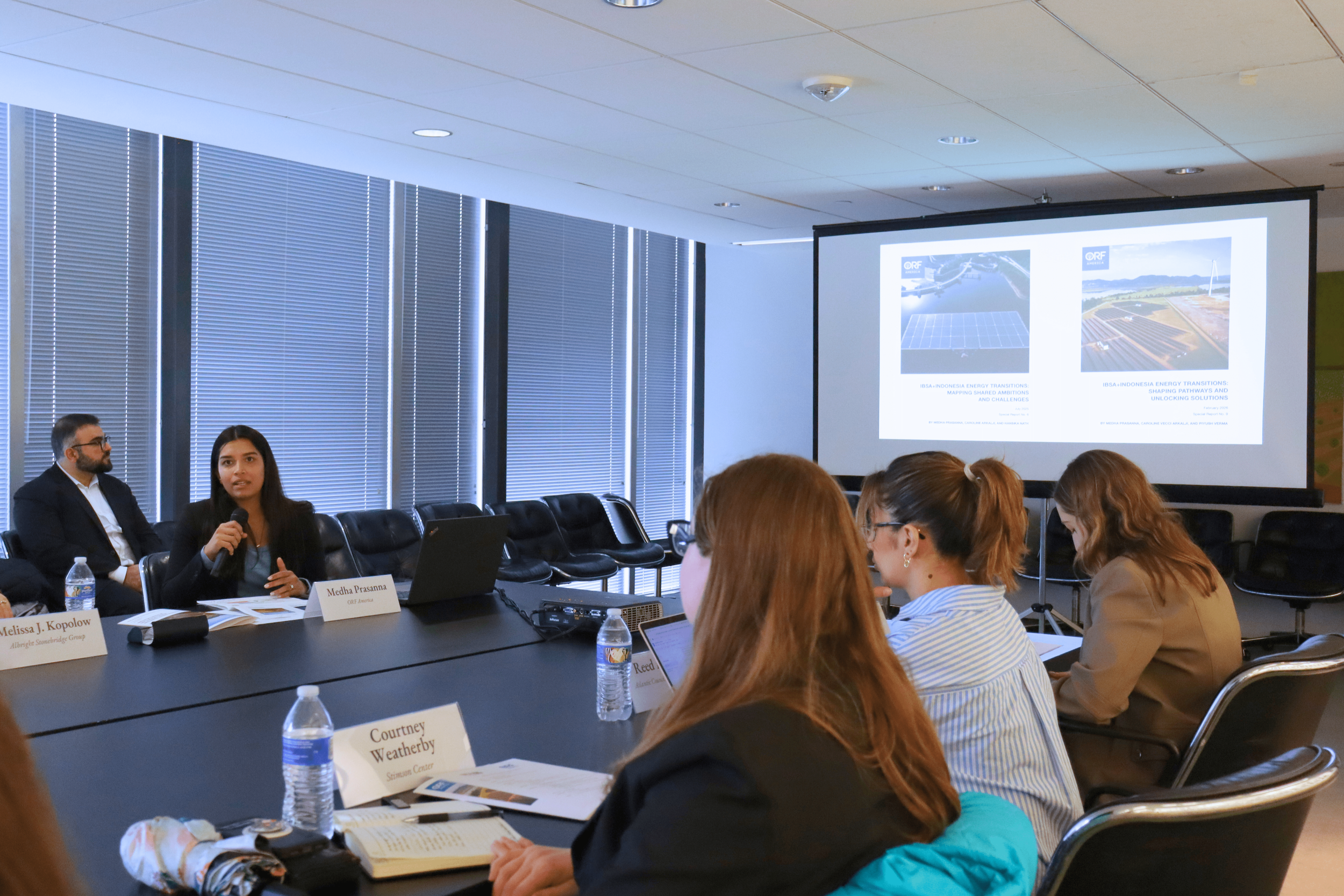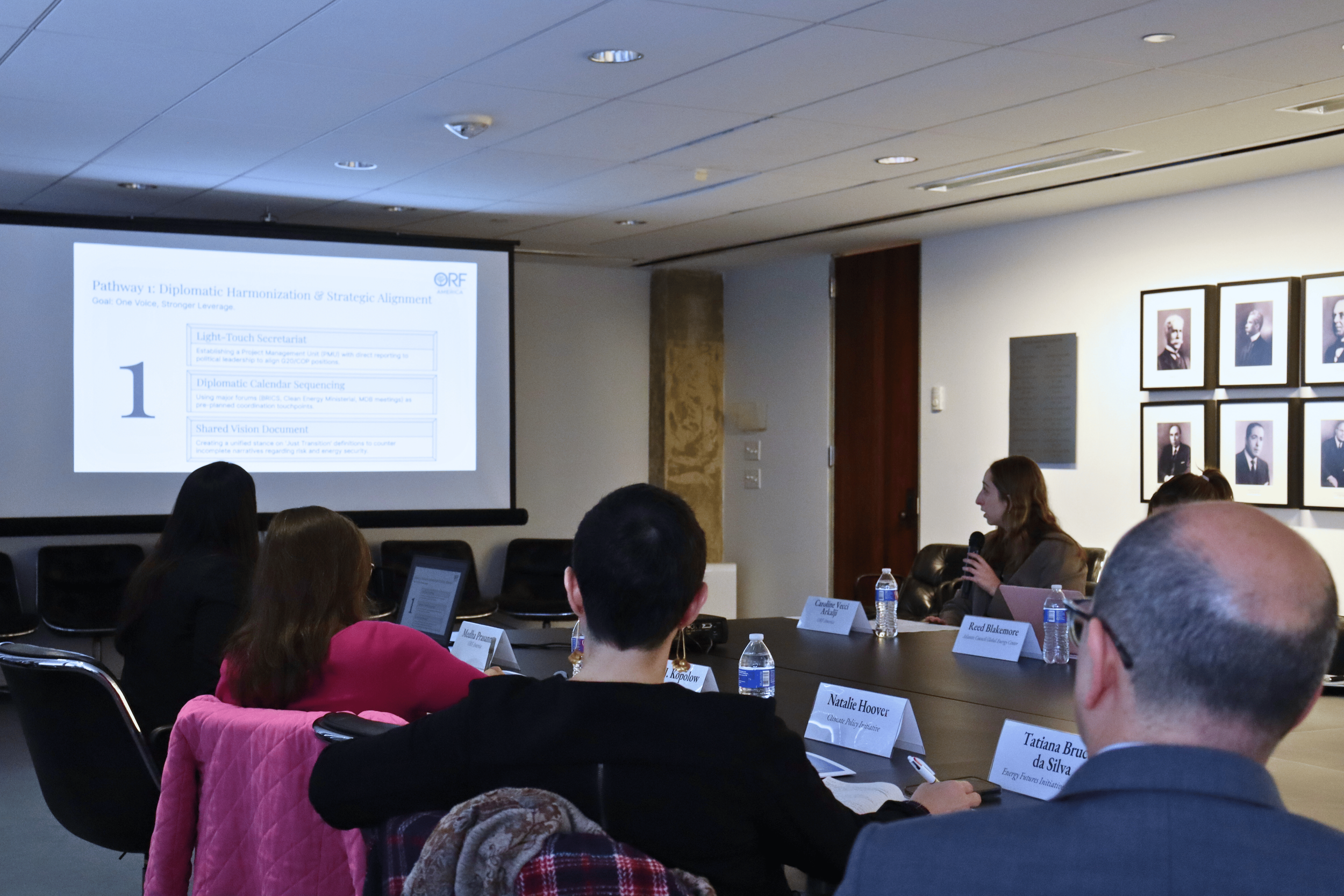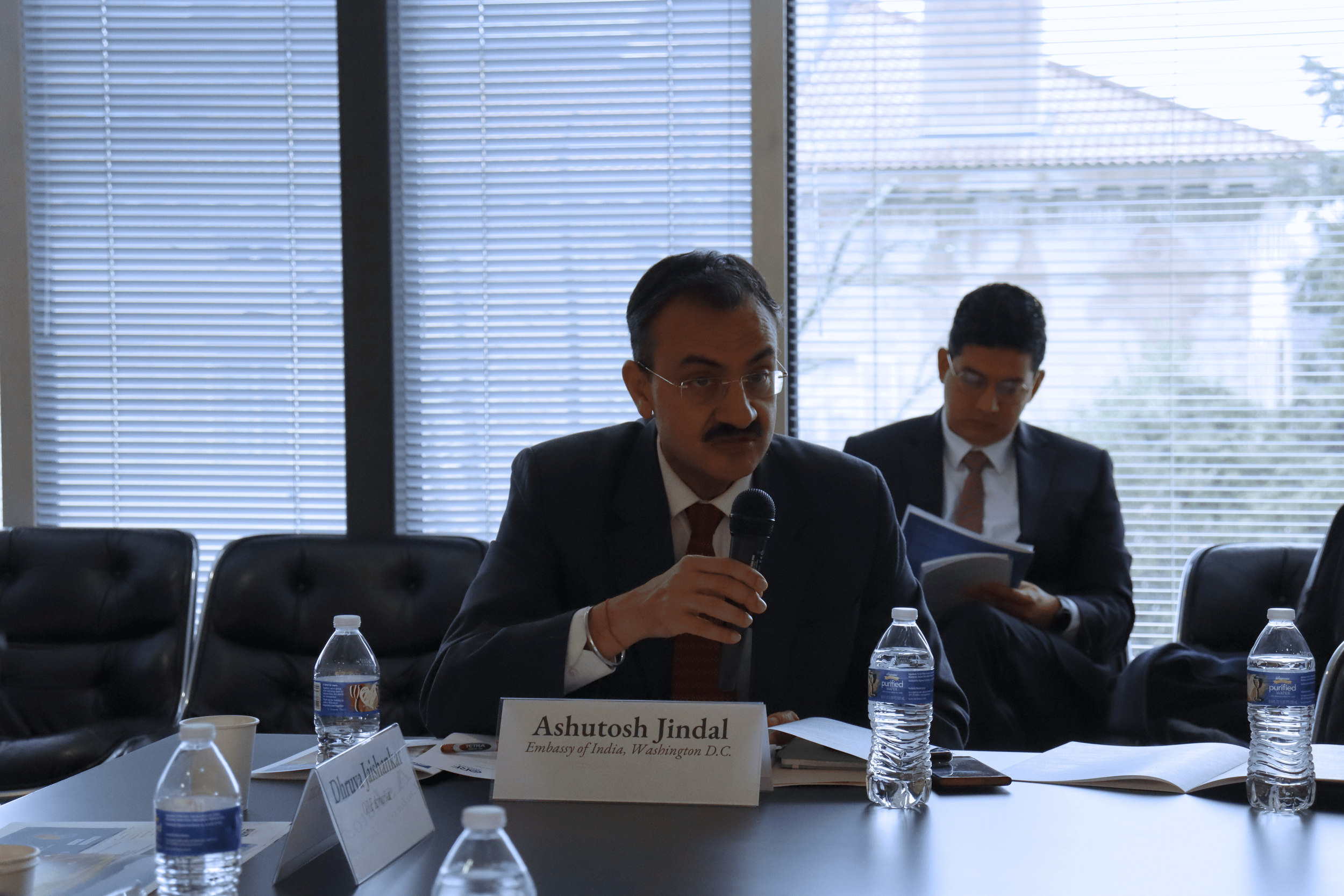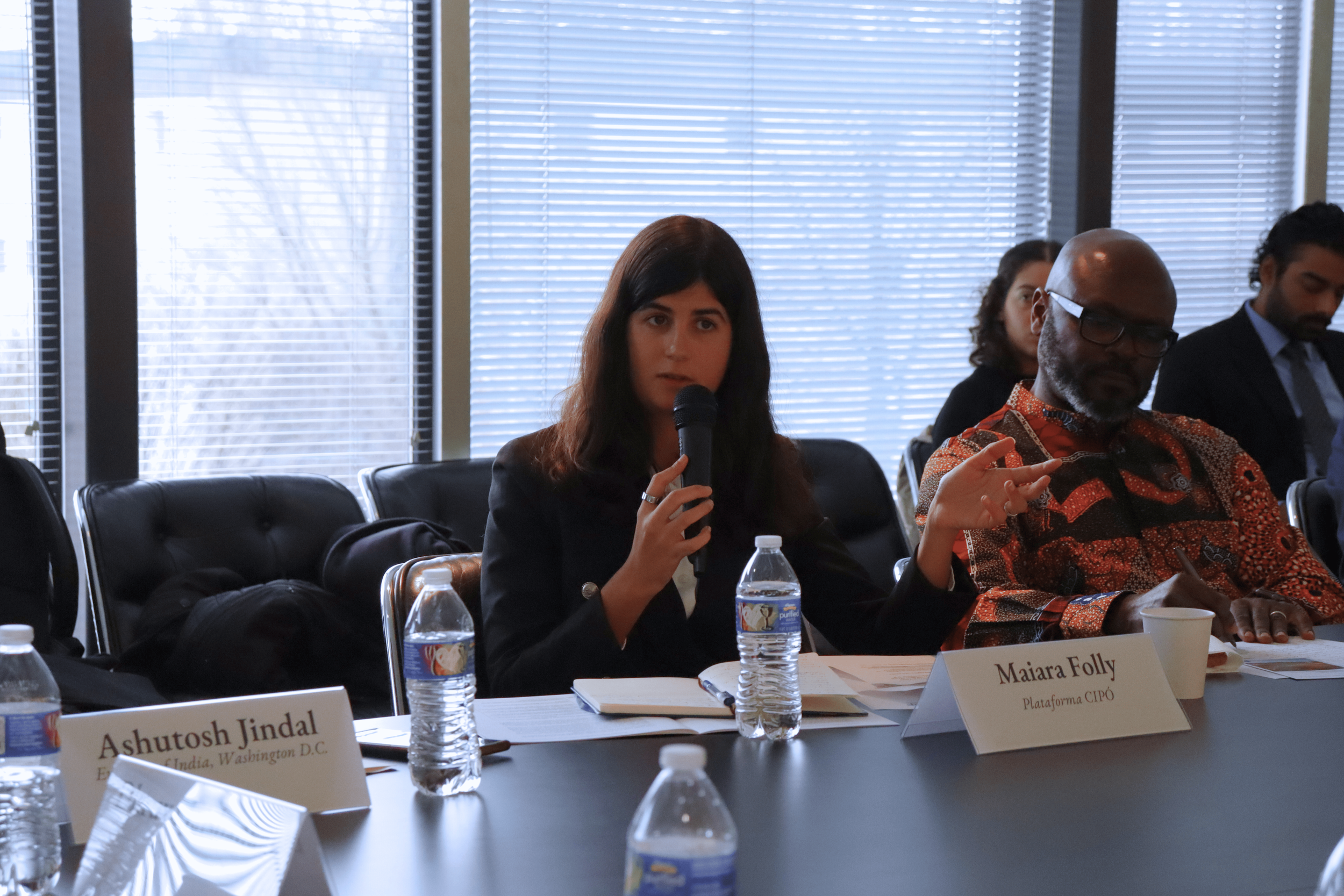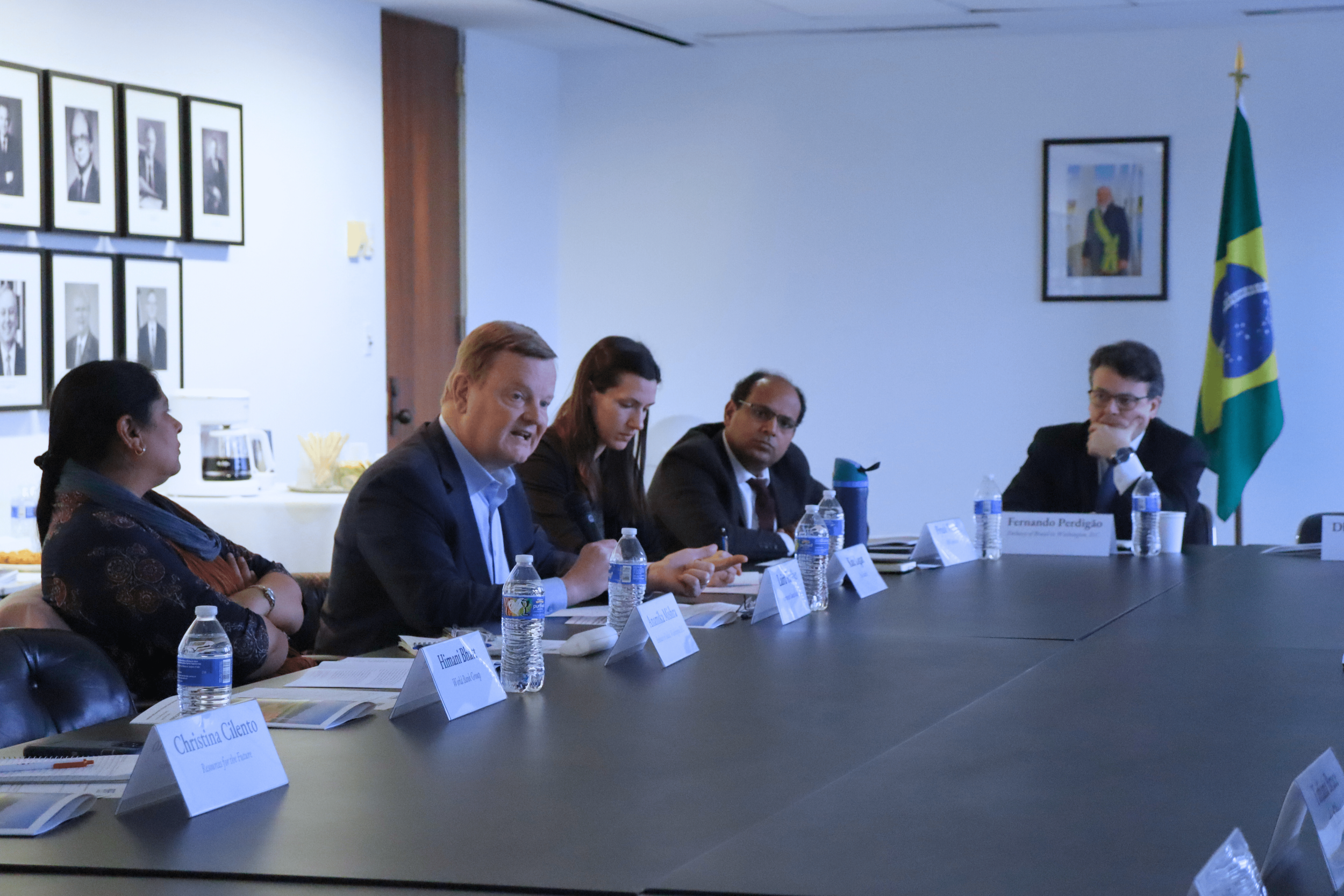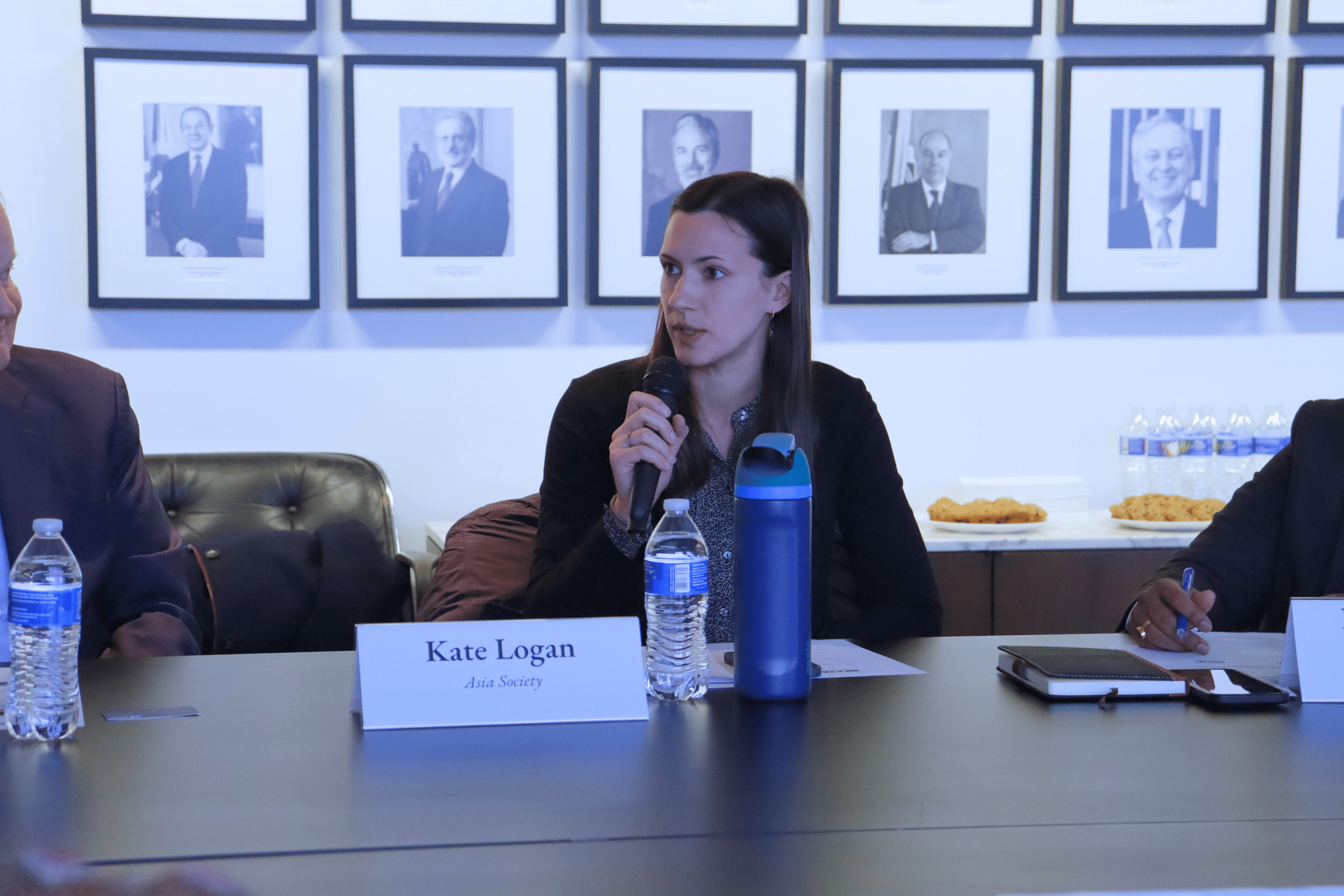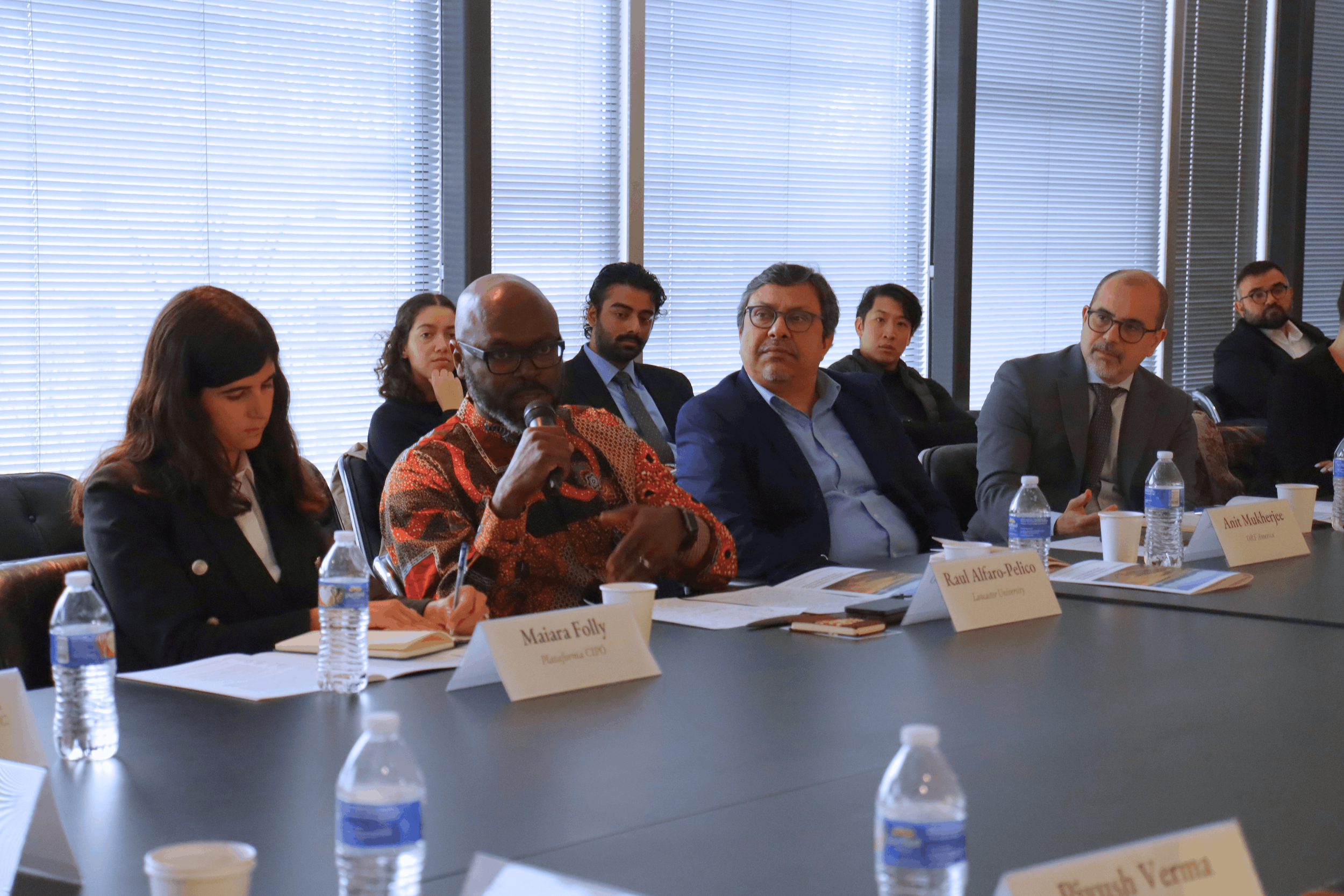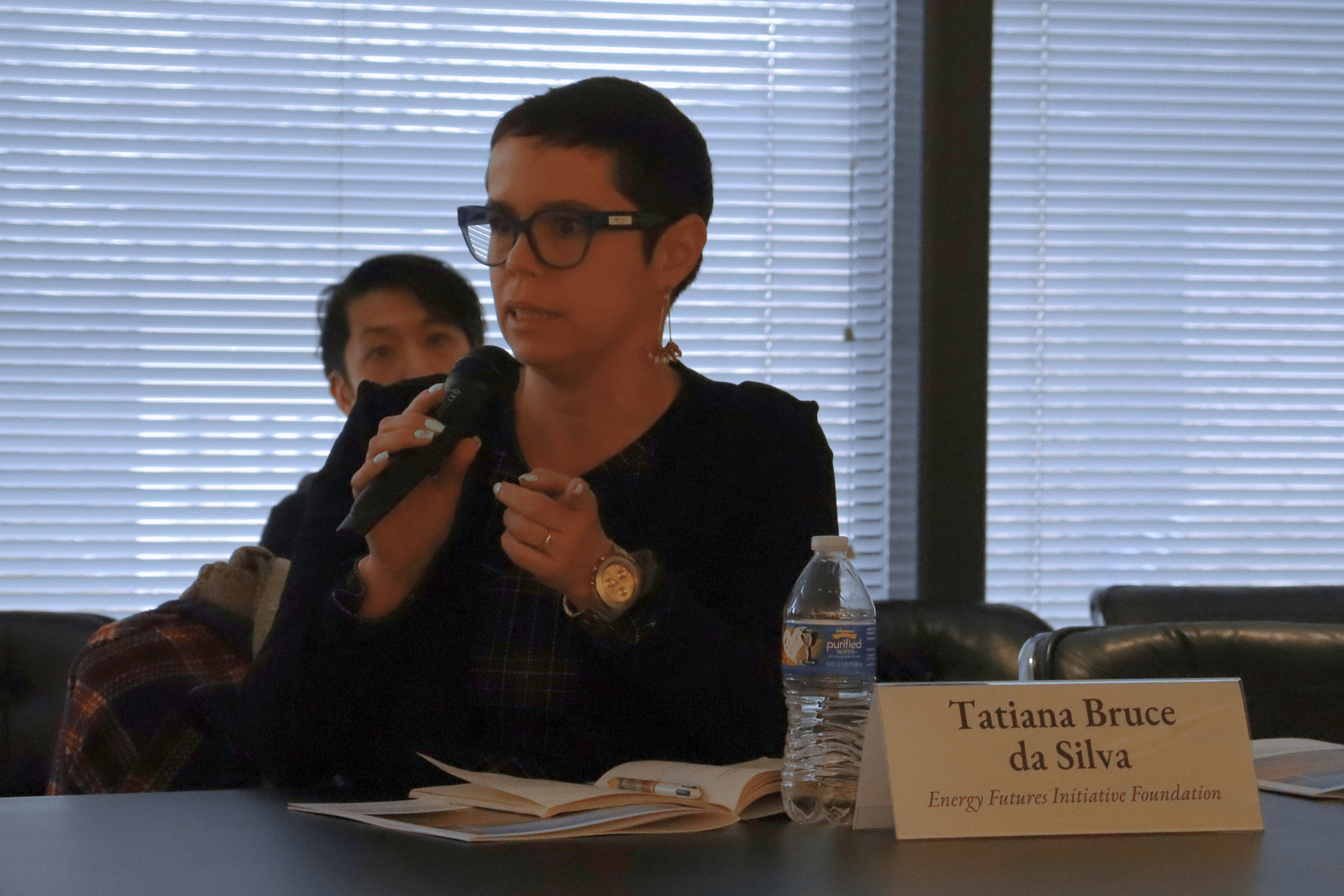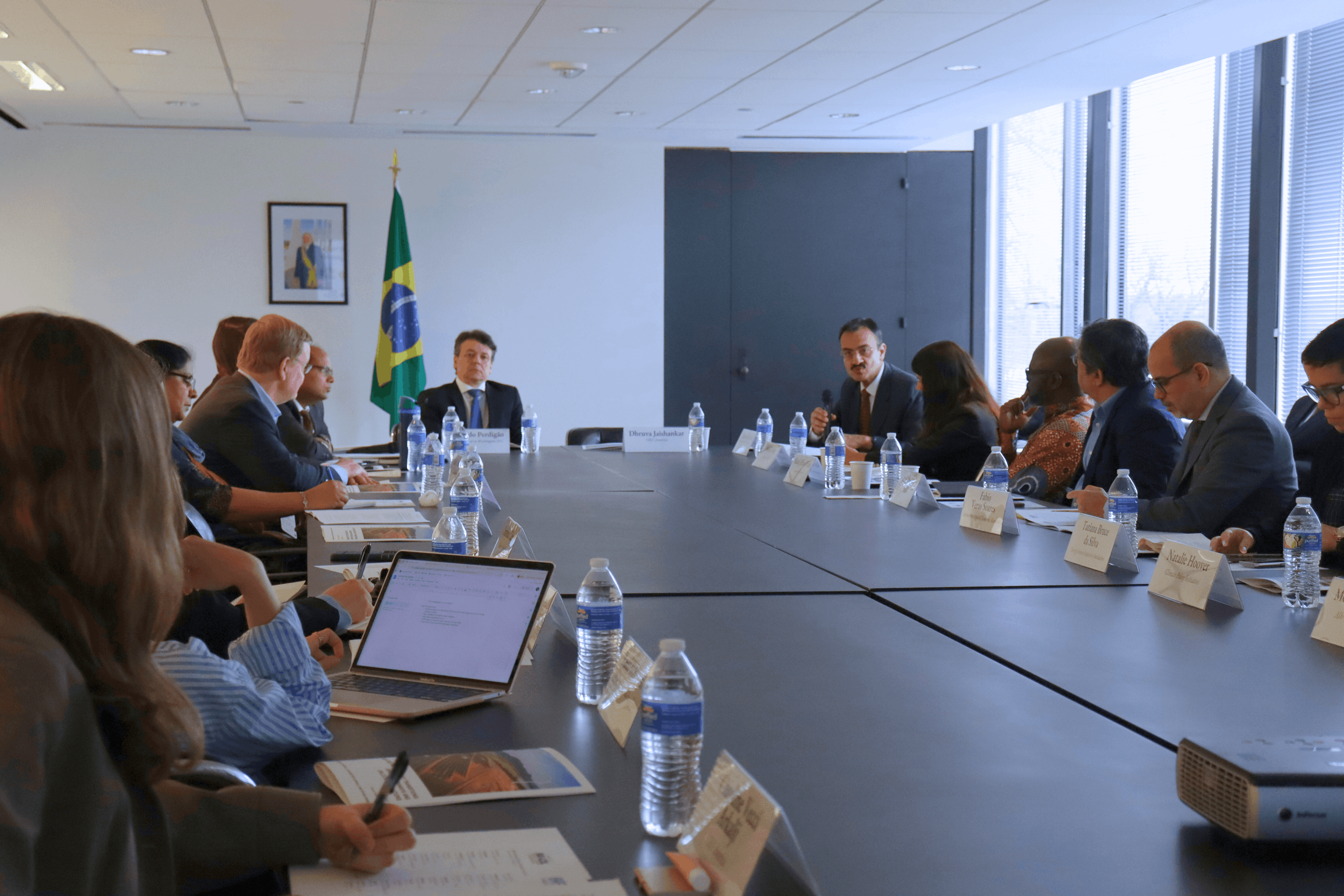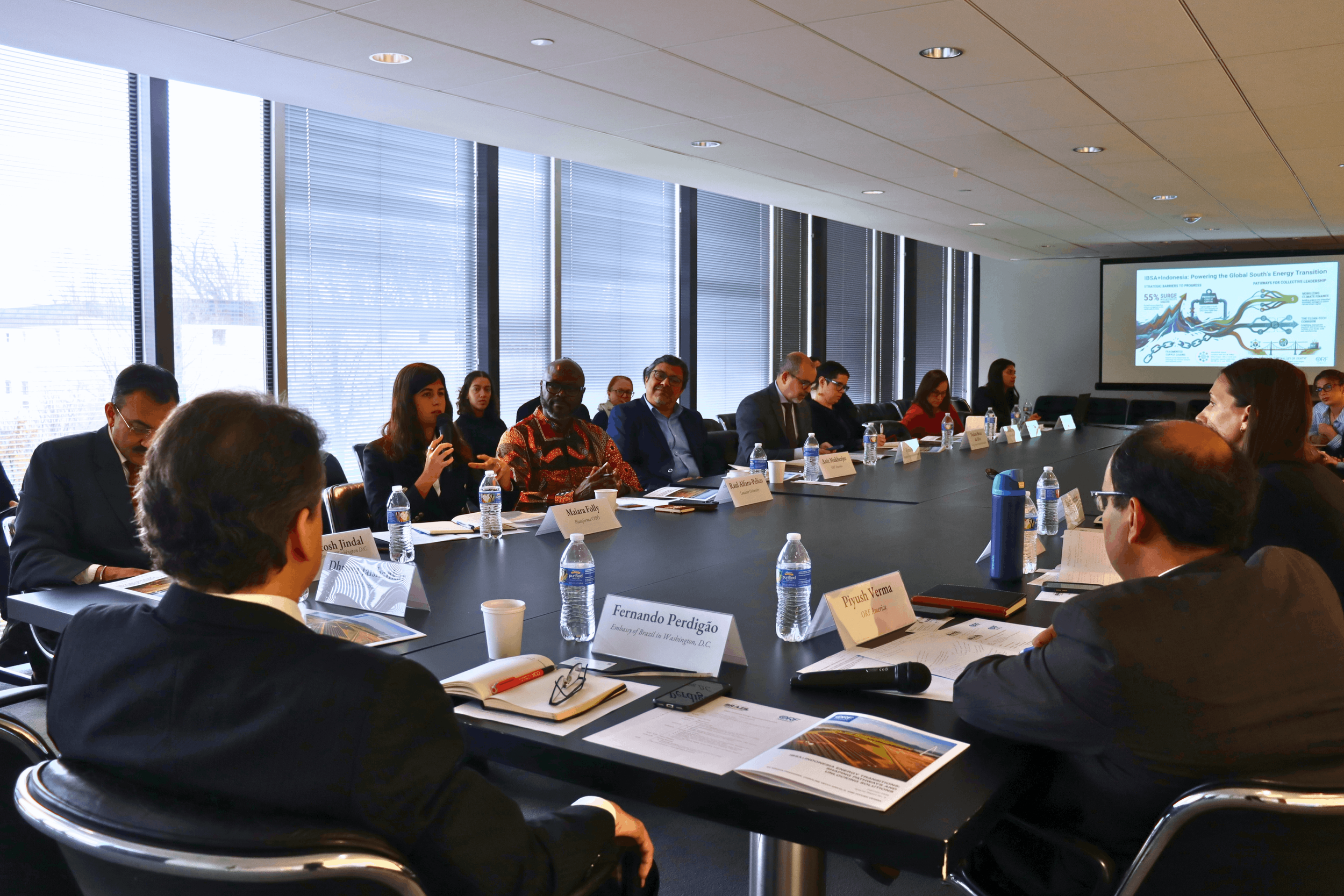
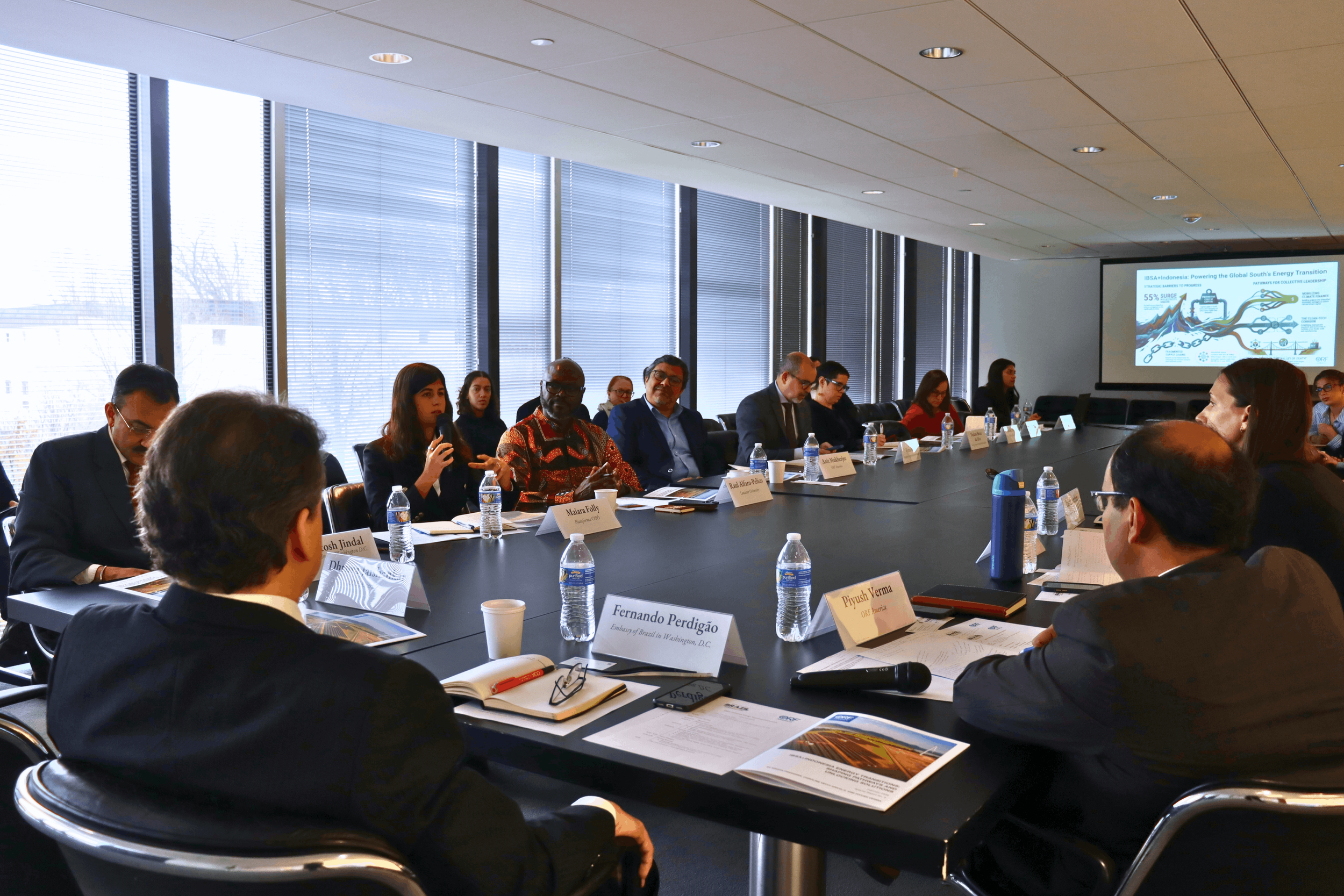
On February 20, ORF America convened a roundtable in collaboration with the Brazilian Embassy in Washington, DC to launch and present the findings of a special report outlining key action priorities and concrete pathways for IBSA+Indonesia coordination on green transitions. The discussion was part of the IBSA+ Indonesia Green Transitions Initiative, an effort launched in March 2025 to strengthen collaboration among India, Brazil, South Africa (IBSA), and Indonesia on clean energy transitions. Building on the momentum of consecutive IBSA+Indonesia G20 presidencies, this initiative seeks to embed Global South priorities in the global energy transition agenda and advance practical cooperation across climate finance, technology development, and industrial competitiveness.
The discussion brought together policymakers, industry leaders, and experts to explore how four large democracies, representing a combined GDP of nearly $8 trillion and approximately 25% of global output, can move from parallel national strategies to coordinated action. Participants emphasized that South–South cooperation is not optional but strategic, particularly as electricity demand across these economies is projected to increase by up to 55% over the next decade. Energy transition was framed not as a standalone climate track, but as a central driver of modernization, competitiveness, energy security, and industrial transformation.
The roundtable built on earlier IBSA+Indonesia dialogues on technology, supply chains, and skills gaps, while addressing key structural challenges — including high capital costs, fragmented diplomacy, supply chain vulnerabilities, and the risk of remaining raw-material exporters while importing higher-value clean technologies. Participants underscored the importance of diplomatic harmonization, financial architecture reform, coordinated trade instruments, and innovation partnerships to ensure that the Global South emerges as a co-architect of the global energy future. Some of the key highlights from the discussion are:
Climate and energy policy cannot be decoupled from trade architecture. Several speakers underscored that rules governing tariffs, subsidies, carbon standards, and local content are increasingly shaping clean energy competitiveness. Brazil’s COP30 ambition to link climate leadership with trade and green industrial policy was highlighted as a model of this integration. There was broad agreement that IBSA+Indonesia should explore preferential clean tech trading arrangements among the four countries, while also engaging proactively in global trade discussions to ensure that emerging frameworks support industrial upgrading in the Global South rather than constrain it. There was strong agreement that energy transition diplomacy must extend beyond climate negotiations into trade and economic institutions such as the WTO.
Public procurement as one of the most powerful yet underleveraged tools for accelerating clean industrialization. Given that public procurement can represent 13–20% of GDP in some member countries, participants noted its potential to create early demand for green steel, green concrete, battery storage, and other clean technologies. The discussion underscored that coordinated procurement standards across IBSA+Indonesia could send strong market signals, de-risk private investment, and anchor domestic manufacturing ecosystems.
Disproportionately high cost of capital across emerging economies, often estimated to be up to three times higher than in advanced markets. Participants emphasized that inflated country risk premiums and fragmented financial architecture trap projects in a cycle of delayed deployment and higher hurdle rates. Several speakers noted that finance debates often occur in isolation from implementation realities, such as grid expansion, permitting processes, and storage deployment. There was consensus that aggregated project pipelines, bundled MSME initiatives, and innovative instruments — including domestic currency financing mechanisms and the strategic use of carbon pricing revenues — could help reprice perceived risk and unlock scalable investment.
Fragmented data standards and inconsistent reporting undermine investor confidence and complicate cross-border coordination. Reliable, interoperable energy data, alongside harmonized certification and carbon accounting frameworks, was seen as essential for accurate risk assessment, benchmarking, and market access. Speakers underscored that without aligned green taxonomies and common standards for hydrogen, batteries, clean steel, and responsibly sourced critical minerals, even competitive manufacturers struggle to scale regionally. Greater transparency and coordinated standards would lower transaction costs, strengthen credibility, and position IBSA+Indonesia as a trusted bloc in global clean energy markets.
Transition should be framed around building clean industries rather than solely around phasing out fossil fuels. Speakers emphasized that renewable scale-up, geothermal expansion, green hydrogen, and resilient grids represent engines of economic modernization. India’s renewable expansion, Indonesia’s geothermal leadership, South Africa’s REIPPP mobilization, and Brazil’s integration of climate with trade policy were cited as evidence that clean energy strengthens energy security, reduces import dependence, and enhances long-term competitiveness. The consensus was clear: a development-first, industry-building approach offers a more affirmative and politically durable pathway for the Global South.
Speakers
Welcome Remarks: Fernando Perdigão, Counselor, Energy, Environment, and Critical Minerals, Embassy of Brazil in Washington, D.C.
Dhruva Jaishankar, Executive Director, ORF America
Ashutosh Jindal, Embassy of India, Washington D.C.
Laird Treiber, Corporate Council on Africa
Maiara Folly, Plataforma CIPÓ
Kate Logan, Asia Society
Medha Prasanna, Program Coordinator and Junior Fellow, ORF America
Caroline Arkalji, Research Assistant, ORF America
Moderator: Piyush Verma, Senior Fellow, ORF America
Participants
Edgar Aguilar, Energy Futures Initiative Foundation
Raul Alfaro-Pelico, Lancaster University
Tatiana Bruce da Silva, Energy Futures Initiative Foundation
Kaysie Brown, Third Generation Environmentalism (E3G)
Christina Cilento, Resources for the Future
Kalina Gibson, Center for American Progress
Arya Harsono, World Resources Institute
Melissa J. Kopolow, Albright Stonebridge Group
Anamika Mishra, Embassy of India, Washington D.C.
Amin Mohseni, American University
Anit Mukherjee, ORF America
Sarah Salah, ORF America
Abhinav Subramaniam, Center for Strategic and International Studies (CSIS)
Fabio Veras Soares, Institute for Applied Economic Research
Courtney Weatherby, Stimson Center