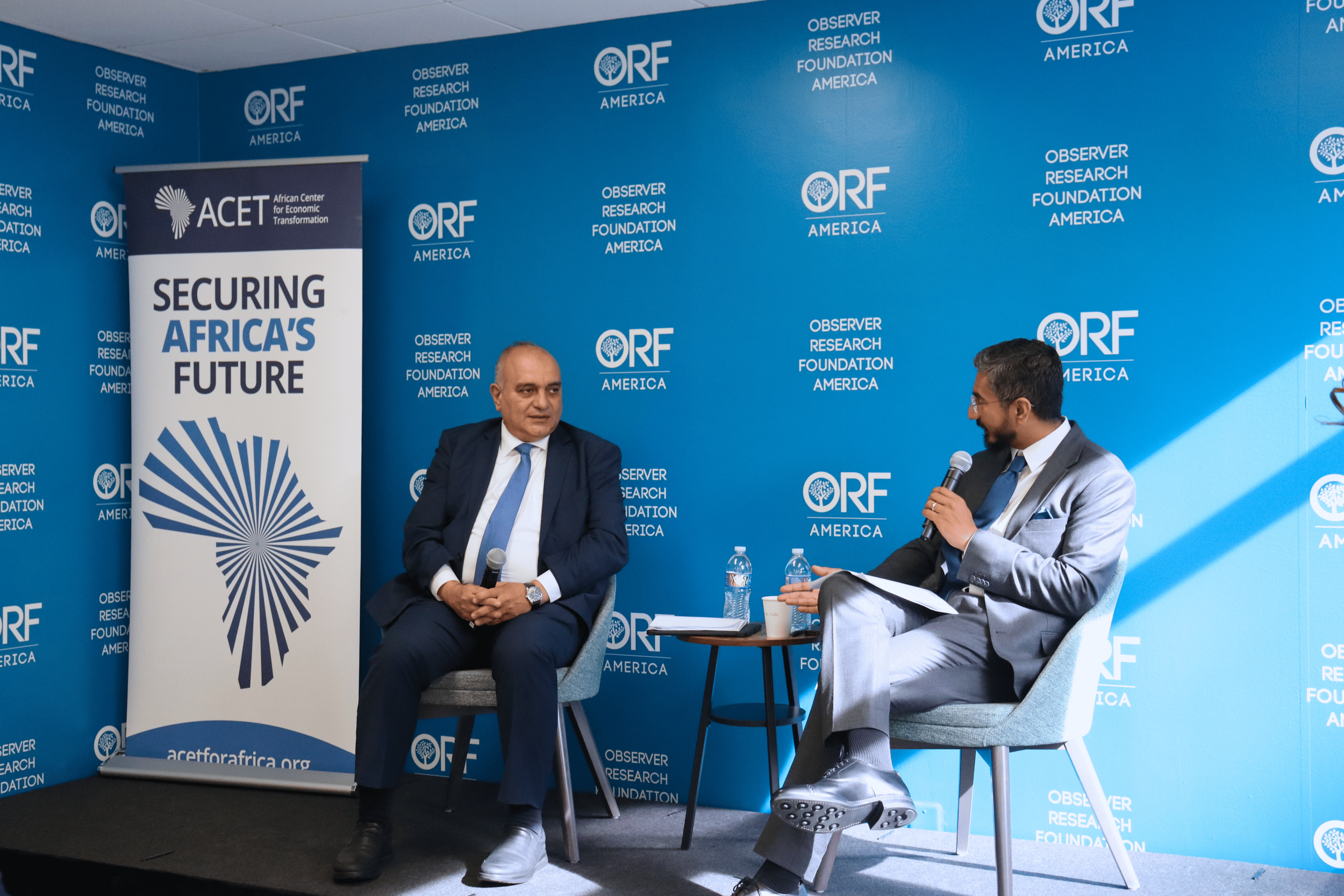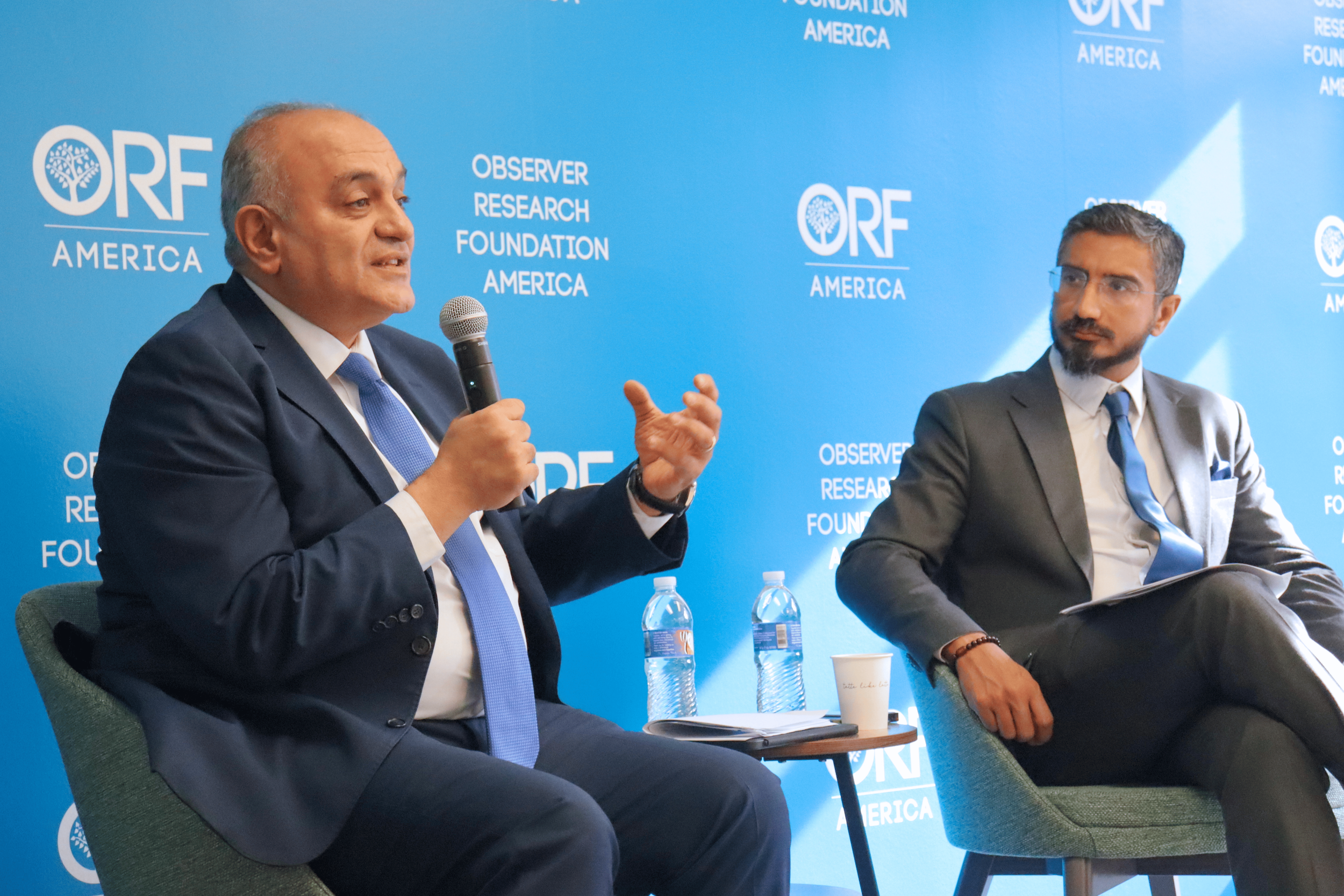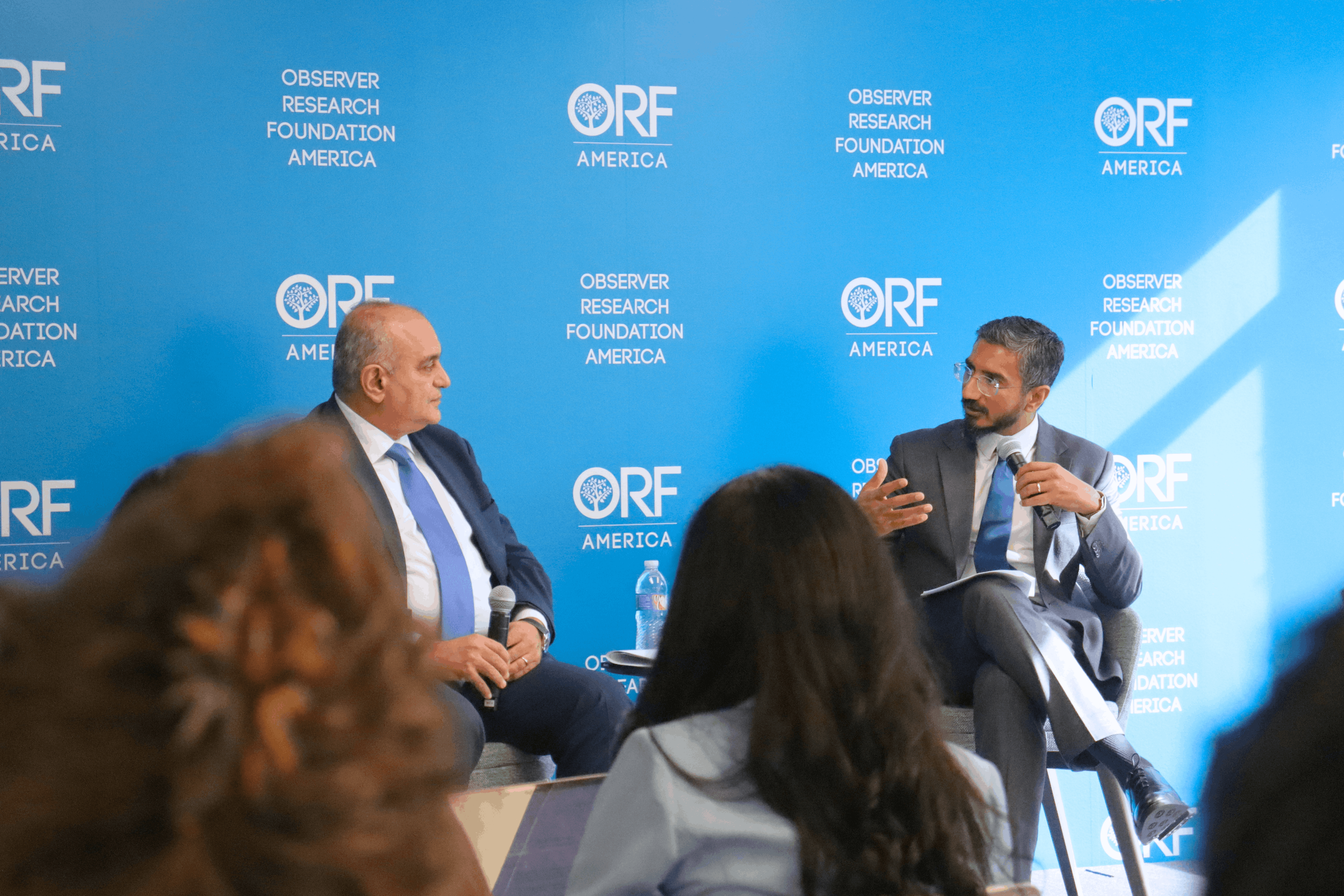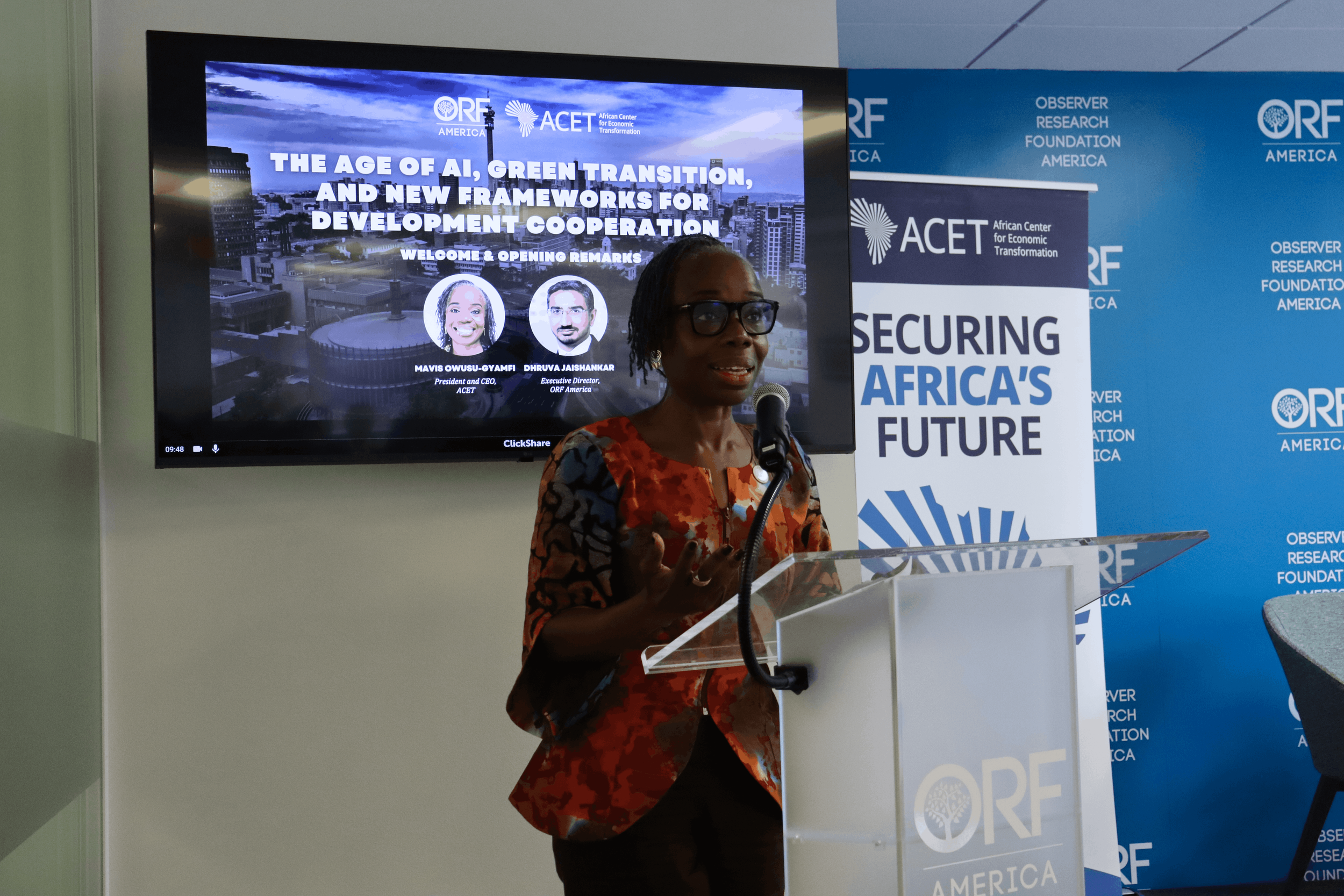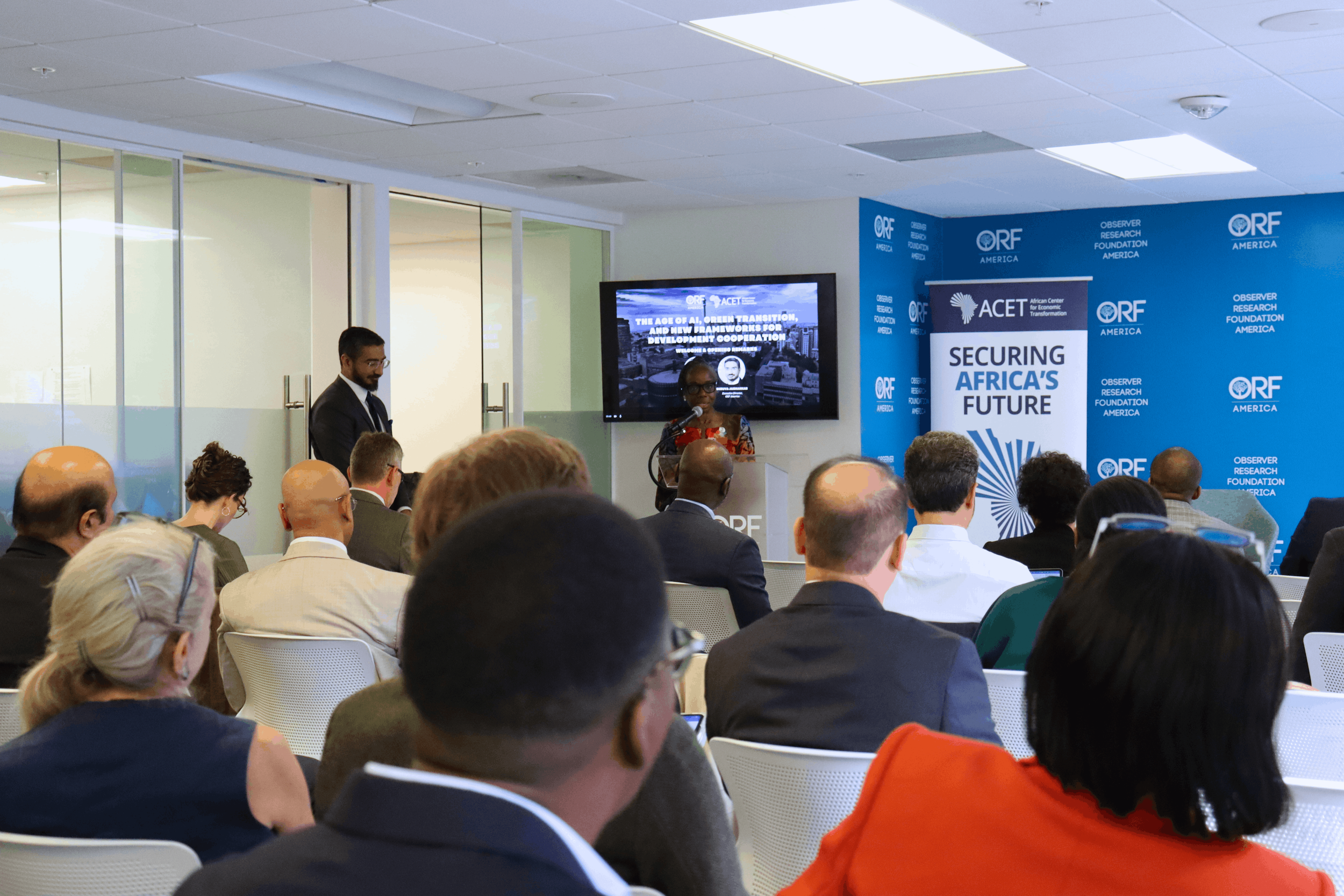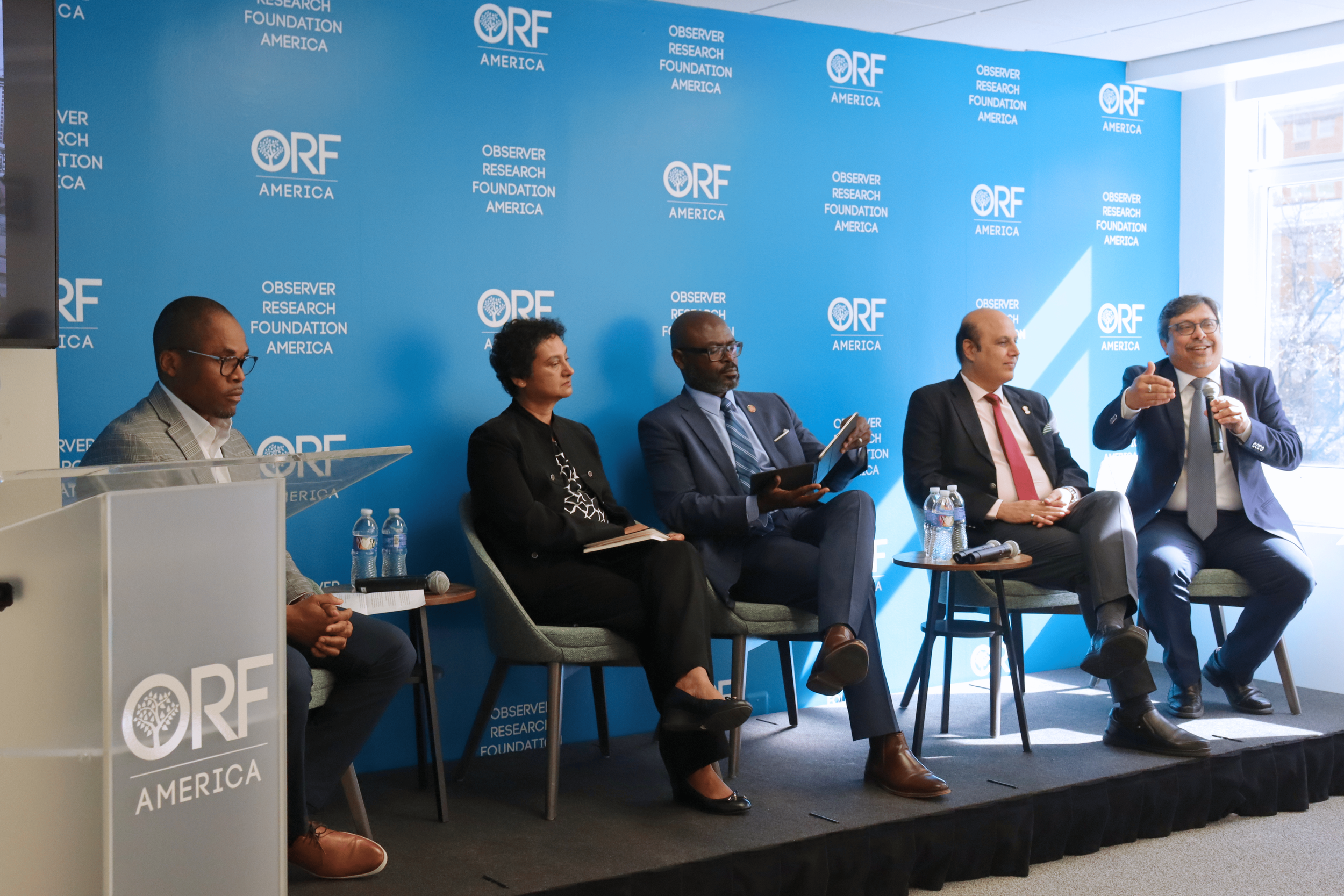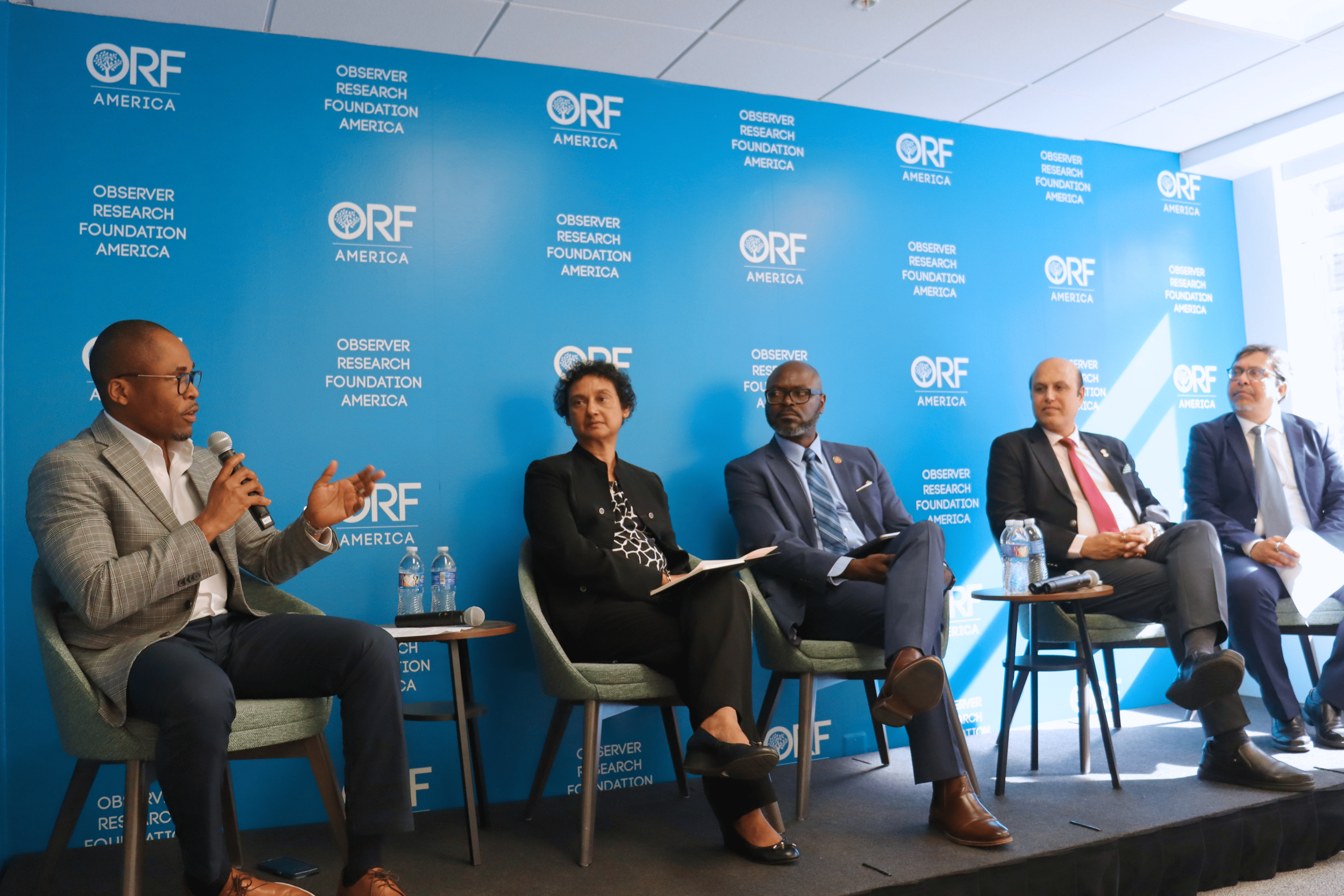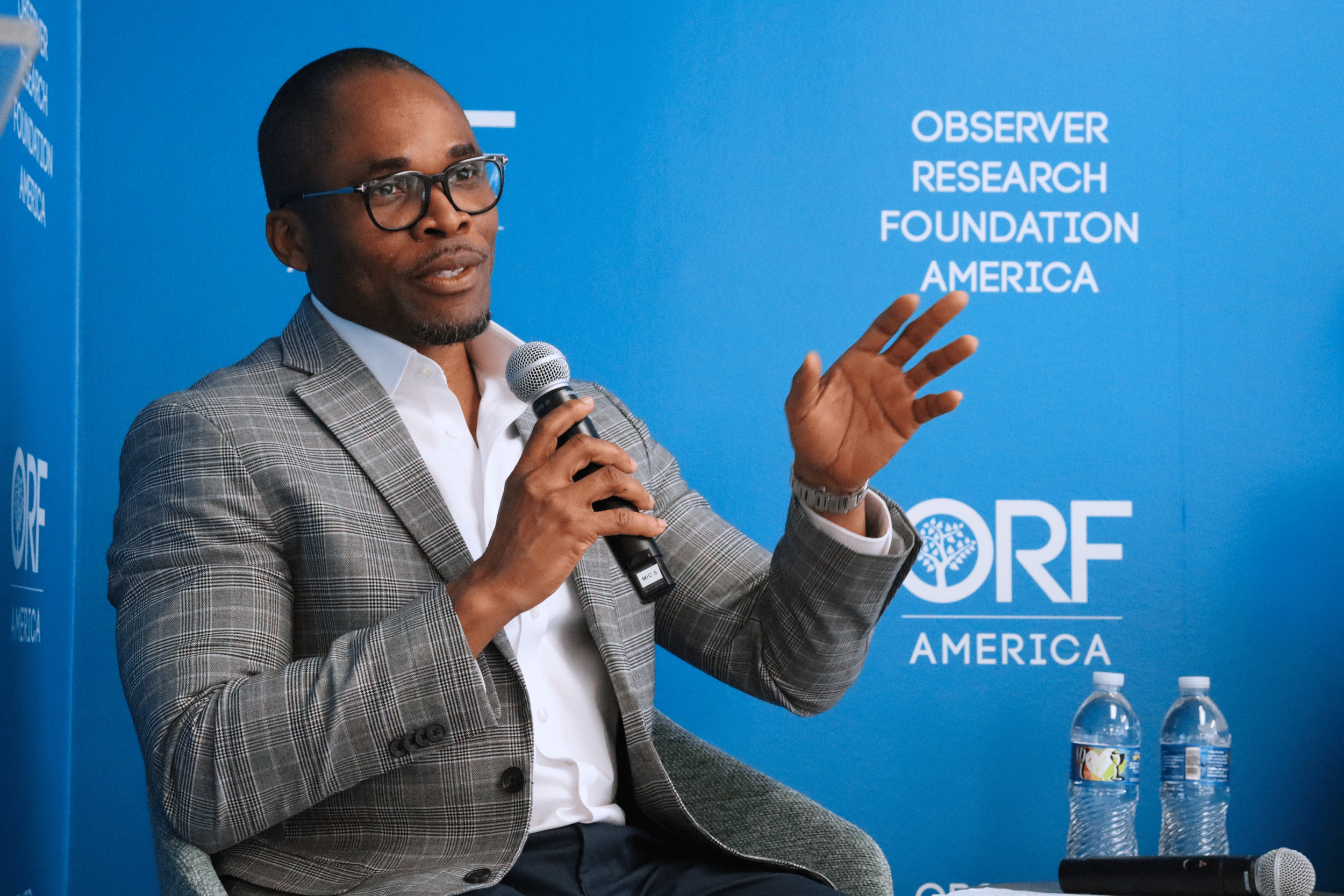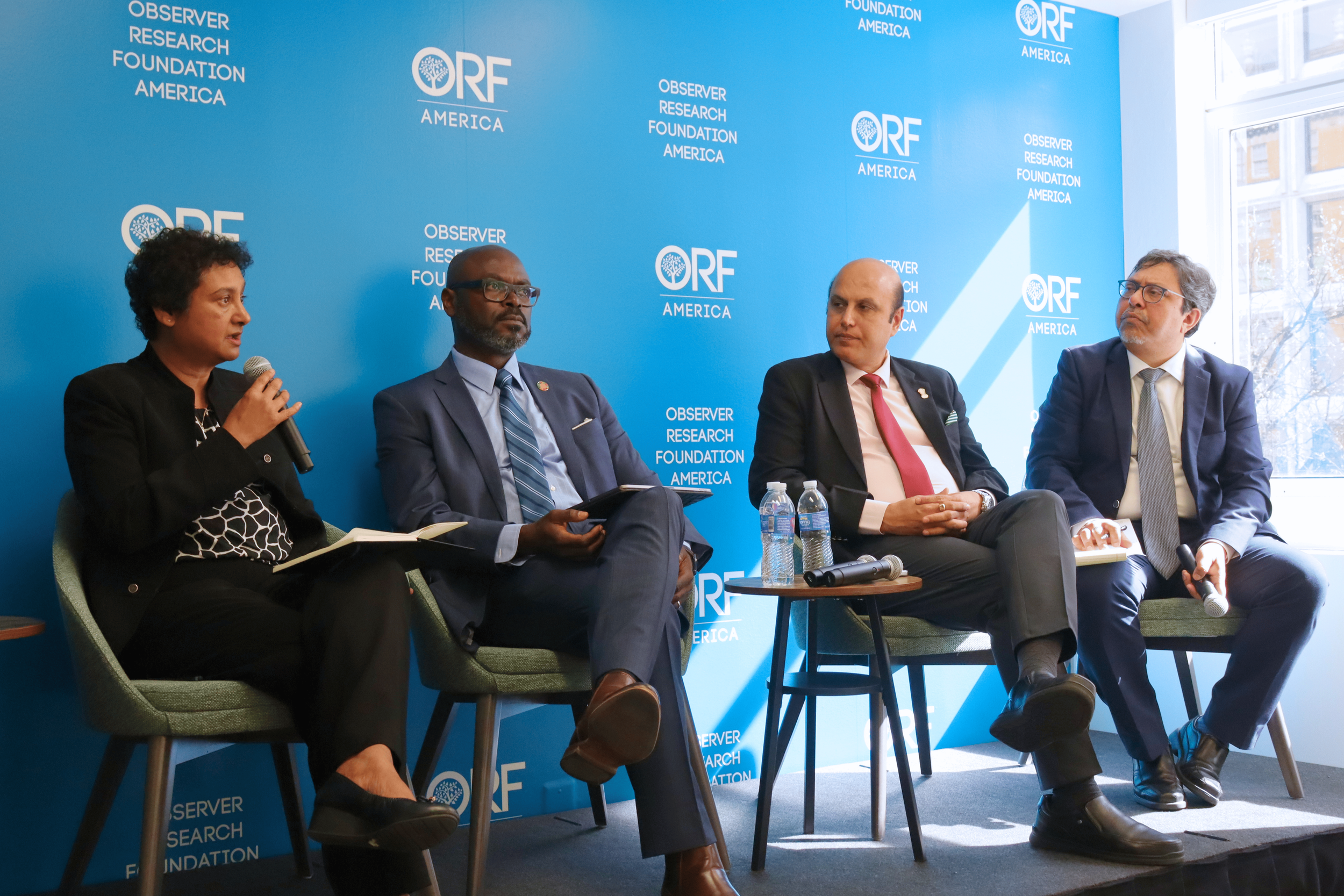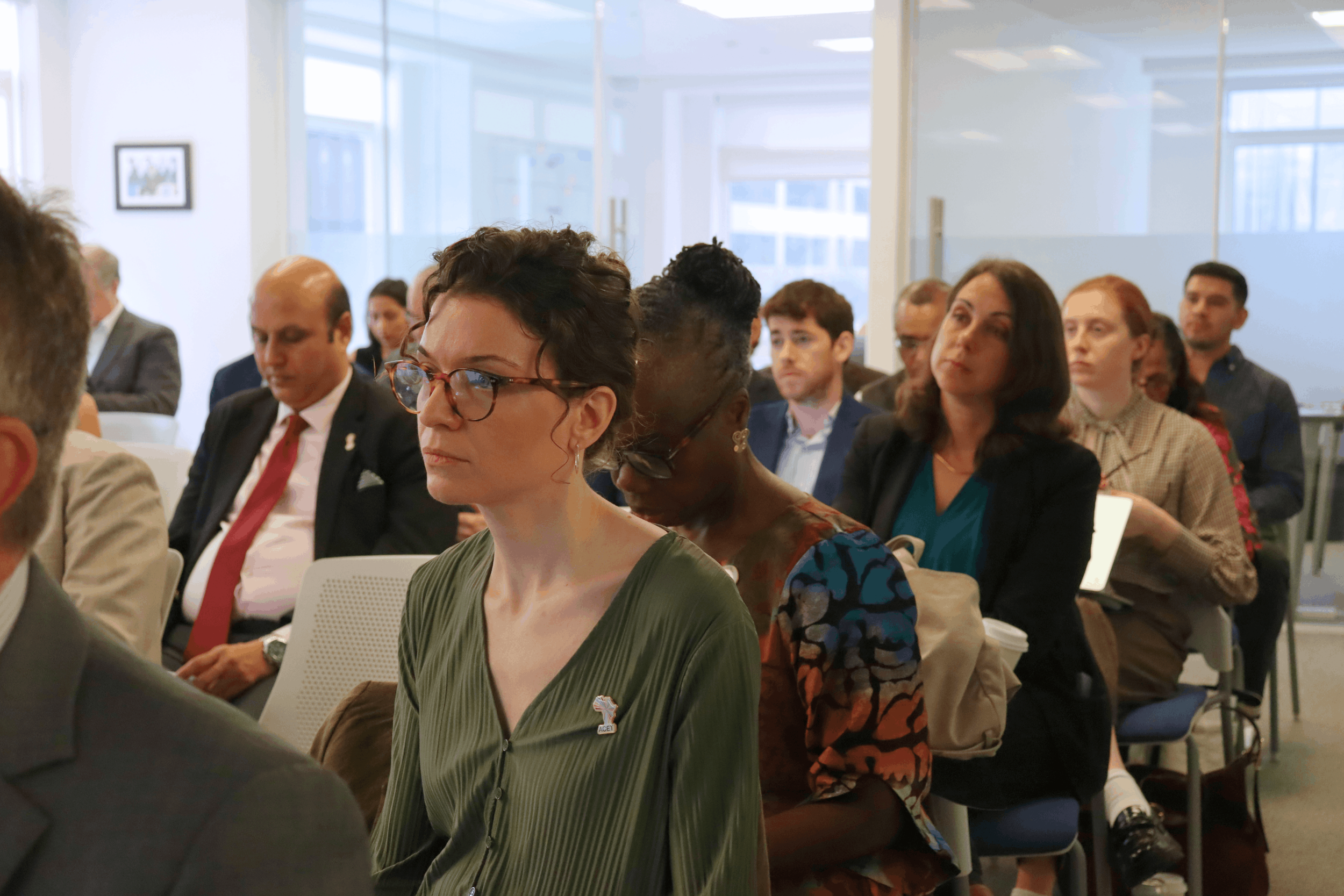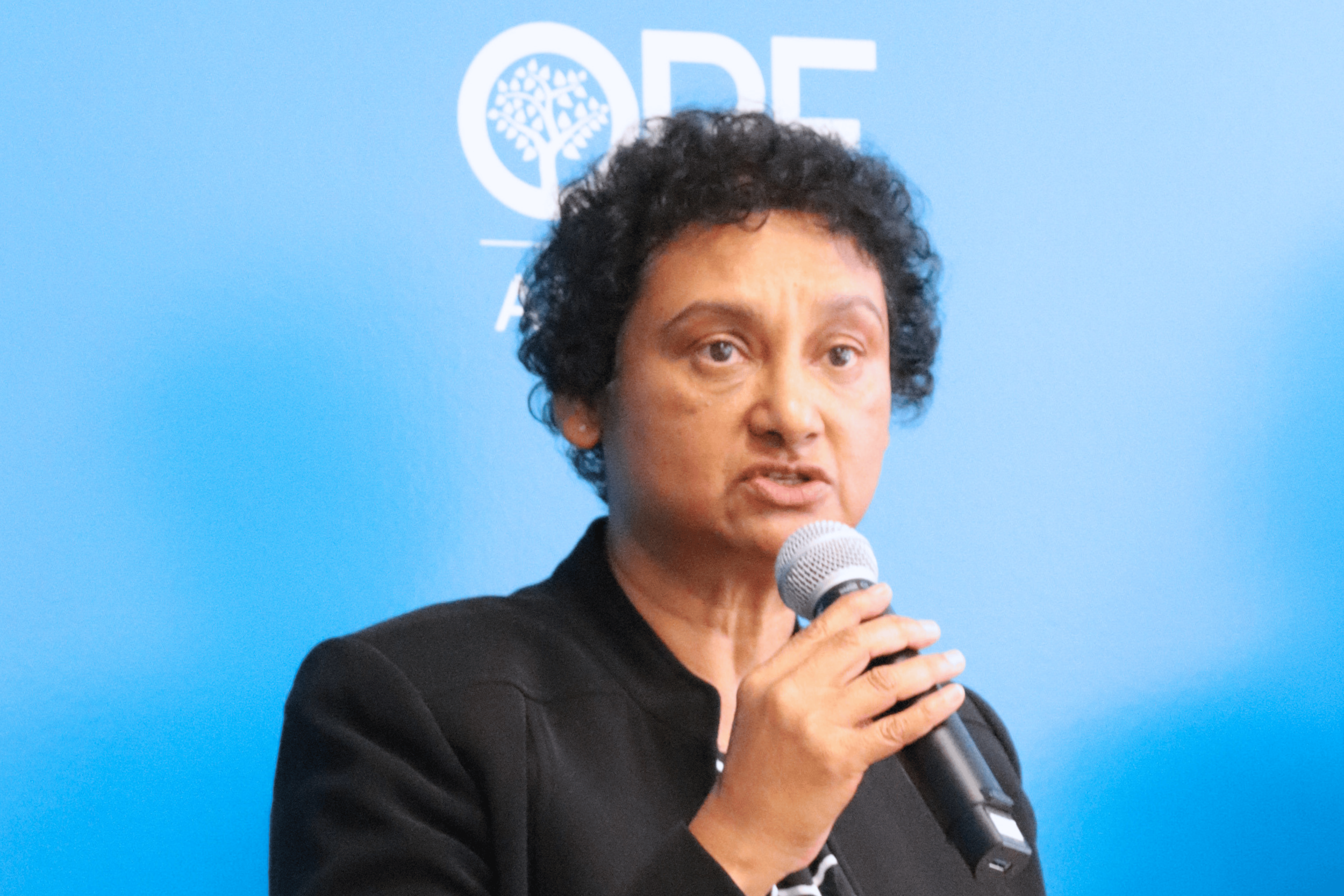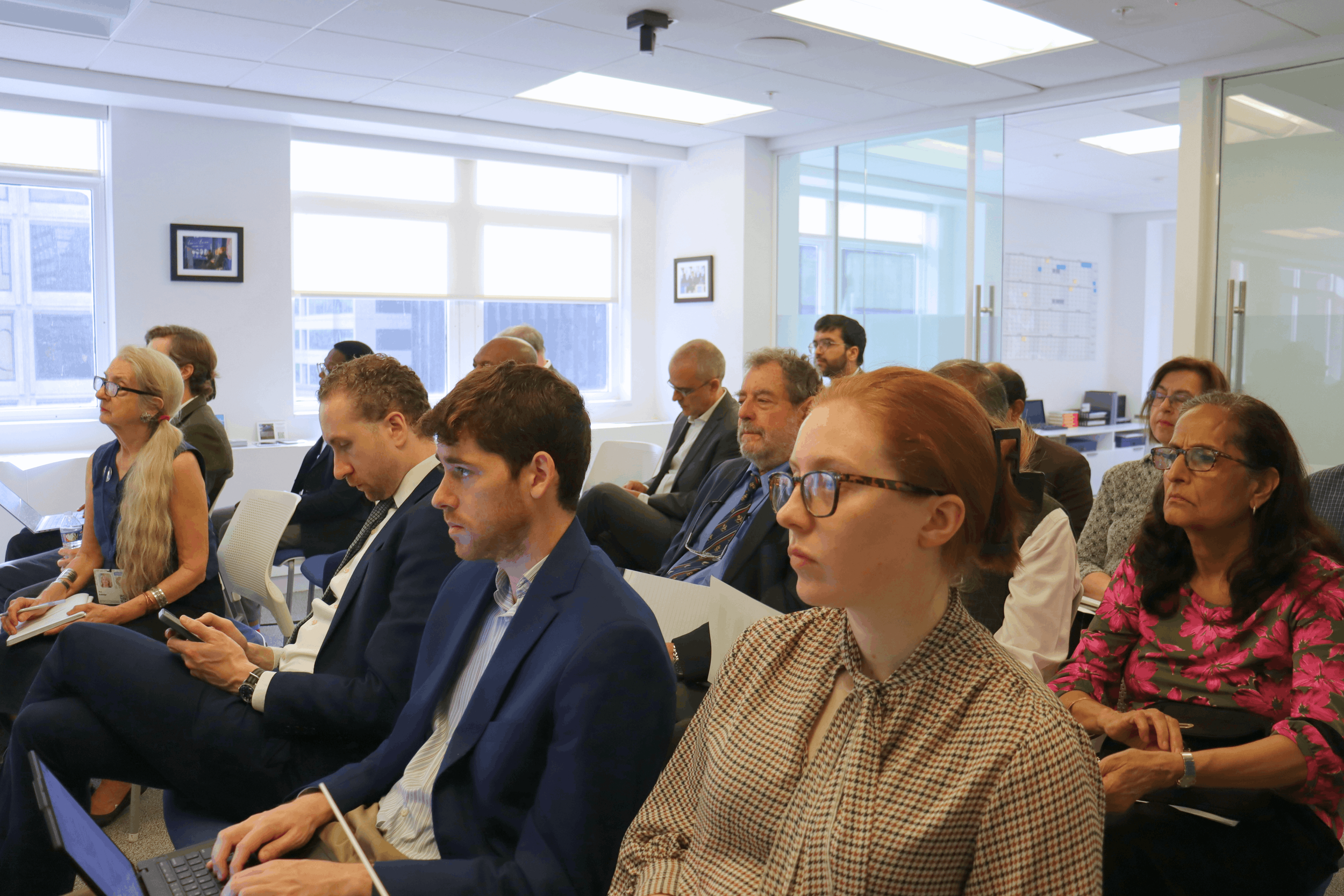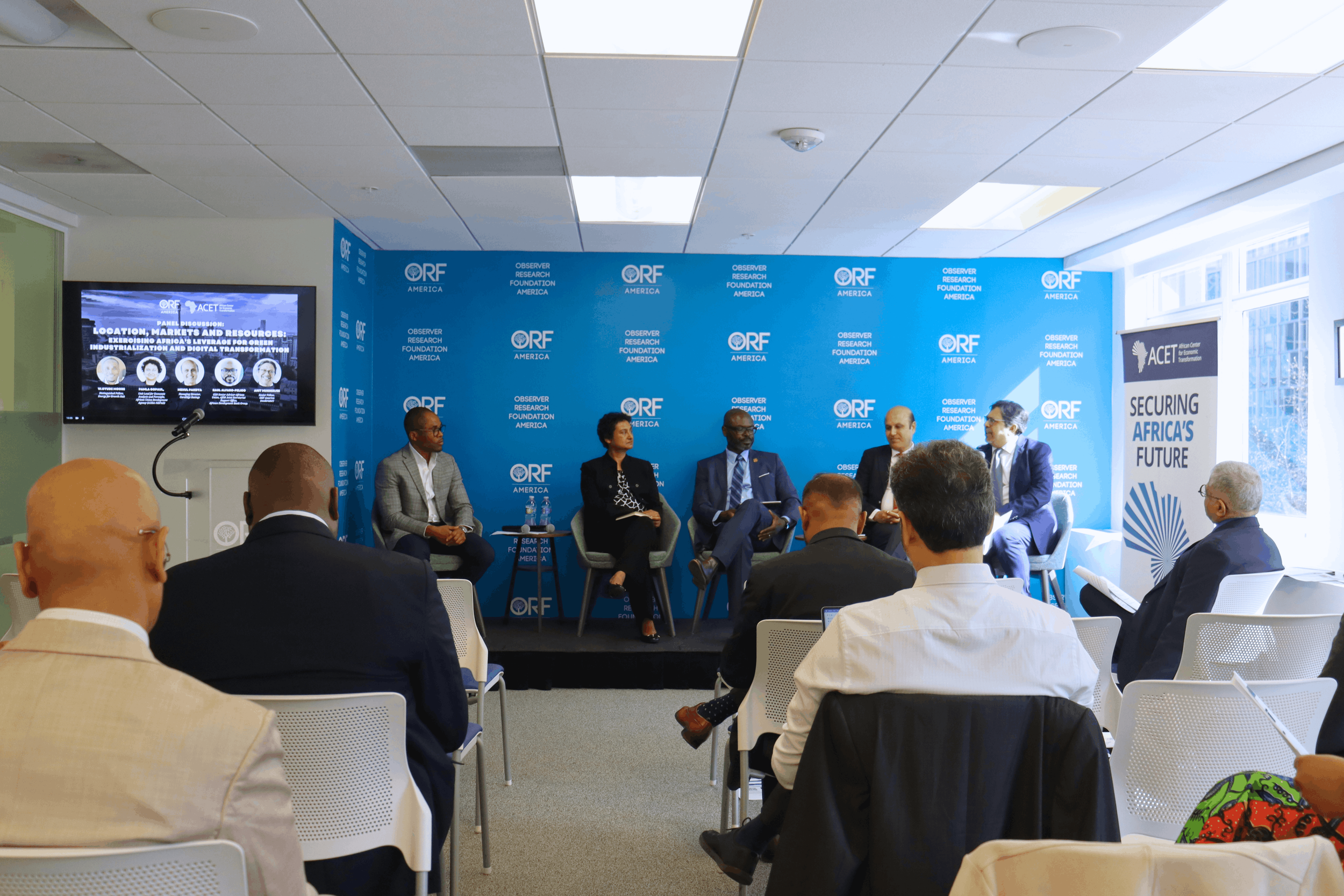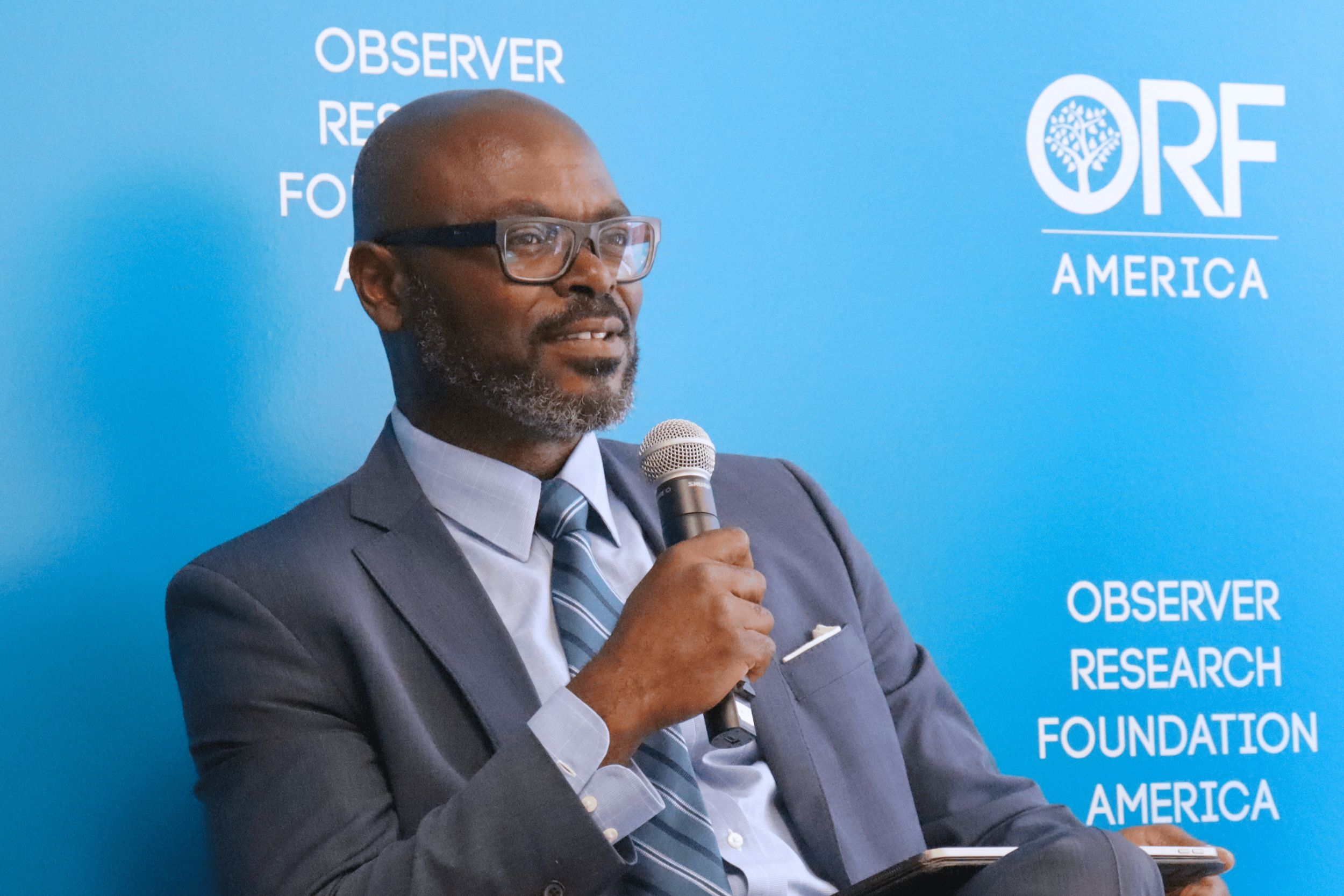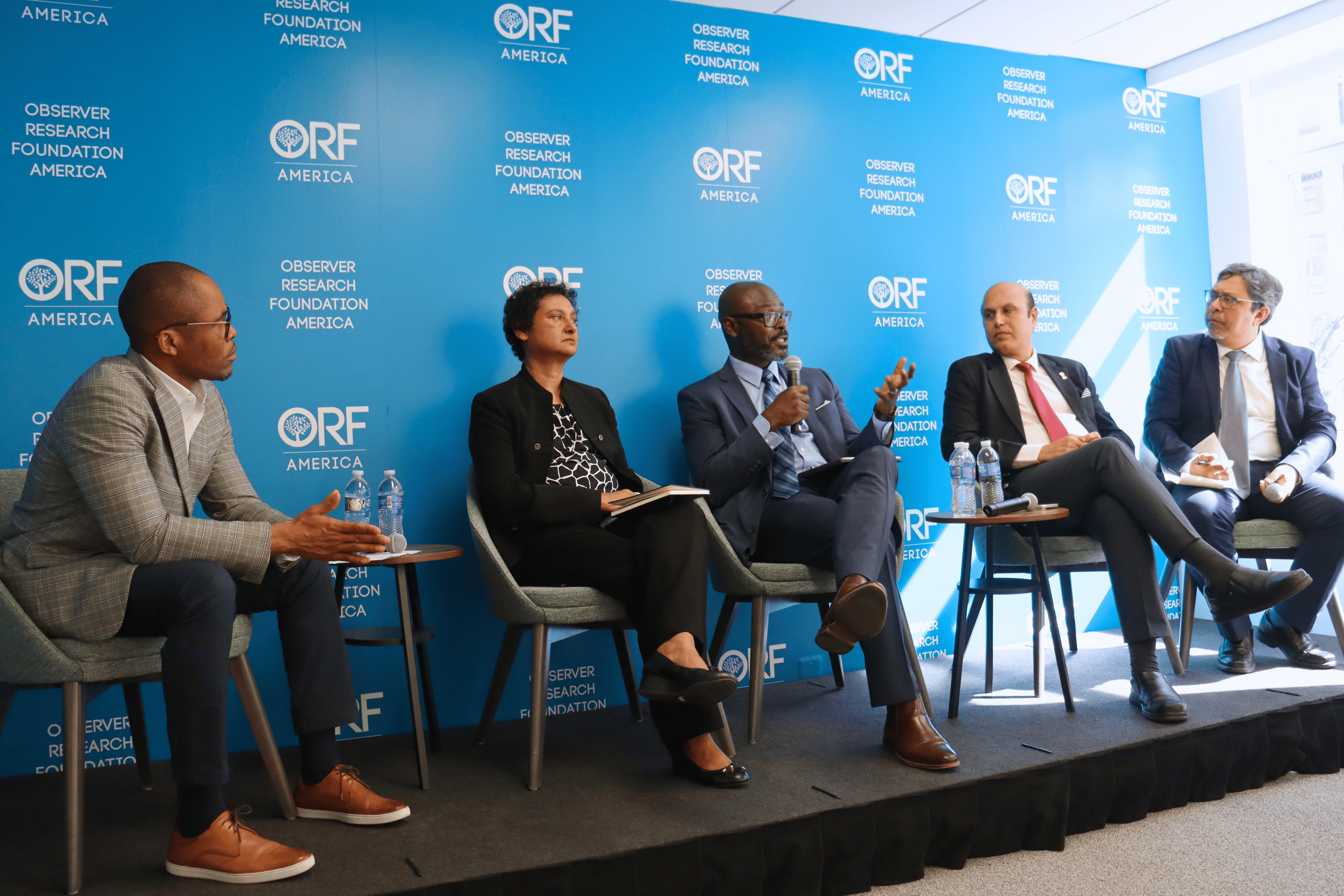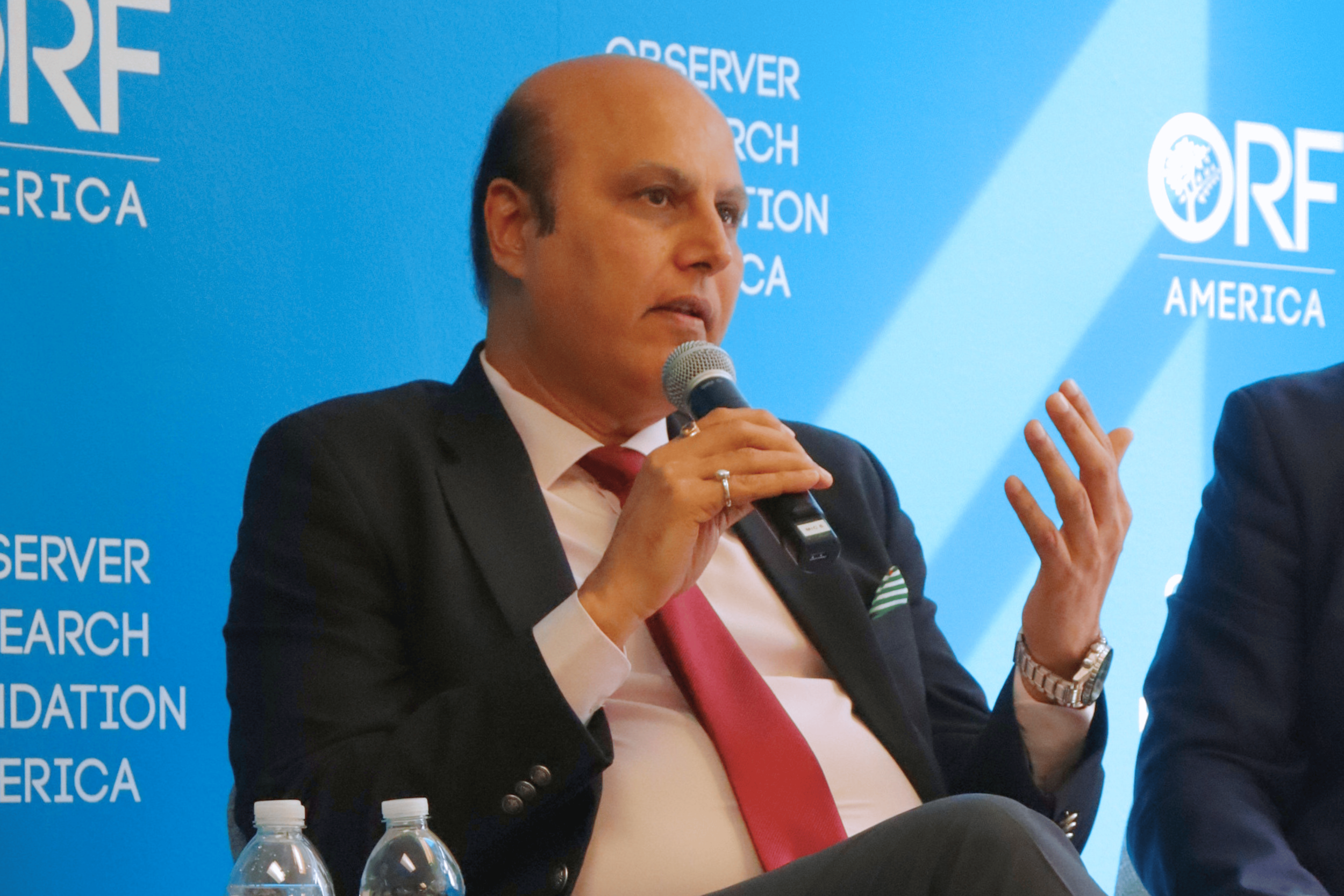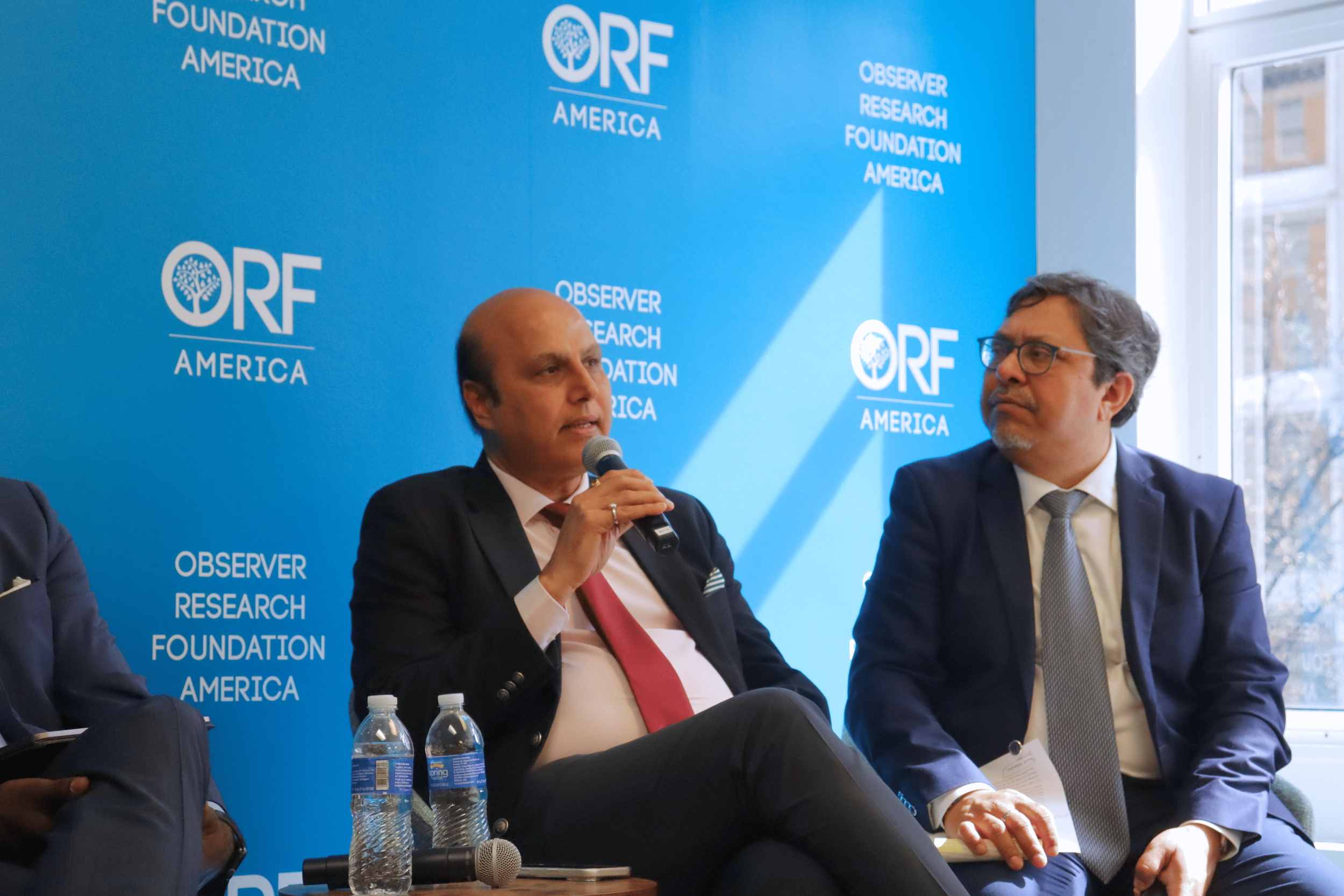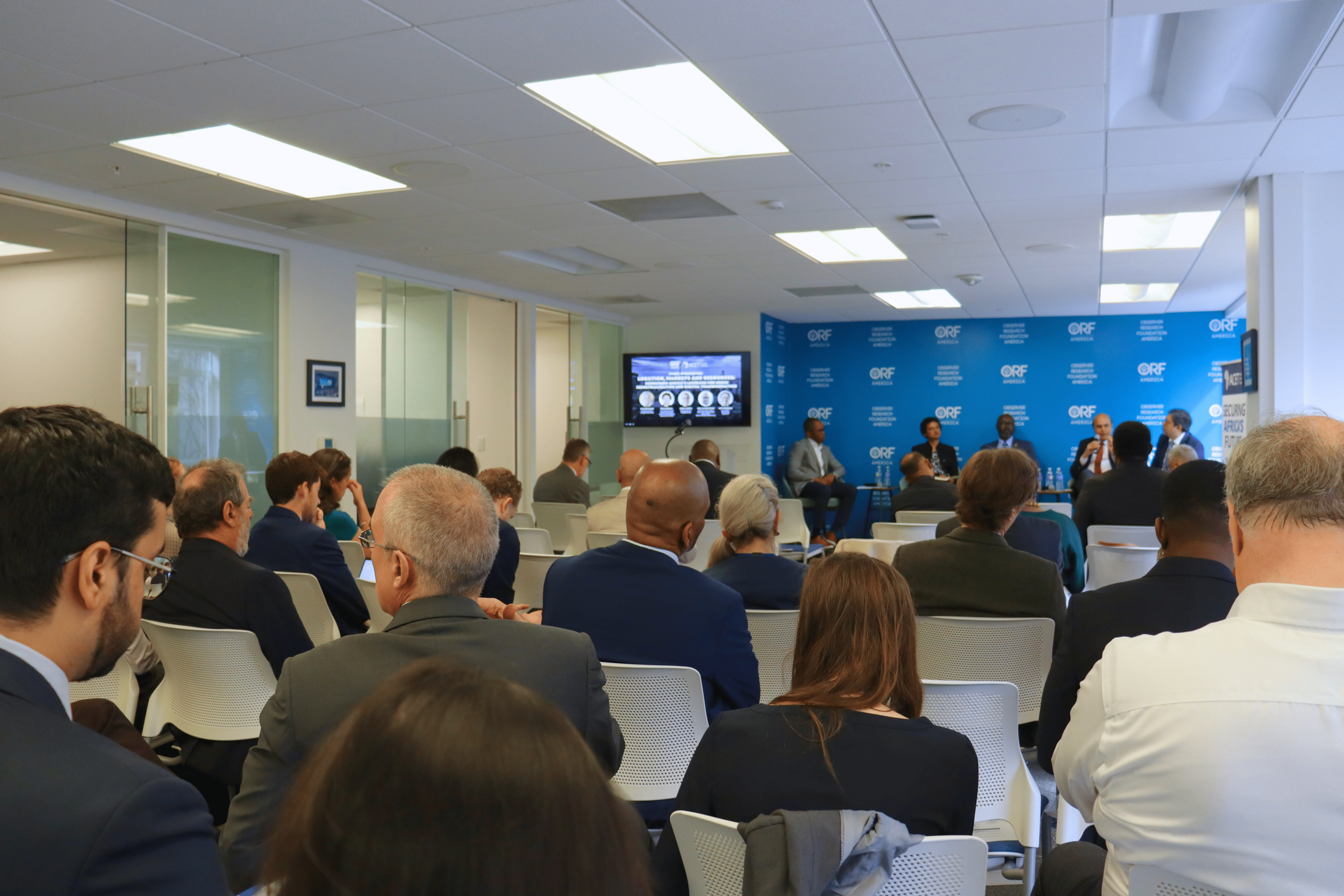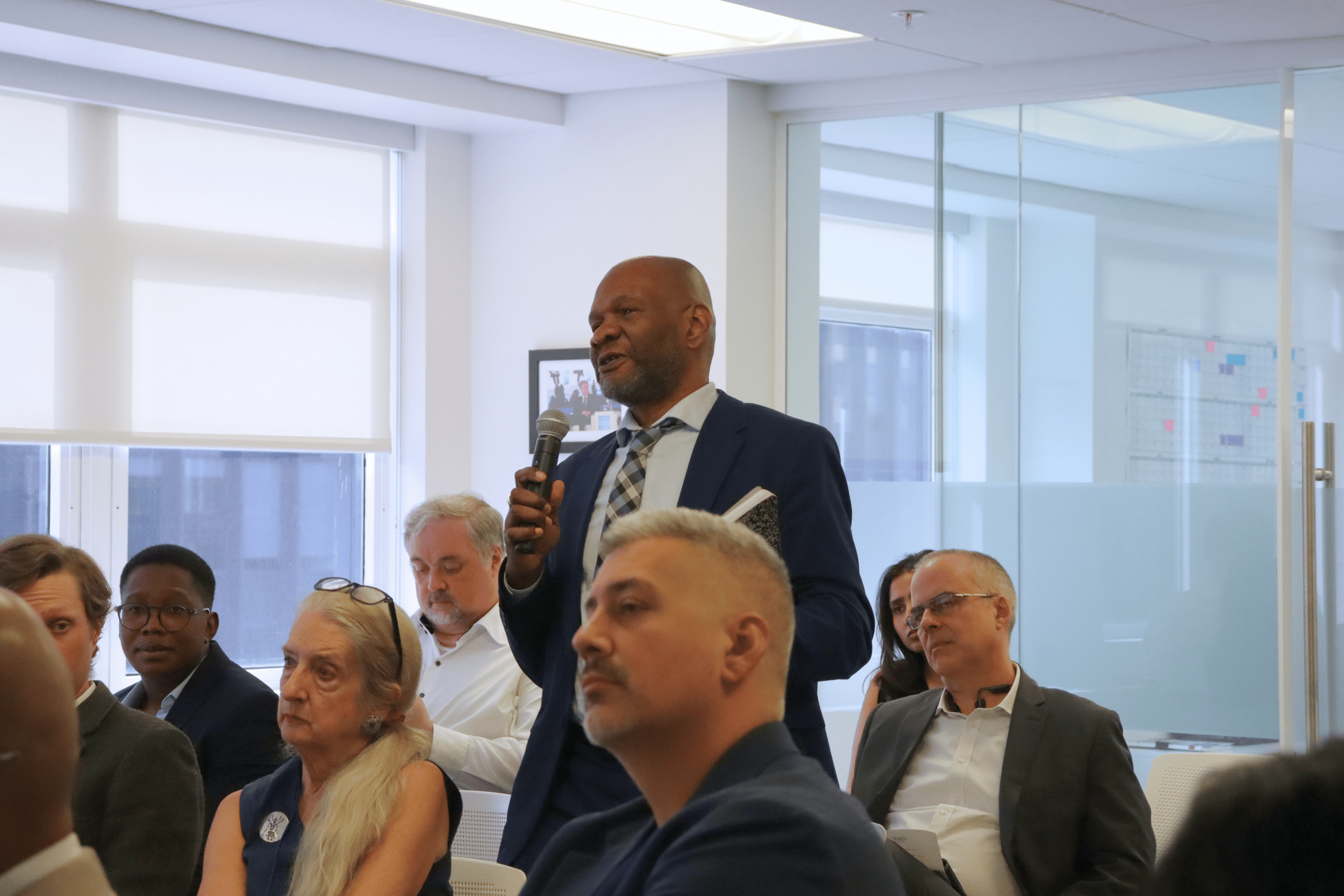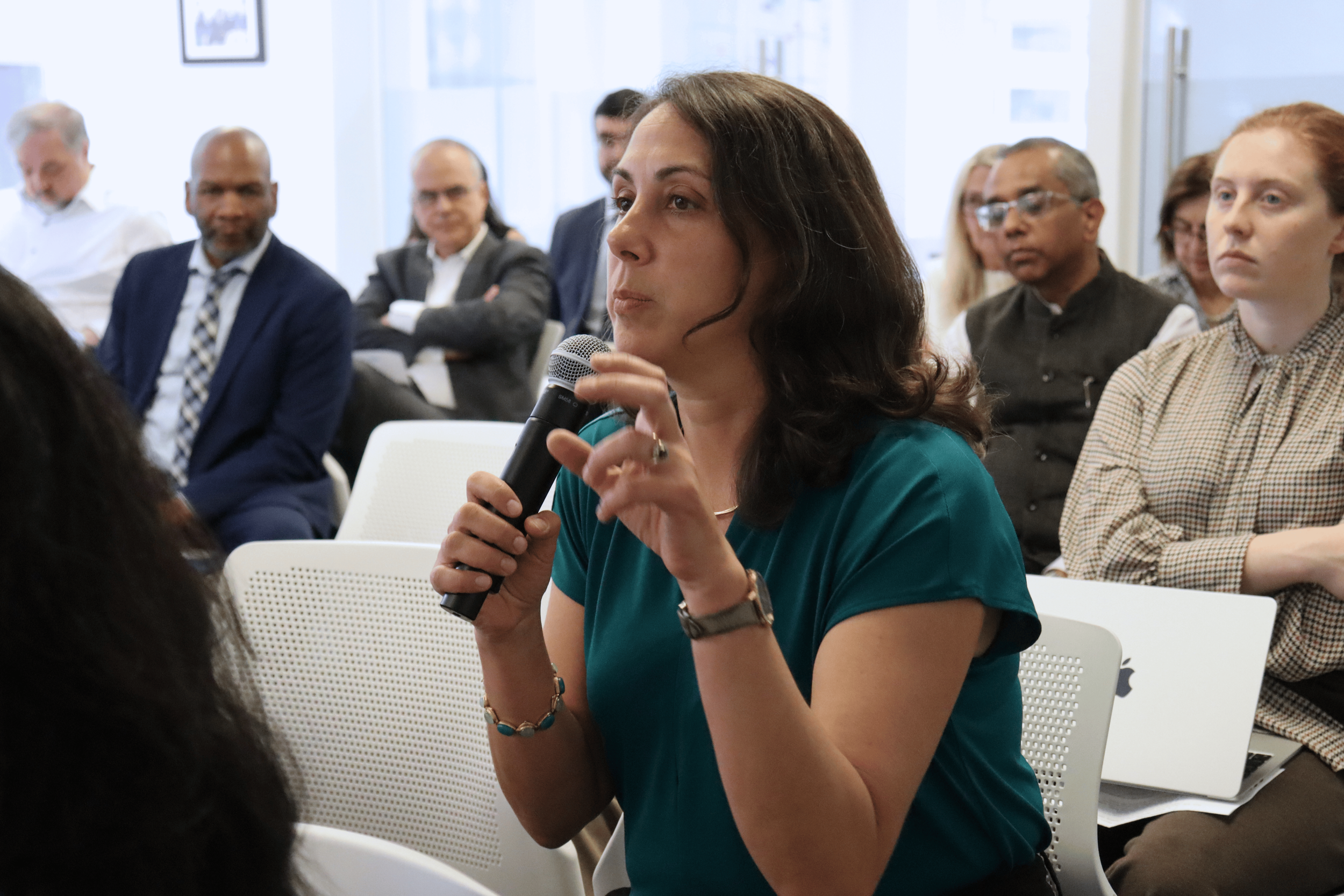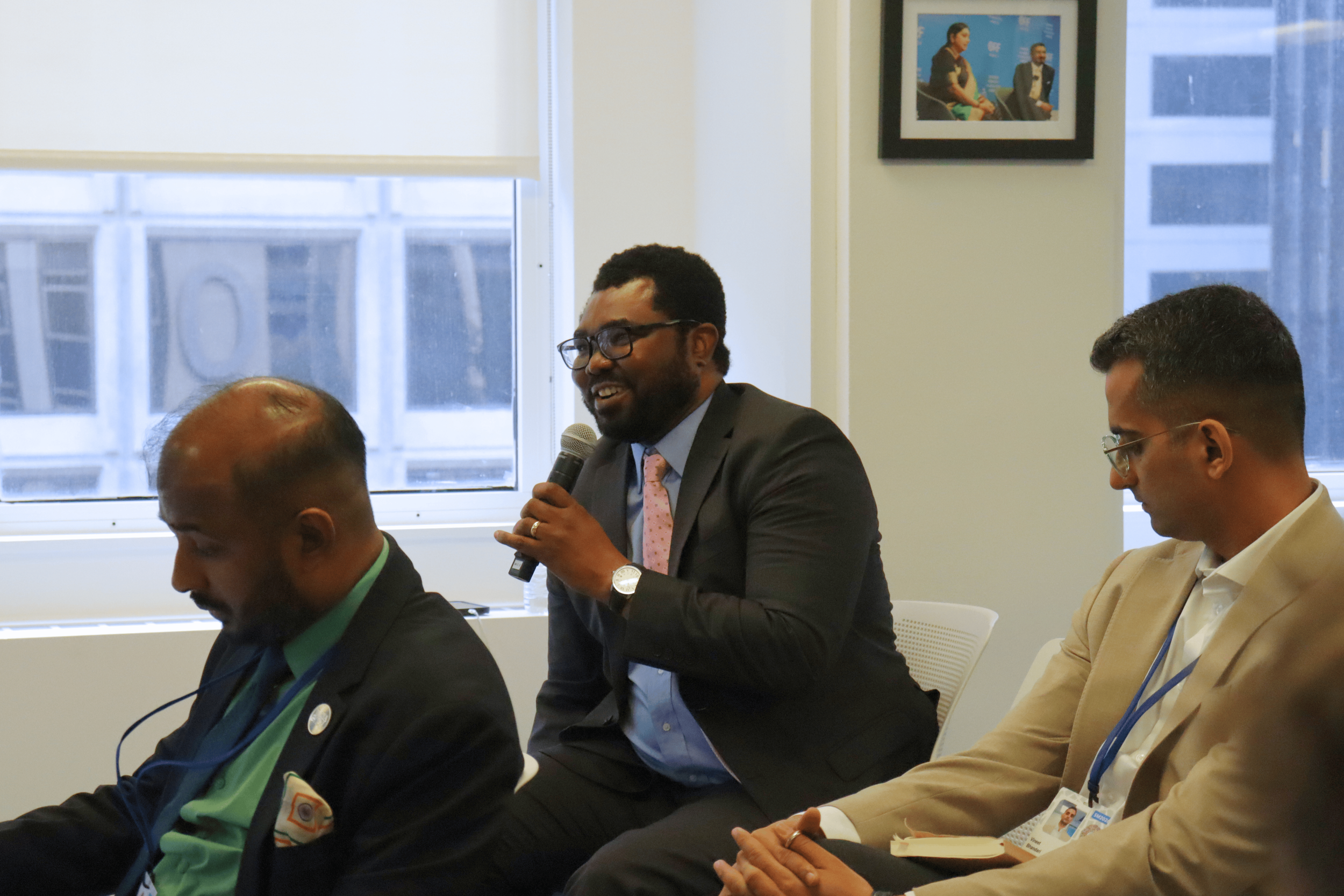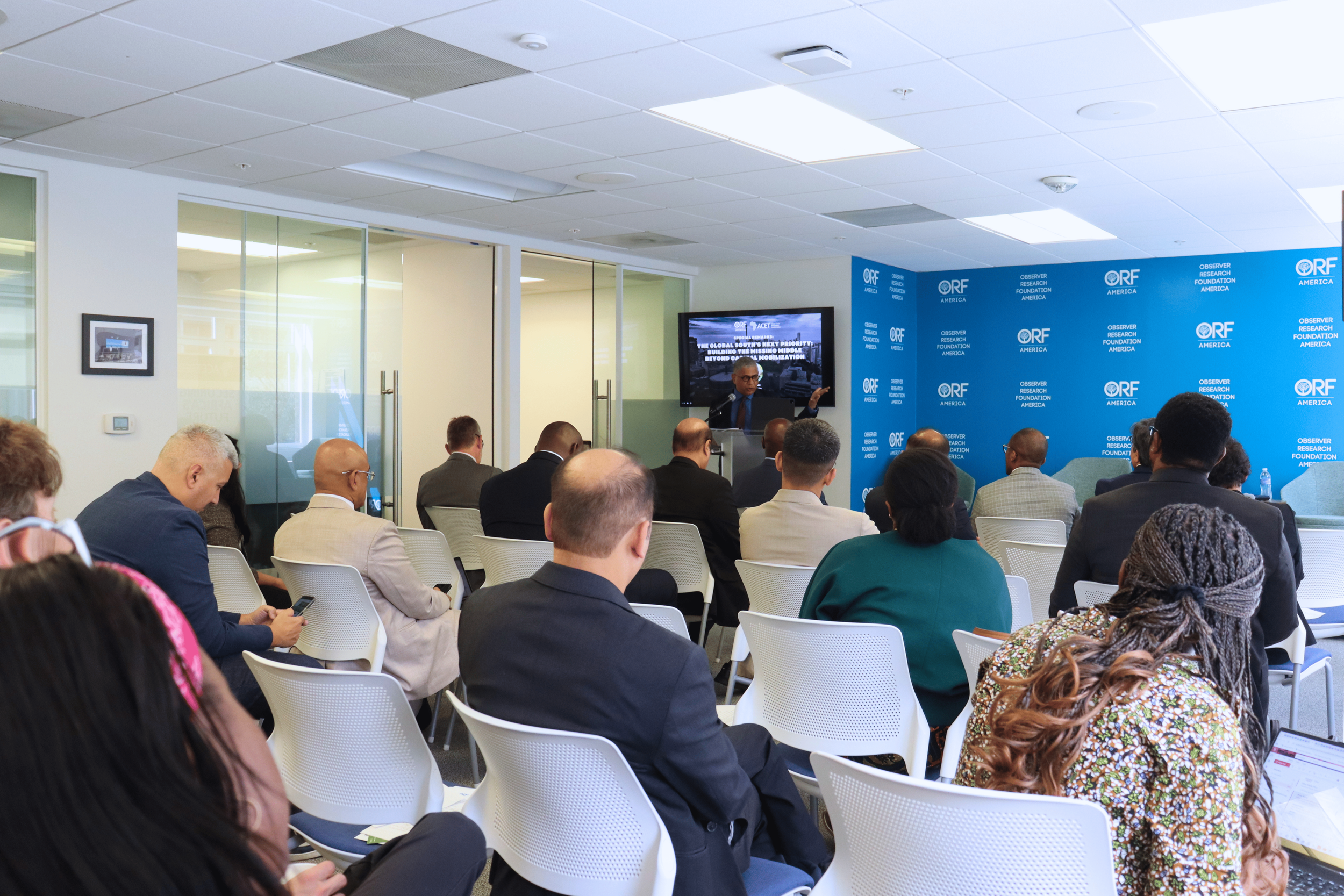
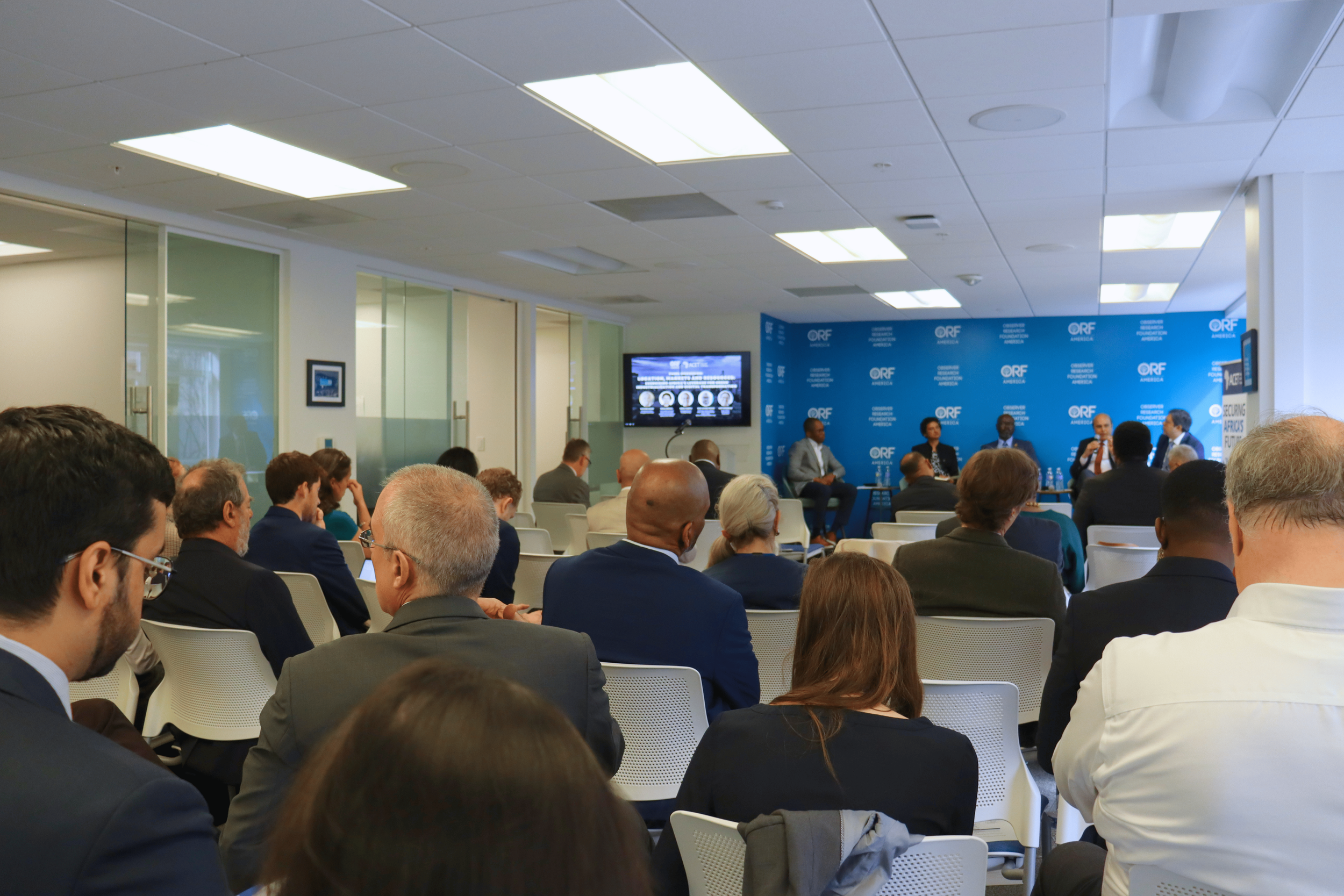

ORF America, in partnership with the African Center for Economic Transformation (ACET), convened a high-level dialogue on April 14 in Washington, D.C., along the sidelines of the World Bank-IMF Spring Meetings. The conference brought together policymakers, development practitioners, private sector leaders, and researchers to examine how emerging technologies, shifting geopolitical dynamics, and evolving financial systems are reshaping development cooperation for the Global South.
The event took place at a moment of significant transition in the global development landscape. Traditional models centered on official development assistance (ODA) and donor recipient relationships are increasingly under strain, amid declining aid flows, rising geopolitical competition, and fragmentation in global trade and finance systems. In their place, new forms of cooperation are emerging, characterized by South-South partnerships, and a stronger emphasis on domestic resource mobilization, industrial policy, and technological adoption. Participants explored how these shifts can support sustainable growth, particularly through green industrialization and the integration of digital public infrastructure (DPI) and artificial intelligence (AI).
Key Takeaways:
From Aid to Partnership: Reframing Development Cooperation. Speakers emphasized that the era of development driven primarily by North-South aid flows is giving way to a more complex ecosystem. Development finance is increasingly multipolar, with emerging economies playing a larger role in investment, trade, and knowledge exchange.
A central takeaway was that development must be anchored in economic transformation and growth, rather than fragmented project-based interventions. This includes identifying and addressing binding constraints to growth, such as infrastructure gaps, high cost of capital, and limited institutional capacity, rather than relying solely on external assistance.
Green Industrialization as an Economic Strategy. Discussions highlighted the need for Global South economies, particularly in Africa, to move beyond resource extraction toward value-added industrialization.
Participants noted that many countries remain locked in commodity export models, leaving them vulnerable to external shocks. Critical minerals essential for the energy transition are often extracted in the Global South but processed elsewhere, limiting domestic value capture. Green industrialization must therefore be paired with energy access, infrastructure development, and industrial policy coordination.
A recurring theme was the importance of regional cooperation to achieve scale, particularly in developing shared value chains for critical minerals and clean technologies. In this context, green industrialization and digital transformation are emerging as central pillars of future growth strategies in the Global South.
Financing Constraints and the Cost of Capital. The high cost of financing emerged as one of the most significant barriers to development. Even where capital is available globally, uncertainty around policy frameworks, demand signals, and project viability reduces investment flows into emerging markets.
Panelists pointed to the need to expand public-private partnerships and blended finance mechanisms, strengthen domestic capital markets, and improve project preparation and bankability. There was also broad recognition that global financial architecture must evolve to better reflect Global South realities, including through alternative approaches to risk assessment and credit rating systems. These challenges underscore that structural constraints, particularly in financing, infrastructure, and coordination, remain significant barriers to development.
AI and Digital Transformation: Opportunity with Preconditions. Artificial intelligence and digital technologies were framed as critical enablers of development, but not substitutes for foundational investments.
Speakers noted that AI has the potential to enhance efficiency in sectors such as energy and health systems, financial services, and public administration. However, its impact remains constrained by gaps in data infrastructure, electricity access, and connectivity. As a result, countries must continue to invest in power, transport, and digital infrastructure to fully benefit from AI.
The discussion emphasized that digital transformation should be embedded within broader industrial and development strategies, rather than pursued in isolation.
Rethinking Scale, Coordination, and Implementation. A major challenge identified throughout the discussions was the difficulty of moving from pilot projects to scalable, system-wide solutions.
Participants stressed the need for coordinated regional approaches to industrialization and infrastructure development, alongside stronger alignment between policy frameworks, regulatory systems, and investment strategies. Greater integration of civil society, private sector actors, and multilateral institutions was also seen as essential for effective implementation.
The importance of standards, regulatory frameworks, and inclusive governance structures was highlighted as critical to scaling innovation and ensuring equitable outcomes. Unlocking development potential will require deeper regional cooperation, institutional reform, and new approaches to scaling innovation.
Looking ahead, the conference underscored that the Global South is no longer a passive recipient in the development ecosystem, but an active participant shaping new frameworks for cooperation. As geopolitical and economic dynamics continue to evolve, stakeholders must focus on building resilient, scalable, and inclusive systems to support long-term development outcomes. The discussions will inform ongoing work by ORF America and its partners to advance actionable policy solutions on the green transition, digital transformation, and development finance.
Conference Agenda
Welcome Remarks
Dhruva Jaishankar, Executive Director, ORF America
Mavis Owusu-Gyamfi, President and CEO, ACET
Fireside Chat: A New Development Cooperation Framework for the Global South: What does it mean for Africa and the World?
H.E. Yasser Sobhi, Vice Minister of Finance for Fiscal Policies, Government of Egypt
Moderator: Dhruva Jaishankar, Executive Director, ORF America
Panel Discussion: Location, Markets and Resources: Exercising Africa’s Leverage for Green Industrialization and Digital Transformation
W. Gyude Moore, Distinguished Fellow, Energy for Growth Hub
Pamla Gopaul, Unit Lead for Economic Analysis and Foresight, African Union Development Agency (AUDA-NEPAD)
Mehul Pandya, Managing Director, CareEdge Ratings
Raul Alfaro-Pelico, G20 Senior Advisor-African Union, AfDB Joint Secretariat Support Office, African Development Bank Group
Moderator: Anit Mukherjee, Senior Fellow, ORF America
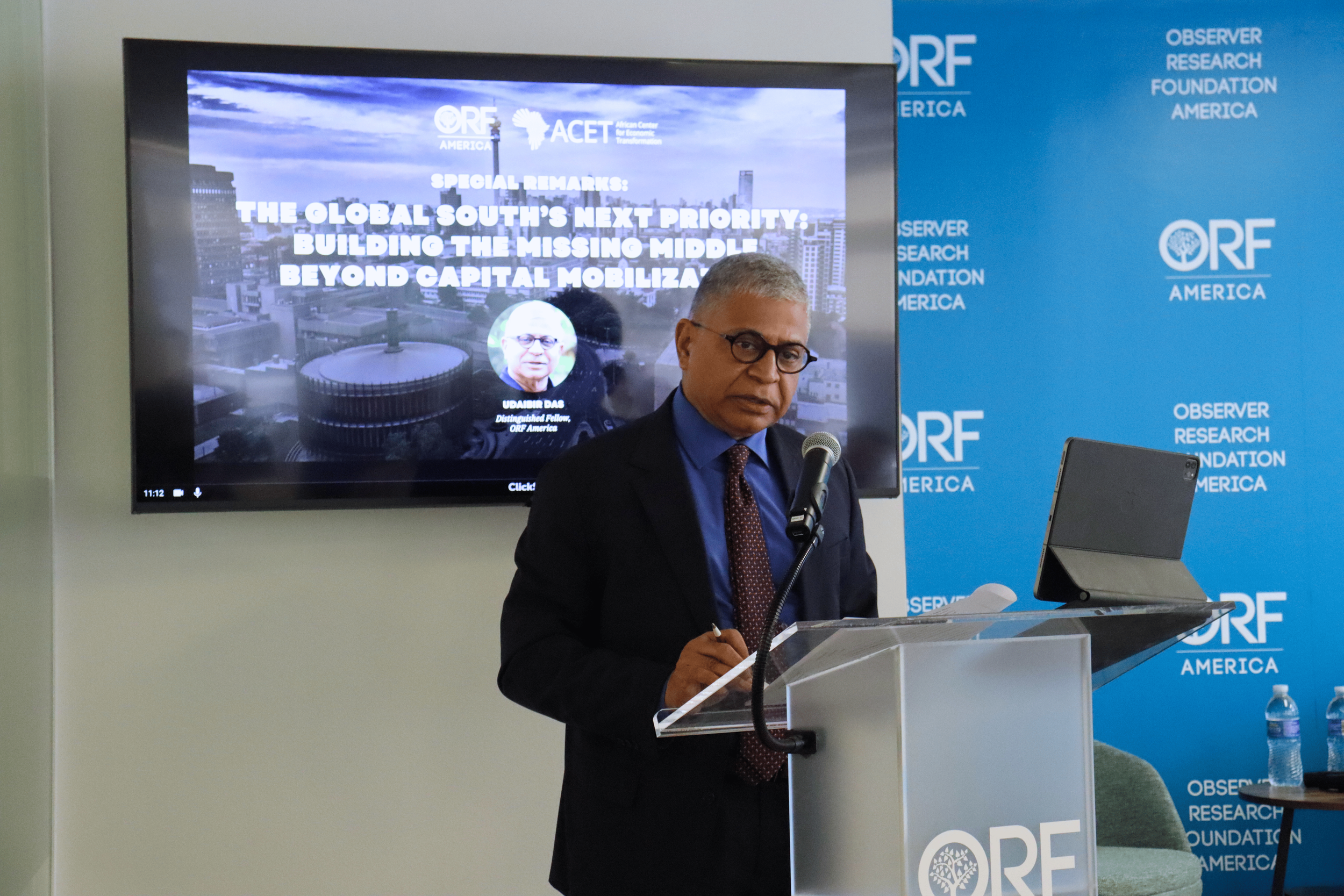
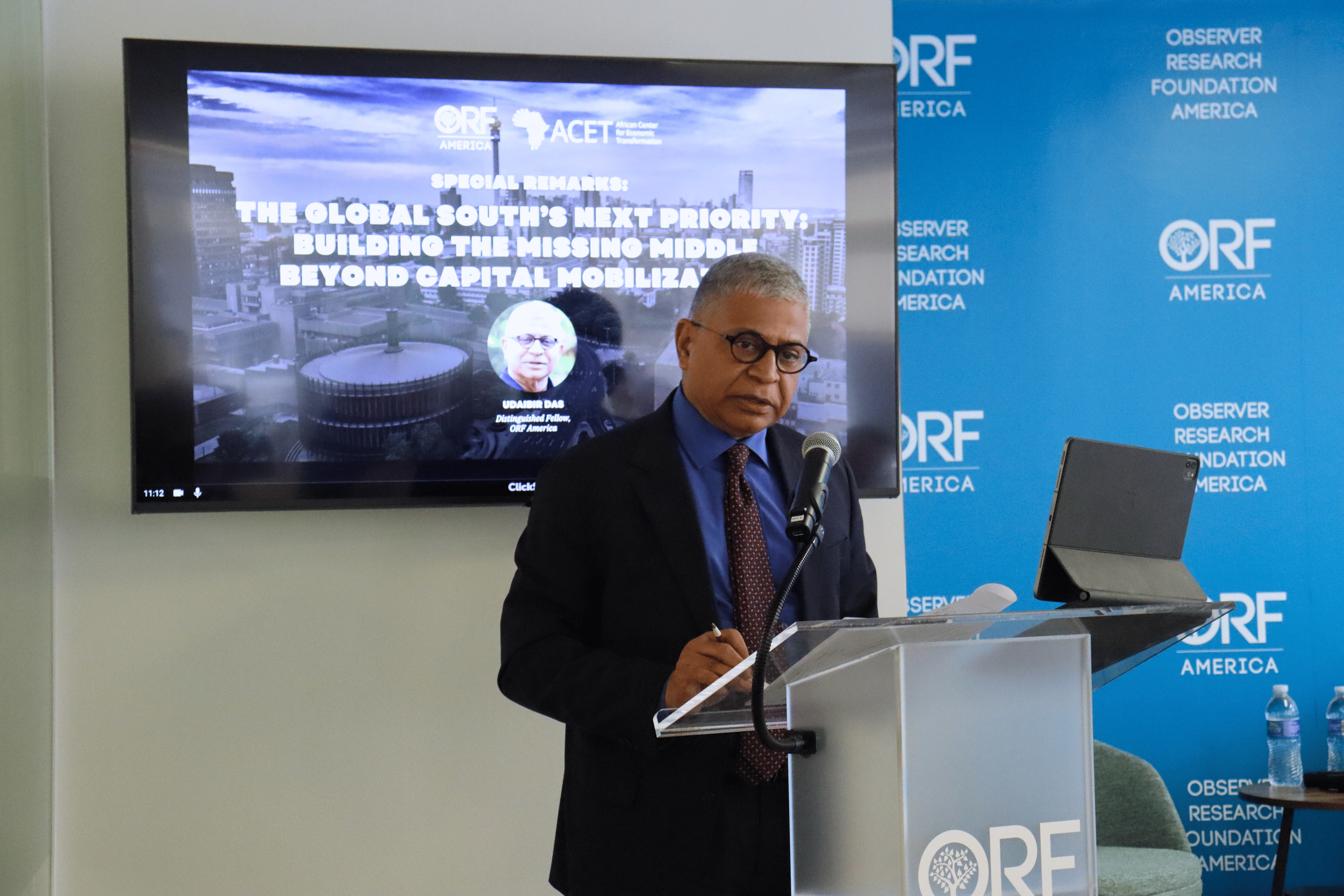
Special Remarks: The Global South’s Next Priority: Building The Missing Middle Beyond Capital Mobilization
Udaibir Das, Distinguished Fellow, ORF America
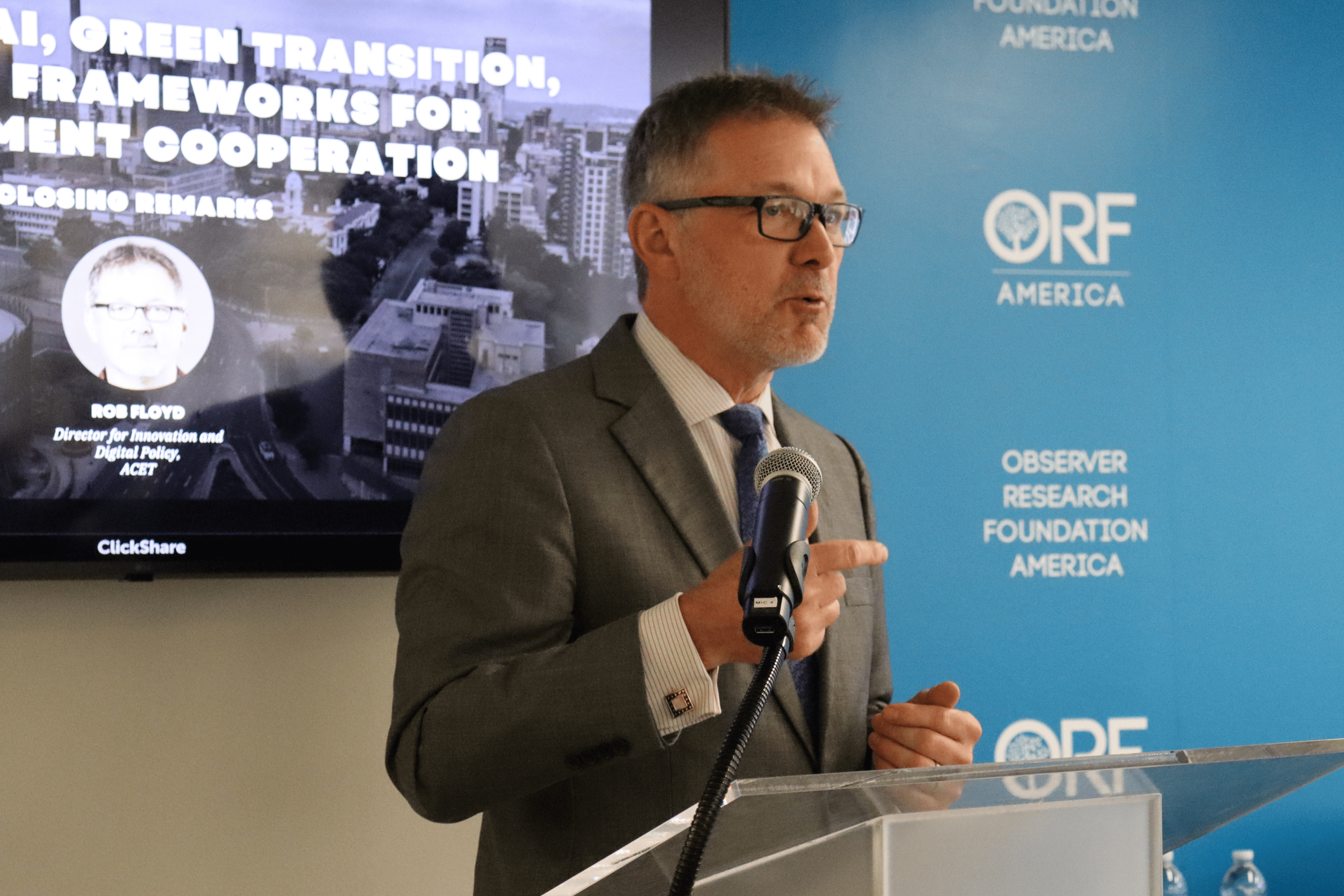
Closing Remarks
Rob Floyd, Director for Innovation and Digital Policy, ACET