

Critical Minerals
By Jeffrey D. Bean
If the U.S. government can facilitate practical, targeted bilateral engagements for mining and processing under the banner of Pax Silica and FORGE, these could support derisking semiconductor, AI, and critical mineral supply chains provided key Global South actors are engaged effectively and equitably.
By Sarah Salah
There is no question that Greenland holds substantial mineral wealth. Most mining exploration sites in Greenland are located along the coast, making port infrastructure essential for transporting heavy equipment and extracted materials. Yet declining sea levels threaten the long-term viability of deep-water ports built today, potentially rendering them too shallow within decades.
By Ashwini Thakre and Piyush Verma
No single country can efficiently develop the entire critical minerals value chain on its own, particularly for rare earths and battery materials. Cooperation among the United States, Australia, Japan, and other Indo-Pacific economies reflects a growing recognition that resilience lies not in isolation, but in diversified and trusted networks.
By Caroline Arkalji
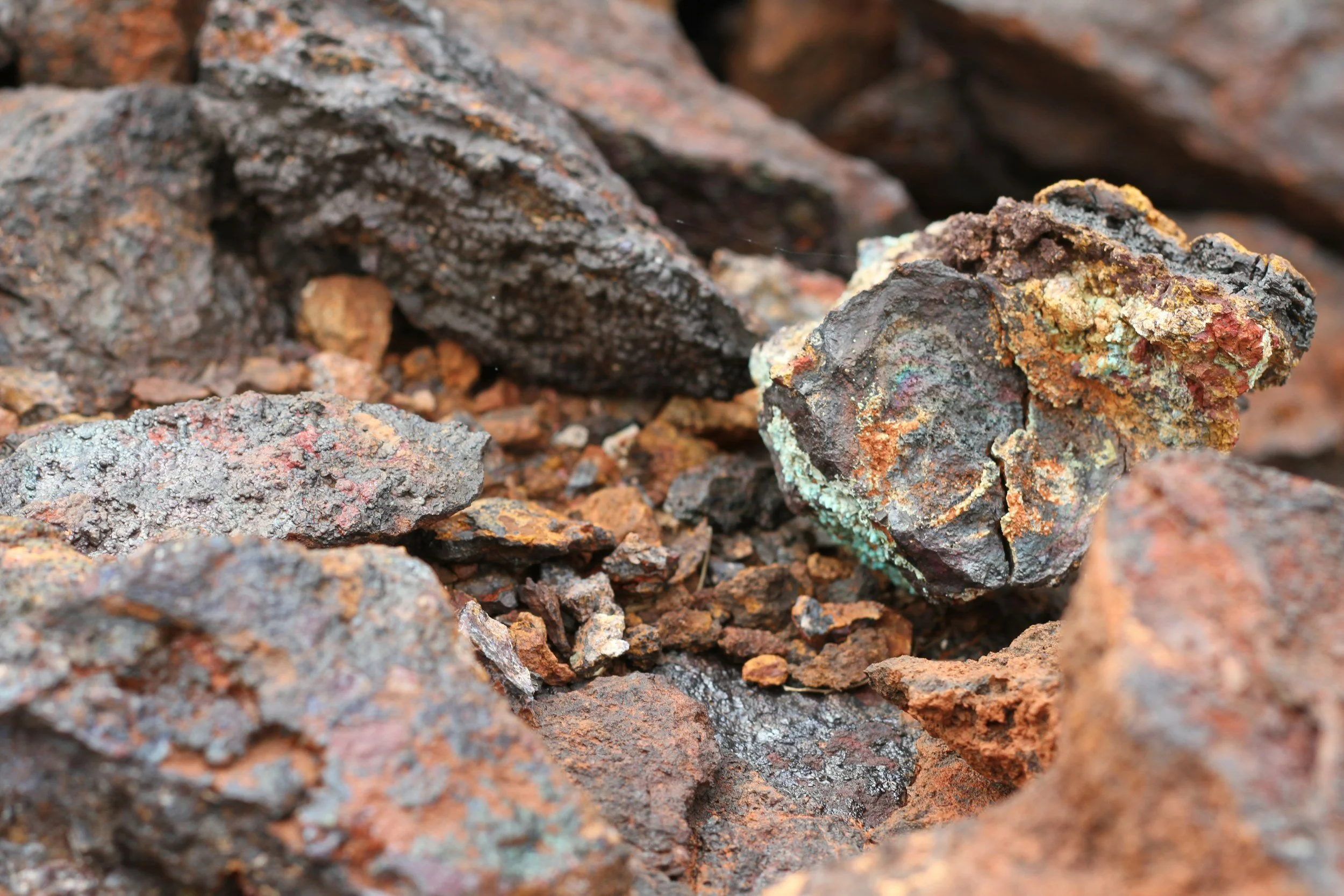
Securing strategic minerals against intensifying natural risks is no longer just a business challenge; it must be a global policy priority. The energy transition cannot succeed on unstable foundations; the world needs smarter, safer, and fairer mines designed to withstand current and future environmental risks.
Listen and learn on Around the World
Recent analysis & convenings


This volume of short working papers is a product of ORF America’s U.S.-India Emerging Climate Leaders as they attempt to develop ideas around climate collaboration and communication for the United States and India.
Special Report
By Abigail Doerr, Amol Kapoor, Bhagyashri Kulkarni, Dhruva Jaishankar, Jonika Rathi, Karan Sinha, Lindsay Maizland, Medha Prasanna, Meenakshi Venkatraman, Miaoru Guan, Mridu Jhangiani, Pankaj Mahalle, Patrick Soltis, Paul Gordon, Perrin Krisko, Sabareesh Suresh, Tanya Kak, Vandita Sariya, Vanshica Kant, and Vedant Patil
Editors: Caroline Arkalji, Jeffrey D. Bean, and Medha Prasanna
By Holly Stevens and Siddharth Sharma
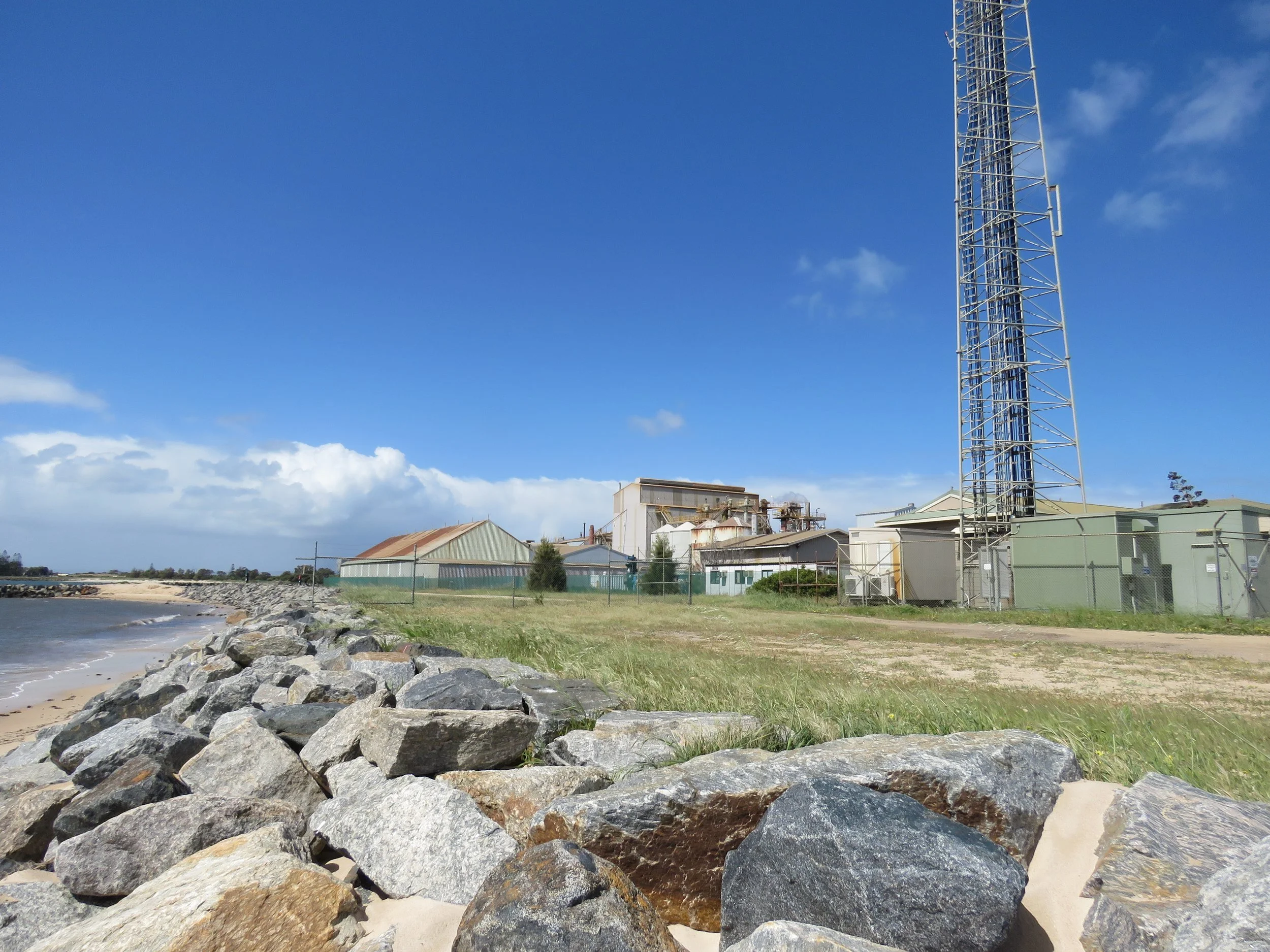
As demand for electric vehicles, battery storage, clean energy systems, and advanced technologies continues to accelerate, Australia’s resource base and mining history, Canada’s resource base as well as its mining and industrial capabilities, and India’s market scale and commitment to value-added manufacturing could support diversification across multiple stages of the value chain.
By Jeffrey D. Bean
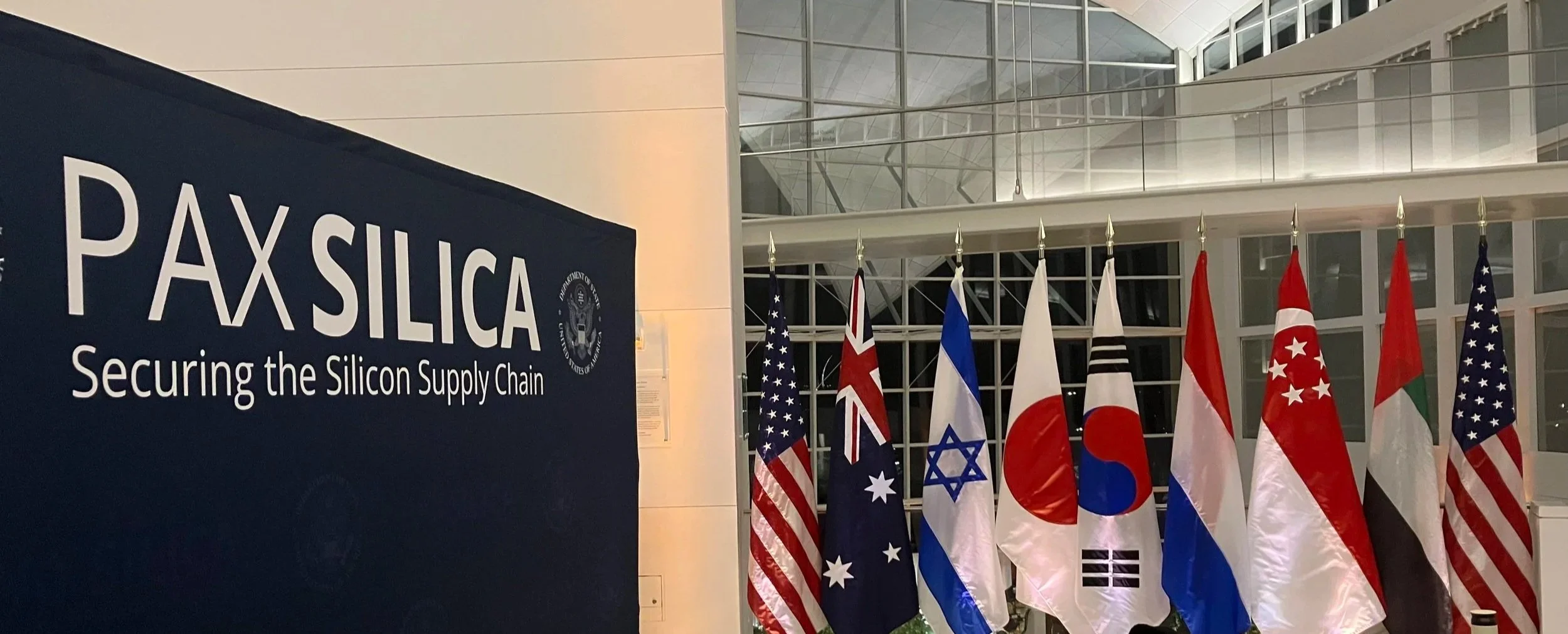
The success of Pax Silica as a tangible platform for the United States and U.S. allies and partners to secure supply chains and retain or regain advantages in technology will be a massive diplomatic and commercial undertaking. Sustained political will seems uncertain.
By Ashwini Thakre and Piyush Verma
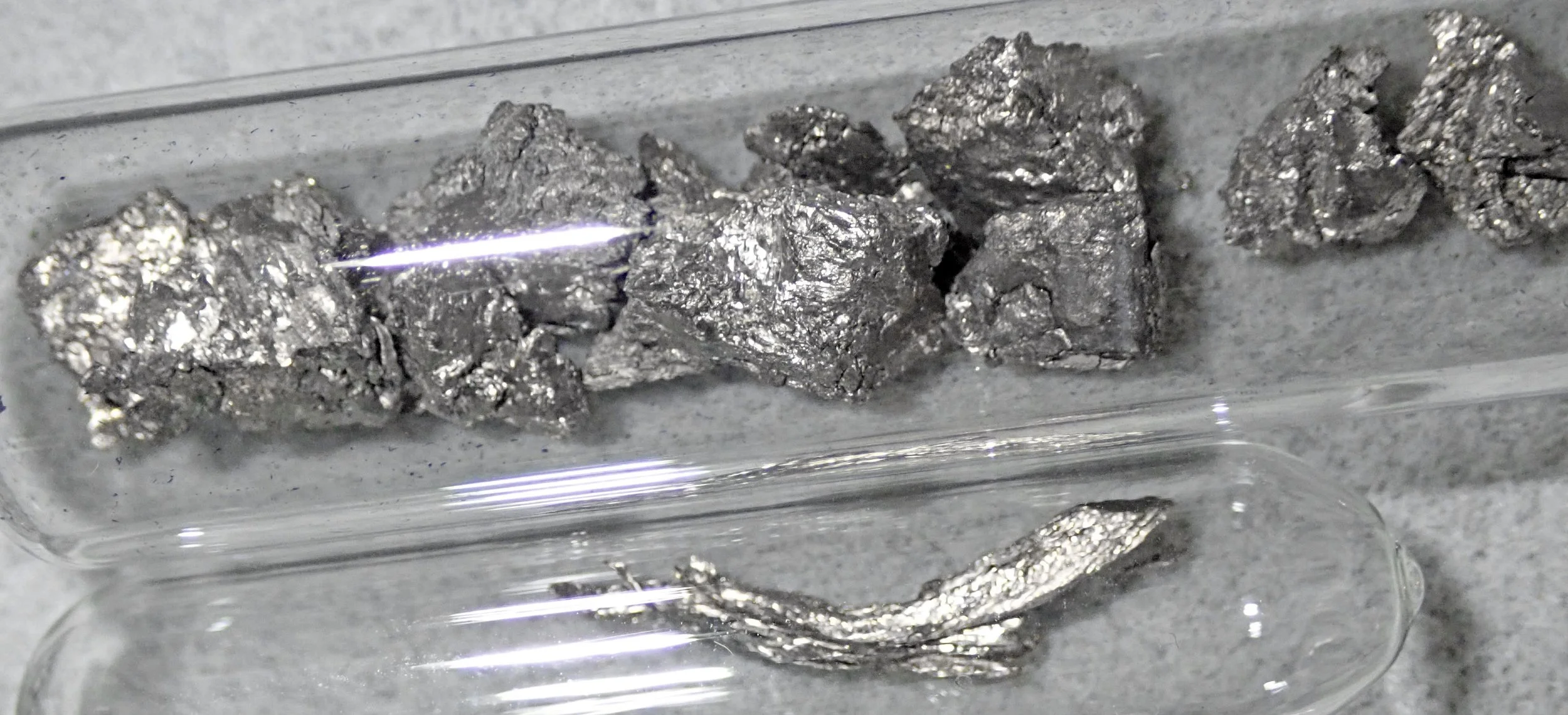
China’s diplomatic control over sector may become the very trigger that unwinds its dominance. By weaponizing concentration, Beijing accelerated diversification efforts that many democracies had treated as optional. The shock exposed the liabilities of a system built on single-country dependence and encouraged a coordinated wave of investment across the United States, Europe, Japan, South Korea, and Australia.
By Caroline Arkalji
Securing strategic minerals against intensifying natural risks is no longer just a business challenge; it must be a global policy priority. The energy transition cannot succeed on unstable foundations; the world needs smarter, safer, and fairer mines designed to withstand current and future environmental risks.