
By: Anit Mukherjee
As finance ministers and governors of central banks gathered in Washington, D.C. last week for the World Bank-International Monetary Fund (IMF) Spring Meetings, one issue was on top of the agenda: how to deal with the impact of the conflict in the Middle East on public debt? With continuing geopolitical uncertainty and volatility in energy prices, governments around the world are coming under increasing pressure not only to secure petrol and cooking gas supply but also to keep prices in check. Meeting the energy needs of its citizens while diversifying energy sources and making sure that energy subsidies do not balloon out of control is a difficult balancing act that countries are facing now, as the IMF acknowledges in its latest global assessment.
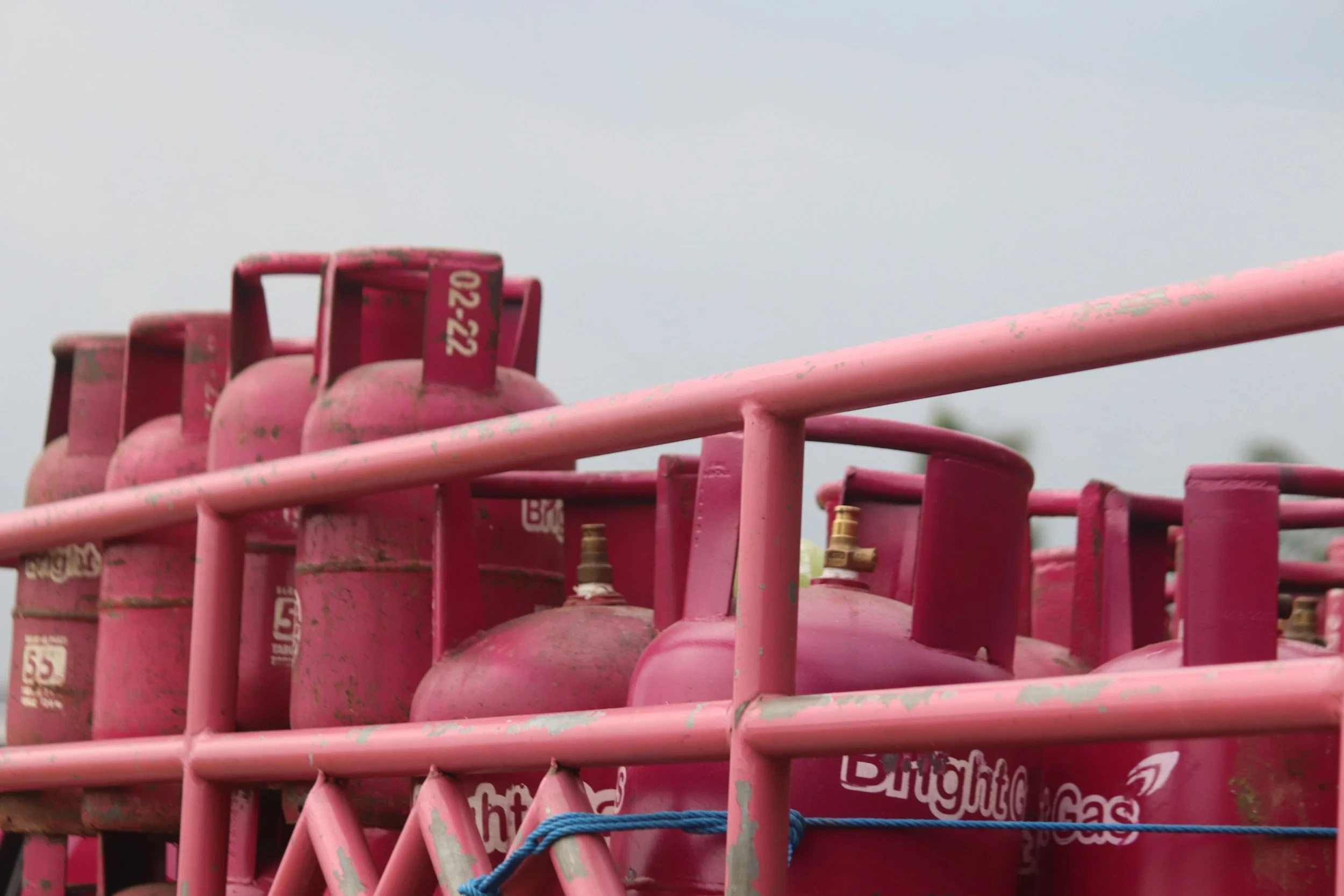
The good news is that countries can turn this geopolitical crisis into a strategic opportunity to undertake energy subsidy reforms, drawing lessons from India’s experience over the last decade. Starting in January 2015, India achieved a remarkable feat providing nearly all households in the country with clean cooking gas. The number of households using subsidized liquefied petroleum gas (LPG) increased from around 140 million to around 330 million currently. Over 105 million new connections were provided to rural women through the Ujjwala initiative, bringing both empowerment and health benefits. By digitizing the LPG beneficiary database and linking it with India’s biometric ID, Aadhaar, the subsidy is transferred directly to bank accounts of nearly 300 million households, making it the largest cash transfer program in the world. Within a decade, India ensured reliable access to clean cooking fuel, a far cry from the corruption and shortages that plagued the sector in the past.
But this success has created vulnerabilities, something that has become evident during the current crisis in the Middle East. Coinciding with the reforms, India's LPG demand nearly doubled from 18 to over 33 million tonnes between 2015 and 2025, making it the world's third-largest consumer. The International Energy Agency projects that demand will expand at an average rate of 2.5% annually between 2024 and 2030. Imports make up around 60% of total demand with nearly 90% of that passing through the Strait of Hormuz, currently a major chokepoint in the flow of energy from the Middle East. While the focus of the last decade was rightly on expanding access, the onus of the next one should be to reduce dependence on imported LPG — by substituting it where feasible, managing supply more efficiently, and ensuring that subsidies reach those who genuinely need them.
There are three possible pathways to achieve this. First, the current disruption, while serious, presents India with an opportunity to rapidly expand the City Gas Distribution (CGD) network for piped natural gas (PNG). The most effective near-term intervention would be to make PNG connection mandatory for commercial establishments — restaurants, hotels, hospitals, and large industrial users — in urban areas where CGD infrastructure already exists. The government’s new policy requiring LPG supplies to be stopped for customers who can switch to piped gas within three months may seem drastic, but it is in the right direction potentially freeing up LPG supply for household consumption.
Second, even with digitization of the supply chain, cylinders meant for household consumption are often diverted to commercial establishments. Ensuring regular delivery to genuine consumers is critical to create trust and counter misinformation especially in times of crisis like the current one. To plug this gap, Delivery Authentication Codes (DAC) — an OTP-based system whereby a cylinder is handed over only upon the receipt of the consumer's confirmation code via mobile — can reduce diversion at the point of last-mile distribution. This mechanism, already in place before the current disruption but not fully enforced, has seen an increase from around 53% in February 2025 to 90% at the beginning of April, ensuring only valid beneficiaries are able to obtain LPG at a time of constrained supply. This rapid scale up of DAC demonstrates the power of digital public infrastructure to enable the government to prevent hoarding, manage stocks, and ensure that LPG reaches genuine beneficiaries during a time of crisis.
The biggest benefit of India’s energy subsidy reforms may actually come on the fiscal side. As global prices increase, many governments have resorted to cutting energy taxes or putting price caps to cushion the impact on consumers. Both these measures increase the risk of straining both financial and administrative resources especially if the crisis continues to disrupt the global energy markets. In contrast, India’s direct cash transfer allows the government to allocate the subsidy as needed, manage it by progressively increasing the cost of cylinders, and target lower income households enrolled in the Ujjwala program who are more vulnerable to price shocks. With just over $1 billion allocated for the LPG cooking gas subsidy in the 2026-27 Union budget, there is enough fiscal headroom for India to increase its financial support for households, as long as it can ensure that there is enough supply to meet the needs.
The current crisis in the Middle East has demonstrated that ensuring energy security will remain a challenge for policymakers in the foreseeable future, especially for countries like India. At the same time, the current disruption provides an opportunity to initiate and build on energy sector reforms to make sure that countries are better prepared to deal with such shocks in the future.
Anit Mukherjee is a Senior Fellow for the Global Economics & Development program at ORF America.