

2026

The India-EU Trade Deal: Two Billion People, One Economic Hedge

The India-EU Trade Deal: Two Billion People, One Economic Hedge

By Marta Bengoa

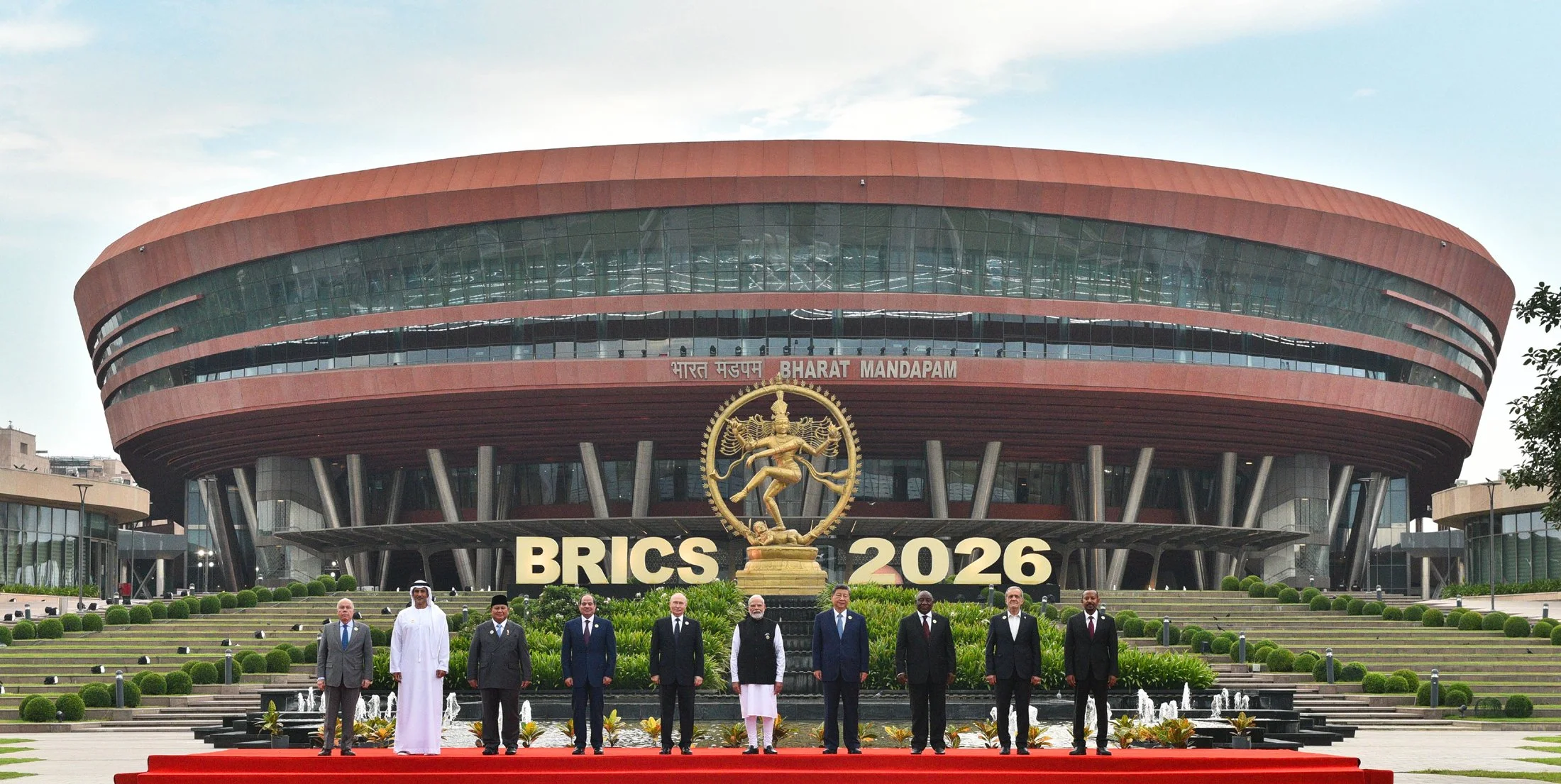
The India-EU free trade agreement will connect over two billion people across a market representing nearly a quarter of global GDP. But the real story isn't about size. It's about timing. After seventeen years of false starts and negotiations, both parties finally grasped what's at stake: in a world fragmenting between Washington's capricious tariffs and Beijing's economic coercion, this deal is economic insurance.

How Australia, Canada, and India Can Reshape Critical Minerals Supply Chains

How Australia, Canada, and India Can Reshape Critical Minerals Supply Chains

By Holly Stevens and Siddharth Sharma

As demand for electric vehicles, battery storage, clean energy systems, and advanced technologies continues to accelerate, Australia’s resource base and mining history, Canada’s resource base as well as its mining and industrial capabilities, and India’s market scale and commitment to value-added manufacturing could support diversification across multiple stages of the value chain.

Trump's Greenland Reversal: From Tariff Threats to Negotiation

Trump's Greenland Reversal: From Tariff Threats to Negotiation

By Marta Bengoa

Speaking at Davos, Trump first ruled out using military force to acquire Greenland (after weeks of refusing to do so), then hours later announced what he called a "framework of a future deal" with NATO on Arctic security. Whether the framework leads to substantive Arctic security cooperation or remains another example of Trump declaring victory without achieving objectives, the damage to transatlantic economic relations has been done.

The Importance of U.S.-India Cooperation on Professional Military Education and Training

The Importance of U.S.-India Cooperation on Professional Military Education and Training

By Ammar Nainar

For the first time in a defense framework agreement, India and the United States specified “operational coordination” as an objective for enhancing collaboration in Professional Military Education (PME) and training. While earlier exchanges largely involved India borrowing best practices from the United States, recent cooperation between the two countries has emphasized greater joint activities and operations.

Cybersecurity as Economic Security: The Case for U.S.-India Coordination

Cybersecurity as Economic Security: The Case for U.S.-India Coordination

By Krishnaveni Palanivelu

Cybersecurity must be treated as a shared economic security challenge. By aligning standards, strengthening cooperation, and embedding cyber resilience into trade, infrastructure, and foreign policy, democracies like the United States and India can better protect their digital foundations and sustain long-term economic stability. 

The Necessary Ingredients for Critical Mineral Processing

The Necessary Ingredients for Critical Mineral Processing

By Ashwini Thakre and Piyush Verma

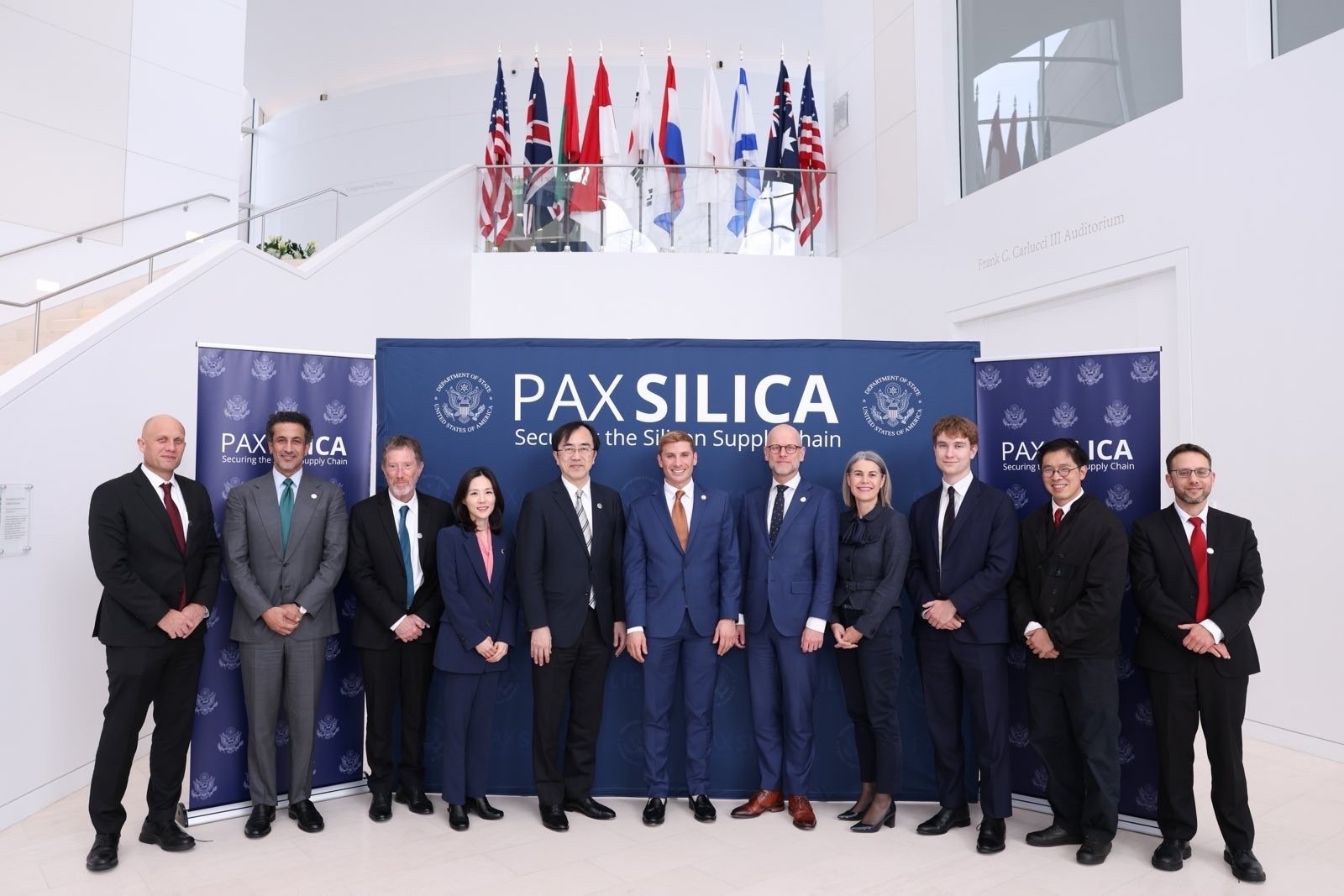
No single country can efficiently develop the entire critical minerals value chain on its own, particularly for rare earths and battery materials. Cooperation among the United States, Australia, Japan, and other Indo-Pacific economies reflects a growing recognition that resilience lies not in isolation, but in diversified and trusted networks.