

By Caroline Arkalji and Anasua Basu Ray Chaudhury

By Raul Alfaro-Pelico
With COP31 taking place in Antalya this month, it is increasingly clear that Africa’s biggest challenge is not lack of capital but means to unlock it in its physical, natural, and social forms.
By Akram Zaoui
Unlocking the full potential of digital labour platforms will require removing regulatory barriers and enhancing the institutional, legal, and physical infrastructure.
By Piyush Verma and Medha Prasanna
Democrats will now chair relevant committees, set the agenda, and hold the power of the purse, but will still confront the prospect of a presidential veto. This has important implications for U.S. energy policy.
By Arpan Tulsyan
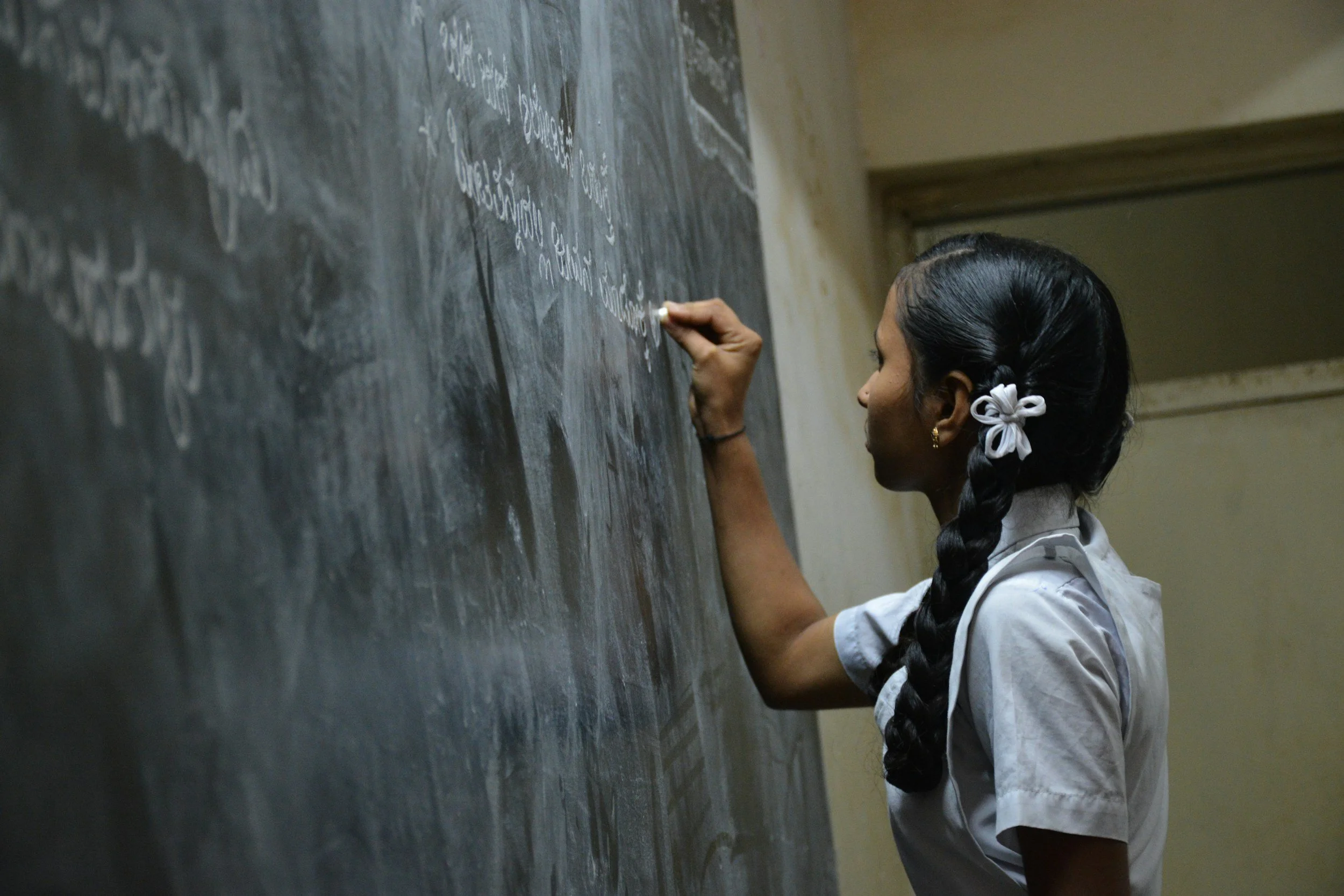
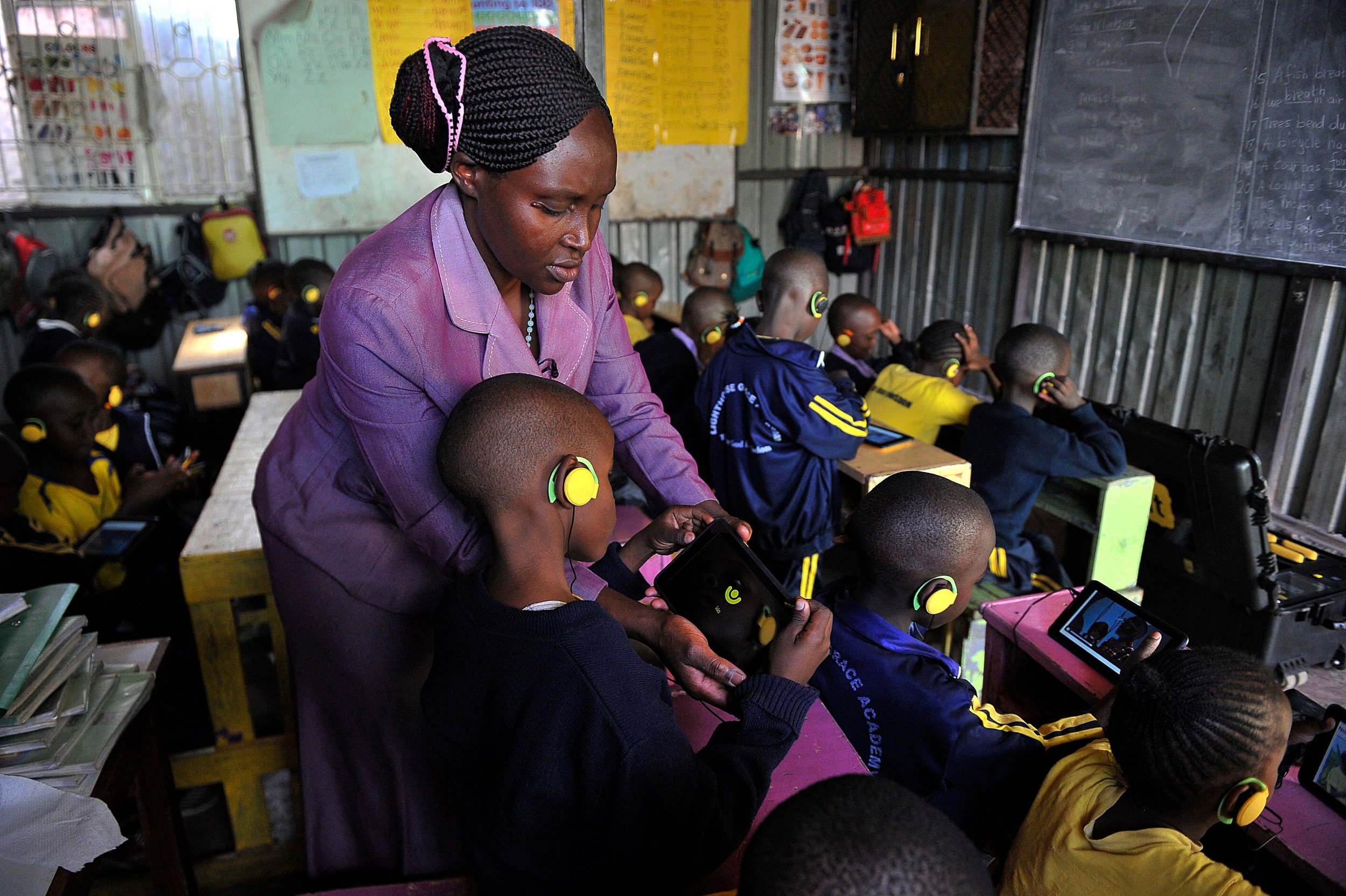
AI is changing how education can be delivered, while Industry 4.0 is creating new learning and skills requirements in the labour market. How can education systems build adaptable skills that lead to productive employment?
By Dhaval Desai
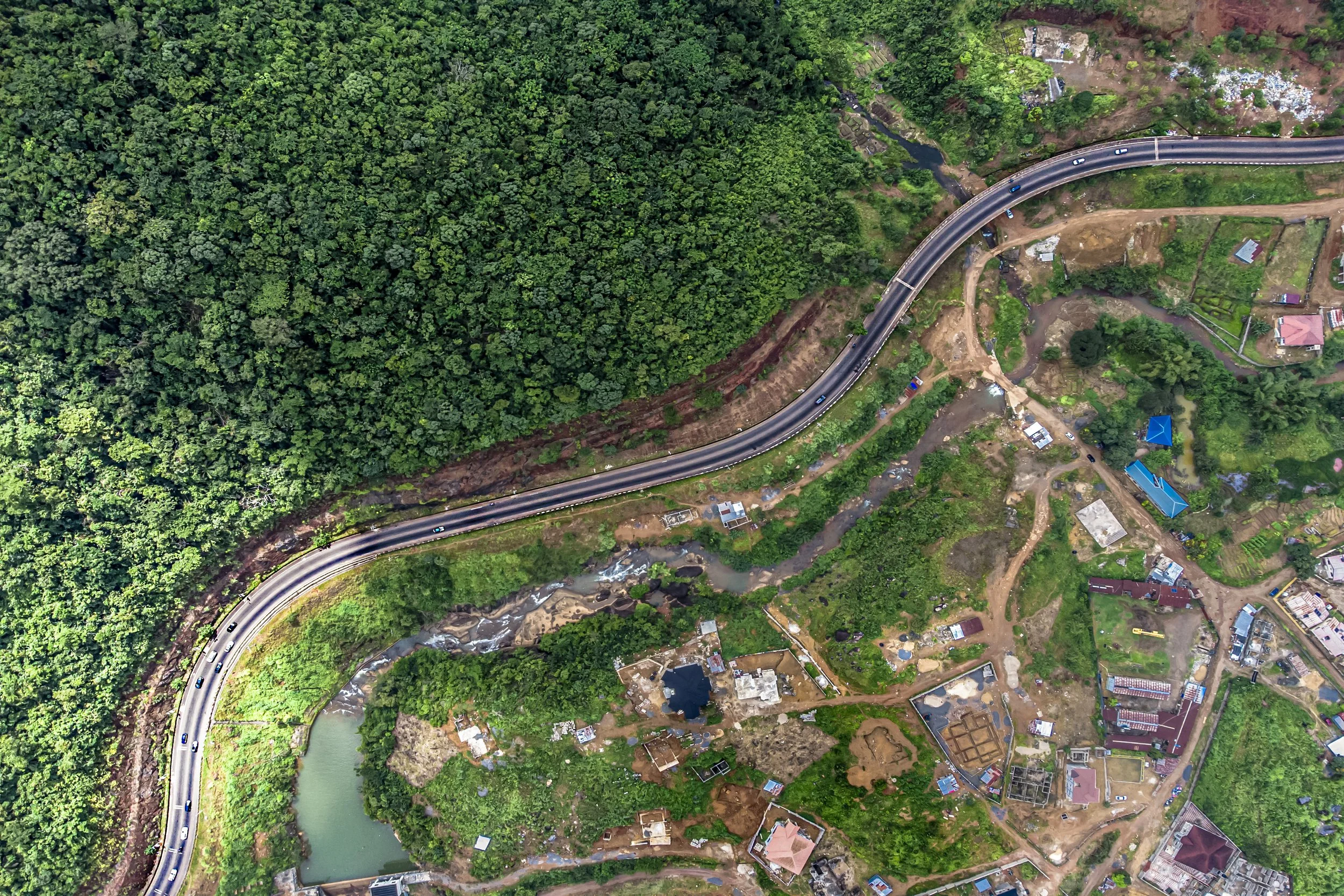
Urbanisation in Asia and Africa will intensify pressure on land and infrastructure amidst worsening climate hazards and the growing need to curb carbon emissions. The defining innovation of this urban century will therefore be institutional: building the authority, fiscal capacity, and governing systems that cities need to adapt before unsustainable urban form and inequality become entrenched.
By Andre Nicola and Caroline Arkalji
As political campaigns increasingly depend on digital platforms to reach voters, private technology companies have gained considerable influence over how political information is distributed. At the same time, electoral authorities often lack the tools to investigate their decisions.
By Caroline Arkalji
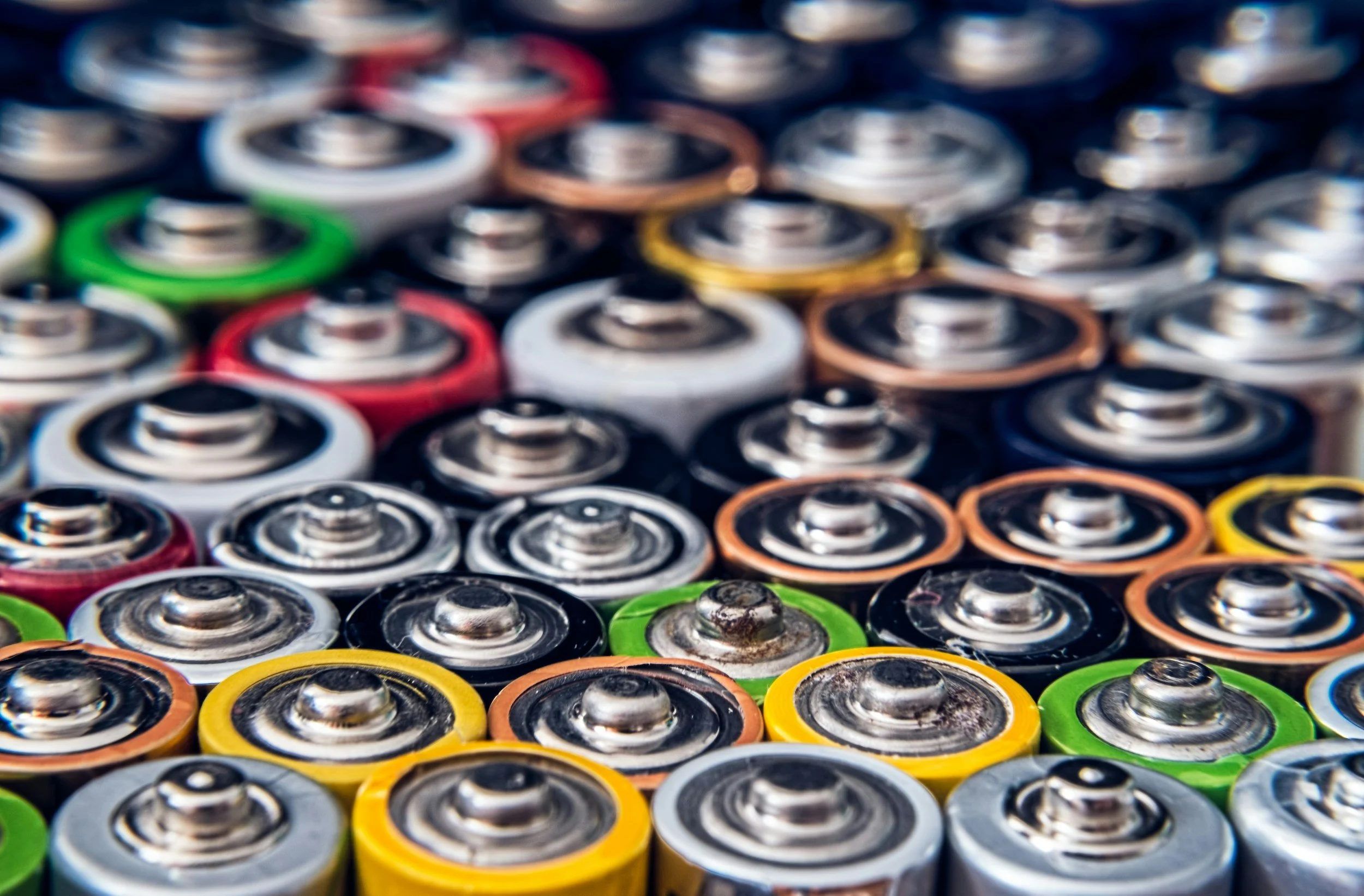
For utilities and developers, a robust U.S. battery-storage industry would reduce dependence on overseas suppliers, cut logistical and tariff-related costs, and accelerate project deployment. If the United States seizes this moment, it can position itself as a global leader in grid-scale battery manufacturing and deliver a more reliable, competitive, and secure energy system for the decades ahead.
By Caroline Arkalji
Securing strategic minerals against intensifying natural risks is no longer just a business challenge; it must be a global policy priority. The energy transition cannot succeed on unstable foundations; the world needs smarter, safer, and fairer mines designed to withstand current and future environmental risks.
By Anit Mukherjee and Caroline Arkalji
The consecutive presidencies of Indonesia, India, Brazil, and South Africa within the G20 offers a blueprint for how the Global South can continue shaping global governance at a time of geopolitical uncertainty and a rapid rebalancing of the globalization process itself.
By Anit Mukherjee and Caroline Arkalji
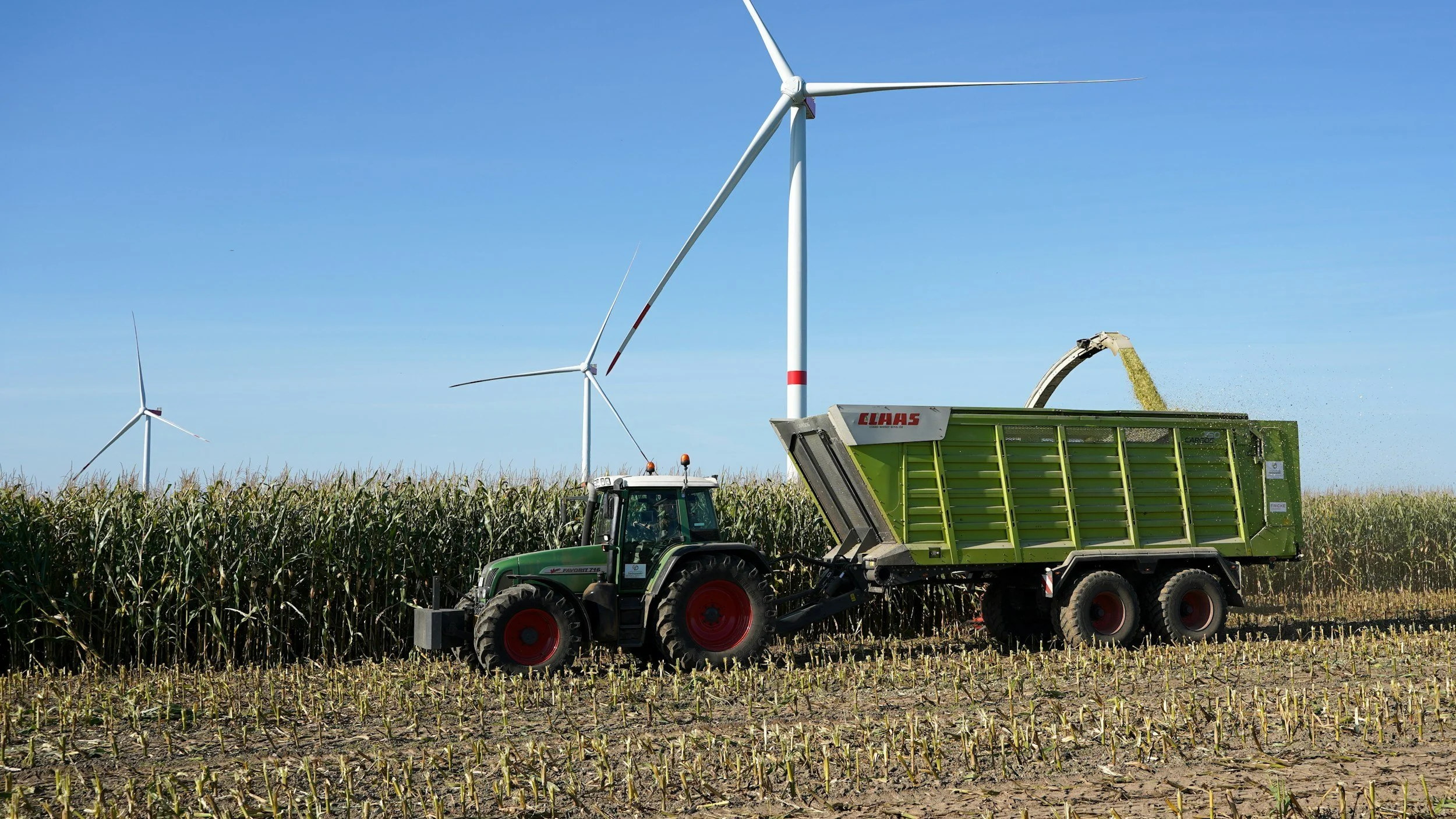
In the run up to the COP30 climate summit in Brazil, countries are reevaluating the role of biofuels in supporting efforts to accelerate the clean energy transition, particularly in the transportation sector, which accounts for nearly one-quarter of global greenhouse gas emissions.
By Caroline Arkalji
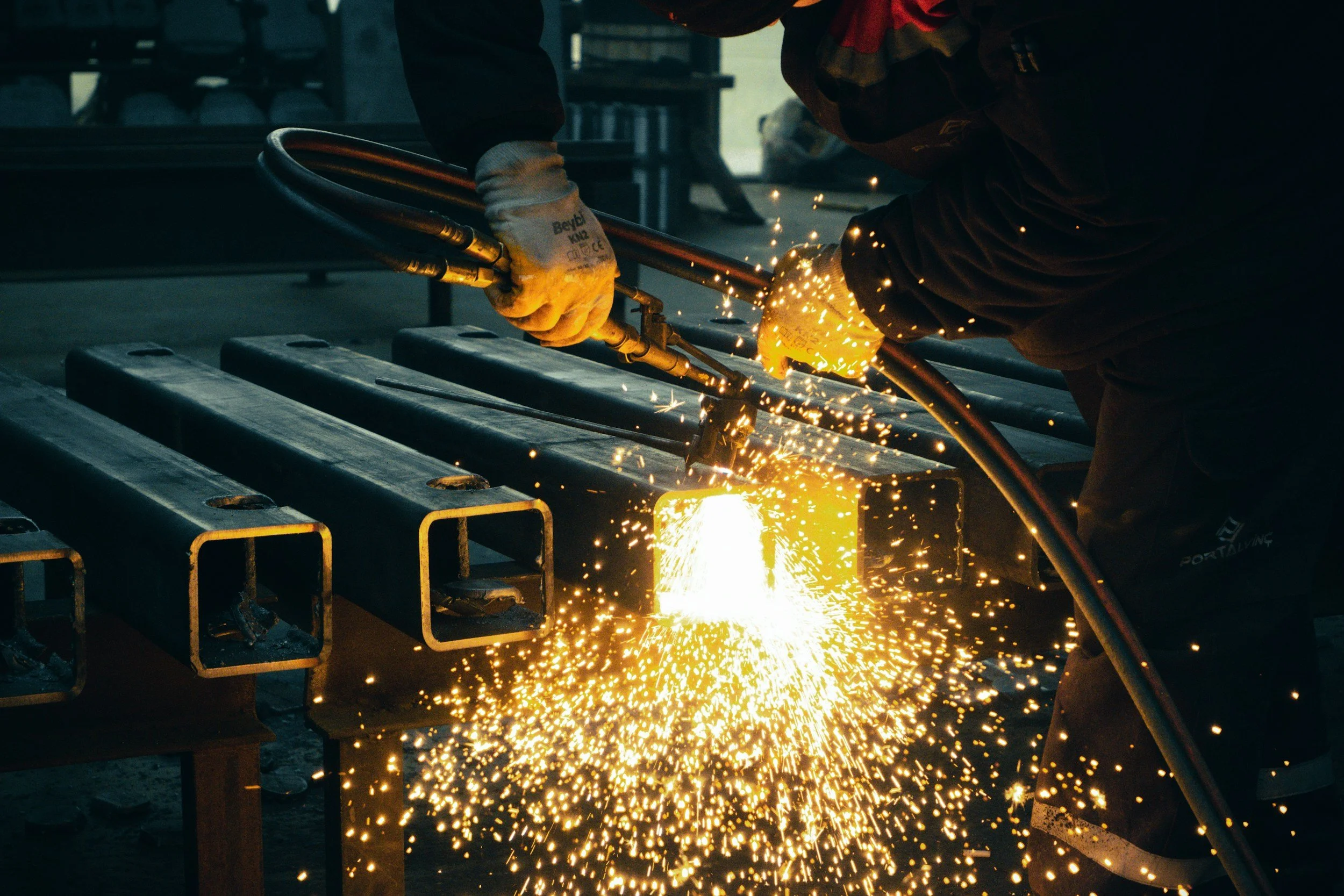
While India is globally recognized for its highly skilled engineering talent, it lags behind its peers in terms of a large, technically trained labor force needed to attract manufacturing investment at scale. To compete, India must align its technical education more closely with industry needs and emphasize skills critical to modern manufacturing.
Observer Research Foundation America, 1100 17th St. NW, Suite 501, Washington DC 20036 USA