By: Akram Zaoui
The following excerpt is from Chapter 4 — Getting the Platform Economy Right: Gig Workers in the MENA Region of ORF Global Quarterly: Societies in Transformation.
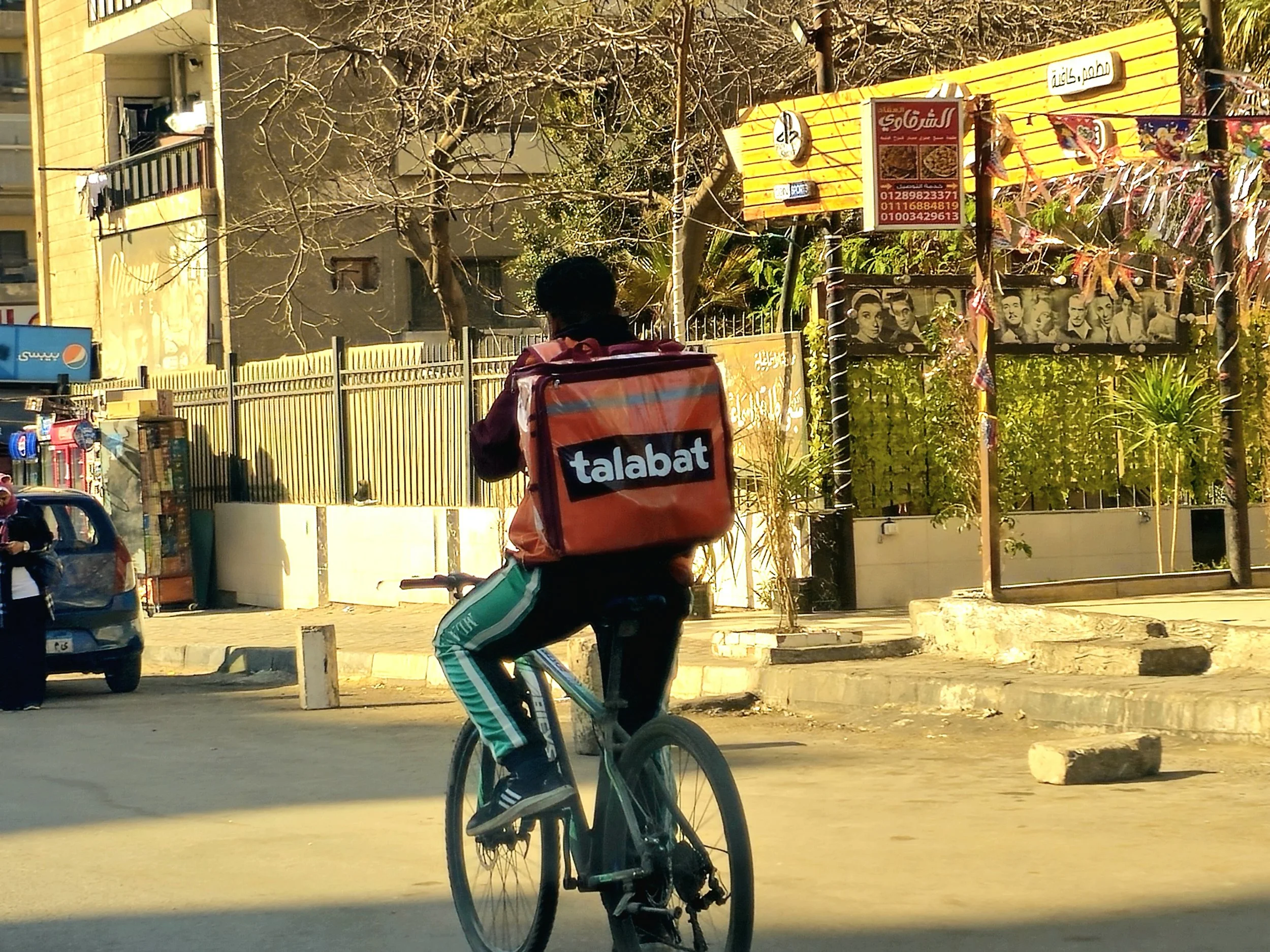
Across the Middle East and North Africa (MENA) region, digital labour platforms (DLPs) such as Uber, Talabat, and Mostaql comprise a rapidly growing sector, providing ride share, delivery, and job-matching services for freelancers. In a region with the highest unemployment and lowest labour force participation rates (LFPRs) in the world, the latest comprehensive estimate by the World Bank, in 2023, says that up to 43 million people were registered on DLPs for online gig work alone.
DLPs have provided on-location jobs in care, delivery, domestic services, and ride-hailing, as well as online jobs in data labelling, design, marketing, multimedia production, and software development. While these platforms have created sources of income, they also carry risks. The absence of adequate regulatory frameworks leads to issues such as lack of accountability, algorithmic opacity, health and safety concerns, and lack of social protection. These issues have all been addressed by the International Labour Organisation (ILO) in the Decent Work in the Platform Economy Convention which it adopted in June 2026.
Yet, with the right set of policies, DLPs can enable higher income generation, spur economic growth, drive labour formalisation, increase public revenue, and even boost foreign currency inflows. To date, governments have lagged in creating clear, comprehensive strategies and policies for digital labour markets. Unlocking the full potential of DLPs will require removing regulatory barriers and enhancing the institutional, legal, and physical infrastructure.
Digital labour platforms are creating new sources of income across the Middle East and North Africa. But without clear regulation, gig workers are often left without accountability, safety, or social protection. Learn more about how governments, employers, and labour organisations can establish safe and fair standards in ORF Global Quarterly: Societies in Transformation.