



By Sauradeep Bag
The central question is no longer whether sovereign digital money will emerge but what institutional form it will take, who will govern it, and whose economic interests it will serve.

By Ninad Kashyap
The U.S. and Indian approaches to Central Asia are more complementary than competitive: the United States can supply capital, technology, and security, while India supplies development, proximity, and a non-Western alternative.
By Pradeep Nair
While the Indian state is now deliberately making room for private firms, the boom in India’s space sector also shows how closely the state and private sector are tied together. The Indian government is at the same time a regulator, source of technology, customer, and investor.
By Kabir Taneja and Siddharth Yadav
Relying on AI models to identify and refuse to act on dangerous prompts — a measure that largely worked in the Houthis’ case — is not sufficient protection. AI labs now have to work against elaborate campaigns by resourceful and persistent groups that are actively bypassing safeguards.
By Dhruva Jaishankar and Ammar Nainar
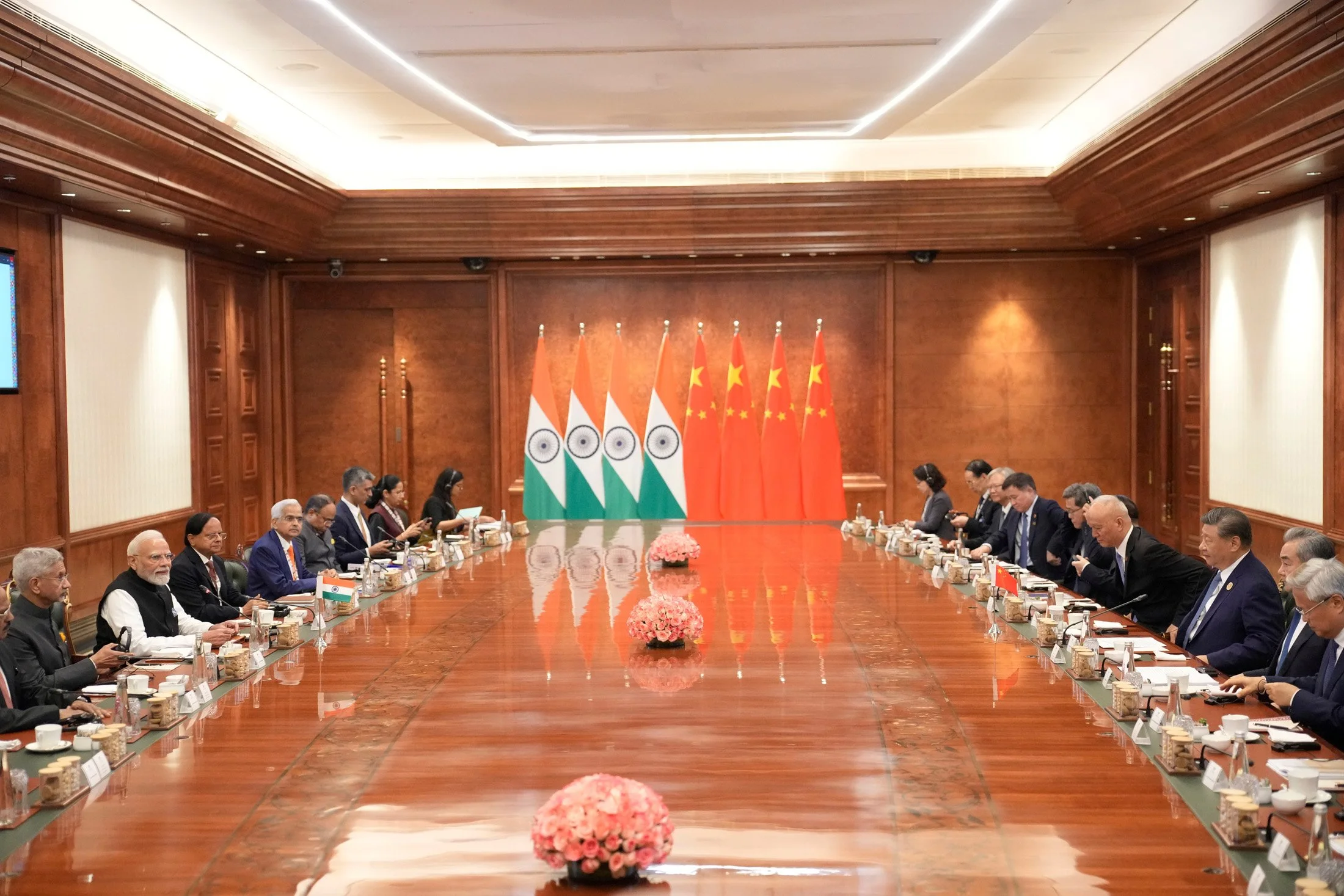
Despite a political thaw with China, India will double-down on efforts to indigenize its own industrial capabilities in certain sectors, while seeking new markets for exports, new defense and technology partners, and new and diverse sources for raw materials, investment, and intermediary goods.
By Prateek Tripathi
Though the field of quantum computing is not mature enough to provide remarkable practical applications at the moment, recent developments serve to exemplify the asymmetric nature of quantum technology development and how multiple incremental advancements can potentially lead to overall progress.
By Amoha Basrur and Pranoy Jainendran
With applications already spanning the automotive, aerospace, and data-centre sectors, spintronics has become a strategic priority for countries with the manufacturing capacity to compete for it, driving targeted R&D funding, national roadmaps, and industry partnerships aimed at securing technological leadership and supply chain resilience.
By Siddharth Yadav
Global corporate AI investment reached US$581.7 billion in 2025, more than double the previous year’s total, with most of it flowing to the economies that already dominate research and hardware. Economies with nascent domestic digital infrastructure, investment vehicles, research ecosystems, and governance frameworks risk being marginalized by the AI-driven future.
By Gopalika Arora
The retrenchment of finance is not merely a result of a temporary slowdown in climate finance commitments by the developed countries. It may also signal a deeper restructuring of the climate finance architecture driven by changing institutional priorities within the multilateral system that was expected to anchor the transition.
By Andreas Kuehn and Cauvery Ganapathy
While the integration of AI offers benefits for the optimization of energy systems through grid management, renewable energy integration, predictive maintenance, and accurate forecasting of alternative forms of energy, its energy-intensive nature could also negatively impact the countries and ecosystems seeking to adopt it.
By Jhanvi Tripathi and Samriddhi Vij
Countries in the Global South are the fastest growing consumer markets with their growing and increasingly aspirational populations. Fulfilling this potential requires addressing deep connectivity gaps that have implications for the speed and cost of doing business.
By Soumya Bhowmick and Arya Roy Bardhan
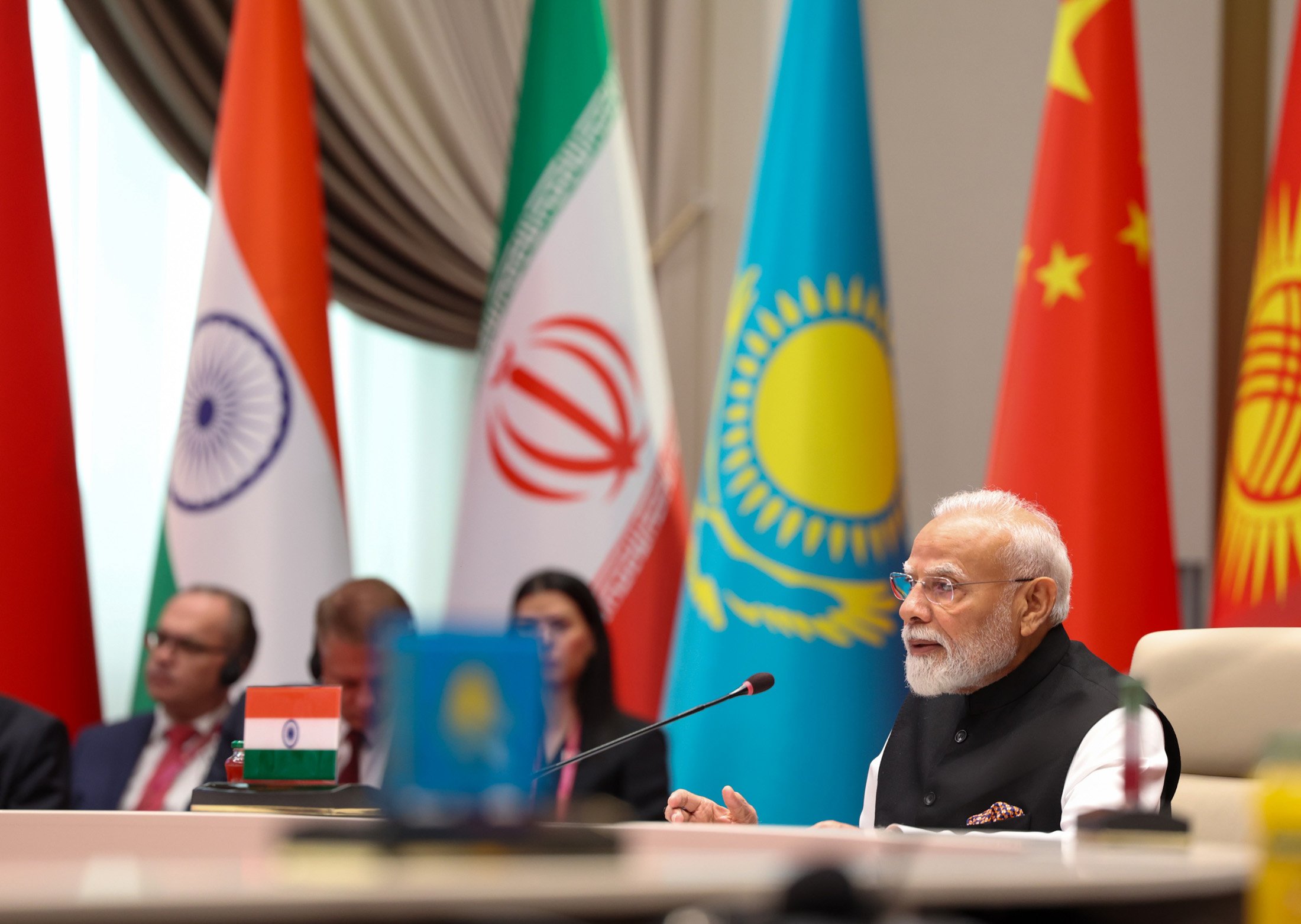
For countries across Asia, Africa, and Latin America, the challenge is no longer simply how to engage Washington or Beijing diplomatically, but how to preserve developmental autonomy in an environment where great-power competition is restructuring markets, supply chains, and industrial choices.
By Aleksei Zakharov
China is carefully balancing its position on the war in Ukraine, offering Russia targeted support while avoiding direct military involvement in the form of supplying lethal weapons or deploying troops. Similarly, Moscow would like to avoid getting entangled in China’s conflicting relations with India, Japan, Vietnam, or the United States. This cautious approach on both sides imposes a clear ceiling on their engagement and leaves limited prospects for an alliance-like partnership in the future.
By Vasabjit Banerjee
China’s economic and military presence in Latin America is expanding, prompting the United States to pursue countermeasures. Other extra-regional actors, ranging from the European Union to countries such as India, are simultaneously deepening their engagement with the region. The United States could strategically leverage these relationships to reinforce its own position.
By Sunaina Kumar, Soumya Bhowmick, Anasua Basu Ray Chaudhury, Arpan Tulsyan, and Manish Vaidya
By 2033, the Global South is projected to account for 1.2 billion youths aged 15–24, yet only 480 million are projected to be enrolled in school, and about 420 million to secure employment, leaving nearly 300 million young people facing severely constrained opportunities. Equipping them with quality education and relevant skills is crucial.
By Nilanjan Ghosh, Ramanath Jha, Oommen C. Kurian, Soma Sarkar, and Shoba Suri
A distinctive feature of the year 2026 is the convergence of several transitions: food systems are being reshaped by regenerative practices and digital technologies, health governance is undergoing reform within a post-pandemic framework, and cities are simultaneously sites of vulnerability and centers of innovation.
By Mannat Jaspal, Parul Bakshi, Cauvery Ganapathy, Lydia Powell, and Piyush Verma
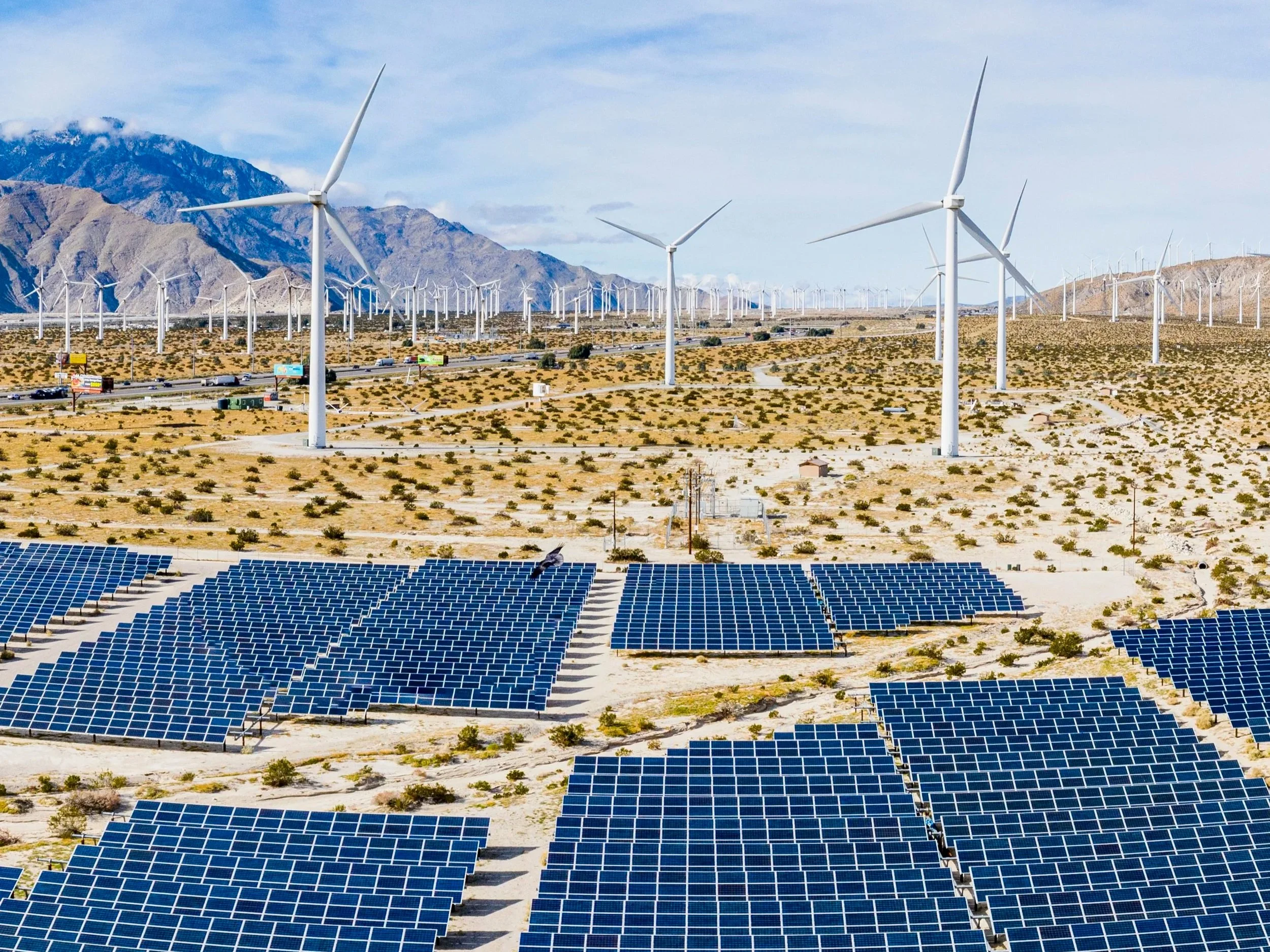
As we enter 2026, climate and energy policies are being shaped not only by decarbonization imperatives. Geopolitical upheaval, technological competition, economic transformation, supply chain resilience, and national security concerns are exerting influence over the future of energy and climate policies worldwide.
By Anirban Sarma with Sauradeep Bag, Anulekha Nandi, Prateek Tripathi, and Siddharth Yadav
The year 2025 saw several disruptive and emerging technologies advance from rhetoric, and experimentation, into ongoing expansion, to an accelerated phase of growth. At the same time, there emerged a rising sense of urgency about the need for digital sovereignty. Taken together, AI, quantum computing, digital currencies, and nanotechnology represent a frontier where technology, power, and the political economy increasingly converge.
By Anit Mukherjee with Dhruba Purkayastha, Arya Roy Bardhan, Srijan Shukla, and Jhanvi Tripathi
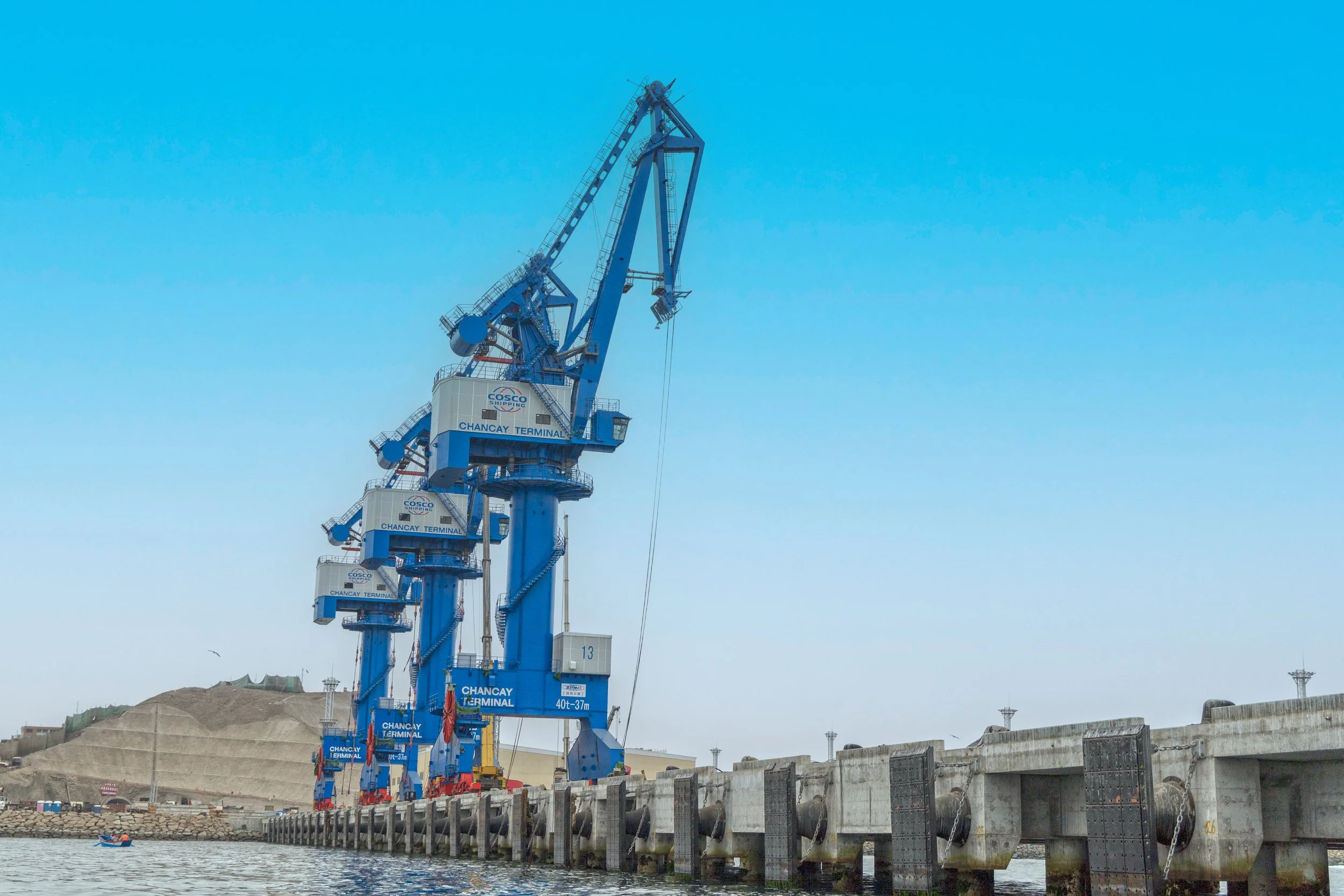
The “reciprocal tariffs” announced by the United States in early April disrupted the global trade flows and unsettled the multilateral system built over several decades. As a result, global players are adjusting to this new reality and altering their behavior beyond tariff measures to safeguard their own interests.
Observer Research Foundation America, 1100 17th St. NW, Suite 501, Washington DC 20036 USA