



Energy Transitions

Ten Fault Lines That Will Define the Global Energy Transition

Ten Fault Lines That Will Define the Global Energy Transition

By Piyush Verma

For the Global South, the stakes are particularly high: the energy transition could unlock industrialization, resilience, and strategic bargaining power, but it could also reproduce older patterns of dependency through new technologies, standards, minerals, and financial asymmetries.

Building AI into the Energy Future

Building AI into the Energy Future

By Andreas Kuehn and Cauvery Ganapathy

While the integration of AI offers benefits for the optimization of energy systems through grid management, renewable energy integration, predictive maintenance, and accurate forecasting of alternative forms of energy, its energy-intensive nature could also negatively impact the countries and ecosystems seeking to adopt it.

How the UAE’s Exit from OPEC Exposes the New Realities of Energy Diplomacy

How the UAE’s Exit from OPEC Exposes the New Realities of Energy Diplomacy

By Medha Prasanna

The oil age will not end because the world runs out of oil, but because oil reserves stop being worth pumping. The UAE has moved fast, not as just a knee-jerk reaction to the conflict in the region, but as a strategic divergence.

The EU’s Green Industrial Policy Goes on the Defensive with Industrial Accelerator Act

The EU’s Green Industrial Policy Goes on the Defensive with Industrial Accelerator Act

By Sarah Salah

As the IAA continues to undergo amendments, its ultimate success will hinge on careful calibration. The EU will need to preserve channels for strategic foreign investment, especially in capital-intensive sectors where domestic capacity alone may fall short. If the Act is overly complex or restrictive, it risks deterring the very investment it seeks to shape.
High Oil Prices Create an Opportunity for the Global Biofuels Alliance

High Oil Prices Create an Opportunity for the Global Biofuels Alliance

By Anit Mukherjee and Caroline Arkalji

If implemented effectively, the Global Biofuels Alliance could help position biofuels not simply as a short-term response to supply disruptions, but as a more strategic pillar of long-term energy security, industrial development, and energy transitions.

CTIP: An Avenue for EU-India Clean Industrial Collaboration

CTIP: An Avenue for EU-India Clean Industrial Collaboration

By Dhruva Jaishankar and Piyush Verma

A CTIP could deliver relatively quick wins by supporting joint manufacturing, standards cooperation, and market access to meet Europe’s diversification needs, while deepening India’s role as a global clean energy manufacturing hub. 

India’s LPG Shortage: An Opportunity for Energy Subsidy Reforms

India’s LPG Shortage: An Opportunity for Energy Subsidy Reforms

By Anit Mukherjee

The current crisis in the Middle East has demonstrated that ensuring energy security will remain a challenge for policymakers in the foreseeable future, especially for countries like India. At the same time, the current disruption provides an opportunity to initiate and build on energy sector reforms to make sure that countries are better prepared to deal with such shocks in the future.

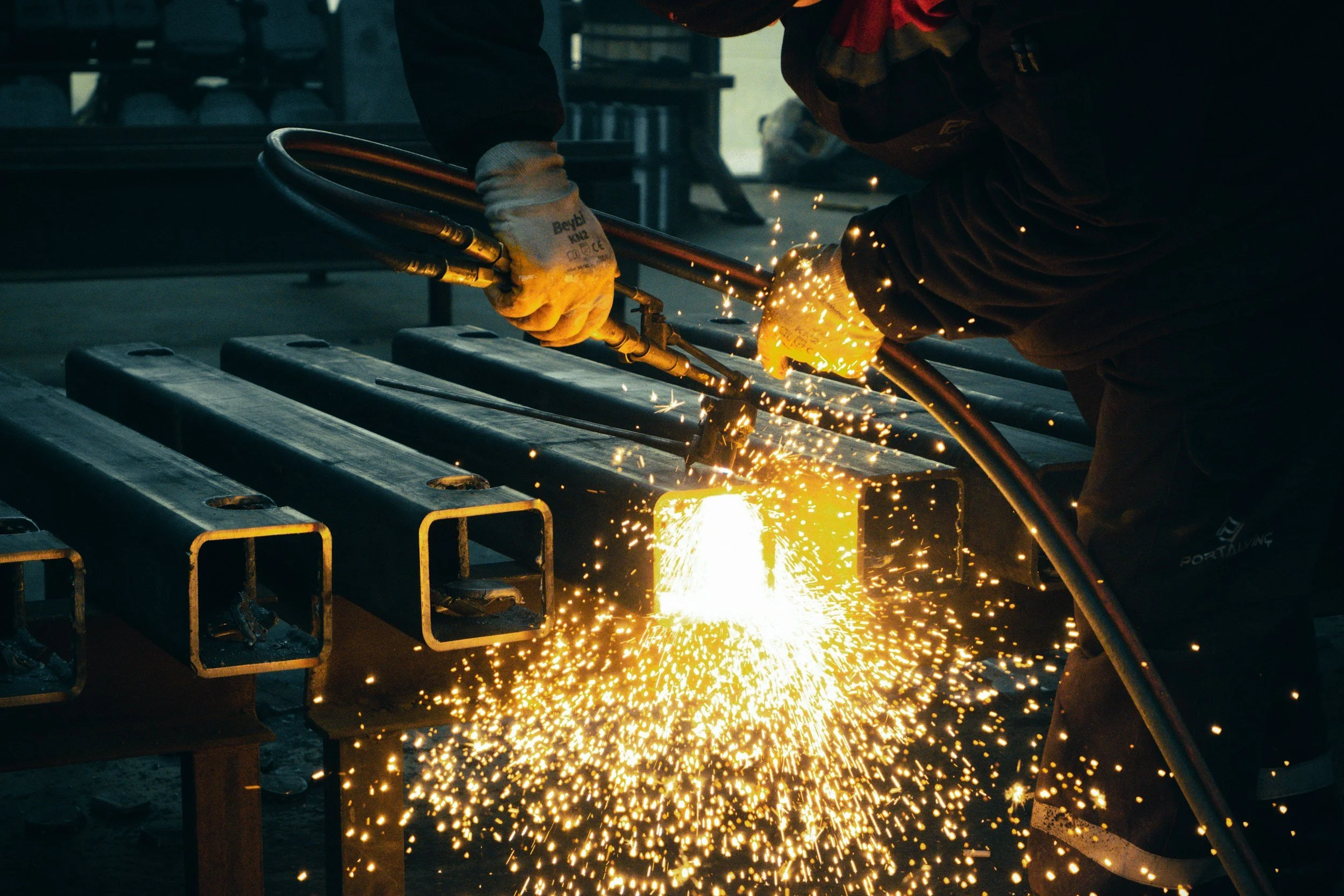
Four Barriers to Decarbonizing the Steel Industry

Four Barriers to Decarbonizing the Steel Industry

By Caroline Arkalji and Telmen Altanshagai

In the coming decades, green steel will shape whether heavy industry can remain both competitive and environmentally-aligned. The remaining question is whether policy frameworks, financing mechanisms, and workforce strategies can move at the same pace.

Climate and Energy Transitions: Hanging in the Balance

Climate and Energy Transitions: Hanging in the Balance

By Mannat Jaspal, Parul Bakshi, Cauvery Ganapathy, Lydia Powell, and Piyush Verma

As we enter 2026, climate and energy policies are being shaped not only by decarbonization imperatives. Geopolitical upheaval, technological competition, economic transformation, supply chain resilience, and national security concerns are exerting influence over the future of energy and climate policies worldwide.

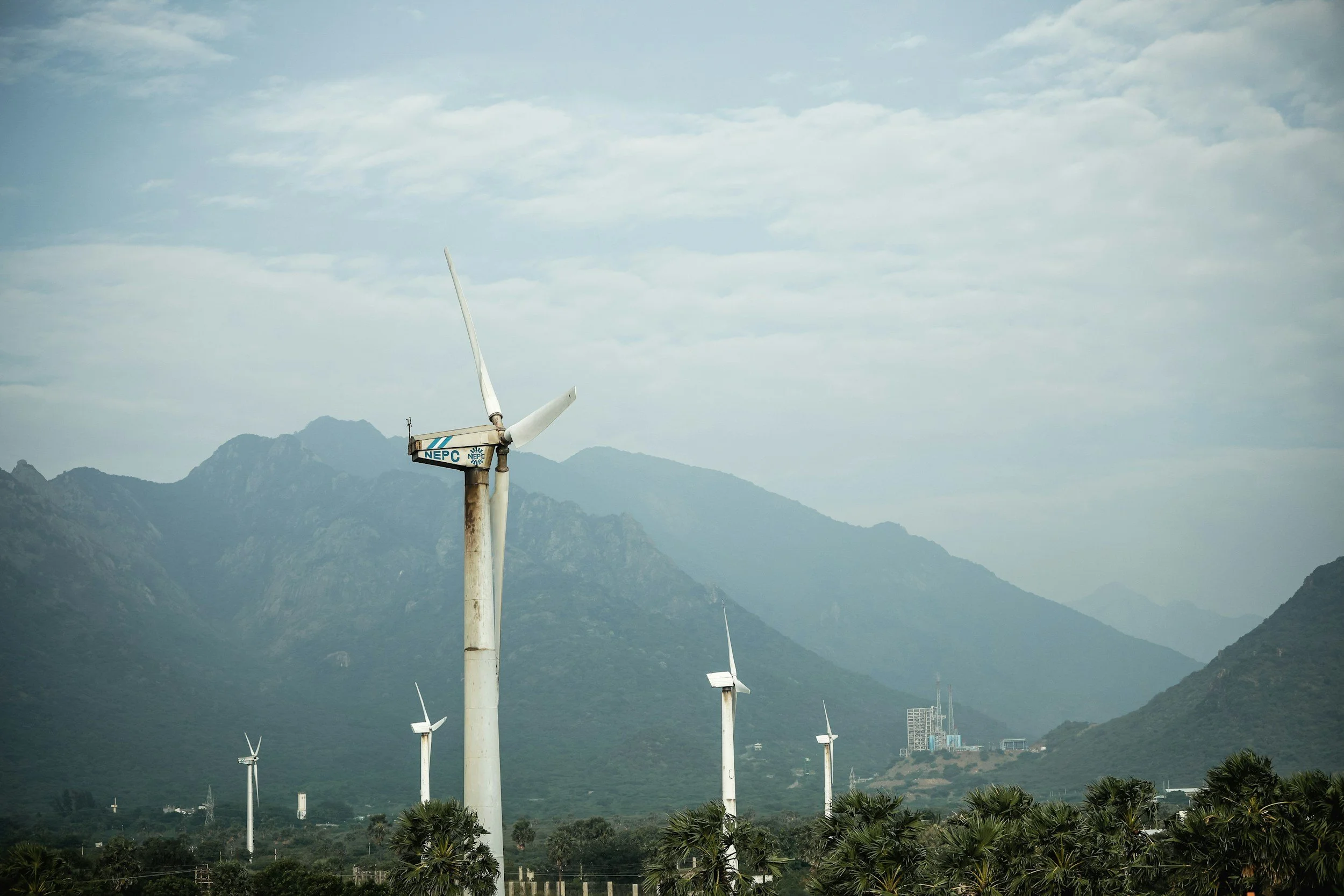
Three Global Lessons from India’s Clean Energy Surge

Three Global Lessons from India’s Clean Energy Surge

By Piyush Verma

While challenges remain in terms of generation mix, grid integration, infrastructure resilience and storage capacity, India’s clean energy milestone sends a clear message: ambitious goals, backed by policy, innovation, and investment, can deliver real-world impact.