



By Parul Bakshi and Samriddhi Vij
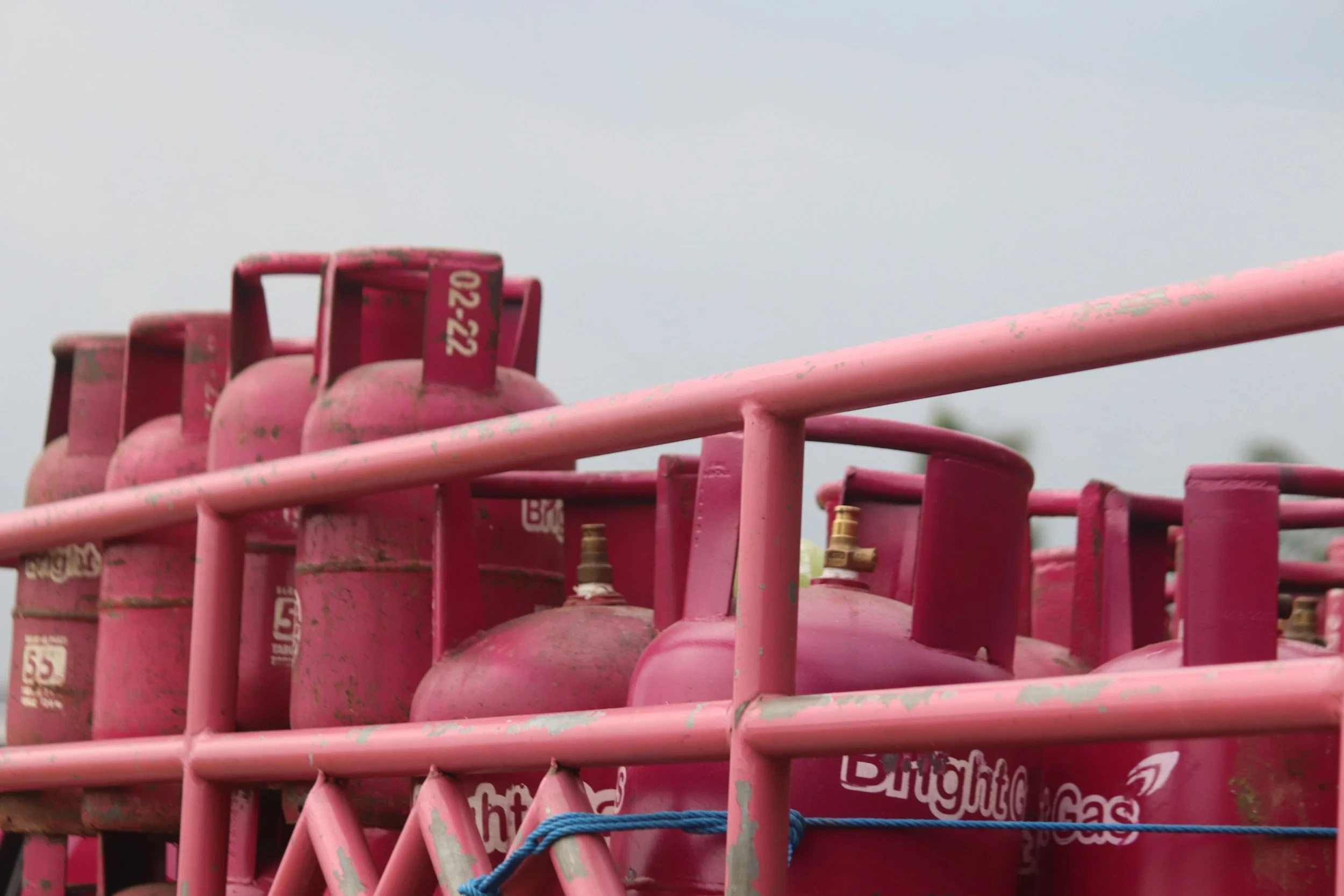
While the current crisis in the Middle East may not be permanent, Asia’s dependency on Middle Eastern crude is, necessitating a deeper examination of the structure and extent of this vulnerability.
By Medha Prasanna
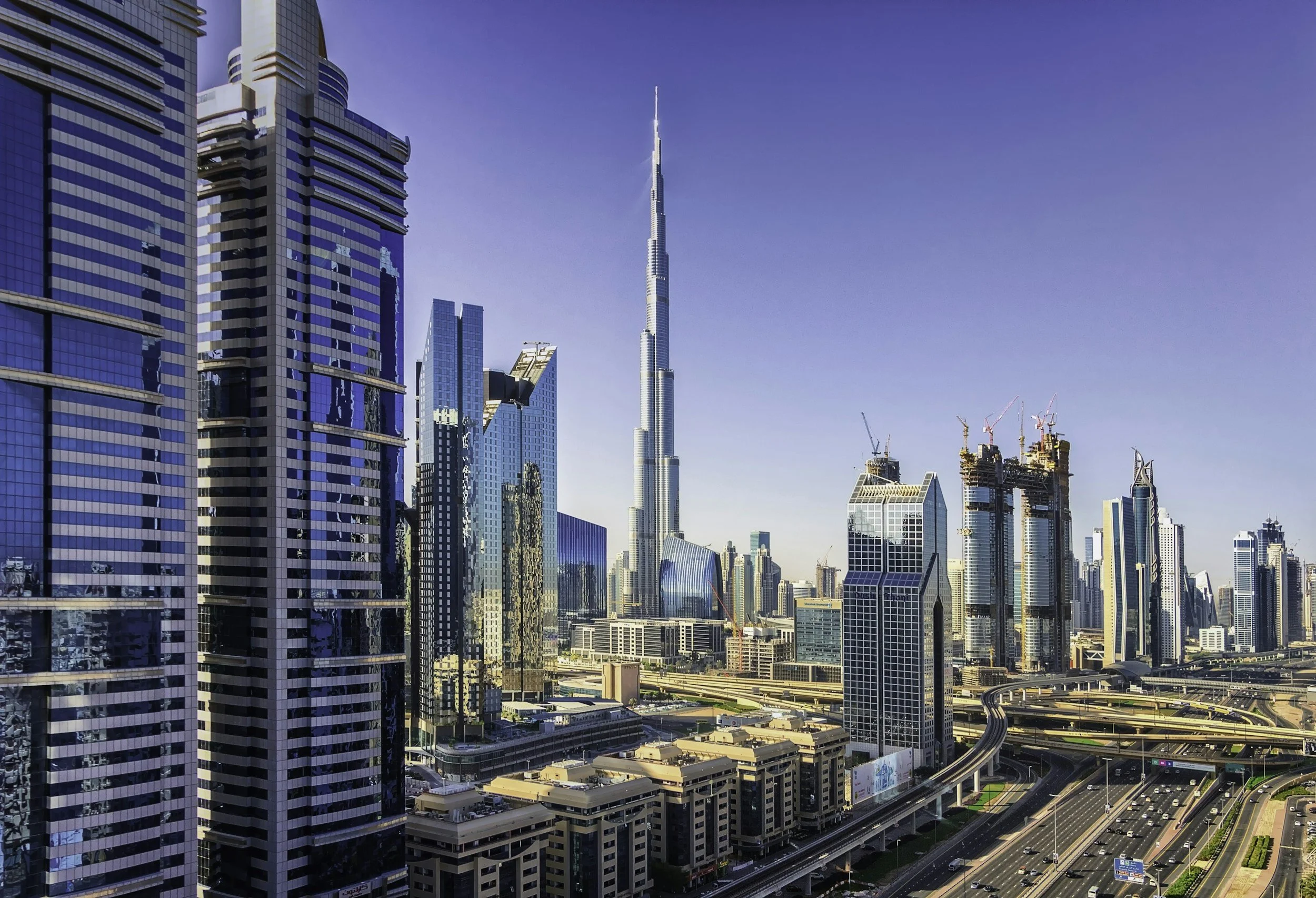
The oil age will not end because the world runs out of oil, but because oil reserves stop being worth pumping. The UAE has moved fast, not as just a knee-jerk reaction to the conflict in the region, but as a strategic divergence.
By Andre Nicola
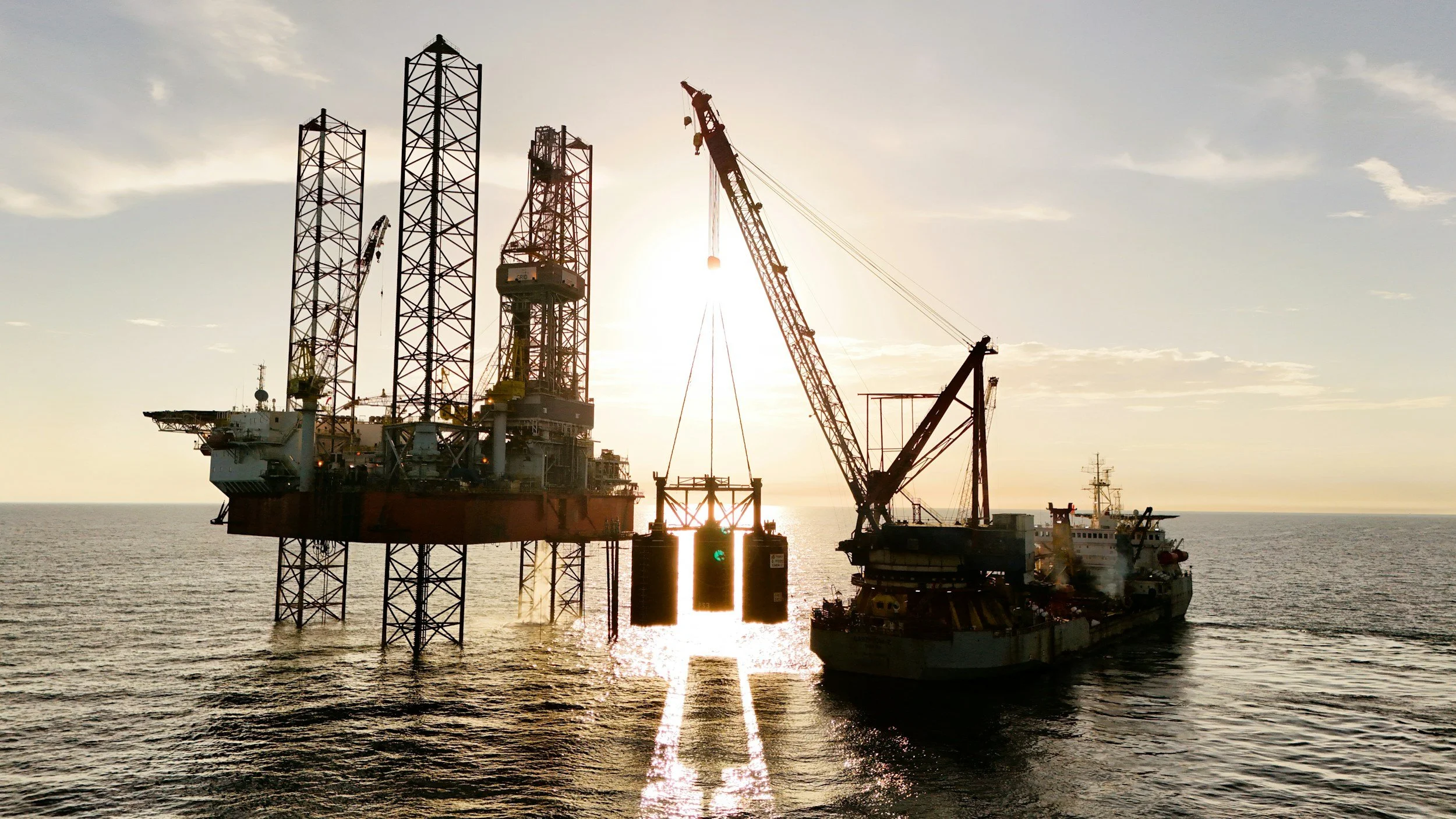
Across South America, governments are increasingly framing environmental regulation as a constraint on growth, investment, and national competitiveness. South America's political direction over the next several years will be an early test of whether economic development can be reconciled with environmental stewardship throughout the region.
By Pietro Zecca
Pursued only through scattered pilot projects, industrial decarbonization stays fragmented and slow. Organized as clusters, it becomes more practical and politically durable, connecting climate finance to visible assets and bridging decarbonization with development.
By Uma Vatsa and Shailesh Mishra
The AI industry is making large, long-lived bets on future demand, even as the technology itself is becoming more efficient. If AI systems become cheaper to run, more efficient to train, or less dependent on massively centralized compute, some of today’s infrastructure may prove oversized, poorly located, or economically fragile.
By Anit Mukherjee
The current crisis in the Middle East has demonstrated that ensuring energy security will remain a challenge for policymakers in the foreseeable future, especially for countries like India. At the same time, the current disruption provides an opportunity to initiate and build on energy sector reforms to make sure that countries are better prepared to deal with such shocks in the future.
By Siddharth Yadav and Khush Advani
As AI reshapes economies, militaries, and societies, the nations that control the hardware pipeline will shape the rules of the emerging order. At present, that pipeline runs through a single bottleneck in Veldhoven, Netherlands. For middle powers, the choice is to either accept permanent dependency on a supply chain governed by the strategic priorities of others, or invest collectively in an alternative.
By Jeffrey D. Bean
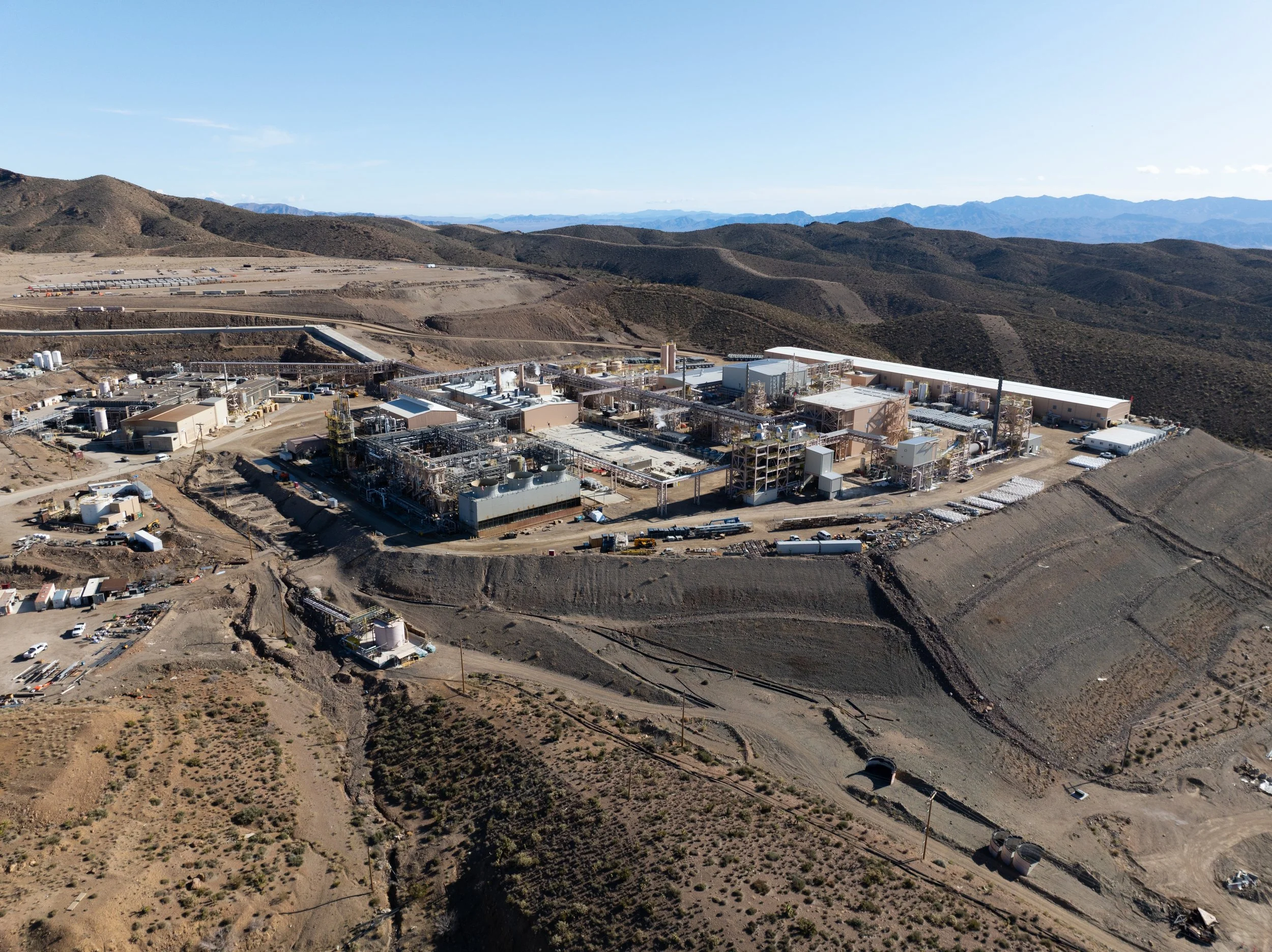
If the U.S. government can facilitate practical, targeted bilateral engagements for mining and processing under the banner of Pax Silica and FORGE, these could support derisking semiconductor, AI, and critical mineral supply chains provided key Global South actors are engaged effectively and equitably.
By Mahdi Ghuloom and Cauvery Ganapathy
What is noteworthy is that the UAE and Bahrain, two countries which have consistently advocated for a diplomatic resolution to the dispute, have now been forced to pivot towards seeking a more proactive approach aimed at securing the Strait under a UN-supported coalition.
Observer Research Foundation America, 1100 17th St. NW, Suite 501, Washington DC 20036 USA