



By Anit Mukherjee
As crude oil prices moderate and energy supplies become more predictable, India has an opportunity to address three key challenges.

By Pradeep Nair
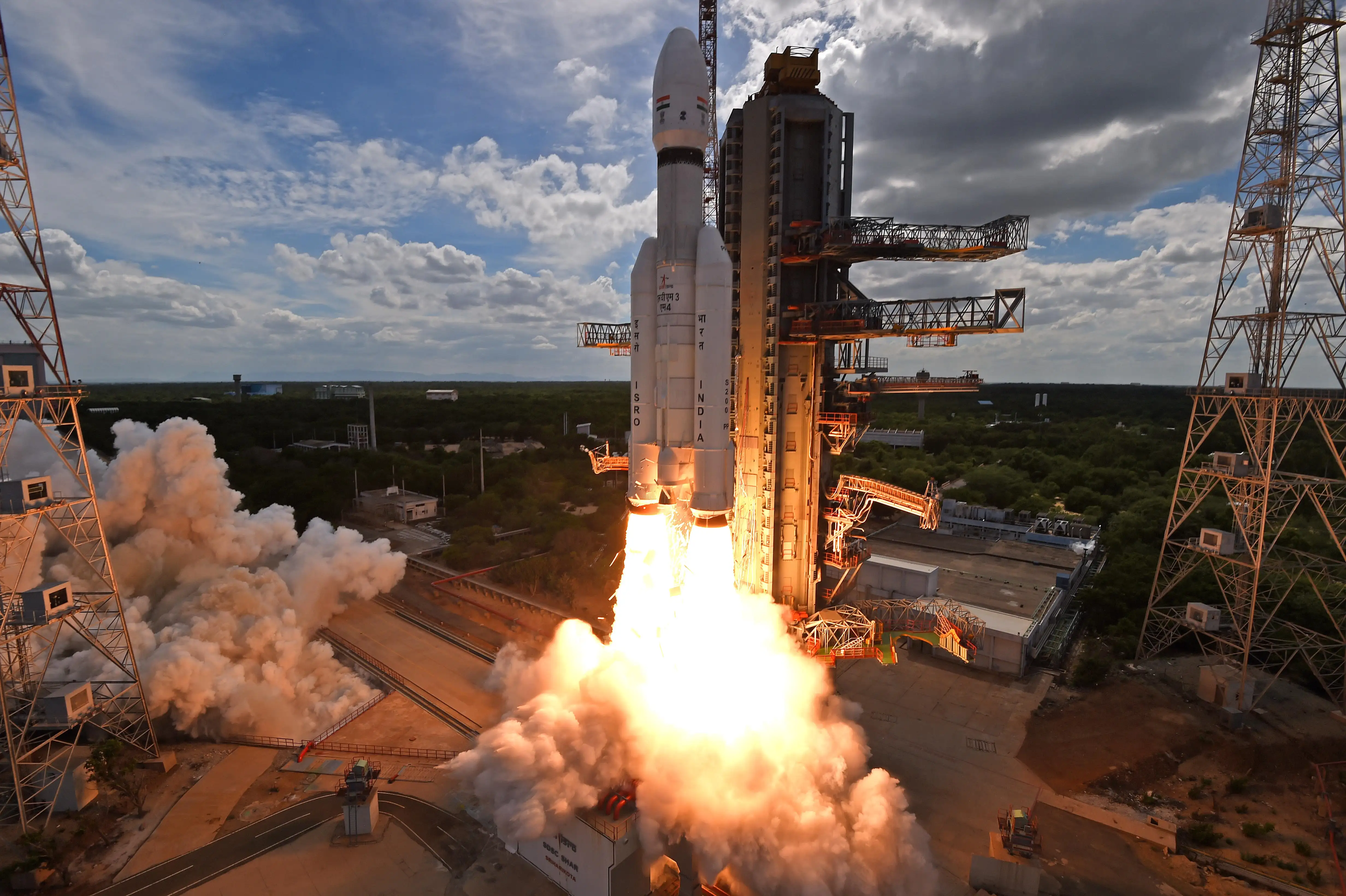
While the Indian state is now deliberately making room for private firms, the boom in India’s space sector also shows how closely the state and private sector are tied together. The Indian government is at the same time a regulator, source of technology, customer, and investor.
By Kabir Taneja and Siddharth Yadav
Relying on AI models to identify and refuse to act on dangerous prompts — a measure that largely worked in the Houthis’ case — is not sufficient protection. AI labs now have to work against elaborate campaigns by resourceful and persistent groups that are actively bypassing safeguards.
By Dhruva Jaishankar and Ammar Nainar
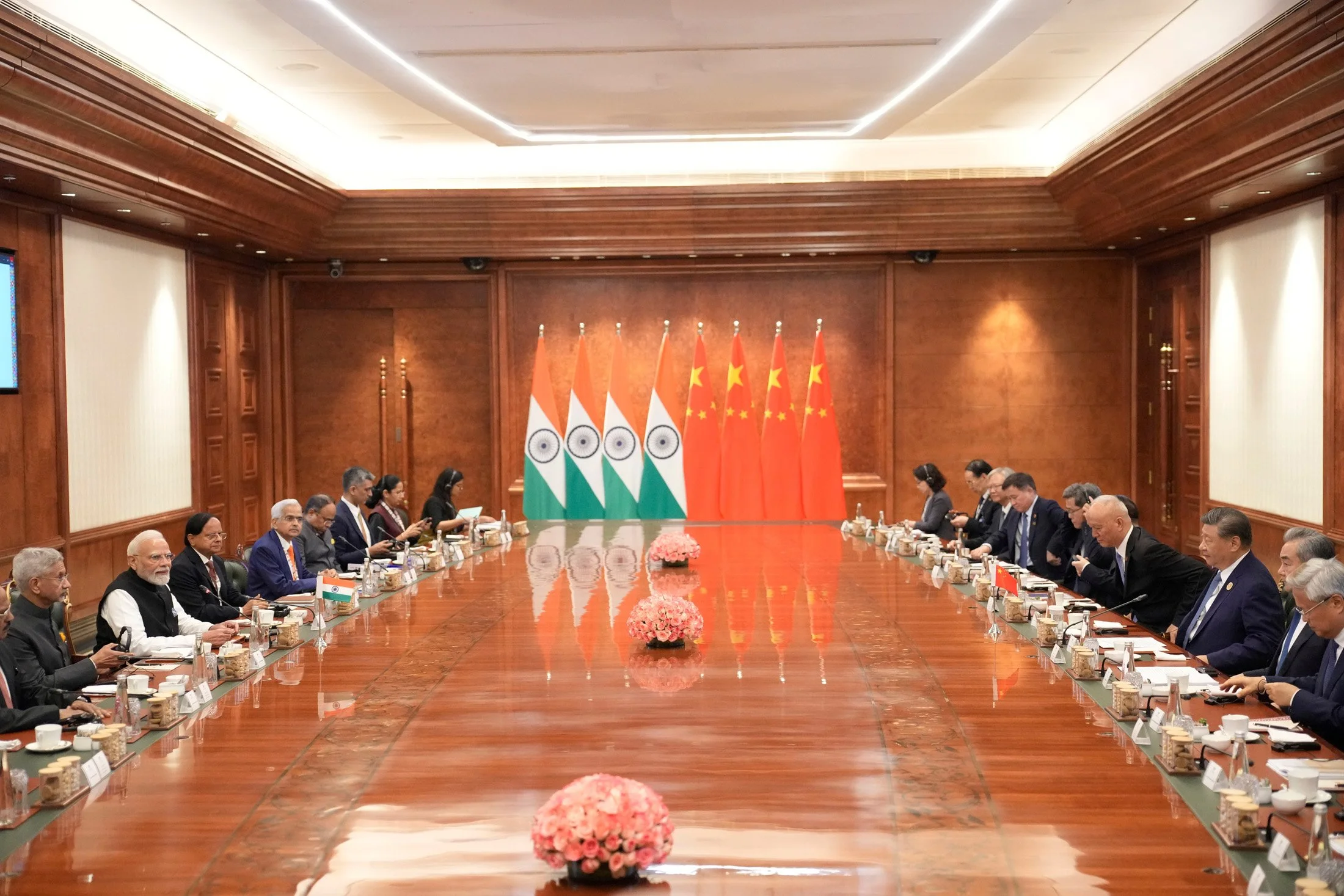
Despite a political thaw with China, India will double-down on efforts to indigenize its own industrial capabilities in certain sectors, while seeking new markets for exports, new defense and technology partners, and new and diverse sources for raw materials, investment, and intermediary goods.
By Andre Nicola
The outcome of Brazil’s 2026 presidential election will have massive implications for its domestic policies and will also shape how Brazil engages with partners in Washington, Beijing, and the rest of the world.
By Ammar Nainar
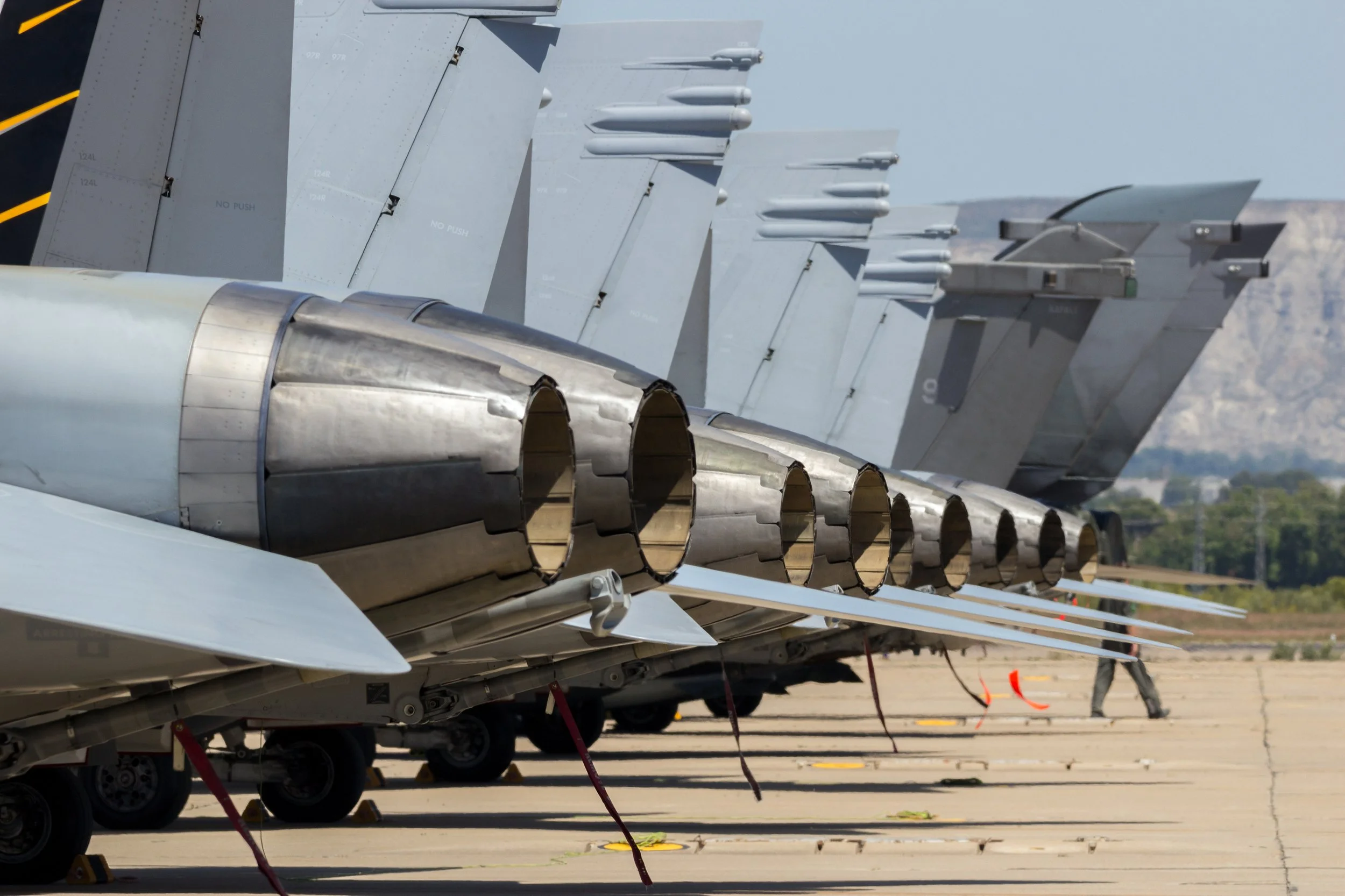
The Iran War has already had a severe impact on the United States’ arms and ammunition inventory. The new demands for arms and munitions come just as India has begun to improve its domestic weapons manufacturing and promote defense exports. In the coming years, this offers opportunities for India and the United States to cooperate in defense manufacturing at scale.
By Anit Mukherjee
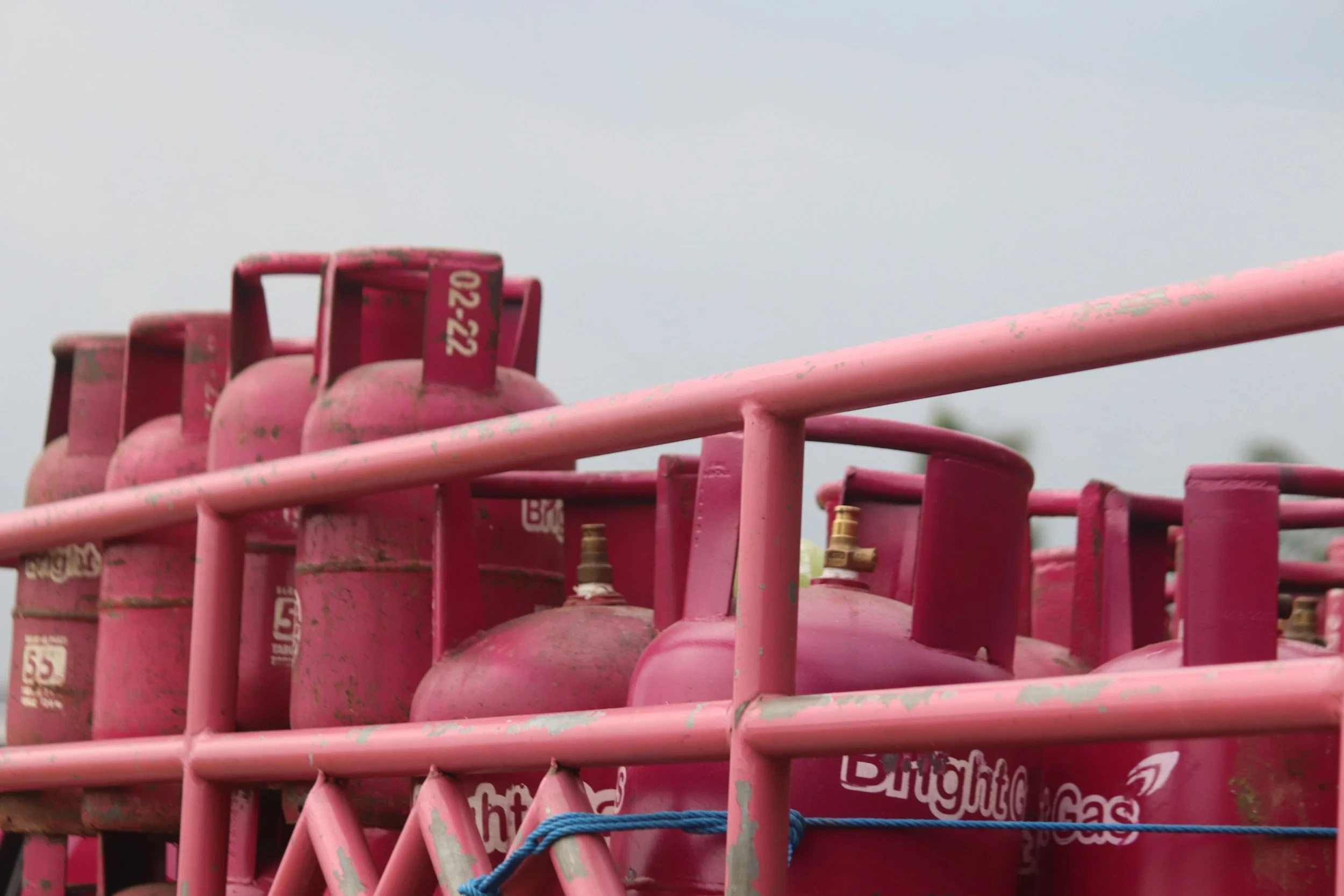
The current crisis in the Middle East has demonstrated that ensuring energy security will remain a challenge for policymakers in the foreseeable future, especially for countries like India. At the same time, the current disruption provides an opportunity to initiate and build on energy sector reforms to make sure that countries are better prepared to deal with such shocks in the future.
By Ammar Nainar
Disruptions in the Strait of Hormuz resulting from the conflict between the United States and Israel, on the one hand, and Iran on the other, threaten to create another global energy crisis. India has many reasons to proactively take such action: the closure of the Strait of Hormuz risks exacerbating the country’s energy shortages and food insecurity.
By Jeffrey D. Bean
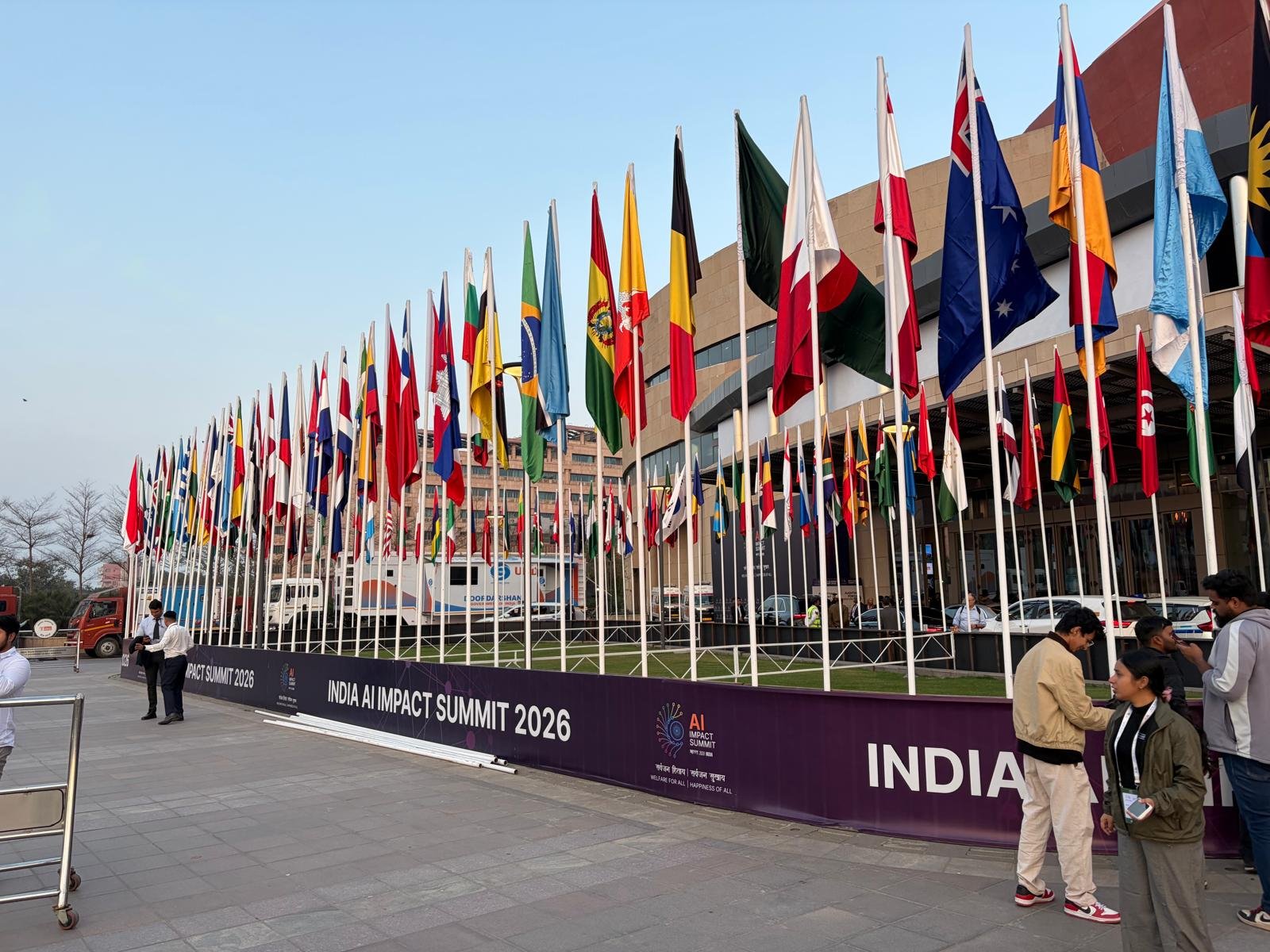
The AI Impact Summit underscored India’s commitment to be seen as a leader for technology deployment to the Global South. In this way, India is attempting to serve as a bridge between the leading technology manufacturing countries and the societies where applied technology may have the biggest impact on quality of life, in areas like healthcare, education, and agriculture
By Udaibir Das
When finance is discussed in the context of India’s trade agreements, the debate polarizes: either India is genuinely opening, or it remains stuck in defensive regulation. But neither captures what is happening: India is selectively binding regulatory discretion, exporting specific platforms, and keeping control over balance-sheet risks.
Observer Research Foundation America, 1100 17th St. NW, Suite 501, Washington DC 20036 USA