
By Ammar Nainar
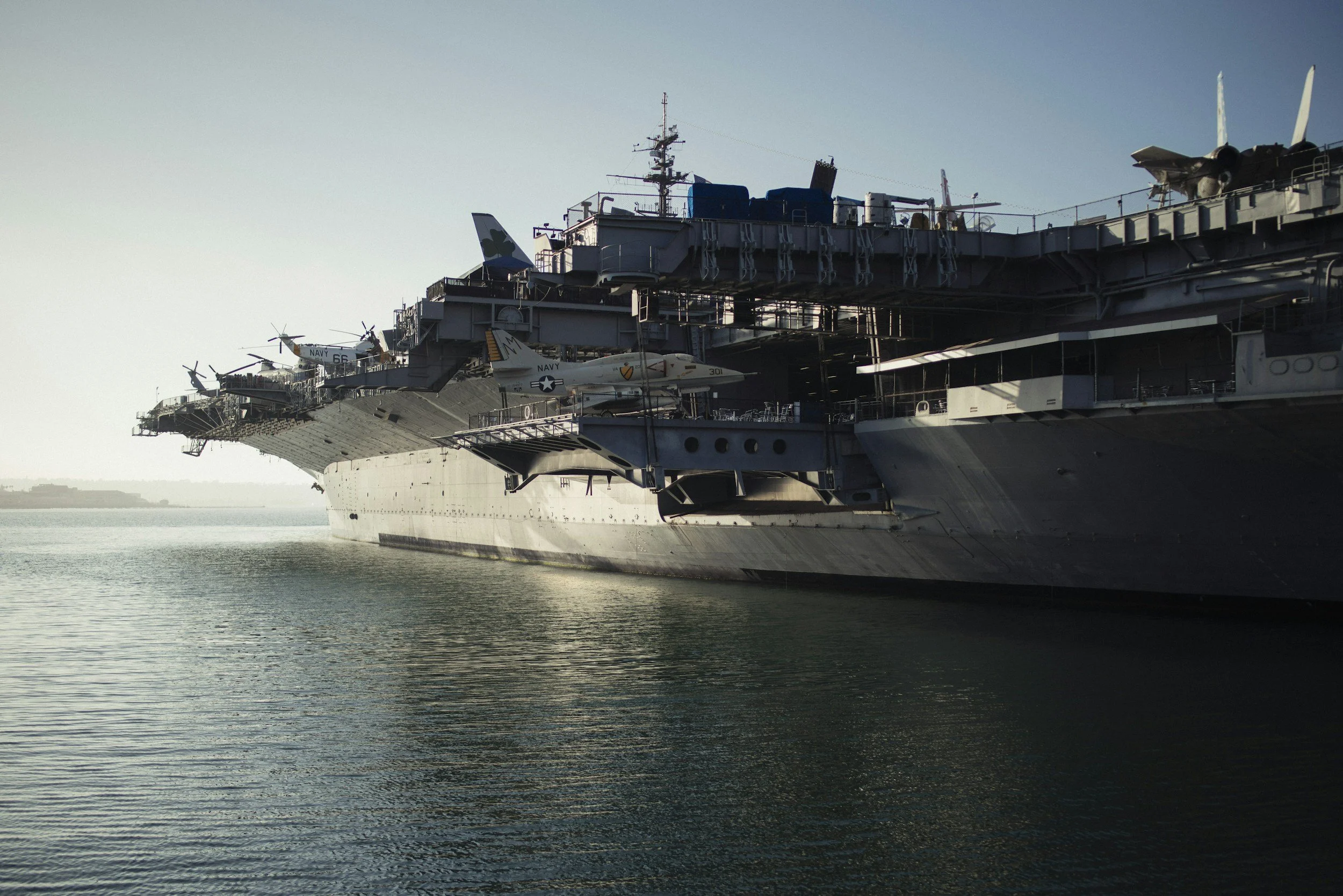
In the long run, India will continue to deepen defense cooperation with a select group of West Asian and Mediterranean countries in partial response to developments such as the Mecca Agreement.
By Raul Alfaro-Pelico
When the African Union took its permanent member seat at the G20 in 2023, it was read across the continent as a long-overdue correction. Three years on, the question is narrower and harder. What does the seat actually buy?
By Caroline Arkalji and Piyush Verma
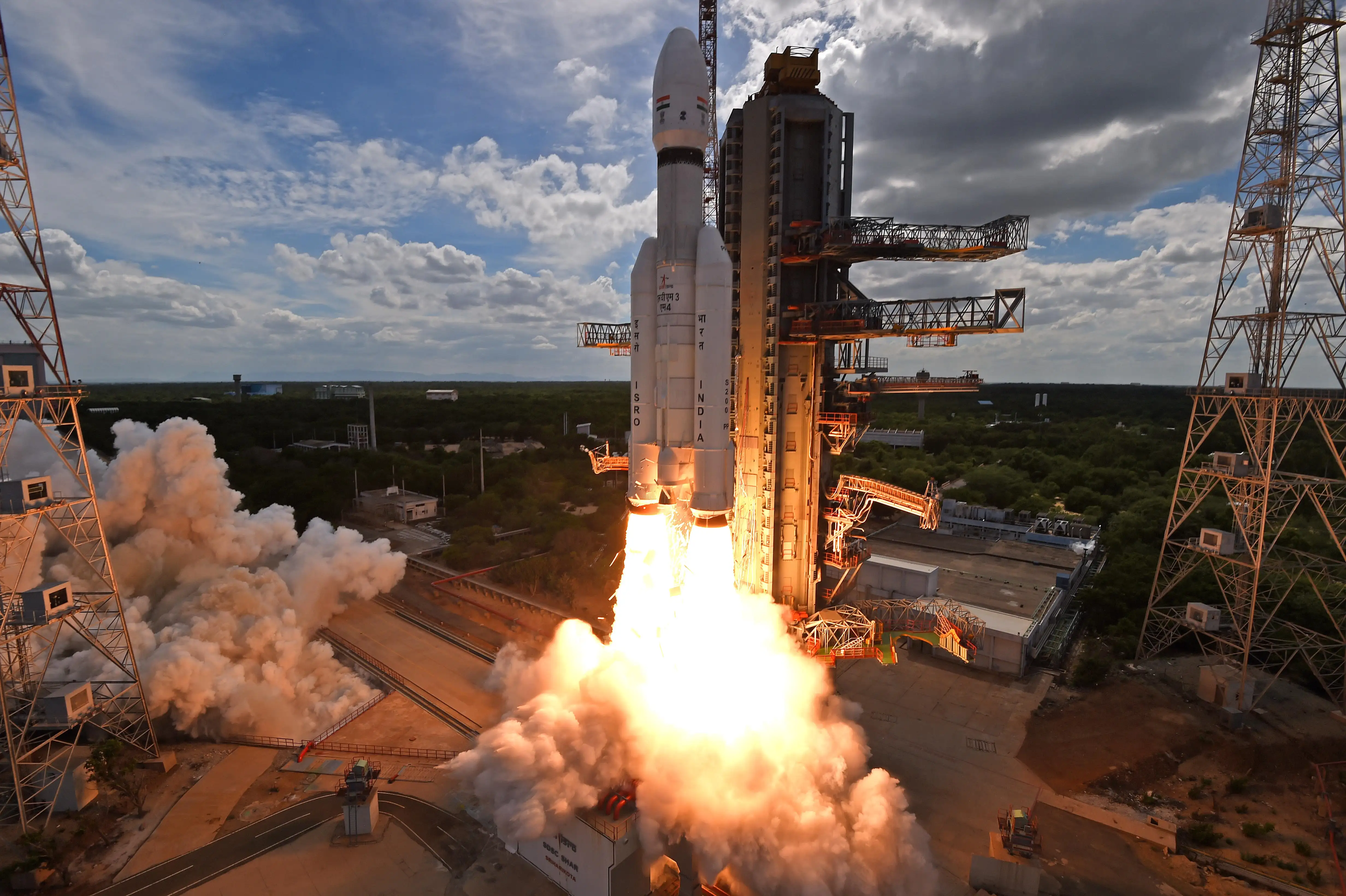
Green iron could become an important energy security and industrial competitiveness issue. Reducing dependence on imported coal, building domestic clean industrial capacity, and preparing for future export markets could all strengthen India’s long-term position.
By Siddharth Yadav
The ability of attackers using AI systems to mount an autonomous attack is spreading. The systems best able to defend against one, including the two OpenAI models in this test, are either unreleased or restricted to organizations with advance approval. That gap necessitates treating open models that anyone can download and run as the foundation of cyber defense, rather than a fallback.
By Ammar Nainar
In the long run, India will continue to deepen defense cooperation with a select group of West Asian and Mediterranean countries in partial response to developments such as the Mecca Agreement.
By Dylan Morgan
While the CCP may view Cheng as an opportunity to revive engagement, Taiwan’s political realities continue to place limits on how far she can move towards accommodating Beijing. Her current efforts to moderate her platform and temper pushback may be able to help her make inroads with a broader audience.
By Ammar Nainar
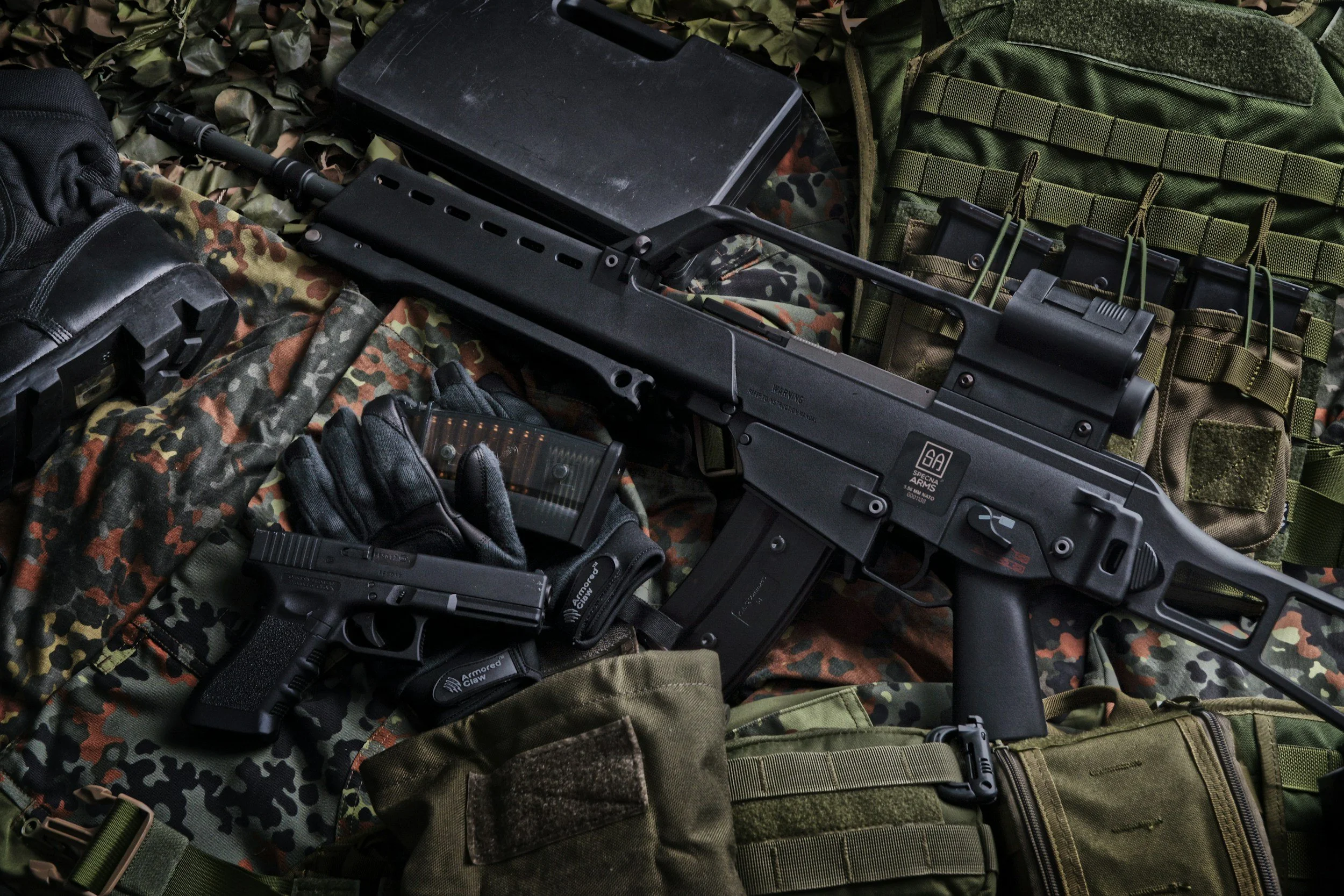
The Iran War has already had a severe impact on the United States’ arms and ammunition inventory. The new demands for arms and munitions come just as India has begun to improve its domestic weapons manufacturing and promote defense exports. In the coming years, this offers opportunities for India and the United States to cooperate in defense manufacturing at scale.
By Ammar Nainar
Disruptions in the Strait of Hormuz resulting from the conflict between the United States and Israel, on the one hand, and Iran on the other, threaten to create another global energy crisis. India has many reasons to proactively take such action: the closure of the Strait of Hormuz risks exacerbating the country’s energy shortages and food insecurity.
By Ammar Nainar
For the first time in a defense framework agreement, India and the United States specified “operational coordination” as an objective for enhancing collaboration in Professional Military Education (PME) and training. While earlier exchanges largely involved India borrowing best practices from the United States, recent cooperation between the two countries has emphasized greater joint activities and operations.
By Dhruva Jaishankar and Ammar Nainar
As China and the United States jostle for position, India has a modest but meaningful role to play as a security provider in the Western Pacific. Beyond the Indian Ocean, its ability to improve interoperability with willing and capable partners and assist in capacity-building efforts have only increased, notwithstanding the tenor of relations with the United States.
By Ammar Nainar
Despite trade and tariff wars and continuing security tensions in Europe, the Middle East, and Indian subcontinent, Quad cooperation continues. But the trends this year also reflect a new and more focused agenda for Quad cooperation in the second Trump administration, including maritime, economic, and technology security, as well as humanitarian assistance and disaster relief.
By Ammar Nainar
In a signal of the United States’ burden-sharing efforts, the Indian Ocean region was featured eight times in the latest U.S.-India joint statement between Indian prime minister Narendra Modi and U.S. president Donald Trump. To India and the United States, the Indian Ocean remains vital for trade and energy flows, for security competition given China’s growing naval activity, and for connectivity between Asia, Africa, and Europe.
Observer Research Foundation America, 1100 17th St. NW, Suite 501, Washington DC 20036 USA