



By Marta Bengoa
The fundamental contradiction in the Trump administration’s approach to trade policy remains unresolved: a strong economy cannot be built on weak economic thinking. Tariffs are not a strategy; they are a symptom of strategic absence.

By Shruti Jain and Leigh Mante
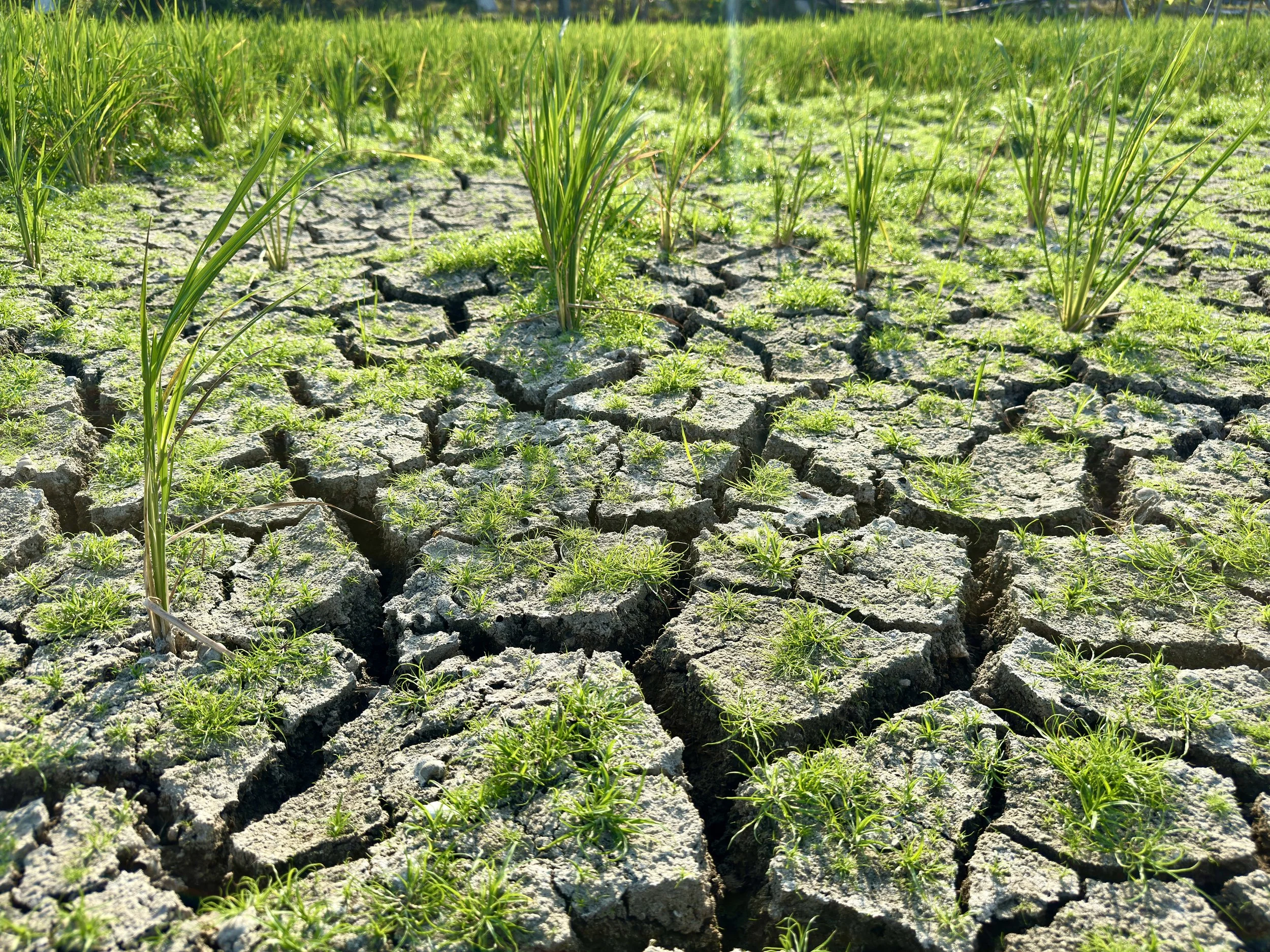
Regenerative agriculture has gained attention as a means of rebuilding the productive and ecological base of agriculture while reducing farmers’ exposure to climate and input-price shocks. To withstand compounding shocks, import-dependent economies require an integrated resilience framework that encompasses regeneration and diversification.
By Oommen C. Kurian
Countries are being asked to assume greater responsibility for health systems while the external resources available to support that transition are contracting. The question is whether greater sovereignty expands their room to set priorities and mobilise resources, or transfers responsibility faster than capacity.
By Raul Alfaro-Pelico
With COP31 taking place in Antalya this month, it is increasingly clear that Africa’s biggest challenge is not lack of capital but means to unlock it in its physical, natural, and social forms.
By Akram Zaoui
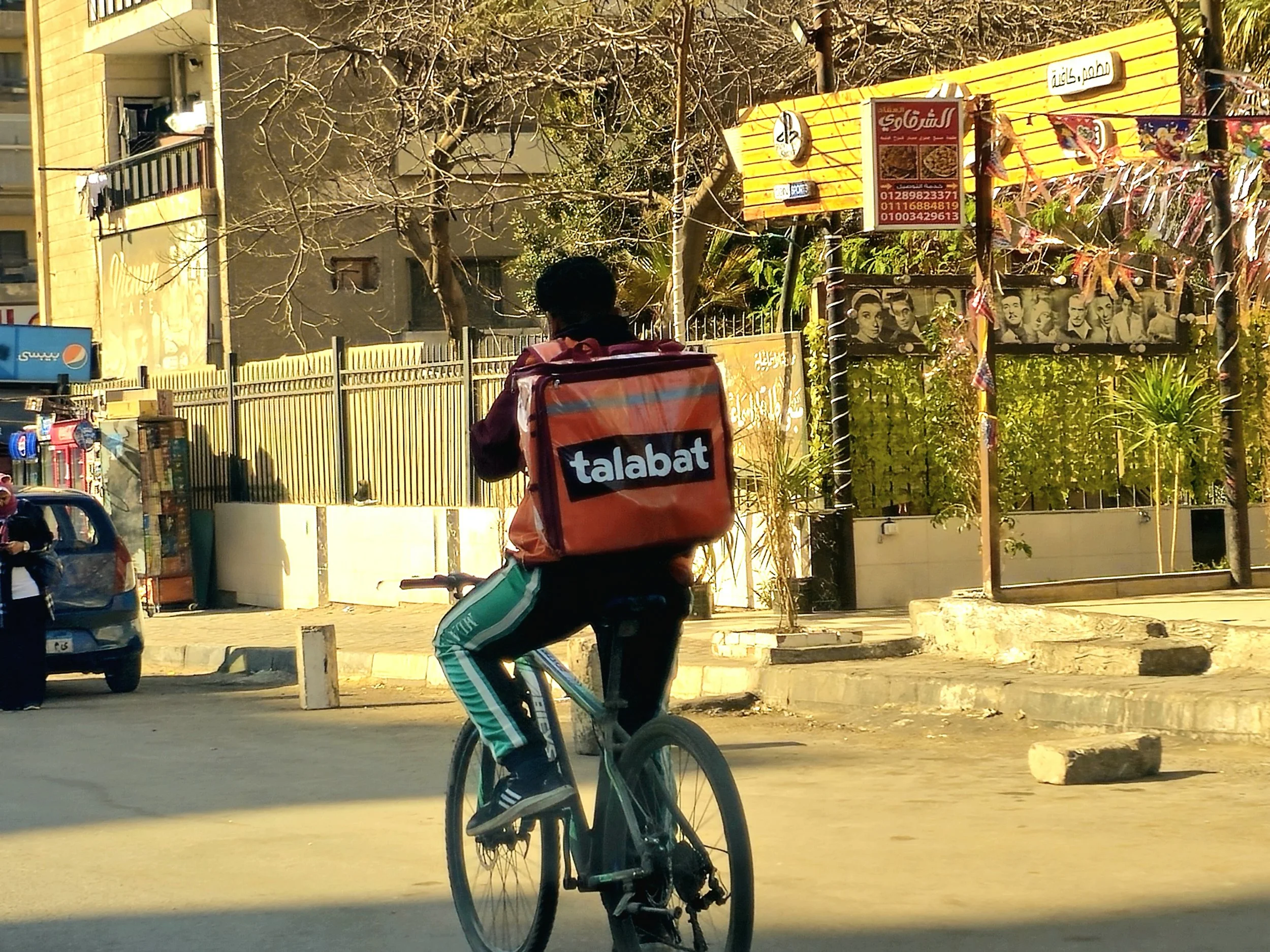
Unlocking the full potential of digital labour platforms will require removing regulatory barriers and enhancing the institutional, legal, and physical infrastructure.
By Ammar Nainar
In a signal of the United States’ burden-sharing efforts, the Indian Ocean region was featured eight times in the latest U.S.-India joint statement between Indian prime minister Narendra Modi and U.S. president Donald Trump. To India and the United States, the Indian Ocean remains vital for trade and energy flows, for security competition given China’s growing naval activity, and for connectivity between Asia, Africa, and Europe.
Observer Research Foundation America, 1100 17th St. NW, Suite 501, Washington DC 20036 USA