By: Shruti Jain and Leigh Mante
The following excerpt is from Chapter 6 — Building Resilience Into Agriculture of ORF Global Quarterly: Societies in Transformation.
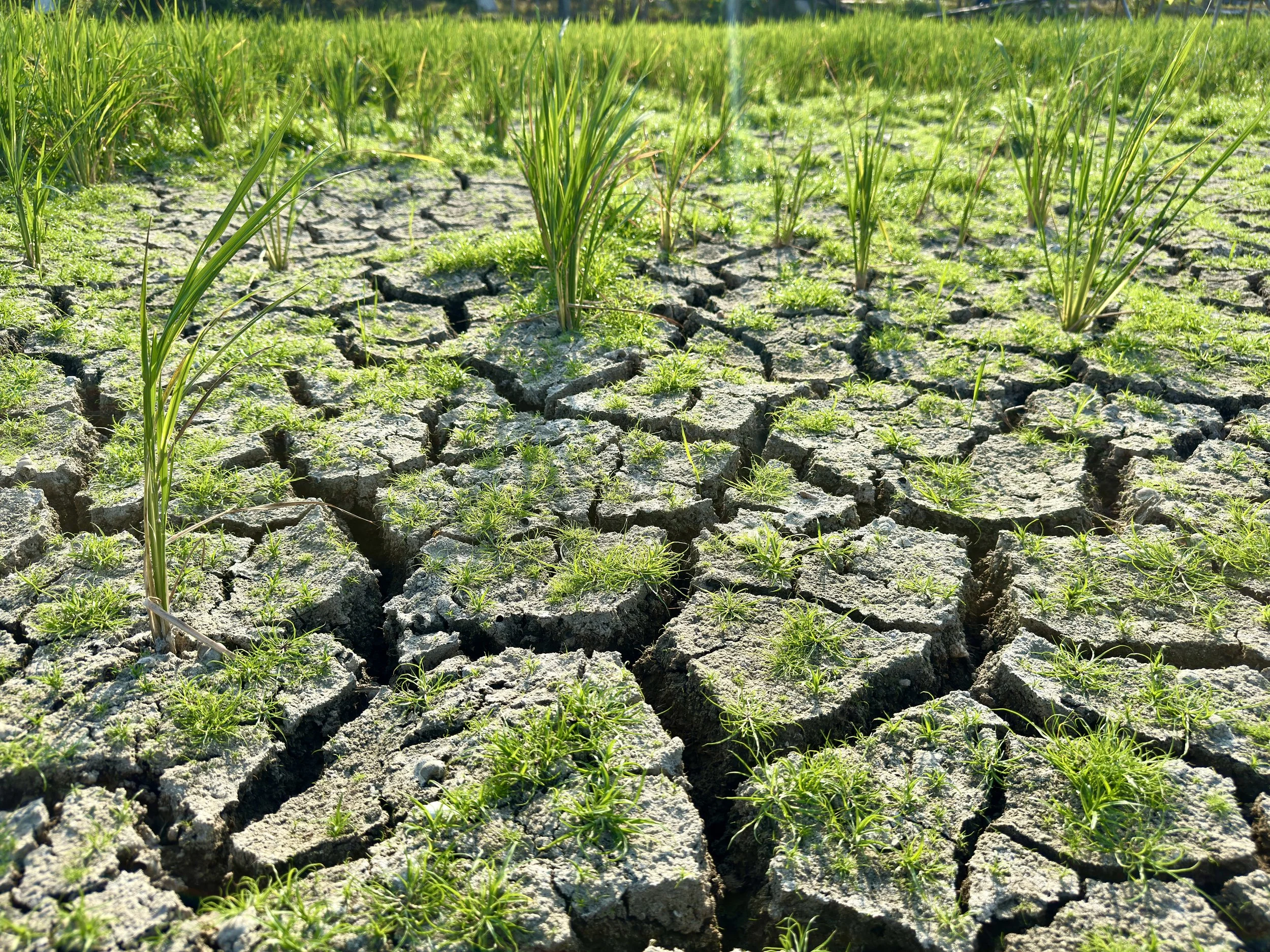
The weaponisation of food corridors and increasing climate risks are placing an enormous strain on the global food system. The attacks on Russian and Ukrainian ports along the Black Sea between July and August 2026 alone, can disrupt an estimated 17 percent of the world’s grain trade. At the same time, the de-facto closure of the Strait of Hormuz chokepoint due to the US-Israel-Iran conflict has resulted in a significant decline in critical fertiliser exports, including 83 percent of urea and 75 percent of ammonia. The conflict has also disrupted nearly 50 percent of global sulphur trade, a crucial input for diammonium phosphate fertiliser production. Globally, price spikes threaten to reduce fertiliser application, damaging soil and depressing crop yields over subsequent planting seasons.
Concurrently, in 2026-2027, ‘Super El Niño’—a climate phenomenon that brings higher temperatures and more droughts and floods alike—is projected to cause uneven impacts across agricultural commodities. Dry El Niño-induced conditions will likely stress rice, cotton, and oilseed production in India, soybean production in central or northern regions of Brazil, and palm oil and rice production in Southeast Asia. Wetter conditions in southern Brazil and Argentina will improve sugarcane and other crop production.
These simultaneous output and input shocks compound existing vulnerabilities within food systems: dependence on production systems weakened by soil degradation, water stress, biodiversity loss, and repeated monocropping, as well as concentrated trade routes and imported inputs. In recent years, regenerative agriculture (RA) has gained attention as a means of rebuilding the productive and ecological base of agriculture while reducing farmers’ exposure to climate and input-price shocks. To withstand compounding shocks, import-dependent economies require an integrated resilience framework that encompasses regeneration and diversification.
Disrupted trade routes and rising climate risks are putting the global food system under growing strain. Learn more about how regeneration and diversification can work together to protect agriculture from compounding shocks in ORF Global Quarterly: Societies in Transformation.