




In the News

Building a U.S.–India Sports Partnership

Building a U.S.–India Sports Partnership

By Taruka Srivastav

For American policymakers, a sports partnership with India is an opportunity to expand commercial engagement, strengthen educational partnerships, advance sports governance, and deepen people-to-people ties with one of the world’s fastest-growing sporting markets.

Can Sodium-Ion Batteries Diversify the Global Battery Supply Chain?

Can Sodium-Ion Batteries Diversify the Global Battery Supply Chain?

By Suhani Jaggi

Sodium-ion’s technical and economic benefits are real, but its strategic value depends on supply chains deliberately designed to reduce dependence on any single supplier.

Brazil’s Election Highlights Social Media Enforcement Challenges

Brazil’s Election Highlights Social Media Enforcement Challenges

By Andre Nicola and Caroline Arkalji

As political campaigns increasingly depend on digital platforms to reach voters, private technology companies have gained considerable influence over how political information is distributed. At the same time, electoral authorities often lack the tools to investigate their decisions.

India and the United States Step Up Their Engagement with Central Asia

India and the United States Step Up Their Engagement with Central Asia

By Ninad Kashyap

The U.S. and Indian approaches to Central Asia are more complementary than competitive: the United States can supply capital, technology, and security, while India supplies development, proximity, and a non-Western alternative.

The Curious Case of the Houthis and AI-Enabled Conflict

The Curious Case of the Houthis and AI-Enabled Conflict

By Kabir Taneja and Siddharth Yadav

Relying on AI models to identify and refuse to act on dangerous prompts — a measure that largely worked in the Houthis’ case — is not sufficient protection. AI labs now have to work against elaborate campaigns by resourceful and persistent groups that are actively bypassing safeguards.

The Precarious Thaw in India-China Ties

The Precarious Thaw in India-China Ties

By Dhruva Jaishankar and Ammar Nainar

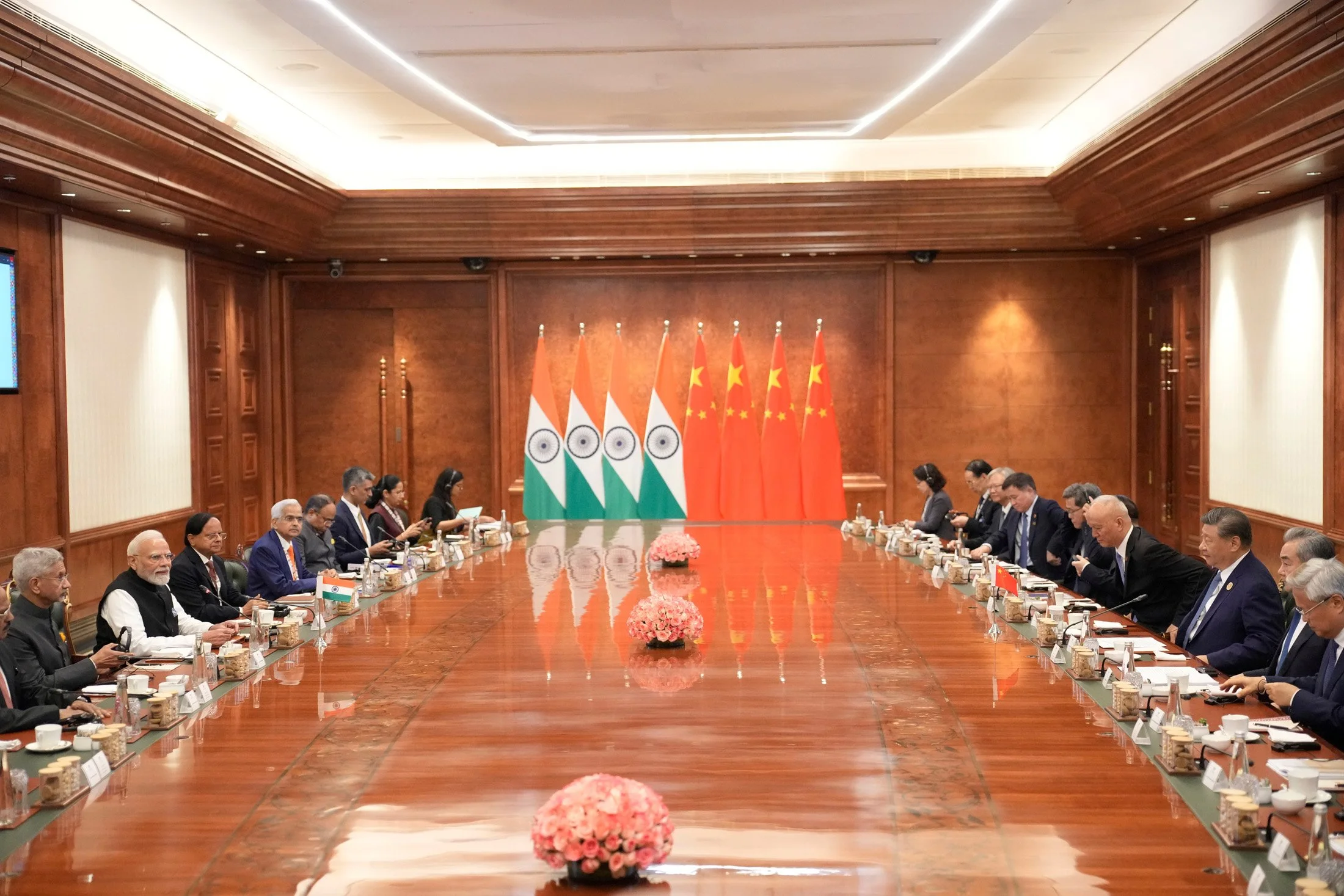
Despite a political thaw with China, India will double-down on efforts to indigenize its own industrial capabilities in certain sectors, while seeking new markets for exports, new defense and technology partners, and new and diverse sources for raw materials, investment, and intermediary goods.

Critical Energy Infrastructure is Unprepared for Post-Quantum Cryptography

Critical Energy Infrastructure is Unprepared for Post-Quantum Cryptography

By Medha Prasanna

As countries race to connect renewable generation, expand transmission, and meet surging demand from data centers, electricity grids are being built at unprecedented speeds. Building quantum-safe cryptography while equipment is being designed and procured is far easier than retrofitting it later.

The Tangible Outcomes — and Limitations — of the New Delhi BRICS Summit

 The Tangible Outcomes — and Limitations — of the New Delhi BRICS Summit

By Anit Mukherjee

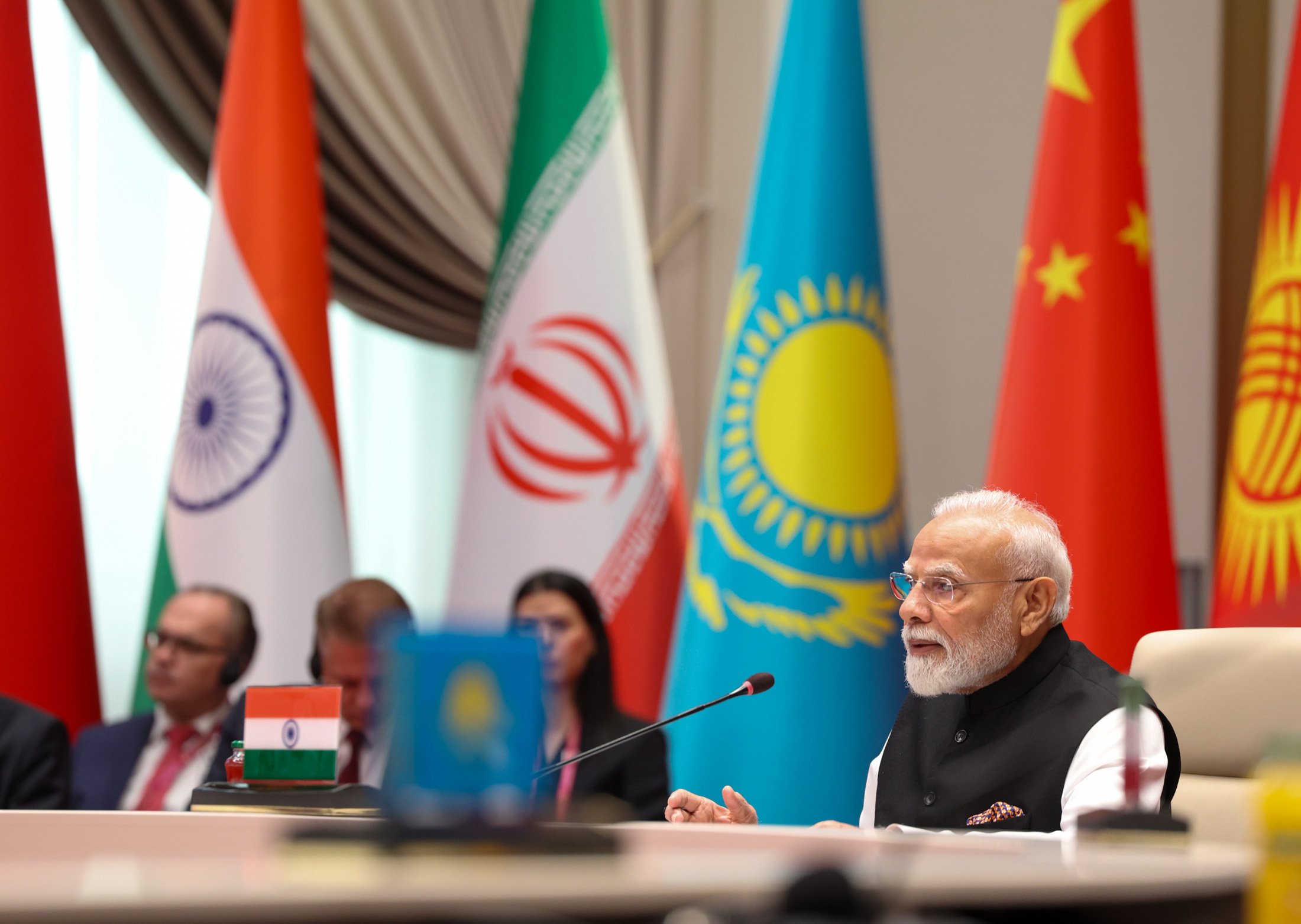
In the 20 years since BRICS was formed as a loose agglomeration of developing countries, the New Delhi Summit demonstrated that its value lay in providing a space for some overlapping approaches to economic management and development. The challenge is one of coordination, reconciling national priorities with the wider objectives of balanced trade, efficient cross-border payments, and effective development finance.

The U.S.-Canada Tariff War: How a 1930 Statute Bypasses a Free Trade Agreement

The U.S.-Canada Tariff War: How a 1930 Statute Bypasses a Free Trade Agreement

By Marta Bengoa

Tariffs can be withdrawn by proclamation as quickly as they were imposed, and the September 8 measures may well be traded away in the review that begins next summer. The conclusion Canada has reached about the reliability of its largest customer will take considerably longer to reverse.

How Quantum Computing Could Reshape the Energy Industry

How Quantum Computing Could Reshape the Energy Industry

By Shailesh Mishra and Uma Vatsa

What quantum computing could change, if it works, is the ceiling on what the decades after that can build, because the limits on ammonia, energy storage, and electricity transmission are set by chemistry we cannot currently calculate. Those limits are already known. Describing them precisely enough to hand to a machine is work that can start now.

The Purpose and Promise of Pax Silica

The Purpose and Promise of Pax Silica

By Jeffrey D. Bean

While the Pax Silica initiative has been criticized for being non-binding, unfocused, U.S.-centric, and inconsistent in its membership, it is nonetheless the best-placed plurilateral initiative to advance what has been a bipartisan consensus in the United States on U.S. technological leadership.