


ORF Middle East

The UAE, Bahrain, and the Security of the Strait of Hormuz

The UAE, Bahrain, and the Security of the Strait of Hormuz

By Mahdi Ghuloom and Cauvery Ganapathy

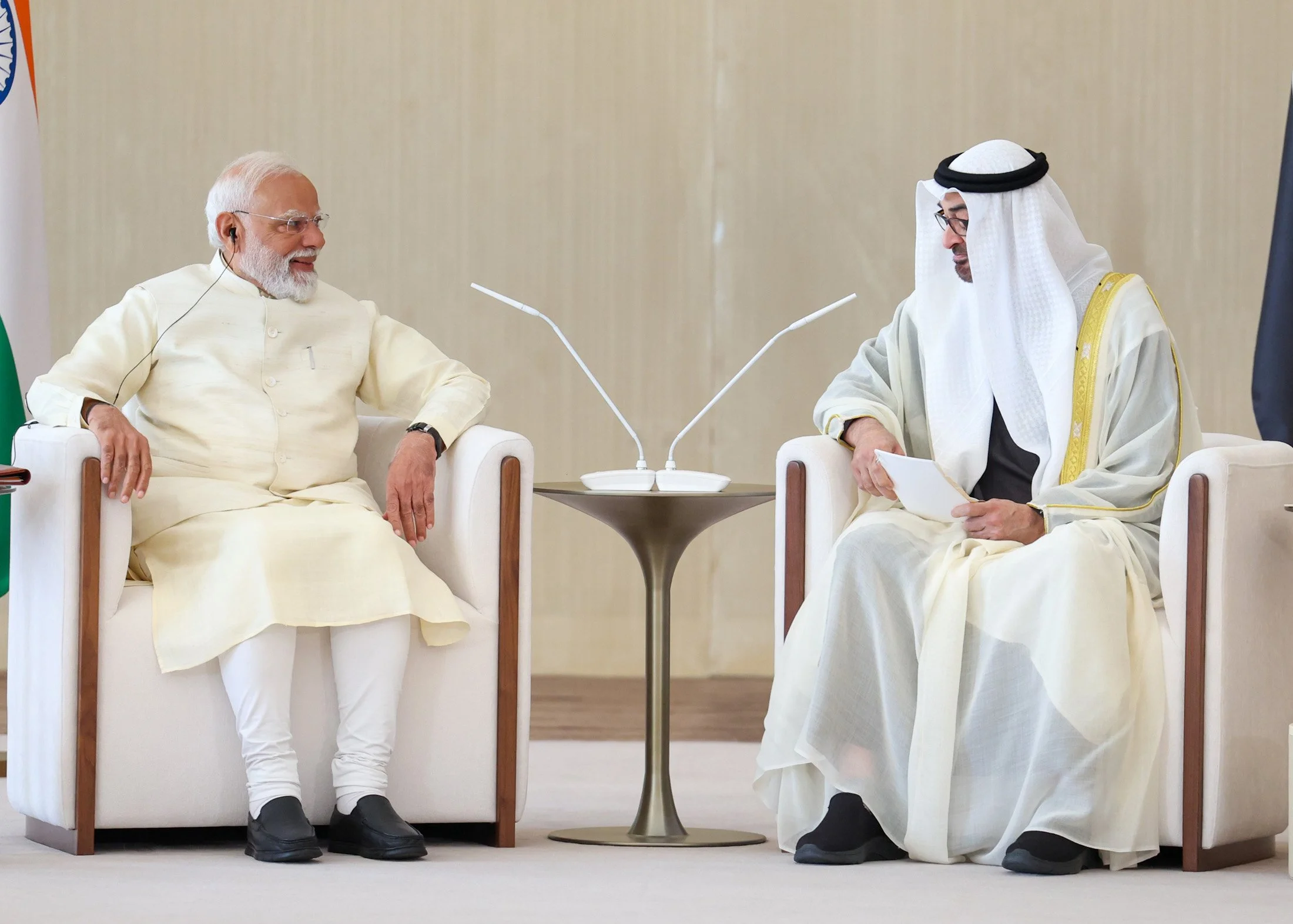
What is noteworthy is that the UAE and Bahrain, two countries which have consistently advocated for a diplomatic resolution to the dispute, have now been forced to pivot towards seeking a more proactive approach aimed at securing the Strait under a UN-supported coalition.

The Iran War's Impact on Food, Fertilizers, and Water

The Iran War's Impact on Food, Fertilizers, and Water

By Arnold Musungu, Leigh Mante, and Reem Sagahyroon

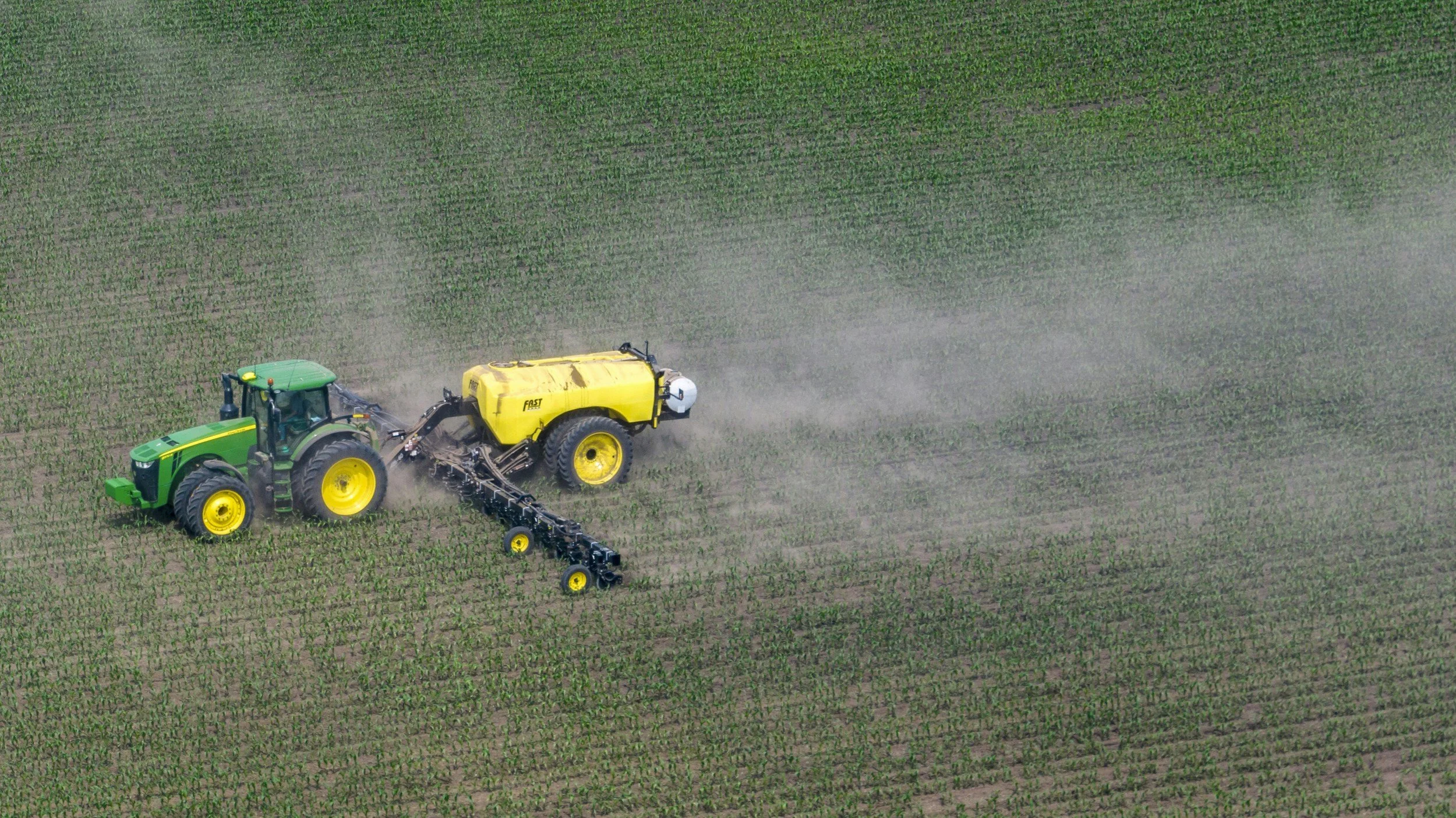
The ensuing crisis in the Middle East is intensifying food and water insecurity, climate systems, and agricultural production. The Climate and Energy program from ORF Middle East provides concise analysis of these impacts and reflections on potential pathways forward. 

What Venezuela Could Learn from Iraq's Oil Export Challenges

What Venezuela Could Learn from Iraq's Oil Export Challenges

By Cauvery Ganapathy

In Venezuela’s case, as was the case with Iraq, it is the systematic domestic mismanagement of its resources coupled with inequities of political agency that diminished the value of its natural wealth. American engagement in Venezuela’s oil sector may soon demonstrate, like it did in the United States’ Iraqi sojourn, how deep-rooted these structural fractures are.

The Iran War's Implications for the Gulf: Three Expert Perspectives

The Iran War's Implications for the Gulf: Three Expert Perspectives

By Samriddhi Vij, Kabir Taneja, and Akram Zaoui

Ten days into the U.S.-Israel strikes on Iran, the conflict has entered a more entrenched phase. With air and maritime connectivity significantly disrupted and President Trump maintaining uncompromising rhetoric, Gulf leaderships find themselves navigating a precarious balance between containment and active self-defense. ORF Middle East experts offer their concise analysis on the latest developments.