


By Kabir Taneja
As the global appetite for risk increases drastically, strong bilateral relations such as India and the UAE will need even stronger guardrails to future-proof themselves.
By Kabir Taneja
As the global appetite for risk increases drastically, strong bilateral relations such as India and the UAE will need even stronger guardrails to future-proof themselves.
By Rachel Rizzo
As the Arctic region, ocean floor, and space emerge as the new theatres of great-power competition, how major powers navigate this moment, and whether multilateral institutions created in a different era can adapt to the new one, will be the defining questions in the years ahead.
By Andre Nicola
Unlike previous elections where the primary concern was social media manipulation, 2026 will test how Brazil, and other large democracies, respond to this new generative AI challenge. The question is no longer whether AI will shape elections. It is whether governments will build the right safeguards before, rather than after, elections can be manipulated.
By Sapna Suresh
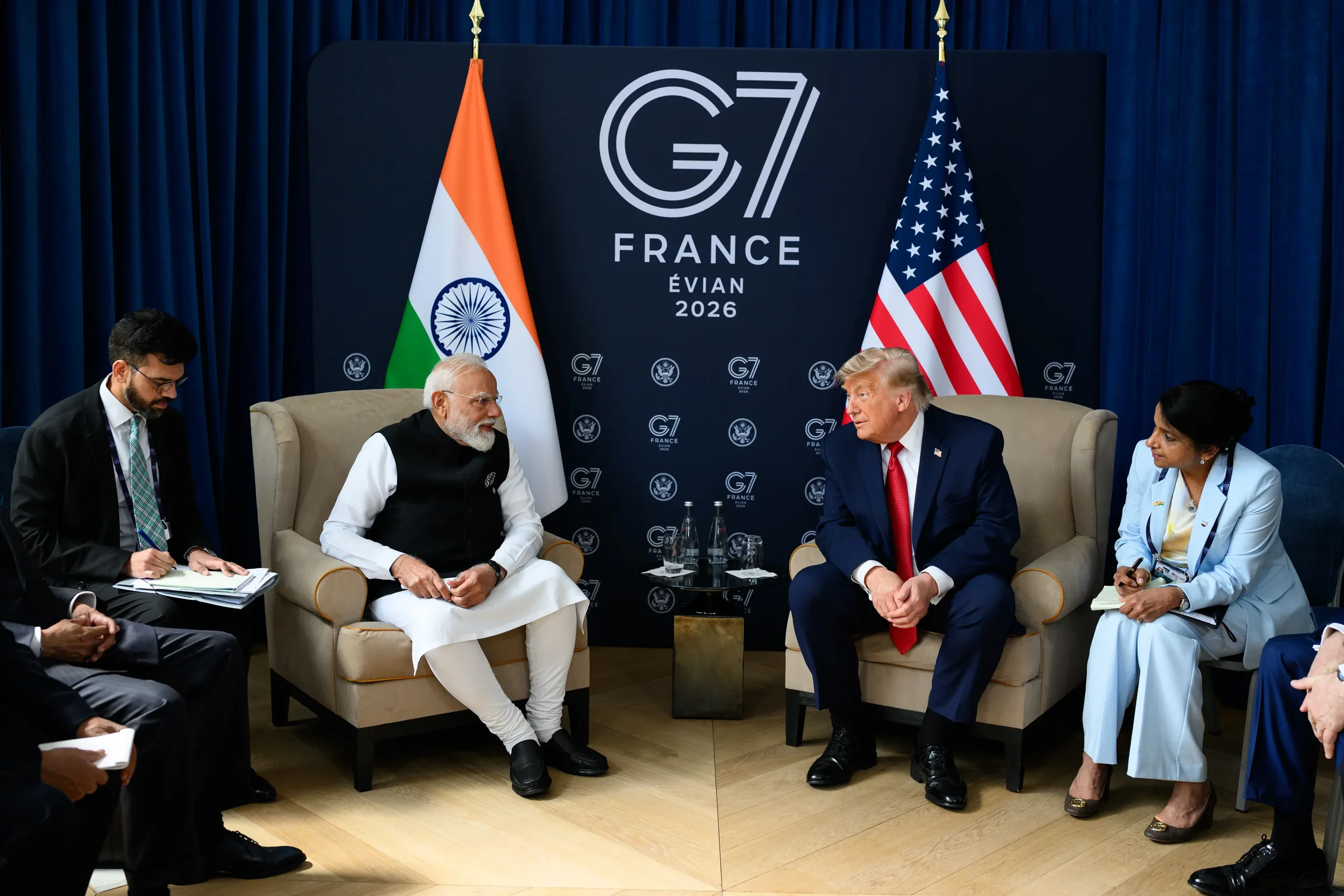
It is not just on trade and market access that Washington and Brussels are competing for favor in India. Their competition extends to defense and security and to migration and mobility.
By Dhruva Jaishankar
Despite Europe’s push for more military self-sufficiency amid tensions with the United States, questions remain as to whether Europe’s political leadership, domestic politics, and social conditions can facilitate the development of true security and strategic autonomy.
By Andre Nicola
Unlike previous elections where the primary concern was social media manipulation, 2026 will test how Brazil, and other large democracies, respond to this new generative AI challenge. The question is no longer whether AI will shape elections. It is whether governments will build the right safeguards before, rather than after, elections can be manipulated.
By Ammar Nainar
The Iran War has already had a severe impact on the United States’ arms and ammunition inventory. The new demands for arms and munitions come just as India has begun to improve its domestic weapons manufacturing and promote defense exports. In the coming years, this offers opportunities for India and the United States to cooperate in defense manufacturing at scale.
By Mahdi Ghuloom and Cauvery Ganapathy
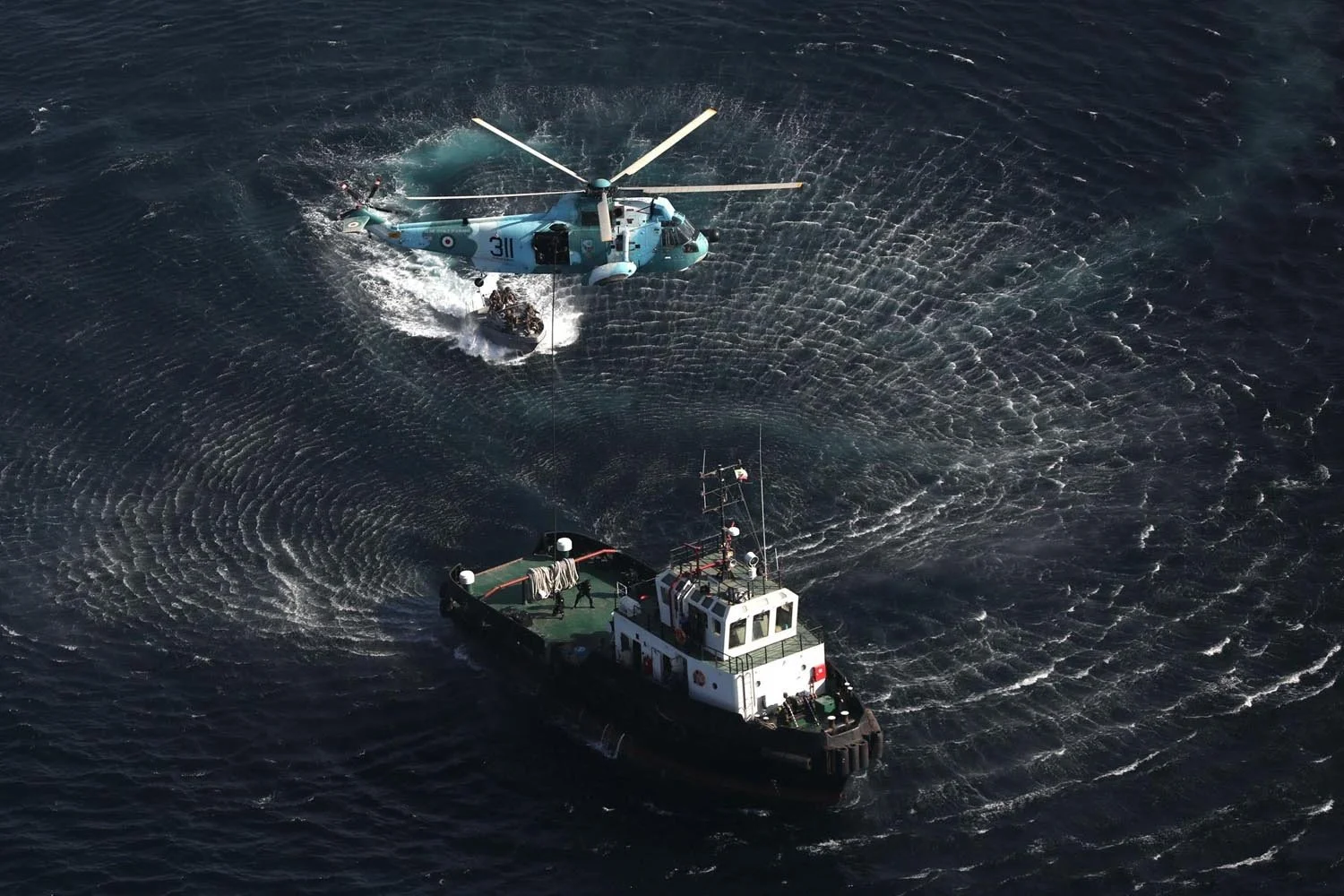
What is noteworthy is that the UAE and Bahrain, two countries which have consistently advocated for a diplomatic resolution to the dispute, have now been forced to pivot towards seeking a more proactive approach aimed at securing the Strait under a UN-supported coalition.
By Arnold Musungu, Leigh Mante, and Reem Sagahyroon
The ensuing crisis in the Middle East is intensifying food and water insecurity, climate systems, and agricultural production. The Climate and Energy program from ORF Middle East provides concise analysis of these impacts and reflections on potential pathways forward.
By Ammar Nainar
Disruptions in the Strait of Hormuz resulting from the conflict between the United States and Israel, on the one hand, and Iran on the other, threaten to create another global energy crisis. India has many reasons to proactively take such action: the closure of the Strait of Hormuz risks exacerbating the country’s energy shortages and food insecurity.
By Samriddhi Vij, Kabir Taneja, and Akram Zaoui
Ten days into the U.S.-Israel strikes on Iran, the conflict has entered a more entrenched phase. With air and maritime connectivity significantly disrupted and President Trump maintaining uncompromising rhetoric, Gulf leaderships find themselves navigating a precarious balance between containment and active self-defense. ORF Middle East experts offer their concise analysis on the latest developments.
By Dhruva Jaishankar with Pratnashree Basu, Kartik Bommakanti, Lindsey Ford, and Kabir Taneja
The re-election of Donald Trump in the United States (US) has introduced a wave of turbulence to the international system, reversing certain pre-existing trends while accelerating others. Meanwhile, the war in Ukraine continues to contribute to Europe’s rearmament. Israel’s strikes in Iran, Syria, Qatar, and Yemen reflect broader upheaval spreading across the Middle East and beyond. China’s competition with the US persists, extending across multiple domains and regions. Amid this backdrop, at least five major geopolitical megatrends are likely to unfold.
By Ammar Nainar
For the first time in a defense framework agreement, India and the United States specified “operational coordination” as an objective for enhancing collaboration in Professional Military Education (PME) and training. While earlier exchanges largely involved India borrowing best practices from the United States, recent cooperation between the two countries has emphasized greater joint activities and operations.
By Benjamin Tkach and Vasabjit Banerjee
Submarine production difficulties affect the global marketplace and place a premium on domestic production. India’s pursuit of untested technologies elevates its risk, while Taiwan’s domestically produced system relies on foreign components. Both, therefore, have a lot to benefit from engineering and design cooperation in submarine production.
By Dhruva Jaishankar
The prospects of a major war involving China and the United States, and a limited war between Pakistan and India, are perhaps higher in the next three years than they have been over the preceding quarter century. Moreover, these two scenarios are connected by an increasingly intertwined China-Pakistan military relationship, which now extends beyond arms transfers to shared networks and emulated doctrines.
By Dhruva Jaishankar and Ammar Nainar
As China and the United States jostle for position, India has a modest but meaningful role to play as a security provider in the Western Pacific. Beyond the Indian Ocean, its ability to improve interoperability with willing and capable partners and assist in capacity-building efforts have only increased, notwithstanding the tenor of relations with the United States.
By Archana Kamath
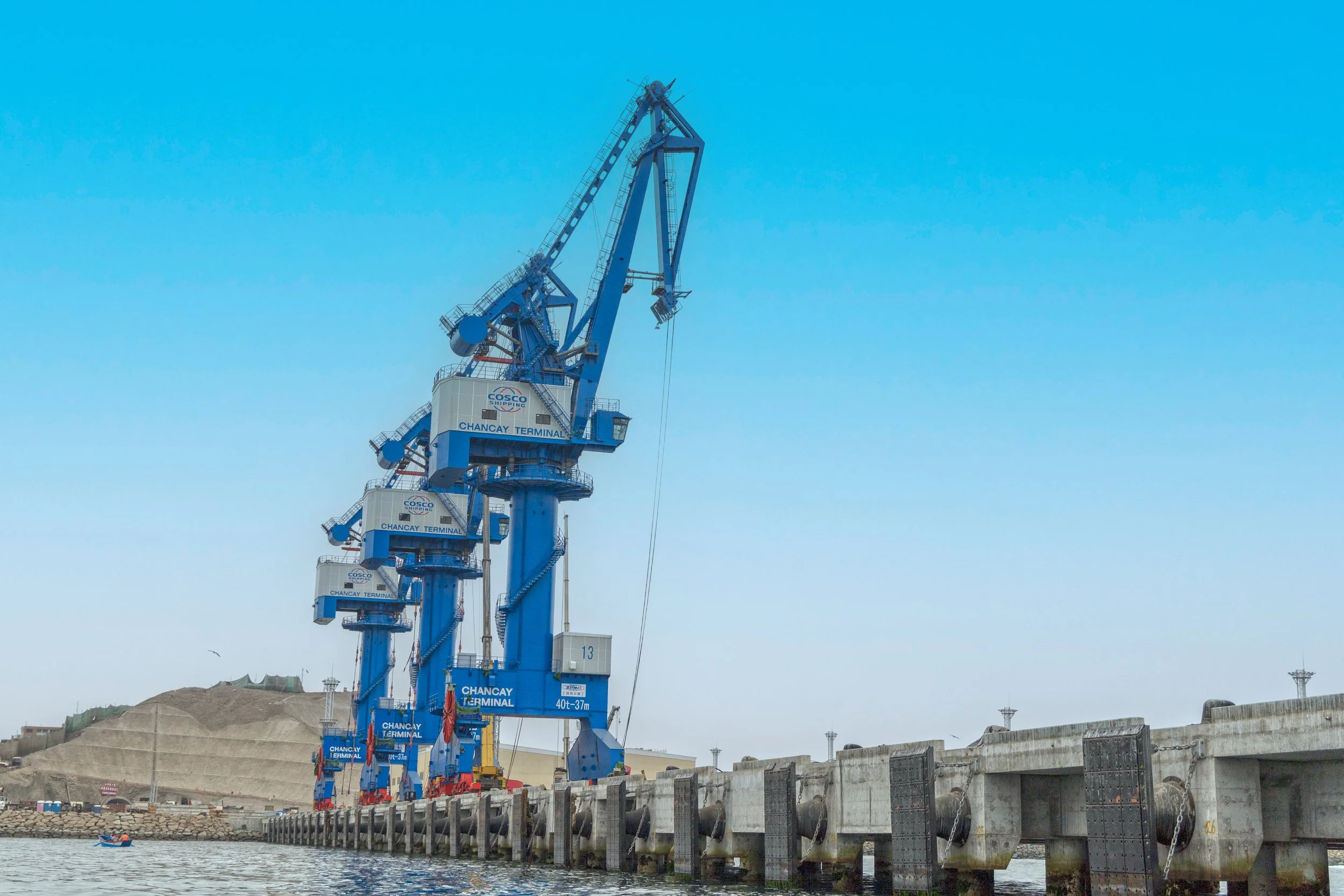
While India’s overseas investments in infrastructure have been growing, including with the support of the Indian government’s foreign assistance programs, they have received far less attention, despite important projects in countries such as Bangladesh, Greece, Indonesia, Israel, Mauritius, the Philippines, Qatar, Saudi Arabia, Tanzania, and Vietnam.
Observer Research Foundation America, 1100 17th St. NW, Suite 501, Washington DC 20036 USA