
By: Dhaval Desai
The following excerpt is from Chapter 2 — Governing the Southern Urban Century of ORF Global Quarterly: Societies in Transformation.
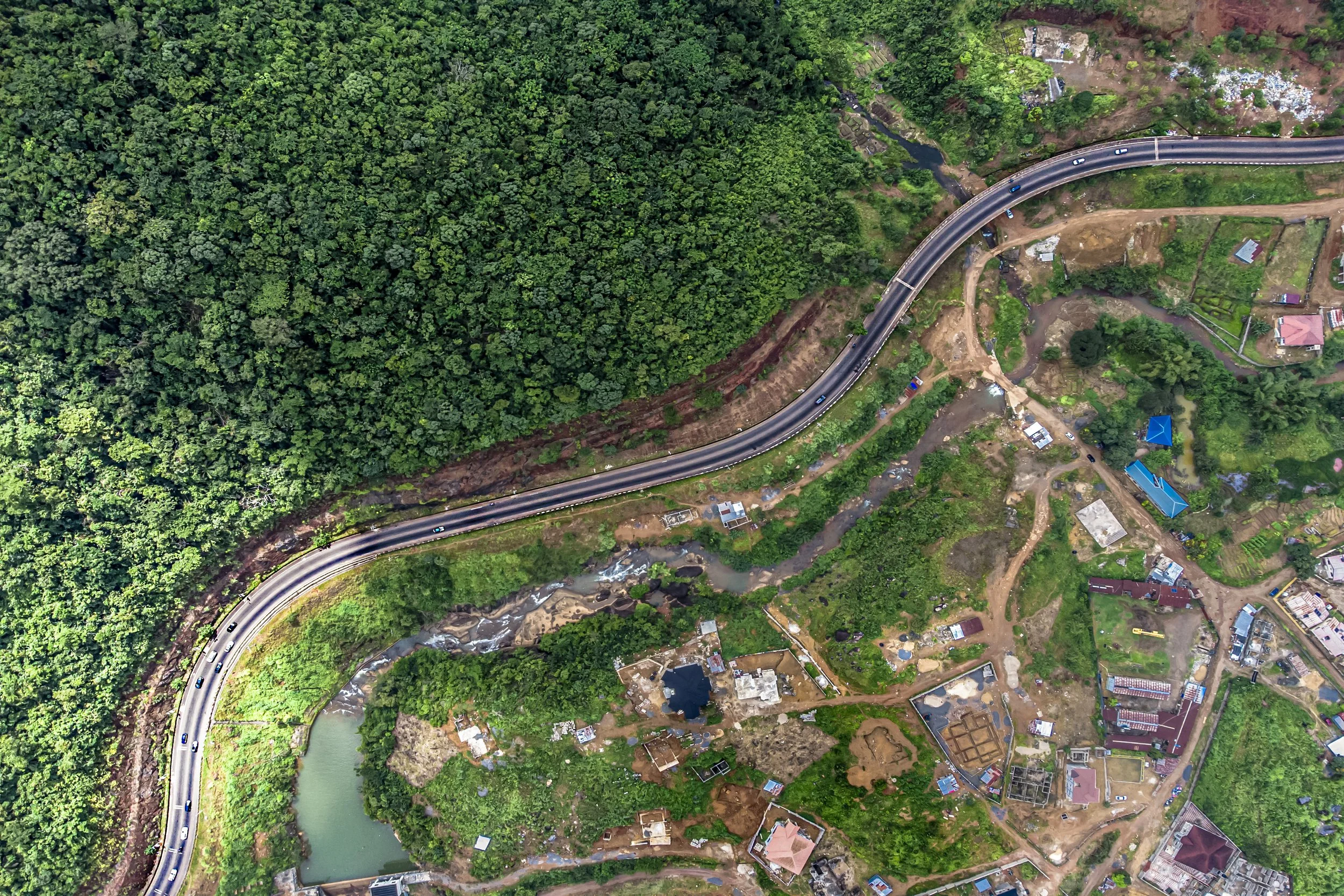
Home to 45 percent of humanity, cities are expected to accommodate two-thirds of global population growth up to 2050. While Africa’s urban population is projected to double from 700 million to 1.4 billion by mid-century, Asia has 19 of the world’s 33 megacities, or cities with a population of more than 10 million. Globally, many small and medium-sized cities collectively house more people than megacities, with many experiencing rapid population growth, particularly in Africa and Asia. These trends suggest that the two regions will play a central role in the next phase of global urban transition.
The nature of this transition matters as much as its scale. Urbanisation in Asia and Africa will intensify pressure on land and infrastructure amidst worsening climate hazards and the growing need to curb carbon emissions. The defining innovation of this urban century will therefore be institutional: building the authority, fiscal capacity, and governing systems that cities need to adapt before unsustainable urban form and inequality become entrenched.
That makes 2026 a crucial midpoint up to 2050. The Call to Action from the 13th World Urban Forum (WUF13) and the United Nations General Assembly’s midterm review of the New Urban Agenda renewed attention to housing, resilience, finance, and local implementation. The test is whether cities can build durable capacities to fulfill these priorities.
Cities will absorb two-thirds of global population growth up to 2050, with Asia and Africa leading the next phase of urban transition. Learn more about what it will take for cities to adapt before inequality becomes entrenched in ORF Global Quarterly: Societies in Transformation.