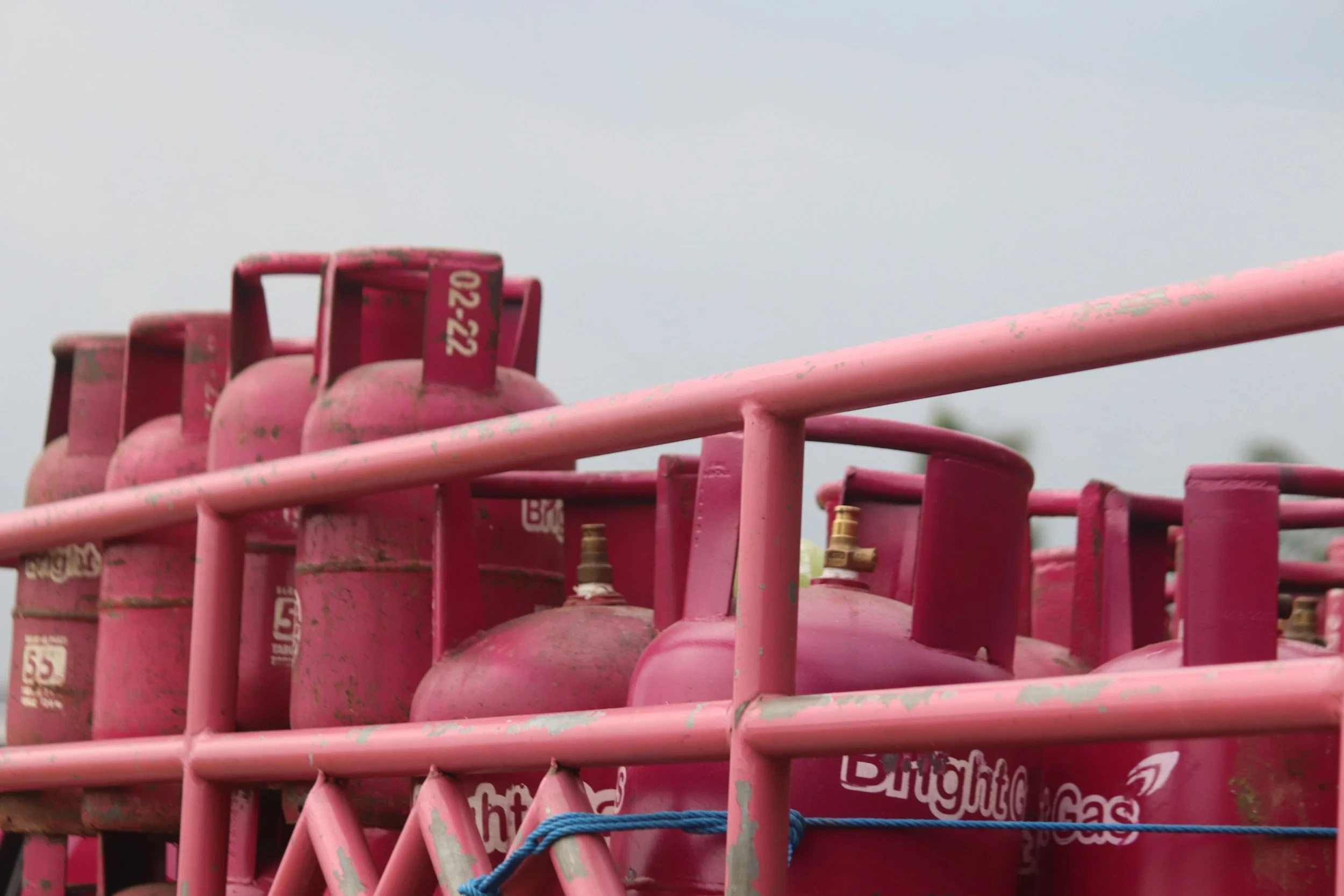




By Anit Mukherjee
As crude oil prices moderate and energy supplies become more predictable, India has an opportunity to address three key challenges.
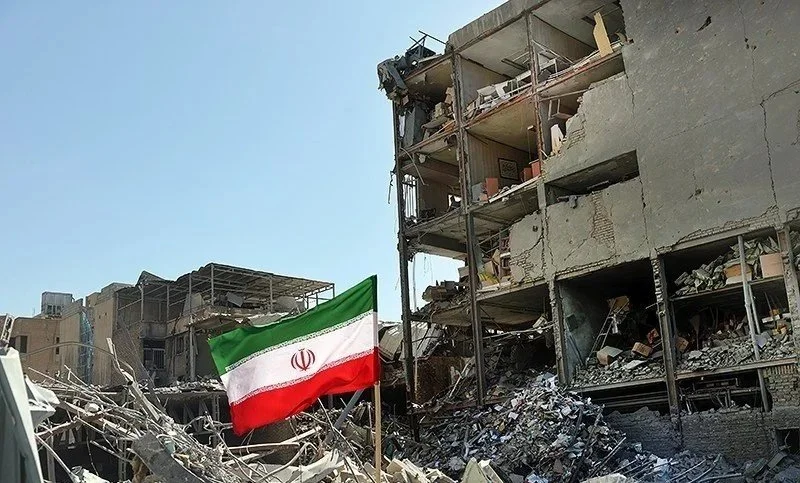
By Gopalika Arora
The retrenchment of finance is not merely a result of a temporary slowdown in climate finance commitments by the developed countries. It may also signal a deeper restructuring of the climate finance architecture driven by changing institutional priorities within the multilateral system that was expected to anchor the transition.
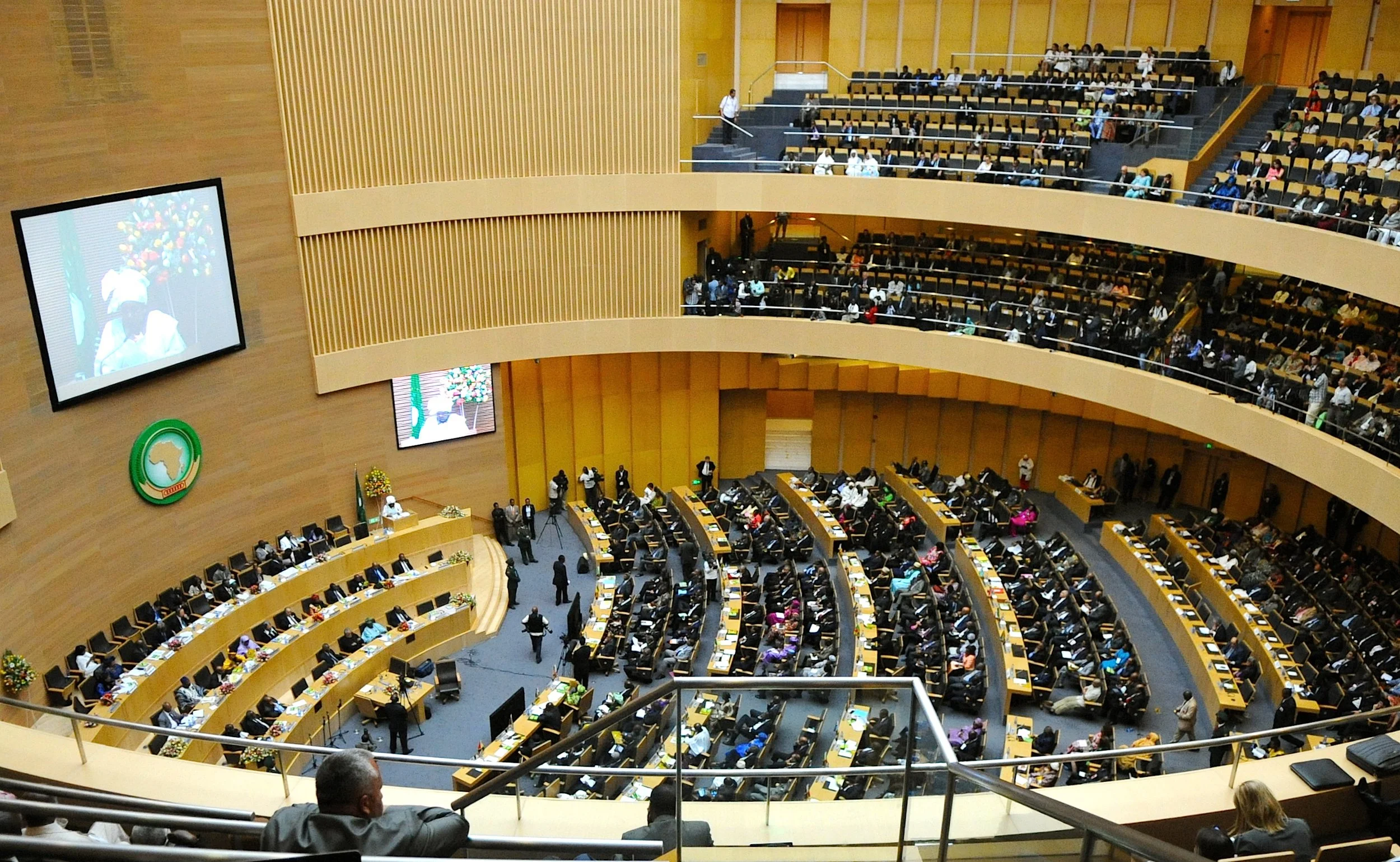
By Parul Bakshi and Lydia Powell
Over the past decade, three structural shifts have been reordering global energy trade, encompassing not only traditional oil and gas flows but also the rapidly growing cross-border trade in electricity and clean energy goods.
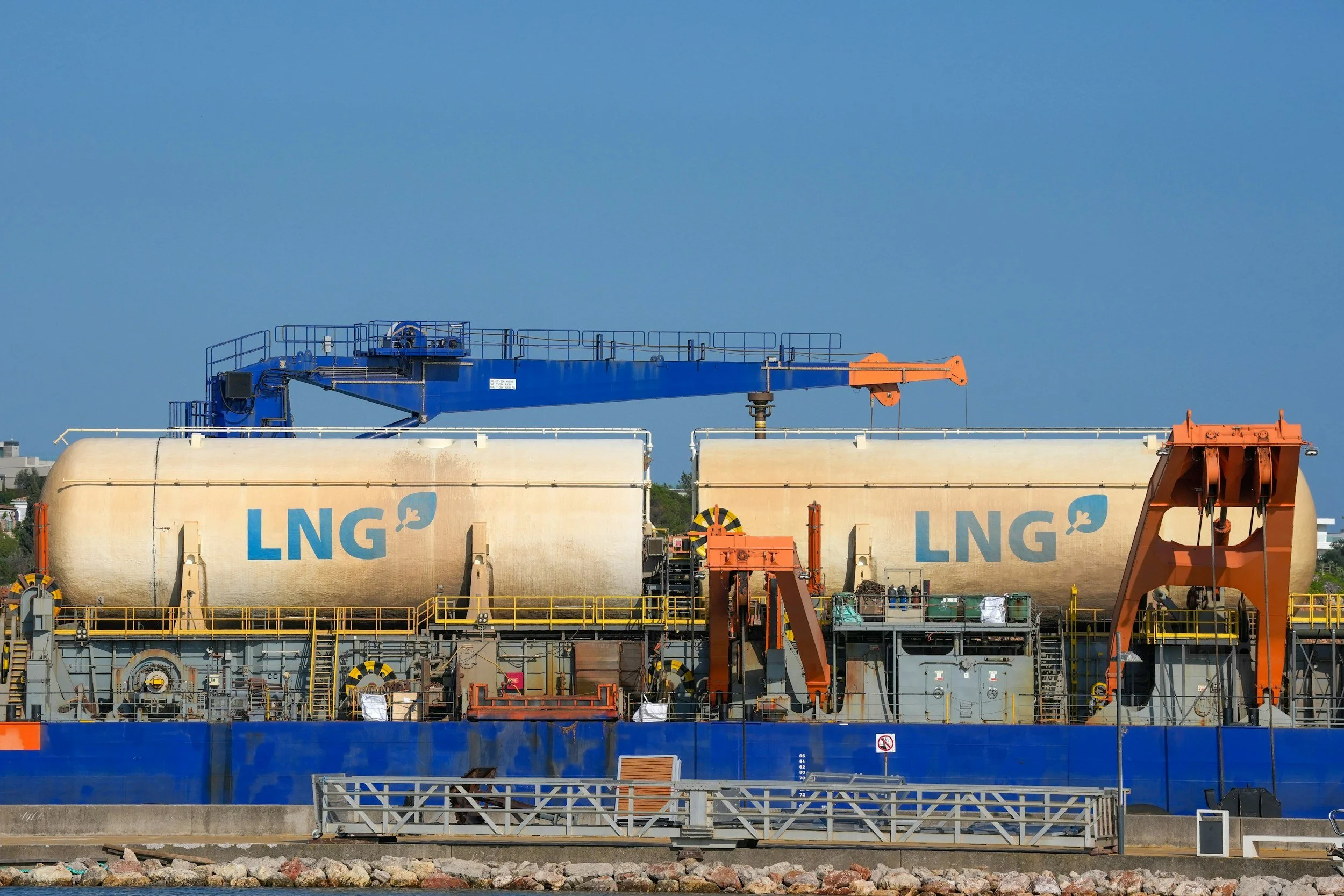
By Piyush Verma
For the Global South, the stakes are particularly high: the energy transition could unlock industrialization, resilience, and strategic bargaining power, but it could also reproduce older patterns of dependency through new technologies, standards, minerals, and financial asymmetries.
By Andreas Kuehn and Cauvery Ganapathy
While the integration of AI offers benefits for the optimization of energy systems through grid management, renewable energy integration, predictive maintenance, and accurate forecasting of alternative forms of energy, its energy-intensive nature could also negatively impact the countries and ecosystems seeking to adopt it.
By Medha Prasanna
The oil age will not end because the world runs out of oil, but because oil reserves stop being worth pumping. The UAE has moved fast, not as just a knee-jerk reaction to the conflict in the region, but as a strategic divergence.
Observer Research Foundation America, 1100 17th St. NW, Suite 501, Washington DC 20036 USA