
By: Ammar Nainar
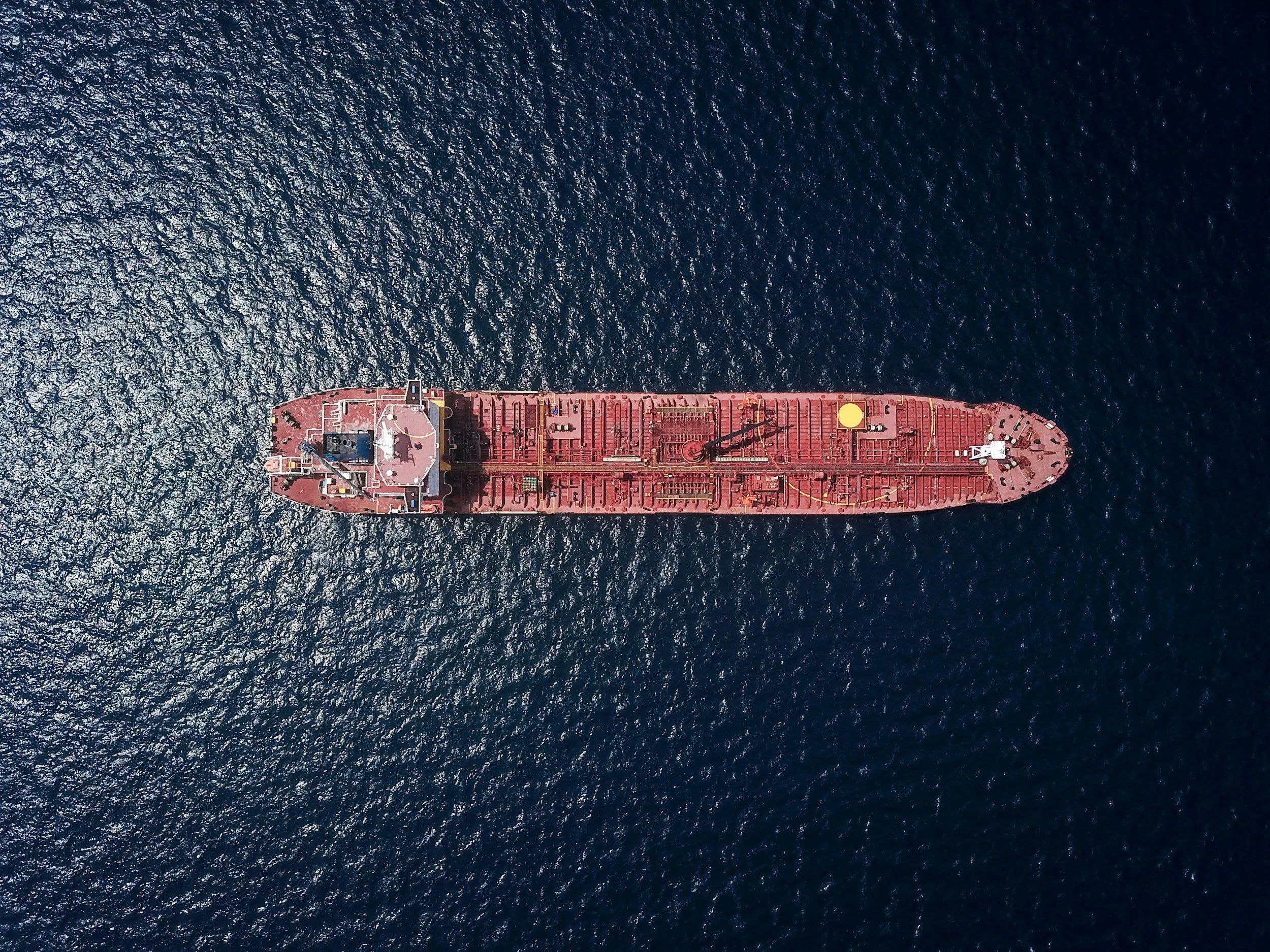
Disruptions in the Strait of Hormuz resulting from the conflict between the United States and Israel, on the one hand, and Iran on the other, threaten to create another global energy crisis. The vital waterway normally witnesses shipments of about 20% of the world’s crude oil and liquified natural gas (LNG). While U.S. President Donald Trump has requested various countries to send warships to keep the Strait open, many European and Asian allies (such as Germany, Japan, the European Union, and the United Kingdom) have either declined or expressed their inability to do so.
Meanwhile, not in response to U.S. requests, India has reportedly deployed two naval task forces to escort merchant vessels and oil tankers once they transit the Strait of Hormuz. India has many reasons to proactively take such action: the closure of the Strait of Hormuz risks exacerbating the country’s energy shortages and food insecurity. India imports over 40% of its LNG from Qatar, and almost 29% of its crude oil and 25% of its liquefied petroleum gas (LPG) from other Persian Gulf countries.
India has decided to respond in at least three ways. Firstly, the Indian Navy (IN) has enhanced its naval deployments in and around the Persian Gulf. The IN maintains a continuous presence in the Southwest Indian Ocean (around Mauritius, Seychelles, and Madagascar) and the Gulf of Oman. Its surface and submarine fleet, or aircraft, are deployed for various missions like surveillance and anti-piracy operations. The Indian Navy already had two warships in the Gulf when the war broke out on February 28, including near Bahrain, and these are being supplemented by additional vessels.
Secondly, the IN is escorting Indian flagged vessels from the Gulf of Oman. Since March 14, at least two vessels have crossed the Strait of Hormuz, and thereafter, were escorted to India’s west coast. While the transit was partly facilitated by agreements between Indian and Iranian leaders, the safe passage is part of a regular maritime security operation known as Operation Sankalp since 2019. Under this operation, India regularly deploys at least one warship in the Gulf of Oman and in the past, has even rescued U.S.-owned vessels from Houthi attacks in the Red Sea.
Thirdly, India is providing situational awareness via its Information Fusion Centre for the Indian Ocean Region (IFC-IOR). IFC-IOR shares information on commercial vessels with more than 20 countries and hosts liaison officers from other navies too. It tracks threats relating to piracy, illegal fishing, marine pollution, and contraband smuggling. In the current crisis, IFC-IOR is issuing safety advisories, monitoring traffic patterns, and sharing data on attacks on merchant vessels. IFC-IOR in turn is linked to other multinational centers, thus enabling countries to have a common operating picture in the Indo-Pacific region.
Overall, such deployments, operations, and information sharing are not sporadic actions on India’s part but part of a larger framework to contribute to regional security. The Indian Navy frames these actions — along with joint patrols, interoperability, capacity-building, search & rescue, training, and humanitarian assistance and disaster relief (HADR) — as “net security.” For India, being a net security provider is about shaping a “favorable maritime environment [that] entails conditions of security and stability at sea, with various threats remaining at a low level” rather than a framework for absolute control or dominance of the Indian Ocean, which is geographically, politically, and militarily impossible. While India is currently focused on the Persian Gulf, in future, it may have to direct some of these capabilities to its east — toward and beyond the Strait of Malacca — as China’s military buildup continues and the United States’ regional security commitments become more uncertain.
Ammar Nainar is a Program Coordinator and Junior Fellow for the Foreign Policy & Security program at ORF America.