
By Ninad Kashyap
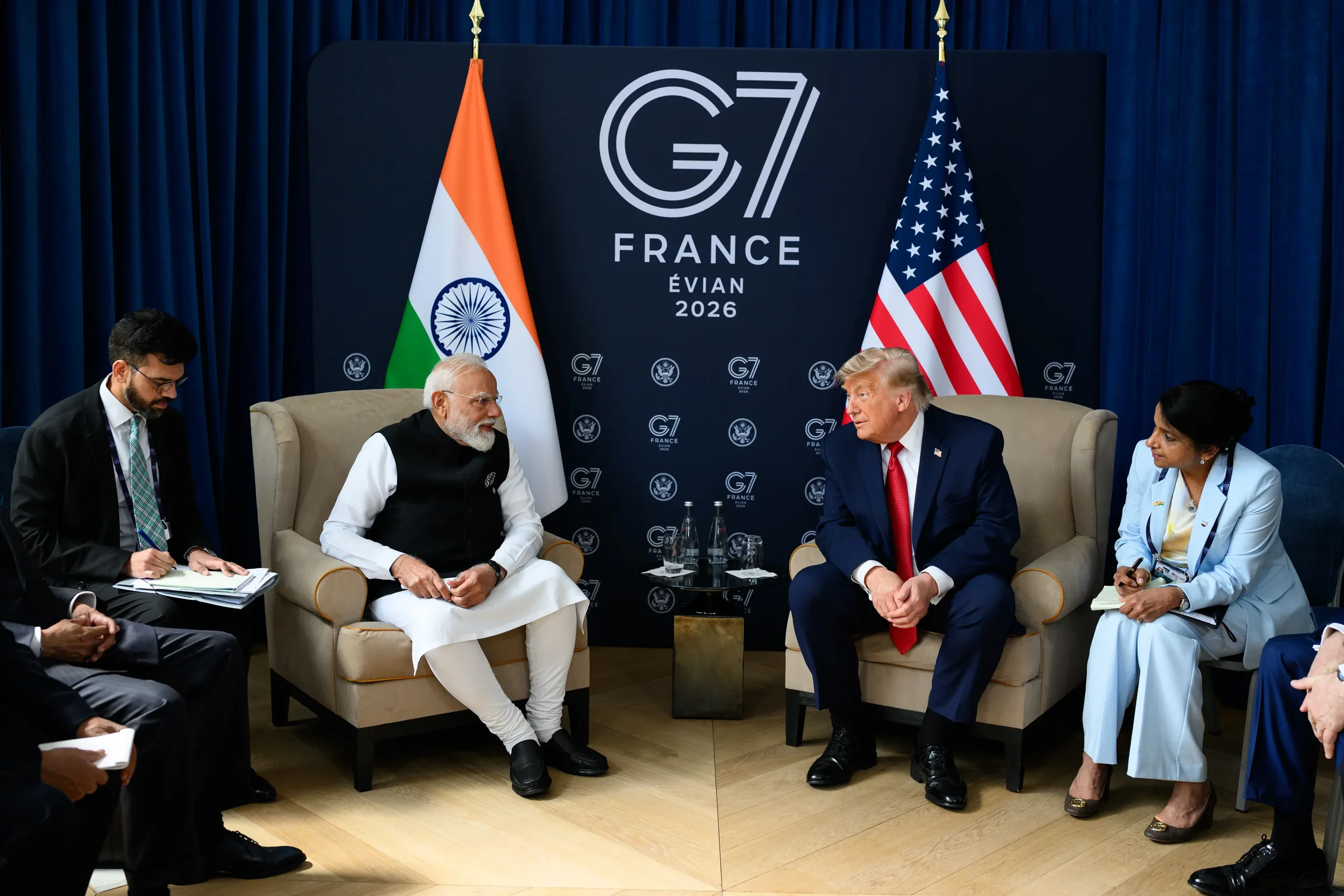
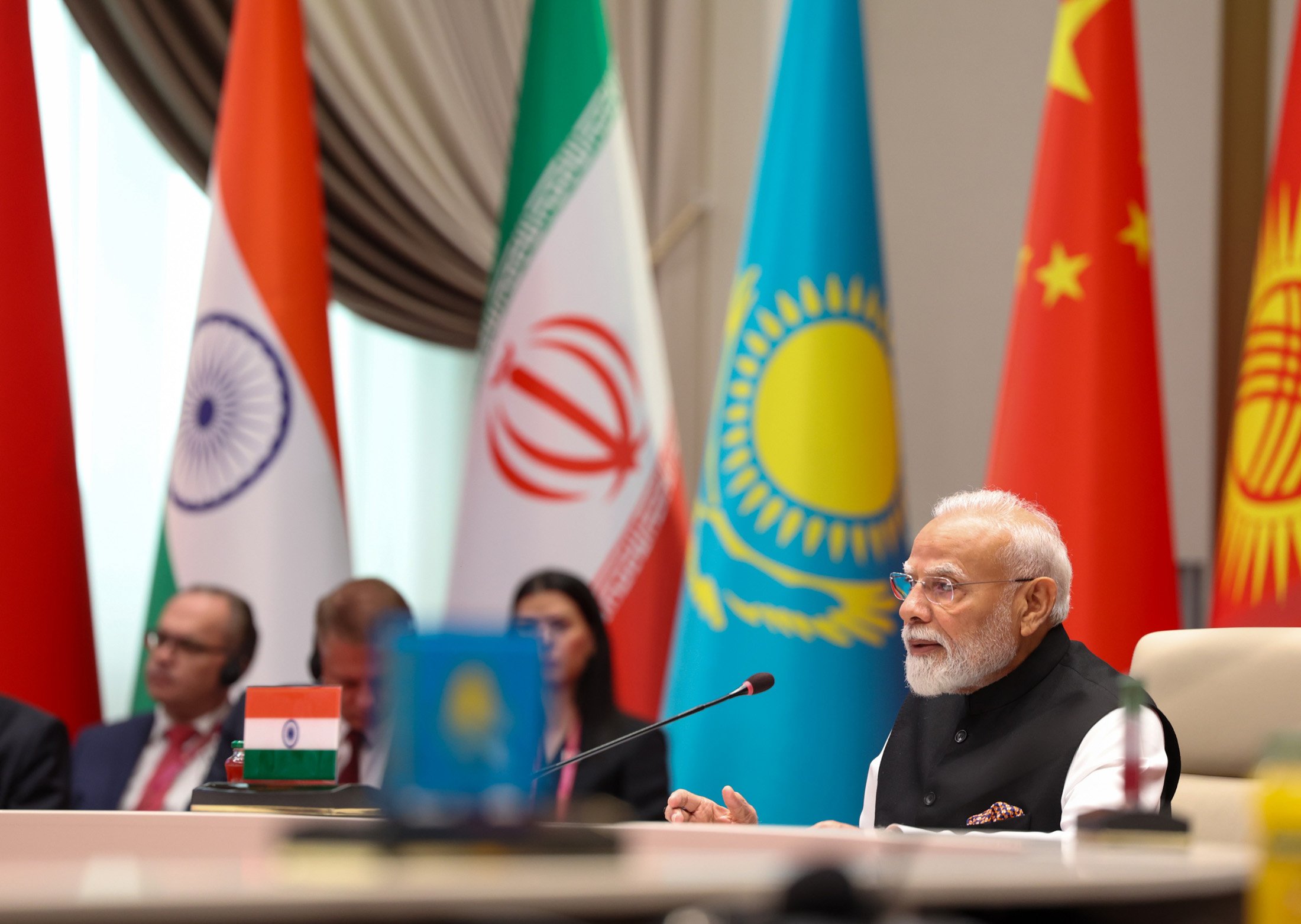
The U.S. and Indian approaches to Central Asia are more complementary than competitive: the United States can supply capital, technology, and security, while India supplies development, proximity, and a non-Western alternative.

By Ninad Kashyap
The U.S. and Indian approaches to Central Asia are more complementary than competitive: the United States can supply capital, technology, and security, while India supplies development, proximity, and a non-Western alternative.
By Pradeep Nair
While the Indian state is now deliberately making room for private firms, the boom in India’s space sector also shows how closely the state and private sector are tied together. The Indian government is at the same time a regulator, source of technology, customer, and investor.
By Kabir Taneja and Siddharth Yadav
Relying on AI models to identify and refuse to act on dangerous prompts — a measure that largely worked in the Houthis’ case — is not sufficient protection. AI labs now have to work against elaborate campaigns by resourceful and persistent groups that are actively bypassing safeguards.
By Dhruva Jaishankar and Ammar Nainar
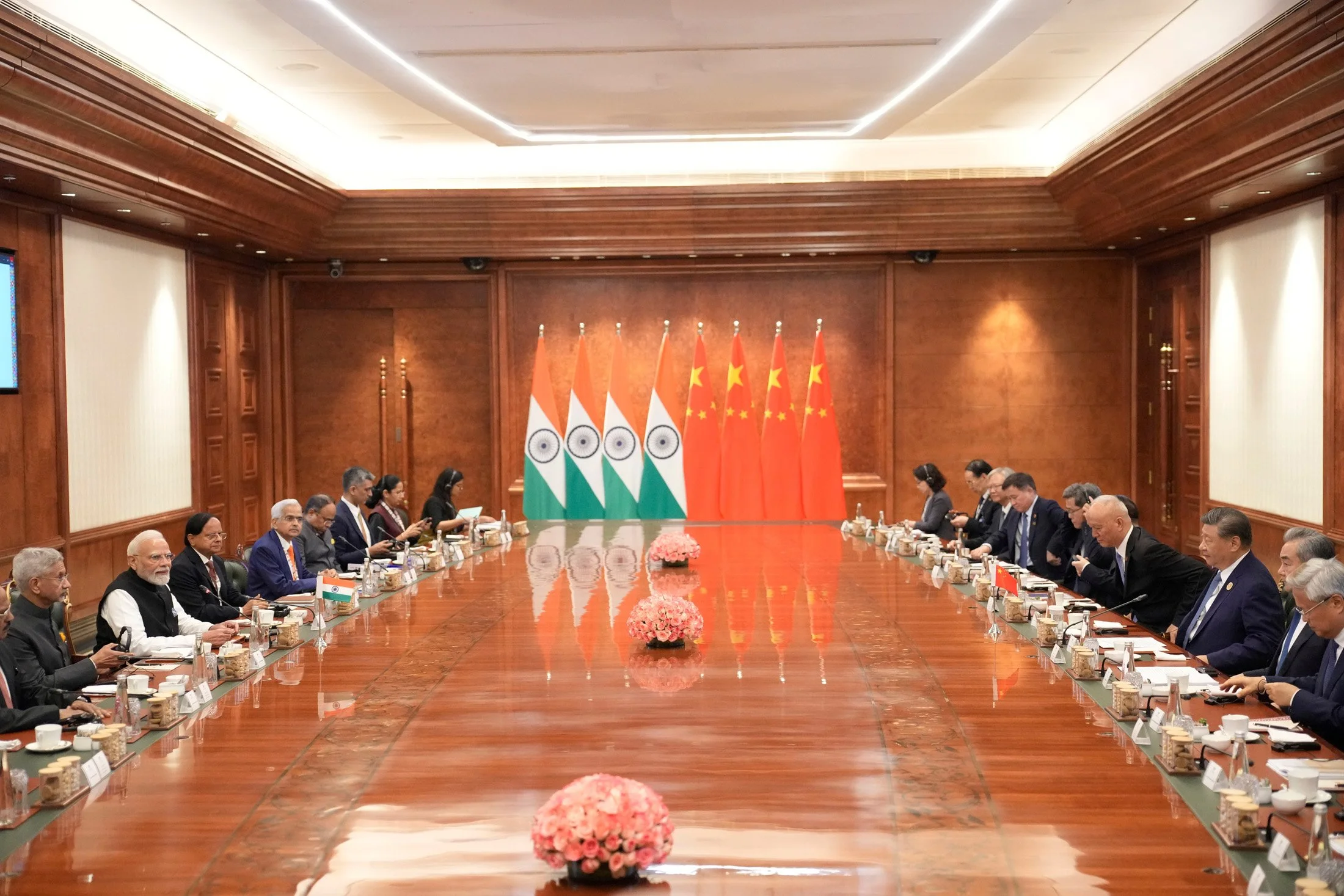
Despite a political thaw with China, India will double-down on efforts to indigenize its own industrial capabilities in certain sectors, while seeking new markets for exports, new defense and technology partners, and new and diverse sources for raw materials, investment, and intermediary goods.
By Dhruva Jaishankar and Ammar Nainar
Despite a political thaw with China, India will double-down on efforts to indigenize its own industrial capabilities in certain sectors, while seeking new markets for exports, new defense and technology partners, and new and diverse sources for raw materials, investment, and intermediary goods.
By Dylan Morgan
While the CCP may view Cheng as an opportunity to revive engagement, Taiwan’s political realities continue to place limits on how far she can move towards accommodating Beijing. Her current efforts to moderate her platform and temper pushback may be able to help her make inroads with a broader audience.
By Andre Nicola
Across South America, governments are increasingly framing environmental regulation as a constraint on growth, investment, and national competitiveness. South America's political direction over the next several years will be an early test of whether economic development can be reconciled with environmental stewardship throughout the region.
By Dhruva Jaishankar and Jeffrey D. Bean
Earlier this month, India was among the first countries to receive expanded access to Anthropic's Claude Mythos large language model, but the White House decision to block all foreign access to Anthropic’s new Mythos and Fable models via export control elevates concerns regarding reliability of U.S. partnership and AI dependency.
By Jhanvi Tripathi and Samriddhi Vij
Countries in the Global South are the fastest growing consumer markets with their growing and increasingly aspirational populations. Fulfilling this potential requires addressing deep connectivity gaps that have implications for the speed and cost of doing business.
By Soumya Bhowmick and Arya Roy Bardhan
For countries across Asia, Africa, and Latin America, the challenge is no longer simply how to engage Washington or Beijing diplomatically, but how to preserve developmental autonomy in an environment where great-power competition is restructuring markets, supply chains, and industrial choices.
By Aleksei Zakharov
China is carefully balancing its position on the war in Ukraine, offering Russia targeted support while avoiding direct military involvement in the form of supplying lethal weapons or deploying troops. Similarly, Moscow would like to avoid getting entangled in China’s conflicting relations with India, Japan, Vietnam, or the United States. This cautious approach on both sides imposes a clear ceiling on their engagement and leaves limited prospects for an alliance-like partnership in the future.
By Vasabjit Banerjee
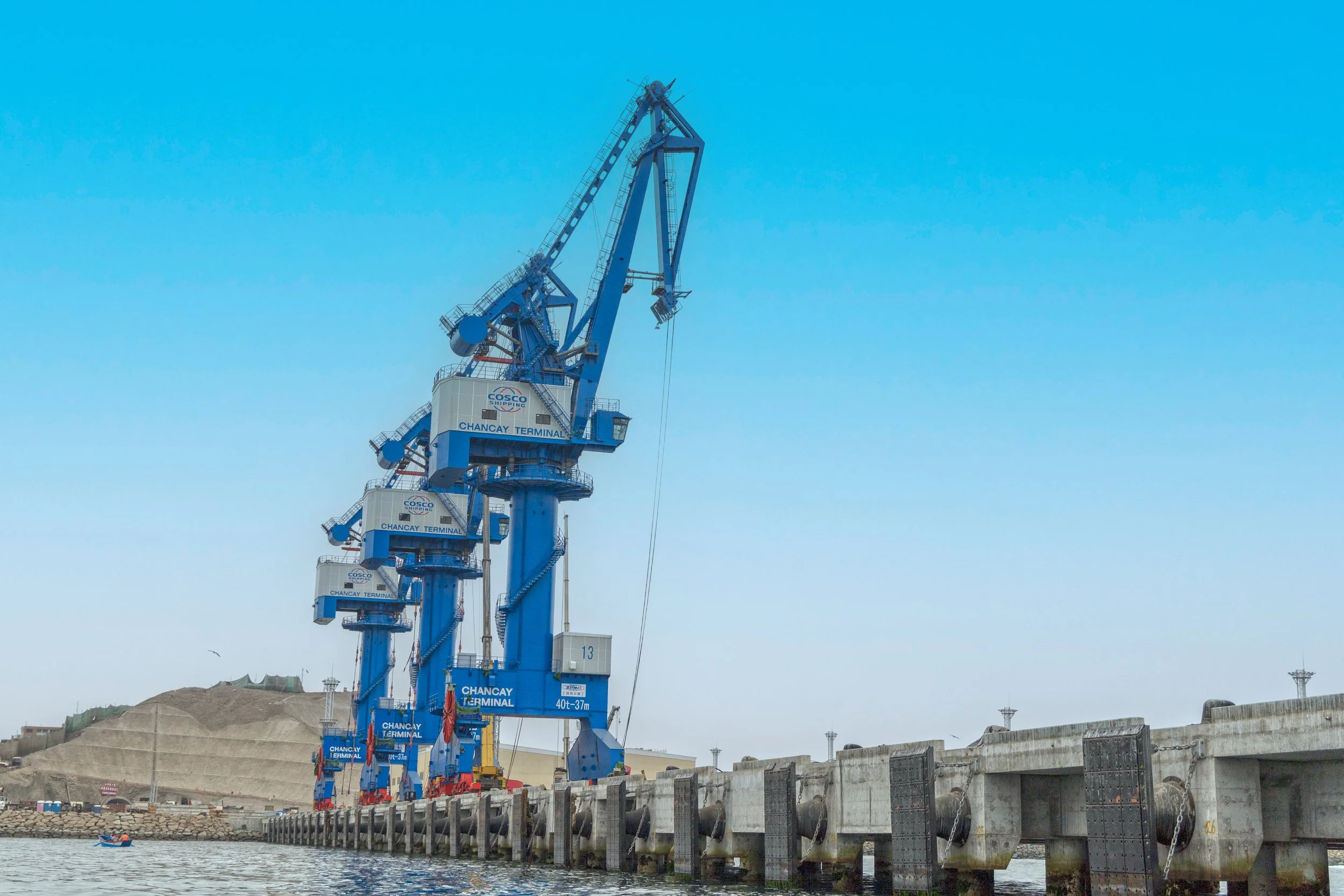
China’s economic and military presence in Latin America is expanding, prompting the United States to pursue countermeasures. Other extra-regional actors, ranging from the European Union to countries such as India, are simultaneously deepening their engagement with the region. The United States could strategically leverage these relationships to reinforce its own position.
By Dhruva Jaishankar
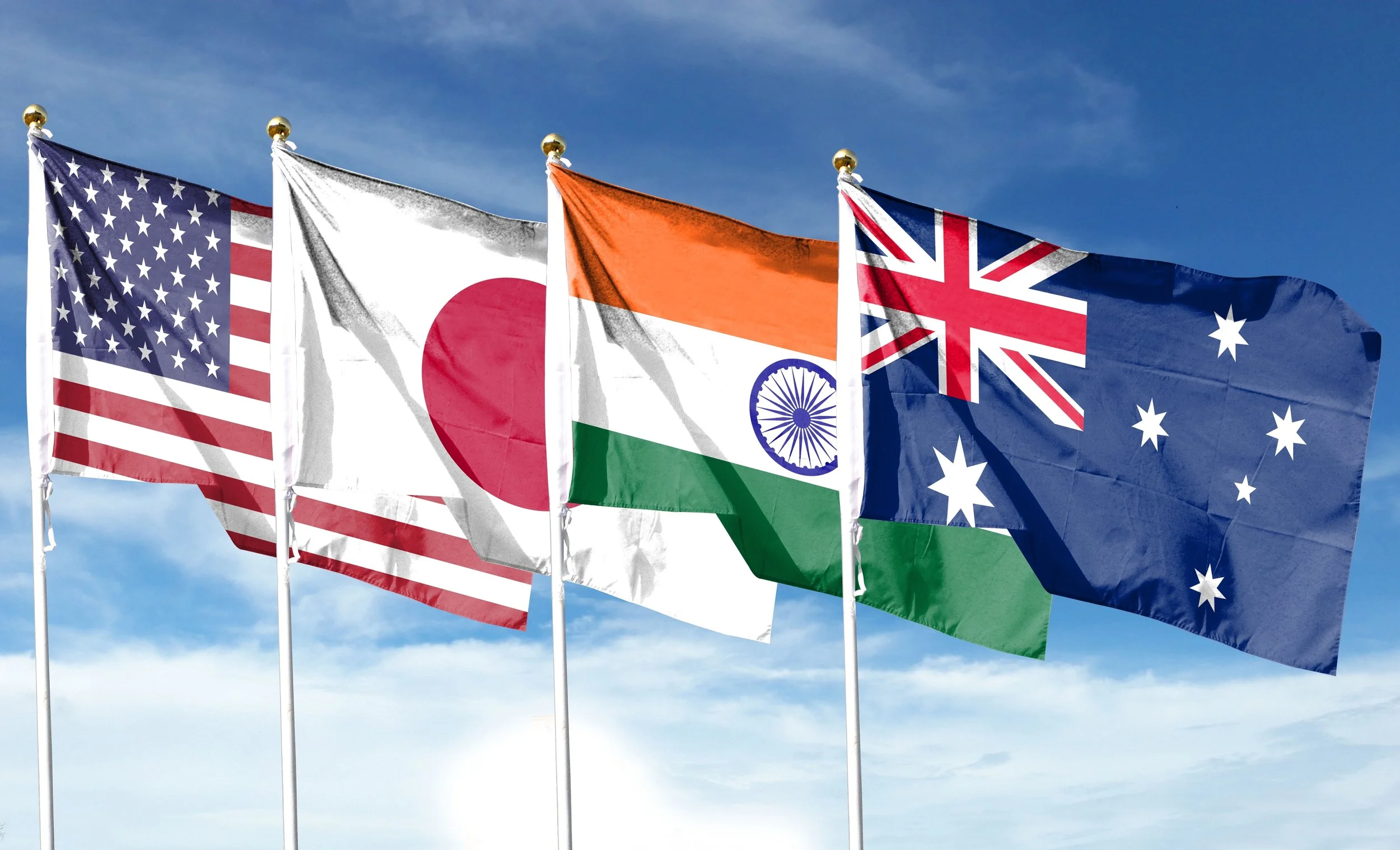
The latest Quad joint statement highlights how economic security is receiving priority at this juncture, critical and emerging technologies are being somewhat marginalized by unilateral and bilateral efforts, and efforts of maritime security continue to progress in a more workmanlike manner.
By Andre Nicola
Unlike previous elections where the primary concern was social media manipulation, 2026 will test how Brazil, and other large democracies, respond to this new generative AI challenge. The question is no longer whether AI will shape elections. It is whether governments will build the right safeguards before, rather than after, elections can be manipulated.
Observer Research Foundation America, 1100 17th St. NW, Suite 501, Washington DC 20036 USA