



By Anit Mukherjee
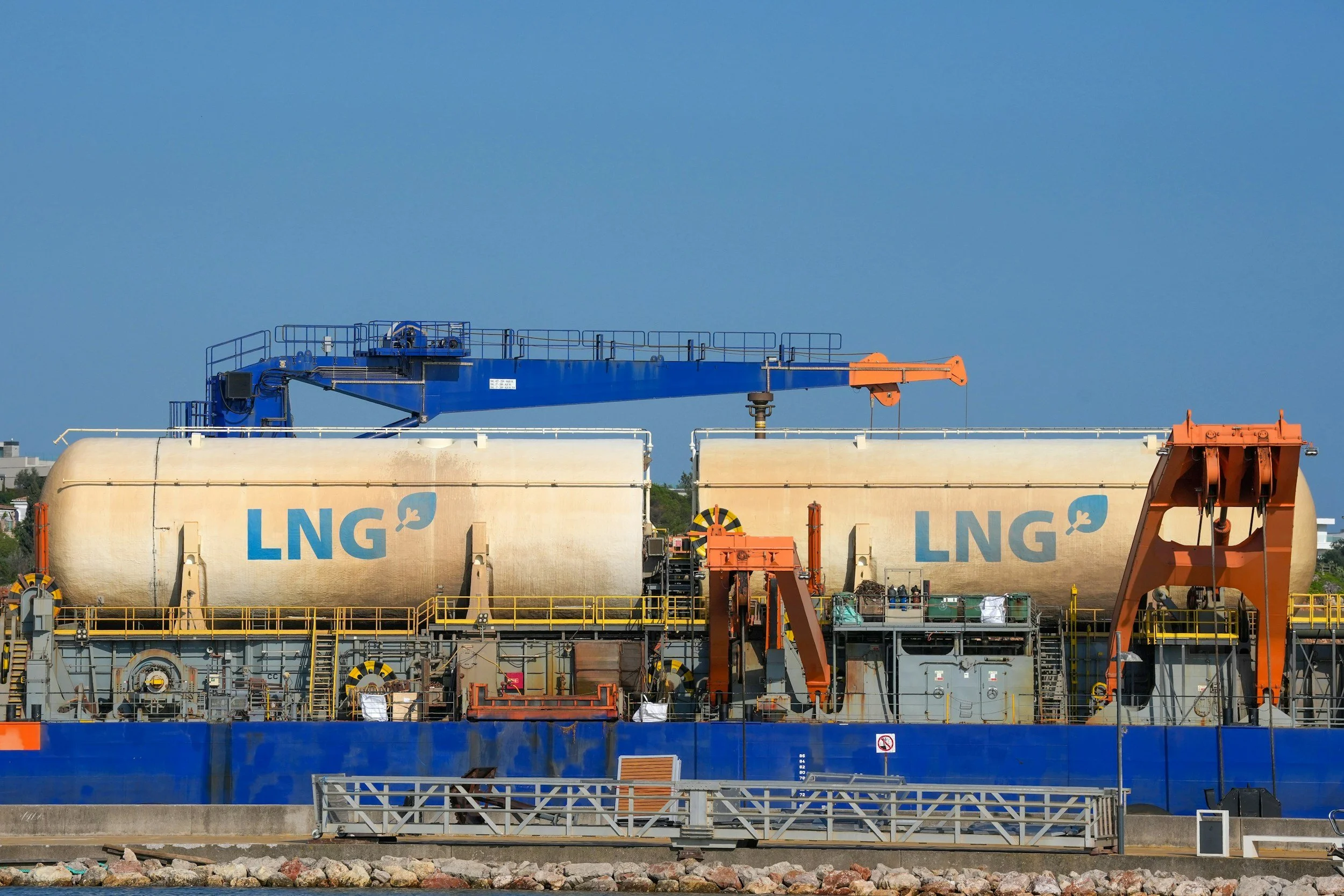
As crude oil prices moderate and energy supplies become more predictable, India has an opportunity to address three key challenges.

By Shruti Jain and Leigh Mante
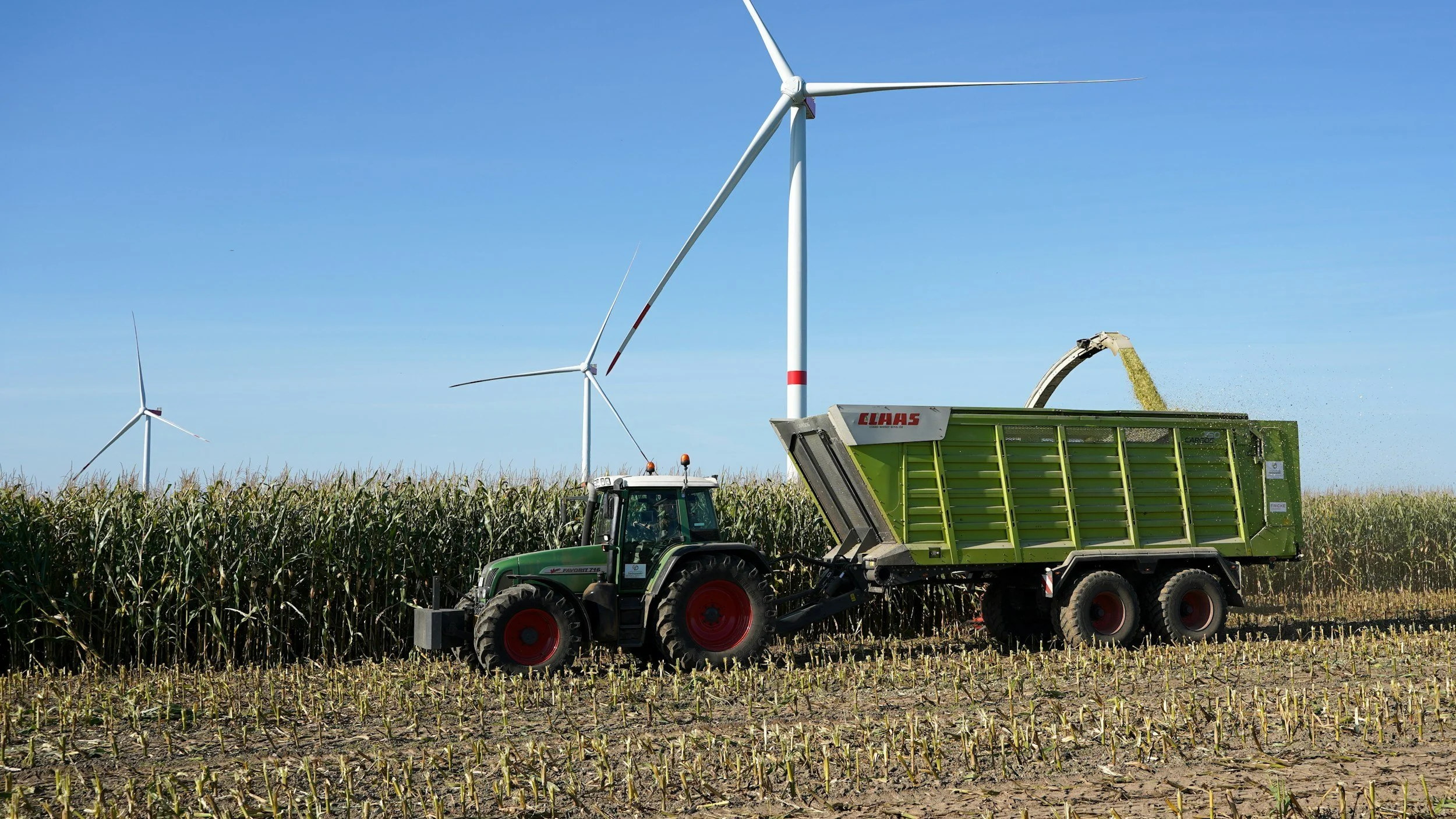
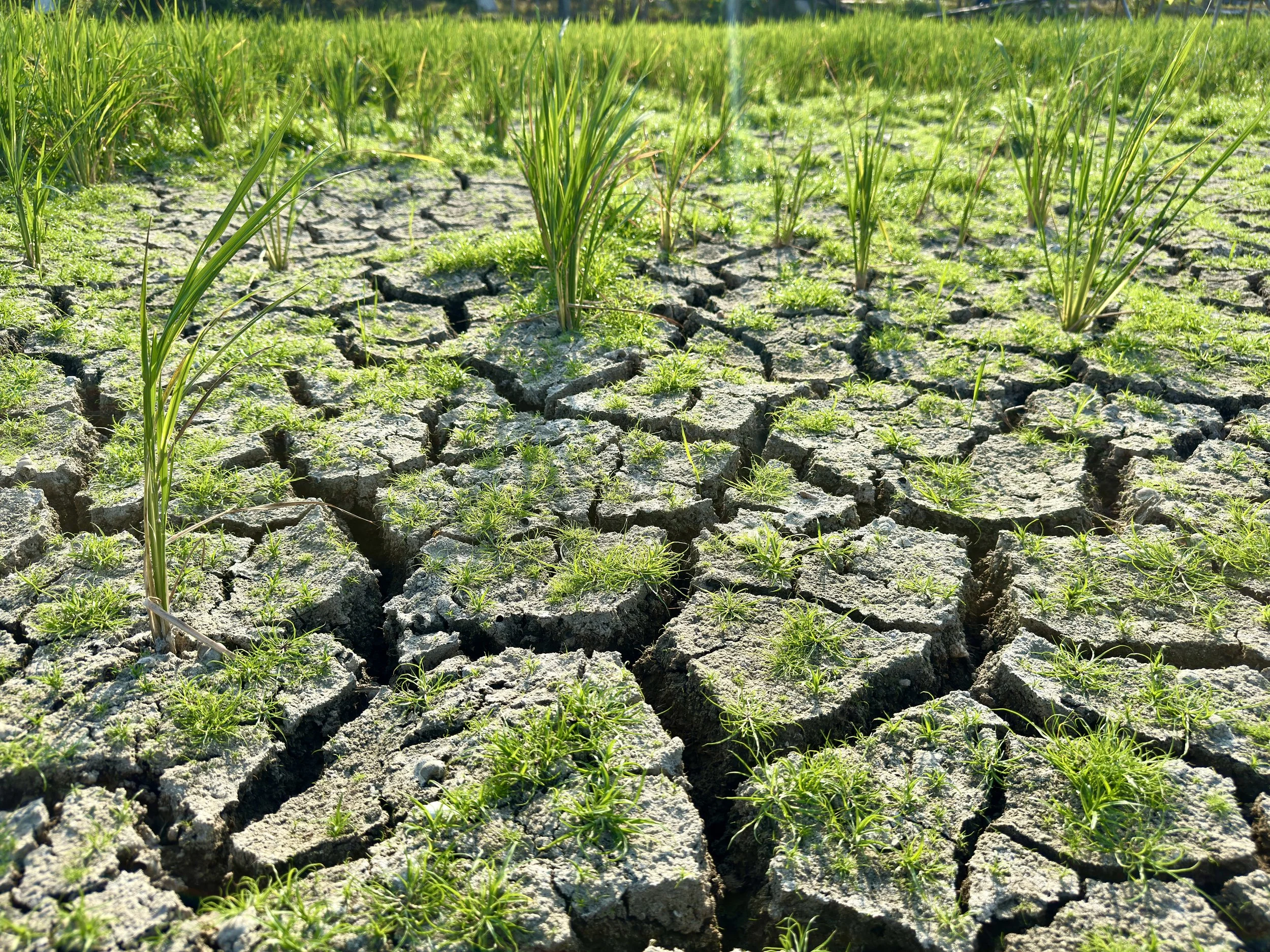
Regenerative agriculture has gained attention as a means of rebuilding the productive and ecological base of agriculture while reducing farmers’ exposure to climate and input-price shocks. To withstand compounding shocks, import-dependent economies require an integrated resilience framework that encompasses regeneration and diversification.
By Oommen C. Kurian
Countries are being asked to assume greater responsibility for health systems while the external resources available to support that transition are contracting. The question is whether greater sovereignty expands their room to set priorities and mobilise resources, or transfers responsibility faster than capacity.
By Raul Alfaro-Pelico
With COP31 taking place in Antalya this month, it is increasingly clear that Africa’s biggest challenge is not lack of capital but means to unlock it in its physical, natural, and social forms.
By Akram Zaoui
Unlocking the full potential of digital labour platforms will require removing regulatory barriers and enhancing the institutional, legal, and physical infrastructure.
By Samriddhi Vij, Akram Zaoui, and Mahdi Ghuloom
In the early hours of June 15, U.S. President Donald Trump confirmed an announcement by Pakistani Prime Minister Shehbaz Sharif that a peace deal between the United States and Iran had been reached, iterating that both sides had declared “the immediate and permanent termination of military operations on all fronts, including in Lebanon.” ORF Middle East experts offer their quick takes.
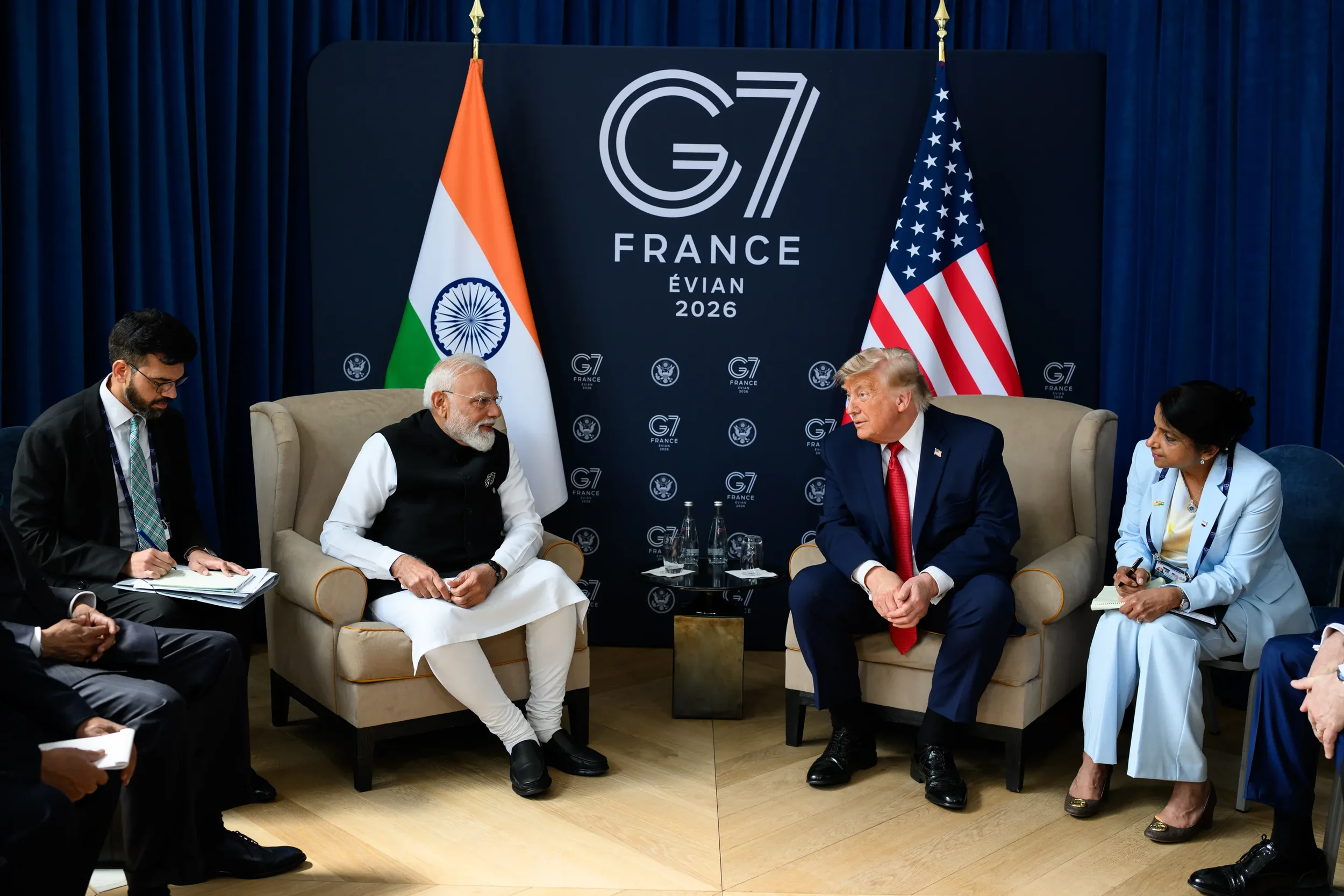
By Dhruva Jaishankar and Jeffrey D. Bean
Earlier this month, India was among the first countries to receive expanded access to Anthropic's Claude Mythos large language model, but the White House decision to block all foreign access to Anthropic’s new Mythos and Fable models via export control elevates concerns regarding reliability of U.S. partnership and AI dependency.
By Sarah Salah
As the IAA continues to undergo amendments, its ultimate success will hinge on careful calibration. The EU will need to preserve channels for strategic foreign investment, especially in capital-intensive sectors where domestic capacity alone may fall short. If the Act is overly complex or restrictive, it risks deterring the very investment it seeks to shape.
By Rohan Sharma
The United States’ and India’s commitments are clear: pro-innovation regulation, joint next-generation data centers, and cooperation on advanced compute. But agreements do not operationalize themselves. What is needed is not another forum, but an interface. A jointly staffed mechanism, anchored in implementation agencies, becomes the only viable bridge.
By Vishal Manve
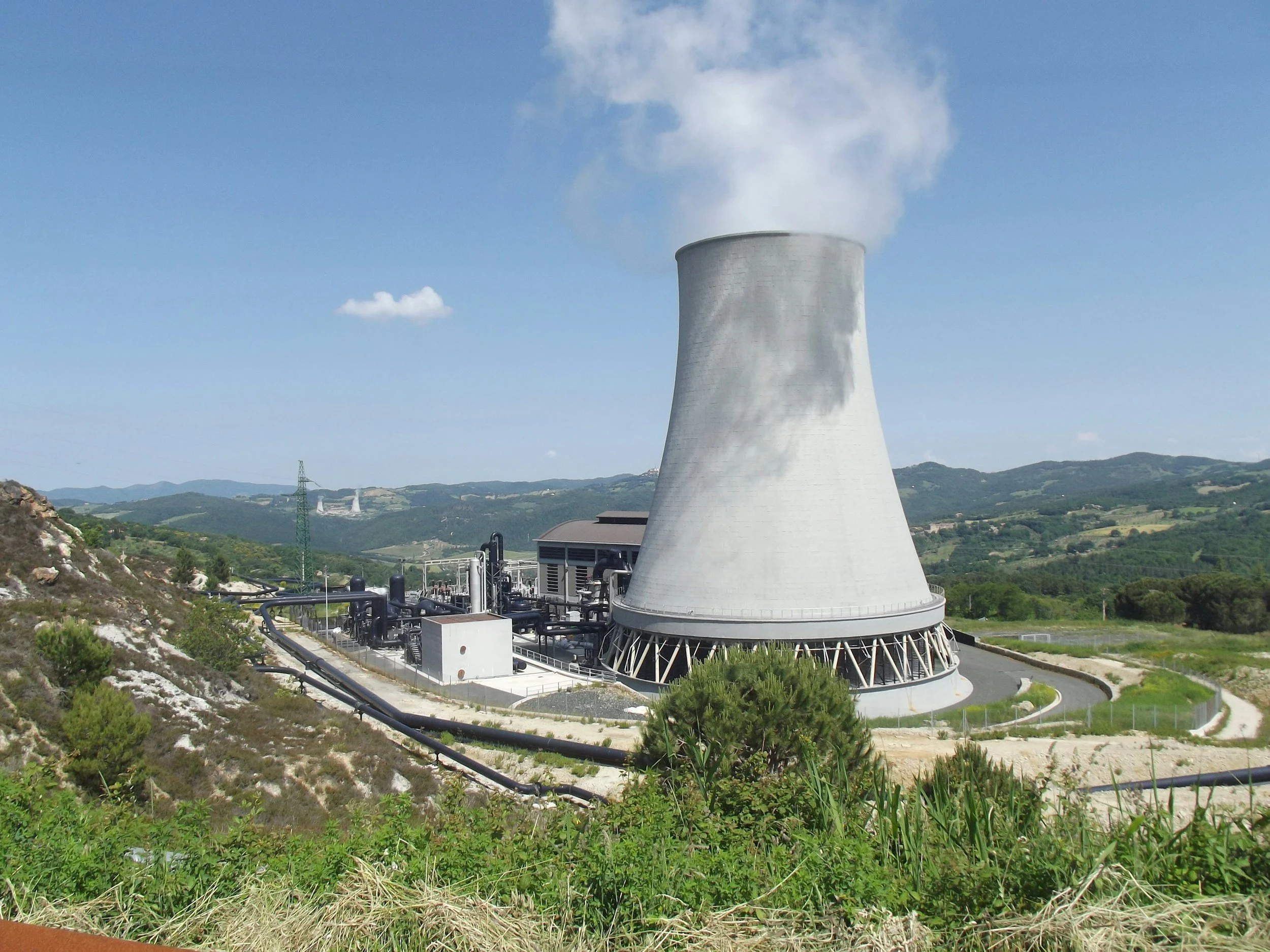
India’s nuclear future is increasingly unfolding along two parallel tracks, one rooted in indigenous strategic capability and the other in internationally integrated commercial innovation. For Washington, understanding and engaging both will be central to the next phase of U.S.–India civil nuclear cooperation.
By Jhanvi Tripathi and Samriddhi Vij
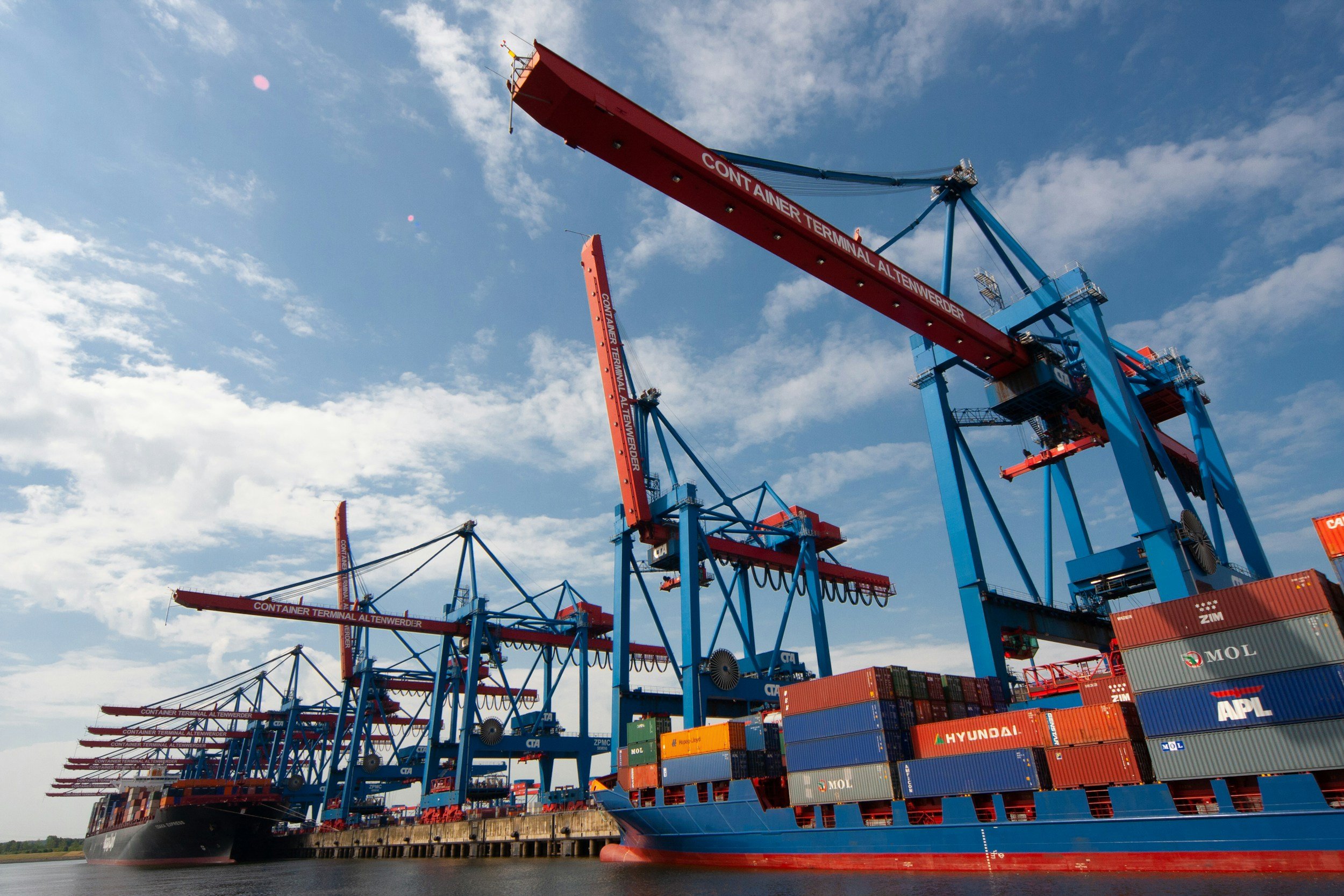
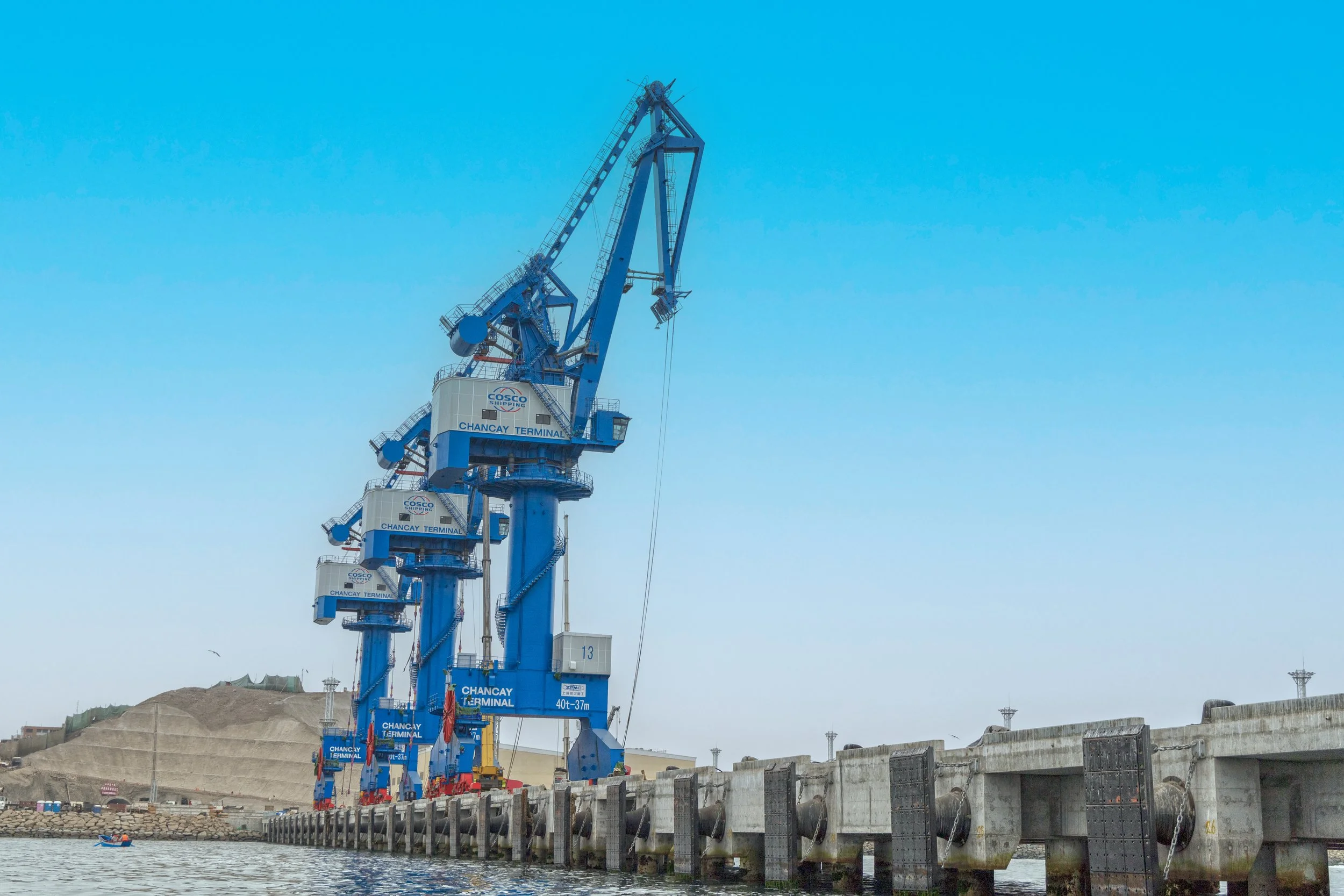
Countries in the Global South are the fastest growing consumer markets with their growing and increasingly aspirational populations. Fulfilling this potential requires addressing deep connectivity gaps that have implications for the speed and cost of doing business.
By Soumya Bhowmick and Arya Roy Bardhan
For countries across Asia, Africa, and Latin America, the challenge is no longer simply how to engage Washington or Beijing diplomatically, but how to preserve developmental autonomy in an environment where great-power competition is restructuring markets, supply chains, and industrial choices.
Observer Research Foundation America, 1100 17th St. NW, Suite 501, Washington DC 20036 USA