



By Clemens Chay
The reality is that “America First” under the Trump administration has functioned as a structural force rather than empty rhetoric — one that has prompted state actors to exercise agency by prioritizing their own national interests.
By Parul Bakshi and Lydia Powell
Over the past decade, three structural shifts have been reordering global energy trade, encompassing not only traditional oil and gas flows but also the rapidly growing cross-border trade in electricity and clean energy goods.
By Piyush Verma
For the Global South, the stakes are particularly high: the energy transition could unlock industrialization, resilience, and strategic bargaining power, but it could also reproduce older patterns of dependency through new technologies, standards, minerals, and financial asymmetries.
By Andreas Kuehn and Cauvery Ganapathy
While the integration of AI offers benefits for the optimization of energy systems through grid management, renewable energy integration, predictive maintenance, and accurate forecasting of alternative forms of energy, its energy-intensive nature could also negatively impact the countries and ecosystems seeking to adopt it.
By Medha Prasanna
The oil age will not end because the world runs out of oil, but because oil reserves stop being worth pumping. The UAE has moved fast, not as just a knee-jerk reaction to the conflict in the region, but as a strategic divergence.
By Andre Nicola
Across South America, governments are increasingly framing environmental regulation as a constraint on growth, investment, and national competitiveness. South America's political direction over the next several years will be an early test of whether economic development can be reconciled with environmental stewardship throughout the region.
By Jeffrey D. Bean
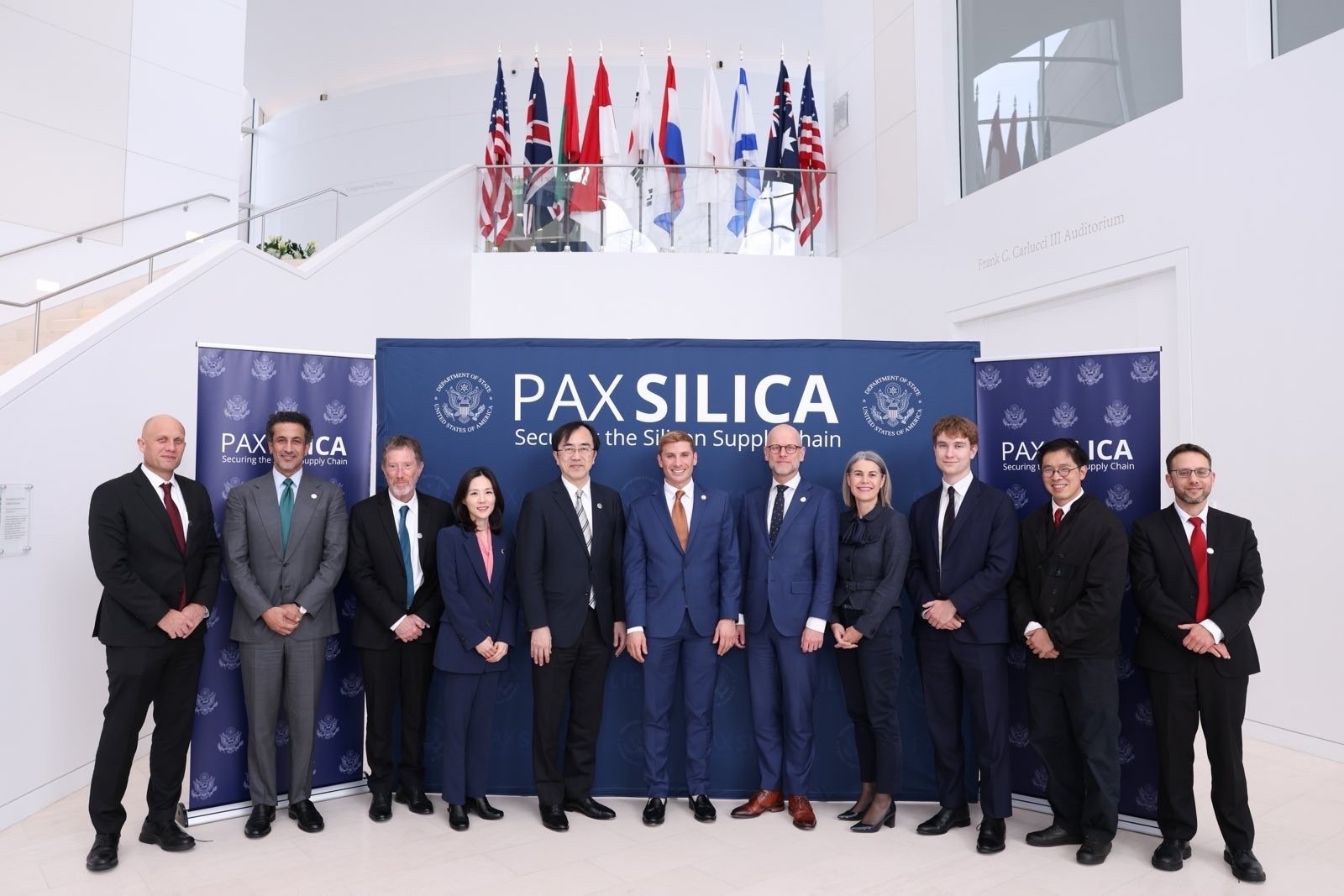
If the U.S. government can facilitate practical, targeted bilateral engagements for mining and processing under the banner of Pax Silica and FORGE, these could support derisking semiconductor, AI, and critical mineral supply chains provided key Global South actors are engaged effectively and equitably.
By Marta Bengoa
Using outdated balance-of-payments provisions designed for fixed exchange rates makes no sense under current monetary arrangements. Trump can continue imposing tariffs within constitutional boundaries, but the constraints now bind more tightly. Whether this leads to a more sensible trade policy or simply shifts chaos to different legal authorities remains to be seen.
By Marta Bengoa
Speaking at Davos, Trump first ruled out using military force to acquire Greenland (after weeks of refusing to do so), then hours later announced what he called a "framework of a future deal" with NATO on Arctic security. Whether the framework leads to substantive Arctic security cooperation or remains another example of Trump declaring victory without achieving objectives, the damage to transatlantic economic relations has been done.
Observer Research Foundation America, 1100 17th St. NW, Suite 501, Washington DC 20036 USA