
By: Marta Bengoa
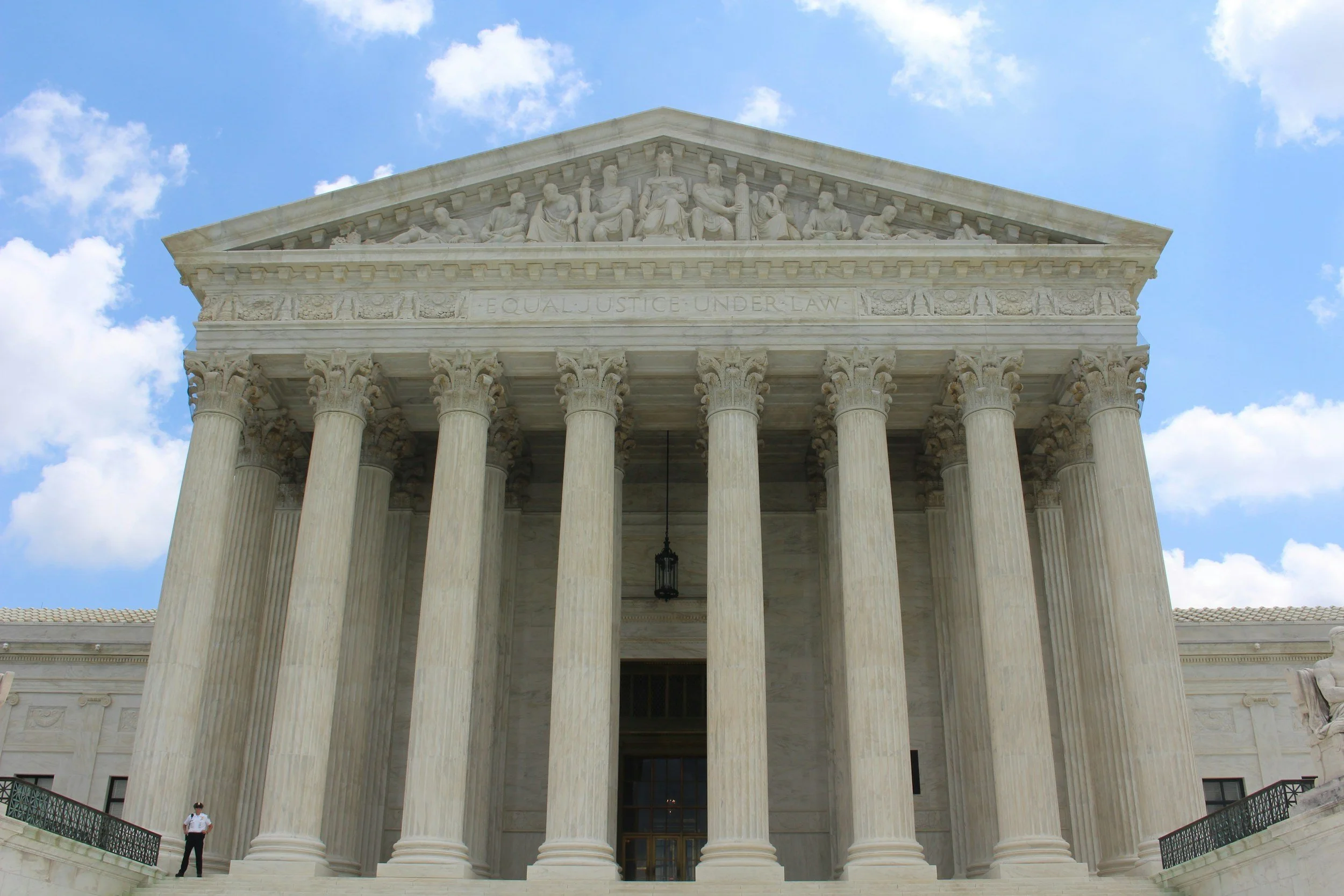
The U.S. Supreme Court's 6-3 decision to strike down U.S. President Donald Trump's use of the International Emergency Economic Powers Act (IEEPA) for tariffs represents the most significant constraint on executive trade authority in the United States in decades. Chief Justice John Roberts made the constitutional basis for the judgment clear: Congress holds the power to tax, and IEEPA contains no reference to tariffs or duties. IEEPA authorizes the president to regulate importation during emergencies, but as Roberts noted, until Trump, no president read this statute to confer tariff authority. Trump's assertion of "extraordinary power to unilaterally impose tariffs of unlimited amount, duration, and scope" required clear Congressional authorization. He could not provide it.
The ruling invalidates roughly 60% of Trump's tariff structure, including reciprocal tariffs and drug trafficking tariffs on Canada, Mexico, and China. Tariffs under Section 232 (national security) and Section 301 (discriminatory practices) remain in force because these statutes explicitly authorize tariffs. Trump's immediate response was to invoke Section 122 of the Trade Act of 1974 to impose a 10% global tariff. Section 122 allows temporary tariffs up to 15% for 150 days to address "large and serious" balance-of-payments deficits.
This provision was created in 1974 when the Bretton Woods fixed exchange rate system collapsed, specifically to prevent dollar depreciation in foreign exchange markets. President Richard Nixon had just ended dollar convertibility to gold, and Congress designed Section 122 to provide emergency authority during that transitional period. That economic context no longer exists. Under floating exchange rates, trade imbalances reflect savings-investment gaps and capital flows, not currency misalignment. If the United States runs a trade deficit, Americans save less than they invest, requiring capital inflows. Tariffs do not fix this underlying imbalance. They distort the adjustment mechanism without addressing why domestic savings fall short. Moreover, the balance-of-payments rationale makes little sense when the dollar faces no depreciation threat. The dollar remains the world's reserve currency. Invoking Section 122 to prevent dollar depreciation when no such risk exists stretches the statute's purpose beyond recognition. The 150-day time limit creates complications. If Congress declines to extend Section 122 tariffs when they expire in July, the administration could theoretically declare a new emergency and restart the clock, raising separation-of-powers concerns. More likely, the administration uses these five months to complete investigations under Section 232 or Section 301, attempting to replicate IEEPA tariffs under authorities requiring greater process.
The Turnberry framework with the European Union complicates matters. Under that agreement, the United States committed to cap tariffs on most EU imports at 15%, combining the most favored nation (MFN) rate plus a reciprocal surcharge. For products where the MFN rate exceeds 15%, only that rate applies. For products below 15%, a reciprocal tariff brings the total to 15%. The new Section 122 tariff creates legal tension. Trump's 15% surcharge applying to all imports means EU products with MFN rates above 5% would exceed the 15% Turnberry ceiling, breaching the agreement. Whether Trump honors this commitment remains unclear. The same tensions apply to other bilateral deals negotiated under threat of IEEPA tariffs. Japan, South Korea, and Taiwan agreed to investment commitments in exchange for tariff relief, the Supreme Court has now ruled illegal. Whether those agreements remain binding poses questions the Court declined to address.
Then there's the refund chaos. The Court said nothing about returning the estimated $130-175 billion collected under IEEPA tariffs to importers. Some importers passed costs to consumers, complicating reimbursements. Customs and Border Protection now faces processing refund claims from thousands of importers while implementing new Section 122 tariffs. The practical chaos extends beyond refunds. Importers who front-loaded orders before IEEPA tariffs now face different structures under Section 122. The trade deficit Section 122 targets will likely increase short-term, as importers accelerate shipments before the February 24 implementation, precisely the opposite effect intended.
Trump's denunciation of the six justices as a "disgrace" demonstrates a misunderstanding of constitutional governance. The Court applied a straightforward interpretation: Congress holds the power to tax, IEEPA does not mention tariffs, and no previous president used the statute for tariffs. The decision does not end Trump's tariff agenda. The administration retains authority under Sections 232, 301, and potentially 338 to impose substantial duties following required investigations. These authorities require greater process than IEEPA but vest considerable discretion in the executive.
What the ruling establishes is that constitutional limits apply even to signature policies. The "major questions doctrine" operates symmetrically, constraining both Biden's student loan forgiveness and Trump's tariff maximalism. That principle matters more than political outcomes. Meanwhile, the economic incoherence characterizing Trump’s use of tariffs persists regardless of legal authority. Trade deficits reflect macroeconomic imbalances, not unfair foreign practices amenable to tariff solutions. Using outdated balance-of-payments provisions designed for fixed exchange rates makes no sense under current monetary arrangements. Trump can continue imposing tariffs within constitutional boundaries, but the constraints now bind more tightly. Whether this leads to a more sensible trade policy or simply shifts chaos to different legal authorities remains to be seen.
Marta Bengoa is a Non-Resident Fellow at ORF America.