
By Udaibir Das and Wayne Byres
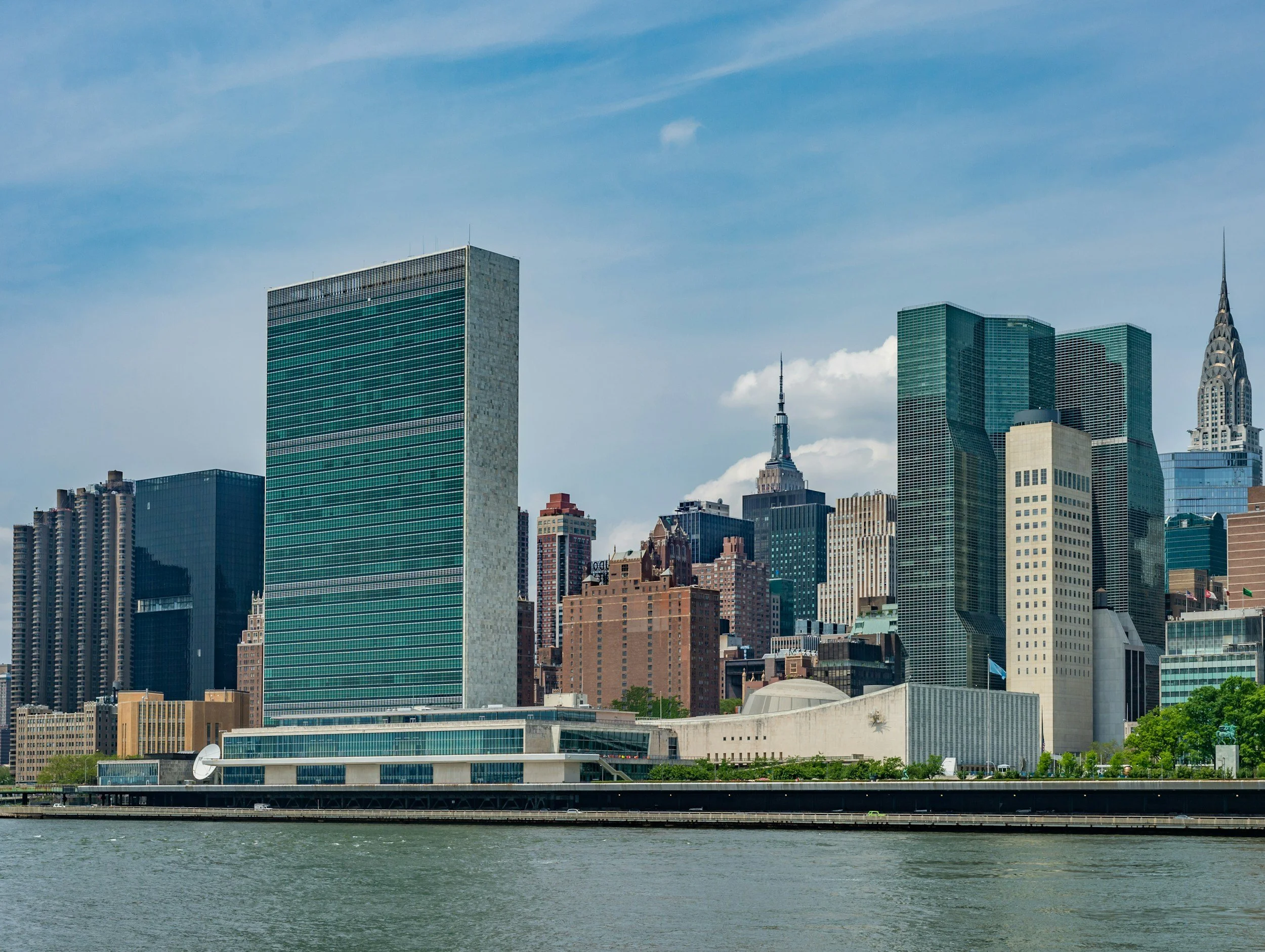
After 50 years, the Basel Committee’s standards are crucial for maintaining global financial stability.
By Piyush Verma
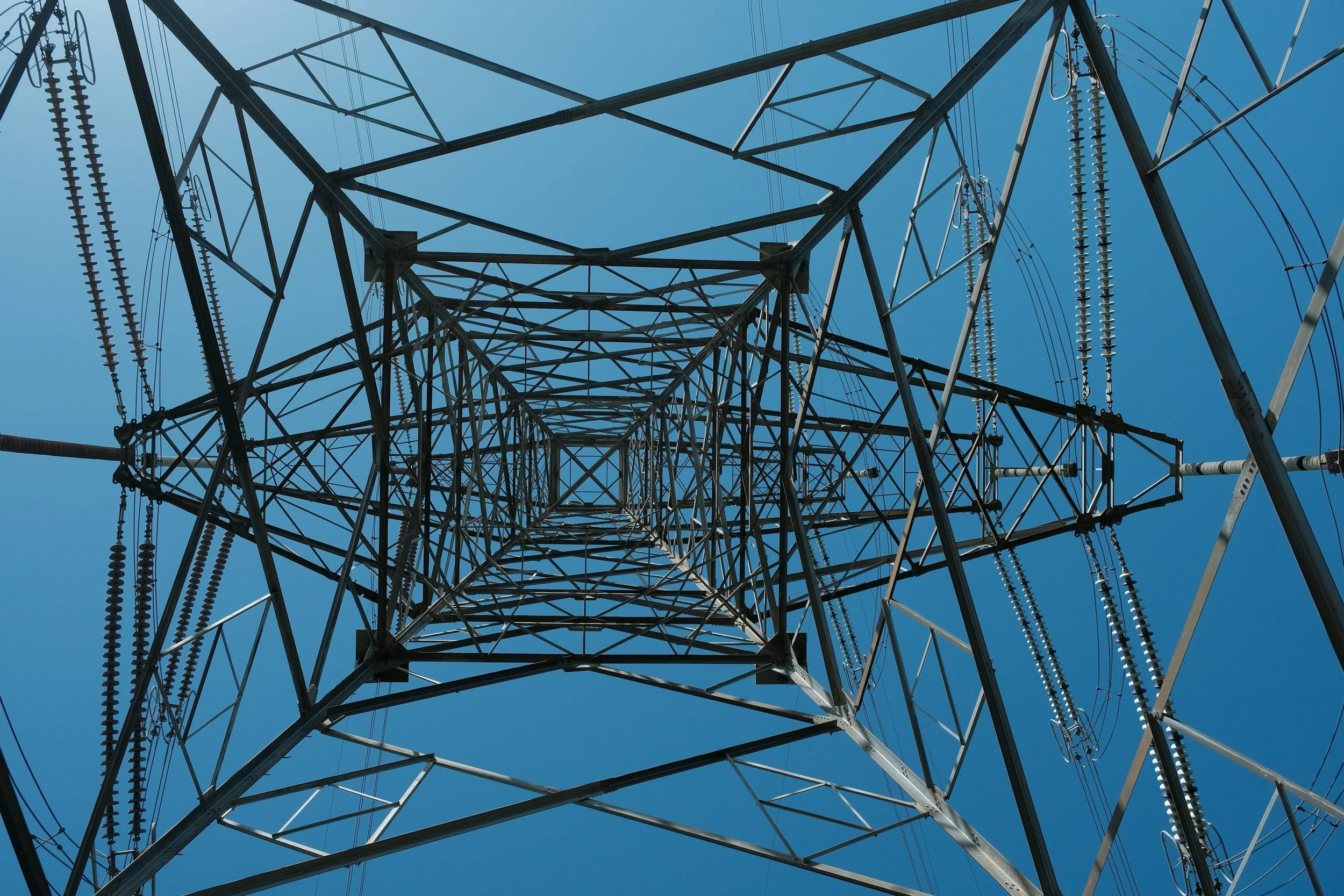
The grid is more than a machine for moving electrons. It is a shared system of costs, responsibilities and reliability. As AI campuses bring their own power, the question is not whether they are on or off the grid, but what they owe it when they still depend on it.
Background Paper No. 40
By Udaibir Das and Pietro Zecca
Edited Volume
By Soumya Awasthi, Ishita Deshmukh, Sameer Patil, Kavya Wadhwa, Purushraj Patnaik, Pranoy Jainendran, Sameer Patil, Rahul Rawat, Debjyoti Chakravorty, Basu Chandola, and Tanusha Tyagi
Editor: Dhruva Jaishankar
By Udaibir Das
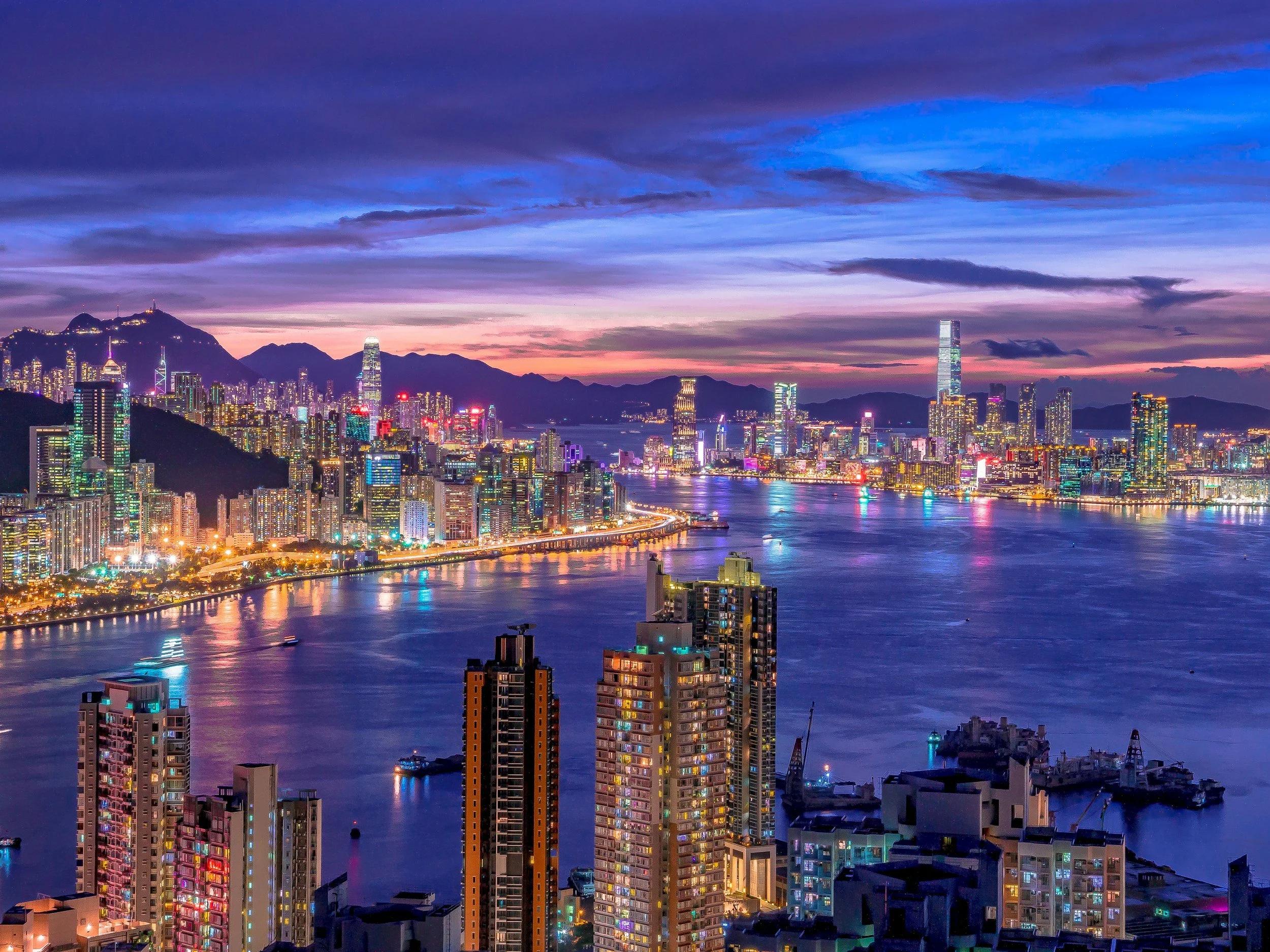
Policy-makers cannot prevent every shock, but they can influence how prepared the economy is to deal with them, by reducing exposures, protecting essential functions and preserving policy room. Asia built its first generation of financial defenses after a crisis. It should build the second before the next.
By Udaibir Das and Wayne Byres
After 50 years, the Basel Committee’s standards are crucial for maintaining global financial stability.
By Udaibir Das
The current global economic and capital market conditions necessitate reassessing conventional portfolio construction and risk management practices.
By Udaibir Das
Multilateral reform remains complex and demands patience to ensure that the process is transparent and inclusive.
By Dhruva Jaishankar
At a basic level, India’s large diaspora in the US and a shared sense of democracy continue to contribute to deepening India-US relations.
By Jeffrey D. Bean and Stephen Ezell
The United States has taken several key steps that we advocated. Foremost was passing the CHIPS and Science Act with bipartisan Congressional support in August 2022, which included appropriations of $52.7 billion for the CHIPS Act.
By Udaibir Das
Africa stands on the precipice of a financial renaissance, poised to redefine its influence in the global investment sphere.
By Sadiq Amini
A choice hasn’t been made, but non-Taliban stakeholders are eager for a policy change.
Observer Research Foundation America, 1100 17th St. NW, Suite 501, Washington DC 20036 USA