

U.S. Tariffs

By Marta Bengoa
Tariffs can be withdrawn by proclamation as quickly as they were imposed, and the September 8 measures may well be traded away in the review that begins next summer. The conclusion Canada has reached about the reliability of its largest customer will take considerably longer to reverse.

By Marta Bengoa
Using outdated balance-of-payments provisions designed for fixed exchange rates makes no sense under current monetary arrangements. Trump can continue imposing tariffs within constitutional boundaries, but the constraints now bind more tightly. Whether this leads to a more sensible trade policy or simply shifts chaos to different legal authorities remains to be seen.
By Marta Bengoa
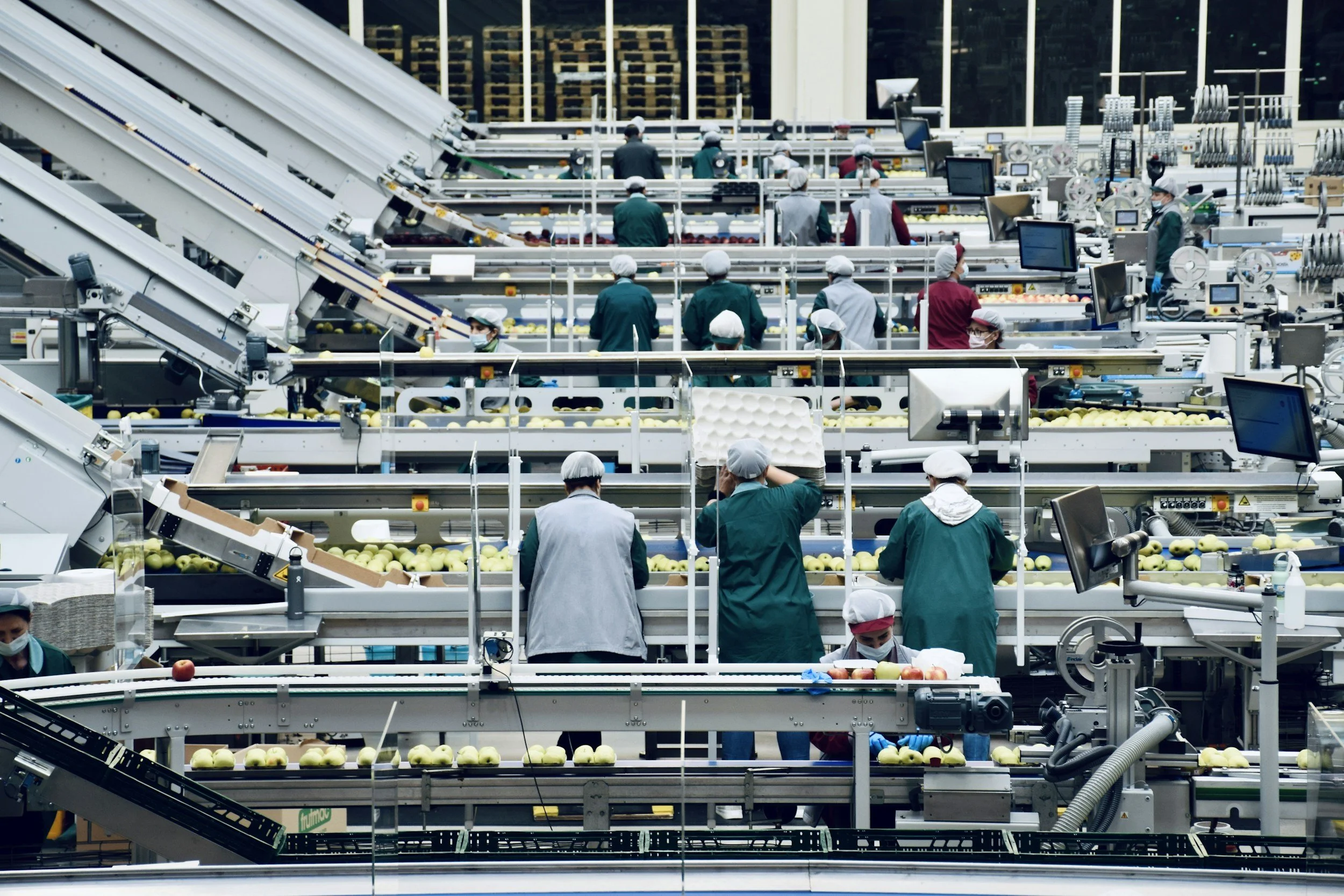
Rather than reviving American manufacturing and boosting employment, the data from Trump’s “Liberation Day” tariffs tell a story of job losses in manufacturing, stagnant productivity in that sector, higher inflation across the economy, and economic uncertainty on a scale not seen in decades.

By Marta Bengoa
The most problematic aspect of the newly announced Trump tariffs may be the deliberate ambiguity around how countries might negotiate lower rates.
Listen and learn on Around the World
Recent analysis & convenings
By Dhruva Jaishankar
For countries around the world — whether allies, partners, or competitors of the United States — there are important and immediate questions of how much and to what degree they will accommodate, or hedge against, the United States’ new approach to the world.

Edited Volume
By Dhruva Jaishankar, Anit Mukherjee, Anirban Sarma, Mannat Jaspal, Nilanjan Ghosh, and Sunaina Kumar
Editors: Sharon Stirling and Eszter Karacsony
By Udaibir Das
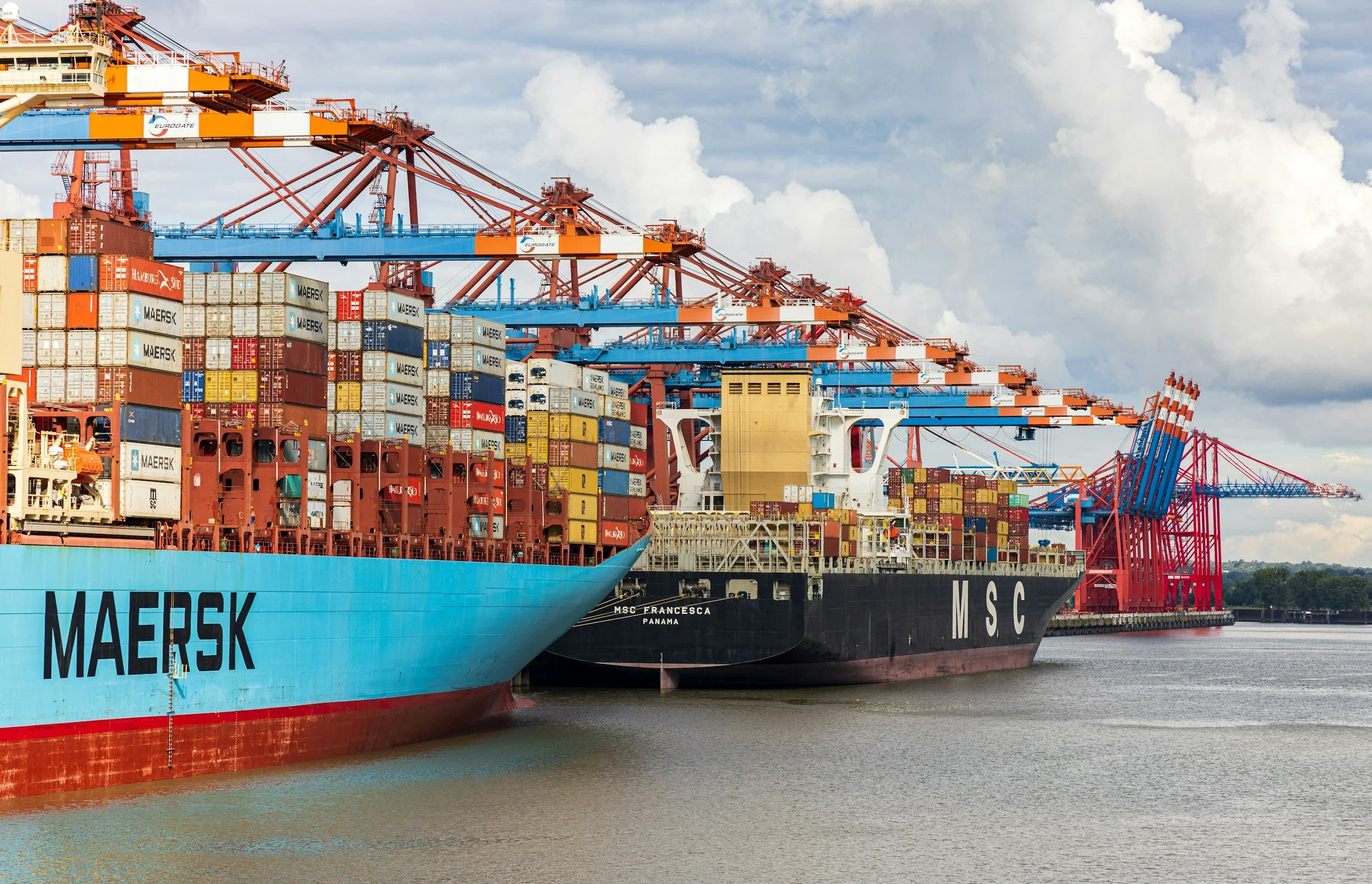
In dynamic-system terms, the global economy has shifted from a high-integration equilibrium towards a more fragmented state, but the transition path is still in motion. For financial institutions, the challenge is calibrating marginal gain in resilience against the marginal erosion of competitive advantage.

By Marta Bengoa
The current situation demands acknowledgment that trade and monetary policy operate as interconnected systems, not isolated levers that can be pulled independently. A coherent approach would acknowledge that the United States’ economic strength derives from its integration into global supply chains, not isolation from them.

By Marta Bengoa
What began as April's "Liberation Day" announcement has evolved into a complex framework of negotiated settlements that, while avoiding the most severe outcomes initially threatened, creates new economic distortions across multiple trading relationships.

By Marta Bengoa
The fundamental contradiction in the Trump administration’s approach to trade policy remains unresolved: a strong economy cannot be built on weak economic thinking. Tariffs are not a strategy; they are a symptom of strategic absence.