
Special report no. 7
BY PIYUSH VERMA, MEDHA PRASANNA, caroline arkalji, ERLIJN VAN GENUCHTEN, AND SIDDHARTH SHARMA
EXECUTIVE SUMMARY
Artificial intelligence is poised to reshape energy systems in both the United States and India — acting simultaneously as a powerful new source of electricity demand and as an essential tool for grid optimization, forecasting, and resilience. As AI deployment accelerates, coordinated U.S.–India cooperation offers a unique opportunity to address shared challenges, strengthen energy security, and build cleaner, more affordable, and more reliable power systems.
This report finds that while AI can significantly reduce system costs, improve grid stability, and accelerate renewable integration, its benefits are constrained by emerging risks.
Rapid growth of data centers is straining electricity grids; cyber vulnerabilities are expanding as digital infrastructure scales; and both countries face institutional barriers, including fragmented regulation, uneven workforce readiness, and gaps in long-term planning.
At the same time, the complementarities between the United States and India create a foundation for global leadership at the AI–energy nexus. India’s cost-effective scaling, digital public infrastructure strengths, and rapid renewable energy expansion, combined with U.S. frontier capabilities in AI, advanced grid technologies, and deep capital markets, position both nations to shape the rules, standards, and innovations that will define AI-enabled energy transitions worldwide.
To unlock this opportunity, the report recommends that the United States and India:
Align governance and standards by developing interoperable regulatory frameworks, harmonizing risk-based approaches to AI in energy infrastructure, and adopting shared cybersecurity baselines.
Launch targeted bilateral solutions through joint pilots on smart metering, AI-driven grid optimization, demand forecasting, energy efficient AI models, and distributed data-center siting.
Modernize and secure critical energy infrastructure by accelerating grid digitalization, expanding reliable power, diversifying supply chains through trusted partnerships, and investing in human and institutional capacity.
Together, these steps can enable both countries to harness AI’s full potential in the energy system while safeguarding it from emerging risks — establishing a roadmap for affordable, resilient, and secure energy system worldwide.
I. INTRODUCTION
Artificial Intelligence (AI) is emerging as an essential tool for optimizing, securing, and boosting the resilience of energy systems, yet it is also a ravenous consumer of energy and contributes its own set of challenges to the grid. Investment in artificial intelligence has surged at an unprecedented pace, with the United States investing nearly 12 times more than the second largest investor, China. India, meanwhile, offers a lower cost environment for scaling and is rapidly expanding its AI ecosystem, with annual growth projected to exceed over 26 percent. This breakneck technological evolution — and the massive infrastructure needed to support it — is placing new strains on already aging power grids in both the United States and India. Energy security, traditionally viewed as a technical challenge, has now become a core national security issue for both countries, given the heightened vulnerabilities and risks associated with modern, overstressed grids.
AI is deeply intertwined with this challenge. On one hand, it drives enormous new demand for electricity, data centers, and resilient digital infrastructure. On the other hand, it offers powerful tools to optimize energy use, modernize grids, and safeguard critical infrastructure. For countries that aspire to scale power-intensive AI industries responsibly, harnessing AI for more affordable, resilient, and secure energy systems is not optional, it is essential. Their competitiveness in the emerging global economy will depend on it.
This paper examines the intersection of artificial intelligence and energy security in the United States and India. Section II explores the opportunities AI brings to energy systems, showing how it can enhance grid intelligence, resilience, and security across the entire production–distribution–consumption chain. It also examines AI’s crosscutting applications in advancing emerging technologies such as hydrogen production, geothermal resource mapping, weather forecasting, energy storage, and mineral exploration.
Section III examines the emerging risks and vulnerabilities that AI introduces into energy systems, focusing on the rising electricity demand of data centers and the growing cybersecurity and privacy threats facing critical infrastructure.
Section IV shifts from identifying risks to addressing them, analyzing the barriers to responsible adoption, ranging from regulatory fragmentation and accountability gaps to deficits in AI literacy, workforce training, institutional capacity, and security measures. It highlights ongoing efforts in both the United States and India, while drawing lessons from global governance models that could inform bilateral approaches to building secure, resilient, and future ready AI–energy systems.
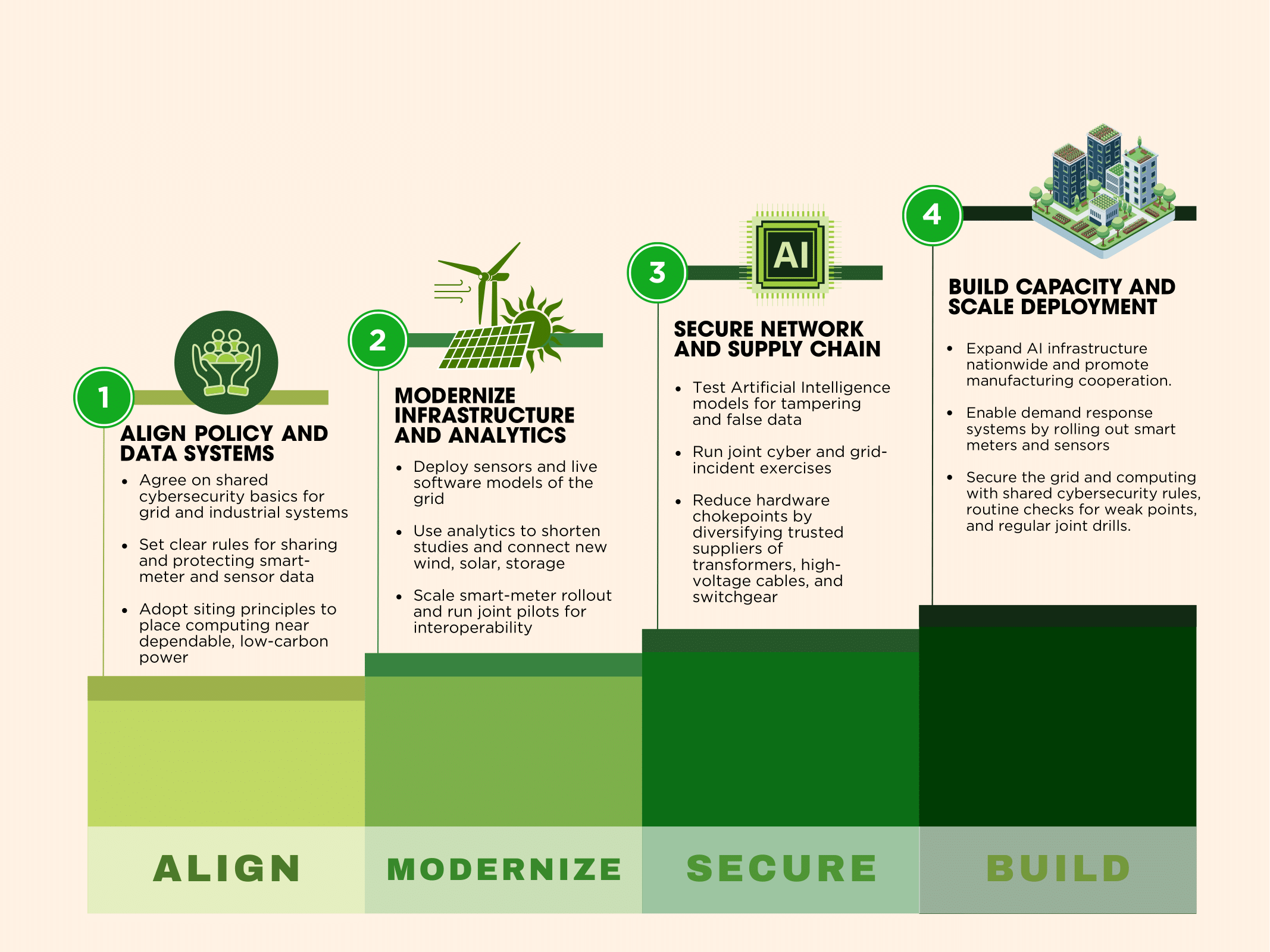
Section V then situates the discussion in a bilateral context, analyzing how the strengths and weaknesses of the United States and India can complement each other through cooperative initiatives. Finally, the conclusion synthesizes these analyses into recommendations that bridge immediate needs with longer term priorities for resilience in four stages: align, modernize, secure, and build.
Ii. AI’S TRANSFORMATIVE ROLE IN ENERGY SYSTEMS
Across the energy landscape, artificial intelligence represents more than a technological tool. It signals a systemic shift. This shift has the potential to transform the power grid from a rigid, supply-driven utility into a living, learning ecosystem — one that senses, adapts, and optimizes continuously. By embedding intelligence across infrastructure, AI enables energy systems to meet growing demand while ensuring reliability and affordability in a world defined by uncertainty and interdependence.
BUILDING AFFORDABILITY, RESILIENCE, AND SECURITY WITH AI
For more than a century, the world's energy architecture has been dominated by large, centralized systems powered by fuels such as coal, oil, and natural gas. These systems fueled industrialization and economic growth, but their structural rigidity and exposure to supply disruptions have increasingly revealed their limitations. As economies expand and technologies evolve, the energy systems that once enabled progress now faces mounting pressure to adapt. Rapid urbanization, shifting demand patterns, resource constraints, and the accelerating digital revolution are testing their resilience. The energy systems of the future must therefore be not only reliable and stable but also adaptive, efficient, and secure to enable supporting both economic competitiveness and technological transformation.
Artificial intelligence offers a transformative pathway to achieving this evolution. Unlike conventional digital tools, AI can process vast and heterogeneous datasets from grid sensors, satellites, and weather models to consumer demand patterns and generate actionable insights in real time. This capability enables energy systems to evolve from static networks into adaptive, self-learning systems that anticipate disruptions, optimize operations, and continuously enhance performance.
Through this adaptive intelligence, Al contributes to three foundational attributes of the modern energy system: affordability, resilience, and security. By improving forecasting, expanding integration, enabling predictive maintenance, and automating operations, AI can reduce the cost of energy. Beyond system operations, Al strengthens resilience against external shocks anticipating extreme weather, modeling disaster impacts, and supporting preemptive maintenance and restoration strategies that protect critical assets and communities. While Al introduces new cyber vulnerabilities (discussed in the next section), it also provides a crucial layer of defense. Intelligent monitoring systems can detect abnormal digital or physical activities, identify intrusions, and trigger rapid containment measures. By strengthening detection and response, Al has become indispensable to safeguarding an increasingly digital and interconnected energy landscape.
OPTIMIZING THE ENERGY VALUE CHAIN
Al's true promise lies not only in automating isolated tasks but in reconfiguring the entire energy value chain into a more intelligent, adaptive, and interconnected system. From production and transmission to consumption, AI introduces a new logic of efficiency. one driven by prediction, optimization, and continuous learning. The traditional energy chain was largely linear. Energy flowed in one direction, decisions were made at fixed intervals, and inefficiencies were corrected only after they appeared. Al enables a shift toward a circular, self-correcting system, where data moves seamlessly across all nodes, enabling foresight, coordination, and resilience.
At its core, Al enhances three interrelated capabilities. First, anticipation, by predicting patterns of demand, supply, and risk. Second, optimization, by adjusting operations in real time. Third, adaptation, by learning from new data to continuously improve system performance. These capabilities are particularly critical as the energy system becomes more complex and dynamic with expanding digital infrastructure, diversified energy sources, and increasingly active consumers.
CROSS-CUTTING APPLICATIONS OF AI
Artificial intelligence is emerging as the connective tissue of modern energy innovation by linking research, operations, and deployment across both existing and next-generation technologies. For countries such as the United States and India, where fossil fuels will continue to play a substantial role in the energy mix for the foreseeable future, Al offers immediate opportunities to enhance efficiency, reliability, affordability, and environmental performance within conventional energy systems. At the same time, Al is accelerating the development and integration of emerging energy technologies. Al's capacity to analyze complex data, simulate scenarios, and optimize system design makes it a foundational enabler of the transition toward more adaptive, secure, and affordable energy systems. In the United States, Al is being deployed across utilities, national laboratories, and industrial supply chains to modernize operations and prototype next-generation technologies. In India, Al applications are helping utilities manage rapidly expanding demand, strengthen grid performance, and scale pilot projects under national initiatives.
Together, these efforts illustrate Al's dual function: a force for modernization within existing energy systems and a catalyst for innovation across new technologies. Several frontier domains like energy storage, weather and resource forecasting, geothermal energy exploration, critical mineral supply chain mapping, nuclear energy, and hydrogen systems demonstrate how this convergence of AI, energy, and industrial capability is unfolding.
III. CRITICAL RISKS AND VULNERABILITIES IN AI-ENERGY SYSTEMS
While AI holds vast promise for modern energy systems, its benefits can only be realized sustainably if key vulnerabilities are addressed. Two of the most pressing challenges are the escalating energy consumption of data centers and the growing risks to cybersecurity and data privacy.
ESCALATING ENERGY DEMAND FOR DATA CENTERS
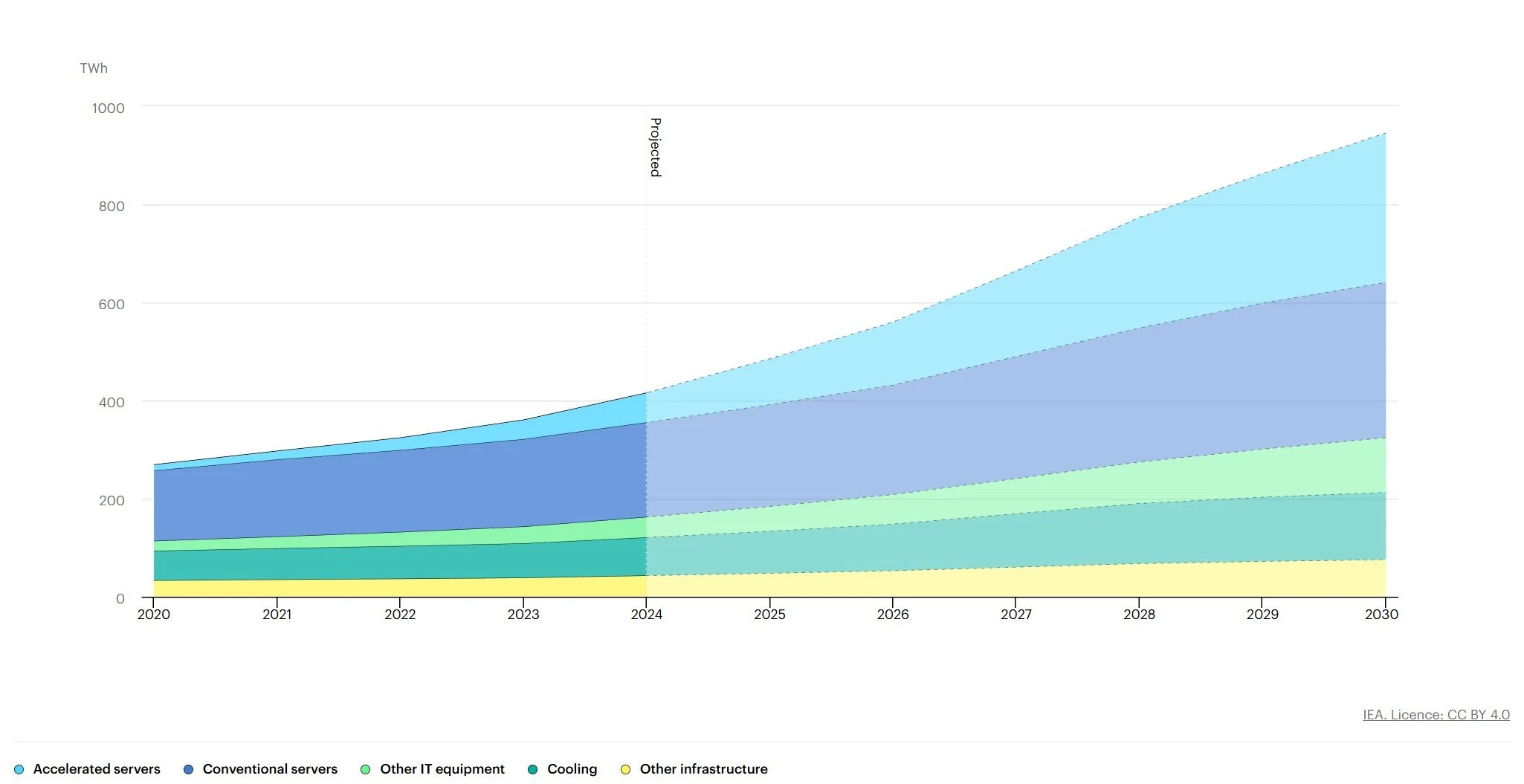
Data centers, the digital engines powering artificial intelligence, cloud services, and modern industry, have become one of the most energy-intensive infrastructures in the global economy. Each facility houses thousands of high-performance servers that store, process, and transmit enormous volumes of information, supported by cooling, networking, and backup systems that draw steady, high-density power (see Figure 1). The United States hosts the largest concentration of data centers worldwide, accounting for over 4 percent of total national electricity use. As Al models expand in scale and sophistication, the computational intensity of training and operation will drive further growth in electricity demand. The energy demand of data centers in the United States is expected to rise from 4.4 percent of total U.S. electricity in 2023 to somewhere between 6.7 to 12 percent of total U.S. electricity by 2028. This will add pressure to already strained grids and highlight the need for strategic investments in reliable, modernized infrastructure.
The energy profile of these facilities also underscores a competitiveness challenge. Because much of their power supply still comes from conventional generation (see Figure 2), data centers remain exposed to price fluctuations, regional grid constraints, and potential supply disruptions. In the United States, about 56 percent of data-center electricity is derived from fossil-fuel sources, producing an estimated 105 million tons of CO2-equivalent emissions each year. In India, coal continues to provide nearly three-quarters of electricity generation even as the country achieves 50 percent non-fossil installed capacity. As the digital economy expands, this is putting unprecedented pressure on both grid capacity and flexibility.
Figure 1: Global Data Center Electricity Consumption, by Equipment, 2020-2030
Source: International Energy Agency, “Global data centre electricity consumption, by equipment, Base Case, 2020-2030,” International Energy Agency, 2025. License: CC BY 4.0.
At the same time, one of the most significant constraints on the growth of artificial intelligence in the United States and globally is access to reliable power. Data centers "co-locate" and cluster in regions that offer favorable policies, shorter permitting timelines, and faster access to electricity. Unlike latency-sensitive financial or trading platforms, cloud and Al facilities do not need to sit near consumption hubs. Yet limited energy availability is forcing them to concentrate spatially, creating localized demand spikes and intensifying regional grid stress. As of late 2024, roughly 2,289 gigawatts of power projects were stuck in U.S. interconnection queues." Greater geographic distribution of data centers could relieve these pressures while also driving more balanced regional economic development.
To manage cost volatility and ensure continuous operations, many operators are diversifying their supply portfolios through direct procurement and captive generation. Such arrangements do not replace conventional sources but complement them with alternative options that can hedge against fuel price risks and regional bottlenecks. Bharti Airtel's data center subsidiary, for instance, plans to procure 140 gigawatt hours annually through captive solar and wind assets — an approach designed to stabilize long-term energy costs and improve operational resilience, rather than substitute existing baseload capacity.
Figure 2: Sources of Global Electricity for Data Centers, in TWh (2024-2035)

Source: International Energy Agency, “Sources of global electricity generation for data centres, Base Case, 2020-2035,” International Energy Agency, April 2025. License: CC BY 4.0.
Beyond electricity use, data centers exert growing pressure on water resources and material supply chains. They require large volumes of cooling water and depend on critical minerals, for example high purity silicon and rare-earth elements, for servers and power equipment. These inputs are energy-intensive to extract and process, raising questions of resource security and domestic manufacturing capacity.
The broader policy implication is clear: sustaining the digital economy and AI leadership will require ensuring that the infrastructure supporting it is efficient, reliable, and strategically resilient. Managing data center growth through advanced forecasting, grid planning, and innovation in cooling and chip efficiency is therefore not only an environmental concern but a national security and competitiveness priority.
THE GROWING CYBER AND PRIVACY RISK LANDSCAPE
Beyond the energy demand of data centers, cybersecurity and privacy risks form another major challenge. As the energy system becomes increasingly digitalized and interconnected, the potential attack surface expands, making it harder to prevent, detect, and recover from cyber incidents. Malicious actors may seek to disrupt operations, gain unauthorized access to sensitive data, manipulate system behavior, or in extreme cases, cause physical damage to infrastructure.
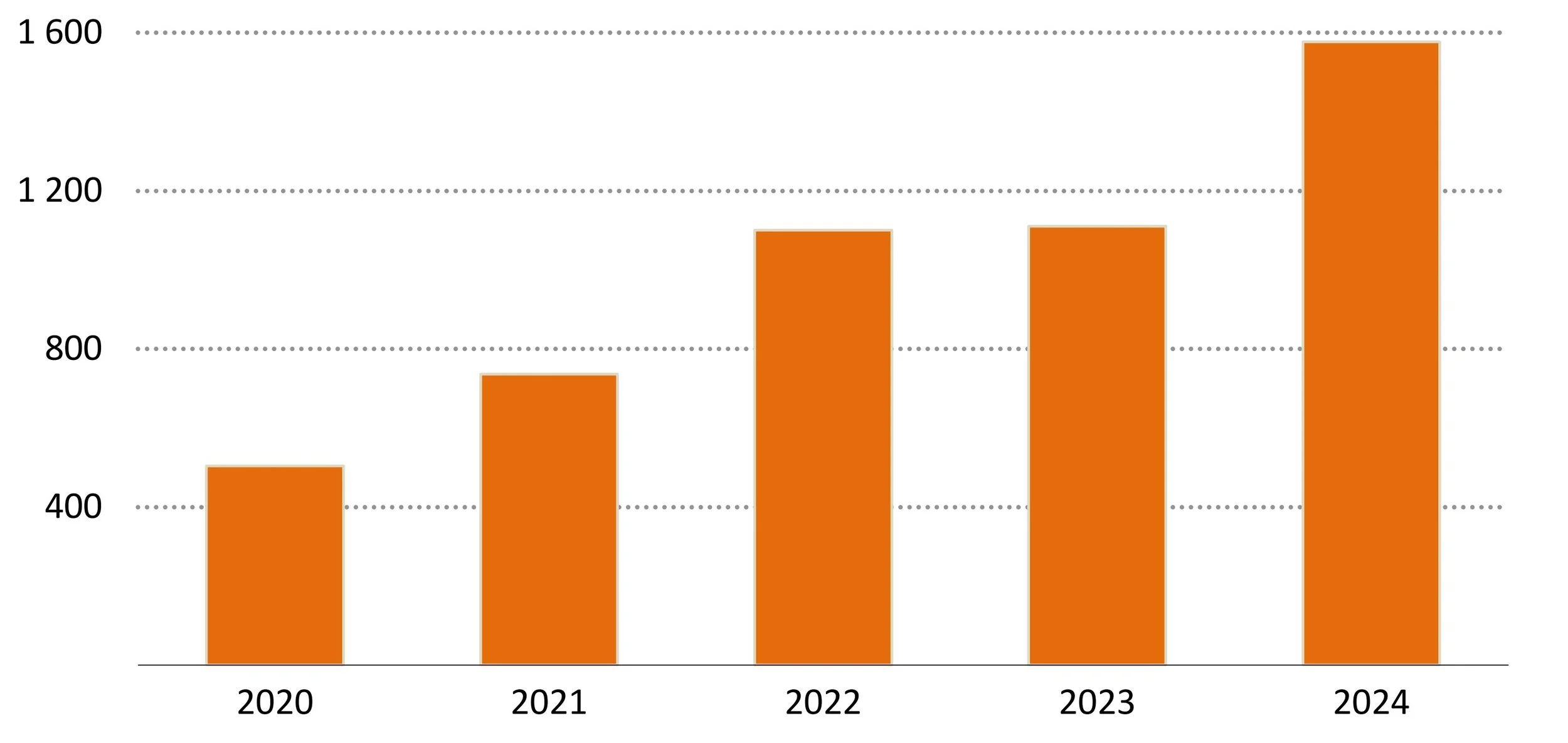
There have been several instances illustrating the real world impact of these attacks. The first known cyberattack that led to a blackout happened in Ukraine in 2015, impacting 225,000 people. In India, a malware attack on Mumbai's electrical grid caused blackouts in the country's financial capital in 2020, while a ransomware attack in 2021 disrupted the operations of the world's most extensive oil pipeline system, which supplies 40 to 45 percent of fuel to the eastern United States. Highlighting a growing trend, the United States utilities have experienced a 70 percent increase in cyberattacks in 2024, compared to the previous year, and a typical gas and electricity utility faced over 1,500 attacks per week in 2024, triple the number four years before.
Such attacks carry serious consequences. At the enterprise level, they can disrupt operations, drive financial losses, and erode investor confidence. At the system level, they can compromise grid reliability, interrupt service continuity, and weaken supply chain resilience. Ultimately, recurring cyber disruptions undermine national competitiveness, constraining industrial productivity and deterring long-term investment in the broader energy economy.
Figure 3: Cyberattacks per Week per Energy Organization, 2020-2024
Source: International Energy Agency, “Energy and AI,” International Energy Agency, April 2025, 209. Data cited from Checkpoint, “Cyber Security Report,” Checkpoint, 2025, http://checkpoint.com/security-report/?flzcategory=items&flzitem=report--cyber-security-report-2025. License: CC BY 4.0.
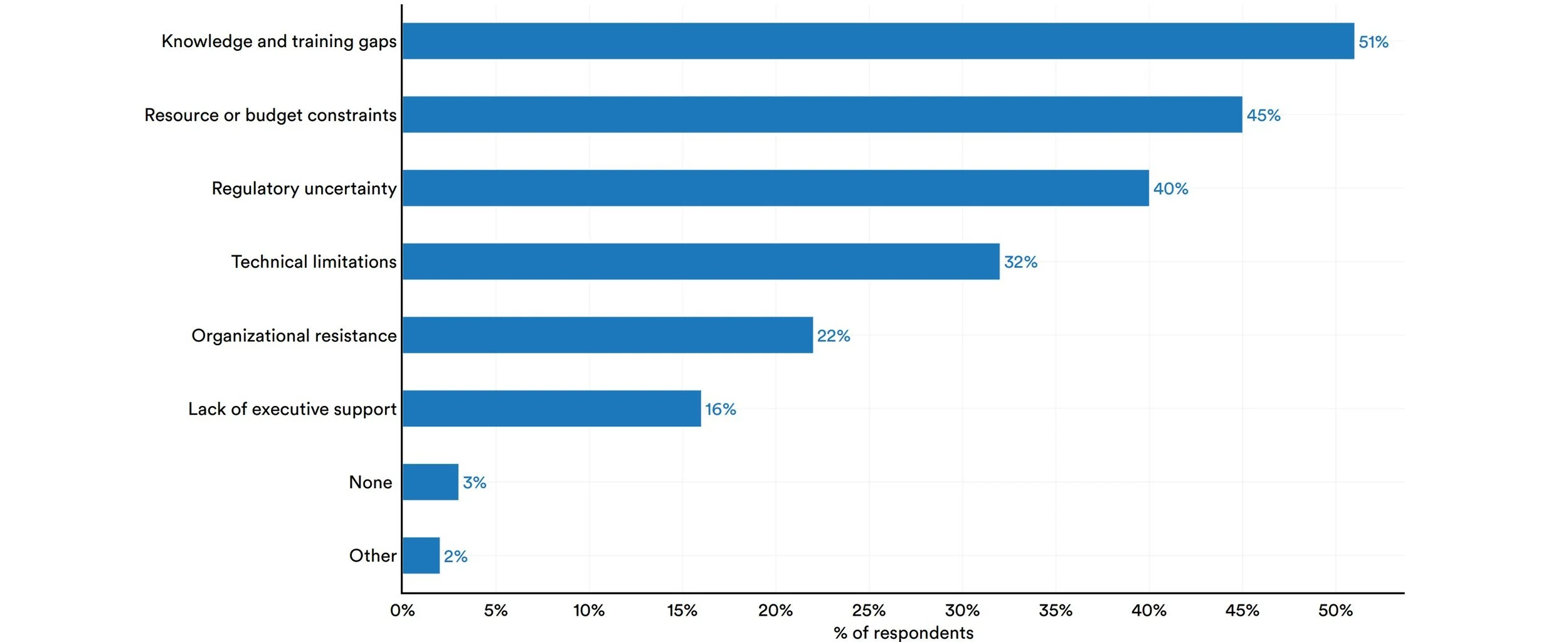
Figure 4: Main Obstacles to the Implementation of Responsible AI Measures, 2024
Source: Nestor Maslej et al., “The AI Index 2025 Annual Report,” AI Index Steering Committee, Institute for HumanCentered AI, Stanford University, April 2025, 179. License: CC BY-ND 4.0.
It is noteworthy that using Al in the energy system is a double-edged sword. On the one hand, Al tools can contain a wide range of security vulnerabilities that can be exploited by attackers, such as prompt injections aimed at manipulating Al inputs to make the system reveal sensitive information, and Al tools can be used by attackers to perform malicious activities, such as denial-of-service attacks, to limit the availability of the system. On the other hand, AI can be used to improve the security of the energy system, for example, by analyzing data and identifying unusual patterns faster that can be indicators of malicious intent or threats. This enables operators to respond promptly before small incidents can escalate into major threats. Taken together, this means that the benefits and challenges of using AI need to be considered carefully.
Other Systemic and Institutional Challenges
Beyond the immediate challenges of rising energy demand and cybersecurity risks, organizations also face broader systemic and institutional barriers to scaling Al responsibly. These include persistent gaps in technical capacity and training, limited budgetary flexibility, and evolving regulatory frameworks (see Figure 5 and Annex I). All these challenges can slow adoption, increase compliance uncertainty, and weaken implementation effectiveness.
IV. OVERCOMING IMPLEMENTATION BARRIERS: ADDRESSING GOVERNANCE, CAPACITY, AND TECHNOLOGICAL NEEDS
While AI can optimize grid operations, renewable energy forecasting, and system efficiency, its adoption can be hindered by energy demands, cybersecurity and privacy risks, and other systemic and institutional challenges. That is why these challenges must be addressed and continuously monitored to turn AI into a powerful technology that benefits the energy system in many different ways.
STRENGTHENING AI REGULATORY AND POLICY ENABLERS
Governance is a key enabler of AI-led transformation. Well-designed policies can create clear rules and the trust needed to boost adoption. Regulators and policymakers are essential to ensure a sustainable Al future. Government rules and industry initiatives complement each other, with public frameworks providing legal certainty, while voluntary steps taken by industries stimulate innovation and accountability.
The European Union (EU) Artificial Intelligence Act, adopted in August 2024, is the world's first comprehensive legislation on Al regulation. It offers a model for integrating safeguards with incentives for innovation by classifying Al systems based on risk and setting binding requirements for high-risk applications, including those in the energy sector. The act enhances safety, transparency, and accountability while fostering innovation. Similarly, South Korea's Al Basic Act, which is set to take effect in January 2026, aims to combine ethical standards with public trust. The law creates a national Al control tower and an Al safety institute. It seeks to establish research and development (R&D) and standardization initiatives, mandating transparency and risk assessments for high impact Al applications. It will also support national Al infrastructure, including data centers, as well as the development of startups and talent.
For the United States and India, these examples underscore the importance of developing complementary frameworks that strike a balance between innovation, inclusion, and risk management. In the United States, Al regulation has evolved through a patchwork of federal and state-level initiatives. The Executive Order on Removing Barriers to American Leadership in Al was signed, revoking some existing Al policies, including the Executive Order on Safe, Secure, and Trustworthy Development and Use of AI, which was considered an obstacle to a more dynamic and innovation-friendly Al environment. At the subnational level, states such as California, Colorado, Utah, and municipalities like New York City have passed legislation on the use of AI by state and local governments, introducing new safeguards and frameworks that incorporate transparency and safety standards to mitigate possible catastrophic risks. Although spread out, these initiatives collectively demonstrate strong momentum towards trustworthy AI governance.
India's Al policy landscape has followed a dual track approach by promoting Al adoption while addressing governance risks. The government has committed $1.25 billion under the India AI Mission, launched in 2021, to democratize access to computers, improve data quality, and foster ethical AI. The Ministry of Electronics and Information Technology has issued Al advisories emphasizing accountability, transparency, and the labelling of untested models." India governance architecture is built upon the Information Technology Act from 2000, the Digital Personal Data Protection Act (2023), and the forthcoming Digital India Act, which together will form the legal foundation for managing Al risks.
However, despite these developments, India continues to rely heavily on informal governance mechanisms, including non-binding ethical guidelines. This gap has become more evident with the release of the Indian Al Governance Guidelines in November 2025, which encourage voluntary measures, such as codes of practice, but offer no clear legal framework for AI. Strengthening this architecture through a centralized, risk-based approach, similar to those in the EU, would allow flexibility for low-risk applications while enabling stronger oversight of high-risk uses, including biometric identification and critical infrastructure.
Both nations can adapt lessons from the European Union (EU) and South Korea to develop context specific interoperable governance frameworks." The United States can leverage its strengths in technical standards, regulatory experience, and advanced computing, while India can build on its success scaling digital infrastructure and promoting inclusion. India's experience in deploying digital public goods at scale, positions it at a unique place to champion responsible, human-centric AI. Together, they can align technical standards, facilitate data sharing and investing in Al literacy, infrastructure and technological innovation. Strong collaboration between governments, industry, and academia will be essential to ensure that Al deployment in the energy sector is resilient, affordable, and secure across systems. Such cooperation can also serve as a foundation for developing the skilled workforce needed to sustain Al-enabled energy transitions.
At the multilateral level, emerging frameworks such as the G20 Al Governance Framework, adopted under Brazil's 2024 presidency, reflect a growing consensus on responsible AI. As an influential leader of the Global South, India can use platforms such as the G20, the UN, and the WTO to advance priorities such as open source AI, inclusive digital-energy development, and equitable access to technology. These alliances can help reduce the risk of an AI race and strengthen global capacity to address shared challenges.
Building Al Literacy and Workforce Capacity
Al applications in energy necessitate hybrid expertise, blending domain knowledge in grid operations, renewable forecasting, or efficiency management with digital proficiency. To strengthen this capacity in the United States, federal and state governments are exploring blended funding for Al and energy apprenticeship programs, as well as microcredentials — credentials awarded for the successful completion of courses that verify specific skills and competencies such as for software familiarity. Industry-led training is also being encouraged. Google, for example, is funding electrician training programs to ensure that skilled staff meet the growing demands of Al-enabled energy systems. Experts have further recommended creating a comprehensive Al curriculum for libraries, community colleges, and high schools to expand Al literacy across education levels and communities. Initiatives include launching a national Al literacy campaign through public-private partnerships, integrating Al education into K-12 and post-secondary programs, and equipping libraries and community centers with Al learning materials to serve as local hubs.
In India, the adoption of Al across industries can contribute $500-600 billion to gross domestic product growth by 2035, fueled by increased productivity and workforce efficiency. While Al job postings have increased by 21 percent annually since 2019, the growth in skilled talent has not kept pace with demand. By 2027, India's Al sector is expected to create 2.3 million jobs; however, only 1.2 million professionals will be available. Closing this gap presents an opportunity to scale education and training initiatives, including programs for engineers and regulators, reskilling workers for Al-driven roles, and public engagement campaigns to foster trust in Al-enabled systems.
Together, the United States and India can develop joint training programs, research fellowships, and digital public goods to enhance their own human capital in Al for energy. Shared curricula and exchange initiatives can build hybrid expertise that combines deep knowledge of energy systems with strong AI proficiency, helping ensure that technological innovation translates into greater reliability, operational security, and equitable access to affordable energy. By prioritizing governance and capacity building as enablers of AI implementation, both countries can serve as a model for responsible AI integration that enhances the resilience and inclusivity of the energy system.
Enhancing Innovation and Technological Readiness
As artificial intelligence becomes integral to modern energy systems, technological readiness will determine how effectively countries translate innovation into deployment. Al-powered digital twins, predictive analytics, and intelligent sensors can enhance reliability, strengthen security, and accelerate adoption, but only when paired with robust infrastructure and continuous R&D. Both India and the United States have the opportunity to catalyze such innovation across the energy value chain, bridging the gap between research pilots and scaled deployment.
Digital twins are a prime example of Al innovation advancing operational readiness. These virtual replicas of physical assets and systems continuously update with live data, allowing operators to simulate grid behavior, forecast failures, improve efficiency, and enable automated decision making. In the United States, ETAP and Schneider Electric have launched the first digital twin to simulate AI data center power requirements from grid to chip level, helping utilities anticipate maintenance needs and optimize load distribution. In India, the Indian Institute of Technology (IIT) Jodhpur is piloting digital twin projects for solar and distribution networks to enable predictive maintenance and reduce costly downtime.
Sensor-based analytics also play a crucial role in improving both performance and resilience. In India, NHPC, a major hydropower utility, has begun integrating Al, the Internet of Things (IoT), and digital twins to monitor vibration, temperature, and other parameters, allowing early detection of equipment issues and targeted maintenance. Similarly, Duke Energy in the United States uses machine learning and sensor networks to monitor transformers and critical components, identifying anomalies that could disrupt service. At smaller scales, smart grids and household systems are deploying Al-enabled analytics to balance demand, detect faults early, and reduce maintenance costs.
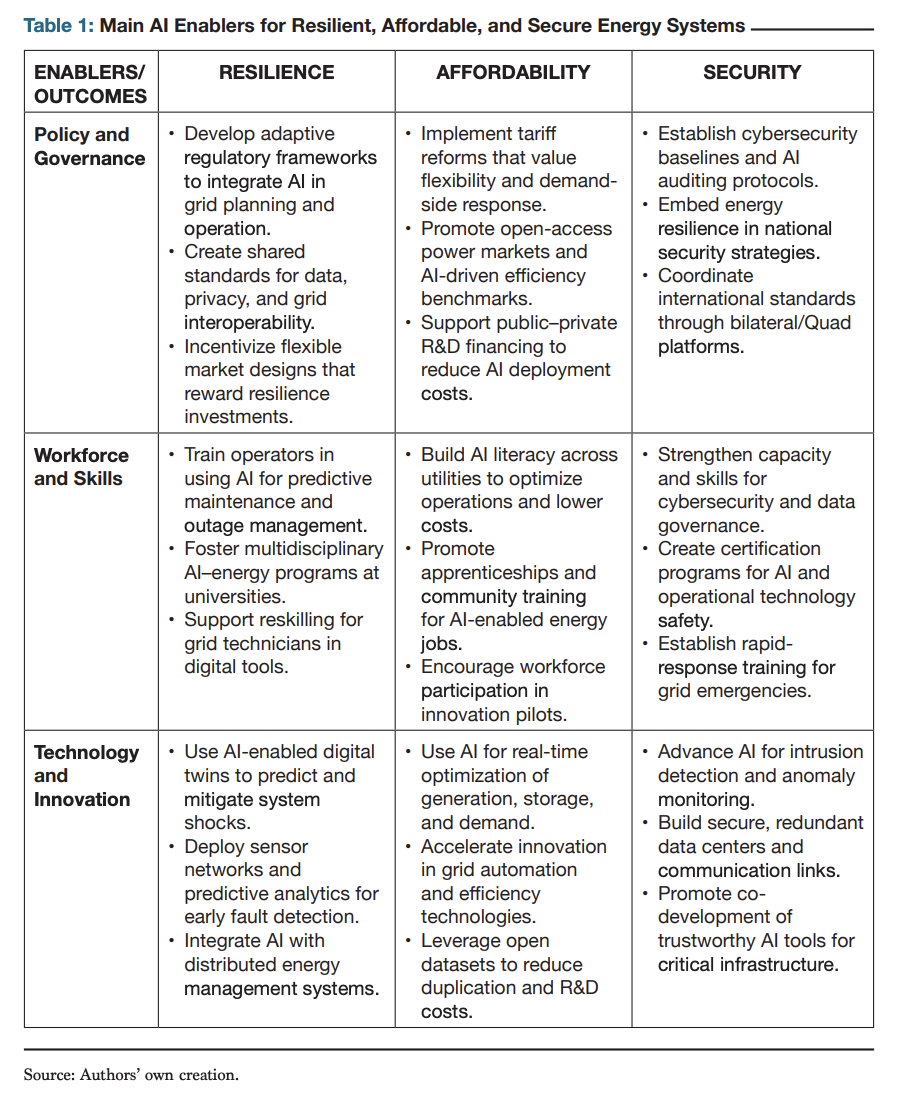
By advancing these technological solutions through shared pilots and R&D partnerships, the United States and India can strengthen system readiness, reduce costs, and enhance resilience. As illustrated in Table 1 above, policy alignment, workforce development, and technological innovation together form the foundation for resilient, affordable, and secure AI-enabled energy systems.
V. BILATERAL SOLUTIONS AND STRATEGIC COOPERATION
The United States and India have deepened their technology and innovation partnership through the U.S.–India TRUST initiative, which outlines a roadmap to accelerate AI infrastructure development.
Figure 5: U.S.-India Roadmap: For an Affordable, Resilient, and Secure Energy-AI Future
Source: Authors’ own creation.
A key element of this initiative is the goal of “connecting large-scale U.S.-origin AI infrastructure in India,” which is ongoing. India’s AI ecosystem is expanding rapidly, with multiple large-scale data center campuses under development. Yet the question of reliable energy supply for this critical infrastructure remains unresolved. Against this backdrop, both nations bring complementary strengths and shared vulnerabilities across the AI–energy nexus — creating opportunities for strategic cooperation that align innovation with energy security.
COMPLEMENTARY STRENGTHS AND SHARED CHALLENGES
The United States and India approach the AI–energy intersection from different starting points. The United States benefits from frontier model developers, advanced cloud service providers, and deep capital markets. Its main constraint lies in local siting and grid connection delays, which slow the integration of new facilities amid surging electricity demand from data centers. India, conversely, offers cost-effective construction and a rapidly scaling market but faces persistent challenges in assuring round-the-clock reliable power supply for these facilities. The United States has a mature, diversified energy mix, while India continues to expand its renewable capacity and transmission infrastructure. Both countries, however, face the same fundamental test: aligning dependable, low-cost, and secure electricity supply with the concentrated new loads driven by AI infrastructure.
GRID MODERNIZATION AND DIGITAL INTEGRATION
Grid digitalization represents a high value area for collaboration. The United States is piloting advanced tools, such as sensors, digital twins, and AI-based analytics, to improve grid visibility, speed up interconnections, and strengthen operational resilience.
For instance, Duke Energy, a large utility, is collaborating with Amazon Web Services to expand Intelligent Grid Services that use AI to decrease the time to calculate power flow from weeks to months, maximize the use of renewable energy, and anticipate future energy needs. Google is also similarly pioneering digital grid models in partnership with PJM, to integrate new power supplies with fewer delays, with the goal of increasing reliance on the grid. U.S. national labs, like NREL and Sandia, have several ongoing pilot projects to study AI security for energy systems, such as improving resilience during blackouts, detecting anomalies, and monitoring equipment health. At the Massachusetts Institute of Technology, existing use of smart thermostats and lighting is being used to collect data and deploy at scale to reduce overall campus emissions.
India, meanwhile, is pursuing large-scale grid modernization through its Revamped Distribution Sector Scheme, which targets full digital metering and real-time monitoring at multiple network levels. As of 2025, approximately 203 million smart meters have been sanctioned nationwide, with 24 million already installed. These efforts will significantly improve operational efficiency, provide granular consumption data, and enable AI-driven demand forecasting and load management. The current development of a Unified Energy Interface (UEI), modeled after India's successful Unified Payments Interface, could further enhance system coordination, integrating distributed resources such as rooftop solar and battery storage. India’s government has set up a dedicated task force to steer the development, pilot implementation, and nationwide scale-up of the India Energy Stack.
Joint research and pilot projects in AI-enabled grid management, smart metering interoperability, and digital twin integration could yield tangible benefits for both countries, combining U.S. technological leadership with India’s scale of deployment.
SECURING CRITICAL INFRASTRUCTURE AND SUPPLY CHAINS
Cybersecurity remains a central area of vulnerability. The United States benefits from advanced standards, specialized national laboratories, and mature institutional frameworks, while India's operational technology standards and workforce capacity are rapidly evolving. Both, however, face growing exposure to AI-enabled cyber threats targeting grid and industrial systems. Developing compatible cybersecurity baselines covering data integrity, Al model robustness, and critical infrastructure protection could form the basis for a shared resilience agenda under the TRUST initiative.
At the same time, physical infrastructure bottlenecks pose another layer of risk. Supply chains for transformers, high voltage cables, switchgear, and critical minerals are concentrated among a few foreign suppliers, with procurement times stretching to several years. The International Energy Agency estimates that large transformers now take up to four years to procure, constraining grid expansion plans worldwide. This issue is creating bottlenecks for the grid expansions that Al-driven centers will require this decade. Both Washington and New Delhi have found a way to counteract some of this through their Strategic Mineral Recovery Initiative and participation in the Minerals Security Partnership (assuming the Trump administration carries it forward), while expert analysis urges partners in the Quad framework to align standards and advance co-manufacturing. Taken together, these measures can support a more resilient, low-risk foundation for artificial intelligence era grid upgrades in both countries.
ENSURING AFFORDABILITY THROUGH SMART INFRASTRUCTURE
Transmission and distribution (T&D) losses remain one of the most persistent drivers of electricity costs. Each year, India loses about 13 percent of total generated power through T&D inefficiencies, compared to roughly 5 percent in the United States. Applying AIbased optimization can help reduce these losses by improving fault detection, predictive maintenance, and load balancing, thus directly enhancing affordability for both consumers and industries.
At the same time, the rapid growth of AI data centers presents a parallel affordability challenge. These facilities can create localized peaks in electricity demand that drive up costs and strain existing grids, because these they often cluster around a handful of regions that possess suitable land, power, and connectivity. Both India and the United States can benefit from joint approaches to site-mapping and zoning by using AI itself to identify dispersed, lower cost locations that ease grid congestion and stabilize electricity prices.
To support broader connectivity and siting flexibility, targeted financing mechanisms could enable investment in substations, power lines, transformers, and large-scale storage. Additionally, demand response programs can be scaled to allow existing data centers to shift or reduce consumption during peak hours. Integrating on-site or community battery storage would further mitigate peak demand, reducing stress on the grid and lowering costs for consumers.
THE NEXT PHASE OF COOPERATION
The next phase of cooperation should focus on translating shared priorities into joint action frameworks. The United States recently signed a memorandum of understanding with Israel to enhance the security and resilience of their energy systems through AI-driven solutions. A similar U.S.–India AI and Energy Resilience Agreement could consolidate technical collaboration, pilot programs, and capacity building under one umbrella.
Both countries have already a strong institutional cooperation on energy and technology, starting with the Clinton administration in 2005, and most recently, the Strategic Energy Partnership (SEP) under the 2017 Trump administration, and the Strategic Clean Energy Partnership (SCEP) under the 2021 Biden administration. These efforts have included regular ministerial meetings involving several Indian ministries and U.S. governmental agencies, resulting in intensified technical cooperation on emerging energy issues. Revitalizing these technical partnerships with a dedicated pillar on the energy–AI nexus could unlock major advances in system efficiency, security, and resilience while equipping both countries to manage the growing energy demands of AI infrastructure.
VI. CONCLUSION
The United States and India bring distinct yet complementary strengths to the nexus of artificial intelligence and energy security. The United States contributes frontier AI capabilities, advanced grid innovation, and access to deep capital markets, while India offers scale through its rapid data center expansion, nationwide smart metering rollout, and an ambitious pipeline of renewable projects. Politically, the U.S.–India TRUST initiative provides a practical framework to align policies on financing, powering, and connecting AI infrastructure. Coupled with ongoing cooperation on supply chains and digital corridors, it frames a partnership that is both strategically consequential and economically synergistic.
To achieve quick wins, both countries should scale proven applications already delivering results. In the United States, PJM Interconnection is deploying artificial intelligence tools to accelerate grid-connection studies, allowing new wind, solar, storage, and other resources to come online faster. In India, utilities such as Tata Power are leveraging data analytics and citywide demand-response programs to curb peak loads and enhance reliability. These smarter and more resilient uses of artificial intelligence are low-risk, cost-effective, and replicable across states and utilities.
Yet the most binding constraint both countries face is power. The surging energy demand from AI-related data centers, expected to more than double global electricity use this decade, risks concentrating loads in a few geographic hubs, increasing costs, and straining already stressed grids. To meet this challenge, both nations will need to expand reliable and clean electricity supply, including nuclear where viable, accelerate interconnection approvals to bring new capacity online faster, and pair emerging data campuses with dedicated transmission and storage infrastructure. In parallel, diversifying equipment supply chains for transformers, high-voltage cables, and switchgear through trusted partnerships, such as the Quad, and operationalizing critical mineral initiatives like the Strategic Mineral Recovery Initiative and the Minerals Security Partnership will be essential to reducing systemic bottlenecks. Strengthening shared cybersecurity baselines and conducting joint resilience exercises will further reinforce the stability of increasingly digitized power systems.
When it comes to future research, three priorities stand out. First, both countries should develop shared and transparent methodologies to measure and forecast the energy, emissions, and water footprints of artificial intelligence workloads and entire data center clusters. These metrics could inform siting frameworks that direct large-scale computing toward clean, reliable, and always available power sources. Second, researchers and utilities can test how artificial intelligence enhances grid reliability during extreme weather, using open datasets accessible to both U.S. and Indian partners. Evidence from recent studies shows that digital twin testbeds and large synthetic grid datasets allow operators to safely stress test and benchmark algorithms without disrupting live systems—an essential step for scaling resilient, AI-enabled grids. Third, both the United States and India should continue examining the evolving geopolitics of digital infrastructure, particularly how undersea cable routes and cross border energy corridors influence where AI computing facilities are located. The siting of cable landing stations increasingly shapes resilience strategies and should be factored into bilateral, and eventually multilateral, energy security and digital connectivity initiatives.
Ultimately, the United States and India have the ambition, capacity, and strategic alignment to lead on the convergence of artificial intelligence and energy security. By viewing AI and grid modernization not merely as a technological race but as a joint design challenge, they can accelerate pragmatic solutions, deepen trust, and set a model for the Indo-Pacific to anchor a smarter, more secure, and resilient energy infrastructure for the AI-driven century.
Annex I: Other Challenges to Implementing AI in the Energy Sector


Source: Authors’ creation and compilation based on multiple sources.
ACKNOWLEDGMENTS
The authors would like to thank Andrei Covatariu (Senior Associate at Energy Policy Group in Bucharest, Romania) and Jeffrey D. Bean for their review of an earlier draft of this paper. This background paper reflects the personal research, analysis, and views of the authors and does not represent the position of the institution, its affiliates, or partners.
Cover image courtesy Igor Borisenko.
Note: Citations and references can be found in the PDF version of this paper available here.