

By Piyush Verma and Andrei Covatariu
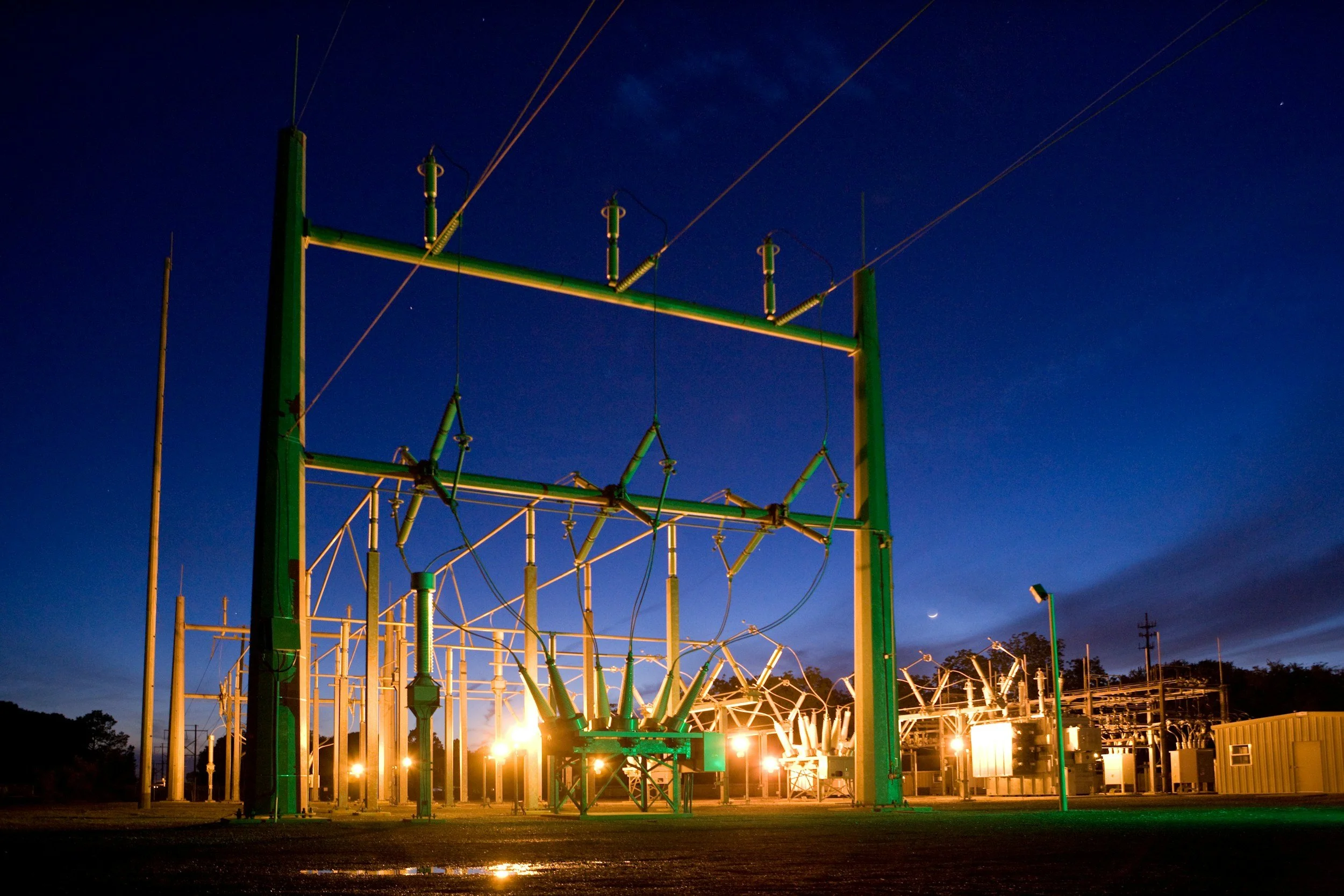
The COP31 presidency has proposed raising electricity’s share of global final energy demand, yet AI is largely missing from climate and energy planning. At COP31 in Antalya this November, that needs to change.

By Andreas Kuehn
The contest for AI supremacy is no longer about who has the best models, but about who can fund, power, and scale the infrastructure behind them.
By Udaibir Das
Can capital take on purpose without money losing the fungibility on which markets depend? The question must be asked while the machinery is still being chosen.
By Dhruva Jaishankar
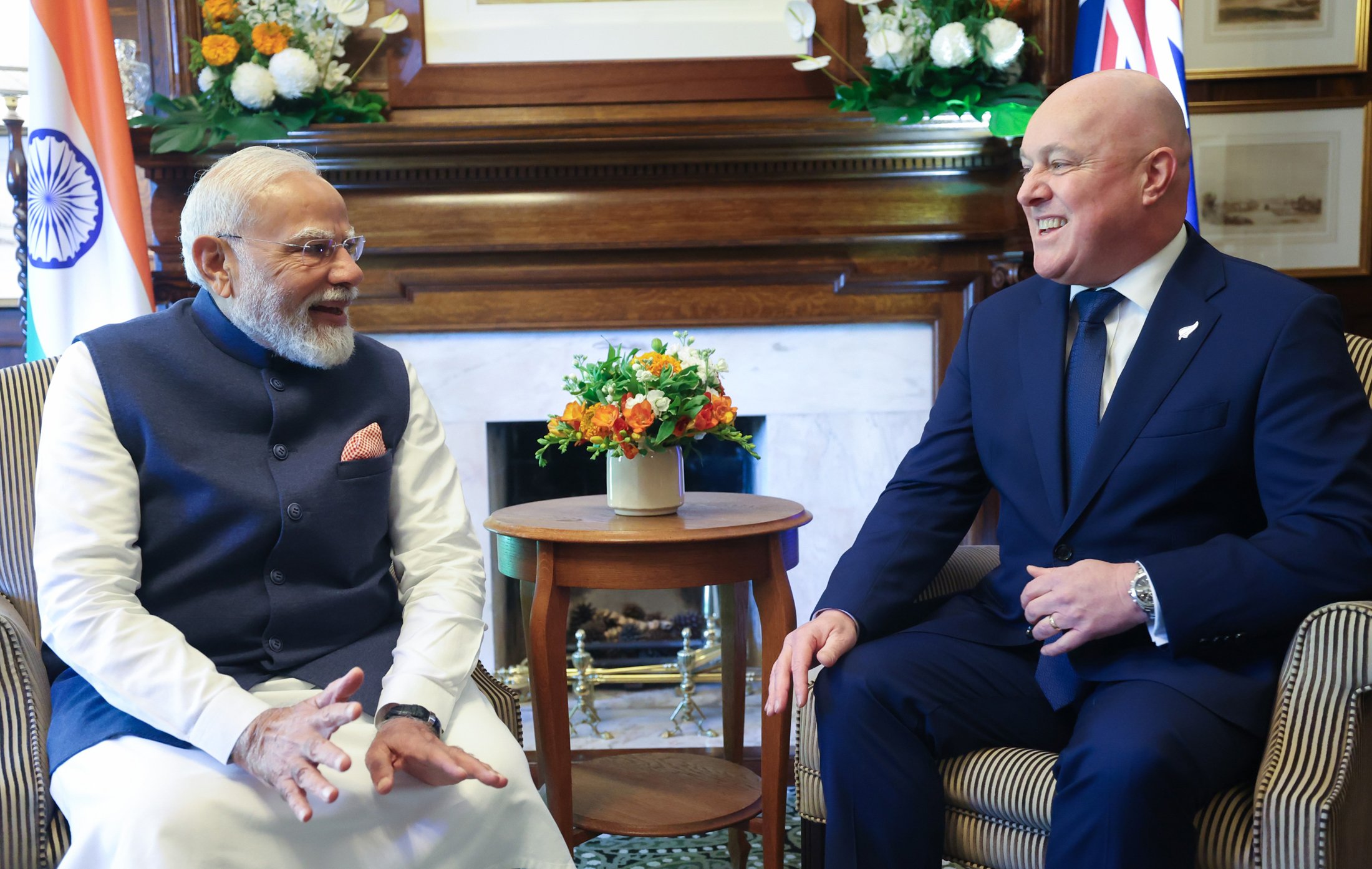
The India-New Zealand partnership has benefited in recent years from top-down political attention, a strong people-to-people foundation, and external impulses compelling both New Delhi and Wellington to diversify their partnerships. The next few years represent an opportunity to build upon the foundations of an FTA and Strategic Partnership and construct a relationship that is more than two-dimensional.
By Vasabjit Banerjee
The Mecca Joint Defense Agreement faces all the classic challenges of an alliance with none of the unifying elements.
By Piyush Verma and Andrei Covatariu
The COP31 presidency has proposed raising electricity’s share of global final energy demand, yet AI is largely missing from climate and energy planning. At COP31 in Antalya this November, that needs to change.
By Piyush Verma
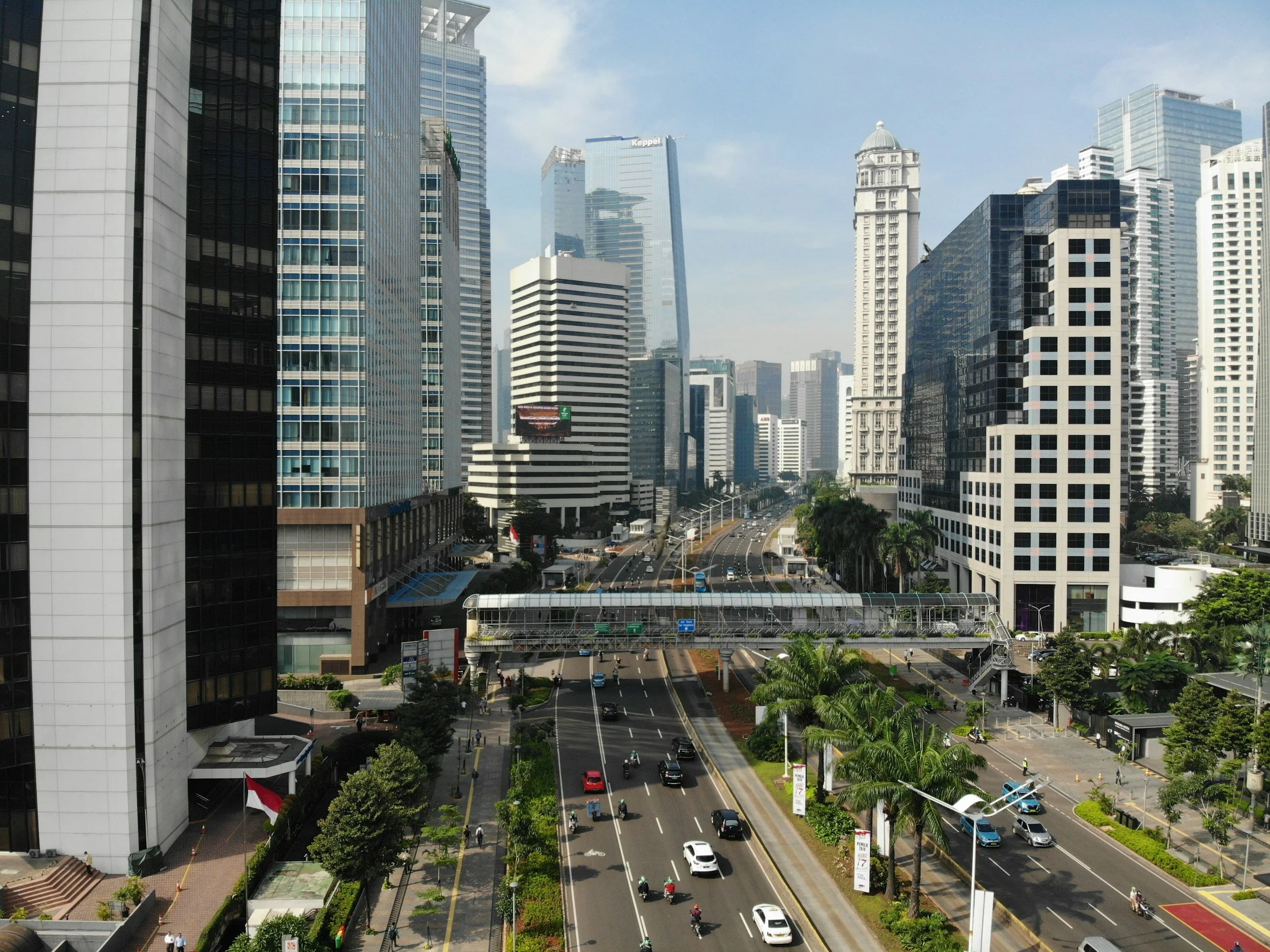
This diplomatic moment offers an opportunity built on the India-Indonesia relationship: closer cooperation with the India-Brazil-South Africa Dialogue Forum, or IBSA.
By Piyush Verma and Andrei Covatariu
Much of the conversation in Geneva rightly focused on managing AI's growing energy demand. That work is essential, but it is only half the story. The larger opportunity lies in how AI can reduce energy use across industry, buildings, transport and power systems, while enabling greater integration of renewable energy.
By Piyush Verma
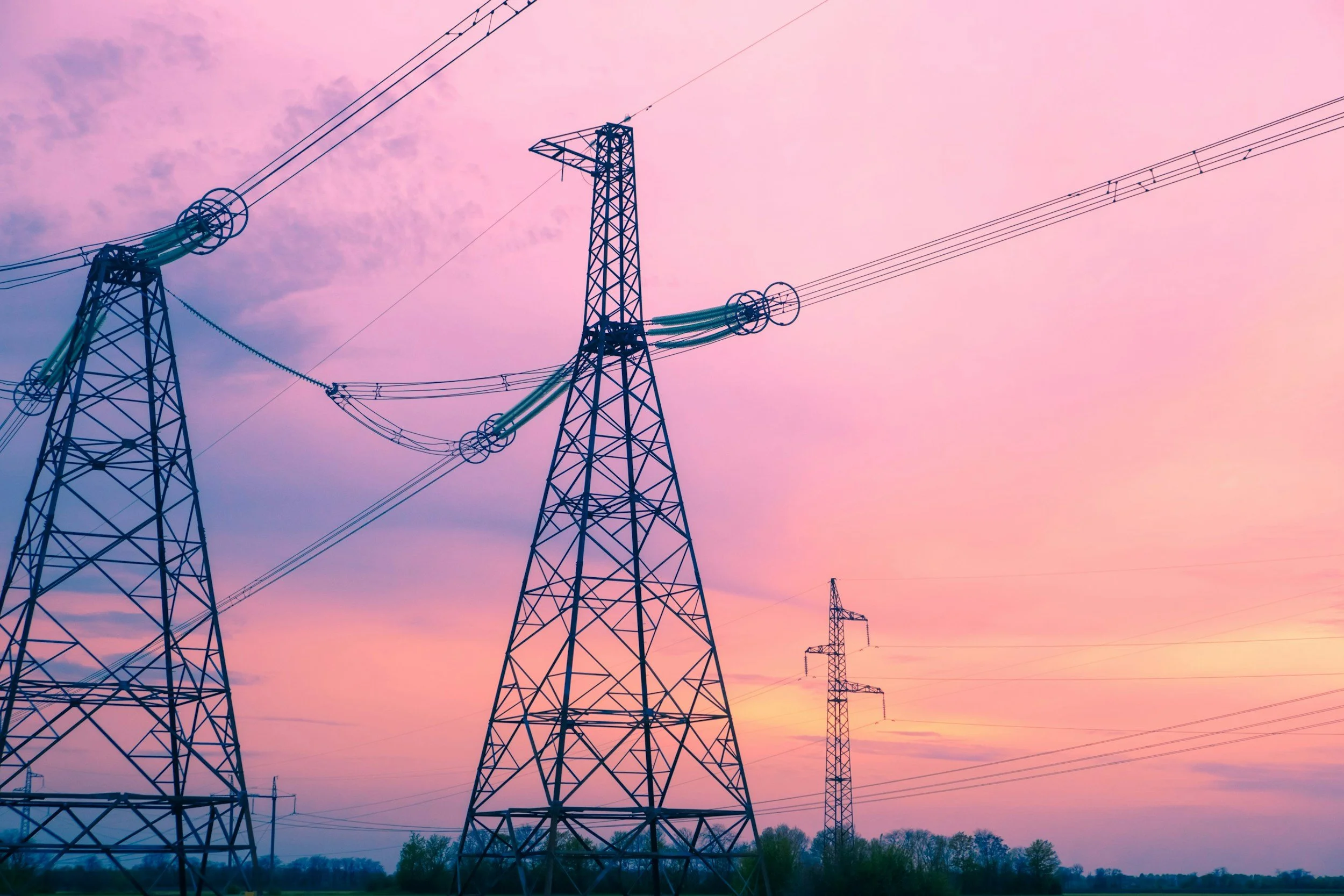
Energy need not be a constraint on India's AI ambitions. It can be a competitive advantage. Encouraging data-centre locations that reflect grid readiness and renewable availability can reduce system stress while improving reliability. Expanding frameworks for round-the-clock clean power supported by storage and flexible resources can ensure AI growth strengthens climate goals rather than complicates them.
Special Report No. 7
By Piyush Verma, Medha Prasanna, Caroline Arkalji, Erlijn Van Genuchten, and Siddharth Sharma
By Medha Prasanna
Without intentional strategies to strengthen energy infrastructure, the Global South will remain largely a consumer of AI technologies.
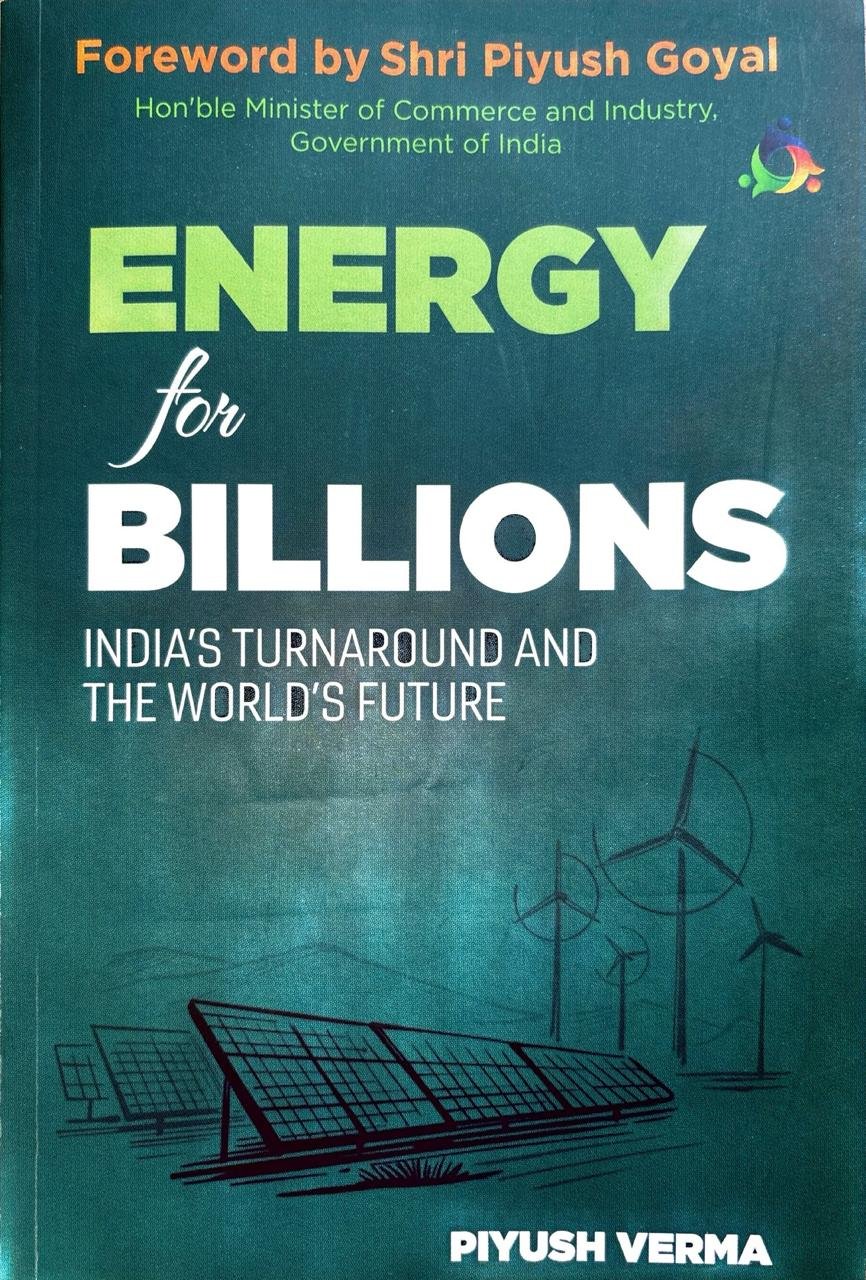
Energy for Billions: India’s Turnaround and the World’s Future is both a personal memoir and a national chronicle — the story of one man’s journey from a small, unelectrified home in a rural village in India to the global stage of energy and climate diplomacy, and of a nation’s extraordinary transformation from scarcity to leadership in clean energy.
In this deeply engaging narrative, Dr. Piyush Verma blends personal reflection with policy insight to tell the story of India’s energy revolution — a decade that redefined what is possible for emerging economies.
He traces how bold reforms, innovative governance, and inclusive development turned the world’s most populous democracy into a beacon for sustainable growth.
Moving seamlessly between lived experience and global perspective, Energy for Billions captures the courage and conviction behind India’s clean energy milestones — from rural electrification and renewable expansion to its bold 2047 energy independence and 2070 net-zero ambitions. It examines how people, policies, and partnerships together shaped one of the greatest developmental turnarounds during the last decade.
This book is not just about energy systems — it is about courage, leadership, and the will to transform. India’s journey shows that when a billion people are empowered by vision and conviction, they don’t simply light their homes — they illuminate the world.
A personal and national journey — tracing Dr. Verma’s path from growing up without electricity in rural India to shaping global energy policy, mirroring India’s own rise from scarcity to sustainability.
A decade of transformation — capturing India’s breakthroughs in renewable energy, electrification, and governance reform that turned the country into one of the world’s clean energy leaders.
A vision for the future — looking ahead to India’s 2047 energy independence and 2070 net-zero goals, and the lessons its journey offers for the Global South and the world.
Written in simple, engaging language, the book is designed for anyone — not just energy professionals — to understand where energy truly sits in our society, how it shapes our economy, and why it defines our collective future. It connects the human experience with systemic change, making complex transitions both relatable and real.
By Piyush Verma and Telmen Altanshagai
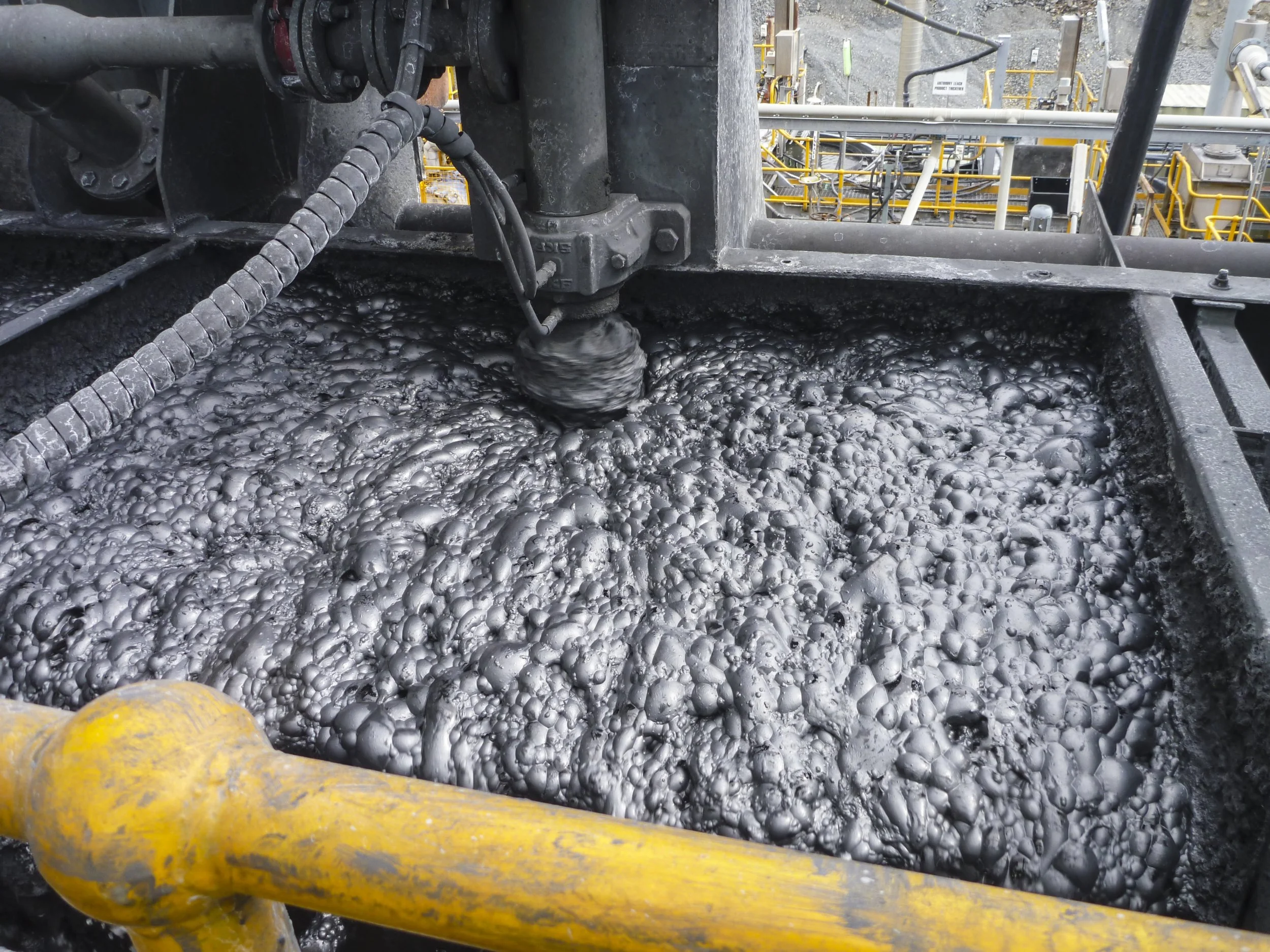
Mongolia is not just a customer or supplier—but a co-partner in building new regional supply-chains, new corridors and new resource-alliances. It speaks to a future where India is not simply plugged into global energy markets, but co-creating them.
By Piyush Verma and Abhinav Jindal
India’s bid to host COP 33 is a clear signal of geopolitical intent. It positions the world’s largest democracy, the most populous nation and the fourth-largest economy as a bridge between developed and developing worlds.
By Piyush Verma
By working more closely with India, South Africa, and Indonesia, Brazil can move faster at home, bargain better abroad, and ensure the Global South is not just present but powerful at the table where tomorrow’s rules are written.
By Piyush Verma
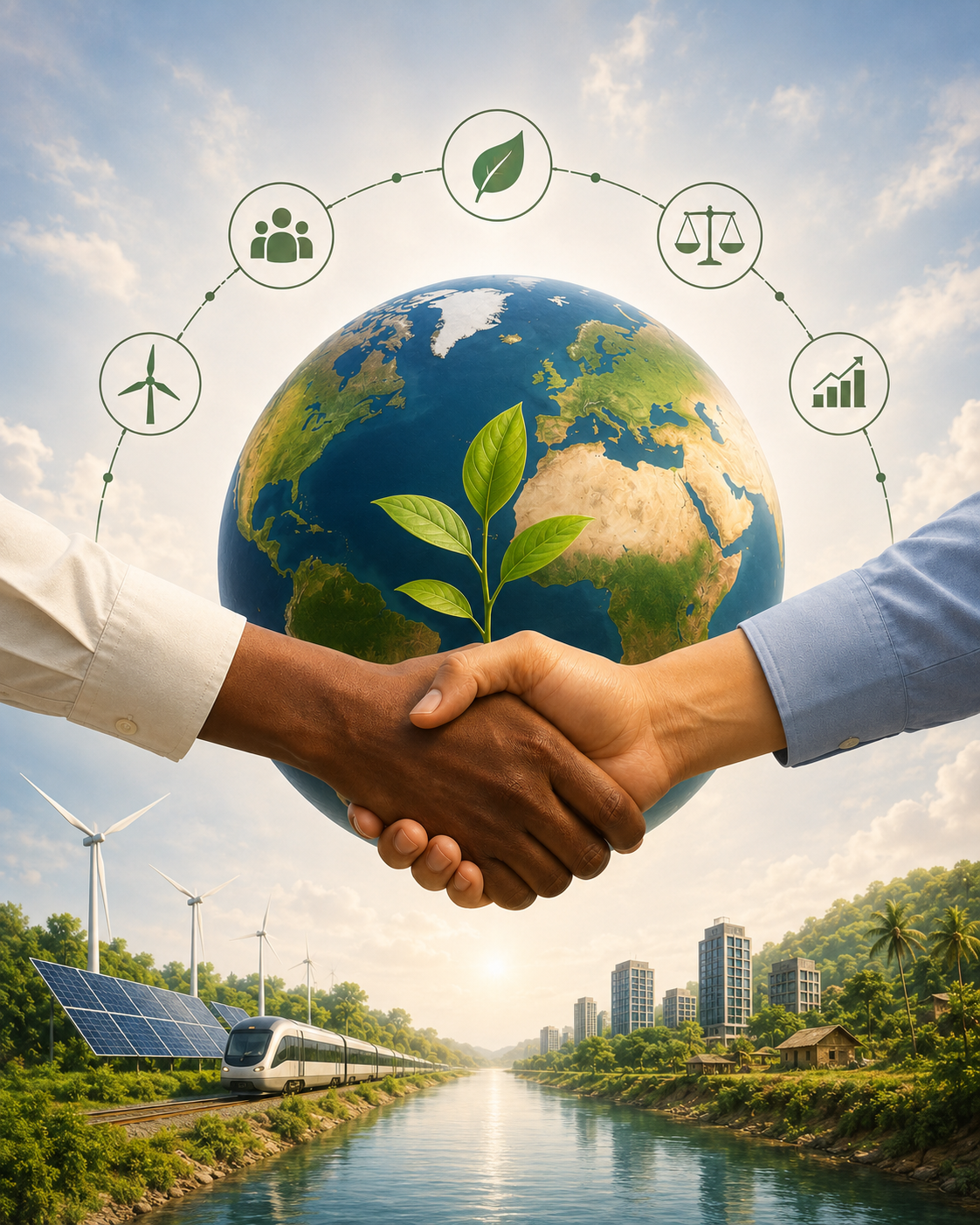
At a time when multilateralism is under significant stress and global climate finance remains skewed and inequitably distributed, IBSA+Indonesia offers a fresh model of geopolitical collaboration on energy and climate – anchored in shared values and driven by practical action.
This special report explores the opportunities of a U.S.-India Strategic Energy and Industrial Partnership.
Special Report
By Aditya Ramji
This volume of short working papers is a product of ORF America’s U.S.-India Emerging Climate Leaders as they attempt to develop ideas around climate collaboration and communication for the United States and India.
Special Report
By Abigail Doerr, Amol Kapoor, Bhagyashri Kulkarni, Dhruva Jaishankar, Jonika Rathi, Karan Sinha, Lindsay Maizland, Medha Prasanna, Meenakshi Venkatraman, Miaoru Guan, Mridu Jhangiani, Pankaj Mahalle, Patrick Soltis, Paul Gordon, Perrin Krisko, Sabareesh Suresh, Tanya Kak, Vandita Sariya, Vanshica Kant, and Vedant Patil
Editors: Caroline Arkalji, Jeffrey D. Bean, and Medha Prasanna
Observer Research Foundation America, 1100 17th St. NW, Suite 501, Washington DC 20036 USA