


Background Paper No. 16
By Anit Mukherjee, Rajeesh Menon, and Yukti Sharma

By Benjamin Tkach and Vasabjit Banerjee
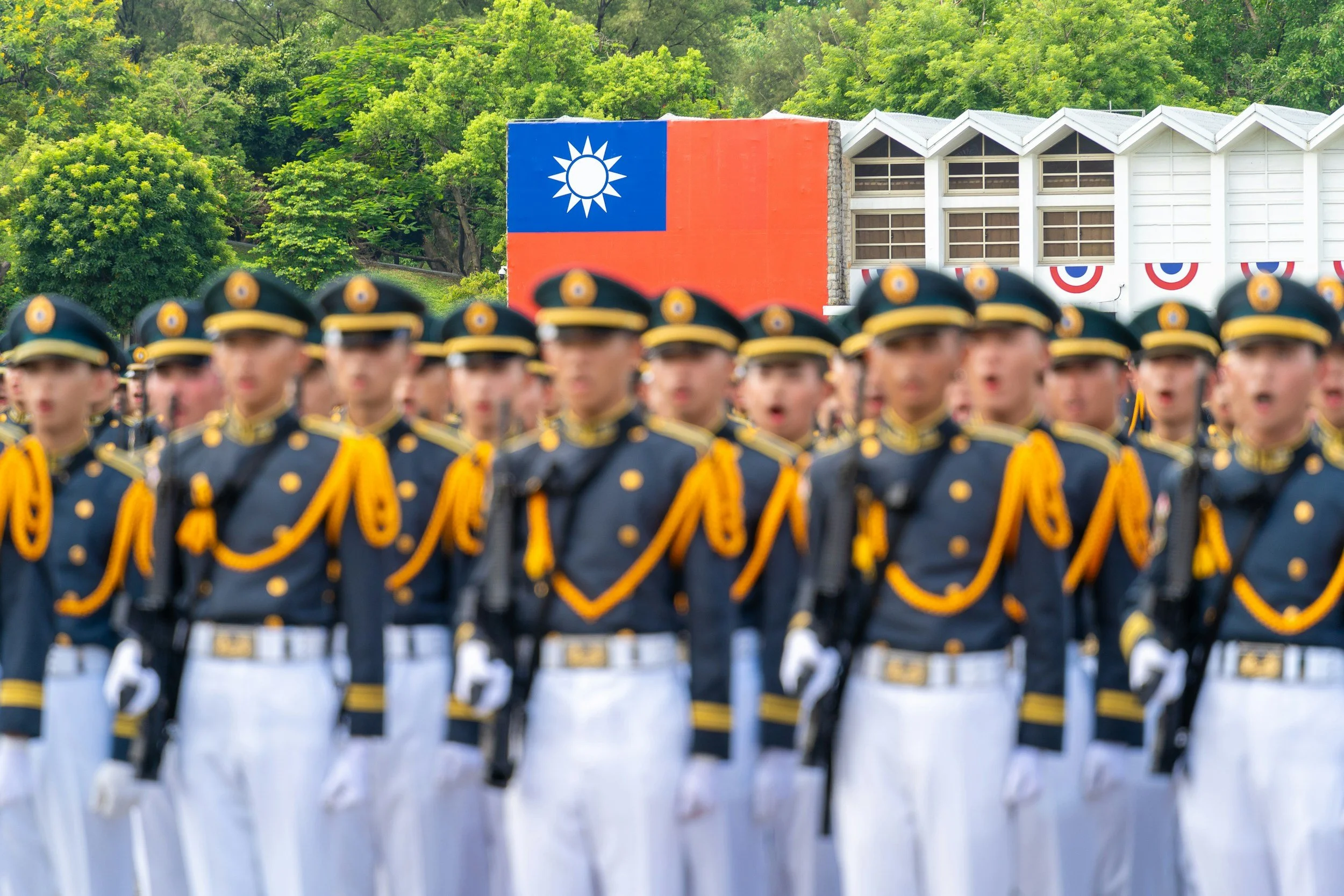
We evaluate cooperative steps that both India and Taiwan have taken in the defense arena, demonstrating how mutual antagonist China, economic ties, and budding security coordination are creating an entente.
By Dhruva Jaishankar
The new joint defense declaration between India and Australia articulated a more ambitious objective of defense industrial cooperation, including to “develop arrangements for advanced defense science and technology collaboration.” This may appear challenging, but India has made remarkable developments in its defense industrial capabilities over the past five years. These offer little-appreciated opportunities for many of its partners, including Australia.
By Dhruva Jaishankar
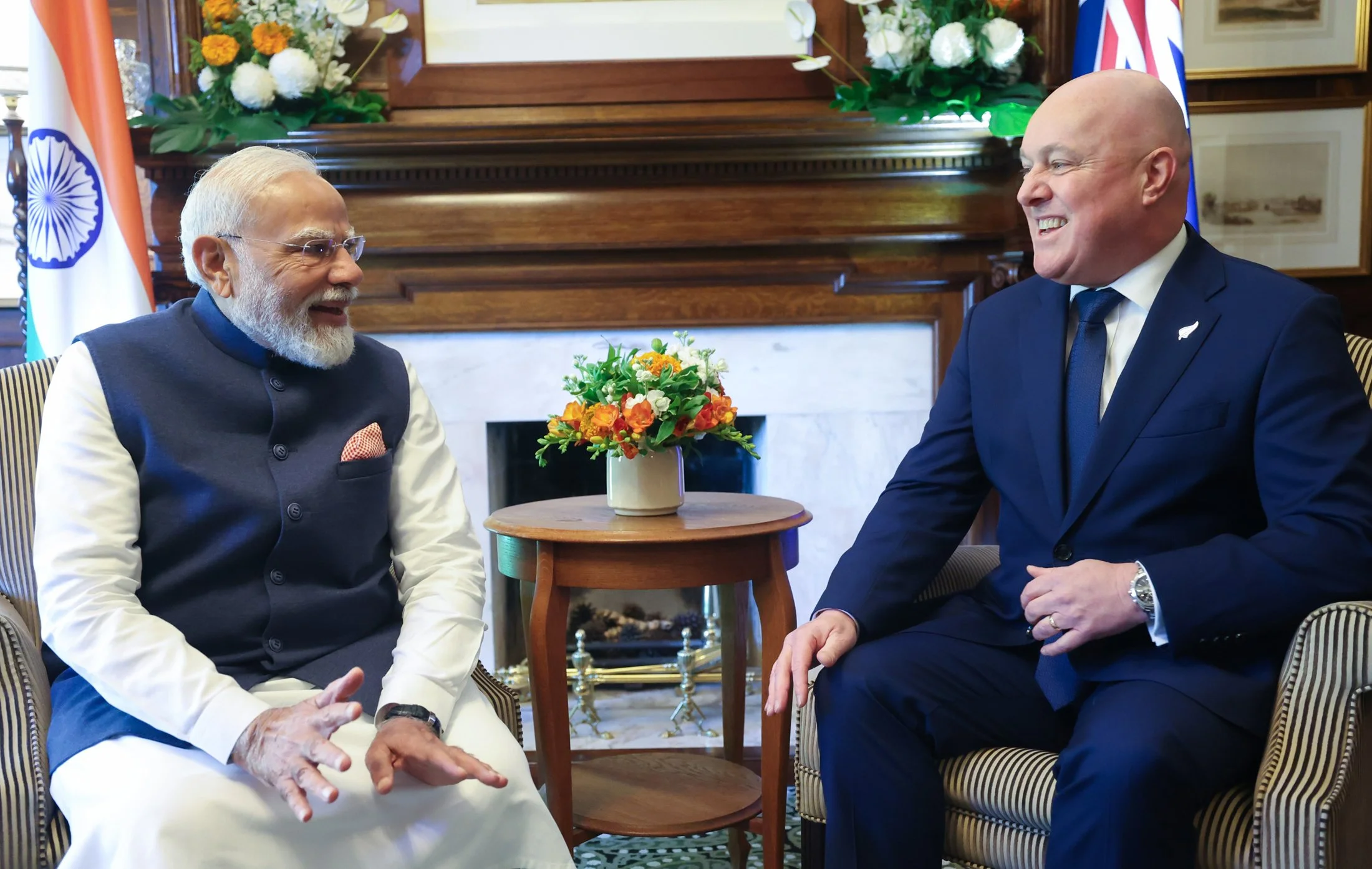
A world in which freedom of navigation or energy supplies can be imperiled by the actions of others will require more international partnerships. A consolidation of relations between the governments of India and New Zealand makes eminent sense in this context. While an FTA is a welcome development, it remains just one step toward what can be a much more broad-based and mutually-beneficial partnership.
By Piyush Verma and Andrei Covatariu
Much of the conversation in Geneva rightly focused on managing AI's growing energy demand. That work is essential, but it is only half the story. The larger opportunity lies in how AI can reduce energy use across industry, buildings, transport and power systems, while enabling greater integration of renewable energy.
By Vasabjit Banerjee
China evidently recognises the Calcutta Port System as an economic force multiplier for India’s economic power in the region. The Indian government has recently advanced several solutions, from modernisation to expansion of the port system. Yet, more needs to be done by the Indian government and private investors to strengthen the port system to ward off Chinese influence.
By Udaibir Das
The past 50 years have seen shifts in the global financial system’s behaviour. Major market crises, such as the 1997 Asian crisis and the 2008 financial crisis, have resulted in more robust financial policies focused on licensed entities.
By Anit Mukherjee, Yuko Okamura, Ugo Gentilini, Defne Gencer, Mohamed Almenfi, Adea Kryeziu, Miriam Montenegro, and Nithin Umapathi
Over the past several decades, as part of the evolving understanding of energy subsidy reforms, there has been growing recognition of the potential of targeted cash transfers to support the poor and vulnerable to help governments achieve desired policy outcomes at lower fiscal cost and in a sustainable manner.
By Anit Mukherjee & José Barrera
The Raisina Dialogue held in New Delhi in March 2023 provided a forum where officials, academics, and leaders from around the world, including Latin America, met to discuss global governance issues.
By Anit Mukherjee, Laura Bermeo, Yuko Okamura, Jimmy Vulembera, and Paul Bance
This study looks in depth at Democratic Republic of the Congo’s (DRC) approach to delivering emergency cash transfers: the Solidarity through Economic Transfers Against the Poverty in Kinshasa (STEP-KIN) program.
By Udaibir Das
While the world is preoccupied with the stability of the western banking system, China has been busy overhauling its financial regulatory architecture.
By Anit Mukherjee, Alan Gelb, and Brian Webster
This study considers the experience of the mothers with the shift to mobile money, and to the change in payments service provider that took place in 2019, through a survey of recipients and a control group.
By Anit Mukherjee
Data is a challenge, but with imaginative incentives, metrics, and solutions such as an AgriStack, we can look forward to a new agricultural revolution over the coming decade.
By Anit Mukherjee, Alan Gelb, and Brian Webster
This study surveys the payment system from the perspective of recipients, including their views on convenience and the benefits from competition.
By Terri B. Chapman, Jhanvi Tripathi & Rakesh Kumar Sinha
This report examines how India can better integrate into GVCs while building resilience.
By Terri B. Chapman & Mannat Jaspal
Who does the climate finance architecture serve most, who is left behind, and how is it shaping inequality between countries?
By Terri B. Chapman
The US lags in achievement towards several of the targets under SDG 8 and SDG 10.
Observer Research Foundation America, 1100 17th St. NW, Suite 501, Washington DC 20036 USA