



Originally published in the U.N. Open-ended Working Group on ICTs “zero draft” report, March 2021.
By Abagail Lawson, Anneleen Roggeman, Michael Depp, and Bruce McConnell

By Udaibir Das
More moves of this kind should be expected, extending beyond energy into critical minerals, technology standards, industrial policy, and cross-border finance. The UAE’s decision is not an outlier. It is a marker — not of fragmentation, but of redefinition.
By Dhruva Jaishankar and Ylli Bajraktari
The United States and India now have a major opportunity to cooperate more closely on AI. But they must move beyond the rhetoric of shared values to building shared infrastructure.
Special Report No. 10
By Piyush Verma, Caroline Arkalji, and Telmen Altanshagai
By Udaibir Das
Fiscal space, financial space and institutional credibility are no longer separable policy domains. They are jointly binding constraints. The IMF flagships document their components but not the mechanism.
By Sujai Shivakumar, Hideki Tomoshige, and Jeffrey D. Bean
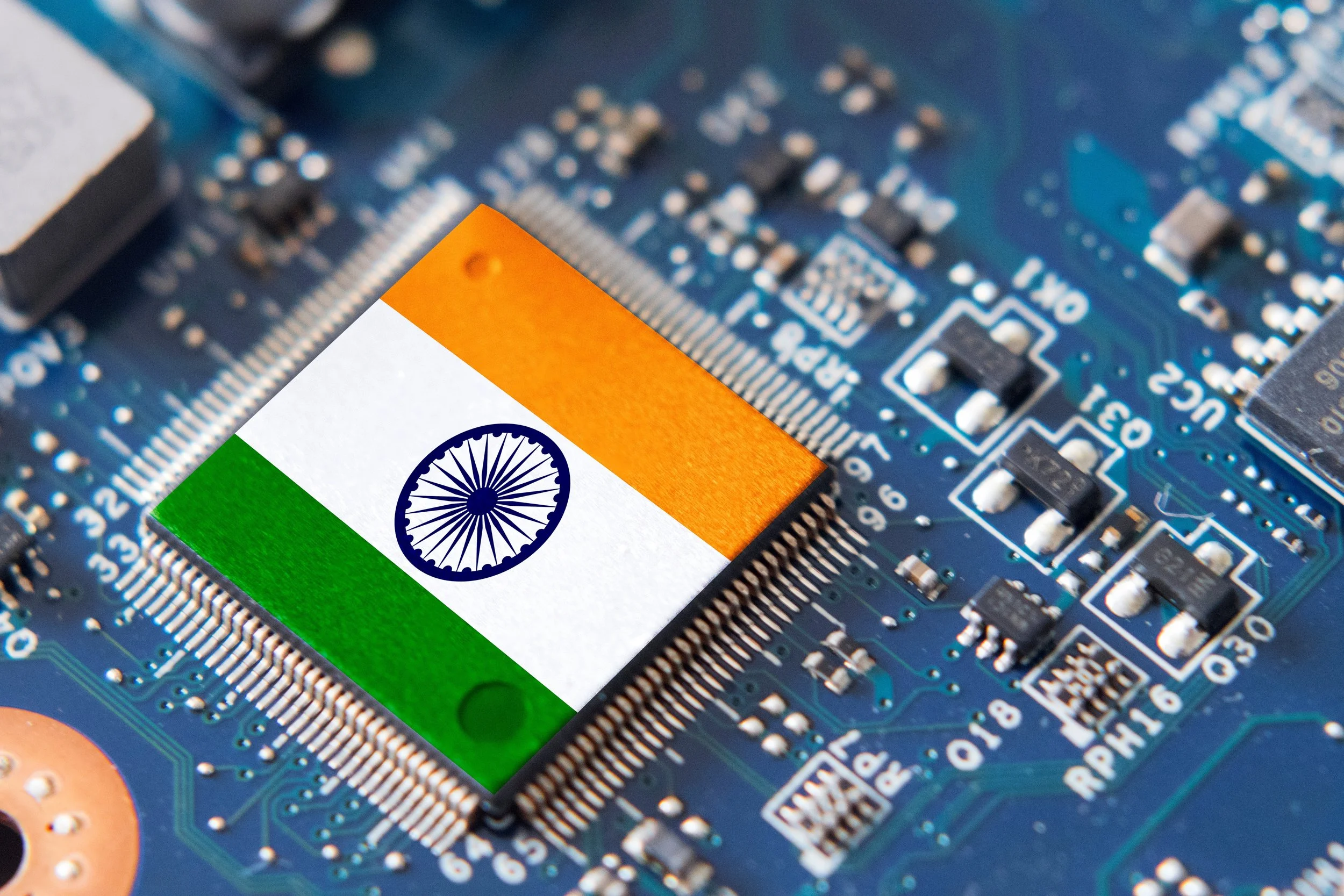
India is positioning itself as an increasingly important node in the global semiconductor ecosystem, building on its established strengths in chip design and deep pool of STEM talent. These efforts come at a time when global semiconductor supply chains remain highly concentrated, creating opportunities for India to contribute to diversification and resilience.
Originally published in the U.N. Open-ended Working Group on ICTs “zero draft” report, March 2021.
By Abagail Lawson, Anneleen Roggeman, Michael Depp, and Bruce McConnell
By Andreas Kuehn
In a race to develop ‘smart cities’, policymakers in metropolitan regions across the world are rapidly deploying IoT devices, sensors, and emerging ICTs, including AI and facial recognition to solve various urban governance challenges, including the need to increase efficiencies, and empower citizens.
Observer Research Foundation America, 1100 17th St. NW, Suite 501, Washington DC 20036 USA