

By Udaibir Das
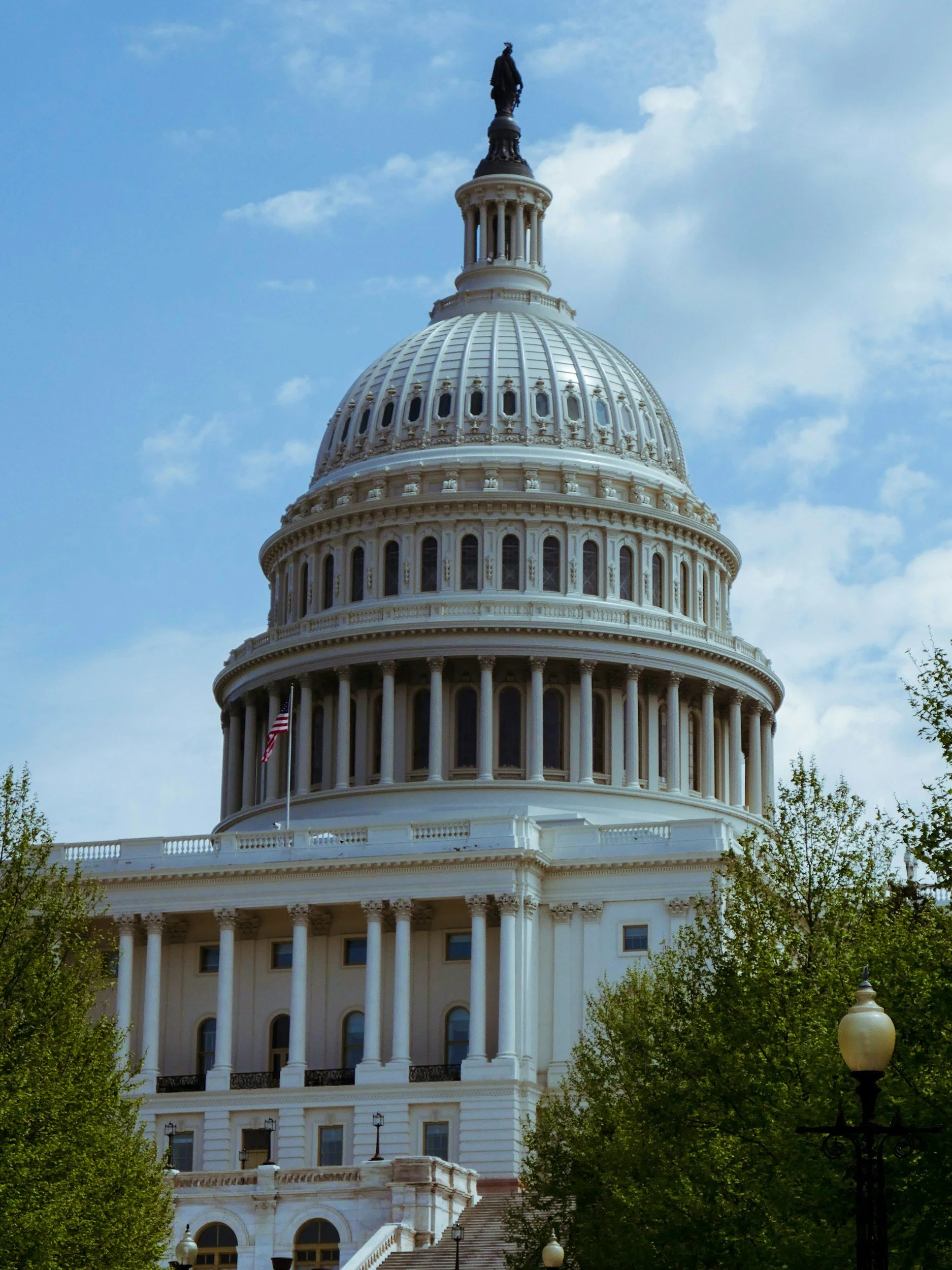
Amid rising financial instability, slowing growth, trade wars, and persistent inequality, the Global South faces growing vulnerabilities yet remains pivotal to the world economy’s future.

By Dhruva Jaishankar and Jeffrey D. Bean
Earlier this month, India was among the first countries to receive expanded access to Anthropic's Claude Mythos large language model, but the White House decision to block all foreign access to Anthropic’s new Mythos and Fable models via export control elevates concerns regarding reliability of U.S. partnership and AI dependency.
By Sarah Salah
As the IAA continues to undergo amendments, its ultimate success will hinge on careful calibration. The EU will need to preserve channels for strategic foreign investment, especially in capital-intensive sectors where domestic capacity alone may fall short. If the Act is overly complex or restrictive, it risks deterring the very investment it seeks to shape.
By Rohan Sharma
The United States’ and India’s commitments are clear: pro-innovation regulation, joint next-generation data centers, and cooperation on advanced compute. But agreements do not operationalize themselves. What is needed is not another forum, but an interface. A jointly staffed mechanism, anchored in implementation agencies, becomes the only viable bridge.
By Vishal Manve
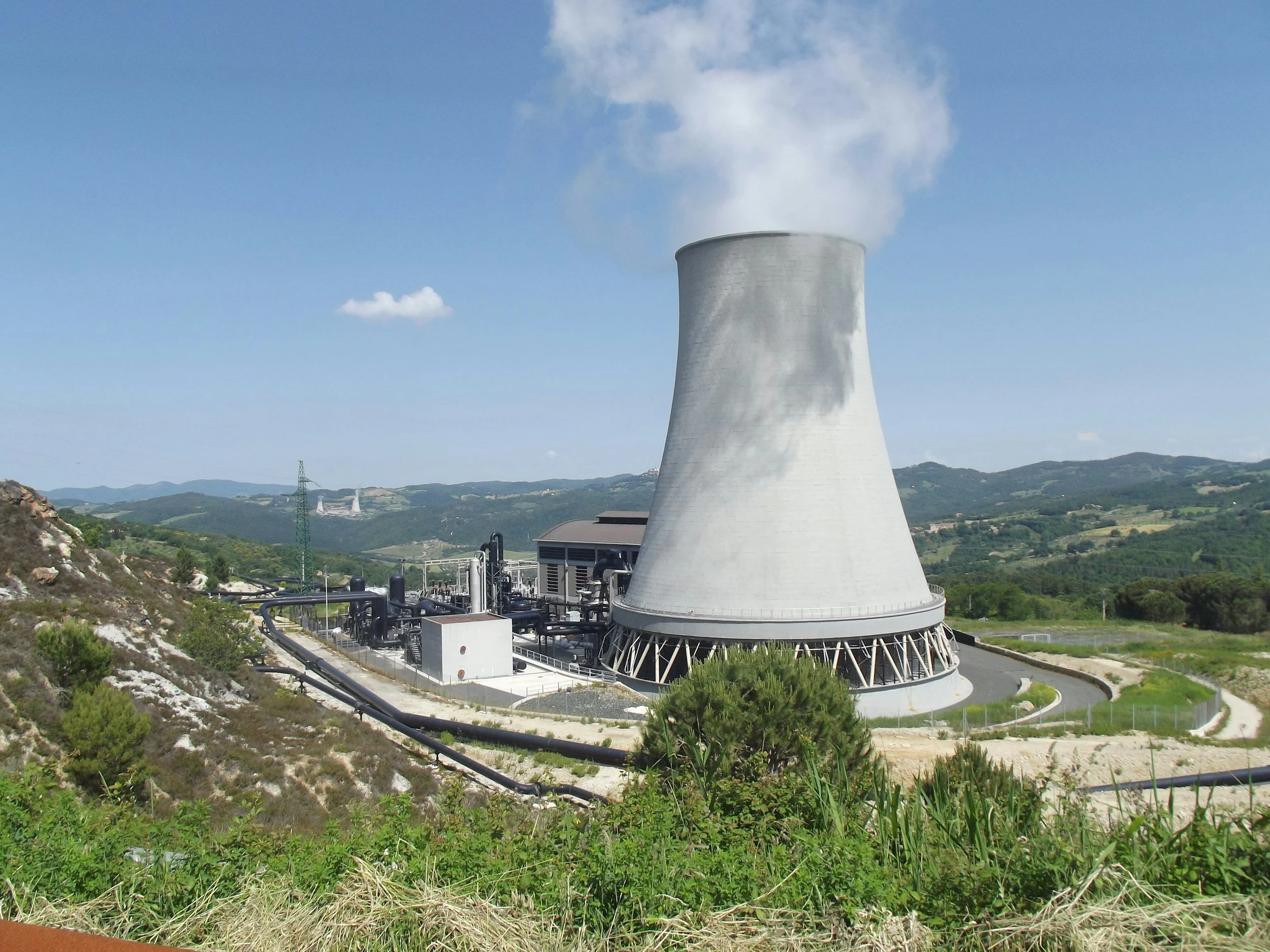
India’s nuclear future is increasingly unfolding along two parallel tracks, one rooted in indigenous strategic capability and the other in internationally integrated commercial innovation. For Washington, understanding and engaging both will be central to the next phase of U.S.–India civil nuclear cooperation.
By Piyush Verma
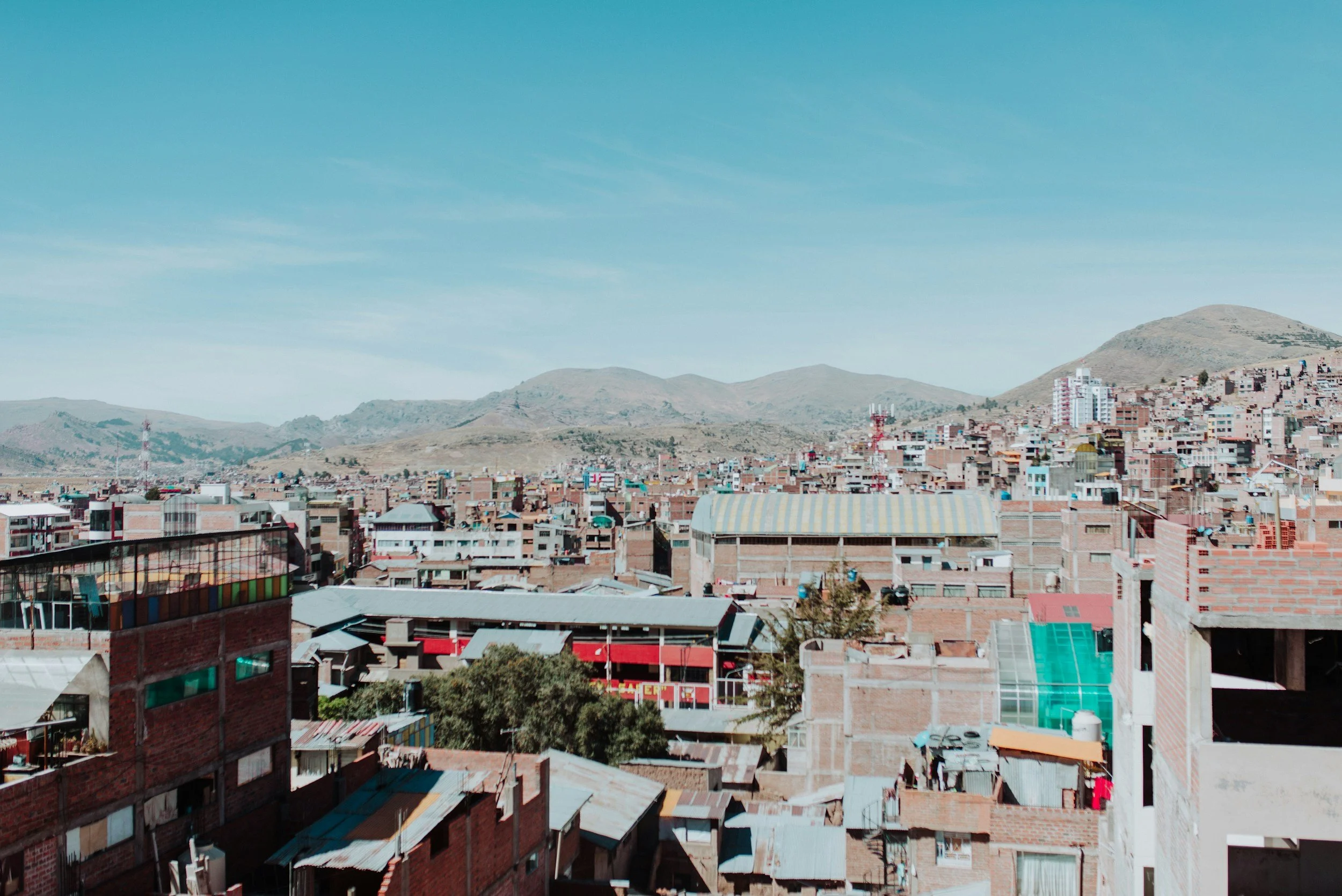
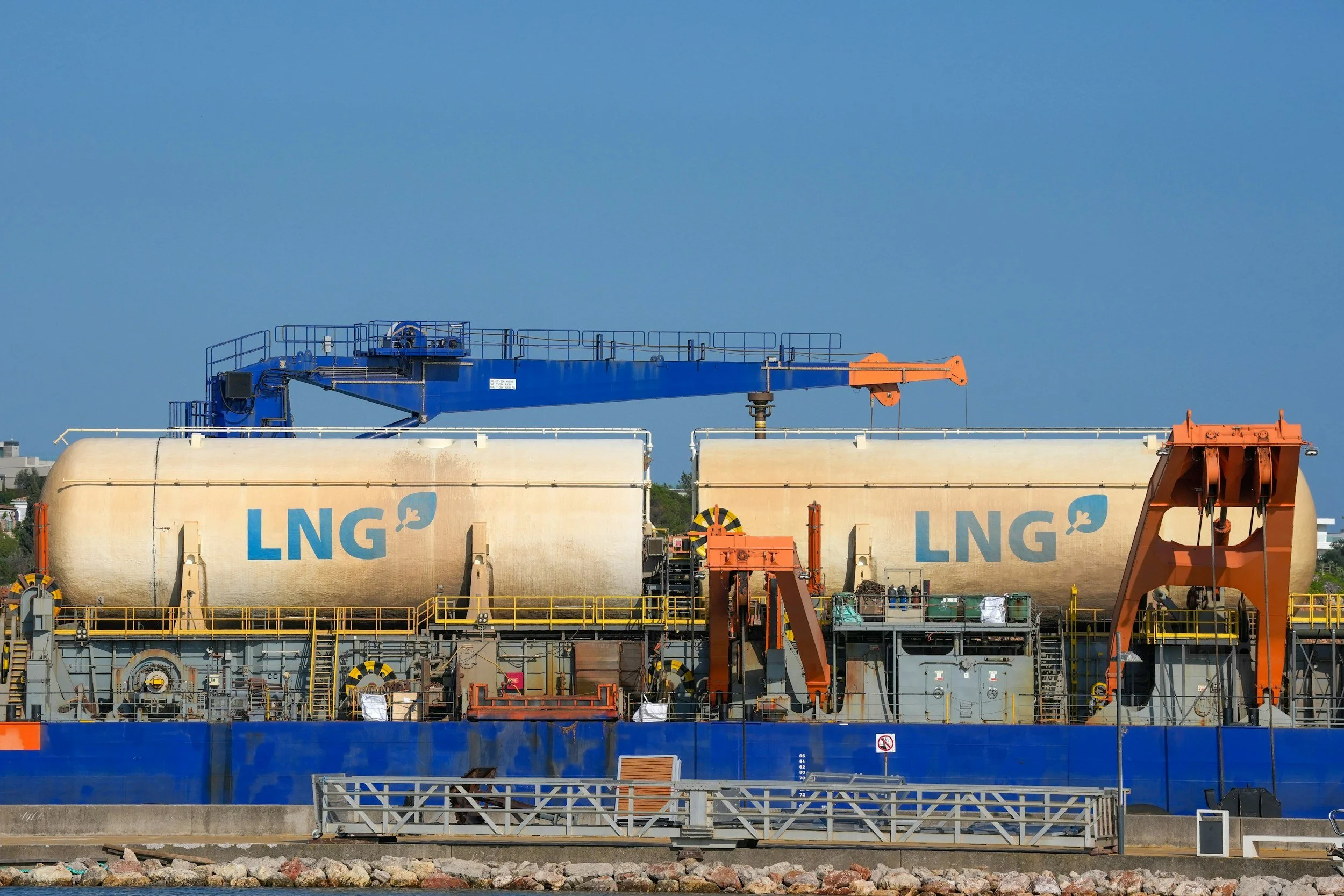
The conflict in West Asia was not South Asia's war. But South Asia — and particularly the smaller South Asian states such as Nepal, Bangladesh, and Bhutan — are paying the price in fuel queues, kitchen economies, and fiscal wounds that will take years to heal.
Observer Research Foundation America, 1100 17th St. NW, Suite 501, Washington DC 20036 USA