
Indo-Pacific
By Dhruva Jaishankar
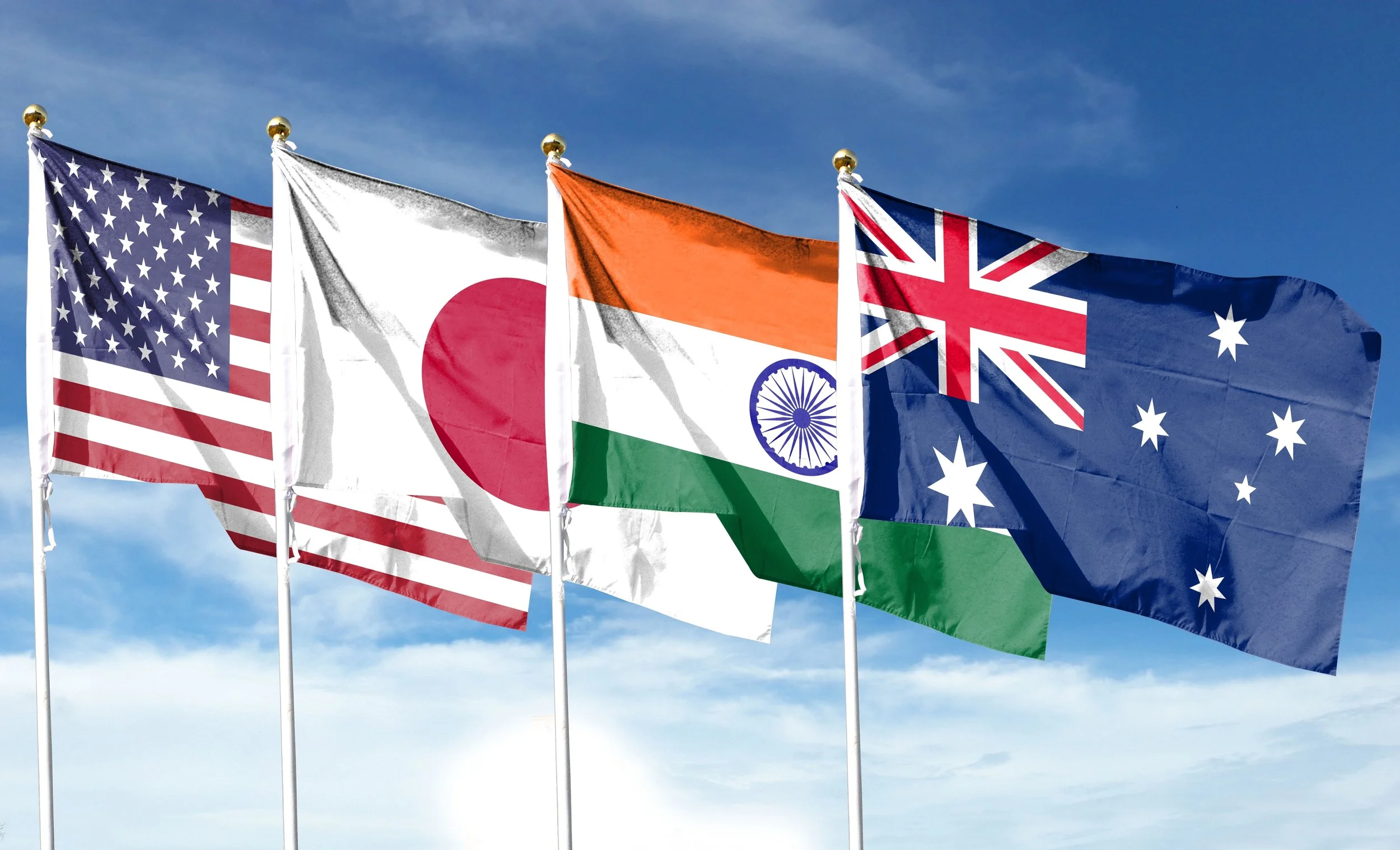
The latest Quad joint statement highlights how economic security is receiving priority at this juncture, critical and emerging technologies are being somewhat marginalized by unilateral and bilateral efforts, and efforts of maritime security continue to progress in a more workmanlike manner.
By Ammar Nainar
Disruptions in the Strait of Hormuz resulting from the conflict between the United States and Israel, on the one hand, and Iran on the other, threaten to create another global energy crisis. India has many reasons to proactively take such action: the closure of the Strait of Hormuz risks exacerbating the country’s energy shortages and food insecurity.
By Benjamin Tkach and Vasabjit Banerjee
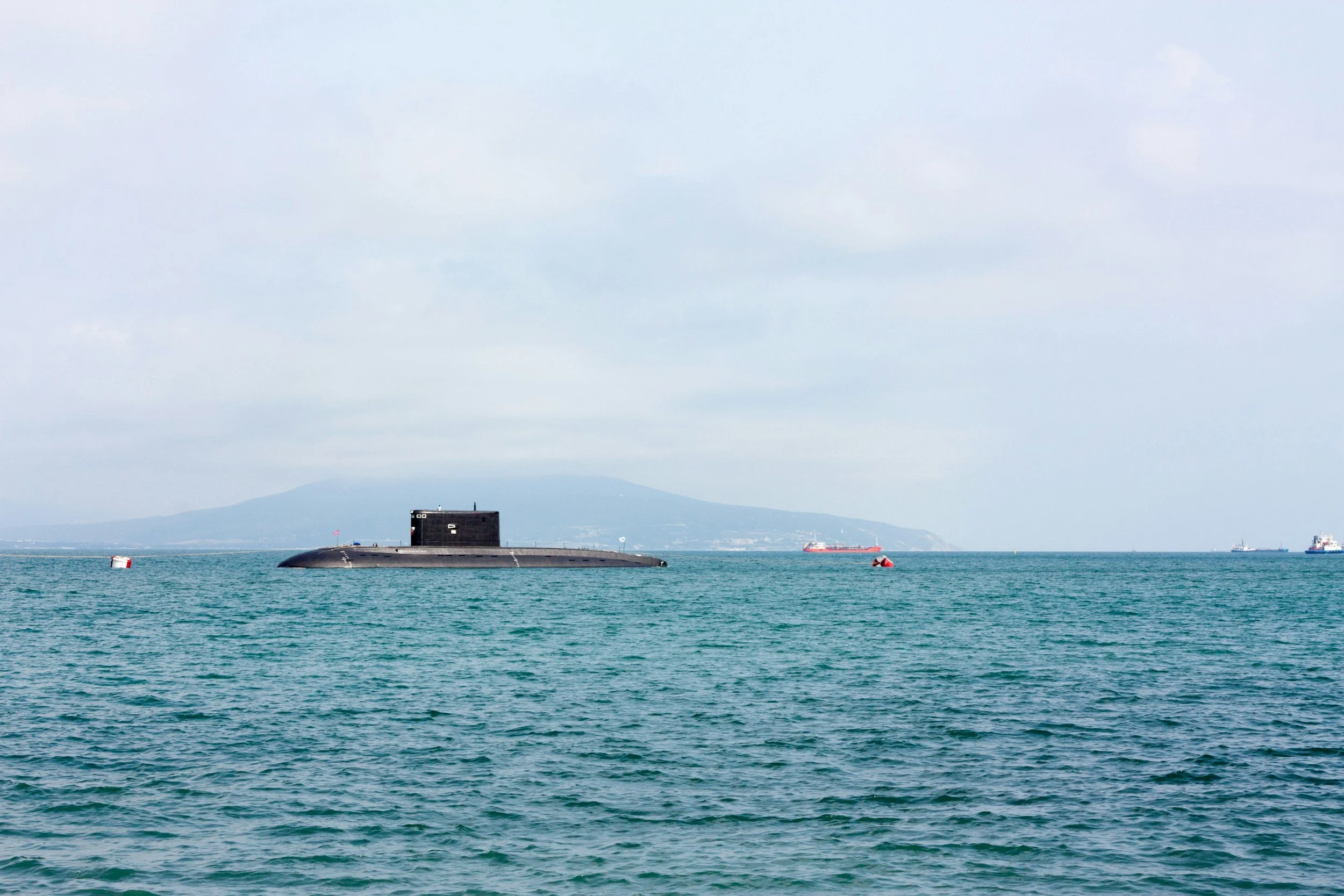
Submarine production difficulties affect the global marketplace and place a premium on domestic production. India’s pursuit of untested technologies elevates its risk, while Taiwan’s domestically produced system relies on foreign components. Both, therefore, have a lot to benefit from engineering and design cooperation in submarine production.
By Dhruva Jaishankar
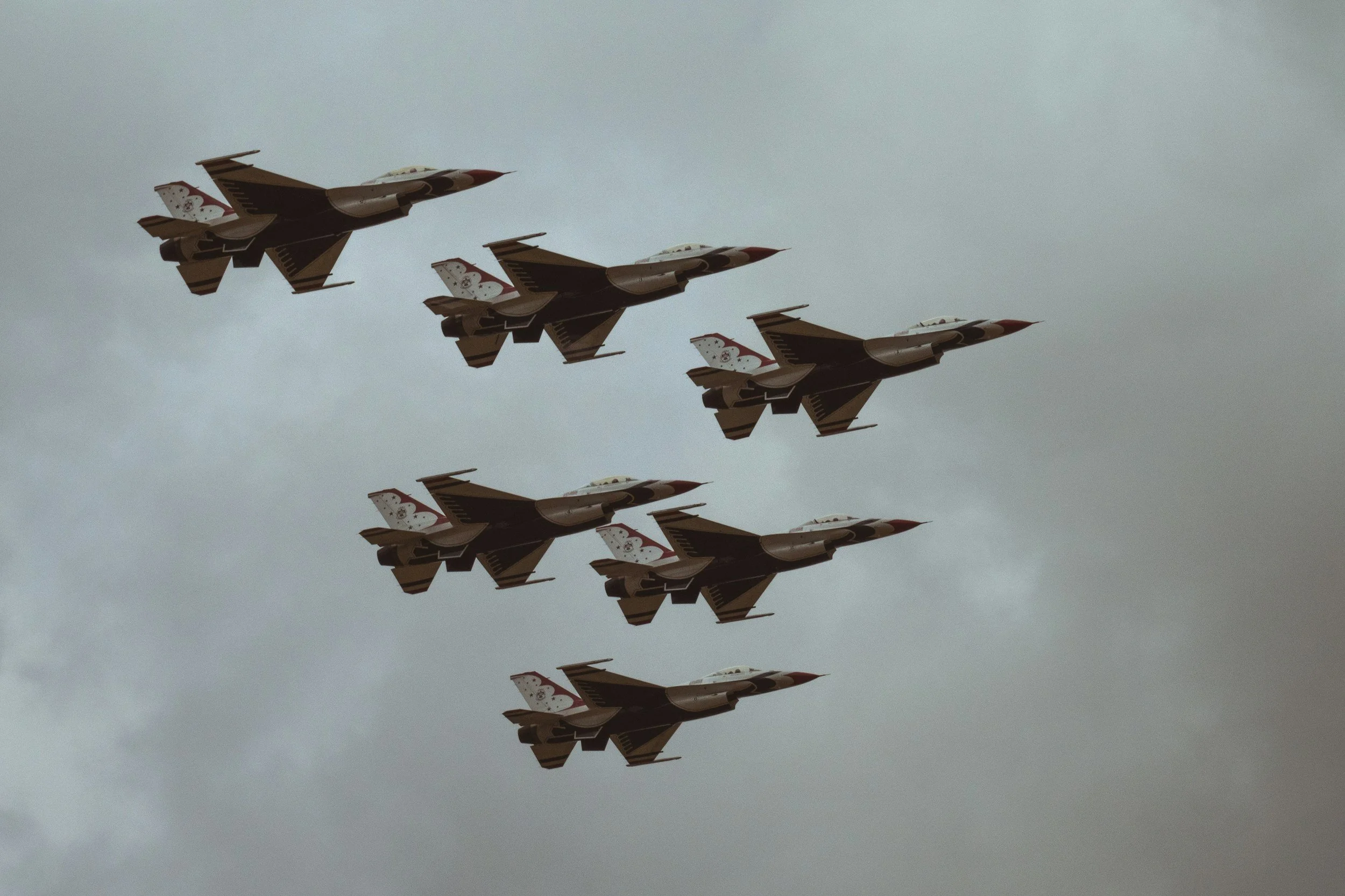
The prospects of a major war involving China and the United States, and a limited war between Pakistan and India, are perhaps higher in the next three years than they have been over the preceding quarter century. Moreover, these two scenarios are connected by an increasingly intertwined China-Pakistan military relationship, which now extends beyond arms transfers to shared networks and emulated doctrines.
Listen and learn on Around the World
Recent analysis & convenings
By Benjamin Tkach and Vasabjit Banerjee
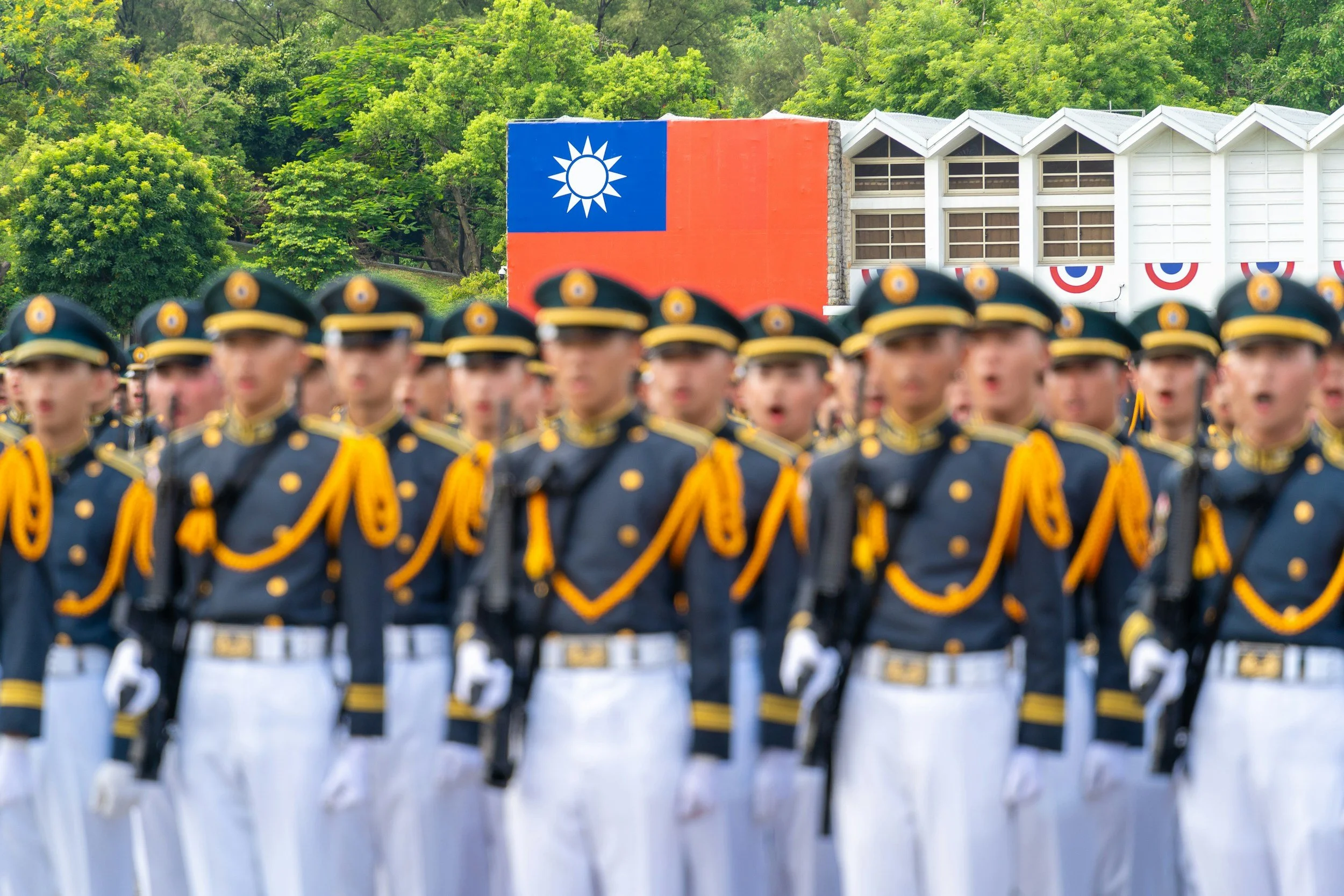
We evaluate cooperative steps that both India and Taiwan have taken in the defense arena, demonstrating how mutual antagonist China, economic ties, and budding security coordination are creating an entente.
By Dhruva Jaishankar
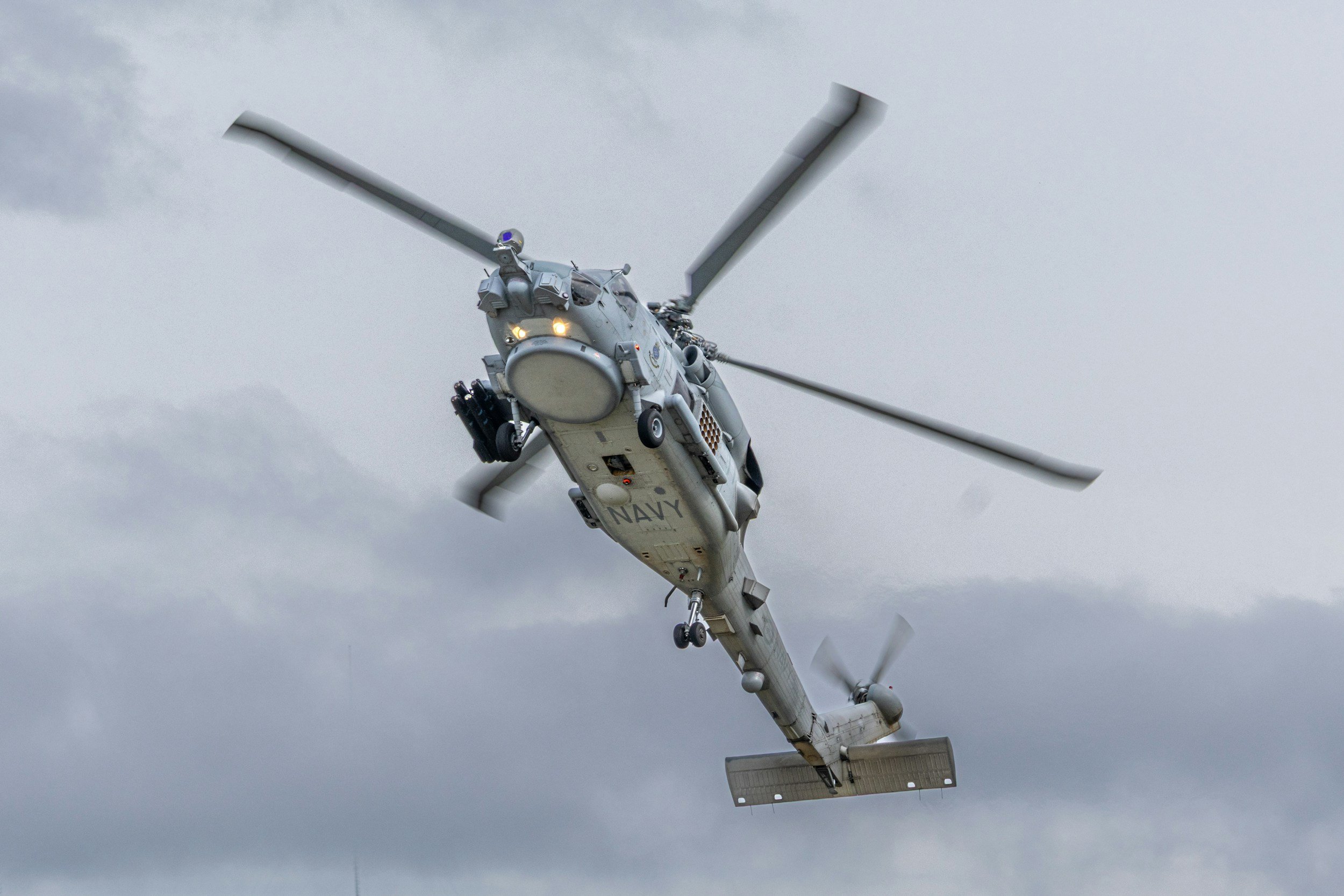
The new joint defense declaration between India and Australia articulated a more ambitious objective of defense industrial cooperation, including to “develop arrangements for advanced defense science and technology collaboration.” This may appear challenging, but India has made remarkable developments in its defense industrial capabilities over the past five years. These offer little-appreciated opportunities for many of its partners, including Australia.
By Dhruva Jaishankar
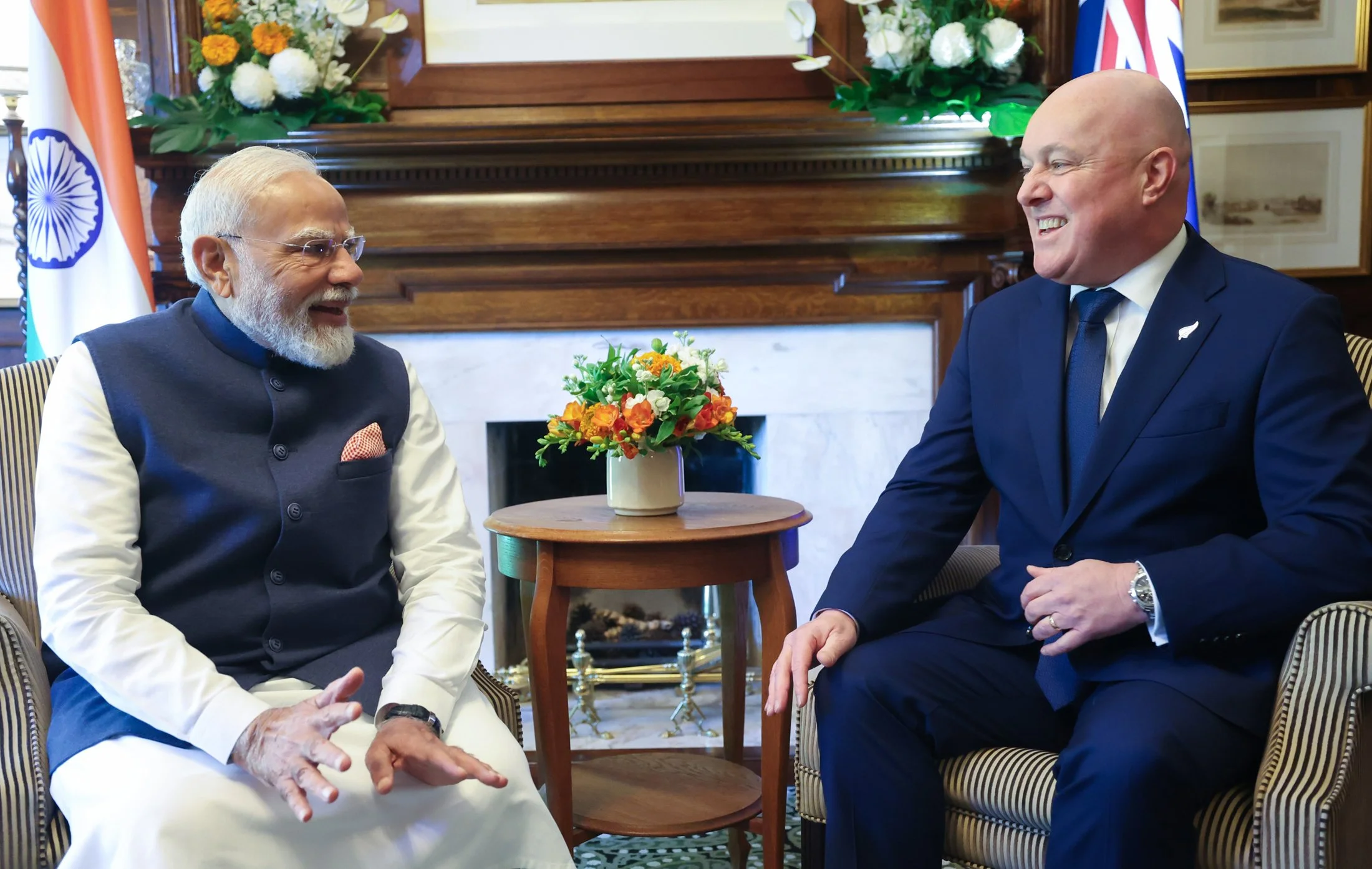
A world in which freedom of navigation or energy supplies can be imperiled by the actions of others will require more international partnerships. A consolidation of relations between the governments of India and New Zealand makes eminent sense in this context. While an FTA is a welcome development, it remains just one step toward what can be a much more broad-based and mutually-beneficial partnership.

By Vasabjit Banerjee
China evidently recognises the Calcutta Port System as an economic force multiplier for India’s economic power in the region. The Indian government has recently advanced several solutions, from modernisation to expansion of the port system. Yet, more needs to be done by the Indian government and private investors to strengthen the port system to ward off Chinese influence.
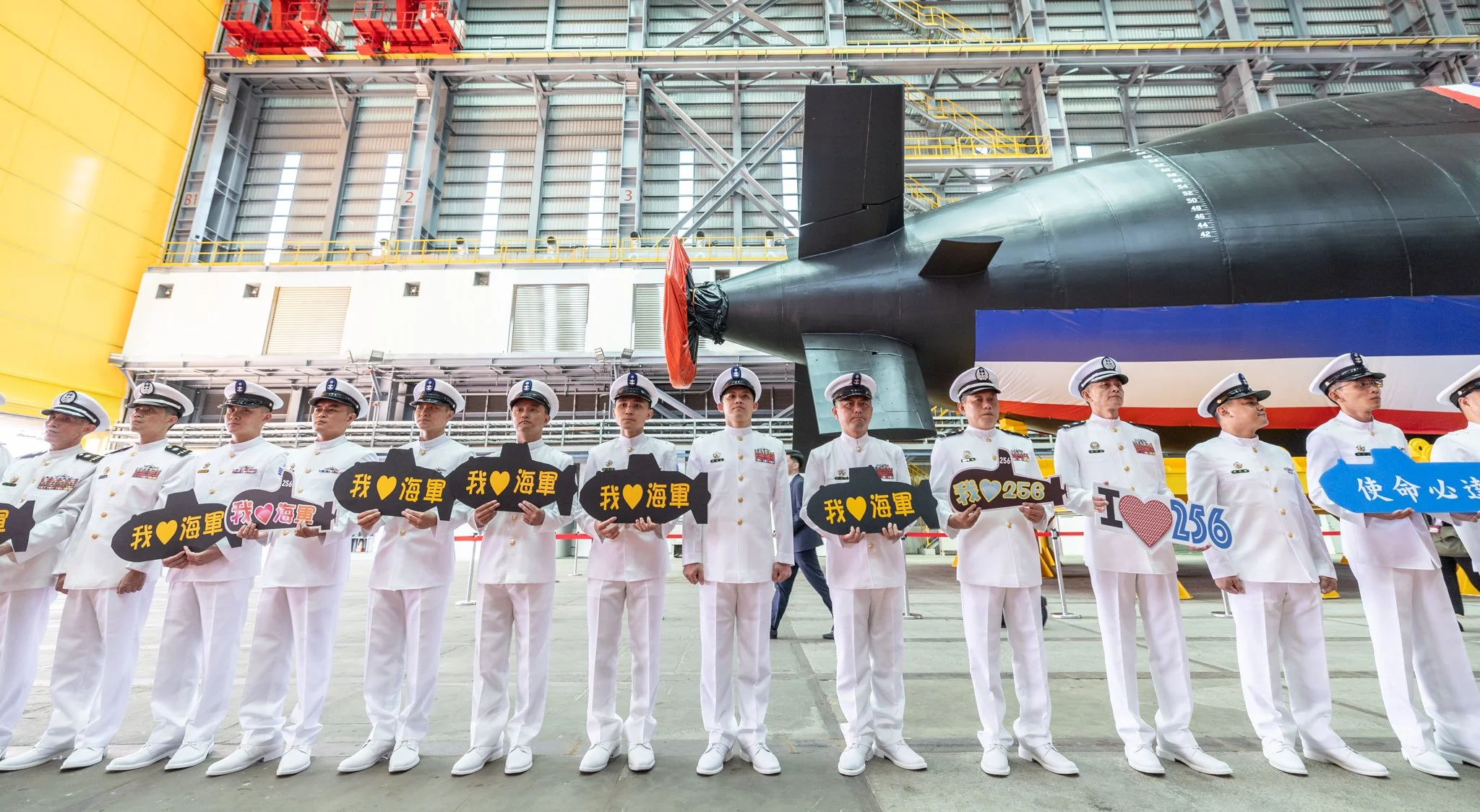
By Benjamin Tkach and Vasabjit Banerjee
While India-Taiwan collaboration on submarine technology would represent a step change from pre-existing economic cooperation, improving domestic production capacity necessitates pursuing mutual gains wherever possible.

By Dhruva Jaishankar and Ammar Nainar
Once a quiet backstage function of the armed forces, defence diplomacy has emerged as one of India's sharpest tools of statecraft. From joint exercises and training missions to disaster relief and maritime surveillance, India's military now operates far beyond the battlefield: building trust, shaping partnerships, and projecting the country's strategic interests on a rapidly shifting global stage.
By Dhruva Jaishankar
The prospects of a major war involving China and the United States, and a limited war between Pakistan and India, are perhaps higher in the next three years than they have been over the preceding quarter century. Moreover, these two scenarios are connected by an increasingly intertwined China-Pakistan military relationship, which now extends beyond arms transfers to shared networks and emulated doctrines.
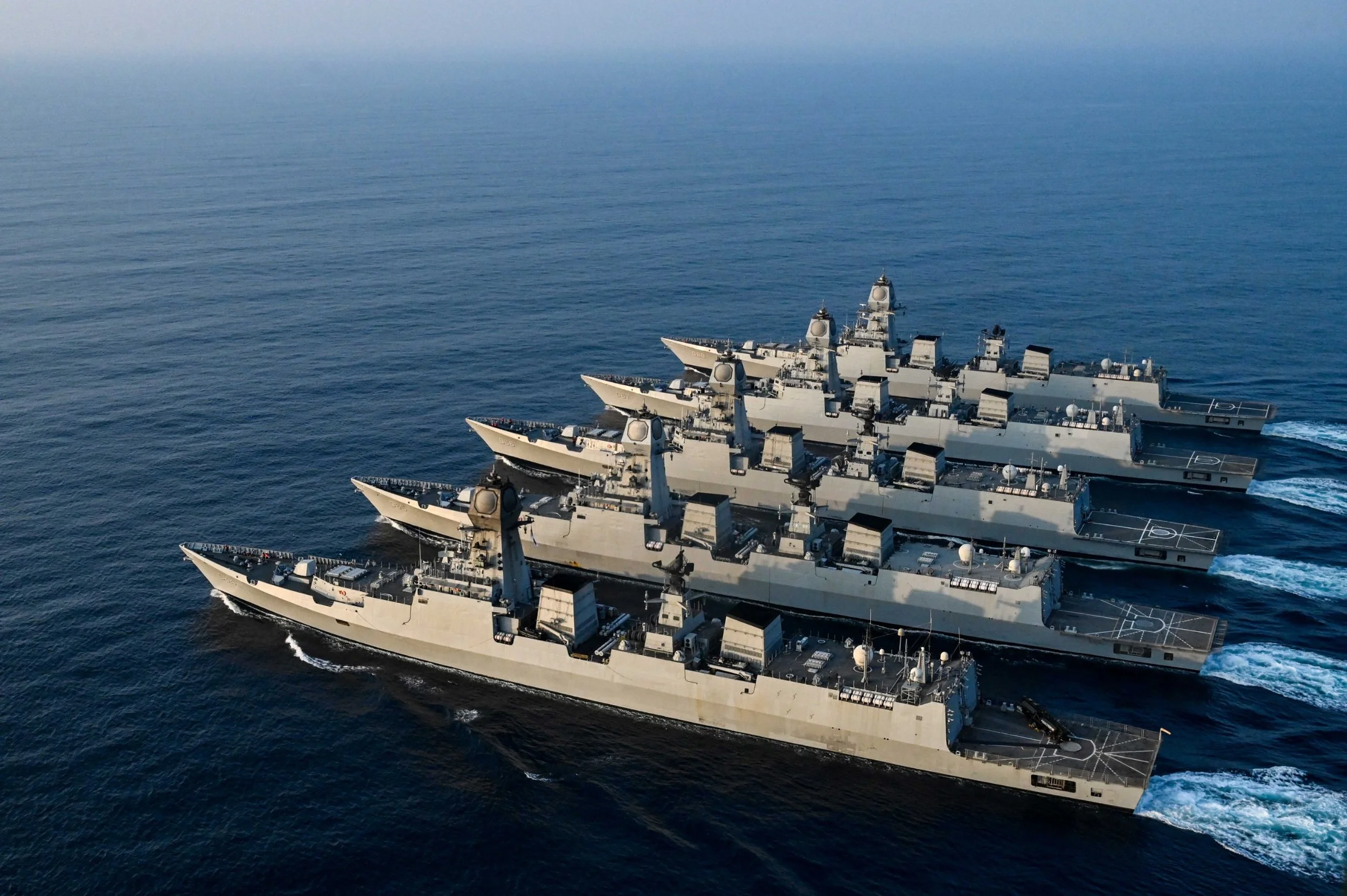
By Dhruva Jaishankar and Ammar Nainar
As China and the United States jostle for position, India has a modest but meaningful role to play as a security provider in the Western Pacific. Beyond the Indian Ocean, its ability to improve interoperability with willing and capable partners and assist in capacity-building efforts have only increased, notwithstanding the tenor of relations with the United States.

By Dhruva Jaishankar
The newly-elected presidency of Lee Jae Myung in South Korea has created an opportunity to advance India-South Korea relations. The greatest potential for cooperation between the two countries involves aligning South Korea’s dynamic industrial capabilities with India’s own industrialization efforts.

By Hsiao-Chen Lin
With its semiconductor leadership, an open economy, and pluralistic partnerships, Taiwan shows that the international community can uphold their One China policies while refusing to validate Beijing’s expansionist interpretation.

By Lindsey Ford
There is much that feels reassuringly familiar about the joint statement that came out of the July 1 Quad meeting in DC, which maintains significant continuity in its overall tone and content. However, a close review also points to notable shifts that could erode the group’s regional influence over time.