



Special Report No. 7
By Piyush Verma, Medha Prasanna, Caroline Arkalji, Erlijn Van Genuchten, and Siddharth Sharma

By Udaibir Das
Absa and OMFIF have given Africa a decade of disciplined comparison. The next task is to make the consequences of reform equally visible. A country should be able to name an investment that happened because its market improved. Success is not more capital entering markets. It is more productive investment, financed without greater fragility. That is financial sovereignty on the ground.
By Piyush Verma
Energy for Billions: India’s Turnaround and the World’s Future explores the energy choices that can help realize the ambition of Viksit Bharat — a developed India — and the lessons other economies might draw from India’s achievements and unfinished work.
By Piyush Verma
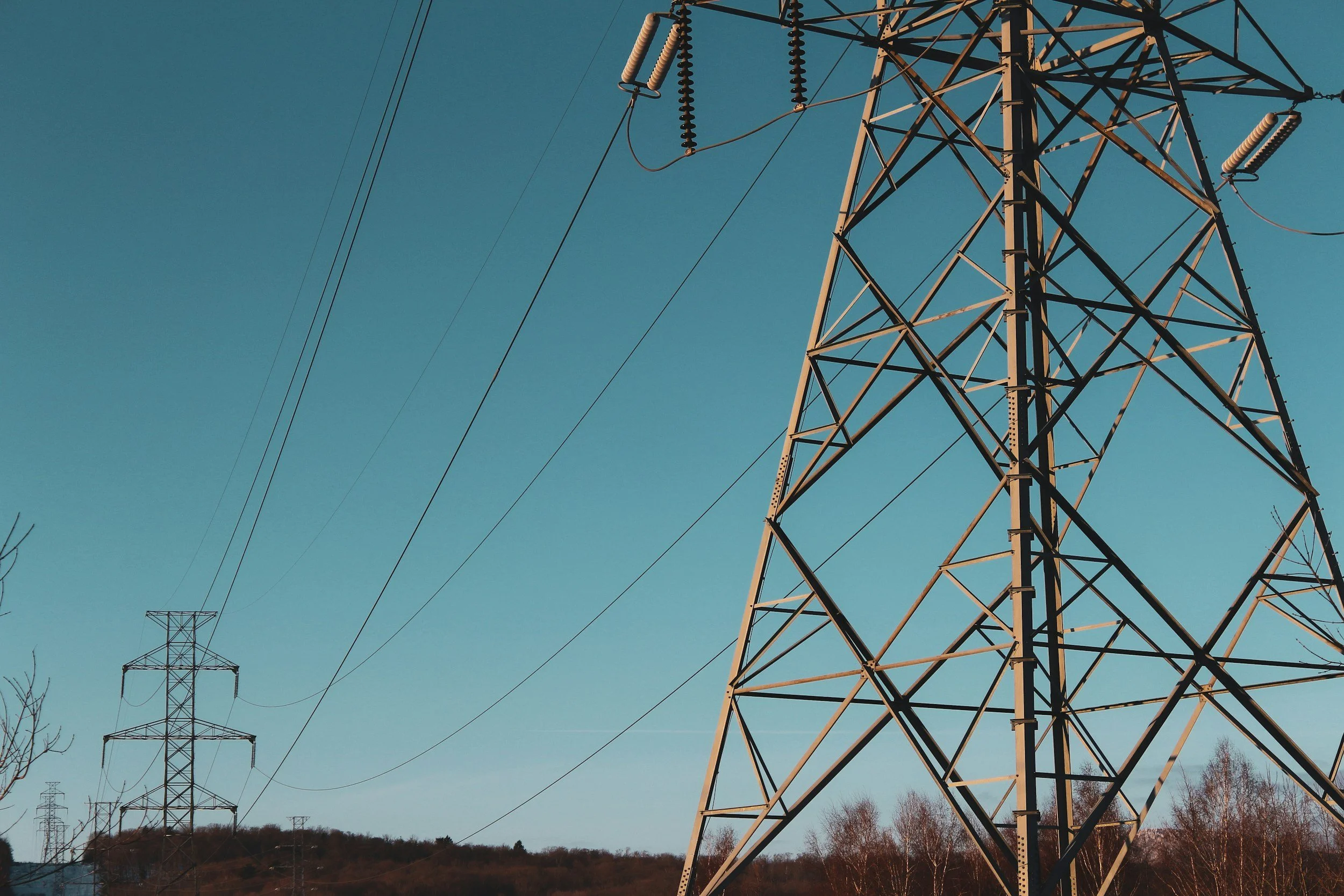
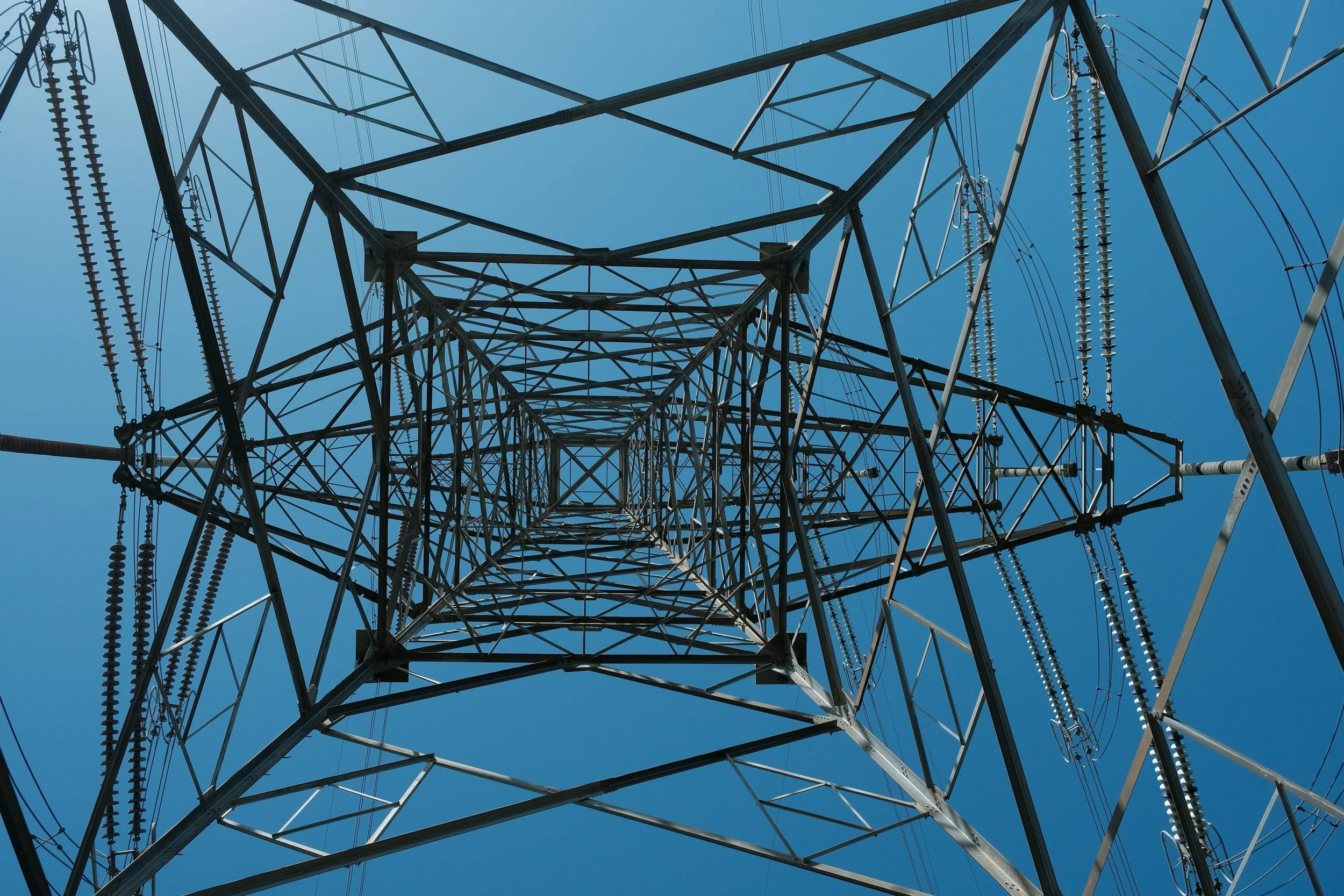
The grid is more than a machine for moving electrons. It is a shared system of costs, responsibilities and reliability. As AI campuses bring their own power, the question is not whether they are on or off the grid, but what they owe it when they still depend on it.
Background Paper No. 40
By Udaibir Das and Pietro Zecca
Special Report No. 7
By Piyush Verma, Medha Prasanna, Caroline Arkalji, Erlijn Van Genuchten, and Siddharth Sharma
By Udaibir Das
Global financial institutions continue to frame the 2026 outlook for emerging markets through a familiar cyclical lens. The consensus assumes U.S. monetary easing, a softer dollar and a modest global slowdown will favor local-currency assets, credible disinflation paths and balance-sheet repair. This narrative is historically grounded and internally coherent. It is also increasingly insufficient.
By Medha Prasanna
Without intentional strategies to strengthen energy infrastructure, the Global South will remain largely a consumer of AI technologies.
Observer Research Foundation America, 1100 17th St. NW, Suite 501, Washington DC 20036 USA