




Background Paper No. 29
By Anit Mukherjee and Ashwini Joshi

By Udaibir Das
Ubuntu economics does not invoke moral claims. It advances a structural argument: Africa’s demographic momentum, mineral endowments and ecological assets are central to global prosperity, and instability in the region imposes system-wide costs. The reform frameworks are now primarily in place. The question is whether the political and institutional conditions of 2026 permit their implementation.
By Piyush Verma and Telmen Altanshagai
Mongolia is not just a customer or supplier—but a co-partner in building new regional supply-chains, new corridors and new resource-alliances. It speaks to a future where India is not simply plugged into global energy markets, but co-creating them.
By Udaibir Das
While stability prevails in institutional titles, resilience prevails in policy content. This shift influences the oversight and allocation of approximately $470tn in global financial assets. This has structural implications and affects public accountability.
By Dhruva Jaishankar and Ammar Nainar
Once a quiet backstage function of the armed forces, defence diplomacy has emerged as one of India's sharpest tools of statecraft. From joint exercises and training missions to disaster relief and maritime surveillance, India's military now operates far beyond the battlefield: building trust, shaping partnerships, and projecting the country's strategic interests on a rapidly shifting global stage.
By Julianne Smith and Lindsey Ford
American allies are rapidly transforming their relationships whether Washington likes it or not; these networks can either serve or undermine U.S. interests depending on how Washington engages with them. If the United States fails to reset ties with Asian and European partners, it risks being left on the sidelines of a rapidly changing world order.
By Udaibir Das
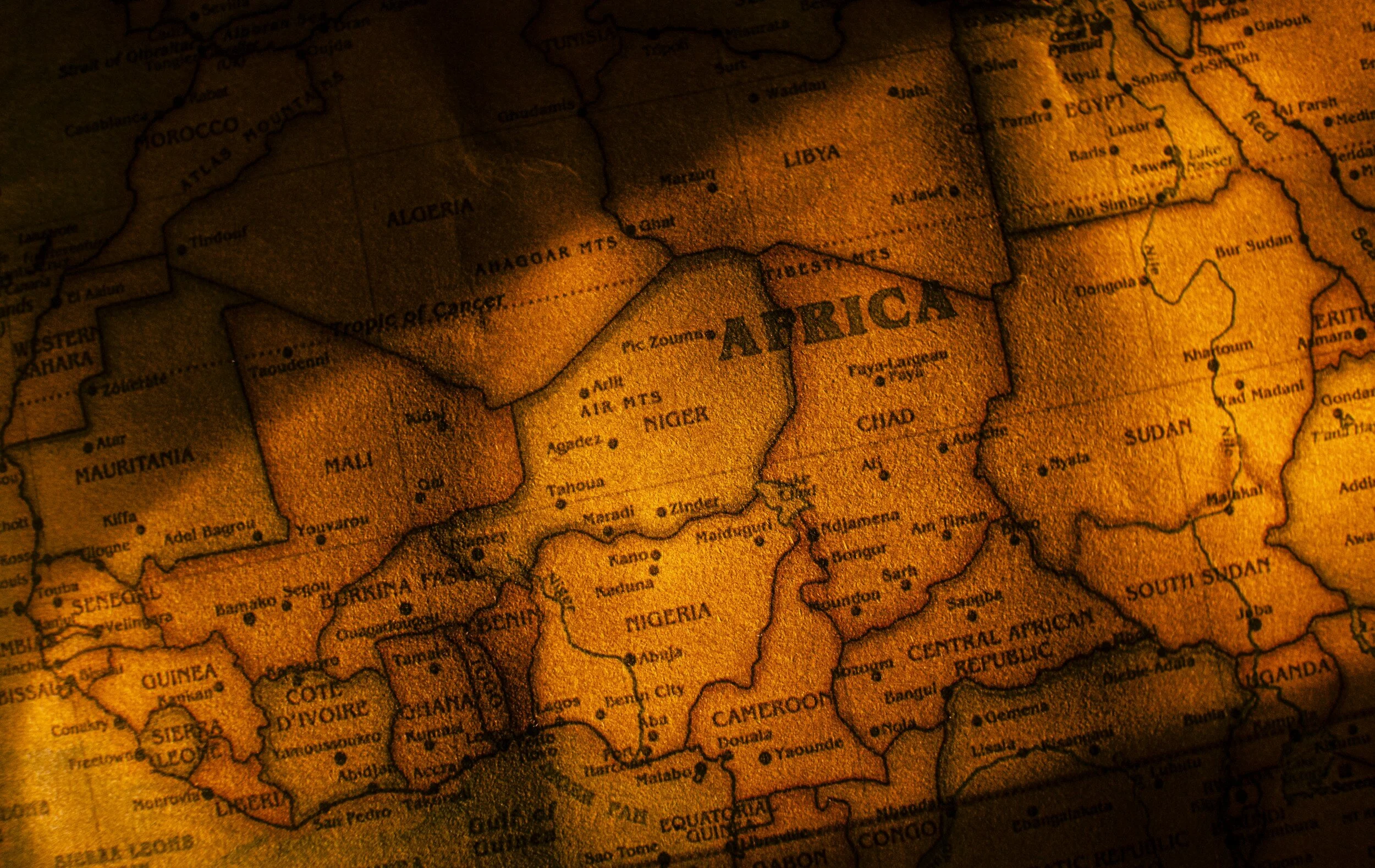
In 2024, Africa’s economic and political importance grew significantly, laying a strong foundation for 2025 to be a transformative year for the continent.
By Anit Mukherjee
With the Indian prime minister’s and external affairs minister’s recent visits to Latin America, the engagements are a sign of India’s deepening commitment to improve and strengthen strategic and economic ties with the region where it is still playing catch up to China.
"Rebalancing Globalization: Perspectives from the Global South" attempts to provide a framework for the next phase of globalization that is rebalanced and sustainable and can address issues that matter to the Global South.
Edited Volume
By Anit Mukherjee, Dhruva Jaishankar, Alan Gelb, Pamla Gopaul, Marta Bengoa, Shayak Sengupta, Aude Darnal, Elizabeth Sidiropoulos, Udaibir Das, Veronica Jijon, and Lorrayne Porciuncula
Editors: Anit Mukherjee and Dhruva Jaishankar
By Surjit S. Bhalla, Karan Bhasin, and Tirthatanmoy Das
Using a structural micro-econometric model, the roles of both the labor market and the household sector in female labor participation are evaluated to analyze the evolution of India’s labor market.
By Udaibir Das
Where do Brics, the International Monetary Fund, and the World Bank overlap in their newly released communiques on the global economic landscape?
By Udaibir Das
How do sovereign wealth funds navigate current times while building portfolio resilience?
By Udaibir Das
How can countries with small and shallow financial markets adopt financial stability reports that are more suited for their economic conditions?
By Udaibir Das
How should China refine its financial reform strategy to better align with its economic ambitions and responsibilities?
By Udaibir Das
The decisions from the 20th National Congress and the Third Plenum collectively represent significant strides in reinforcing the financial sector’s role as China recalibrates its growth model.
By Udaibir Das
The UK is poised to make a significant impact with the National Wealth Fund (NWF), a fund designed to spearhead its green transition and support sustainable growth. Will the UK’s NWF be a guiding economic beacon or just a political mirage?
By Udaibir Das
The IMF’s RST is a significant step forward in mobilising climate finance, focused on leveraging private sector involvement. By learning from the RST’s successes and challenges, other international efforts can enhance their strategies to attract private capital, creating a more sustainable and resilient global economy.
By Udaibir Das
To effectively manage debt and all liabilities, a top-down, country-wide reform is necessary to move towards a comprehensive liability management function.
By Udaibir Das and Wayne Byres
After 50 years, the Basel Committee’s standards are crucial for maintaining global financial stability.
By Udaibir Das
The current global economic and capital market conditions necessitate reassessing conventional portfolio construction and risk management practices.
By Udaibir Das
Multilateral reform remains complex and demands patience to ensure that the process is transparent and inclusive.
By Udaibir Das
Africa stands on the precipice of a financial renaissance, poised to redefine its influence in the global investment sphere.
By Udaibir Das
As a unified bloc, Africa can negotiate better terms in international trade agreements, investment deals and financial arrangements.
Observer Research Foundation America, 1100 17th St. NW, Suite 501, Washington DC 20036 USA