




Background Paper No. 27
By Medha Prasanna

By Piyush Verma
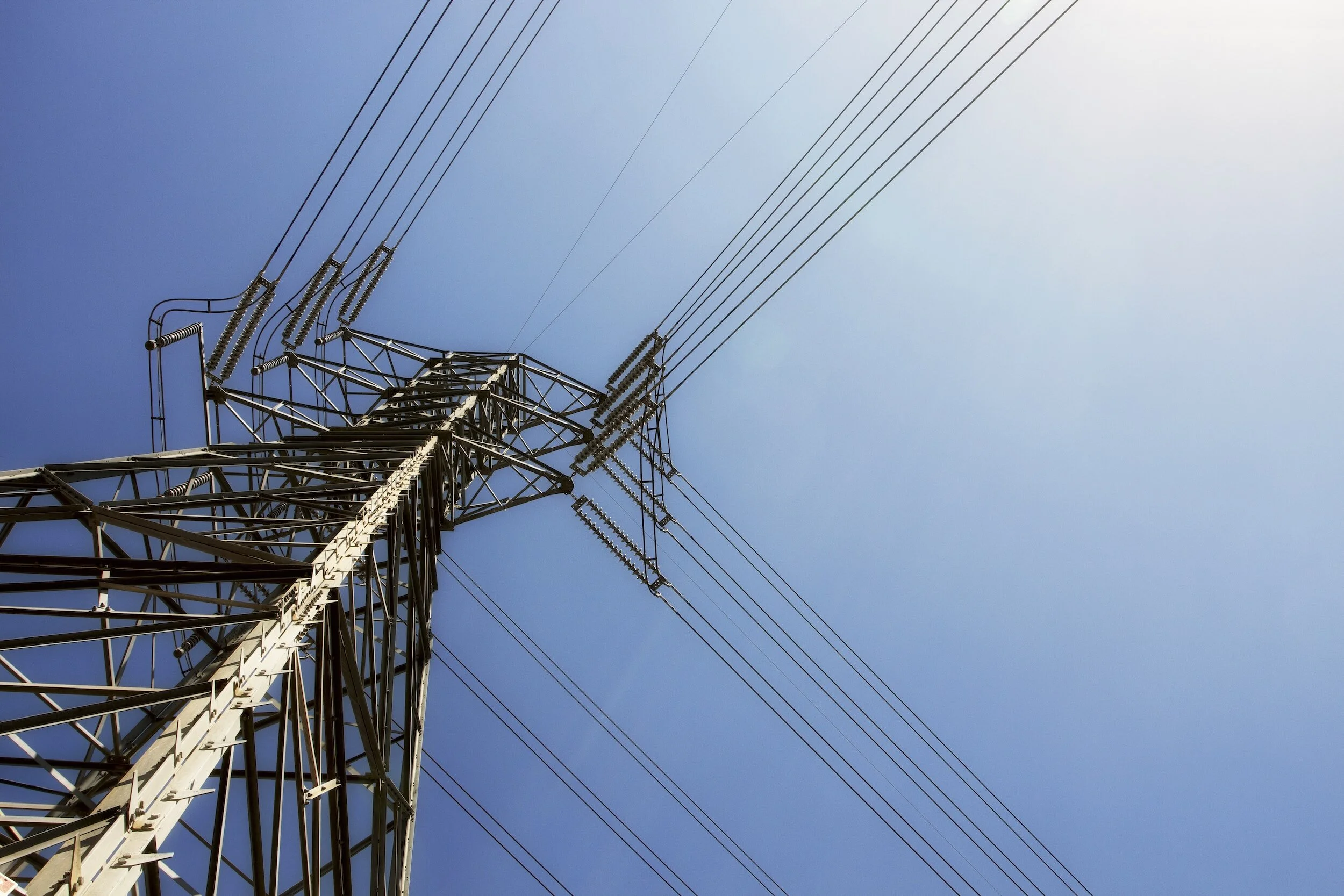
The grid is more than a machine for moving electrons. It is a shared system of costs, responsibilities and reliability. As AI campuses bring their own power, the question is not whether they are on or off the grid, but what they owe it when they still depend on it.
Background Paper No. 40
By Udaibir Das and Pietro Zecca
Edited Volume
By Soumya Awasthi, Ishita Deshmukh, Sameer Patil, Kavya Wadhwa, Purushraj Patnaik, Pranoy Jainendran, Sameer Patil, Rahul Rawat, Debjyoti Chakravorty, Basu Chandola, and Tanusha Tyagi
Editor: Dhruva Jaishankar
By Udaibir Das
Policy-makers cannot prevent every shock, but they can influence how prepared the economy is to deal with them, by reducing exposures, protecting essential functions and preserving policy room. Asia built its first generation of financial defenses after a crisis. It should build the second before the next.
Ongoing armed conflicts in Europe and the Middle East and a fractured trade relationship between the world’s two largest economies, the United States and China, mean the energy transition cannot take economic integration and its accompanying benefits for granted.
Special Report
By Raj Sawhney, Shayak Sengupta, and Gregory Wischer
Editor: Shayak Sengupta
By Kirat Singh, Tapas Peshin, Shayak Sengupta, Sumil K Thakrar, Christopher W Tessum, Jason D Hill, Inês M L Azevedo and Stephen P Luby
Absolute annual mortality ranges from less than 1 to over 650 deaths/year across units, and the mortality intensity of generation varies from under 0.002 to 0.43 deaths/GWh.
By Tapas Peshin, Shayak Sengupta, Sumil K Thakrar, Kirat Singh, Jason Hill, Joshua S Apte, Christopher W Tessum, Julian D Marshall and Inês M L Azevedo
Higher increases in pollution exposure are seen in scheduled castes/tribes, poor, and rural populations particularly in high coal production states.
By Shayak Sengupta and Abhinav Jindal
A close look at India's relationship to Just Energy Transition Partnerships.
By Shayak Sengupta
Without concerted policy efforts to incorporate the eastern states into India’s renewable fold, the region risks being left behind in reaping the benefits of transition.
By Shayak Sengupta, Medha Prasanna and Peter Jarka-Sellers
The Agenda 2030 Partnership builds on nearly two decades of cooperation between the US and India on energy and climate issues.
By Shayak Sengupta and Sagatom Saha
The Inflation Reduction Act is Washington’s boldest climate policy ever—but still woefully insufficient.
By Shayak Sengupta, Neha Khanna, Casper Sonesson, Daniel Suryadarma, Aanandita Sikka, Edoardo Tancioni, Sagatom Saha, Budy Resosudarmo
Economywide decarbonization is essential for achieving the climate goals set in the Paris Agreement.
By Shayak Sengupta, and Sagatom Saha
The era of green subsidies is shaping the transition to a cleaner future, but, absent global cooperation, developing countries risk being left behind.
By Shayak Sengupta
So far, the Biden administration has relied on a series of ad hoc agreements to deal with international reactions from the IRA, but it needs a proactive approach.
The focus of this issue of the U.S.-India Energy Monitor is hydrogen in the United States and India.
Special Report
By Shayak Sengupta, Medha Prasanna, and Peter Jarka-Sellers
By Shayak Sengupta, Sumil K Thakrar, Kirat Singh, Rahul Tongia, Jason D. Hill, Ines M. L. Azevedo, and Peter J. Adams
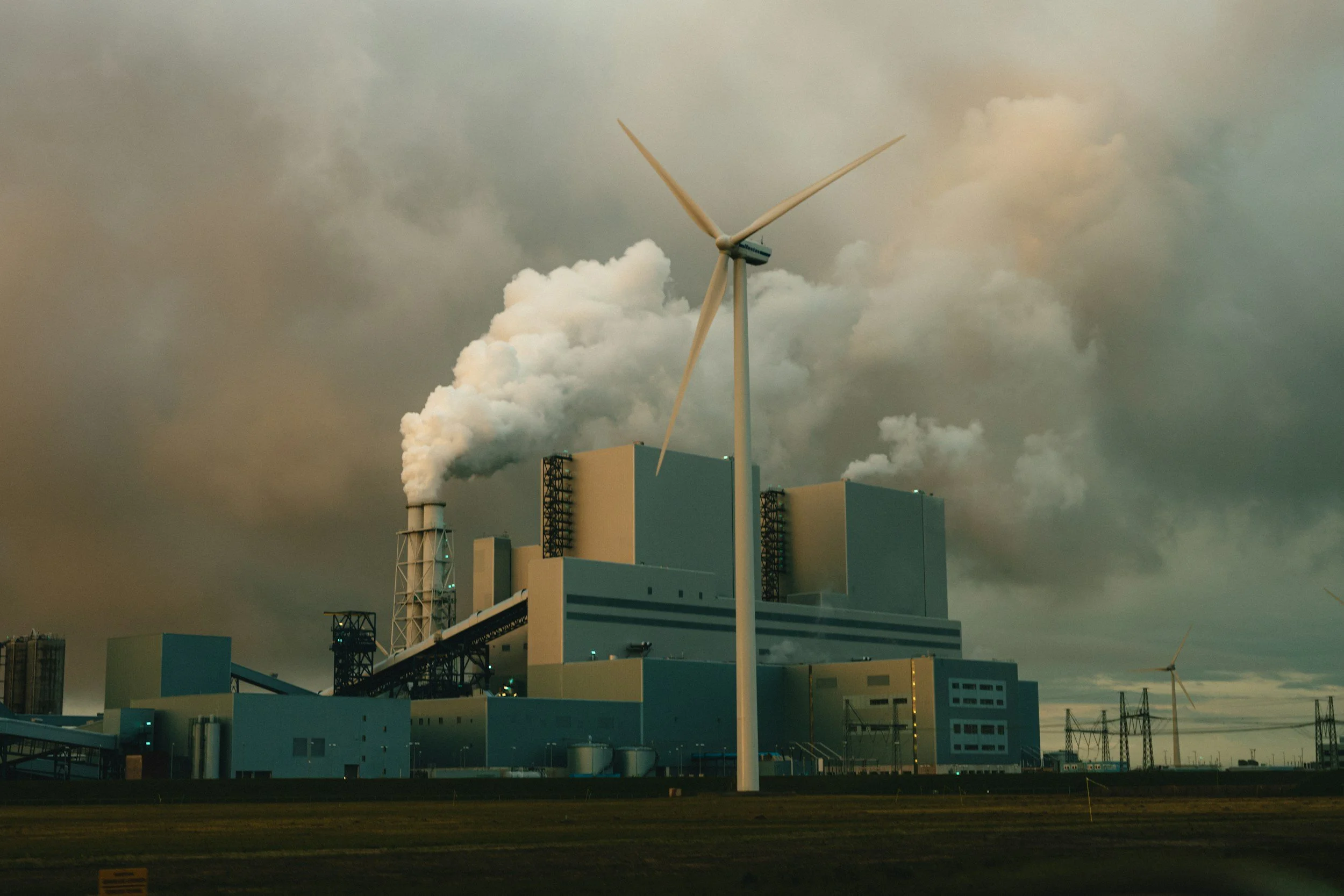
Air pollution and greenhouse gases from India's coal-dominant electricity system causes widespread, premature deaths in the country.
Observer Research Foundation America, 1100 17th St. NW, Suite 501, Washington DC 20036 USA