



By Hsiao-Chen Lin
With its semiconductor leadership, an open economy, and pluralistic partnerships, Taiwan shows that the international community can uphold their One China policies while refusing to validate Beijing’s expansionist interpretation.

By Kabir Taneja and Siddharth Yadav
Relying on AI models to identify and refuse to act on dangerous prompts — a measure that largely worked in the Houthis’ case — is not sufficient protection. AI labs now have to work against elaborate campaigns by resourceful and persistent groups that are actively bypassing safeguards.
By Dhruva Jaishankar and Ammar Nainar
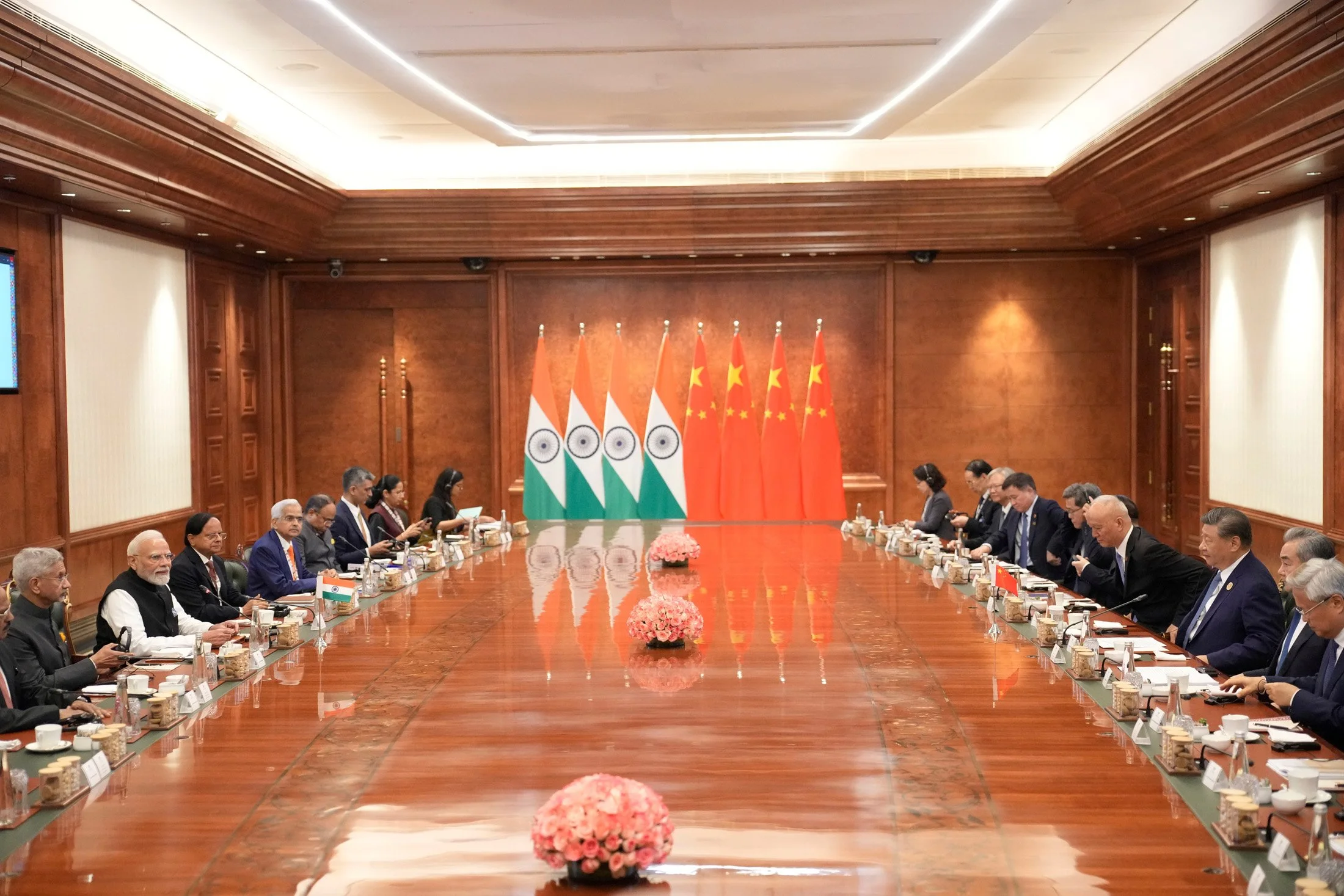
Despite a political thaw with China, India will double-down on efforts to indigenize its own industrial capabilities in certain sectors, while seeking new markets for exports, new defense and technology partners, and new and diverse sources for raw materials, investment, and intermediary goods.
By Andre Nicola
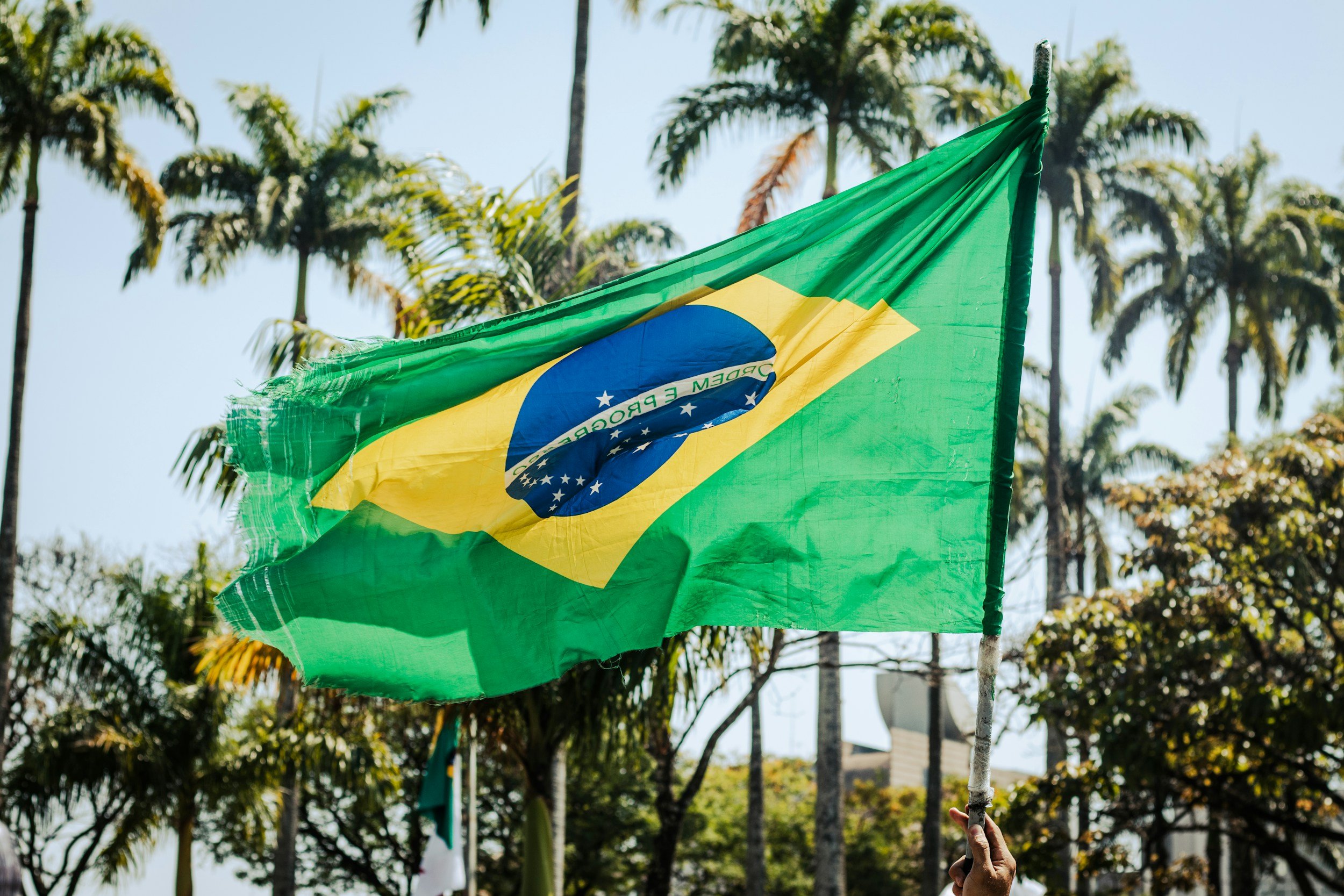
The outcome of Brazil’s 2026 presidential election will have massive implications for its domestic policies and will also shape how Brazil engages with partners in Washington, Beijing, and the rest of the world.
By Piyush Verma
As decarbonization extends beyond electricity into transport, manufacturing, steel, and chemicals, the share of world trade untouched by clean energy accounting is likely to shrink. So the useful question is not where clean trade begins and ends.
By Medha Prasanna
As countries race to connect renewable generation, expand transmission, and meet surging demand from data centers, electricity grids are being built at unprecedented speeds. Building quantum-safe cryptography while equipment is being designed and procured is far easier than retrofitting it later.
Observer Research Foundation America, 1100 17th St. NW, Suite 501, Washington DC 20036 USA