

By Dhruva Jaishankar
A sufficiently strong response by New Delhi would send a clear message to Pakistan – and to the world – that a resumption of indiscriminate terrorist attacks is unacceptable.

By Anit Mukherjee and Caroline Arkalji
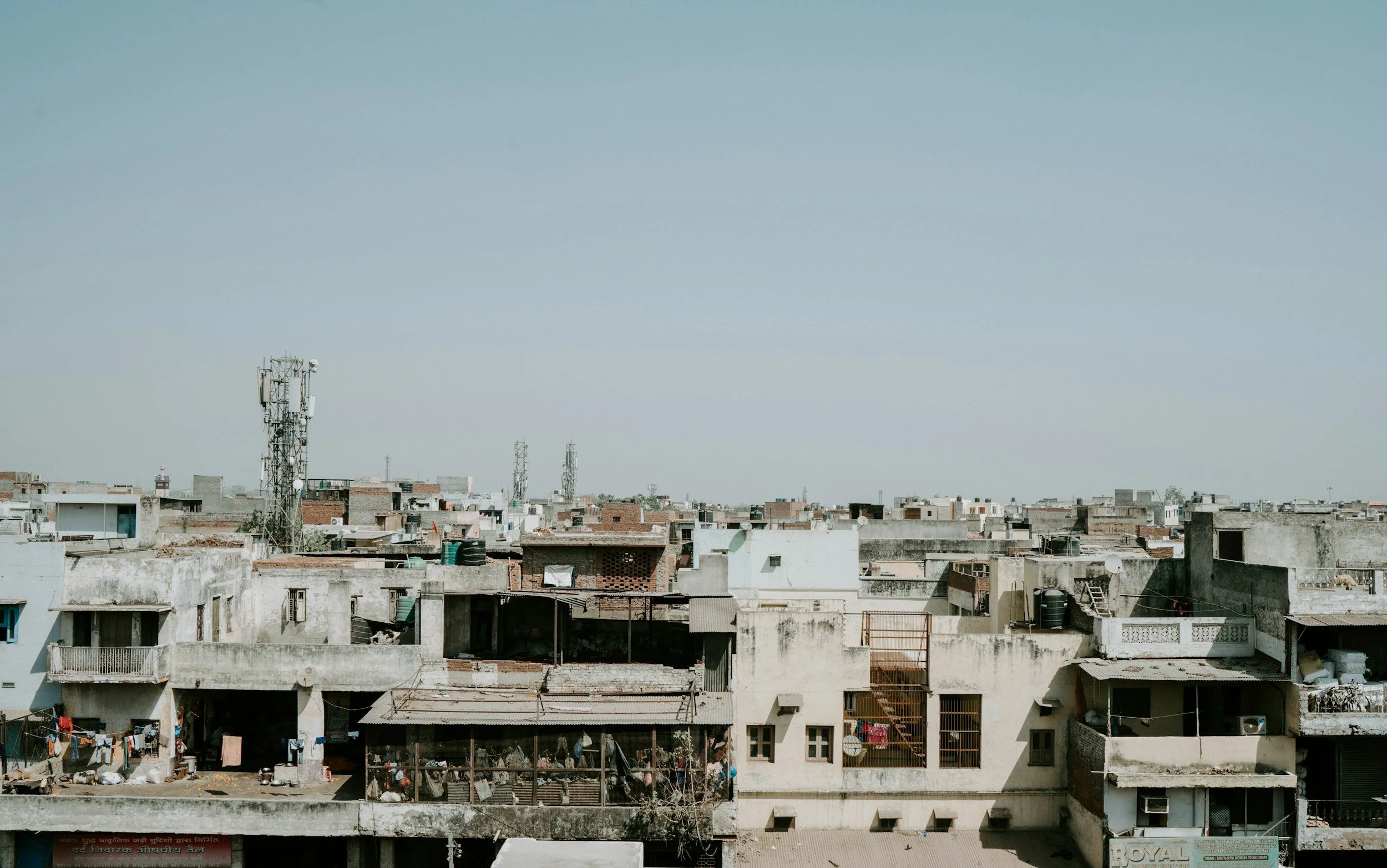
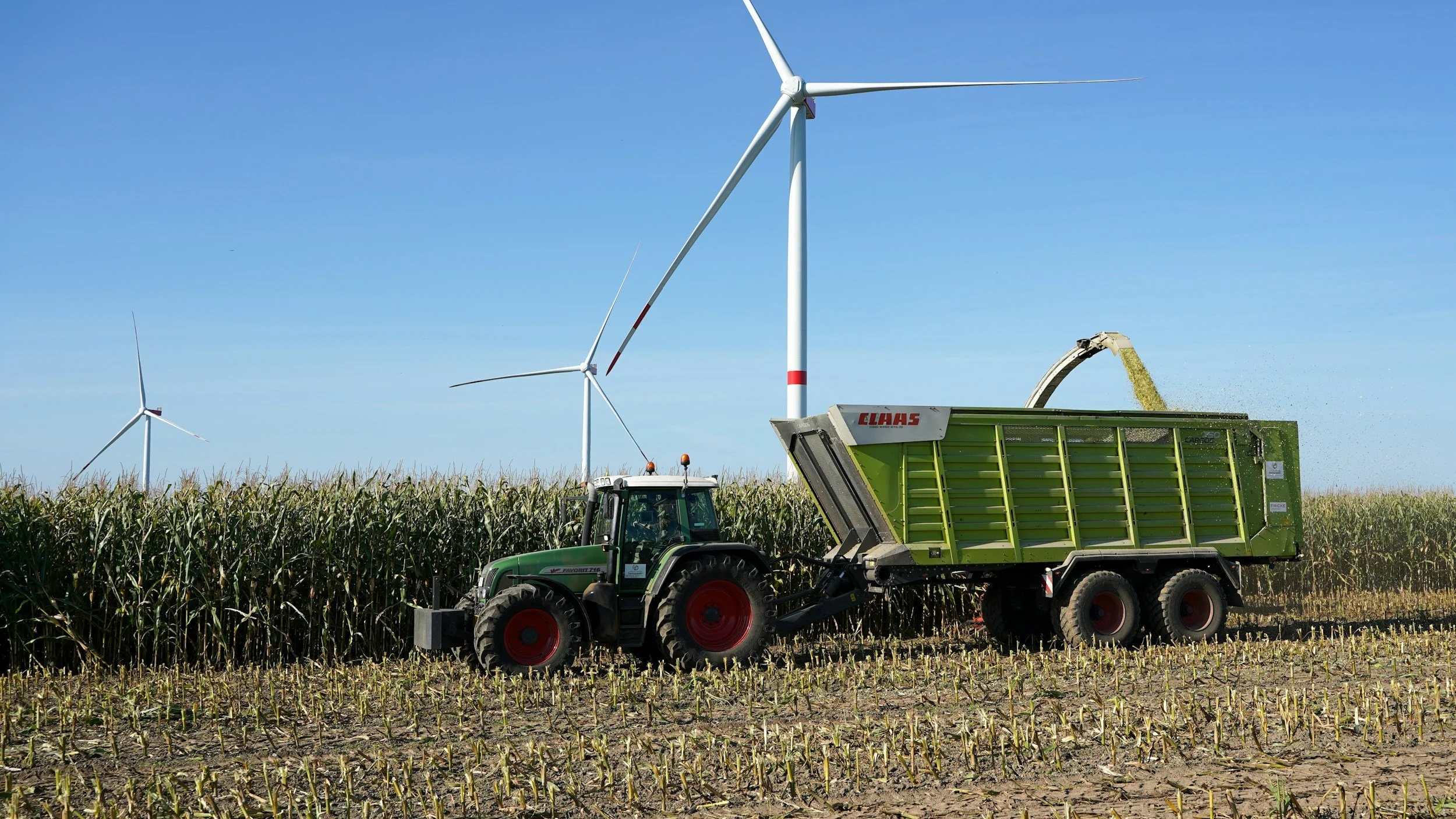
If implemented effectively, the Global Biofuels Alliance could help position biofuels not simply as a short-term response to supply disruptions, but as a more strategic pillar of long-term energy security, industrial development, and energy transitions.
By Soumya Bhowmick and Arya Roy Bardhan
For countries across Asia, Africa, and Latin America, the challenge is no longer simply how to engage Washington or Beijing diplomatically, but how to preserve developmental autonomy in an environment where great-power competition is restructuring markets, supply chains, and industrial choices.
By Aleksei Zakharov
China is carefully balancing its position on the war in Ukraine, offering Russia targeted support while avoiding direct military involvement in the form of supplying lethal weapons or deploying troops. Similarly, Moscow would like to avoid getting entangled in China’s conflicting relations with India, Japan, Vietnam, or the United States. This cautious approach on both sides imposes a clear ceiling on their engagement and leaves limited prospects for an alliance-like partnership in the future.
By Rudra Chaudhuri
There is a need for an architecture, such as a Trusted AI Corridor, which can help mitigate the risk that regulators in both the United States and India take steps that could roll back years of investment in a deepening technology partnership.
By Vasabjit Banerjee
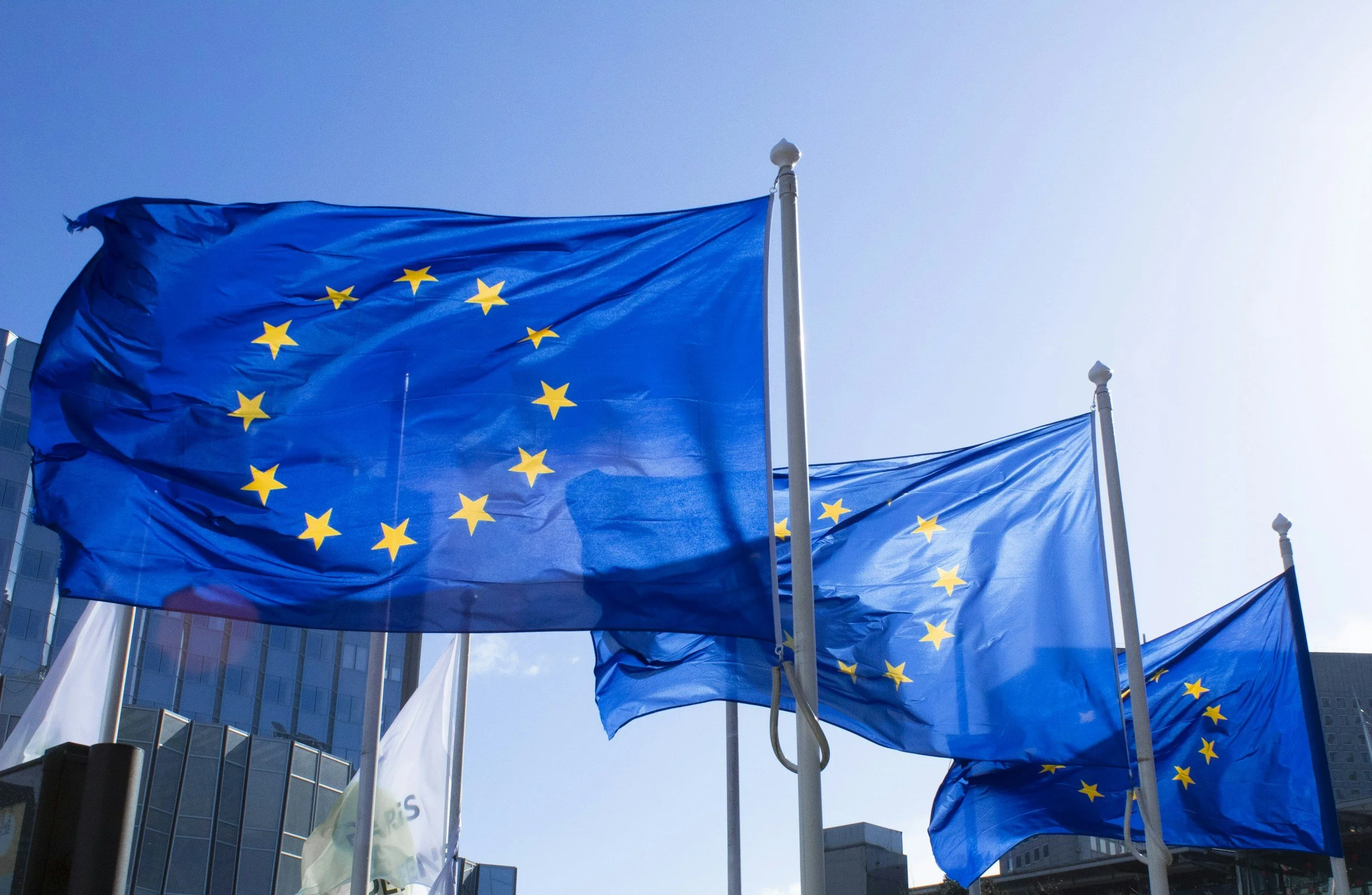
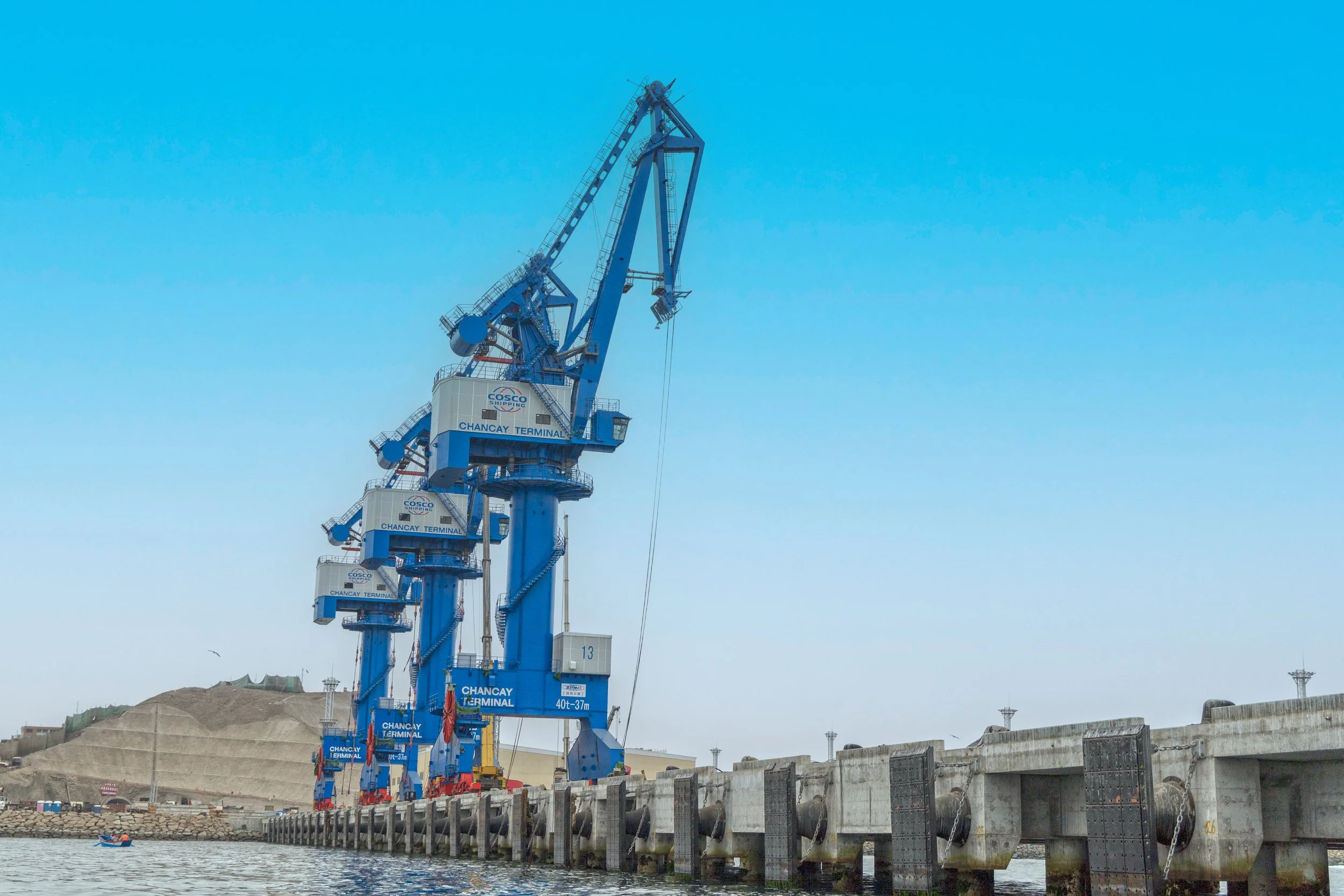
China’s economic and military presence in Latin America is expanding, prompting the United States to pursue countermeasures. Other extra-regional actors, ranging from the European Union to countries such as India, are simultaneously deepening their engagement with the region. The United States could strategically leverage these relationships to reinforce its own position.
By Dhruva Jaishankar
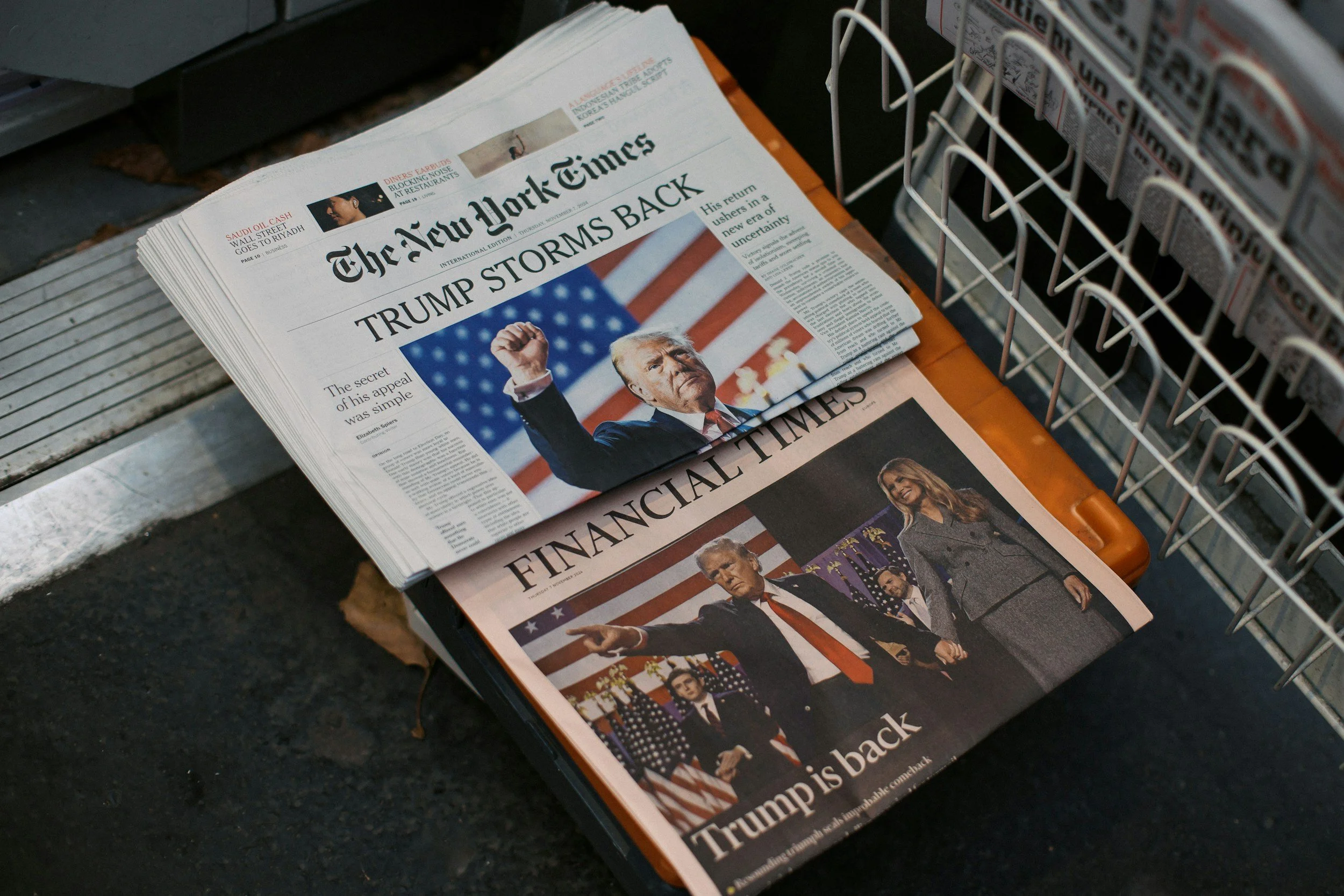
Trump’s April 2 announcement has already roiled financial markets, and the global economy will continue to be adversely affected both by the implementation of tariffs and by uncertainty as negotiations proceed. But while there will be no immediate winners, some parties appear relatively better off.
By Ammar Nainar
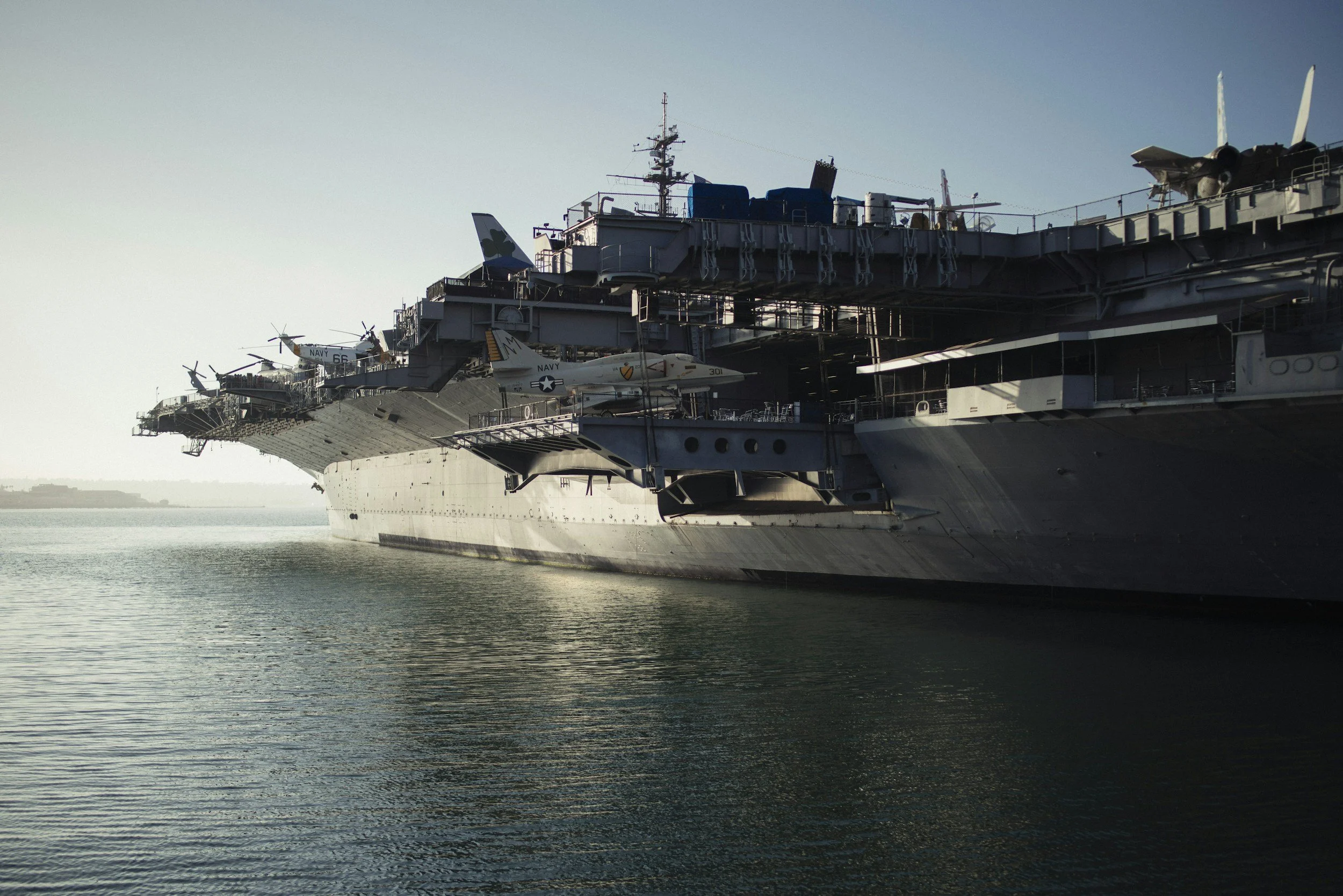
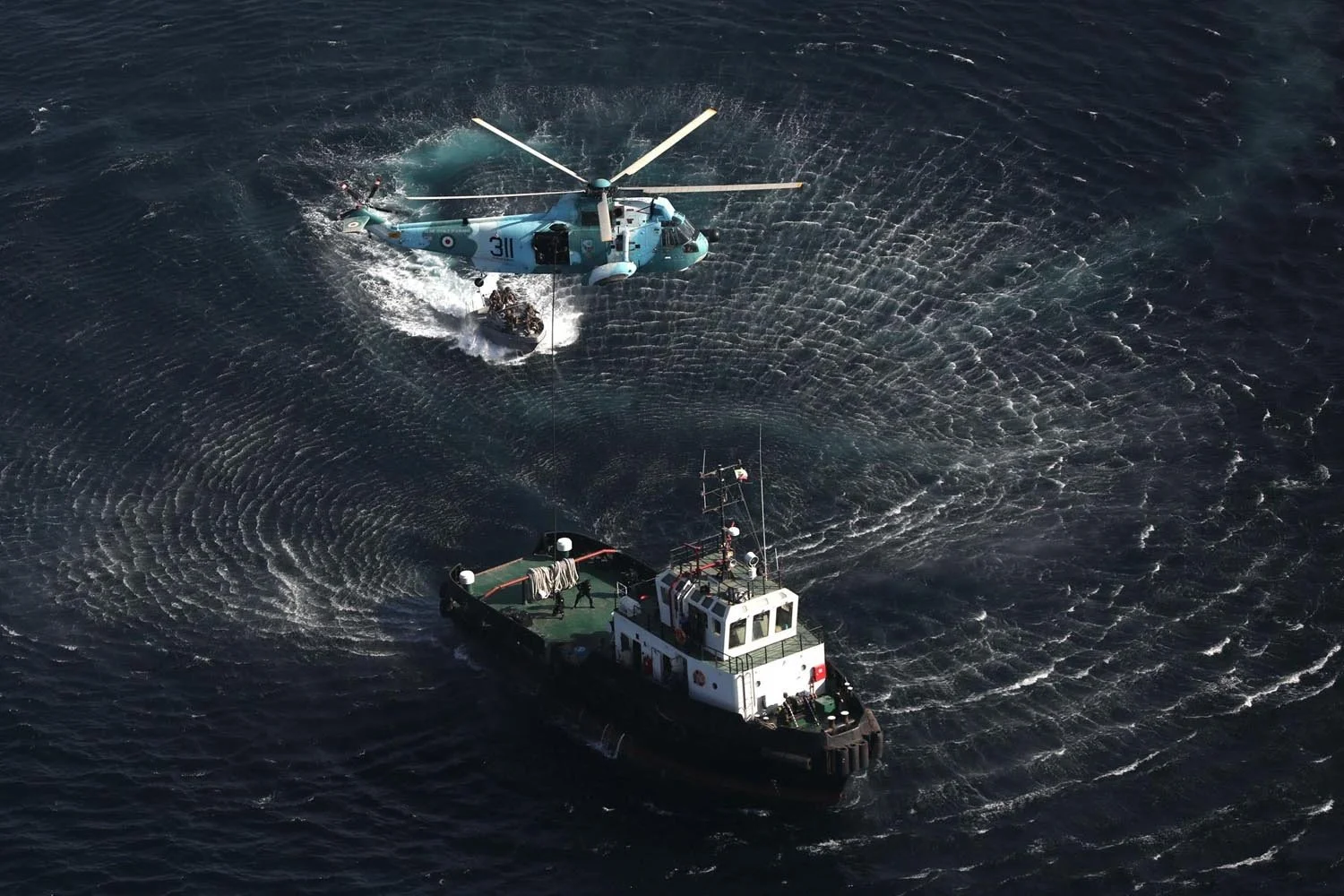
In a signal of the United States’ burden-sharing efforts, the Indian Ocean region was featured eight times in the latest U.S.-India joint statement between Indian prime minister Narendra Modi and U.S. president Donald Trump. To India and the United States, the Indian Ocean remains vital for trade and energy flows, for security competition given China’s growing naval activity, and for connectivity between Asia, Africa, and Europe.
Observer Research Foundation America, 1100 17th St. NW, Suite 501, Washington DC 20036 USA