



By Dhruva Jaishankar
While the direct implications for India might be less than for others, the 2024 U.S. presidential election will undoubtedly have indirect effects on India.

Edited Volume
By Dhruva Jaishankar, Anit Mukherjee, Anirban Sarma, Mannat Jaspal, Nilanjan Ghosh, and Sunaina Kumar
Editors: Sharon Stirling and Eszter Karacsony
Special Report No. 7
By Piyush Verma, Medha Prasanna, Caroline Arkalji, Erlijn Van Genuchten, and Siddharth Sharma
By Udaibir Das
Global financial institutions continue to frame the 2026 outlook for emerging markets through a familiar cyclical lens. The consensus assumes U.S. monetary easing, a softer dollar and a modest global slowdown will favor local-currency assets, credible disinflation paths and balance-sheet repair. This narrative is historically grounded and internally coherent. It is also increasingly insufficient.
By Medha Prasanna
Without intentional strategies to strengthen energy infrastructure, the Global South will remain largely a consumer of AI technologies.
By Dhruva Jaishankar
While the direct implications for India might be less than for others, the 2024 U.S. presidential election will undoubtedly have indirect effects on India.
By Udaibir Das
How can countries with small and shallow financial markets adopt financial stability reports that are more suited for their economic conditions?
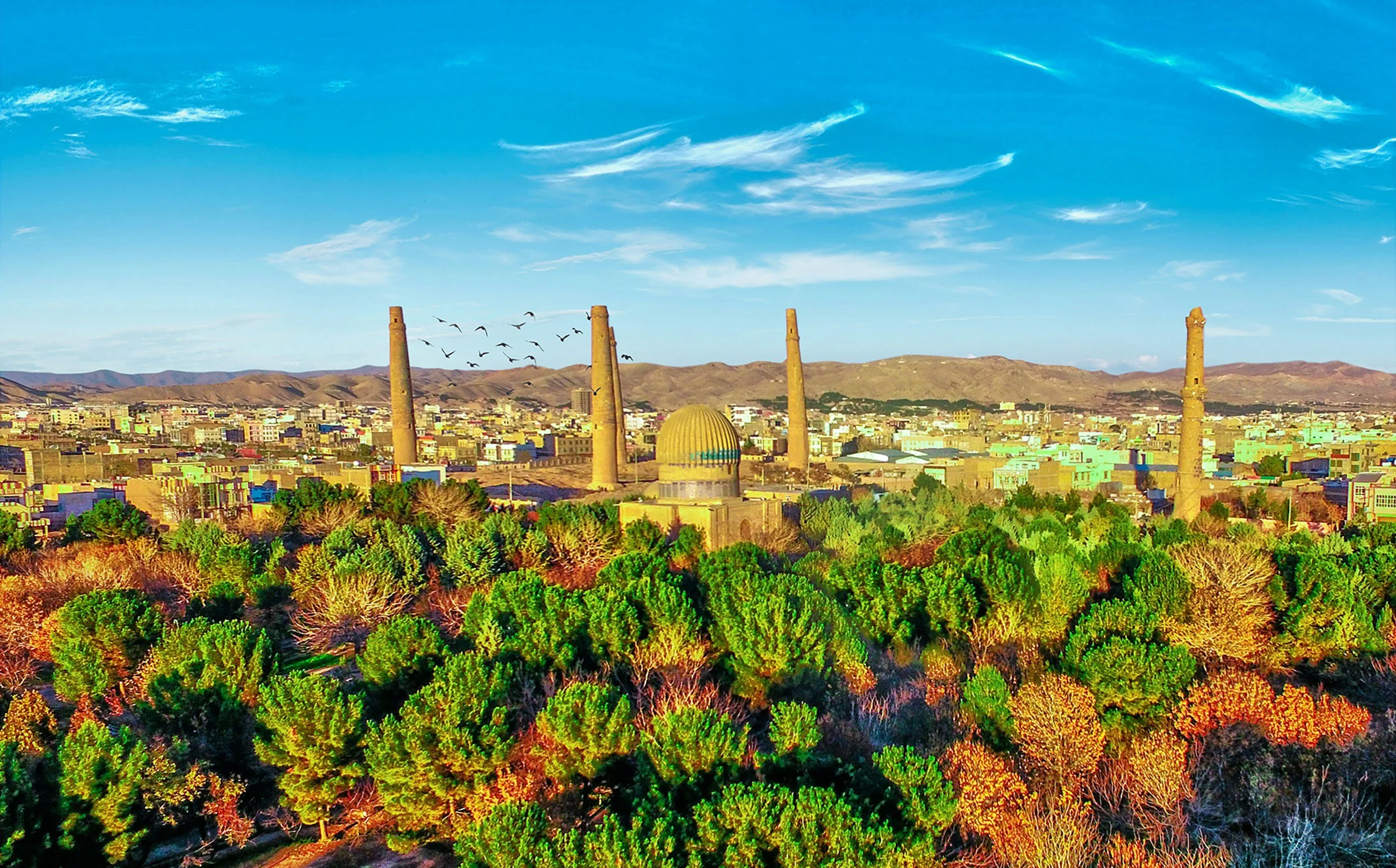
By Sadiq Amini
Is Japan’s continued engagement with Afghanistan, especially with development projects, furthering the legitimacy of Taliban rule?
By Dhruva Jaishankar
Why should Indo-Pacific nations pay attention to the U.S. presidential election and what will a change in leadership mean for existing partnerships?
By Udaibir Das
How should China refine its financial reform strategy to better align with its economic ambitions and responsibilities?
By Sadiq Amini
With the Taliban's return to power, Afghanistan is prone to rise of international terrorist groups just three years after the United States' withdrawal.
By Udaibir Das
The decisions from the 20th National Congress and the Third Plenum collectively represent significant strides in reinforcing the financial sector’s role as China recalibrates its growth model.
By Udaibir Das
The UK is poised to make a significant impact with the National Wealth Fund (NWF), a fund designed to spearhead its green transition and support sustainable growth. Will the UK’s NWF be a guiding economic beacon or just a political mirage?
By Udaibir Das
The IMF’s RST is a significant step forward in mobilising climate finance, focused on leveraging private sector involvement. By learning from the RST’s successes and challenges, other international efforts can enhance their strategies to attract private capital, creating a more sustainable and resilient global economy.
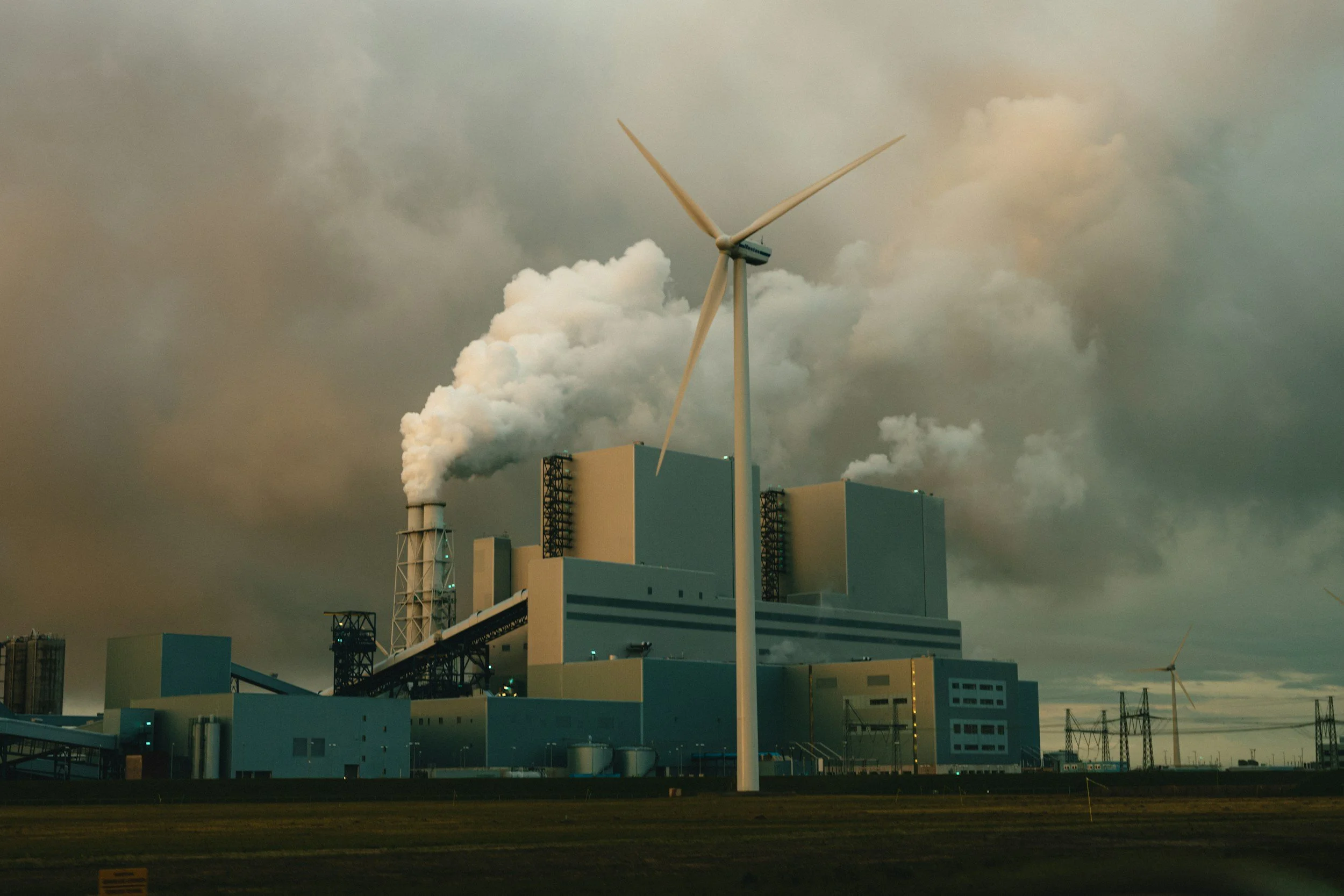
Ongoing armed conflicts in Europe and the Middle East and a fractured trade relationship between the world’s two largest economies, the United States and China, mean the energy transition cannot take economic integration and its accompanying benefits for granted.
Special Report
By Raj Sawhney, Shayak Sengupta, and Gregory Wischer
Editor: Shayak Sengupta
By Sadiq Amini
These days, Afghan democrats need a champion, and India, under Modi’s leadership, could be that champion – if New Delhi can correct course on its Afghanistan policy.
By Udaibir Das
To effectively manage debt and all liabilities, a top-down, country-wide reform is necessary to move towards a comprehensive liability management function.
By Kirat Singh, Tapas Peshin, Shayak Sengupta, Sumil K Thakrar, Christopher W Tessum, Jason D Hill, Inês M L Azevedo and Stephen P Luby
Absolute annual mortality ranges from less than 1 to over 650 deaths/year across units, and the mortality intensity of generation varies from under 0.002 to 0.43 deaths/GWh.
By Tapas Peshin, Shayak Sengupta, Sumil K Thakrar, Kirat Singh, Jason Hill, Joshua S Apte, Christopher W Tessum, Julian D Marshall and Inês M L Azevedo
Higher increases in pollution exposure are seen in scheduled castes/tribes, poor, and rural populations particularly in high coal production states.
Observer Research Foundation America, 1100 17th St. NW, Suite 501, Washington DC 20036 USA